Reviewed · PARIS TOURS
A Day of Exploring Black Paris
Paris has more stories than its monuments reveal. This six-hour walk and public-transport tour follows Black writers, artists, activists, and African communities through Saint-Germain, Pigalle, and La Goutte d’Or. I love the Black-centered view of Paris and the way breakfast, cafés, shops, and food give the history a human scale. I also like the small group, capped at 10 people, which leaves room for real conversation with guide Knight.
The main caution is simple: this is a physically demanding day. You will walk a lot, use the Metro and bus, and encounter stairs. At $216.48 per person, the price is high for a half-day outing, but the personal guiding, included breakfast, Metro pass, and rare subject matter make it a strong choice for visitors seeking something beyond the standard Paris circuit.
In This Review
- Key Points to Know Before You Book
- Why This Six-Hour Tour Feels Different
- Breakfast and Literary Paris at Les Deux Magots
- Présence Africaine and the Ideas That Changed Paris
- La Rhumerie and the Caribbean Connection
- Pigalle, Jazz, and Black Montmartre
- La Goutte d’Or and Château Rouge Today
- The Sorbonne, Richard Wright, and Personal Stories
- Public Transportation Is Part of the Lesson
- Ending at BMK Paris-Bamako
- Is the $216.48 Price Fair?
- Who Should Book This Experience?
- Should You Book A Day of Exploring Black Paris?
- FAQ
- How long is A Day of Exploring Black Paris?
- What time does the tour start?
- Where does the tour begin?
- Where does the tour end?
- Is breakfast included?
- Is lunch included?
- Is public transportation included?
- How large is the group?
- Is the tour offered in English?
- Can I cancel for a full refund?
Key Points to Know Before You Book
- Start with breakfast at Les Deux Magots: A croissant, bread with Poitou-Charentes butter, and a hot drink set the scene in one of Paris’s famous literary cafés.
- Follow the African and Caribbean threads: Présence Africaine, La Rhumerie, Pigalle, and La Goutte d’Or show how Black communities shaped Parisian culture, publishing, nightlife, food, and commerce.
- Expect a true walking tour: The day includes streets, Metro trips, bus travel, and stairs, so comfortable shoes and a moderate level of fitness matter.
- Guide Knight is central to the experience: His storytelling connects names such as Josephine Baker, Richard Wright, James Baldwin, Malcolm X, and Anna Julia Cooper to places in Paris.
- Finish with optional West African food: BMK Paris-Bamako provides a social ending, but lunch is not included in the tour price.
- Respect the neighborhoods: In La Goutte d’Or and Château Rouge, listen to the guide about photography and remember that these are working communities, not open-air attractions.
Why This Six-Hour Tour Feels Different
Most first visits to Paris follow a familiar path: the Eiffel Tower, the Louvre, Notre-Dame, and perhaps Montmartre. Those places matter, but they tell only part of the city’s story. This experience asks you to look at Paris through the lives of Black artists, intellectuals, migrants, performers, and business owners.
That change in focus is the real value. You are not simply being shown plaques and buildings. You are following links between the United States, the Caribbean, Africa, and France. Music, literature, colonial politics, food, fashion, and daily life all enter the conversation.
The tour is offered in English and begins at 10 a.m. in Saint-Germain-des-Prés. The group size of no more than 10 gives the day a personal feel. Knight is praised for his humor, care, and ability to adjust the pace when someone needs help, while still keeping the rest of the group involved.
I would think of this as a walking conversation with a route attached. The stops give the day structure, but Knight’s explanations and the questions from the group are what bring the subject to life.
A few more Paris trips worth weighing up
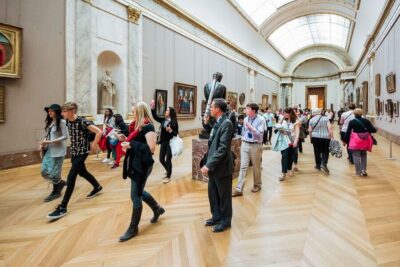
- Paris: Louvre Museum Timed-Entrance Ticket
★ 4.6 · 71,977 reviews - Disneyland® Paris 1-Day Ticket
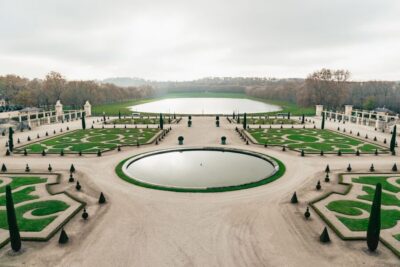
★ 4.6 · 49,412 reviews - Paris: Versailles Palace and Gardens Full Access Ticket
★ 4.6 · 41,579 reviews
Breakfast and Literary Paris at Les Deux Magots
The morning begins at Les Deux Magots, at 6 Place Saint-Germain des Prés. This old café is a fitting meeting point because it is tied to Paris’s long intellectual and literary tradition.
You receive a light French breakfast: a croissant, bread with Poitou-Charentes butter, and your choice of hot drink. It is not a full meal, so arrive expecting a gentle start rather than a large breakfast. The café gives you time to meet the small group, settle in, and hear why Saint-Germain mattered to writers and thinkers.
The Black Paris focus begins here. Knight discusses Black writers who lived and worked in Paris, including Richard Wright and James Baldwin, along with the café culture that brought artists and intellectuals together. The setting helps you understand that Black life in Paris was not separate from the city’s famous literary world. It was part of it.
This first hour also sets the tone. You are not being rushed from one photo stop to another. You sit, listen, and get context before setting off. If you have already eaten at your hotel, the included breakfast may feel modest, but the café setting remains useful.
Présence Africaine and the Ideas That Changed Paris
The stop at Présence Africaine is short, about 30 minutes, but its subject is important. Founded in 1949, this bookstore and publishing house became a meeting point for African and diasporic writers and thinkers.
Here, the tour moves from individual biographies to wider intellectual movements. You learn how Paris connected people from Africa, the Caribbean, and Europe, and how publishing helped ideas about Pan-Africanism, decolonization, and Négritude travel across borders.
A bookstore may not sound as dramatic as a monument, but that is precisely why this stop works. It shows how political and cultural change often grows from places where people read, argue, publish, and meet. You get a better sense of Paris as a place of exchange, not just a backdrop for famous names.
The visit is especially useful if you want more than a celebration of entertainers. The route gives equal attention to writers, scholars, publishers, and activists. Knight may also connect the stop with people such as James Baldwin, Richard Wright, Malcolm X, and Martin Luther King Jr., whose lives and ideas intersected with Paris in different ways.
La Rhumerie and the Caribbean Connection
At La Rhumerie, you spend about 45 minutes learning about the French Caribbean presence in Paris. The historic rum house dates to 1932 and has roots in Martinique and the wider Caribbean.
This stop adds food and business to the story. It shows how migration shaped cafés and restaurants, and how Caribbean culture became part of Parisian social life. The experience may include discussion of Joseph Louville, a Martinican connected with the founding of the establishment, and the family ties that continue around the business.
The setting is also a welcome change after the bookstore. You are moving from ideas and publishing into hospitality, trade, and everyday culture. Depending on the day’s flow, you may encounter Caribbean flavors or discussion of dishes such as plantains, but lunch is not included here.
Do not expect a long restaurant meal at every stop. Much of the day is about hearing the story behind a place. That makes the experience more educational than culinary, though food helps keep the history grounded.
A completely different sort of day in Paris:
- Paris: Evening River Cruise with Music
★ 4.4 · 22,721 reviews - Paris: Eiffel Tower Entry Ticket with Optional Summit Access
★ 4.4 · 20,035 reviews - Paris: Eiffel Tower Summit or Second Floor Access
★ 4.3 · 17,248 reviews - Paris: Louvre Guided Tour with Reserved Access & Boat Cruise
★ 4.3 · 16,353 reviews
Pigalle, Jazz, and Black Montmartre
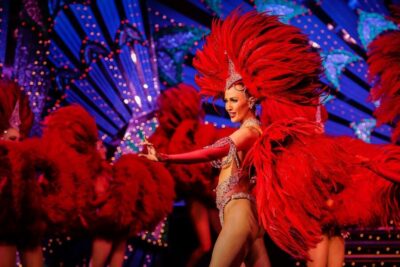
Pigalle brings the focus to performance and nightlife. The neighborhood is often associated with cabarets and entertainment, but the tour examines how Black performers, musicians, and migrants helped shape its identity in the early 20th century.
Josephine Baker is a key figure in this part of the story. Her career links American performance, French popular culture, race, celebrity, and resistance. Pigalle also connects with the Harlem Renaissance and the jazz musicians who found audiences, work, and creative partners in Paris.
You will hear how venues and nightlife created meeting points for people from different countries. The neighborhood’s significance is not only about who performed on stage. It is also about the workers, artists, audiences, and newcomers who changed the character of the area.
This is a walking stop, so the experience depends on listening while moving through ordinary city streets. You will not necessarily enter a series of preserved historic interiors. Instead, Knight uses the neighborhood itself to explain what happened there and why it mattered.
La Goutte d’Or and Château Rouge Today
The tour then heads north to La Goutte d’Or, including the Château Rouge area. This is one of the most useful parts of the day because it connects past migration with present-day African life in Paris.
The streets and market areas are shaped by communities with roots across Africa. Shops, textiles, food, design, and daily commerce make the neighborhood feel active and lived-in. Knight explains how La Goutte d’Or became a cultural and commercial center, while also helping you read the area with respect.
This is not a stage set for sightseeing. People live and work here, and that affects how you should behave. One particularly valuable instruction is to avoid photographing people without permission. The advice keeps the visit from turning into a careless photo hunt and encourages you to pay attention to the neighborhood as a community.
The route may include stops connected with African design and business. Keur Coffee Shop offers a link between Dakar and Paris through coffee and Senegalese design. Peulh Vagabond is associated with clothing, jewelry, and accessories, including work worn by major entertainers. These visits add a contemporary layer to the historical material.
You may also encounter African textile shops and learn about the difference between genuine and imitation Dutch wax prints. That detail sounds small, but it shows how the tour handles culture through real objects and conversations rather than broad labels.
The practical drawback is that this section can feel tiring after several hours on foot and public transport. If stairs are difficult for you, take the mobility warning seriously and contact the operator before booking.
The Sorbonne, Richard Wright, and Personal Stories
Although the main route is built around six named stops, Knight’s storytelling can extend to nearby places with links to Black intellectual life. The Sorbonne is one example.
A particularly striking story concerns Anna Julia Cooper, an African-American scholar and educator who earned a doctorate there in 1925. Born into slavery in North Carolina in 1858, she later studied in France and wrote about the country’s attitude toward slavery. Her work and the gatherings she hosted connected African, Caribbean, and African-American thinkers.
The tour can also point out 14 Rue Monsieur le Prince, where Richard Wright lived, marked by a plaque. Places like this reward you for slowing down. The building may look ordinary, but the address becomes meaningful once you understand who lived there and what Paris offered him.
These details help the tour avoid a narrow list of famous names. The story includes scholars, authors, performers, activists, and shop owners. You see how Black Paris was built through many kinds of work.
Public Transportation Is Part of the Lesson
Your included all-day Metro pass is more than a cost-saving extra. Public transportation helps connect the separate parts of the city and gives you a sense of distance between Saint-Germain and the northern neighborhoods.
You may use the Metro and bus, and several stations involve stairs. The movement between districts also makes the tour feel like a day in Paris rather than a lecture in one neighborhood. You see how the city changes as you travel from the polished Left Bank to areas shaped by African commerce and community life.
The route is not suited to someone who wants a slow café day with minimal exertion. Wear comfortable shoes, carry water, and keep your belongings secure as you move through stations and crowded streets. The experience has received praise for good pacing, but six hours of walking remains six hours of walking.
Ending at BMK Paris-Bamako
The day concludes at BMK Paris-Bamako, at 14 Rue de la Fidélité. This African restaurant gives the group a place to sit, talk, and think back over the day.
Lunch is optional and not included in the $216.48 price. That matters when you set your budget. You will need to pay for your own meal and drink, but the restaurant provides a fitting final stop rather than a random place to end near the Metro.
The food connects with the day’s broader themes, including West African traditions from Mali and Senegal. You may find dishes and drinks such as hibiscus and mint on the menu, but the exact meal and availability can vary.
I like this ending because it allows conversation. The group can compare the morning’s literary stories with the afternoon’s neighborhood encounters. In a small group, that social time can become one of the most memorable parts of the experience.
Is the $216.48 Price Fair?
This is not a bargain walking tour. At $216.48 per person, you are paying for a specialist experience with a small group, an English-speaking guide, breakfast, and an all-day Metro pass.
The price makes more sense if you value access to a subject rarely covered in standard Paris tours. You are also getting a route that would be difficult to recreate efficiently on your own. Finding the relevant cafés, bookstore, plaques, neighborhoods, and contemporary businesses would require research, transport planning, and a fair amount of guesswork.
Lunch is extra, and the included breakfast is light. If your priority is seeing the maximum number of major monuments for the lowest possible cost, choose another tour. If you want a focused cultural day with personal explanation and a strong connection between history and modern Paris, the cost is easier to justify.
Who Should Book This Experience?
I would recommend it to first-time Paris visitors who want a different opening to the city, and to returning visitors who have already seen the main sights. It is also a natural fit for people interested in African diaspora history, Black literature, jazz, Caribbean culture, fashion, food, and migration.
You do not need to be of African or Caribbean descent to benefit. The route explains how American, African, Caribbean, and French stories meet in Paris, making it useful for anyone who wants a wider view of the city.
It may not suit you if you have serious walking limitations, difficulty with stairs, or little interest in public transportation. Service animals are allowed, and the experience is near public transportation, but you should still expect a physically active day.
Free cancellation is available if you cancel at least 24 hours before the 10 a.m. start time. Poor weather can also lead to a new date or a full refund, since the experience requires good weather.
Should You Book A Day of Exploring Black Paris?
Book it if you want Paris to feel more personal, social, and historically layered. Knight’s careful storytelling, the small group, and the mix of cafés, books, music, neighborhoods, shops, and food give the day a clear purpose.
Skip it if you want a cheap, low-effort sightseeing loop. For everyone else, especially repeat visitors and anyone seeking Black Parisian history beyond the usual landmarks, this is a thoughtful use of six hours. Bring good shoes, budget for lunch, ask questions, and follow the photography advice in La Goutte d’Or. That is how you get the most from it.
FAQ
How long is A Day of Exploring Black Paris?
The experience lasts approximately six hours.
What time does the tour start?
The tour starts at 10 a.m.
Where does the tour begin?
It begins at 6 Place Saint-Germain des Prés, 75006 Paris, France.
Where does the tour end?
It ends at BMK Paris-Bamako, 14 Rue de la Fidélité, 75010 Paris, France.
Is breakfast included?
Yes. Breakfast includes a croissant, bread with Poitou-Charentes butter, and a choice of hot drink.
Is lunch included?
No. Lunch at BMK Paris-Bamako is not included in the tour price.
Is public transportation included?
Yes. An all-day Metro pass is included. The route also uses public transportation and involves stairs.
How large is the group?
The experience has a maximum of 10 people.
Is the tour offered in English?
Yes. It is offered in English.
Can I cancel for a full refund?
Yes, if you cancel at least 24 hours before the experience start time. Cancellations made less than 24 hours before the start are not refunded.
Recently added around Paris
- Private Half-Day Guided Tour of Paris★ 4.5 · 48 reviews
- 2 hour outdoor group activity in Paris: SAINT GERMAIN★ 5.0 · 48 reviews
- Paris Dinner Show Opera Bel Canto★ 4.5 · 48 reviews
- Paris Vintage Tour by Night on a Sidecar with Champagne★ 5.0 · 48 reviews
- Secrets & Scandals of the Louvre – Limited to 6 Guests★ 5.0 · 48 reviews
- Paris Photoshoot: Eiffel Tower Exclusive Private Experience★ 5.0 · 48 reviews
- Paris: Louvre Mona Lisa Discovery Guided Tour with Ticket★ 4.9 · 48 reviews
- From Paris: Versailles Full-Day Guided Tour with Lunch★ 4.9 · 48 reviews
Paris Tours, compared.
Paris: Versailles Palace and Gardens Full Access Ticket
Read our review →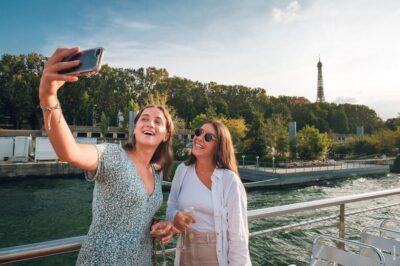
Paris: Eiffel Tower Entry Ticket with Optional Summit Access
Read our review →
Paris: Eiffel Tower Summit or Second Floor Access
Read our review →
Paris: Louvre Guided Tour with Reserved Access & Boat Cruise
Read our review →