
Reviewed · CHAMPAGNE TASTINGS
Champagne: Canard-Duchêne Champagne House Tour
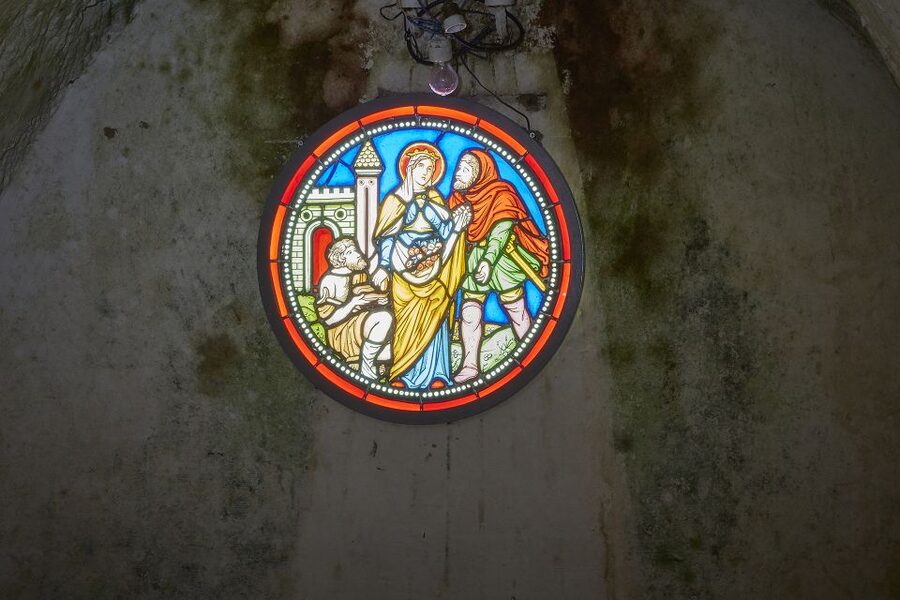
Champagne starts underground. At Canard-Duchêne, you spend an hour learning how grapes become sparkling wine, then head below ground into cellars cut through the chalk. I like the mix of hand-carved 19th-century cellars and vineyard time, since you see both the finished bottles and the vines behind them. I also like the restored chapel, especially its stained glass made by the Simon-Marq workshop.
The main drawback is physical: reaching the cellars means 130 steps each way, with no elevator. The underground rooms stay around 50°F, so you need warm clothing even on a pleasant summer day. At $25 per person, this is a strong-value introduction to Champagne, but anyone wanting a long tasting, lunch, or a full-day winery circuit should choose a larger experience.
In This Review
- Key Points at a Glance
- Why This One-Hour Visit Works
- Above Ground: Vines, Chapel, and House History
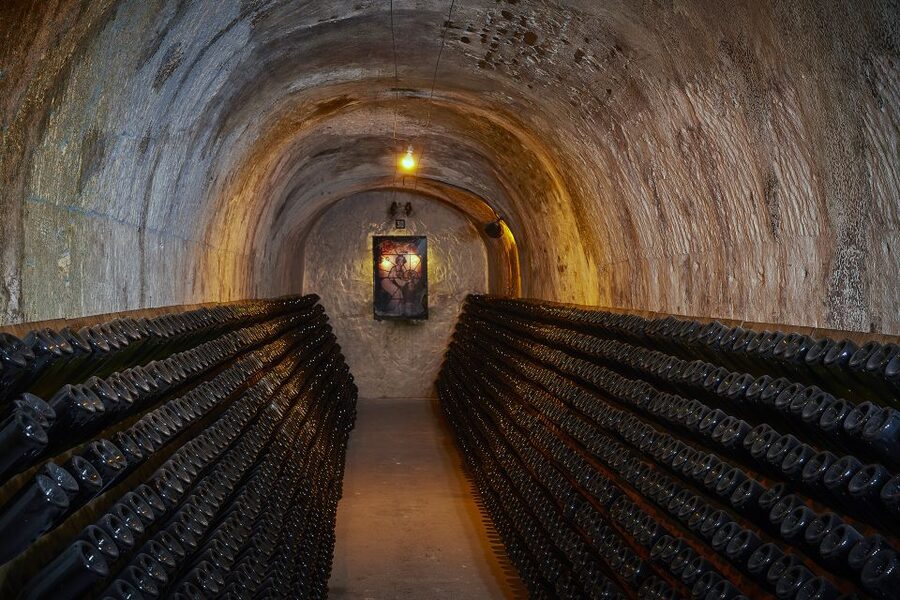
- Going 40 to 60 Feet Below Ground
- How Champagne Production Fits Together
- Choosing the Right Champagne Tasting
- What the $25 Price Really Buys
- Timing, Clothing, and Practical Planning
- How It Compares With Longer Champagne Outings
- Who Should Book This Visit
- Should You Book Canard-Duchêne?
- FAQ
- How long does the Canard-Duchêne Champagne House Tour last?
- How much does the experience cost?
- What tasting options are available?
- How many glasses of champagne are included?
- Is lunch included?
- How cold are the cellars?
- Are the cellars accessible by elevator?
Key Points at a Glance
- Four cellar levels underground: Walk 40 to 60 feet below ground through a network stretching nearly four miles.
- A real look at champagne production: Your guide explains the stages from grape growing through cellar aging.
- Vineyards included: You do not only see bottles and equipment. You also walk among the vines where the grapes are grown.
- A restored chapel window: The renovated old chapel adds a surprising artistic stop to the winery visit.
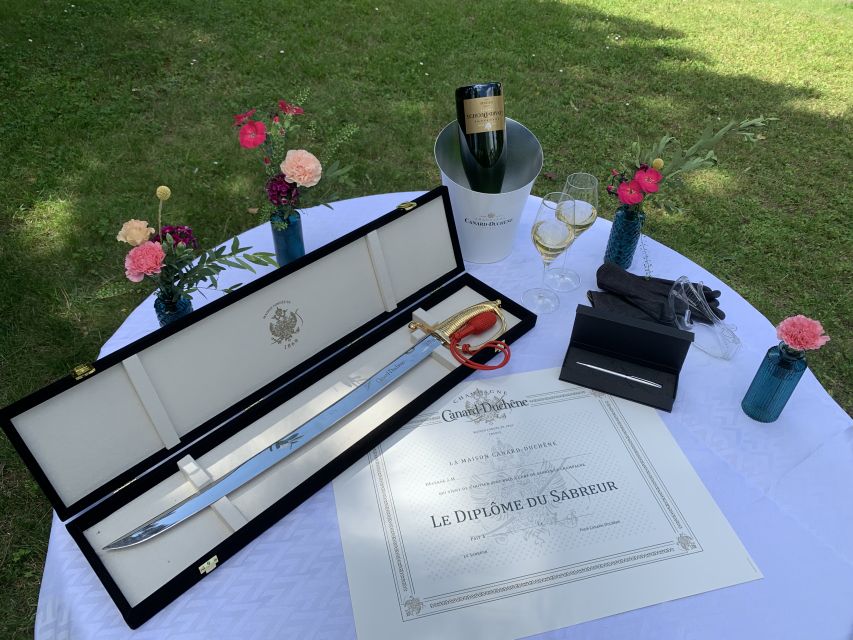
- Tasting choices vary: Select one glass with the Decouverte option, or two glasses with Liberté, including Cuvée Léonie Brut and Rosé, or Cuvé Bio P181.
- Short, useful format: The one-hour schedule works well for a packed Champagne day, though it leaves little room to linger.
Why This One-Hour Visit Works
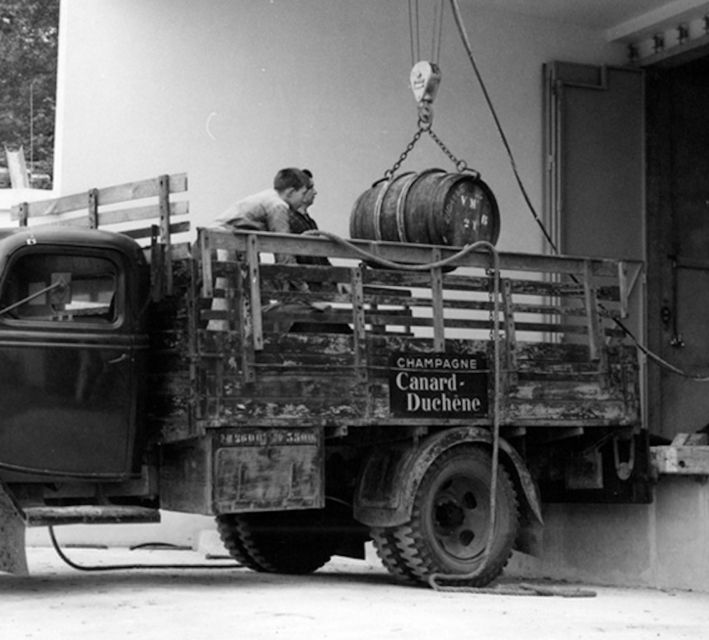
A Champagne house visit can easily become a blur of stainless-steel tanks, polished bottles, and technical terms. Canard-Duchêne keeps the experience manageable by linking three things: the production process, the underground cellars, and the vineyards.
That connection matters. You can hear how Champagne matures underground, then step outside and see the vines that supply the grapes. The visit does not treat champagne as a magic trick. It shows the place, the tools, and the patient cellar work behind each bottle.
The one-hour duration is a real advantage if you are building a day around several stops in the Grand Est. You get a proper guided visit without surrendering half your day. At the same time, the short schedule means the explanation moves along briskly. You will learn the main points, but this is not a slow wine seminar.
The guides speak English or French. The available feedback points to friendly, clear guiding, with one visitor describing the guide as especially pleasant and welcoming. Another praised the visit for teaching a great deal in a short time. That combination is exactly what you want here: practical explanation without a lecture that outlasts the tasting.
More Champagne Tastings in Champagne:
- From Reims: Champagne and Family-Run Wineries Tour
★ 4.8 · 671 reviews - Reims afternoon tour Champagne and family growers
★ 5.0 · 535 reviews - From Reims: Morning Champagne Tour and Tastings
★ 4.8 · 463 reviews
Above Ground: Vines, Chapel, and House History
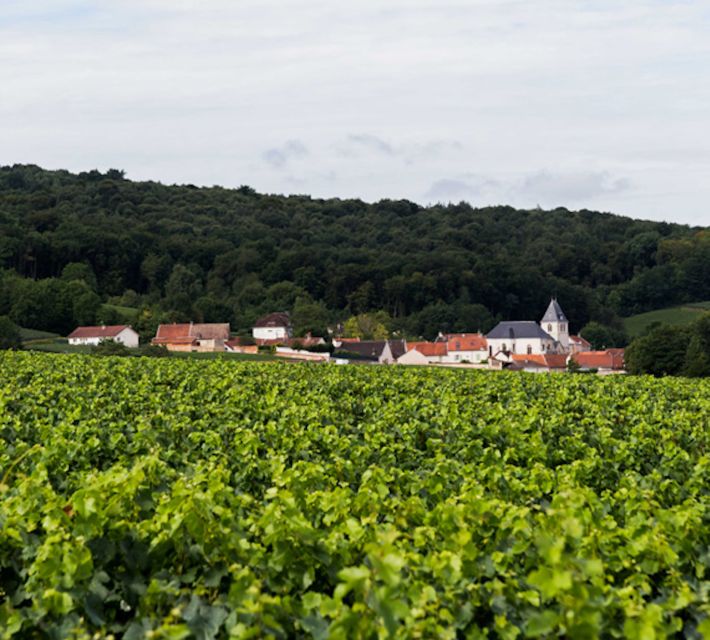
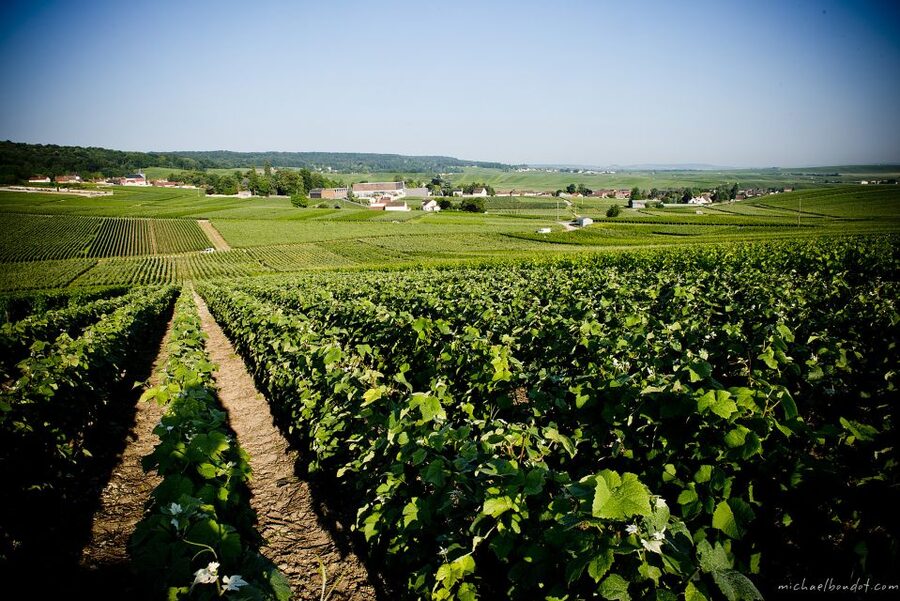
The visit includes a guided walk through the vineyards. This is one of the most useful parts for first-time Champagne visitors because it gives you a visual sense of where the wine begins.
You see how the grapes are grown rather than starting with a finished bottle in a shop. Your guide can place the cellar work in context, explaining how the character of the grapes connects with the production process and final wine. The supplied details do not specify the exact vineyard route or the grape varieties seen on the walk, so expect a general introduction rather than a detailed agricultural lesson.
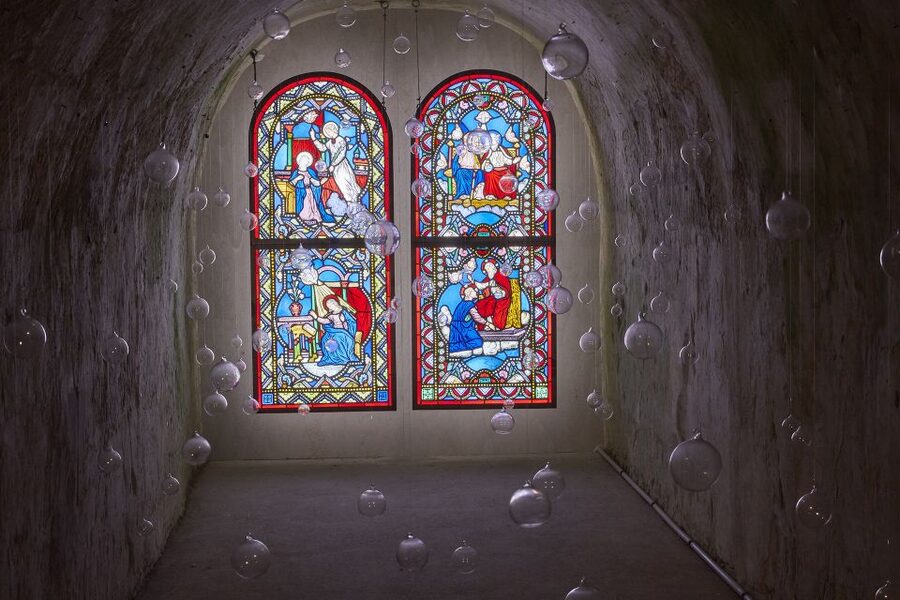
The house also includes an old chapel with restored stained glass windows. The work was completed by the Simon-Marq workshop, a name worth noting if you care about decorative arts and French glassmaking. This is a welcome change of pace from the cellar tour. After all, a Champagne house is also a place of architecture, tradition, and display, not only a production site.
The chapel stop sounds small, but it gives the visit a sense of place. You are not simply touring an industrial facility. You are seeing how the house presents its identity through old structures and restored details.
The historical discussion comes from your guide. The available information does not give a founding date or a list of important owners, so I would not book this expecting a full family saga. Think of the history as useful background that helps you understand the house and its spaces.
Going 40 to 60 Feet Below Ground
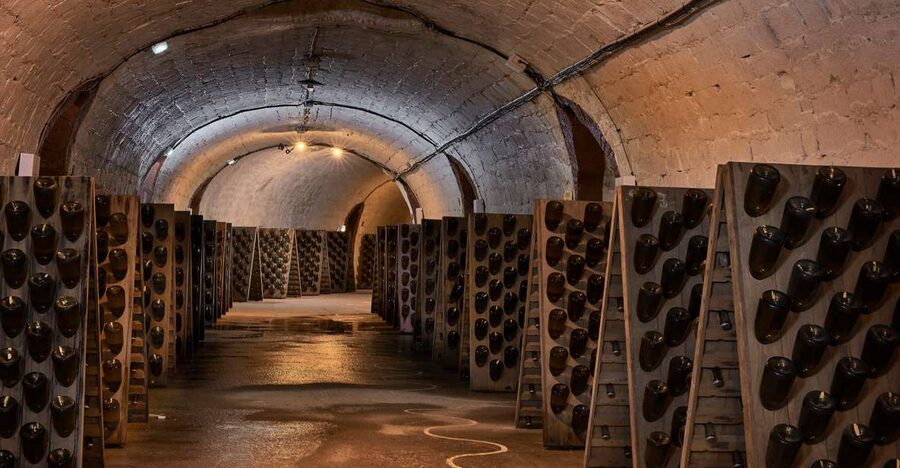
The cellars are the heart of the experience. You descend between 40 and 60 feet underground, then walk through four levels of tunnels covering nearly four miles in total.
You will not cover all four miles in an hour. The point is to experience part of this large network and understand how it functions. The hand-carved 19th-century architecture gives the route a sense of age and craft. The walls and underground setting help you picture how Champagne houses stored and matured wine long before modern visitor centers became part of the wine business.
Bring a sweater or jacket. The maximum temperature in the cellars is 50°F, and that cool air can feel sharp if you arrive dressed for a warm vineyard walk. Comfortable clothing is also wise because of the stairs and underground route.
The cellar conditions are not just atmospheric. Your guide explains how temperature and humidity help the champagnes mature. The stable underground environment gives the bottles time to develop their taste and complexity. This is the kind of detail that makes a cellar visit worthwhile: you learn why the cellar exists, not just how far below the surface it sits.
The 130 steps each way deserve serious attention. There is no elevator access. You need to manage the descent, the tour route, and the climb back up. The experience is specifically not suitable for people with mobility impairments or people over 70. That is unusually direct guidance, and you should take it seriously rather than treating it as a minor footnote.
If stairs are difficult for you, the vineyard and chapel portions will not remove the problem. The cellar is a central part of the visit, and the return climb is required.
How Champagne Production Fits Together
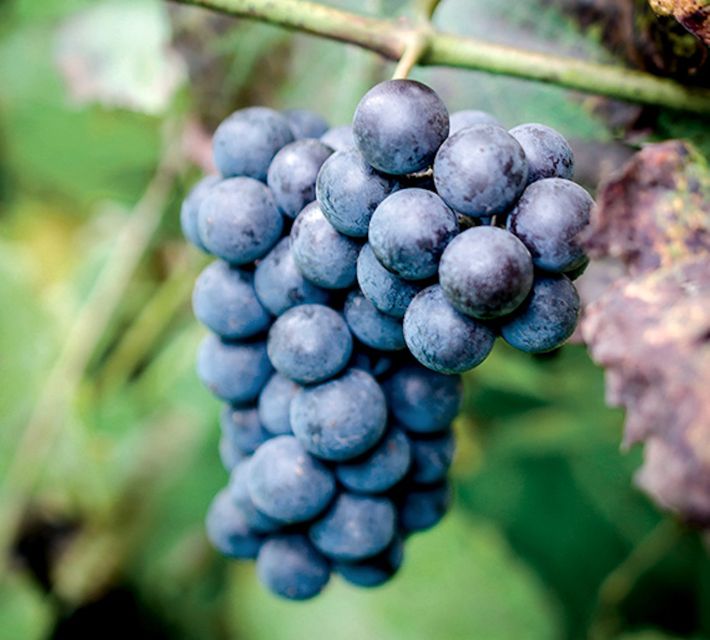
The guide explains the different stages of champagne production as you move through the facilities and cellars. The information provided does not list every technical step, so expect a broad, understandable explanation rather than a complete winemaking course.
That broad approach suits most visitors. You learn how grapes become a finished sparkling wine, why the bottles need time underground, and how the cellar environment supports that process. You also get a better sense of the work hidden behind a celebratory bottle.
The tour is especially useful if you know Champagne mainly from restaurant menus or special occasions. The underground walk changes your view of the drink. Instead of seeing only the label and bubbles, you start to understand the long period of storage and care that comes before the bottle reaches your table.
The guide also explains how the underground atmosphere affects flavor and complexity. That link between place and taste prepares you for the tasting at the end. You can pay more attention to what is in the glass instead of simply deciding if you like it.
A completely different sort of day in Champagne:
- Small Group – Half Day Champagne Tour – Visit of 2 Small Producers/Growers
★ 5.0 · 341 reviews - Champagne Day Trip from Reims including 9 Champagne Tastings
★ 4.5 · 272 reviews - From Reims: Champagne Small-Group tour with tastings & Lunch
★ 5.0 · 253 reviews - Small Group – Full Day Champagne Tour 3 Small Champagne Growers
★ 5.0 · 231 reviews
Choosing the Right Champagne Tasting
The tasting depends on the option you select. Read the choice carefully when booking because the number and type of glasses vary.
The Decouverte option includes a tasting of either a brut or a demi-sec. This is the simplest choice and suits you if you want a basic introduction to the house style or prefer not to spend extra time comparing several wines.
The Liberté option includes two glasses. You can taste Cuvée Léonie Brut and Cuvée Léonie Rosé, or Cuvé Bio P181. Two glasses give you a more useful comparison, particularly if you want to notice the difference between a brut and a rosé or explore the organic cuvée option listed for this package.
The Charles VII option includes a tasting of Cuvée Charles VII. This is the choice for anyone who wants to focus on that named cuvée rather than compare two separate glasses.
The provided information does not state the exact pour size, serving sequence, or current price difference between these options. I would check those details before paying. The base price of $25 per person is attractive for a guided cellar and vineyard visit, but the value changes depending on how many glasses you receive.
One practical tip: do not expect food with the tasting. Lunch is not included, and the tasting is not described as coming with a meal. A French-language visitor specifically suggested that a small toast or biscuit would improve the tasting. That is useful advice. Have a snack before or after if you want something more substantial than champagne alone.
What the $25 Price Really Buys
At $25 per person, this is a relatively accessible way to enter the Champagne world. You get a live guide, a cellar tour, a vineyard walk, and one or two glasses depending on your selected option.
The strongest value comes from the cellar access. A short tasting by itself would tell you little about the house. Here, the tasting follows a physical visit through old underground spaces and a walk among the vines. You are paying for context as well as wine.
The price also works well for a first visit. You do not need to commit to a long class or a full-day excursion to find out if Champagne-house tours appeal to you. If you enjoy the subject, you can always add a longer tasting or another producer later.
Still, keep expectations in check. The experience lasts one hour, and lunch is not part of it. The tour will not replace a half-day route through several houses or a dedicated Champagne masterclass. You are buying a focused introduction, not an all-day wine program.
The tasting option matters here. If your main goal is sampling several cuvées, choose the two-glass Liberté option if the price difference fits your plans. If your priority is seeing the cellars and learning the process, the basic Decouverte option may be enough.
Timing, Clothing, and Practical Planning
Arrive 15 minutes before the activity begins. That buffer matters because the visit has a short fixed duration. Arriving late could mean missing the opening explanation or joining the group after the cellar descent.
Wear comfortable clothes and bring warm clothing. The vineyard portion may be milder, but the cellars remain at a maximum of 50°F. A light jacket or sweater is the sensible middle ground.
Comfortable footwear is also a good idea because you will walk through the facilities and manage 130 steps each way. The supplied instructions do not specify the floor surface or outdoor walking distance, so avoid assuming this is a completely effortless stroll.
The visit is available with a live guide in English or French. If you want the explanation in English, confirm that option at booking. The information does not identify individual guides, so there is no specific guide name to request.
The activity offers free cancellation up to 24 hours before the start time, and you can reserve while paying later. Those policies help if your Champagne plans depend on weather, transport, or another winery reservation. They do not change the physical demands of the route, so flexibility is useful for scheduling but not a substitute for checking your mobility needs.
How It Compares With Longer Champagne Outings
This Canard-Duchêne visit is best understood as a compact house tour. Longer excursions from Reims or Epernay often combine transport, several tastings, and more than one producer. Those options make more sense if you want a full day without planning the route yourself.
A specialized tasting class is a better match if you want to study Champagne styles, compare wines carefully, or pair the glasses with lunch. A museum visit with a tasting may suit you if you want more displays and less cellar walking.
Canard-Duchêne offers a different balance. You get the real cellar setting, a vineyard walk, a little architecture, and a tasting in a single hour. That makes it easy to add to a day in the region, especially if you want more than a shop counter but less than a full wine itinerary.
The house receives a strong overall rating of 4.7 out of 5 from 66 ratings, and the repeated praise focuses on the quality of the visit, the beauty of the place, and friendly guiding. One clear criticism concerns the limited shop selection, so do not count on a large retail stop with endless bottles and gifts. The tasting also does not include a small food accompaniment.
Who Should Book This Visit
I would recommend this tour to first-time Champagne visitors who want the basic story in a short format. It also suits couples, independent sightseers, and anyone adding one producer to a wider Grand Est itinerary.
You will get the most from it if you enjoy places with a physical sense of history, cool underground rooms, and practical explanations. The restored chapel window gives art-minded visitors an extra reason to pay attention, while the cellar network gives architecture and industrial-history fans something to study.
This is less suitable if you dislike stairs, cannot walk comfortably, or want a relaxed tasting with several food pairings. It is also a poor fit if you need step-free access. The 130-step descent and ascent are not optional parts of the visit.
Older visitors should note the stated restriction for people over 70. Even if you are fit, ask yourself how comfortable you are with the full stair route before reserving.
Should You Book Canard-Duchêne?
Book it if you want an affordable, well-shaped introduction to Champagne production. The combination of vineyard, chapel, cellars, and tasting gives you more substance than a quick glass at a boutique, while the one-hour schedule leaves room for other plans.
Choose the Liberté option if tasting two wines matters to you. Pick Decouverte if you mainly want the tour and one glass. Consider Charles VII if that specific cuvée is your priority.
Skip it if you need elevator access, prefer a long lunch-based tasting, or want a full-day route through several Champagne houses. For everyone else, $25 buys a useful slice of the region: cold air underground, old carved tunnels, living vines above, and a glass that makes more sense after you have seen where it matures.
FAQ
How long does the Canard-Duchêne Champagne House Tour last?
The guided experience lasts one hour.
How much does the experience cost?
The listed price is $25 per person. The tasting details depend on the option you select.
What tasting options are available?
Decouverte includes a brut or demi-sec. Liberté includes Cuvée Léonie Brut and Cuvée Léonie Rosé or Cuvé Bio P181. Charles VII includes Cuvée Charles VII.
How many glasses of champagne are included?
You receive one or two glasses, depending on the selected option.
Is lunch included?
No. Lunch is not included, and the tasting does not list food as part of the experience.
How cold are the cellars?
The maximum temperature in the cellars is 50°F. Warm clothing is recommended.
Are the cellars accessible by elevator?
No. The cellar route requires 130 steps each way, and there is no elevator access. The experience is not suitable for people with mobility impairments or people over 70.
Recently added around Champagne
- Private Full Day Tour – Visit of 3 Champagne Growers from Reims.★ 5.0 · 56 reviews
- Bubble Champagne Tour from Epernay (Small group half day tour)★ 5.0 · 58 reviews
- The Connoisseurs from Epernay (Private Half day Champagne Tour)★ 5.0 · 59 reviews
- From Reims: Day Trip to Veuve Clicquot Family Grower & Lunch★ 4.8 · 62 reviews
- Reims: Veuve Clicquot and Family-Run Winery Day Tour & Lunch★ 4.8 · 71 reviews
- Discovery tour (2 tastings)★ 5.0 · 77 reviews
- From Epernay: Champagne Small-Group tour with tastings & Lunch★ 5.0 · 93 reviews
- From Reims Full day Electric bike Champagne and lunch★ 5.0 · 98 reviews
Champagne Tastings, compared.

Paris: Moulin Rouge Cabaret Show Ticket with Champagne
Read our review →
Paris: Paradis Latin Cabaret Show with Optional Champagne
Read our review →
Paris 3-Courses Gourmet Dinner Seine River Cruise with Champagne
Read our review →
Top Private Cruises in Paris with French Champagne and surprises
Read our review →
From Paris: Day Trip to Champagne with 8 Tastings & Lunch
Read our review →
Paris: Champagne at the Moulin Rouge & Seine River Cruise
Read our review →
Paris: La Nouvelle Eve Cabaret Show with Champagne
Read our review →
Champagne Day Trip with 6 Tastings, Reims and Winery from Paris
Read our review →Browse the lists this tour appears in