
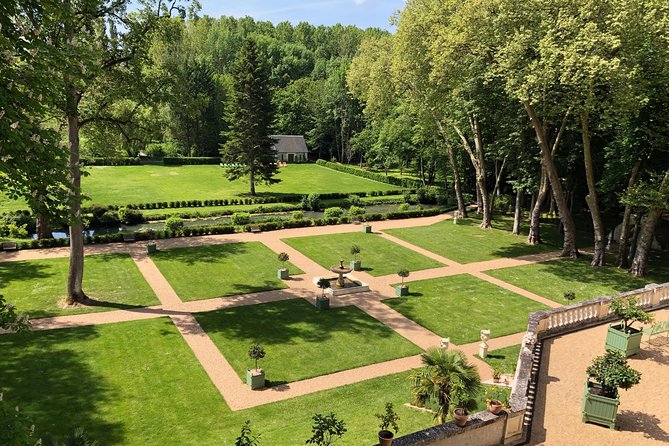
Reviewed · LOIRE VALLEY TOURS
Chateau Gaillard Royal Domain Admission Ticket
A small chateau with a big garden story. Château Gaillard gives you a quieter Loire Valley stop, with royal rooms, Renaissance gardens, underground caves, and the first orangery in France. I especially like the site’s intimate scale and its unusual citrus history, which feels more personal than a grand palace visit. The main drawback is that the optional guided tour is in French, so English-speaking visitors will need to explore much of the estate independently.
I also like the chance to finish with fresh orange juice, homemade orange cake, and local treats at the citrus bar. Advance booking is sensible because admission is limited to 40 people, though the $24.14 price may feel high if you expect a polished, fully restored palace rather than a charming, somewhat uneven historic site.
In This Review
- Key points to know before visiting
- Why Château Gaillard makes a good Loire Valley stop
- Inside the royal residence and its unusual collections
- The royal garden story begins with Dom Pacello
- The orangery and greenhouses are the real specialty
- End your visit at the citrus bar
- How much time should you allow?
- Is the $24.14 admission good value?
- Who will enjoy this experience most?
- Practical details that affect your visit
- Should you book Château Gaillard?
- FAQ
- Where is Château Gaillard located?
- How much does admission cost?
- How long does a visit take?
- Is a guided tour included?
- Is the experience offered in English?
- What can I see at Château Gaillard?
- What is special about the orangery?
- Is transportation included?
- Can I cancel my booking?
Key points to know before visiting

- Charles VIII’s royal retreat: This small palazotto links Charles VIII, Anne of Brittany, Louis XII, Francis I, Mary Stuart, and other major French Renaissance figures.
- A five-year restoration: About 300 Loire Valley artisans worked on the renovation, including Master of Art craftsmen.
- France’s first orangery: The estate tells the story of how Charles VIII and the Neapolitan monk Dom Pacello da Mercoliano introduced orange trees to France.
- Seven paths through the grounds: You can walk among gardens, mature trees, caves, greenhouses, and citrus plantings.
- A tasty finish: Orange cake, fresh orange juice, orange blossom jelly, honey, and blood orange wine give the visit a pleasant final stop.
- French guided tour only: A free professional art historian tour is offered, but the language is French.
Why Château Gaillard makes a good Loire Valley stop
The Loire Valley is filled with famous palaces. Château Gaillard takes a different approach. It is smaller, more relaxed, and closely tied to the history of gardening and royal experimentation.
The property was commissioned by Charles VIII after his Italian campaign. Its Italian influence gives the site a different feel from the more formal French chateaus nearby. The building is described as a palazotto, a compact Italian-style residence rather than a massive defensive fortress.
That scale matters. You are not signing up for a full-day palace march. A normal visit takes about two to three hours, giving you enough time to see the interiors, walk the gardens, explore the caves, and stop at the citrus bar without racing from room to room.
The site is in Amboise at 29 allée du Pont Moulin, even though the experience is commonly listed under Tours and the Loire Valley. If you are planning your route, use the Amboise address for navigation. Transportation to and from the attraction is not included, so you need to arrange your own way there.
More Loire Valley trips from Tours:
- Loire Valley Castles Day Trip from Paris with Complementary Wine
★ 4.5 · 3,907 reviews - From Paris: Loire Valley Castles Day Trip With Wine Tasting
★ 4.6 · 1,727 reviews - From Paris: Full-Day Loire Valley Chateaux Tour
★ 4.4 · 1,269 reviews
Inside the royal residence and its unusual collections
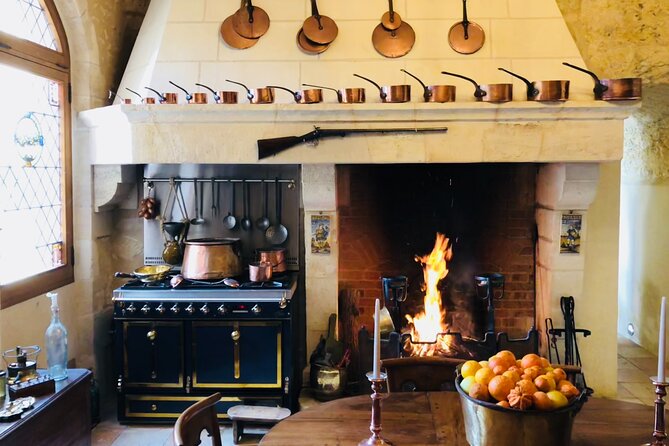
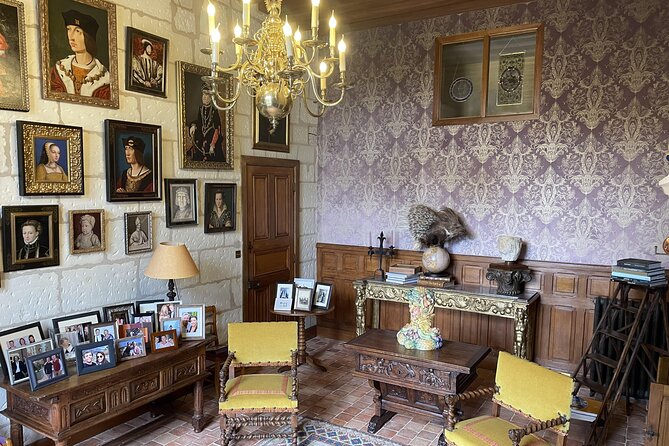
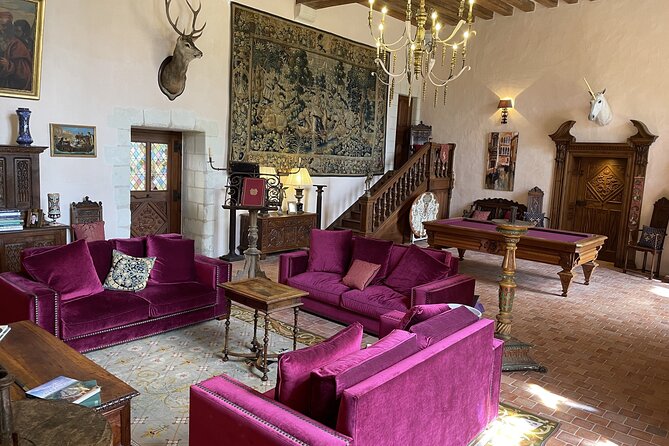
The interior tells a royal story through objects from different periods. You may see furniture from several eras, historic paintings, Italian pieces, and details tied to the Renaissance court.
One room connected with Mary Stuart receives particular attention. She reportedly stayed at Château Gaillard for three weeks after her marriage to Francis II of Valois. That detail gives the house a strong human link to the politics and royal marriages of sixteenth-century France.
The collection also includes unusual art and decorative elements. The site highlights works connected with Rembrandt and Titian, Italian collections, Commedia dell’Arte material, and 8,000 handmade glass windows. The exact presentation may feel more eclectic than the carefully staged displays at France’s biggest chateaus, but that is part of the appeal.
I would approach the interiors with the right expectations. This is not a pristine palace where every room has been restored to one exact historical moment. One useful way to understand the house is as a collection of royal memories, restored rooms, period objects, and art pieces gathered into a compact setting.
The restoration took five years and involved roughly 300 workers from the Loire Valley. Master of Art artisans contributed to the work, so you can pay attention to craftsmanship as you move through the building. The restoration is an important part of the visit, but the result is not described as flawless or uniformly polished. Some areas may feel more complete than others.
That mix suits you if you enjoy historic places with visible character. If your ideal chateau is grand, spotless, and highly theatrical, Château Gaillard may seem modest for the price.
The royal garden story begins with Dom Pacello
The most distinctive part of the visit is the garden history. In 1496, Charles VIII brought Dom Pacello da Mercoliano back from Naples. This Neapolitan monk was known as a master gardener, and his arrival changed the future of the estate.
By 1500, Château Gaillard had become known as Les Jardins du Roy, or the King’s Gardens. Pacello inherited the estate in exchange for giving the king a bouquet of orange blossoms each year. That small arrangement hints at how precious citrus trees were in France at the time.
The property became Pacello’s place for testing ideas. Across a 15-hectare park, he developed early forms of what would later be associated with French-style gardens. He also developed a new variety of plum, the greengage.
This is why the garden visit feels like more than a pleasant walk. The grounds connect royal power with horticultural history. Orange trees were not simply decorative plants. They represented expensive, difficult experiments in cultivation and a direct link to Italy.
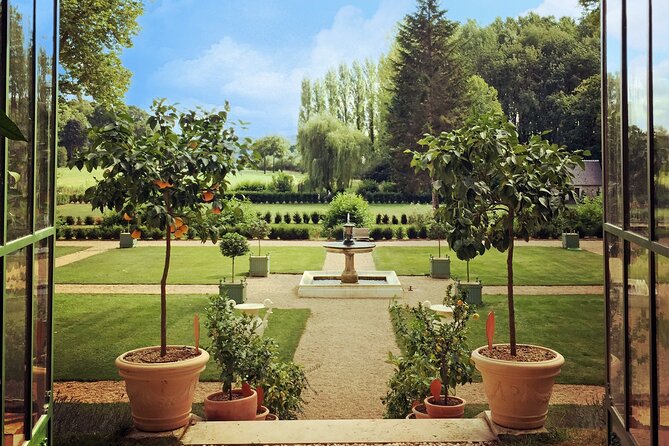
You can follow seven walking paths known as the Paths of Paradise. The route includes gardens, tall mature trees, greenhouses, and caves cut into the hillside. The mature trees are especially useful on a warm day, when the grounds offer a calmer break from stone rooms and formal sightseeing.
The paths also make the visit flexible. You can take your time, stop for photographs, and choose how much of the estate you want to cover. Since the visit lasts around two to three hours, you have enough time for a slow pace rather than a quick circuit.
The orangery and greenhouses are the real specialty
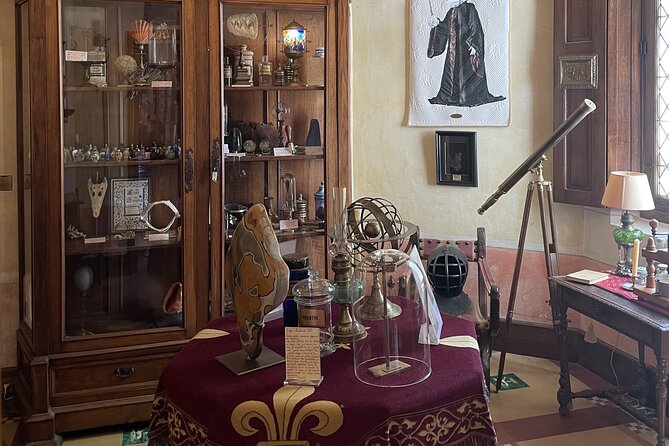
The royal orangery is the part I would prioritize. Château Gaillard presents the story of the first orange trees acclimatized in France, beginning with Charles VIII’s return from Italy and Pacello’s work at the estate.
The greenhouses let you see the practical side of that story. Citrus trees need care, warmth, and protection, especially in a climate where they cannot simply be left outdoors year-round. The orangery turns a familiar fruit into a lesson about royal gardens, technology, trade, and status.
You can also smell the citrus in the greenhouses. That sensory element adds something that a standard collection of paintings cannot provide. The visit is not only about looking at rooms and objects. It is also about scent, plants, food, and the work required to keep an exotic garden alive.
If you are interested in garden design, Château Gaillard may be more rewarding than its modest size suggests. If you care mainly about grand architecture, you may find the orangery and grounds more memorable than the house itself.
More Château Tours in Tours:
- Day Tour of Chateaux of Chenonceau, Chambord & Caves Ambacia from Tours/Amboise
★ 4.5 · 155 reviews - From Tours: Chambord, Chenonceau & Lunch at Family Chateau
★ 4.8 · 147 reviews - Tours: Chateaux Azay-le-Rideau and Villandry Morning Tour
★ 4.9 · 71 reviews - Medoc or Saint Emilion Wine Tasting and Chateau from Bordeaux
★ 5.0 · 1,415 reviews
End your visit at the citrus bar
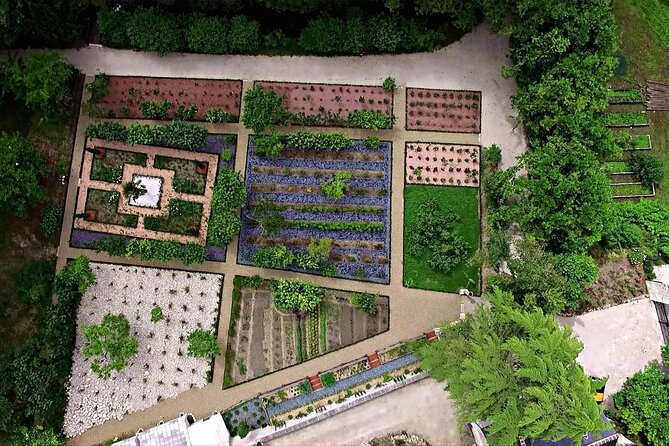
The citrus bar gives the visit a simple but effective finish. You can try honey from the estate, orange blossom jelly, homemade orange cake, and freshly pressed orange juice.
A blood orange wine is also available, and buying a bottle to enjoy later is one practical way to extend the experience beyond the chateau. The food and drink are not just refreshments. They continue the story of the orchard and show how the estate uses its citrus identity.
The orange cake and juice are especially useful if you are visiting with children or with someone who does not want a long succession of historical rooms. The treats make the final part of the visit feel relaxed rather than ceremonial.
Keep in mind that the citrus bar is an added pleasure, not a substitute for a full meal. The information provided does not describe restaurant facilities or meal service, so plan your broader food arrangements separately.
How much time should you allow?
Plan on two to three hours. That gives you a realistic window for the chateau, collections, gardens, caves, greenhouses, and citrus bar.
You can shorten the visit if you only want the main rooms and gardens. You can also spend longer wandering if you enjoy plant collections, mature trees, and quiet paths. The property is well suited to an unhurried afternoon rather than a tightly timed stop between several large attractions.
The free guided tour can add structure. It is led by a professional art historian, but the tour is offered in French. If you understand French, this is a useful way to connect the royal figures, restoration work, and garden history.
English-speaking visitors can still visit, since the experience is offered in English for booking, but do not assume that the free on-site tour will be in English. If you want maximum context without French, allow extra time to read, look closely, and build your own connection between the rooms and gardens.
Is the $24.14 admission good value?
At $24.14 per person, Château Gaillard is not the cheapest short stop in the Loire Valley. Its value depends on what you want from a chateau.
I think the price is easier to justify if you will use the full two to three hours. The admission covers access to the royal residence, its collections, the gardens, the caves, the greenhouses, and the orangery. The optional French tour is free, which adds value if you can follow it.
The gardens are the strongest reason to pay. You are not simply entering a small historic house. You are seeing a 15-hectare estate connected to early citrus cultivation in France, with seven paths, mature trees, and a working garden identity.
The cost may feel less worthwhile if you expect a massive palace with many grand rooms. Château Gaillard is described as quaint and charming rather than shiny or monumental. Some rooms contain interesting relics, vintage items, and paintings, but the presentation may not have the uniform finish found at France’s best-known royal residences.
The relatively low crowd level can also affect your sense of value. A calm visit lets you wander at your own pace and enjoy the gardens without being pushed along. For many people, that peace is part of what they are paying for.
Who will enjoy this experience most?
I would recommend Château Gaillard to you if you like smaller historic sites, garden design, royal personalities, and unusual food traditions. It is a particularly good choice for anyone who has already seen one or two major Loire palaces and wants something less grand and more personal.
Garden lovers should put this high on their list. The connection with Dom Pacello da Mercoliano, the early French-style gardens, greengage plum, citrus trees, orangery, and greenhouses gives the visit a clear identity.
Families may also appreciate the mix of caves, paths, plants, and treats. The site offers enough variety to keep the visit from becoming a long indoor history lesson.
Art lovers will find material of interest in the Renaissance collections, Italian objects, paintings associated with Rembrandt and Titian, Commedia dell’Arte pieces, and handmade glass windows. Still, you should not book it expecting a major art museum. The art is part of a wider chateau and garden experience.
The French tour suits French-speaking visitors best. Those who need an English guide should know that the free guided option is not offered in English according to the available information.
Practical details that affect your visit
Admission is confirmed when you book, and advance reservations are wise because the activity has a maximum group size of 40 people. It is booked about 15 days ahead on average, so last-minute entry may not always be dependable.
The experience is pedestrian access only at the Amboise address. Service animals are allowed, and the site is near public transportation. Most people can participate, but you should think about the walking involved across gardens, paths, and a hillside cave area.
The stated location can cause confusion because the experience is associated with Tours while the entrance address is in Amboise. Use 29 allée du Pont Moulin, 37400 Amboise when planning your route.
Free cancellation is available if you cancel at least 24 hours before the local start time. Cancellations made less than 24 hours before the start time are not refunded, and late changes are not accepted.
Should you book Château Gaillard?
Book it if you want a quieter, smaller Loire Valley site with an excellent garden story and a memorable citrus theme. The orangery, greenhouses, mature trees, caves, and citrus bar give the visit a character that a standard palace tour may lack.
Think twice if you want a perfectly polished royal residence or an English-language guided tour. At $24.14, the visit works best when you value the full combination of gardens, restoration, art, and food rather than the size of the chateau alone.
For me, the strongest plan is to allow the full two to three hours, take the French tour if you understand the language, then walk the Paths of Paradise at your own pace. Finish with orange cake or fresh juice. That approach makes the admission feel like a complete small-scale experience rather than a quick look inside an ordinary historic house.
FAQ
Where is Château Gaillard located?
The entrance is at 29 allée du Pont Moulin, 37400 Amboise, France. The experience is associated with Tours and the Loire Valley, but the stated pedestrian access address is in Amboise.
How much does admission cost?
The listed price is $24.14 per person.
How long does a visit take?
You should allow approximately two to three hours.
Is a guided tour included?
A free guided tour led by a professional art historian is included. The guided tour is offered in French.
Is the experience offered in English?
The booking option is offered in English, but the free guided tour of the site is offered in French.
What can I see at Château Gaillard?
You can visit the royal residence, Renaissance collections, gardens, caves, greenhouses, and royal orangery. The estate also includes seven walking paths.
What is special about the orangery?
The orangery tells the story of the first orange trees acclimatized in France. Charles VIII brought Dom Pacello da Mercoliano, a Neapolitan monk and master gardener, back from Italy in 1496.
Is transportation included?
No. Transportation to and from the attraction is not included.
Can I cancel my booking?
Yes. You can cancel for a full refund up to 24 hours before the experience start time. Cancellations or changes made less than 24 hours before the start time are not accepted for a refund.
Recently added around Tours
- Loire Valley Half Day : Villandry and Azay-le-Rideau from Tours★ 5.0 · 50 reviews
- Afternoon Loire Valley Wine Tour from Tours or Amboise★ 5.0 · 53 reviews
- From Paris: Loire Valley Castles Tour with Hotel Transfers★ 4.1 · 55 reviews
- Loire Valley Wines and Castle Small Group Day Trip from Paris★ 4.5 · 56 reviews
- Loire Valley Half Day Wine Tour from Tours : 2 local wineries★ 4.5 · 64 reviews
- From Tours: Afternoon Loire Valley Wine Tour★ 4.4 · 67 reviews
- Paris: Loire Valley Chambord Castle, Wine Tasting & Lunch★ 4.7 · 69 reviews
- Tours: Chateaux Azay-le-Rideau and Villandry Morning Tour★ 4.9 · 71 reviews
Loire Valley Tours, compared.

Loire Valley Castles Day Trip from Paris with Complementary Wine
Read our review →
From Paris: Loire Valley Castles Day Trip With Wine Tasting
Read our review →
From Paris: Full-Day Loire Valley Chateaux Tour
Read our review →
Loire Valley Castles Trip with Chenonceau and Chambord from Paris
Read our review →
Loire Valley Wine and Castles Small-Group Day Trip from Paris
Read our review →
Loire Valley Day Tour Chambord and Chenonceau plus Lunch at a Private Castle
Read our review →
Hot-Air Balloon Ride over the Loire Valley, from Amboise or Chenonceau
Read our review →
From Paris: Small-Group Loire Valley Castles Full-Day Tour
Read our review →Browse the lists this tour appears in