
Reviewed · GIVERNY & MONET TOURS
Giverny: Monet’s House and Gardens Guided Tour
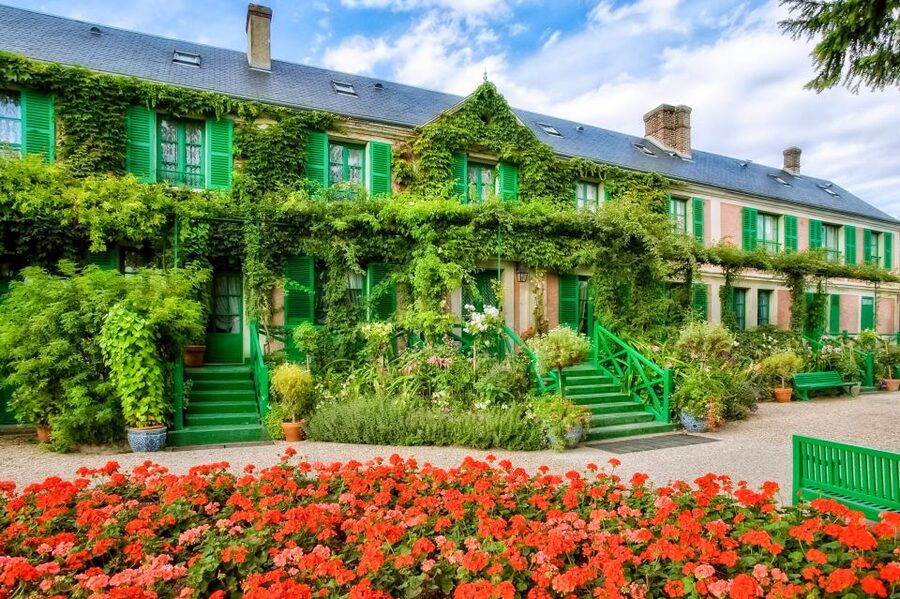
Monet’s paintings begin to make sense in Giverny. I like the small group of no more than 10 and the way the tour links flowers, color, family life, and painting. I also like the skip-the-line entry, especially when queues are long. The main drawback is the $69 price, which may feel high if you mainly want to wander and take photographs.
The two-hour visit covers Monet’s water garden, Japanese bridge, Clos Normand flower garden, and house with a licensed local guide. Brigitte is the guide most often named in the feedback, and she is praised for clear English, humor, botanical knowledge, and vivid stories about Monet. Plan carefully, though: the meeting point is outside Les Nymphéas café, and tours operate in one language only.
In This Review
- Key points to know before you go
- Why Monet’s garden is more than a pretty photo stop
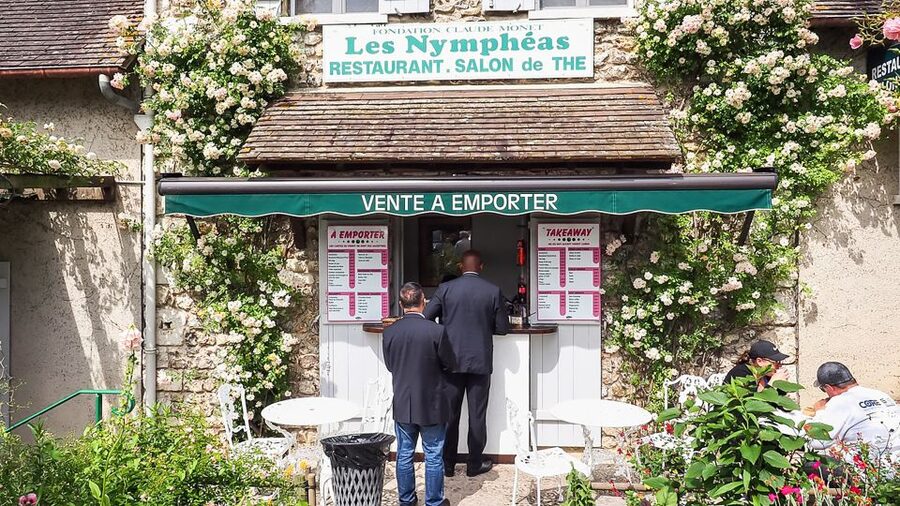
- Meeting at Les Nymphéas café
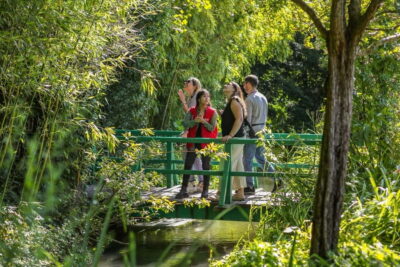
- The water garden and Monet’s famous bridge
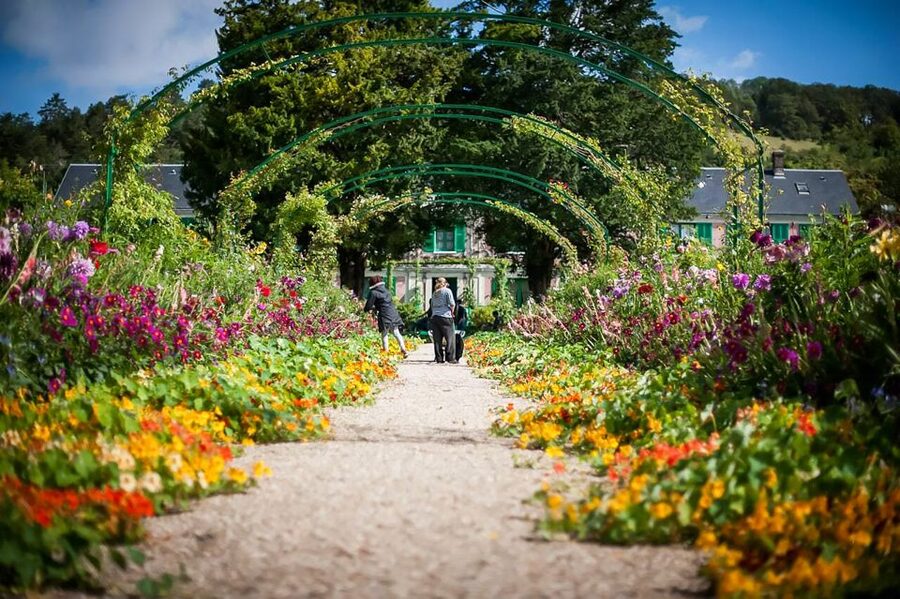
- Clos Normand and the art of planting by color
- Inside Monet’s house
- How good is the guide?
- Is $69 a fair price?
- Choosing the right time and season
- Who should book this Giverny tour?
- Booking, cancellation, and final practical advice
- Should you book it?
- FAQ
- How long does the Giverny house and gardens tour last?
- What is included in the price?
- Are food and drinks included?
- Where is the meeting point?
- How will I recognize the guide?
- What languages are available?
- How large is the group?
- Is the tour wheelchair accessible?
- Can I cancel for a refund?
- Can I reserve now and pay later?
Key points to know before you go
- The Japanese bridge and water lilies come first, giving you the clearest connection to Monet’s best-known paintings.
- Brigitte brings unusual depth to the visit, explaining Monet’s use of color, garden design, family life, and artistic circle.
- The group is capped at 10 people, so you can ask questions without shouting across a crowd.
- Skip-the-line access matters here, particularly at popular times when the ordinary entrance queue can be substantial.
- You can stay after the guided portion, allowing time for more photographs, a second look at the gardens, or the large gift shop.
- The gardens are seasonal, operating from early spring through the first days of November, with different flowers and colors as the year progresses.
Why Monet’s garden is more than a pretty photo stop
Giverny can look like a simple day trip: arrive, admire flowers, photograph the famous bridge, and leave. That approach misses the point. Monet did not treat the garden as decoration outside his house. He arranged it as a working source of color, light, shape, and ideas.
That is where a guide adds real value. You can see the water lilies on your own, but it takes someone like Brigitte to connect the plants and pathways to Monet’s paintings and methods. Her explanations include color theory, complementary colors, examples of related paintings, and the way Monet studied changing light.
I especially like that this tour combines art and gardening. You are not asked to choose between a museum-style biography and a flower tour. The two subjects belong together here. The garden helps explain the paintings, while the paintings give you a sharper eye for what you are seeing.
The setting also gives the visit a personal side. Monet’s house was home to a large family, not just a studio for a famous painter. Stories about daily life in Giverny, Monet’s friends in Paris, and the way his painting style changed help turn the property into a lived-in place rather than a preserved celebrity address.
More Giverny and Monet trips from Paris:
- From Paris: Giverny Day Trip with Audio Guide or Live Guide
★ 4.3 · 2,372 reviews - From Paris: Giverny, Monet’s House, & Gardens Half-Day Trip
★ 4.5 · 2,174 reviews - Versailles Palace and Giverny Monet House Visit with Lunch
★ 4.0 · 1,948 reviews
Meeting at Les Nymphéas café
The meeting point is outside Les Nymphéas café or restaurant, the closest dining spot to Monet’s house. This detail matters because the tour does not begin at a vague location somewhere in the village. You should go directly to the café and look for a guide with a blue badge and a green folder marked written guided tour.
Brigitte has sometimes been easy to recognize through her clothing, including a Monet green and white striped dress. Still, use the official identifying details first: blue badge, green folder, and the guide holding your prepaid tickets.
Arrive with enough time to find the café without rushing. The tour provider handles the entry tickets, then takes the group through a separate entrance. You do not need to buy food or drinks for the tour, and they are not included in the $69 price.
The small-group format is a practical advantage. With up to 10 people, the guide can learn names, respond to questions, and adjust explanations to the group. Several people found the pace comfortable and the English easy to follow. One important caution: no headphones are promised, and one person had trouble hearing about half of the commentary when the group was surrounded by other groups.
The water garden and Monet’s famous bridge
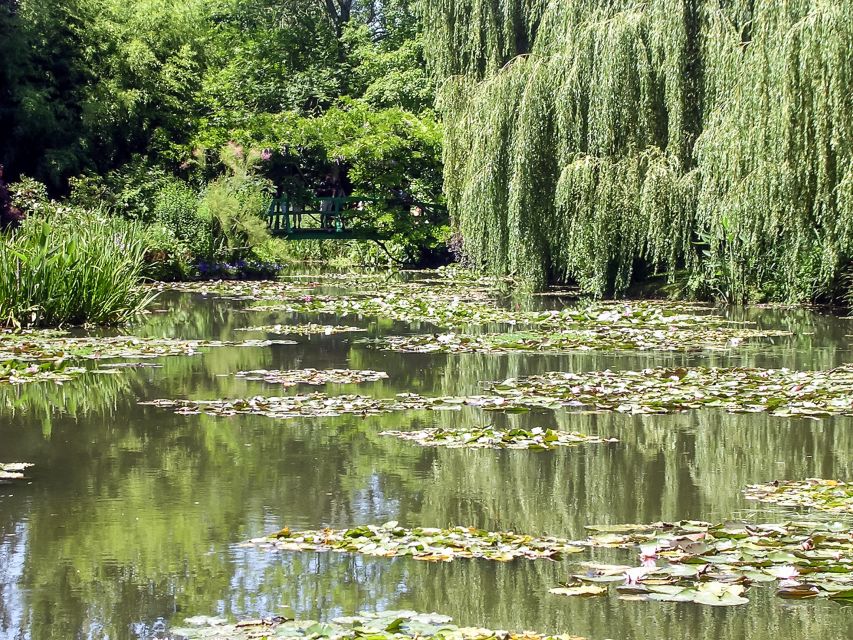
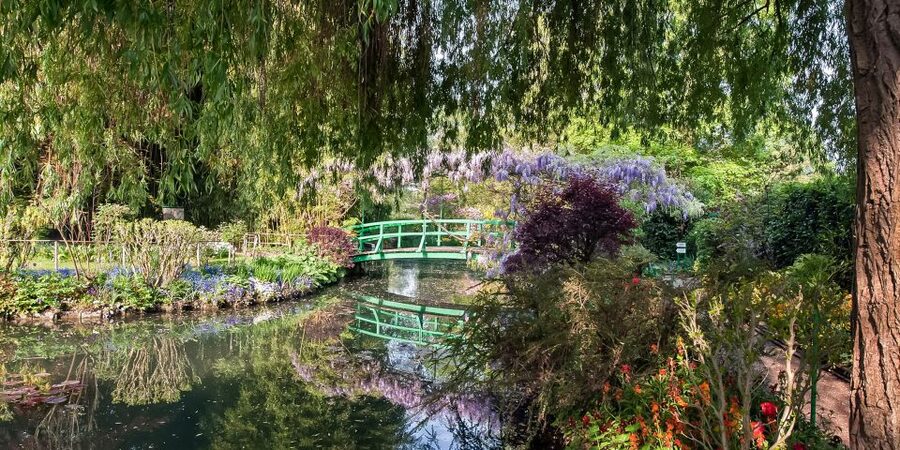
The tour begins in the water garden, the part of Giverny most closely tied to Monet’s public image. Here you see the pond, water lilies, and Japanese bridge that inspired many of his paintings.
The bridge is not simply a backdrop for photographs. It is a useful place to understand how Monet returned to the same subject again and again, studying light, reflections, color, and weather instead of treating a scene as fixed. Your guide points out how the planting and water work together, then explains the importance of the garden in Monet’s art.
This section is likely to be the most crowded and photograph-heavy part of the visit. A guide helps you pause for the right reasons rather than simply moving from one camera angle to another. You will have opportunities for photographs, but the group also needs to keep moving through the garden.
Look closely at the plant combinations. The value of the commentary is not only in naming flowers. Brigitte has been praised for explaining how Monet selected plants and arranged colors to create particular effects. Her botanical background gives you a better idea of how much planning sits behind the apparent informality.
If you have seen Monet’s water lily paintings in Paris or elsewhere, ask how this setting relates to them. The guide has used comparisons with his works in other places and brought examples of paintings to help make those links clear.
Clos Normand and the art of planting by color
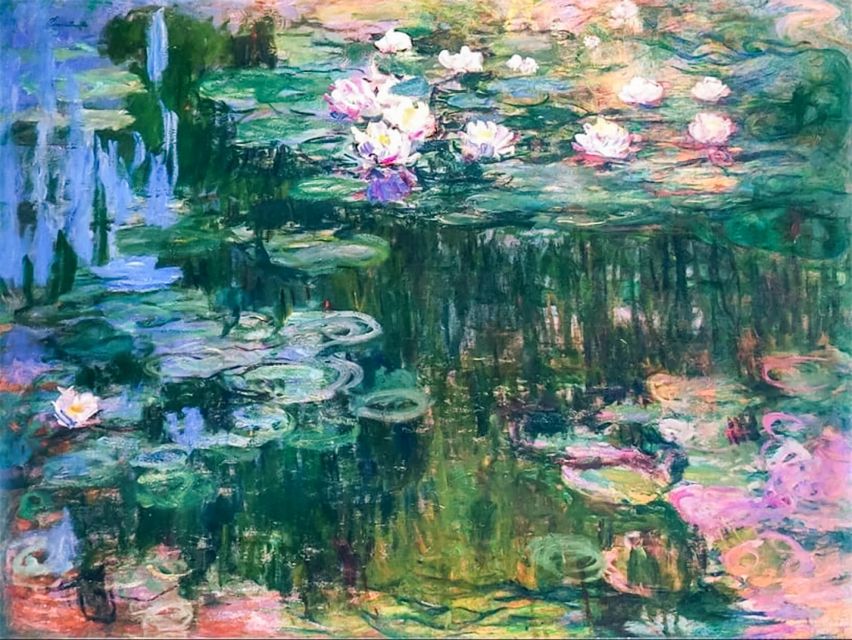
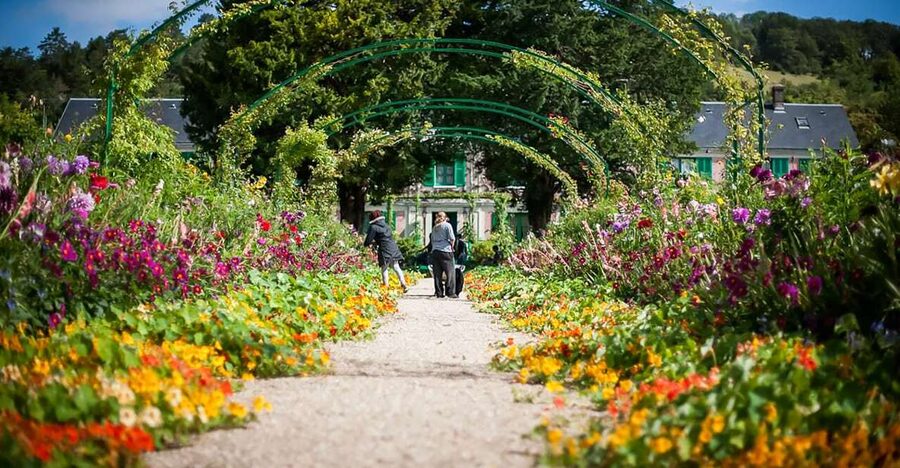
After the water garden, the group visits Clos Normand, the broad flower garden near the house. The mood changes here. Instead of water, reflections, and the Japanese bridge, you get rows, paths, beds, and a display of flowers that changes with the season.
Your guide points out different species and explains features that are easy to overlook. The garden can appear spontaneous at first glance, but the arrangement reflects Monet’s eye for color and contrast. The tour makes you slow down and notice how one planting affects the next.
This is also where the seasonal nature of Giverny matters most. From early spring to the first days of November, the garden is a show of color and fragrance, but it will not look identical throughout that period. An April visit and an early autumn visit offer different displays. The information provided does not promise one particular flower peak, so choose your date for the overall experience rather than a single plant.
I would allow extra time after the guided tour if flowers are a major reason for your visit. Two hours is enough for a structured look at the property, but you may want to linger in Clos Normand for photographs and a slower walk. The good news is that you can remain longer after the tour ends.
The garden also makes this experience suitable for people who are not regular art museum visitors. You do not need a background in Impressionism. The guide explains the ideas in a grounded way, using what is directly in front of you.
A few more Paris trips worth weighing up
- Paris: Louvre Museum Timed-Entrance Ticket
★ 4.6 · 71,977 reviews - Disneyland® Paris 1-Day Ticket
★ 4.6 · 49,412 reviews - Paris: Versailles Palace and Gardens Full Access Ticket
★ 4.6 · 41,579 reviews - Paris: Evening River Cruise with Music
★ 4.4 · 22,721 reviews
Inside Monet’s house
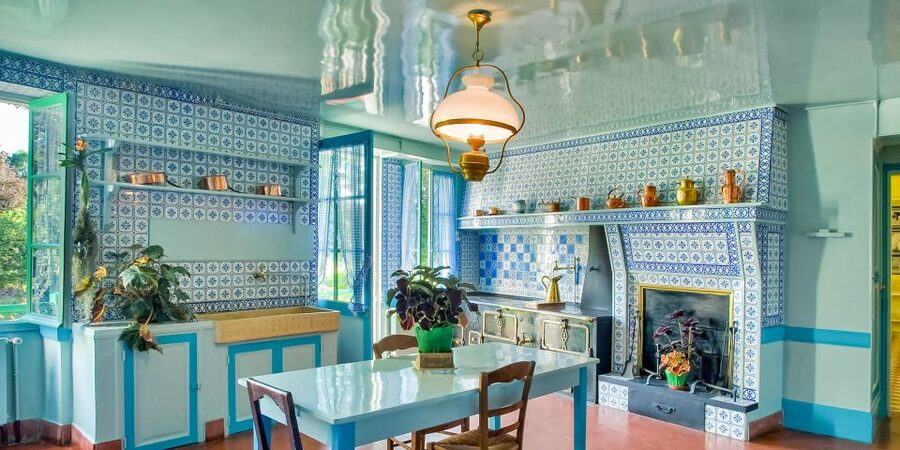
The house adds scale and context to the outdoor areas. After seeing the garden as a source of artistic ideas, you can step inside the place where Monet and his family lived.
The house is presented as an authentic former residence, with rooms that help explain the domestic side of his life. The tour connects the home with Monet’s family, work, and friendships rather than treating it as a quick interior stop.
Do not expect the house to offer the same freedom of movement as an empty private residence. It is part of a popular property, and the guide must keep the group moving around other groups. That coordination is one of Brigitte’s reported strengths. She has been praised for finding a good route through the house and gardens and for keeping the pace steady.
The interior is especially useful for anyone who wants more than the famous water lilies. Monet was a person with a large family, changing artistic relationships, and a long career. The house helps connect the painter to ordinary routines and personal choices.
One useful feature of the guided approach is that you can ask about Giverny itself. At the end, your guide can suggest what else to see in the picturesque village, though this tour itself focuses on Monet’s foundation.
How good is the guide?
The guide is the strongest part of this experience. Brigitte is repeatedly described as friendly, patient, funny, and exceptionally well informed about Monet, his art, and his plants. Her explanations cover the evolution of his painting style, his use of color, the garden’s design, and stories about his home life.
That range is important. A guide who only recites dates would not make the garden come alive. A guide who only identifies flowers would leave out the artistic reason for the visit. Brigitte appears to combine both sides, then add stories about Monet’s friends and the way his work was received.
Her teaching style also suits a small group. She has been praised for learning people’s names and interests, answering questions, speaking clear English, and using printed images and color examples. The tone sounds conversational rather than formal, with enough humor to keep two hours from becoming a lecture.
There is one practical weakness. The tour description says the guide is live and tours are available in French or English, but it does not promise audio equipment. If you have hearing difficulty, stay close to the guide and ask to stand where you can hear clearly. A small group helps, but nearby groups can still create noise.
Is $69 a fair price?
At $69 per person, this is not the cheapest way to enter Monet’s property. The price includes the licensed local guide and skip-the-ticket-line entry, but not food or drinks.
The value depends on how you like to visit cultural sites. If you want only photographs and a quiet independent stroll, the extra cost may not feel worthwhile. One person specifically found the per-person price a little high, and that is a fair concern for couples or families paying several admissions.
For many people, though, the separate entrance and guided interpretation justify the charge. The ordinary queue can be long, particularly at busy times, and waiting outside cuts into a short visit. You are also paying for context that is difficult to gather while walking alone: plant identification, color theory, family stories, and connections between the gardens and Monet’s paintings.
The best value comes if you use the full arrangement. Arrive ready for the two-hour tour, stay afterward, revisit favorite parts, and ask questions. If you rush away as soon as the guide finishes, you leave some of the value unused.
Choosing the right time and season
The gardens are open for this experience from early spring until the first days of November. Every season offers a different look, and the supplied details do not identify a single best month.
Several practical timing suggestions are useful. One morning visit began at the first opening, when there were fewer people. Another recommendation was to enter around 12:30, when some people stop for lunch. These are not guarantees of an empty garden, but they give you two sensible ways to avoid the busiest periods.
Morning also works well if you are combining Giverny with another Normandy stop. One person used it on the way to Bayeux, and the two-hour format fits more easily into a larger day than a long private excursion.
You should also think about heat. The gardens have open areas, and one person became unwell in warm weather. The guide helped arrange a place to rest in the shade inside the house, but comfortable clothing, water, and sensible pacing remain important. Food and drinks are not included, so plan those separately.
Who should book this Giverny tour?
I would recommend it most strongly if you:
- Want the story behind Monet’s garden, not just attractive photographs
- Enjoy art, flowers, gardening, or French cultural history
- Prefer a small group to a large tour
- Value skipping a potentially long entrance queue
- Are visiting Giverny for the first time
- Like asking questions and learning through conversation
It is also a good choice for mixed-interest groups. Someone who loves painting can focus on Monet’s technique, while someone more interested in plants can follow the botanical explanations.
You may prefer an independent visit if you need complete freedom to set your own pace or if $69 feels too high for your budget. You can stay after the tour, but the first two hours follow the guide’s route and timing.
The property is listed as wheelchair accessible, which makes it a practical option for people who need that feature. Tour language is limited to one language per departure, with French and English available, so check your chosen time before booking.
Booking, cancellation, and final practical advice
The tour lasts two hours, and starting times vary. Check availability for the date you want. You can cancel up to 24 hours in advance for a full refund, and the reserve-now, pay-later option keeps you from paying at the time of booking.
The most important arrival instruction is simple: go to Les Nymphéas café, not directly to a general ticket queue. Look for the blue badge and green folder. Your guide has the prepaid tickets and will lead the group through the separate entrance.
Bring a charged phone or camera, but do not let photographs take over the entire visit. The guide’s strongest material concerns small details: why certain colors work together, how the garden relates to Monet’s paintings, and what the house reveals about his family life.
Should you book it?
Yes, if you want Giverny to mean more than a beautiful garden with a famous bridge. The small group, skip-the-line access, and excellent guide make this a strong choice for a first visit, especially during the busy season.
I would hesitate only if you are watching every euro or prefer to explore entirely alone. At $69, the tour needs to deliver more than entry, and its value rests on the guide. Brigitte’s art, plant, and personal stories are precisely what turn the visit into a lesson in how Monet saw the world. For most first-time visitors, that added meaning is worth paying for.
FAQ
How long does the Giverny house and gardens tour last?
The guided tour lasts two hours. You may stay longer afterward to continue walking through the gardens or visit the large gift shop.
What is included in the price?
The $69 price includes skip-the-ticket-line entry tickets and a licensed local guide.
Are food and drinks included?
No. Food and drinks are not included in the tour price.
Where is the meeting point?
Meet your guide outside Les Nymphéas café or restaurant, which is the nearest café to Monet’s house.
How will I recognize the guide?
The guide will have a blue badge and a green folder marked written guided tour. The guide will also have your prepaid tickets.
What languages are available?
Tours are available in French and English. Each tour operates in one language only.
How large is the group?
The tour is a small-group experience limited to 10 participants.
Is the tour wheelchair accessible?
Yes. The activity is listed as wheelchair accessible.
Can I cancel for a refund?
Yes. You can cancel up to 24 hours in advance for a full refund.
Can I reserve now and pay later?
Yes. The reserve-now, pay-later option lets you hold a place without paying anything today.
Recently added around Paris
- Private Half-Day Guided Tour of Paris★ 4.5 · 48 reviews
- 2 hour outdoor group activity in Paris: SAINT GERMAIN★ 5.0 · 48 reviews
- Paris Dinner Show Opera Bel Canto★ 4.5 · 48 reviews
- Paris Vintage Tour by Night on a Sidecar with Champagne★ 5.0 · 48 reviews
- Secrets & Scandals of the Louvre – Limited to 6 Guests★ 5.0 · 48 reviews
- Paris Photoshoot: Eiffel Tower Exclusive Private Experience★ 5.0 · 48 reviews
- Paris: Louvre Mona Lisa Discovery Guided Tour with Ticket★ 4.9 · 48 reviews
- From Paris: Versailles Full-Day Guided Tour with Lunch★ 4.9 · 48 reviews
Giverny & Monet Tours, compared.
From Paris: Giverny Day Trip with Audio Guide or Live Guide
Read our review →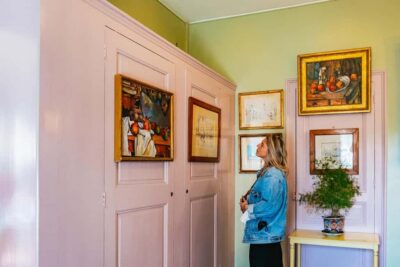
From Paris: Giverny, Monet’s House, & Gardens Half-Day Trip
Read our review →
Versailles Palace and Giverny Monet House Visit with Lunch
Read our review →
Giverny Monet’s Home and Gardens Half Day Tour from Paris
Read our review →
Giverny Small-Group Half Day Trip with Monet’s Gardens from Paris
Read our review →
From Paris: Giverny and Versailles Palace Guided Day Trip
Read our review →
Giverny and Monet’s House Half Day Trip from Paris Guide or Audio
Read our review →
Giverny and Versailles Small Group Day Trip from Paris with Lunch
Read our review →Browse the lists this tour appears in