
Reviewed · CHEESE TASTINGS
Paris Art of Pairing Cheese and Wine Tasting in a Cheese Cellar
Cheese tastes better underground. This small-group Paris tasting takes you below a specialty fromagerie, where ripening wheels, cool air, and expert guidance turn a simple snack into a lesson in French food culture. I especially like the seven-cheese tasting and the way the wines are chosen to match each bite. I also like the relaxed group size, capped at 12 people, which gives you a real chance to ask questions.
The main caution is that this is as much a cheese lesson as a wine class. You will spend time learning how cheese is made and matured, and the wine discussion may feel lighter than the title suggests. The cellar is also reached by stairs, and it can be cold, so this is not the easiest stop for anyone who dislikes steps or chilly rooms.
In This Review
- Key points to know before booking
- Why this Paris tasting is more than a plate of cheese
- Entering the Musée Vivant du Fromage
- Putting on the suit and heading into the cellar
- Seven cheeses, cut fresh for the tasting
- Pairing the wines without making it too fussy
- A small group with room for questions
- What the $84.69 price really covers
- Timing, location, and practical planning
- Who will enjoy this most
- Booking, cancellations, and the final call
- Should you book the cheese cellar tasting?
- FAQ
- How long does the cheese and wine tasting last?
- Where does the experience begin?
- Where does the experience end?
- How many cheeses are included?
- How many wines are included?
- Is bread included?
- Is the experience offered in English?
- Can children under 18 drink the wine?
- Is the cellar accessible without stairs?
Key points to know before booking
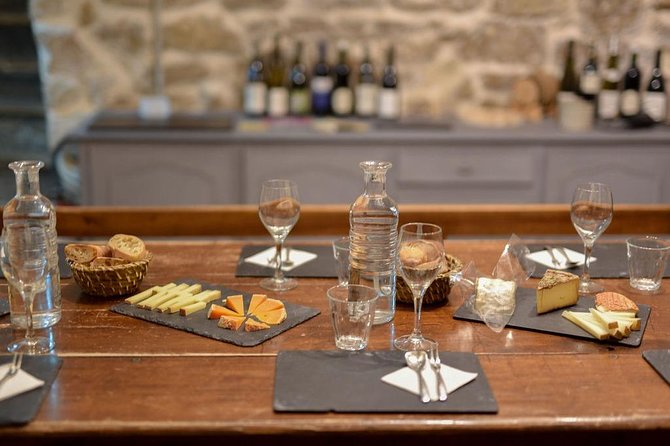
- Seven cheeses and three wines: Taste fresh-cut Swiss Gruyère, bôfavre, Camembert, Etivaz, Beaufort, and other selections, with bread served throughout.
- A real cheese cellar: Put on a protective suit and see large wheels and blocks ripening in a cool room, including cheeses weighing up to 77 pounds.
- Strong guides: Pierre, Gabriel, Agathe, Paul, Galina, Dion, Dee, and others have been praised for warmth, humor, patience, and expert cheese knowledge.
- Small groups matter: With a maximum of 12 people, the class can feel personal, especially when the group is smaller.
- Useful Paris food advice: You leave with practical ideas for pairing cheese and wine, plus help understanding French cheese and wine menus.
- Plan for stairs and cold: The cellar is not step-free, and warm clothing is recommended.
Why this Paris tasting is more than a plate of cheese
Paris offers plenty of places to order fromage and wine. What you do not always get is a clear explanation of why one cheese works with one wine and not another. This 90-minute session gives structure to a meal you might otherwise eat without much thought.
The setting does much of the work. You meet at 39 Rue Saint-Louis en l’Île, on Île Saint-Louis, then enter the Musée Vivant du Fromage. Instead of sitting immediately at a table with a tasting plate, you first see where cheese is kept and how it changes while it matures.
That order is useful. You learn about the product before tasting it, then have a better sense of why texture, age, milk, and region affect the flavor. It is a hands-on food lesson, but it does not ask you to be a specialist.
I would book this early in your Paris stay if you enjoy food. The pairing advice can shape the rest of your trip, especially when you are choosing cheese at a market, ordering a cheese course, or trying to read a French menu. One attendee even felt the lesson changed how they approached wine and cheese for the rest of the visit.
More Cheese Tastings in Paris
- Paris: Montmartre Cheese, Wine & Pastry Guided Walking Tour
★ 4.8 · 2,255 reviews - Private Montmartre Food Tour with Wine, Cheese & Pastries
★ 5.0 · 1,027 reviews - Paris Le Marais Food Tour With 10+ Tastings, Cheese, Wine & More
★ 5.0 · 985 reviews
Entering the Musée Vivant du Fromage
The first stop is the cheese museum and specialty shop at the meeting point. This is a compact setting rather than a grand museum visit, so you should expect the focus to stay on cheesemaking, cheese regions, and the maturing process.
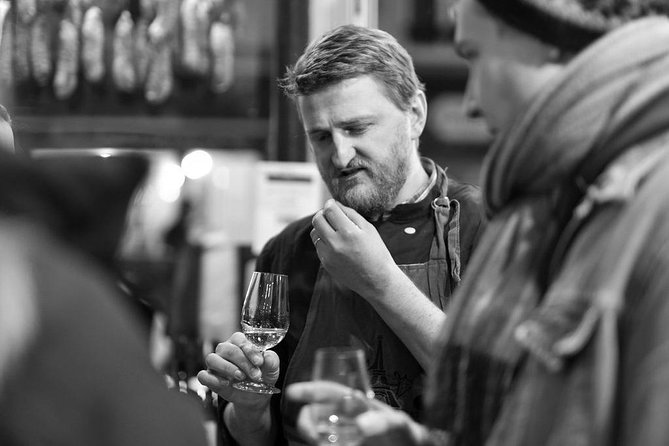
Your guide introduces the traditional craft behind French cheese. You may hear about how cheese is made, where different styles come from, and why the cellar matters. Several people found this part especially strong because the guides clearly care about their work and explain it with enthusiasm rather than dry technical language.
Agathe has been praised for her passion and ability to keep the group engaged. Paul has also been described as funny and enthusiastic, while Pierre is known for patient explanations and a friendly manner. Gabriel has received similar praise for making the class feel relaxed while still teaching a great deal.
The museum portion does have one important tradeoff. If you booked this mainly for detailed wine instruction, you may find that the opening lesson gives more attention to cheese than to wine. That is not a flaw if you want to understand fromage, but the name can suggest an even split between both subjects.
Putting on the suit and heading into the cellar
Before entering the cheese cellar, you are given a protective suit. Its purpose is practical: it helps preserve the delicate cheeses in the storage area. This small detail makes the visit feel different from a standard restaurant tasting, where the cheese arrives already prepared and detached from its setting.
The cellar is cool and filled with ripening blocks, rolls, and wheels. Some can weigh as much as 77 pounds, giving you a better sense of the scale of traditional cheese production. You are not simply looking at a decorative display. You are seeing the place where temperature, time, and care affect the final product.
Wear something warm, even if Paris feels mild above ground. The room is intentionally cold, and you may be standing or walking for part of the visit. The cellar is accessible only by stairs, so keep that in mind when deciding if this activity fits your day.
The protected clothing and cellar visit also explain why this class costs more than buying a few slices at a market. Part of your fee covers access to a working food environment, plus instruction from a cheese and wine master. You are paying for context as well as something to eat.
Seven cheeses, cut fresh for the tasting
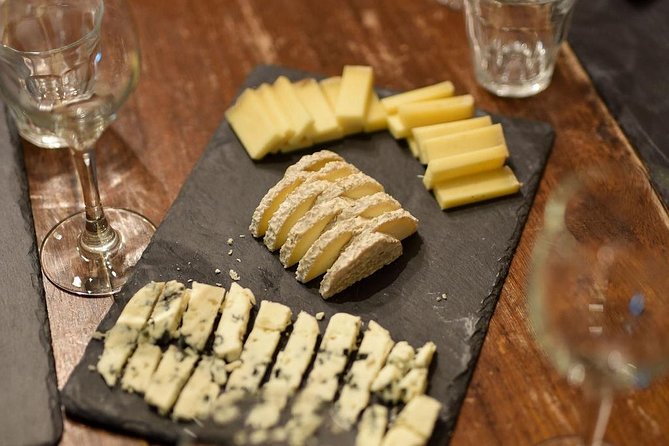
The tasting includes seven cheeses, with examples drawn from France and nearby Alpine regions. The exact selection can vary, but the listed cheeses give you a good idea of the range.
Swiss Gruyère offers a firm, familiar starting point. Bôfavre, a hard cheese from Switzerland’s Jura Mountains, brings a less everyday comparison. Camembert provides a softer and more delicate style, while Etivaz brings another hard Alpine cheese to the table.
Beaufort, made from raw cow’s milk, adds another layer to the discussion. Your guide can use these contrasts to talk about milk, texture, aging, region, and aroma. You taste cheeses with different personalities rather than seven versions of the same thing.
Each portion is cut fresh from the block or wheel. That matters because texture and aroma are part of the lesson. A cheese can feel quite different when it is young, mature, firm, creamy, crumbly, or fragrant.
Bread is served as the simple partner. The menu jokingly presents cheese as the starter, wine as the main course, and bread as dessert, but bread has a real job here. It helps clear your palate between samples and gives you a familiar base for testing different combinations.
More Food Tours in Paris
- Paris: Seine Cruise & Crepe Tasting near the Eiffel Tower
★ 4.4 · 11,231 reviews - Authentic Parisian Gourmet Food Tour with 10 Local Dishes & Wines
★ 5.0 · 4,754 reviews - Normandy D-Day Small-Group Day Trip with Omaha Beach, Cemetery & Cider Tasting
★ 5.0 · 2,786 reviews - Paris: Illuminated Evening River Cruise & Waffle Tasting
★ 4.1 · 2,697 reviews
Pairing the wines without making it too fussy
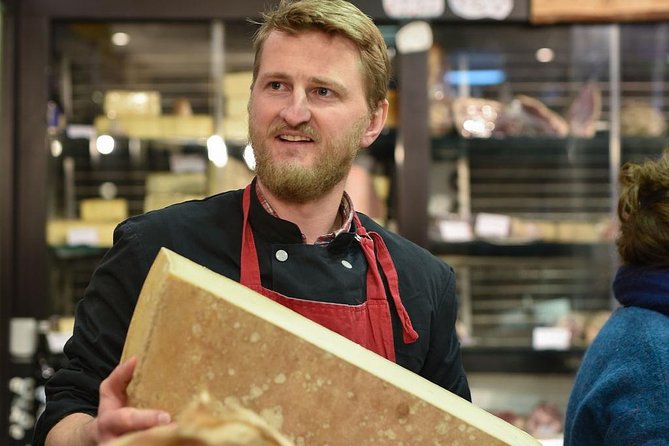
Three French wines accompany the cheese. The point is not to memorize a long list of grape varieties. You learn to notice how the wine changes the cheese and how the cheese changes the wine.
A good pairing can soften a strong flavor, brighten a creamy cheese, or bring out a nutty note in a hard one. The guide explains these relationships while you taste, so you can compare rather than accept a pairing on faith.
The strongest part of the wine instruction is practical. You learn what to look for when you order cheese and wine later in Paris. You also get help decoding menus in another language, which can be useful when a menu lists a region or cheese name without much explanation.
Still, keep your expectations measured. Several comments about the session point to cheese as the main subject, with wine receiving less detailed attention. If you are hoping for a serious wine seminar covering vineyards, vintages, and production methods, this may feel modest. If you want to understand what works on a shared cheese board, it should hit the mark.
A small group with room for questions
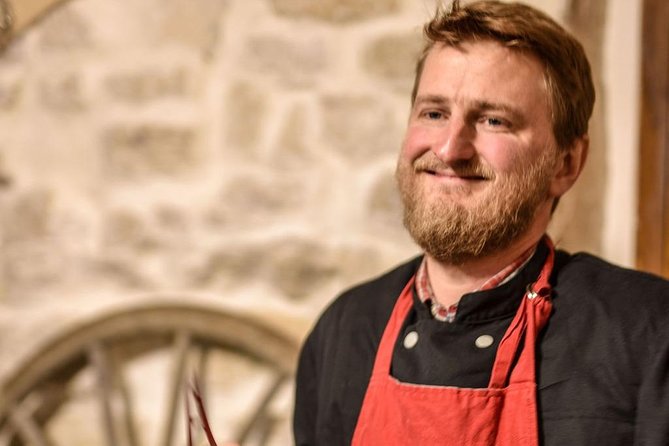
The group limit is 12 people, and many sessions have been smaller. That changes the mood. You are less likely to feel like a face in a large crowd, and the guide can respond to individual questions.
One particularly small class had only one participant, which allowed for highly tailored advice. Of course, you should not count on having a private lesson, but the maximum size keeps the format manageable.
The guides are a major part of the experience. Pierre is often singled out for passion and patience. Gabriel brings an easy teaching style, while Agathe has been praised for making cheese feel exciting and approachable. Dion, Paul, Dee, Galina, and other hosts have also been described as personable, engaging, and entertaining.
That range of guide styles means the tone may vary by date. The common thread is enthusiasm for the subject. You are likely to get the best value by asking questions rather than waiting passively for the next sample.
Ask about how the cheeses differ, why a wine was selected, and what you should look for when buying cheese in Paris. This is where the small group pays off.
What the $84.69 price really covers
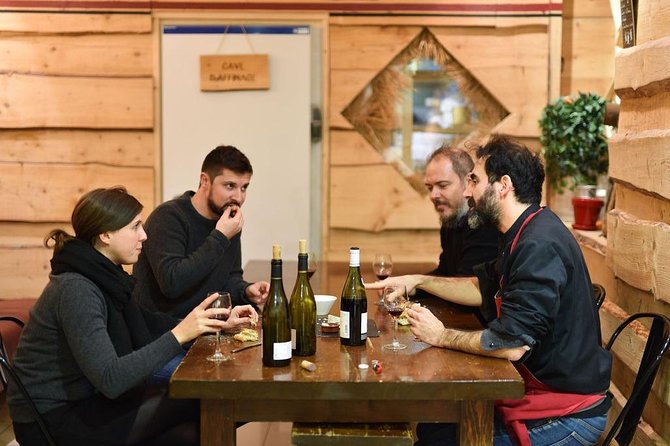
At $84.69 per person, this is not a cheap snack. You can buy cheese, bread, and wine for less at a market. The value comes from the setting, the guided tasting, the number of samples, and the chance to understand what you are eating.
You receive seven cheeses, three wines, bread, a protective suit, and instruction from a professional cheese and wine master. The session lasts about an hour and a half, which gives you enough time to taste at a comfortable pace and learn the basic ideas behind the pairings.
I think the price works best for someone who treats food as part of the trip, not just a quick break between sights. If you are mainly looking for a large meal, you may leave hungry for something more substantial. This is a tasting and class, not dinner.
It also offers value beyond the single afternoon. Once you understand how to compare texture and flavor, you can use that knowledge in shops and restaurants for the rest of your Paris visit. The activity may even save you from ordering a cheese course at random.
Timing, location, and practical planning
The meeting point is 39 Rue Saint-Louis en l’Île, 75004 Paris, and the activity ends at the same place. It is near public transportation, but hotel pickup and drop-off are not included. You need to make your own way there and plan enough time to arrive before the start.
Pay close attention to the current meeting details in your booking confirmation and app. One person had trouble after relying on an older printed ticket when the venue information had changed. Even if your confirmation appears clear, checking the latest message before leaving your hotel is a sensible Paris habit.
The experience is offered in English. Confirmation arrives when you book, and mobile tickets are accepted. The minimum drinking age is 18, so anyone under that age cannot take part in the alcoholic tastings.
Most people can participate, but the stairs and cold cellar deserve special attention. If you have mobility concerns, ask before booking rather than assuming the cellar can be reached another way.
Who will enjoy this most
I would recommend this for adults who like food, ask questions, and want a more local-feeling activity than a standard sightseeing stop. It suits couples, friends, solo visitors, and small family groups with adults who can legally drink.
It is also a smart choice for a rainy or tiring day when you want to sit and taste rather than walk between monuments. The cellar visit adds character, while the class gives you something useful to take into the rest of the trip.
You may want to skip it if you dislike strong cheese, cannot manage stairs, or expect a full meal. It is less suitable for anyone seeking a technical wine course with extensive discussion of vineyards and winemaking.
The format should appeal to repeat visitors as well as first-time visitors. You do not need to know much about cheese in advance. In fact, the guide’s explanations make it easy to start with familiar styles and work toward less familiar regional cheeses.
Booking, cancellations, and the final call
The activity is recommended by 97 percent of people who rated it, with a 4.9 rating from 386 reviews. Those numbers fit the consistent strengths of the experience: warm guides, excellent cheese, useful explanations, and a setting that feels more personal than a large food tour.
You can cancel for a full refund up to 24 hours before the start time. Cancellations or changes made within 24 hours are not accepted for a refund. The provider also requires a minimum number of participants, so a cancellation for that reason may lead to another date, another activity, or a full refund.
Should you book the cheese cellar tasting?
Book it if you want to understand French cheese rather than simply eat it. The cellar, protective suit, fresh-cut samples, and small class give the activity a sense of place, while the three wines show you how pairing works in everyday terms.
Go in expecting a cheese-led lesson with wine alongside it. Wear warm clothes, allow time to reach Île Saint-Louis, check the meeting information on the day, and do not book it as a replacement for dinner. For food lovers, it is a smart early-trip choice because the advice can improve every cheese-and-wine stop that follows.
FAQ
How long does the cheese and wine tasting last?
The experience lasts approximately 1 hour and 30 minutes.
Where does the experience begin?
It begins at 39 Rue Saint-Louis en l’Île, 75004 Paris, France.
Where does the experience end?
The activity ends back at the meeting point.
How many cheeses are included?
The tasting includes seven cheeses.
How many wines are included?
Three wines are included in the tasting.
Is bread included?
Yes. Bread is included as part of the tasting.
Is the experience offered in English?
Yes. The experience is offered in English.
Can children under 18 drink the wine?
No. The minimum age to drink alcohol is 18.
Is the cellar accessible without stairs?
No. The cellar is accessible only by stairs. It can also be cold, so warm clothing is recommended.
More Wine Tours in Paris
- Loire Valley Castles Day Trip from Paris with Complementary Wine
★ 4.5 · 3,907 reviews - Montmartre Hill French Gourmet Food and Wine Tasting Walking Tour
★ 5.0 · 2,588 reviews - From Paris: Loire Valley Castles Day Trip With Wine Tasting
★ 4.6 · 1,727 reviews - Paris Cooking Class and Lunch with Wine plus Market Visit Option
★ 5.0 · 1,024 reviews
Recently added around Paris
- Private Half-Day Guided Tour of Paris★ 4.5 · 48 reviews
- 2 hour outdoor group activity in Paris: SAINT GERMAIN★ 5.0 · 48 reviews
- Paris Dinner Show Opera Bel Canto★ 4.5 · 48 reviews
- Paris Vintage Tour by Night on a Sidecar with Champagne★ 5.0 · 48 reviews
- Paris Photoshoot: Eiffel Tower Exclusive Private Experience★ 5.0 · 48 reviews
- Secrets & Scandals of the Louvre – Limited to 6 Guests★ 5.0 · 48 reviews
- From Paris: Versailles Full-Day Guided Tour with Lunch★ 4.9 · 48 reviews
- Paris: Louvre Mona Lisa Discovery Guided Tour with Ticket★ 4.9 · 48 reviews
Cheese Tastings, compared.
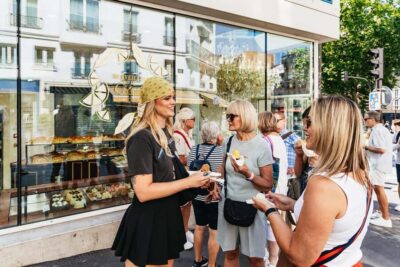
Paris: Montmartre Cheese, Wine & Pastry Guided Walking Tour
Read our review →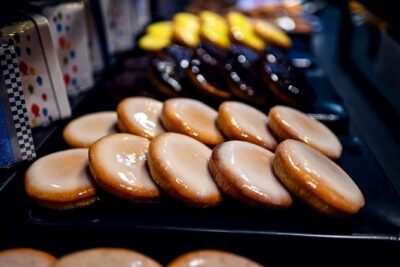
Private Montmartre Food Tour with Wine, Cheese & Pastries
Read our review →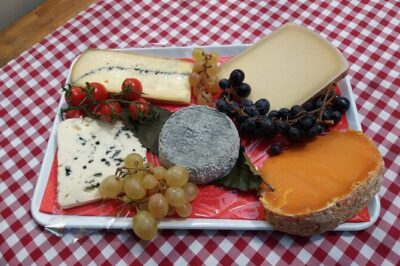
Paris Le Marais Food Tour With 10+ Tastings, Cheese, Wine & More
Read our review →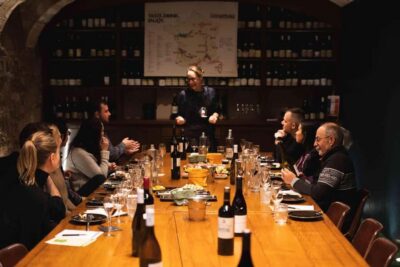
Cheese & Wine Tasting in Montmartre with Local Cheesemonger
Read our review →
French Wine, Champagne And Cheese Tasting Paris SECRET WINE DOOR
Read our review →
Paris Wine Tasting plus Cheese Lunch with an Expert Sommelier
Read our review →
Paris: Walking Food Tour with Cheese, Wine and Delicacies
Read our review →Browse the lists this tour appears in