
Reviewed · CONCERTS
Paris: Classical Music Concert in Saint-Julien-le-Pauvre
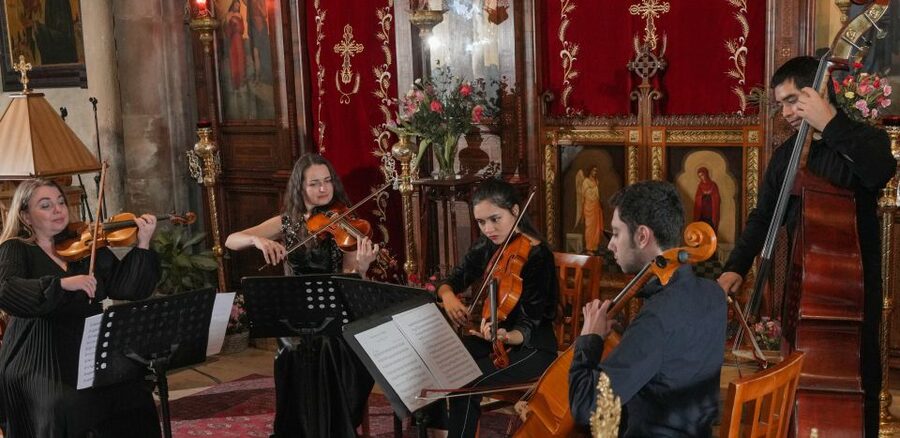
Paris has music in its stones. A 65-minute concert at Saint-Julien-le-Pauvre brings Vivaldi, Mozart, Handel, and Saint-Saëns into one of the city’s oldest religious buildings, just steps from Notre Dame in the Latin Quarter. I especially like the intimate setting and the program’s familiar, easy-to-love pieces. The main trade-off is that some seats at the back may give you a fine sound but a poor view of the musicians.
I also like how neatly this fits into a Paris evening. You can visit Notre Dame, stroll beside the Seine, hear a concert, then eat in the Latin Quarter without crossing the city. The price is about $46 per person, or roughly 35 euros in some bookings, which feels fair for live music, two featured soloists, and a historic venue. Just remember that old church seating can be hard on the back, and announcements may be difficult to understand.
In This Review
- Key points to know before you book
- Why Saint-Julien-le-Pauvre makes the evening special
- The 65-minute program, piece by piece
- Vivaldi’s Spring and Summer
- Mozart’s Lacrimosa
- Handel’s Largo from Xerxes
- Saint-Saëns’ The Swan
- Ensemble Royal and the two soloists
- What the acoustics are really like
- Building a Paris evening around the concert
- Is $46 a fair price?
- Who will enjoy this most?
- Booking and practical details
- Should you book the Saint-Julien-le-Pauvre concert?
- FAQ
- How long does the concert last?
- What music is performed?
- Where does the concert take place?
- Where do I meet the staff?
- Is the concert available in English?
- Is the venue wheelchair accessible?
- Can I cancel my booking?
Key points to know before you book
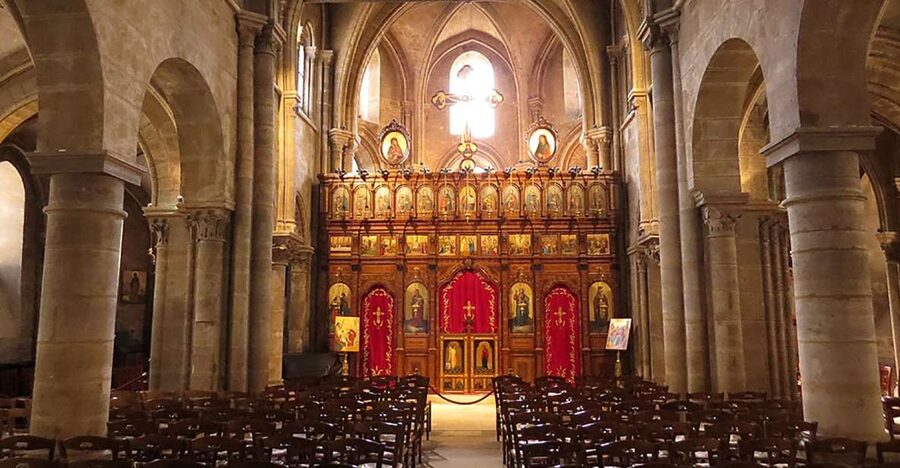
- A medieval church beside Notre Dame: Saint-Julien-le-Pauvre provides an atmospheric setting with stone walls, old architectural details, and a calm break from central Paris.
- Classical favorites, not a demanding lecture: The program includes Vivaldi’s Spring and Summer, Mozart’s Lacrimosa, Handel’s Largo from Xerxes, and Saint-Saëns’ The Swan.
- Two featured soloists: The concert combines the Ensemble Royal with a solo violinist and an operatic soprano, giving the program more color than a small instrumental performance alone.
- Strong acoustics in a small room: The church’s intimate scale helps the music carry, though seats toward the back may limit your view.
- A simple 65-minute plan: The concert is short enough to fit before dinner or after sightseeing, with some performances lasting longer than scheduled.
- Flexible booking: You can cancel up to 24 hours before the concert for a full refund, and the reserve-now, pay-later option requires no payment at booking.
Why Saint-Julien-le-Pauvre makes the evening special
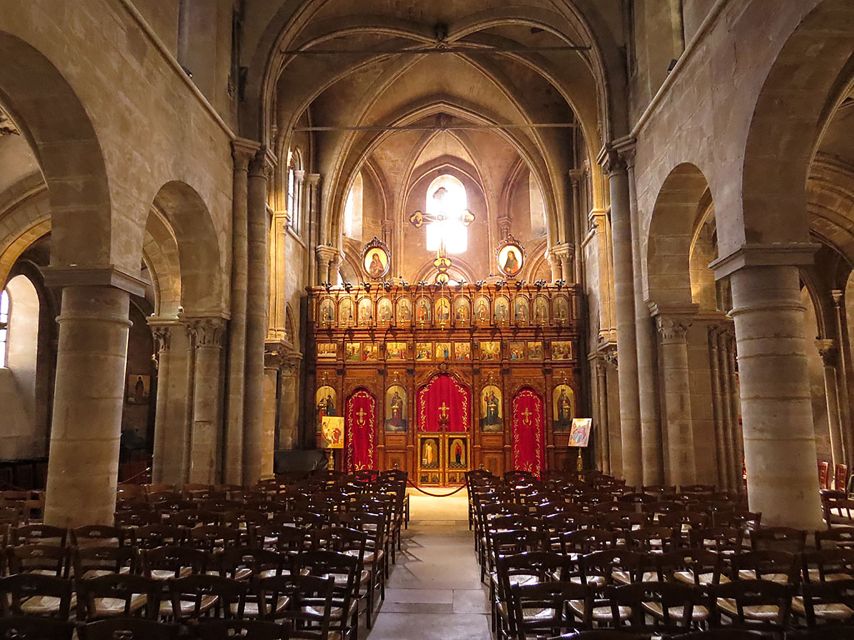
The venue is not just a container for the music. Saint-Julien-le-Pauvre is one of Paris’ oldest religious buildings, and its medieval character gives the concert a sense of place that a modern hall cannot match.
You meet the staff in front of the church, then are directed to your seat. That keeps the arrival simple, though you should pay close attention to the exact building. One person nearly went into another church across the street, which looks more traditionally churchlike from outside.
Inside, the scale is part of the charm. This is a small, intimate church rather than a grand concert hall. You are close enough to feel connected to the players, and the stone interior helps the sound travel. Several people singled out the acoustics as one of the best parts of the evening.
The setting also suits the music. Mozart’s Requiem can sound solemn in any room, but Lacrimosa gains extra weight beneath an old church ceiling. Vivaldi’s bright violin writing feels lively against the quiet, timeworn surroundings. It is a pleasant contrast: old walls, familiar music, young performers with serious skill.
There is one practical weakness. The rear seats can make it hard to see the musicians. You may hear everything clearly while watching only partial glimpses of the performance. If seeing the bow work and the soloists matters to you, arrive with enough time to follow the staff’s seating directions and consider your position carefully.
A few more Paris trips worth weighing up
- Paris: 3-Course-Dinner Cruise on the Seine with live music
★ 4.7 · 7,248 reviews - Paris: 4-Course Dinner Cruise on Seine River with Live Music
★ 4.5 · 3,827 reviews - Paris: Gourmet Dinner Cruise on Seine River with Live Music
★ 4.5 · 2,531 reviews
The 65-minute program, piece by piece
The concert is built around popular works rather than obscure compositions. That is good news if you want an enjoyable introduction to classical music, or if you have spent the day walking and want something welcoming rather than mentally demanding.
The exact running order may vary, but the advertised selection includes Vivaldi’s Spring and Summer, Mozart’s Lacrimosa from the Requiem, Handel’s Largo from Xerxes, and Saint-Saëns’ The Swan. Some performances also feature other parts of Vivaldi’s Four Seasons, and the soloists may add an operatic work such as Ave Maria.
Vivaldi’s Spring and Summer
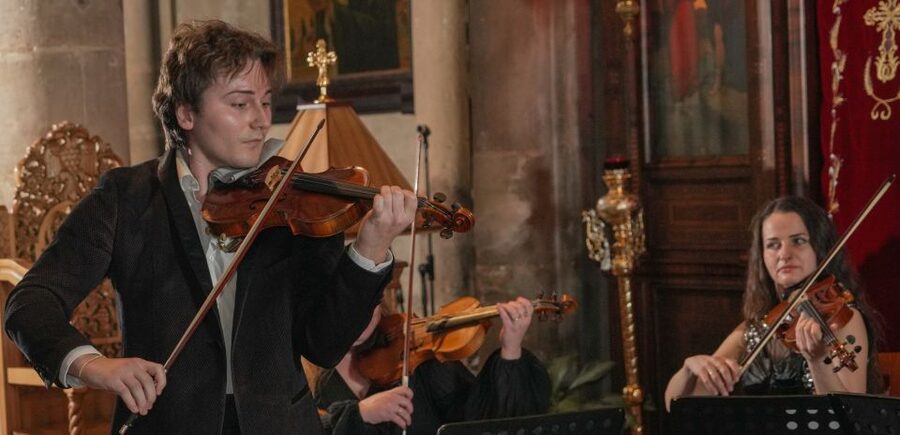
Vivaldi is the natural centerpiece here. The Four Seasons gives the solo violinist plenty of room to show speed, control, and dramatic feeling. The contrast between soft passages and sudden bursts of energy works especially well in a small church.
The solo violinist has received especially high praise. Dorian Rambaud is named in several accounts, and one performance was remembered for his extraordinary handling of the Four Seasons. Another concertgoer described his playing as sensational. Names and performers may change by date, so check the current program if a particular artist matters to you.
Spring is bright and familiar. Summer has more tension, with stormy passages that can fill the church with motion. If the program includes Winter, expect an even sharper contrast between quiet restraint and urgent violin work. The music is easy to recognize, but strong playing keeps it from feeling like background music.
Mozart’s Lacrimosa
Mozart’s Lacrimosa brings a darker mood. The choral original is powerful, but this concert’s arrangement and soprano contribution give the piece a more personal, close-range quality.
The operatic soloist is a major part of the evening. Names connected with past performances include Olga Voljnovic, and several accounts praise the soprano’s voice as moving, beautiful, and thrilling. The balance between the instrumental ensemble and the singer gives the program a change of texture after the violin-led Vivaldi.
You should not expect a full staged opera. This is a concert performance, with the voice serving the music rather than a theatrical story. That makes it a good choice if you want a taste of opera without committing to a full evening at the Palais Garnier or another major venue.
A completely different sort of day in Paris:
- Paris: Louvre Museum Timed-Entrance Ticket
★ 4.6 · 71,977 reviews - Disneyland® Paris 1-Day Ticket
★ 4.6 · 49,412 reviews - Paris: Versailles Palace and Gardens Full Access Ticket
★ 4.6 · 41,579 reviews - Paris: Evening River Cruise with Music
★ 4.4 · 22,721 reviews
Handel’s Largo from Xerxes
Handel’s Largo is slower and more spacious. After the motion of Vivaldi, it gives the ear a chance to settle. In a stone church, the sustained lines can feel especially warm, though the room’s echo may soften some details.
This is one reason the program works for a mixed group. A committed classical fan gets recognizable repertoire and skilled solo playing. Someone less familiar with classical music gets melodies that are direct and approachable.
Saint-Saëns’ The Swan
The Swan is a graceful change of pace. It is gentle, lyrical, and short enough to keep the program moving. This is the kind of piece that suits the venue’s calm mood, especially after the stronger emotional pull of Mozart.
The selection as a whole aims to please rather than challenge. If you want experimental modern music or a full symphonic work, this is not the right ticket. If you want well-known pieces performed by a small ensemble in a memorable place, the approach makes sense.
Ensemble Royal and the two soloists
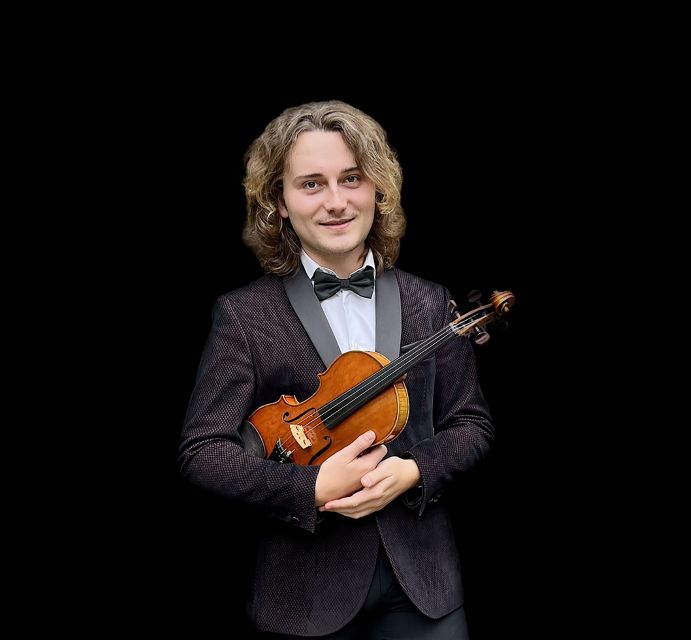
The Ensemble Royal is the resident performing group for this experience. The ensemble is joined by two award-winning soloists, generally a featured violinist and an operatic soprano. That combination gives the concert several distinct high points instead of one long block of ensemble playing.
The violinist leads the most visibly virtuosic passages. You can listen for quick articulation, clean changes in intensity, and the conversation between solo instrument and ensemble. The soprano adds a more human, vocal quality, especially in the Mozart selections and any added aria or sacred song.
Past performances have included Dorian Rambaud and Olga Voljnovic, though the lineup can change. The comments connected to these artists are unusually specific: listeners praised the violinist’s command and the soprano’s emotional delivery, not simply the fact that both appeared.
The musicians are also often described as young and highly talented. That can add a pleasant sense of discovery. You are not paying for a famous orchestral institution, but for a small group putting real energy into familiar music.
The announcement before a piece is a minor weak point. At least two people found the speaker difficult to understand, either because of the microphone or unclear sound in the church. You can still enjoy the music without catching every introduction, but do not count on a polished spoken presentation.
What the acoustics are really like
Church acoustics are a mixed blessing. The stone surfaces help a small ensemble sound full, and the music can reach the back without much effort. This is why the venue receives so much praise for sound.
The same reverberation can blur spoken words and soften fast musical detail. If you sit far back, you may hear the performance better than you see it. The church is not arranged like a modern auditorium, so sightlines and sound will not be identical from every seat.
For most listeners, the intimacy matters more than technical perfection. A small ensemble does not need to overpower the room. The result can feel closer and more personal than a large concert, especially when the violinist or soprano is performing only a short distance away.
Older seating is another consideration. One person found the chair uncomfortable, particularly for an older body. The concert lasts 65 minutes, so the problem is limited, but anyone with back or hip concerns should keep the seating style in mind.
Building a Paris evening around the concert
This concert works best as part of a walking day in central Paris. Saint-Julien-le-Pauvre sits in the Latin Quarter, near Notre Dame and the Seine. You can pair it with a visit to the cathedral area, a riverside walk, or a meal on one of the nearby streets.
The location is a practical advantage. You do not need to spend an hour reaching a distant venue, and the concert provides a quiet pause after sightseeing. The Latin Quarter is full of traditional restaurants, so dinner afterward is easy to arrange.
I would avoid planning a rushed cross-town connection immediately before the start. The meeting point is directly in front of the church, and a nearby church can cause confusion. Give yourself a little time to identify the correct entrance and meet the staff.
The concert itself is listed at 65 minutes. One booking lasted about 90 minutes because the performers continued beyond the planned hour, but you should treat that as a pleasant possibility rather than a promise. Plan around the stated duration, especially if you have a dinner reservation.
The program is also useful at the end of a long day. You can sit down, listen, and let the city wait outside for an hour. One of the strongest themes in the comments is how restorative the performance feels after heat, walking, and sightseeing.
Is $46 a fair price?
At $46 per person, this is not the cheapest classical music option in Paris. You are paying for more than 65 minutes of music, though. The ticket includes the Ensemble Royal, two featured soloists, and access to a historic church in the center of the city.
The value improves if you already plan to visit Notre Dame or the Latin Quarter. You can combine major sights, dinner, and music without adding much transport time. The venue also gives the concert a quality that a low-cost performance in an ordinary room would lack.
The price feels strongest for couples and first-time Paris visitors who want one polished cultural evening. It is less attractive if you mainly want a grand orchestral sound, a formal concert hall, or a long program. You may also want to compare the price with larger Paris venues if your priority is scale rather than atmosphere.
The program’s use of famous pieces helps justify the cost for casual listeners. You do not need to prepare in advance or know a particular composer. Familiar melodies make the hour enjoyable even if your classical music knowledge begins and ends with Vivaldi.
Who will enjoy this most?
I would recommend this concert to you if you want a cultural experience that is easy to fit into a busy Paris schedule. It suits first-time visitors, couples, solo visitors, and families with older children who can sit quietly for about an hour.
It is also a good pick for classical music newcomers. The music is accessible, the duration is manageable, and the soprano and violin soloist provide clear focal points. You get a genuine live performance without the formality or length of a major opera production.
Regular classical concertgoers may enjoy it for the room and the closeness to the artists. The program is not designed as a daring artistic statement, but the intimate setting can make familiar works feel fresh.
I would hesitate if comfortable seating is essential, if you need a clear view from every position, or if you want a large orchestra. The rear of the church may give you limited visual contact, and spoken introductions can be hard to follow.
The language issue is minor. Staff or greeters speak French and English, so basic arrival help is available in both languages. The music itself needs no translation.
Booking and practical details
The ticket includes the concert only. Food and drinks are not included, so plan dinner or a drink separately in the Latin Quarter.
The experience is wheelchair accessible. You can cancel up to 24 hours in advance for a full refund, which is useful when Paris plans are still changing. The reserve-now, pay-later option also lets you hold a place without paying at the time of booking.
Starting times vary, so check availability for your date. The meeting point is in front of Saint-Julien-le-Pauvre, where staff direct you to your seat.
For the best evening, I would arrive in the area before the concert rather than race in from another sight. Locate the correct church, enjoy the neighborhood, and leave time for a meal afterward. That turns a one-hour performance into a relaxed Latin Quarter night.
Should you book the Saint-Julien-le-Pauvre concert?
Yes, if you want familiar classical music in a beautiful, intimate Paris setting. The strongest reasons to book are the medieval church, excellent acoustics, skilled soloists, and convenient location beside Notre Dame.
The drawbacks are real but modest: seating may be uncomfortable, rear positions may limit your view, and announcements may be unclear. At $46, the ticket is best judged as a complete atmosphere-and-music experience, not simply as 65 minutes of concert time.
Book it as a gentle evening stop, especially after Notre Dame or a day around the Seine. If you would rather hear a full orchestra in a grand hall, choose another concert. If you want Vivaldi, Mozart, and a soprano close at hand beneath old stone, this is a very good Paris choice.
FAQ
How long does the concert last?
The stated duration is 65 minutes. One performance lasted about 90 minutes, but you should plan your schedule around the advertised 65 minutes.
What music is performed?
The advertised program includes Vivaldi’s Spring and Summer, Mozart’s Lacrimosa from the Requiem, Handel’s Largo from Xerxes, and Saint-Saëns’ The Swan. Other works, including parts of Vivaldi’s Four Seasons or Ave Maria, may appear depending on the performance.
Where does the concert take place?
It takes place at Saint-Julien-le-Pauvre church in Paris’ Latin Quarter, close to Notre Dame.
Where do I meet the staff?
Meet the staff directly in front of Saint-Julien-le-Pauvre church. They will direct you to your seat.
Is the concert available in English?
The host or greeter service is available in French and English. Some spoken announcements inside the church may be difficult to understand because of the microphone and acoustics.
Is the venue wheelchair accessible?
Yes, the experience is listed as wheelchair accessible.
Can I cancel my booking?
Yes. You can cancel up to 24 hours in advance for a full refund. A reserve-now, pay-later option is also available.
Recently added around Paris
- Private Half-Day Guided Tour of Paris★ 4.5 · 48 reviews
- 2 hour outdoor group activity in Paris: SAINT GERMAIN★ 5.0 · 48 reviews
- Paris Dinner Show Opera Bel Canto★ 4.5 · 48 reviews
- Paris Vintage Tour by Night on a Sidecar with Champagne★ 5.0 · 48 reviews
- Secrets & Scandals of the Louvre – Limited to 6 Guests★ 5.0 · 48 reviews
- Paris Photoshoot: Eiffel Tower Exclusive Private Experience★ 5.0 · 48 reviews
- Paris: Louvre Mona Lisa Discovery Guided Tour with Ticket★ 4.9 · 48 reviews
- From Paris: Versailles Full-Day Guided Tour with Lunch★ 4.9 · 48 reviews
Concerts, compared.
Paris: 3-Course-Dinner Cruise on the Seine with live music
Read our review →
Paris: 4-Course Dinner Cruise on Seine River with Live Music
Read our review →
Paris: Gourmet Dinner Cruise on Seine River with Live Music
Read our review →
Paris: Seine River Cruise with 3-Course Dinner & Live Music
Read our review →
Paris: Classical Music Concert Tickets in Parisian Churches
Read our review →
Paris: Seine River Champagne Dinner Cruise with Live Music
Read our review →
Paris: Romantic Piano Concert at Saint-Julien-le-Pauvre
Read our review →Browse the lists this tour appears in