Reviewed · PARIS TOURS
Sports, fun and educational discovery of Paris
Paris looks different at running pace. This private tour combines sightseeing, exercise, and clear historical storytelling as you move between the Louvre, the Seine, Notre-Dame, the Opera, and other central landmarks. I like the hotel or apartment pickup, which removes the usual meeting-point fuss, and the photos sent afterward through Dropbox, a useful souvenir that costs nothing extra.
I also like the flexible pace. Guide JC has been praised for running slowly enough for a non-runner to enjoy the experience, while still giving seasoned runners a worthwhile outing. The main drawback is simple: you usually see museums and monuments from outside rather than going in, so this is not a substitute for a Louvre or Sainte-Chapelle visit.
In This Review
- Key points about this Paris running tour
- What this two to three hour tour is really like
- Starting at your hotel or apartment
- The Louvre and Tuileries Garden: royal power in motion
- Place de la Concorde and the Opera Garnier
- Running beside the Seine
- Ile de la Cite: the historical center
- Musee d’Orsay and the Eiffel Tower
- Palais-Royal, Pont Neuf, and Petit Palais
- Pace, fitness, and the JC difference
- Photos, maps, and value at $104.52
- What you will not get
- Who should book this experience?
- Should you book the Paris running tour?
- FAQ
- How long does the Paris running tour last?
- How much does the tour cost?
- Is this a private tour?
- Where does pickup take place?
- What hours is the tour available?
- Is the tour offered in English?
- Do I need to be a regular runner?
- Do I enter the museums and monuments?
- Are photos included?
- What happens if the weather is bad?
Key points about this Paris running tour
- Private from start to finish: Only your party takes part, so the route and pace can fit your group.
- Pickup anywhere inside Paris: The guide meets you in your hotel lobby or at the bottom of your apartment building.
- A running tour for mixed abilities: The pace can be adjusted, making it suitable for experienced runners and people who rarely run.
- Central Paris in one outing: The route can include the Louvre, Tuileries Garden, Place de la Concorde, Ile de la Cite, Pont Neuf, and more.
- History explained while moving: The guide carries maps and historical images to make the city’s past easier to follow.
- Photos and water included: You receive tour photos afterward, and bottled water is available when needed.
What this two to three hour tour is really like
This is not a race, and it is not a standard walking tour with a few quick jogs. You move through Paris on foot at a running pace, stopping often for short explanations, photographs, and views. The exact path can be tailored, and some sights depend on the route, time of day, and your pickup location.
That private format matters. You do not need to match the pace of a large group or worry about holding anyone back. If one person in your party is not a regular runner, the guide can ease the pace, as JC did for one couple. That flexibility is one of the strongest reasons to consider this experience.
The tour operates from 5:00 a.m. to 8:00 p.m., Monday through Sunday. An early start could help you avoid the busiest parts of central Paris, though the supplied details do not promise a particular traffic or crowd level. You should have a moderate level of physical fitness, since the experience involves sustained movement rather than a gentle stroll.
A few more Paris trips worth weighing up
- Paris: Louvre Museum Timed-Entrance Ticket
★ 4.6 · 71,977 reviews - Disneyland® Paris 1-Day Ticket
★ 4.6 · 49,412 reviews - Paris: Versailles Palace and Gardens Full Access Ticket
★ 4.6 · 41,579 reviews
Starting at your hotel or apartment
The guide comes to you anywhere inside Paris. At a hotel, you meet in the lobby. If you are staying in an apartment, the guide meets you at the bottom of the building.
This is a practical perk, especially for an early morning run. You do not have to cross the city before sunrise or find an unfamiliar square while carrying your phone and trying to keep your group together. Pickup also gives the guide a clear starting point for shaping the route.
Because the outing is tailored, your location may affect what you see. The Eiffel Tower, for example, might be viewed very closely or from a distance. It is visible from many parts of Paris, but the exact experience depends on where you start and how the route is arranged.
The Louvre and Tuileries Garden: royal power in motion
The Louvre is an excellent first stop because its story goes well beyond the museum galleries. The guide explains the building’s history, major facts, passages, and courtyards. You do not receive museum admission, but you get an introduction to the huge complex from the outside.
The short Louvre stop is listed at about five minutes. That is enough for an overview and a few questions, but not enough for a full architectural study. If you want to see the Mona Lisa or spend hours with the collection, plan a separate visit.
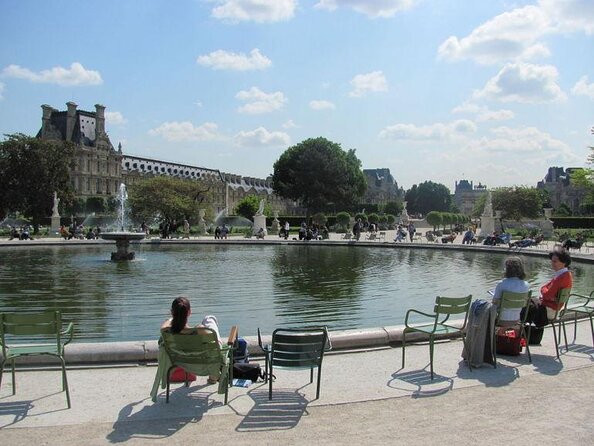
From there, you run into the Jardin des Tuileries. The guide explains the castle and garden, then takes you through the park. This is one of the more pleasant stretches of the route because the setting gives you room to move while still keeping you close to major monuments.
The Tuileries also helps connect the Louvre with the grand ceremonial spaces farther west. Instead of treating each sight as an isolated photo stop, the route shows how the central axis of Paris fits together.
Place de la Concorde and the Opera Garnier
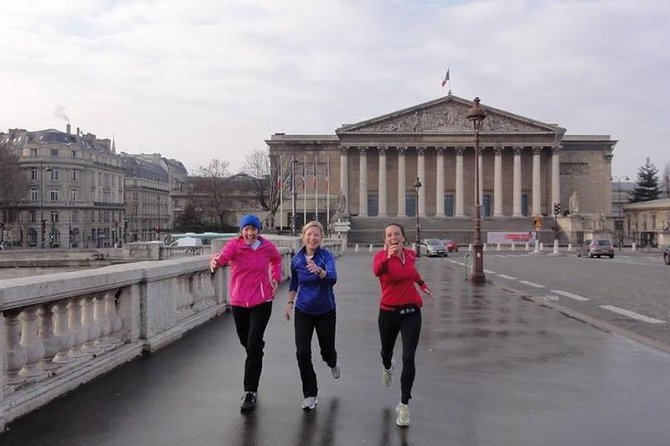
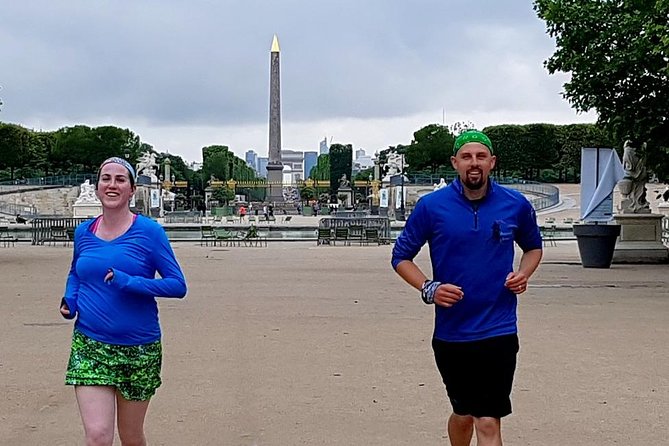
At Place de la Concorde, you pause for stories connected to the square and time for pictures. The stop lasts about seven minutes. That is brief, but the square is large, open, and visually striking, so a short explanation can give you a useful sense of why this location matters.
The tour then may continue toward the Palais Garnier. You admire the Opera building from outside and learn about the major changes made in Paris during the 19th century. The listed stop is about five minutes, so expect a concise explanation rather than a full architectural tour.
I like this part for the way it links buildings with city planning. You are not simply collecting famous facades. You are hearing how Paris changed over time while moving between places that still show those changes.
A completely different sort of day in Paris:
- Paris: Evening River Cruise with Music
★ 4.4 · 22,721 reviews - Paris: Eiffel Tower Entry Ticket with Optional Summit Access
★ 4.4 · 20,035 reviews - Paris: Eiffel Tower Summit or Second Floor Access
★ 4.3 · 17,248 reviews - Paris: Louvre Guided Tour with Reserved Access & Boat Cruise
★ 4.3 · 16,353 reviews
Running beside the Seine
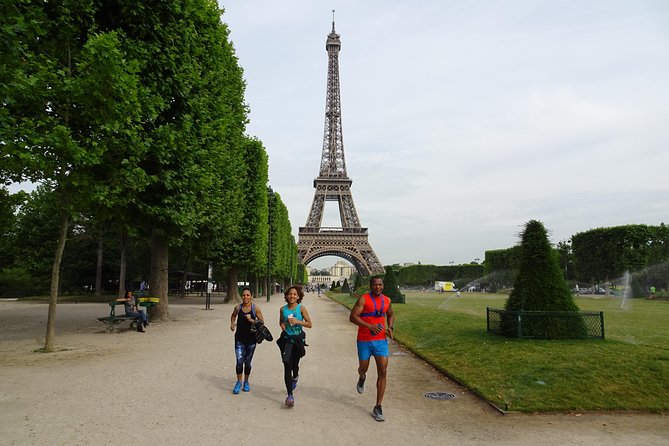
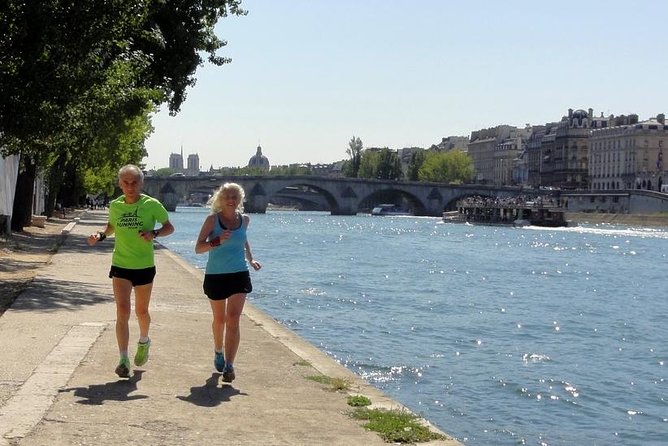
The Seine section is less about one fixed stop and more about the flow of the route. You run along the river, taking in sights on the way while the guide continues explaining Paris.
This can be one of the most rewarding parts for a runner because the city keeps changing around you. It also breaks up the stop-and-start rhythm of the monuments. Still, the exact river views and distance depend on the tailored route, so you should not book this expecting one fixed riverside course.
The guide carries maps and historical pictures. These can be shown during pauses and are given to you at the end, adding something useful to the spoken commentary. The materials may help you remember the route after the tour, especially if Paris history is new to you.
Ile de la Cite: the historical center
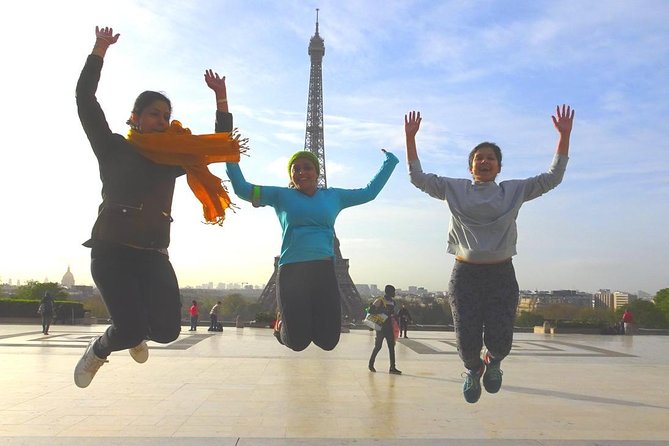
Ile de la Cite receives the longest listed stop, about 15 minutes, and for good reason. This central island brings several major sights close together, including the Conciergerie, Sainte-Chapelle, Palais de Justice, Notre-Dame, Marché aux fleurs, Hôtel-Dieu, and the Préfecture de Police.
You run around the island with several stops to hear about its past. Again, the tour does not include entry into these sites. That limitation is important at Sainte-Chapelle and the Conciergerie, where the interiors are major parts of the experience.
Still, an outside visit can help you decide what deserves a return visit. You get a quick orientation to the island, see how the sights relate to one another, and learn enough context to make a later museum or monument visit more meaningful.
Notre-Dame is naturally a major visual point here, while the flower market and nearby civic buildings add variety. You are not seeing only the postcard version of Paris. The route includes religious, legal, medical, and police history in the same compact area.
Musee d’Orsay and the Eiffel Tower
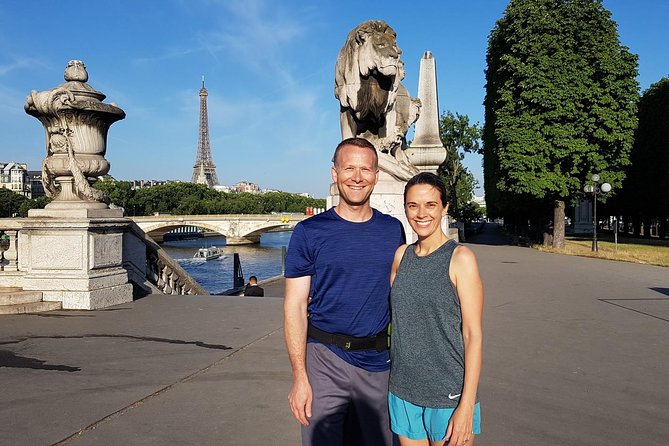
The Musee d’Orsay stop lasts about five minutes and focuses on the building itself and its history. The former railway-station setting gives the exterior a different feel from the Louvre, and the guide helps you understand what you are looking at.
You do not enter the museum. If you want to see its art collection, you need a separate admission and visit. This tour is better at building a citywide picture than at offering long periods inside any one attraction.
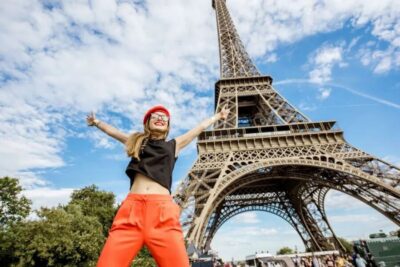
The Eiffel Tower may appear close or far away, depending on your route. The details wisely do not promise a fixed viewpoint, since the tower can be seen from many places in Paris. Treat it as a possible sight along the run, not as a guaranteed close-up stop.
You may also run along the Champs-Élysées and learn about the avenue. The route can include Hôtel des Invalides as well, another major Paris landmark with a strong military connection. These sections show how much ground a running tour can cover, though they also make the need for moderate fitness clear.
Palais-Royal, Pont Neuf, and Petit Palais
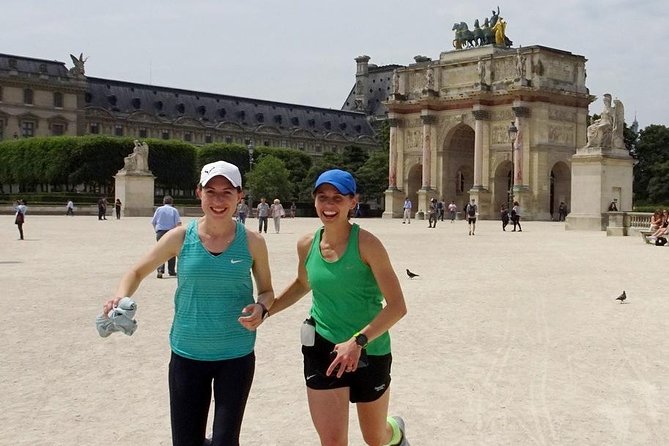
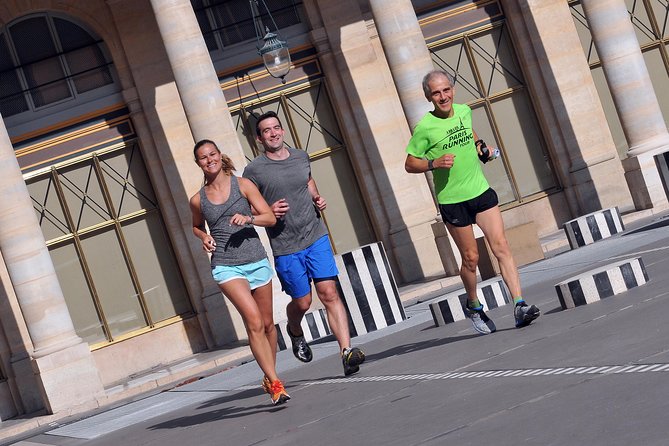
The Domaine National du Palais-Royal is another scheduled stop, lasting about 10 minutes. You see the courtyard, garden, galleries, and connected historic sites while learning why this place matters.
Palais-Royal works well on a running route because it offers a change from broad avenues and river views. The enclosed courtyards and garden create a calmer pause before you continue through central Paris.
Pont Neuf receives about three minutes. The guide explains that it is Paris’s oldest bridge, along with information about other bridges. Three minutes is enough for a quick fact and a photograph, but not an extended bridge history lesson.
Depending on the route and time of day, you may also make a short visit to the Petit Palais if it is open. This is the one possible interior visit mentioned in the experience details. It is not guaranteed, so you should not count on it as part of your museum plans.
Two other parks may be included, depending on your tailored route. Since their names and inclusion are not fixed, consider them pleasant possibilities rather than promised destinations.
Pace, fitness, and the JC difference
The most useful detail for mixed groups is the report of JC running at an easy pace for a spouse who was not a runner. That tells you more than the word private ever could. The experience is designed to keep your party together, not to test your speed.
A seasoned runner may find the pace relaxed, but the tour offers something beyond mileage: constant stops, city views, and historical explanations. You are running through a sightseeing route, not following a training plan.
I would still be honest with yourself before booking. The stated requirement is moderate physical fitness. If you cannot comfortably stay active for two to three hours, you may find the tour tiring even at an easy pace. Comfortable running clothes, suitable shoes, and a willingness to stop often will make the outing more enjoyable, though only the need for moderate fitness is formally specified.
Water is included when it is hot. The guide either carries it or offers it to you along the way. That is a small but useful touch during a long active morning.
Photos, maps, and value at $104.52
At $104.52 per person, the price is easier to justify for a private group than for a solo visitor. You are paying for a guide dedicated only to your party, hotel or apartment pickup, route planning, historical commentary, water when needed, and photographs afterward.
The value depends on how many people share the booking and how much you care about convenience. A couple or family that wants a private pace may find the cost reasonable, especially since a standard sightseeing tour cannot usually adjust itself around one non-runner.
The photo service adds a nice personal touch. The guide carries a camera and takes the pictures you want, then sends them through Dropbox after the tour. That means you can focus on the run and the city instead of handing your phone to strangers at every stop.
The tour also gives you maps and historical pictures at the end. These are not replacements for a museum guidebook, but they can help you remember the route and sort out the many names and buildings you see in a short time.
What you will not get
You will not enter the Louvre, Sainte-Chapelle, the Conciergerie, Notre-Dame, or the Musee d’Orsay as a normal part of the tour. The Petit Palais may allow a short visit if it is open and if the tailored route and time permit it.
That makes this a poor choice if your main aim is indoor art, stained glass, royal rooms, or a long look at one monument. It is a strong choice if you want an overview before deciding which places deserve a separate ticket.
The sightseeing stops are also short. Five minutes at the Louvre or Musee d’Orsay can orient you, but it cannot cover every detail. You should expect quick explanations, photographs, and movement rather than long lectures.
Who should book this experience?
I would recommend it to an active couple, family, or small group that wants a private introduction to Paris. It is especially useful if your group has mixed running ability, since JC has shown that an easy pace can work for a non-runner.
It also suits repeat visitors who want to see the city from a different angle. The route can pass through well-known places while adding smaller details, courtyards, bridges, parks, and civic buildings that you might miss from a tour bus.
First-time visitors can use it to get their bearings fast, though you should not treat it as a full replacement for major attractions. The best plan is to run early, collect ideas for later, and return to the interiors that catch your attention.
I would skip it if you dislike exercise, need a fully accessible sightseeing format, or want guaranteed entry to museums. The supplied details only establish a moderate fitness requirement and do not describe accessibility arrangements.
Booking is flexible enough for many itineraries. Confirmation normally arrives when you book, though bookings made within 12 hours of departure are confirmed as soon as possible and depend on availability. You can cancel for a full refund up to 24 hours before the start time. Bad weather can lead to a new date or a full refund.
Should you book the Paris running tour?
Book this tour if you want private sightseeing with movement, a flexible pace, and a guide who can connect Paris landmarks with their stories. The easy pace praised in connection with JC makes it more welcoming than the word running might suggest.
Do not book it as your only museum day. Use it as an active city introduction, then return on your own to the Louvre, Sainte-Chapelle, Musee d’Orsay, or another site you want to explore inside. For the right group, the pickup, tailored route, personal photos, and wide sweep of central Paris make $104.52 a sensible price for a memorable first look.
FAQ
How long does the Paris running tour last?
The experience lasts approximately two to three hours.
How much does the tour cost?
The listed price is $104.52 per person.
Is this a private tour?
Yes. Only your party participates in the activity.
Where does pickup take place?
The guide meets you anywhere inside Paris. At a hotel, pickup takes place in the lobby. At an apartment, the guide meets you at the bottom of the building.
What hours is the tour available?
It is offered Monday through Sunday from 5:00 a.m. to 8:00 p.m.
Is the tour offered in English?
Yes, the tour is offered in English.
Do I need to be a regular runner?
No. The pace can suit different abilities, and the experience requires a moderate level of physical fitness.
Do I enter the museums and monuments?
No. The tour passes many museums and monuments without entering them. A short Petit Palais visit may be possible if it is open and the route allows it.
Are photos included?
Yes. The guide carries a camera, takes photos during the tour, and sends them afterward through Dropbox.
What happens if the weather is bad?
The experience requires good weather. If poor weather causes cancellation, you are offered a different date or a full refund.
Recently added around Paris
- Private Half-Day Guided Tour of Paris★ 4.5 · 48 reviews
- 2 hour outdoor group activity in Paris: SAINT GERMAIN★ 5.0 · 48 reviews
- Paris Dinner Show Opera Bel Canto★ 4.5 · 48 reviews
- Paris Vintage Tour by Night on a Sidecar with Champagne★ 5.0 · 48 reviews
- Paris Photoshoot: Eiffel Tower Exclusive Private Experience★ 5.0 · 48 reviews
- Secrets & Scandals of the Louvre – Limited to 6 Guests★ 5.0 · 48 reviews
- From Paris: Versailles Full-Day Guided Tour with Lunch★ 4.9 · 48 reviews
- Paris: Louvre Mona Lisa Discovery Guided Tour with Ticket★ 4.9 · 48 reviews
Paris Tours, compared.

Paris: Versailles Palace and Gardens Full Access Ticket
Read our review →
Paris: Eiffel Tower Entry Ticket with Optional Summit Access
Read our review →
Paris: Eiffel Tower Summit or Second Floor Access
Read our review →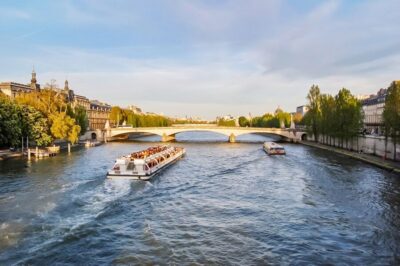
Paris: Louvre Guided Tour with Reserved Access & Boat Cruise
Read our review →