
Reviewed · AVIGNON TOURS
Truffle Hunting in Provence
Black gold hides beneath Provence’s oak trees. This three-hour experience at Les Pastras combines a real truffle hunt in the Luberon with time among vineyards, olive trees, and beehives. You meet truffle hunter Johann, watch his dogs work, and learn why these small fungi command such high prices.
I especially like the hands-on hunt with trained dogs and the generous tasting that follows. Champagne, truffle hors d’oeuvres, cheese, olive oil, and other farm products turn the final part into a proper Provençal treat. The main drawback is simple: you need your own transportation, since transfers are not included and the plantation is about 40 minutes from Aix-en-Provence TGV station or one hour from Marseille Airport.
In This Review
- Key Points at a Glance
- Why Truffle Hunting Fits a Provence Itinerary
- Arriving at the Luberon Plantation
- Meeting Johann and Learning the Truffle Trade
- Following the Dogs Beneath the Trees
- Walking Through Vineyards, Olive Groves, and Beehives
- The Truffle Tasting and Champagne Finish
- Seasonal Timing: May to September or November to Mid-March
- Who Will Get the Most From This Experience?
- Getting Good Value From the Visit
- Should You Book Truffle Hunting in Provence?
- FAQ
- How long does the truffle hunting experience last?
- How much does the tour cost?
- Where does the truffle hunt take place?
- Is transportation included?
- What language is the tour conducted in?
- What is included in the price?
- When does the tour operate?
Key Points at a Glance
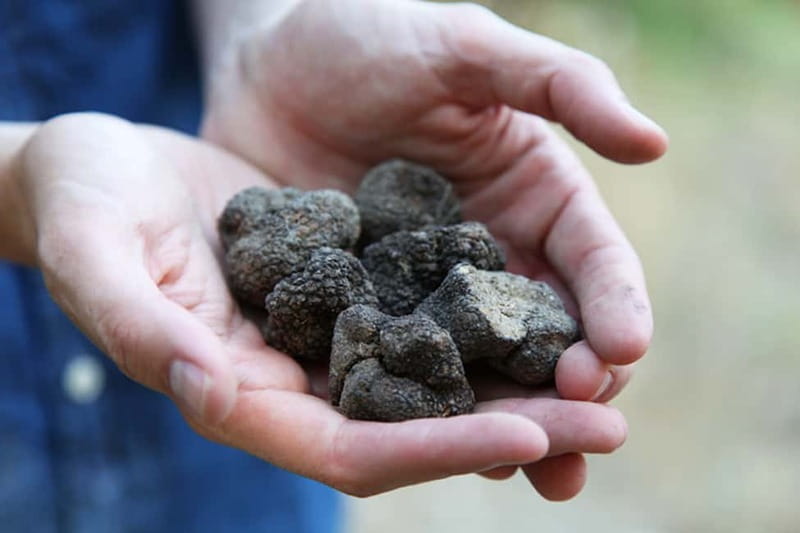
- Dogs do the serious work: Watch trained truffle dogs search beneath the trees and help uncover black truffles.
- Johann makes the lesson lively: His clear English explanations cover truffle farming, harvesting, cooking, storage, and dog training.
- The tasting is a major part of the value: Try truffle snacks, Champagne, olive oil, and farm-made products after the hunt.
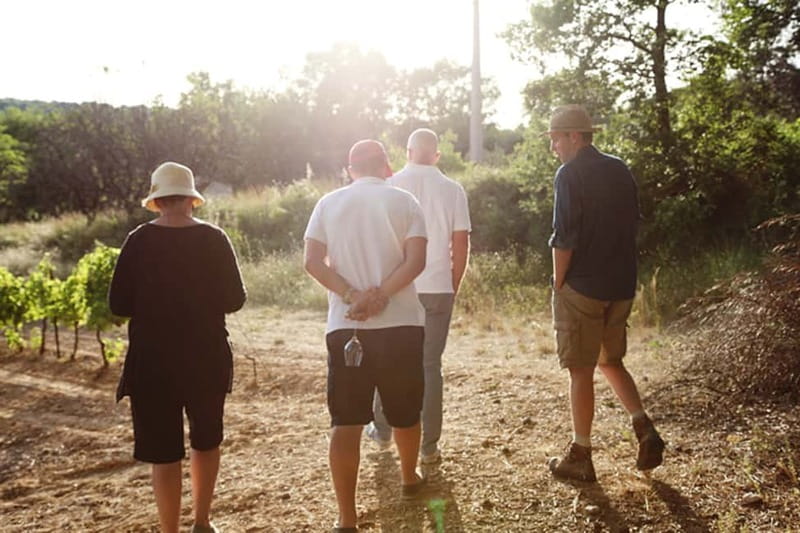
- The setting is part of the experience: Walk through a Luberon property with vineyards, olive groves, oak trees, and beehives.
- Small groups keep it personal: Tours are designed for two to 14 people, based on seating for the tasting.
- Season matters: Summer tours run from May through September, while winter tours run from November through mid-March.
Why Truffle Hunting Fits a Provence Itinerary
Provence is easy to experience from a market stall or a scenic village overlook. This tour gives you a closer look at one of the region’s more unusual farm traditions. You are not simply eating truffle shavings over a finished dish. You see where the product comes from and learn how much patience and skill are needed before it reaches the plate.
The setting helps. Les Pastras is in the Luberon, on a property with vineyards, olive trees, and beehives. That mix gives the outing a wider agricultural focus. Truffles are the star, but you also get a sense of the work and products that shape rural Provence.
I would set aside a morning or afternoon for this rather than trying to squeeze it between several other activities. The advertised duration is three hours, and that is long enough for the introduction, the search, the farm walk, and the tasting without feeling like a rushed photo stop.
The price is $132 per person. That is not a casual add-on, but the cost includes the full hunt, a live English-speaking guide, truffle hors d’oeuvres, an olive oil tasting, and Champagne. If you value food, local agriculture, and a small-group setting, the price is reasonable. If you only want to taste truffles, you can spend less elsewhere. The value comes from seeing the dogs work and learning how the product is grown and found.
More Provence trips from Provence:
- Provence Countryside Small Group Day Trip with Grasse Perfumery Visit from Nice
★ 4.5 · 613 reviews - Provence Highlights Full-Day Tour from Avignon
★ 5.0 · 499 reviews - Nice: Provence Village Tour with Wine and Produce Tasting
★ 4.6 · 445 reviews
Arriving at the Luberon Plantation
The location is about 40 minutes by car from Aix-en-Provence TGV station and roughly one hour from Marseille Airport. Since transportation is not included, you will need a car or another way to reach the property. This is the biggest practical issue to solve before booking.
Do not treat the address as a quick city-center stop. The experience takes place on a rural plantation, and the appeal depends partly on being out among the trees and fields. Build in enough time for the drive, and check the starting time when you reserve because the available schedule can vary.
The tour accepts groups of two to 14 people. That limit is tied to seating for the snack and tasting portion, but it also helps keep the outing from feeling like a large bus excursion. You can expect a more personal tone, especially when the group is small.
The tour is wheelchair accessible, which is useful information for planning. Pets are not allowed, so leave dogs and other animals at home, even though the resident truffle dogs are central to the activity.
Meeting Johann and Learning the Truffle Trade
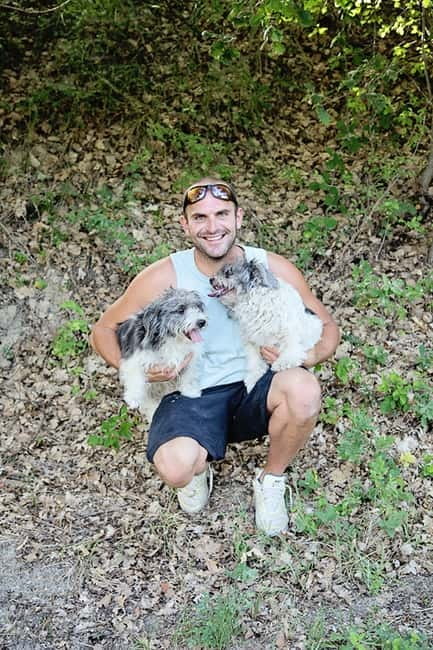
The first part focuses on truffles and the work behind them. Johann explains how truffle trees are grown, how the dogs are trained, and how hunters locate the fungi beneath the soil. His style is described as humorous, patient, and highly engaging, which matters because truffle farming can sound technical if presented as a lecture.
The strongest part of Johann’s approach is the way he connects the facts to what you are about to see. You learn why dogs are used, what makes a truffle difficult to cultivate, and how the search works before heading into the plantation. That preparation gives the hunt a purpose. You understand what the dog is doing instead of simply watching an animal sniff around.
The tour also corrects some common assumptions about truffles. They are not a guaranteed crop, and finding them is not as easy as spotting a mushroom on the forest floor. Much depends on the trees, the soil, the season, and the trained dog’s nose. You come away with a better sense of why fresh black truffles cost so much.
Johann’s humor is part of the appeal. Several comments about the outing describe a guide who keeps the group laughing while still giving serious information. That balance should suit you if you prefer a relaxed lesson rather than a formal agricultural presentation.
Following the Dogs Beneath the Trees
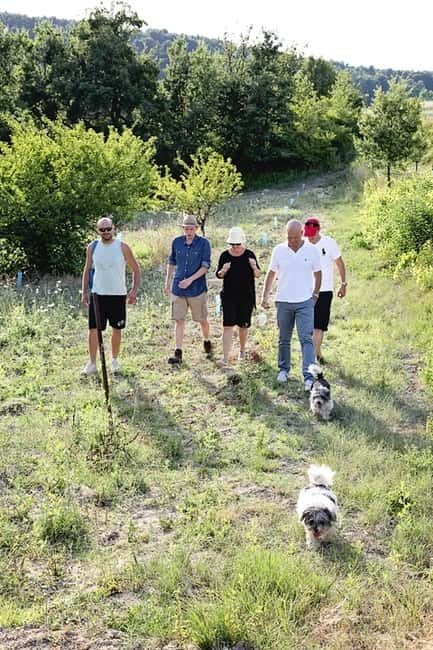
The hunt is the heart of the experience. You go out with the dogs while they search around the truffle trees. When a dog finds a promising spot, the hunter carefully checks the ground and helps uncover the truffle.
The dogs are not a decorative extra. They are trained working animals, and watching them search gives the activity its spark. Past outings have featured dogs named Caramel and Eclair, along with other members of Johann’s canine team. Their presence makes the hunt especially appealing if you enjoy animals, but even people who are not normally dog enthusiasts can appreciate the concentration and skill involved.
A successful find is not guaranteed in every outdoor activity, but the experience is structured around the search and the lessons behind it. Some groups have found several truffles, while the real value remains the chance to see the method up close. The hunt feels more authentic than a staged demonstration because you are learning about a real agricultural task.
Wear clothing suited to outdoor conditions. A winter outing can be cold and wet, as one March visit showed, so bring a jacket and shoes you do not mind wearing around soil. Summer should be easier, but the tour still takes place outdoors on a working plantation. The activity is not ideal if you want to stay indoors or avoid uneven rural ground.
A few more Provence trips worth weighing up
- From Avignon: Full-Day Best of Provence Tour
★ 4.7 · 338 reviews - Provence Cru Wine Small-Group Half-Day Tour from Avignon
★ 4.5 · 290 reviews - Provence in One Day Small Group Day Trip from Avignon
★ 4.5 · 262 reviews - From Avignon: All Provence in one Day
★ 4.9 · 226 reviews
Walking Through Vineyards, Olive Groves, and Beehives
The plantation offers more than truffle trees. You also tour the vineyards, olive groves, and beehives, which broadens the experience beyond one luxury ingredient.
The olive oil portion is particularly useful because you do not only hear about local production. You taste the farm’s olive oil and have the chance to try olive and truffle oil together. That lets you compare a straightforward Provençal staple with the more aromatic truffle version.
The vineyards and beehives add context, even if they receive less attention than the truffles. You see how several products can come from one property and how food in Provence is tied to the land around it. The views over oak and olive trees also give you a calm break between the instruction and the tasting.
Do not expect a full wine tour, olive harvest, or beekeeping workshop. The supplied details describe a tour through these parts of the property, not separate tastings or demonstrations for every product. Think of them as part of the farm setting and a chance to understand the broader operation.
The Truffle Tasting and Champagne Finish
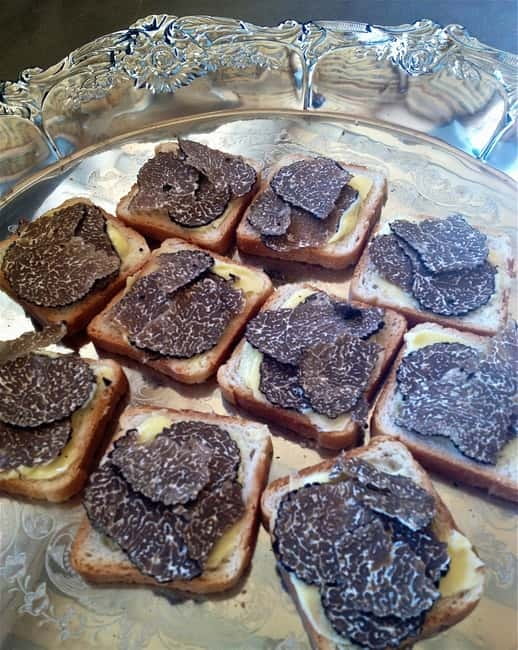
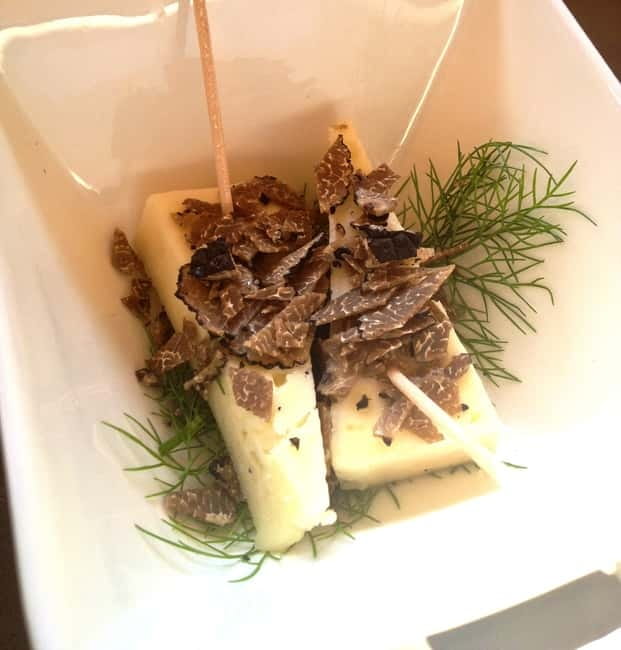
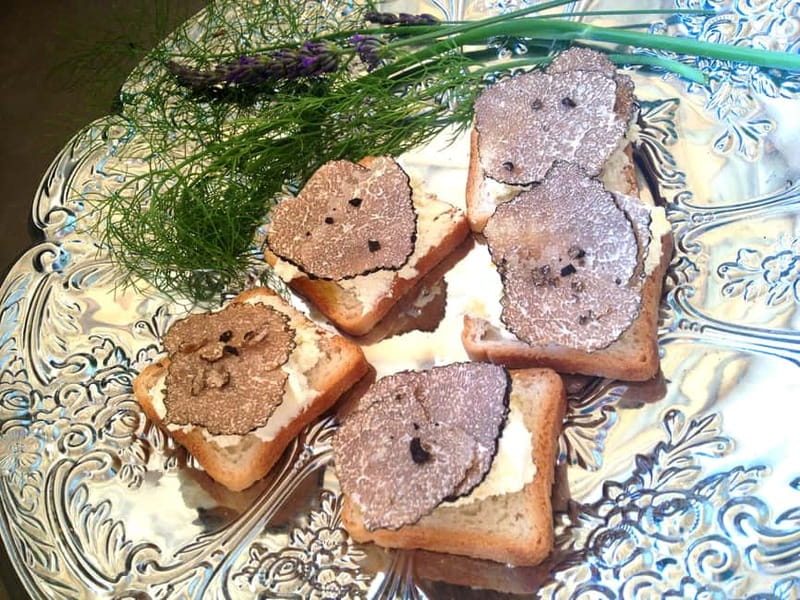
After the hunt, the group returns for the tasting. This is where the $132 price begins to make more sense. You sample truffles in several combinations rather than receiving a token bite on a plate.
The included food consists of truffle hors d’oeuvres, with olive oil tasting and Champagne. Past menus have also included items such as cheese and grape juice, but the exact selection may change. The important point is that the tasting is described as generous, varied, and central to the three-hour experience.
You also learn how to clean, store, and cook with truffles. That practical advice is more useful than a simple tasting note. Fresh truffles are delicate and expensive, so knowing how to handle them helps you avoid wasting a purchase later.
The Champagne adds a celebratory touch after the search. You have just watched the dogs locate the ingredient, and now you get to taste it in a relaxed setting. It is a pleasing transition from farm work to the pleasures of the table.
The hosts also produce several items for sale, including truffle salt, truffle oil, olive oil, and other Provençal products. Buying something is optional, and the experience is not built around a hard sales pitch. Still, you may want to leave room in your luggage if you like food souvenirs.
Seasonal Timing: May to September or November to Mid-March
The tour operates in two main periods. Summer outings run from May through September. Winter outings run from November through mid-March.
That seasonal split matters because the feel of the experience can change. Summer should offer warmer conditions for walking around the plantation, while winter is tied to the cooler truffle season and may bring a more rustic outdoor experience. A March visit was enjoyable even when the weather turned cold and wet, but you should dress accordingly.
There is no listed tour period from mid-March through April. If your Provence trip falls in that gap, check availability carefully before making plans.
The exact start times are not fixed in the information provided, so confirm the available option for your date. This is especially important if you are coordinating the outing with a train arrival, an airport transfer, or another reservation.
Who Will Get the Most From This Experience?
I would recommend this for food-focused visitors who want more than a restaurant meal. You get a look at farming, animal training, regional products, and cooking, all in one outing.
It is also a strong choice for couples and small groups. The minimum group size is two, and the maximum is 14. That makes it workable for a private-feeling outing without requiring a large party.
Families may enjoy the dogs and the outdoor search, though the activity is still an educational food experience rather than a children’s amusement attraction. Anyone with mobility concerns should note that the tour is wheelchair accessible, but the property setting and outdoor portions are still worth discussing with the provider before arrival.
You do not need to be a truffle expert. Johann starts with the basics and explains the process in English. The tour suits both curious beginners and people who already enjoy truffles and want to understand how they are produced.
It may not suit you if you dislike rural walks, have no way to reach the plantation, or want a quick tasting with no instruction. The hunt and the farm setting are essential parts of the experience.
Getting Good Value From the Visit
To make the most of the three hours, arrive ready to pay attention during the opening explanation. The information about dog training and truffle cultivation makes the later search more interesting. Without it, you might see only a dog sniffing at trees. With it, you can follow the steps of the hunt.
Keep your schedule flexible around the tasting. The food is not an afterthought, and the Champagne, snacks, olive oil, and cooking advice deserve time. If you need to leave immediately after the hunt, you will miss one of the best parts.
I would also consider the tour a useful way to balance a busy Provence itinerary. After days of villages, churches, and markets, three hours on a working plantation offers a change of pace. You still get beautiful scenery, but the focus is on a particular local craft.
At $132, I see the strongest value in the combination. You pay for the guide, the small group, the dog-led search, the farm visit, and a substantial tasting. The cost is harder to justify if you are not interested in eating truffles or buying regional products, but food lovers should find it worthwhile.
Should You Book Truffle Hunting in Provence?
Yes, if you have a car and enjoy food with a sense of place. The best features are clear: Johann’s entertaining English presentation, the chance to watch trained dogs find real truffles, and a generous tasting that includes Champagne and olive oil.
Book it as a dedicated half-day plan rather than a quick stop. Choose summer for warmer outdoor conditions or winter if you want the truffle experience during the cooler season. Bring suitable outdoor clothing, confirm the start time, and remember that pets and transportation are not included.
I would skip it only if you want a purely indoor tasting, cannot arrange transport to the Luberon, or have little interest in truffles. For everyone else, this is an unusually personal way to connect Provence’s food with the land that produces it.
FAQ
How long does the truffle hunting experience last?
The experience lasts three hours.
How much does the tour cost?
The listed price is $132 per person.
Where does the truffle hunt take place?
It takes place at a truffle plantation in the Luberon region of Provence, about 40 minutes from Aix-en-Provence TGV station and one hour from Marseille Airport by car.
Is transportation included?
No. Transportation is not included, so you need to arrange your own way to the plantation.
What language is the tour conducted in?
The live tour guide provides the experience in English.
What is included in the price?
The price includes the truffle hunting tour, truffle hors d’oeuvre samples, an olive oil tasting, and Champagne.
When does the tour operate?
Summer tours run from May through September. Winter tours run from November through mid-March. Check availability for the specific starting time on your chosen date.
Recently added around Provence
- 2-Hour Foodie Tour with 10 Tastings in Aix-en-Provence★ 4.5 · 50 reviews
- Provence : Aix en Provence, Cassis and Marseille Private Tour★ 4.5 · 53 reviews
- From Aix: Day Trip to Valensole Lavender Fields in Provence★ 4.8 · 54 reviews
- Arles, Les Baux & Saint-Remy de Provence from Aix★ 4.5 · 55 reviews
- Aix-en-Provence, Cassis, Marseille – Private Tour From Marseille★ 5.0 · 55 reviews
- Picturesque Luberon – From AIX-EN-PROVENCE★ 5.0 · 55 reviews
- Truffle Hunting in Provence★ 5.0 · 55 reviews
- From Arles: Alpilles Regional Park Provence 4×4 Safari★ 4.4 · 56 reviews
Avignon Tours, compared.
Provence Highlights Full-Day Tour from Avignon
Read our review →
From Avignon: Châteauneuf du Pape Half-Day Wine Tour
Read our review →
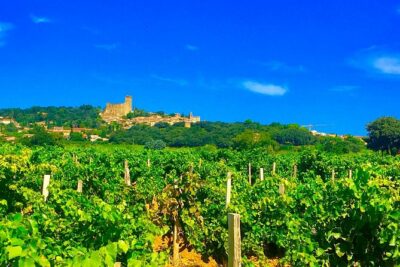
Provence Cru Wine Small-Group Half-Day Tour from Avignon
Read our review →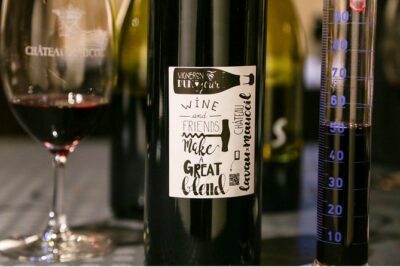
Châteauneuf du Pape Wine Day Tasting Tour including Lunch from Avignon
Read our review →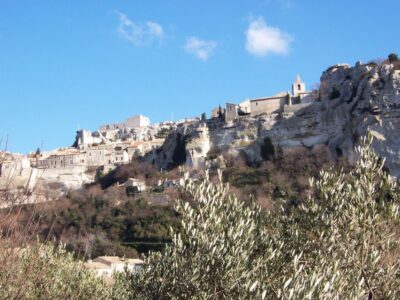
Avignon: Pont du Gard, Saint Remy and Les Baux Half-Day Tour
Read our review →Browse the lists this tour appears in