
Reviewed · WINE TOURS
Beaune: Wine Tasting at Château de Pommard
Burgundy begins in the glass. This one-hour tasting at Château de Pommard gives you a compact introduction to Burgundy wine, with four pours from Château de Pommard and Famille Carabello-Baum. I like the small group limit of eight, and I like the clear focus on Burgundy’s classifications, subregions, and the Clos Marey-Monge vineyard. The main drawback is important: the cellars are closed during renovation, so this is a tasting and vineyard experience rather than a full winery tour.
The château and vineyard provide a handsome setting, while guides such as Alex have earned praise for being friendly, prepared, and generous with explanations. I would treat this as a good first Burgundy wine experience, but keep your expectations measured if you want to see fermentation rooms, aging barrels, or the historic cellars.
In This Review
- Key points to know before booking
- A short tasting with a serious Burgundy subject
- Arriving at Château de Pommard
- Walking through the Clos Marey-Monge vineyard
- Understanding Burgundy’s five subregions and classifications
- Tasting four wines from two Burgundy names
- The château renovation and what you will not see
- Is the $34 price good value?
- Who will enjoy this Beaune wine experience?
- Should you book Château de Pommard?
- FAQ
- How long does the Château de Pommard wine tasting last?
- How many wines are included?
- What topics does the guide cover?
- Can I visit the Château de Pommard cellars?
- Are the French Gardens included?
- What languages are available?
- How large is the group?
- Is the activity accessible for wheelchair users?
Key points to know before booking
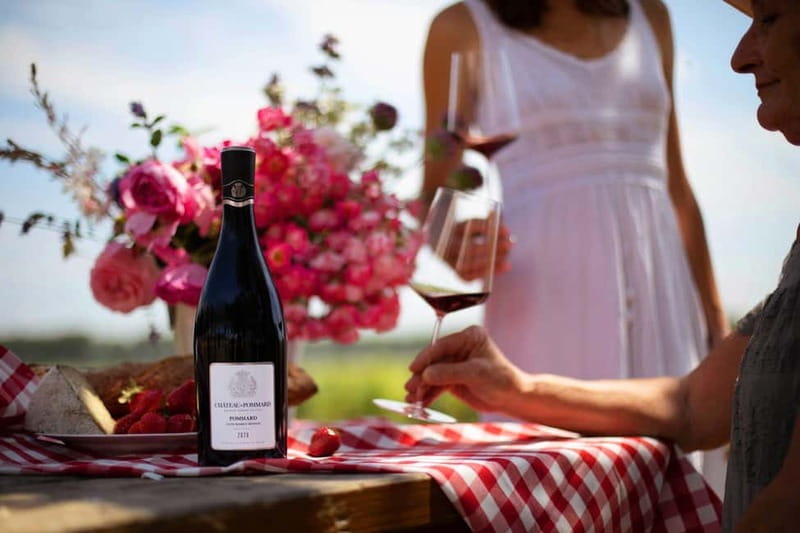
- Four Burgundy wines in one hour: Taste a selection from Château de Pommard and Famille Carabello-Baum.
- Clos Marey-Monge at the center: Learn how vineyard conditions affect a wine’s taste, style, and ability to age.
- Small groups of eight or fewer: The format should give you a better chance to ask questions.
- Gardens included: You can visit the French Gardens as part of the experience.
- Cellars currently closed: Renovation limits the tour’s physical winery access.
- Best for a first introduction: The lesson covers Burgundy’s five subregions and classification system without taking up an entire afternoon.
A short tasting with a serious Burgundy subject
Château de Pommard sits in Bourgogne-Franche-Comté, in one of France’s best-known wine areas. The experience is built around Burgundy’s UNESCO World Heritage Climats, the carefully defined vineyard parcels whose soil, slope, exposure, and local conditions help shape individual wines.
You are not simply handed four glasses and left to guess what you are tasting. The presentation covers the history of Burgundy, its five subregions, vineyard classifications, and the natural factors that influence wine. That context matters because Burgundy labels can seem like a small geography exam. A short explanation of place and classification helps you understand why two wines made from the same grape can taste and age differently.
The visit lasts about one hour. That makes it easy to fit into a day in Beaune, especially if you want to combine it with other sights. It also means the experience moves at a brisk pace. You will receive an introduction, a tasting, and an explanation of the vineyard rather than a slow, highly technical winery course.
I see that as a strength if you are new to Burgundy. You get the essential framework without spending half a day on terminology. If you already know Burgundy well, the short format may feel light, particularly while the cellars remain closed.
More Food Tours in Beaune
- Burgundy Bike Tour with Wine Tasting from Beaune
★ 5.0 · 674 reviews - Beaune: Maison Champy Guided Cellar Tour with Wine Tasting
★ 4.7 · 213 reviews - Visit-Tasting-Sale
★ 5.0 · 87 reviews
Arriving at Château de Pommard
Your meeting point can vary according to the option you book, so check the confirmation carefully before setting out. The activity ends back at the meeting point, which keeps the arrangement simple once you arrive.
The château itself is part of the appeal. You can expect a carefully maintained property with vineyard views and access to the French Gardens. Several visitors singled out the setting, the château, and the well-kept vines as major pleasures of the visit. Even before the first pour, the surroundings help connect the wine to a real place.
Wear sensible shoes. High heels are specifically discouraged, and that is practical advice for a property that includes vineyard areas and garden paths. The experience is not suitable for wheelchair users, so accessibility should be considered before booking.
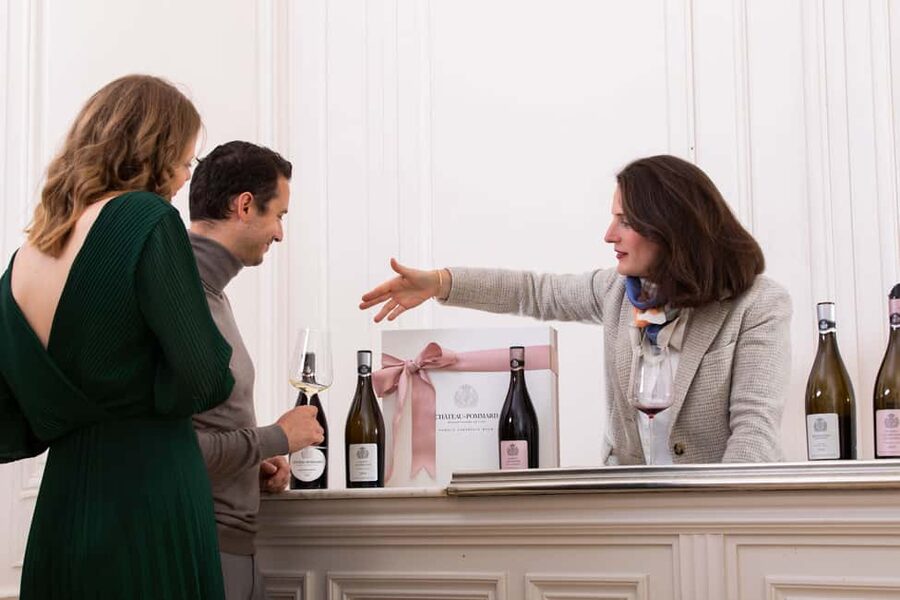
The group is limited to eight people. That is a useful size for wine tasting because you are less likely to get lost in a crowd, and you should have room to ask about a grape, soil type, or classification. The guide speaks French or English, depending on the group and the selected session.
Walking through the Clos Marey-Monge vineyard
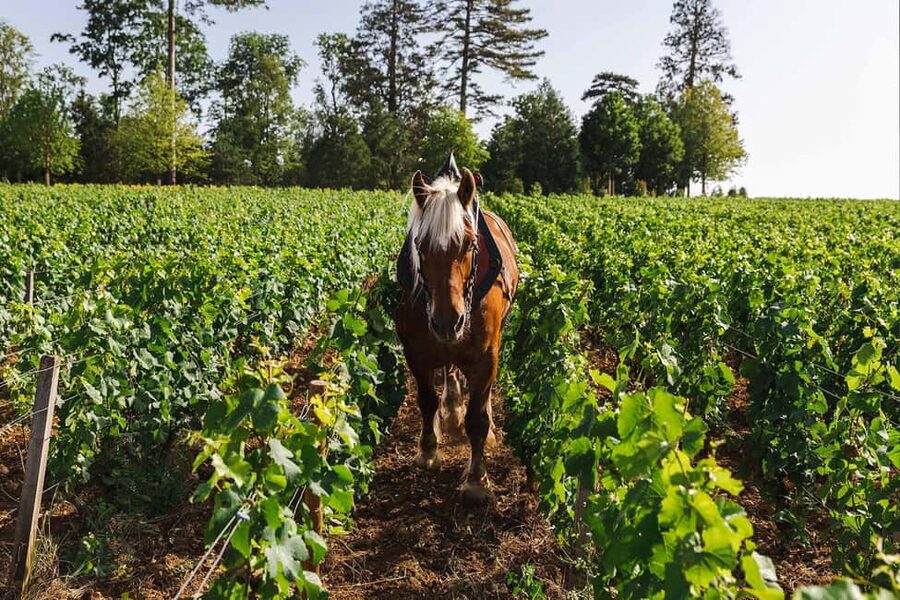
The vineyard portion introduces Clos Marey-Monge, the estate’s important vineyard site. The focus is not just on rows of vines. You learn how natural conditions affect the final wine, including its taste, style, and ageability.
This is where the experience has its most useful lesson. Burgundy wine is closely tied to place. Soil, drainage, slope, exposure, and climate all play a role, and the tasting uses Clos Marey-Monge to make those ideas more concrete. You may not leave able to identify every soil type in Burgundy, but you should have a clearer sense of why the region pays such close attention to individual vineyard parcels.
The amount of outdoor explanation can vary. One account found the soil discussion less detailed than expected and wished the guide had spent more time outside with the grapes and ground. That is a fair limitation to keep in mind. If soil science is your main reason for booking, ask questions early and make clear that you want more detail.
The vineyard visit also has an important practical limit: the current format may show you the vines without taking you into the working winemaking spaces. The experience is strongest when you view it as a place-based introduction, not as a complete production tour.
Understanding Burgundy’s five subregions and classifications
Burgundy is often confusing because its wine names can refer to a broad region, a village, or a very specific vineyard. The tasting addresses the five subregions of Burgundy and explains how the classification system works.
That information is valuable even if you do not plan to become a collector. It gives you a way to read a Burgundy label and understand why one bottle commands a different price from another. The lesson also helps you listen to the tasting with more purpose. Instead of asking only if you like a wine, you can consider how its place, classification, and expected aging style affect what is in the glass.
The guide’s role matters here. Alex received especially strong praise for explaining the winery and its wines in detail, while other sessions were described as friendly, professional, and well prepared. A good guide can turn unfamiliar terms into useful tools. The experience is not scripted entertainment, so the quality of the explanation may shape how much you take away.
One session began late but ran longer to make up the time. That was a thoughtful recovery, though it also shows why you should not schedule something immediately afterward. A one-hour activity may take a little longer if the group has questions or the guide adjusts the pace.
More Wine Tours in Beaune
- From Beaune: Burgundy Day Trip with 14 Wine Tastings
★ 4.8 · 248 reviews - Burgundy Grand Crus Route Day Tour – 14 Wines Tastings in Domains
★ 5.0 · 223 reviews - From Beaune: Full-Day Bicycle and Wine Tour in Burgundy
★ 4.9 · 95 reviews - Private Wine Tasting Tour – Burgundy Uncorked!!
★ 5.0 · 74 reviews
Tasting four wines from two Burgundy names
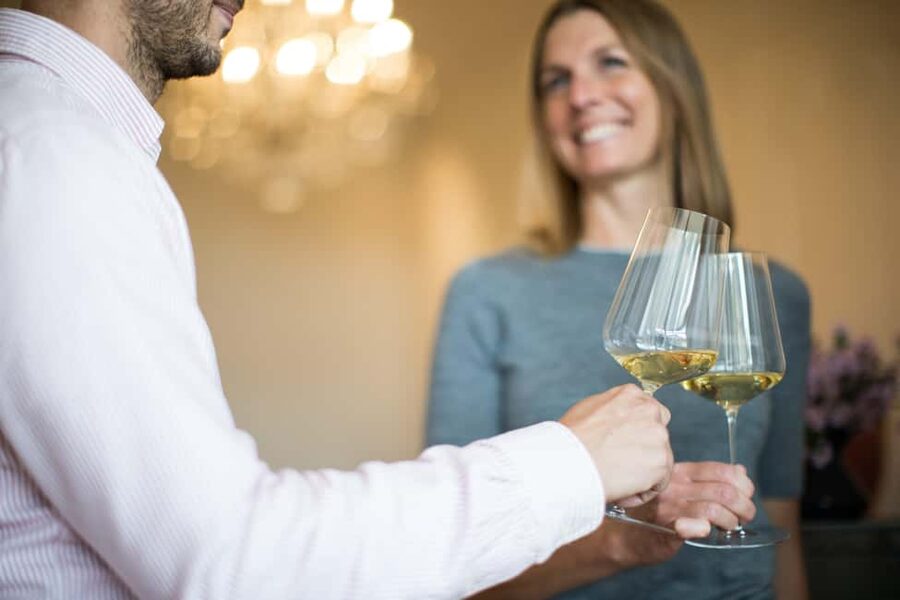
The central event is a tasting of four wines from Château de Pommard and Famille Carabello-Baum. The exact selection is not specified, so you should not book expecting particular labels or vintages.
Four wines is a sensible number for an introductory session. You have enough glasses to compare styles and notice differences without your palate becoming tired. The tasting also gives the earlier vineyard lesson a practical purpose. You can consider how the information about place and natural conditions appears in the wines themselves.
I like that the tasting includes wines from both Château de Pommard and Famille Carabello-Baum. It creates a broader view than tasting only one bottle from one producer, though the experience remains focused on the estate and its family of wines rather than Burgundy as a whole.
Do not expect a large meal or a full food-and-wine pairing. The supplied details list wine tasting, not lunch, snacks, or a formal pairing menu. If you need food before or after, plan that separately in Beaune.
A good tasting is not a contest to identify every aroma. Pay attention to the guide’s explanation, compare the wines, and ask how the producer connects them to the vineyard. If you are new to wine, it is perfectly reasonable to say so. The small group setting should make basic questions welcome.
The château renovation and what you will not see
The most important change to the experience is the renovation project. Château de Pommard is working on a major restoration and expansion, and the cellars cannot currently be visited.
That means you should not expect a cellar walk, barrel-aging rooms, or a close look at the complete path from grape to finished bottle. One session was considered interesting but felt limited because it covered the vineyard and one room without showing the cellar or winemaking area. This is the clearest reason to adjust your expectations before booking.
The renovation does not erase the value of the tasting. You still get the château setting, the gardens, the vineyard context, the Burgundy lesson, and four wines. The provider also remains focused on making the visit educational while the work continues. Still, marketing that suggests a full grape-to-glass tour would be misleading under the current conditions. Think of this as a guided wine lesson with access to the estate grounds, not a full production visit.
If seeing the inside of a historic cellar is essential for you, wait until the renovation is finished or choose another experience. If learning the basics of Burgundy and tasting estate wines is your priority, the temporary restriction may be acceptable.
Is the $34 price good value?
At $34 per person, the experience is reasonably priced for a small-group wine tasting at a château. The cost includes four wines, a guided explanation of Burgundy, and free access to the French Gardens. The group limit of eight also adds value because you are paying for a more personal setting rather than a large public tasting.
The price is strongest for first-time Burgundy visitors. You are paying not only for the wine, but also for help making sense of a complicated region. A clear explanation of subregions and classifications can make later tastings in Beaune more rewarding.
The value is less convincing if you are paying mainly for cellar access. That part is unavailable during renovation, and the activity may remain in one room or focus on the vineyard rather than showing the full winemaking operation. In that case, the price covers a good tasting and introduction, but not the complete château tour you might imagine.
Free cancellation up to 24 hours before the activity and the option to reserve without paying immediately make it easier to fit into a changing itinerary. Starting times vary, so check availability rather than assuming a particular hour.
Who will enjoy this Beaune wine experience?
I would recommend it to you if you are visiting Burgundy for the first time, want a manageable introduction, or prefer a small group over a crowded tasting counter. It also suits couples and small parties who want a polished setting without committing to a longer wine program.
You will get the most from it if you enjoy asking questions. Ask how the vineyard’s natural factors affect the wines, what the classifications mean, and how the four pours differ. The guide’s explanation is a major part of the value.
This is less suitable if you want a technical winemaking course, a long cellar tour, or extensive time among production equipment. It is also not a good fit for wheelchair users because the activity is listed as unsuitable for them. Avoid high heels and choose shoes that are comfortable around gardens and vineyard paths.
The experience received an overall rating of 4.4 from 277 ratings, which fits the mixed but generally positive picture. The highest praise centers on the scenery, the château, the professional staff, and guides who answer questions well. The main reservations concern the closed cellars, limited time, and uneven detail about soil and vineyard work.
Should you book Château de Pommard?
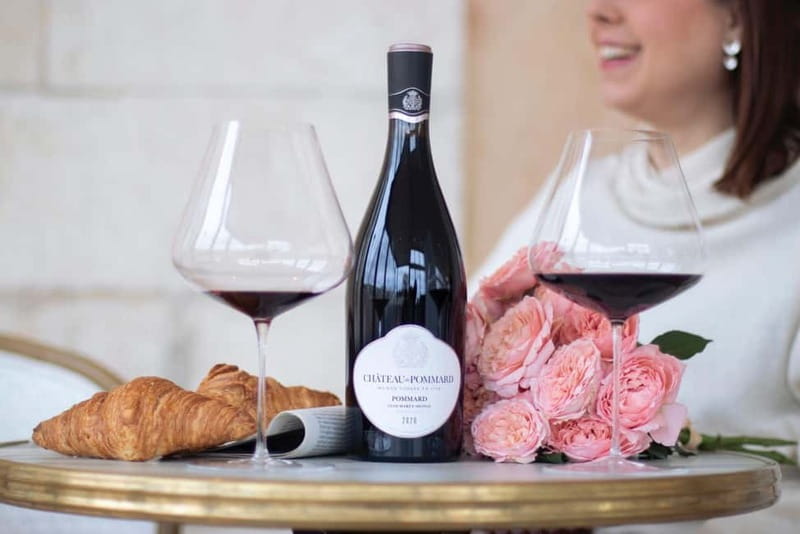
Book it if you want four Burgundy wines, a beautiful estate setting, and a clear one-hour introduction to the region’s vineyards and classifications. Alex and other guides have shown that the experience can be warm, detailed, and useful, especially for a first taste of Burgundy.
Skip it for now if a cellar visit is the main reason you are going. The renovation is not a small footnote. It changes the experience from a full winery tour into a guided tasting with vineyard and garden access.
For $34, I consider it a fair buy when you value instruction and setting as much as the wine itself. Keep the schedule flexible, wear practical shoes, and arrive ready to ask questions. You will leave with a better sense of how Burgundy’s parcels shape its bottles, even if you do not get behind the cellar door.
FAQ
How long does the Château de Pommard wine tasting last?
The activity lasts one hour. Starting times vary, so check availability when selecting your date.
How many wines are included?
You taste four wines from Château de Pommard and Famille Carabello-Baum.
What topics does the guide cover?
The presentation covers the history of Burgundy, its five subregions, Burgundy’s classifications, and the natural factors that affect the taste, style, and ageability of wines from Clos Marey-Monge.
Can I visit the Château de Pommard cellars?
No. The cellars are currently closed because of renovation work.
Are the French Gardens included?
Yes. Free access to the French Gardens is included with the wine tasting.
What languages are available?
The experience is offered in French and English.
How large is the group?
The group is limited to eight participants.
Is the activity accessible for wheelchair users?
No. The activity is listed as not suitable for wheelchair users. High-heeled shoes are also discouraged.
More Château Tours in Beaune
- Medoc or Saint Emilion Wine Tasting and Chateau from Bordeaux
★ 5.0 · 1,415 reviews - From Paris: Full-Day Loire Valley Chateaux Tour
★ 4.4 · 1,269 reviews - Versailles Château and Gardens Walking Tour from Paris by Train
★ 4.5 · 714 reviews - Chantilly: Chateau of Chantilly Skip-the-Line Entry Ticket
★ 4.6 · 602 reviews
Recently added around Beaune
- Full-Day Private Tour, 6 Premiers & Grands Crus, The Best of Burgundy★ 5.0 · 50 reviews
- Visit of our 15th century cellars★ 5.0 · 57 reviews
- Private Tasting in Beaune : The Best of Burgundy Wines★ 4.9 · 66 reviews
- Discovery of the world of Truffles and tasting★ 4.5 · 66 reviews
- Private Tasting in Beaune : The Best of Burgundy Wines★ 5.0 · 66 reviews
- Luxury Luxury Wine Tour Experience★ 5.0 · 69 reviews
- Private Wine Tasting Tour – Burgundy Uncorked!!★ 5.0 · 74 reviews
- From Beaune: Full-Day Bicycle and Wine Tour in Burgundy★ 4.9 · 95 reviews
Wine Tours, compared.
Authentic Parisian Gourmet Food Tour with 10 Local Dishes & Wines
Read our review →
Loire Valley Castles Day Trip from Paris with Complementary Wine
Read our review →
Bordeaux: Cité du Vin Entry Ticket and Wine Tasting
Read our review →
Bordeaux: River Garonne Cruise with Glass of Wine and Canelé
Read our review →
Montmartre Hill French Gourmet Food and Wine Tasting Walking Tour
Read our review →
Paris: Montmartre Cheese, Wine & Pastry Guided Walking Tour
Read our review →
From Paris: Loire Valley Castles Day Trip With Wine Tasting
Read our review →
From Bordeaux: Afternoon Saint-Emilion Wine Tasting & snack
Read our review →Browse the lists this tour appears in