
Reviewed · WINE TOURS IN BORDEAUX
Bordeaux: Cité du Vin Entry Ticket and Wine Tasting
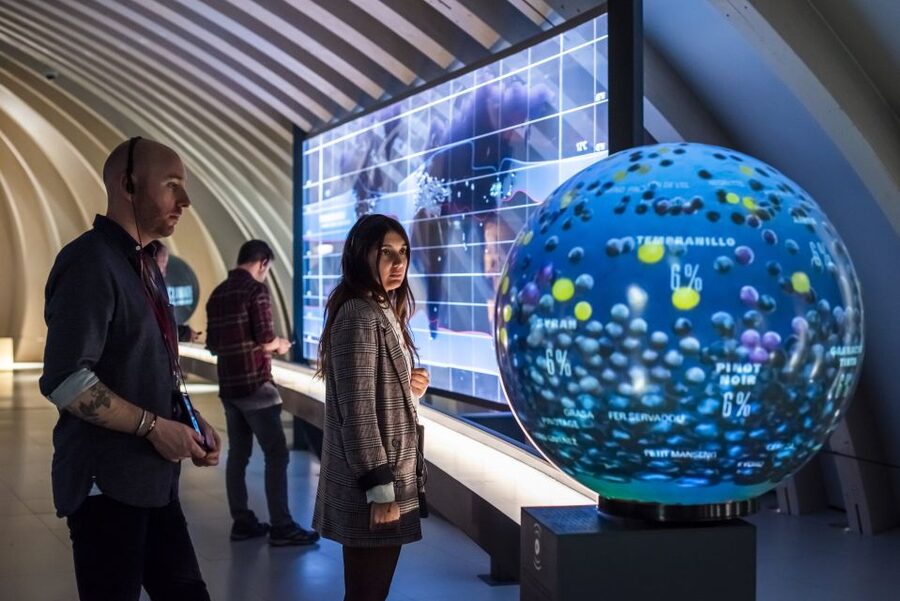
Wine gets a full building here. Bordeaux’s Cité du Vin turns the subject into an interactive museum experience, with 18 themed spaces covering wine production, culture, history, and vineyards around the world. I like the freedom to explore at your own pace and the excellent choice of audio languages. The one drawback is simple: the museum contains so much material that a rushed visit will leave plenty unseen.
The 35-meter-high Belvedere is the perfect finish, pairing wide views over Bordeaux with a glass from a rotating selection of about 15 wines. The standard ticket is good value at $27, but serious wine fans may want to add a separate tasting workshop. Bring your ID, allow at least three hours, and go straight to the second floor instead of stopping at the downstairs ticket desk.
In This Review
- Key points to know before you go
- Why Bordeaux’s wine museum is worth your time
- Getting inside without wasting time
- The 18 exhibition spaces: wine taught through play
- The digital guide in eight languages
- The sensory displays are the museum’s strongest teaching tool
- How long should you spend inside?
- The eighth-floor Belvedere and your tasting glass
- Standard tasting or a separate workshop?
- Who will enjoy Cité du Vin most?
- Small drawbacks to keep in mind
- Is the $27 ticket good value?
- Should you book Bordeaux Cité du Vin?
- FAQ
- How much does the Cité du Vin entry ticket cost?
- How long does the visit take?
- How many exhibition spaces are included?
- What languages are available for the digital guide?
- Where do I enter with a prepaid voucher?
- Is the wine tasting included?
- Is the Cité du Vin wheelchair accessible?
Key points to know before you go
- Eighteen themed exhibition spaces: Learn about vineyards, winemaking, wine culture, and drinking customs through films, sound, scent, and hands-on displays.
- A flexible self-guided visit: Scan individual stations with the digital guide, skip crowded areas, and return later without following a fixed route.
- Eight audio languages: The guide is available in Chinese, Dutch, English, French, German, Italian, Spanish, and Portuguese.
- A tasting with a view: Finish on the eighth floor with one glass chosen from approximately 15 wines and a 360-degree panorama of Bordeaux.
- Plan for three to five hours: You can move quickly in about two hours, but the displays reward a slower visit.
- Not included: Special tasting workshops and temporary exhibitions require separate access.
Why Bordeaux’s wine museum is worth your time
Bordeaux has no shortage of wine shops, vineyard excursions, and grand château visits. Cité du Vin gives you something different: a broad look at wine as a global subject rather than a narrow lesson in Bordeaux bottles.
That matters because Bordeaux wine makes more sense once you understand the larger picture. The museum connects vineyards, climate, farming, trade, production, tasting, and social customs. You are not simply memorizing appellations or staring at old bottles. The displays ask you to listen, look, smell, and make choices.
I especially like the way the museum serves both beginners and experienced wine drinkers. If you know very little about wine, the digital guide gives you a clear path through the basic ideas. If you already understand grape varieties and production, you can spend more time with the sensory stations and global examples.
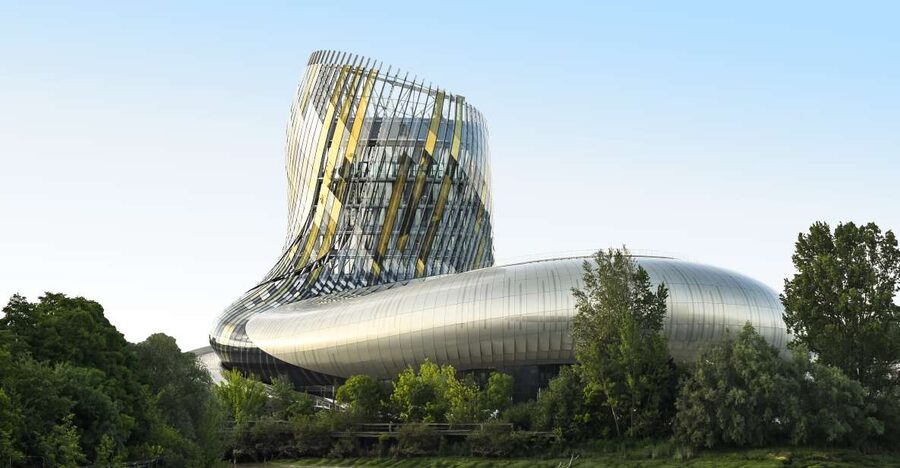
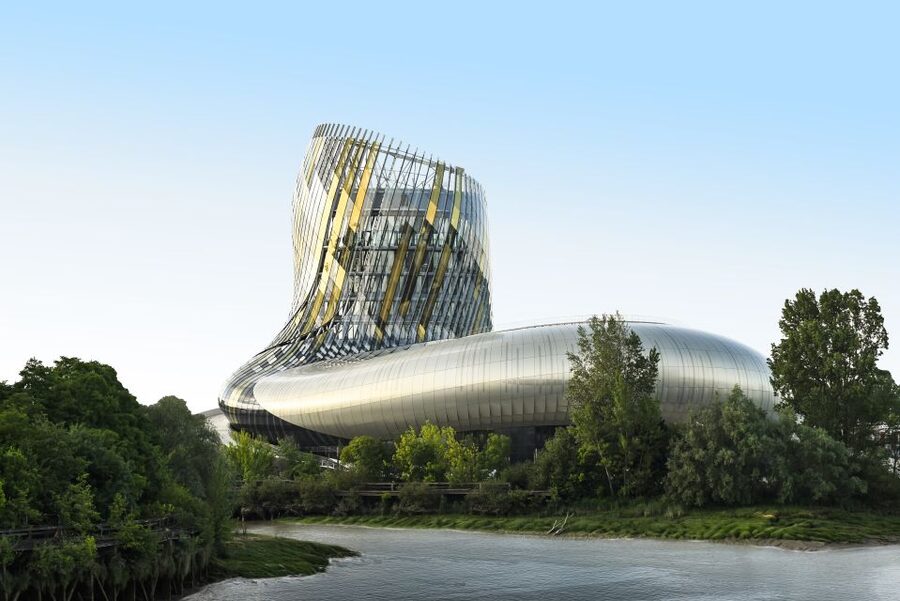
The building itself is part of the appeal. The modern design gives the visit a strong sense of place, and the upper-floor view helps connect the museum to Bordeaux rather than leaving it as an isolated indoor attraction.
More Food Tours in Bordeaux
- From Bordeaux: Afternoon Saint-Emilion Wine Tasting & snack
★ 4.8 · 1,581 reviews - Medoc or Saint Emilion Wine Tasting and Chateau from Bordeaux
★ 5.0 · 1,415 reviews - Saint-Émilion: Grand Cru Classé Winery Visit and Tasting
★ 4.6 · 1,118 reviews
Getting inside without wasting time
Your prepaid ticket lets you skip the downstairs ticket desk. That does not mean you receive priority over every other person entering the museum, but it does save a needless stop at reception.
Go directly to the second floor and scan your voucher there. This small detail matters. Several people have arrived expecting to exchange a voucher at the main desk, only to discover that the correct entry point is upstairs. Keep your passport or ID card with you, as it is listed among the required items.
The ticket is valid for one day, and you choose from the available starting times when booking. The activity is wheelchair accessible. It also offers free cancellation up to 24 hours ahead and a reserve-now, pay-later option, useful if your Bordeaux plans are still shifting.
The 18 exhibition spaces: wine taught through play
The permanent exhibition is arranged around 18 themed areas. The exact amount of time you spend in each one depends on your curiosity, your audio-guide habits, and how busy the museum is.
You can scan stations individually rather than following a single route. That is a real advantage. If a display is crowded, move on and return later. You can also choose how much information you want, instead of being locked into a fixed guided tour.
The subject matter reaches across the full life of wine:
- Vineyards in different parts of the world
- The process of making wine
- The cultural role of wine
- The senses used in tasting
- Trade and travel connected with wine
- The many ways people produce, serve, and enjoy it
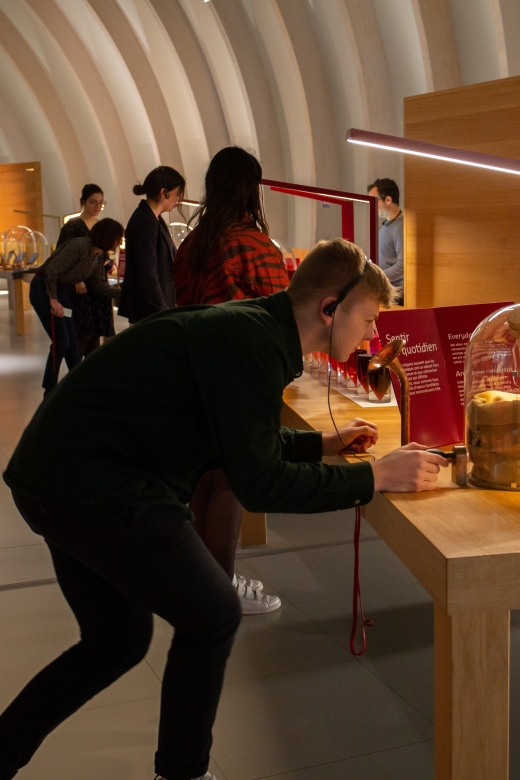
Large video screens and visual presentations help break up the information. You will also find interactive activities that test your senses and invite you to make connections between aromas, flavors, places, and production methods.
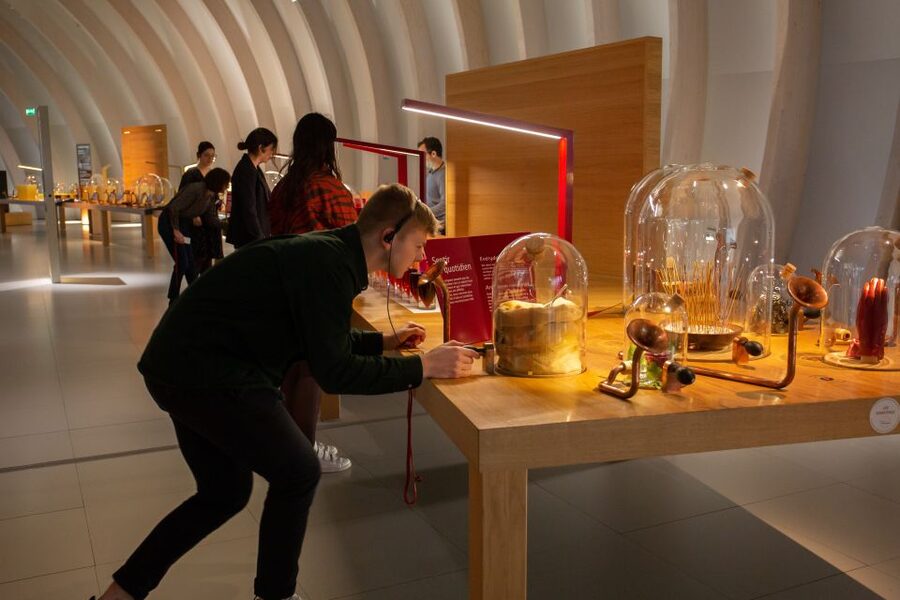
This is not a museum where you quietly read every label in order. It feels more like a series of short encounters. One station may explain a technical part of winemaking, while another asks you to identify an aroma or watch a film about vineyards in another country.
That variety keeps families and mixed-age groups involved. One person can listen to the full narration while another tries a hands-on activity. Even younger children can find something to watch or touch, and the experience has been engaging for families with babies as well as adults.
The digital guide in eight languages
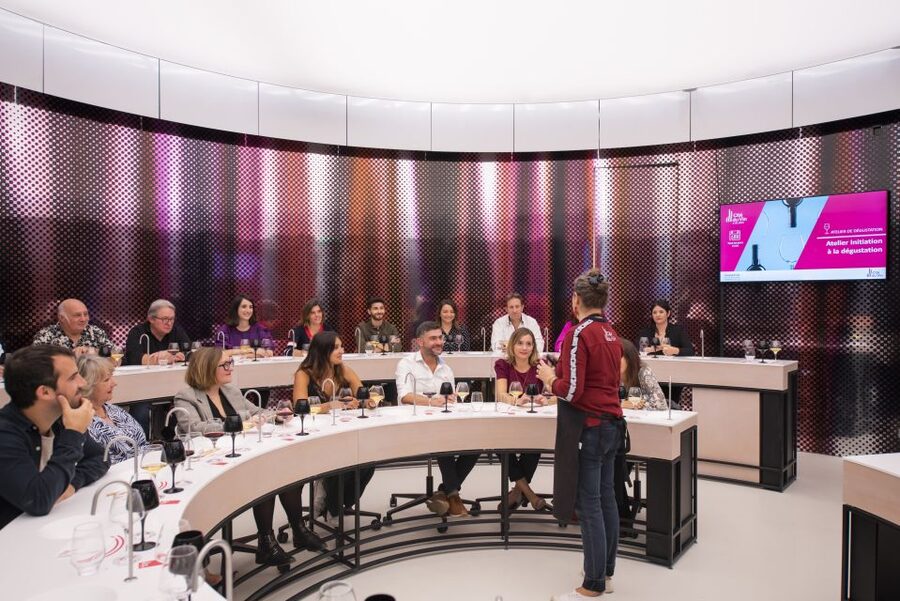
The portable digital guide is one of the most useful parts of the ticket. You can use it in Chinese, Dutch, English, French, German, Italian, Spanish, or Portuguese. For many people, hearing the explanation in a familiar language makes a large difference, especially when the topic includes technical terms.
The guide lets you control the pace. You do not have to keep up with a group, and you can pause your visit when you need a break. You can also spend extra time with a display that catches your interest instead of waiting for a guide to finish speaking.
There are a few practical limits. The audio system may take some patience when several people want to use the same station at once. A station does not always restart immediately for each new listener, which can create short waits. One person using a hearing aid also had trouble connecting it to the headphones, so visitors with hearing devices may want to ask staff for help at the start.
Those issues do not ruin the visit, but they are worth knowing. If you are visiting on a busy day, give yourself extra time and do not expect every audio point to play instantly.
More Wine Tours in Bordeaux
- Bordeaux: River Garonne Cruise with Glass of Wine and Canelé
★ 4.5 · 3,630 reviews - Saint Emilion Day Trip with Sightseeing Tour & Wine Tastings from Bordeaux
★ 5.0 · 1,120 reviews - Saint Emilion Half-Day Trip with Wine Tasting & Winery Visit from Bordeaux
★ 4.5 · 1,034 reviews - From Bordeaux: St. Emilion Village Half-Day Wine Tour
★ 4.7 · 728 reviews
The sensory displays are the museum’s strongest teaching tool
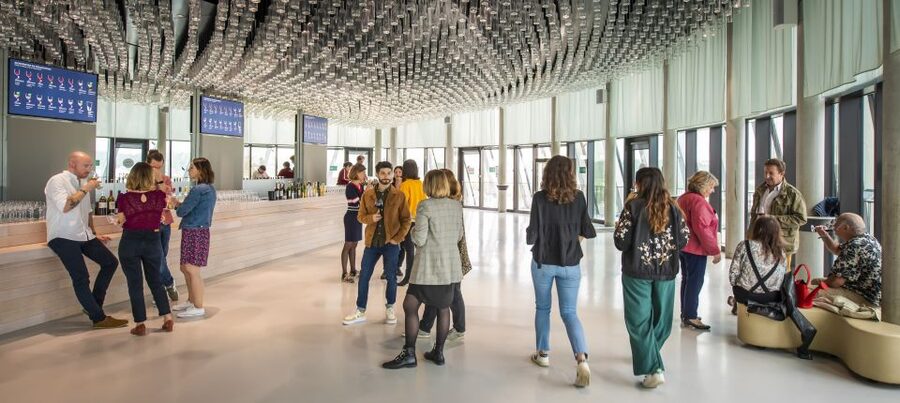
The sensory section on the second floor is where the subject becomes easiest to understand. Wine descriptions can sound abstract on paper. A display that links aroma, color, texture, and flavor gives those words a practical purpose.
I like this part because it helps beginners without talking down to them. You do not need a trained palate to take part. The activities encourage you to notice what your senses are already telling you.
The museum also helps clear up some common confusion about wine. You learn that production is affected by many factors, from the vineyard setting to the work involved in turning grapes into a finished bottle. Several people have found that the visit explained ideas they thought they understood but had never properly sorted out.
Do not rush through these displays just because you are eager to reach the tasting. They are among the most useful stops for building confidence before you sample anything.
How long should you spend inside?
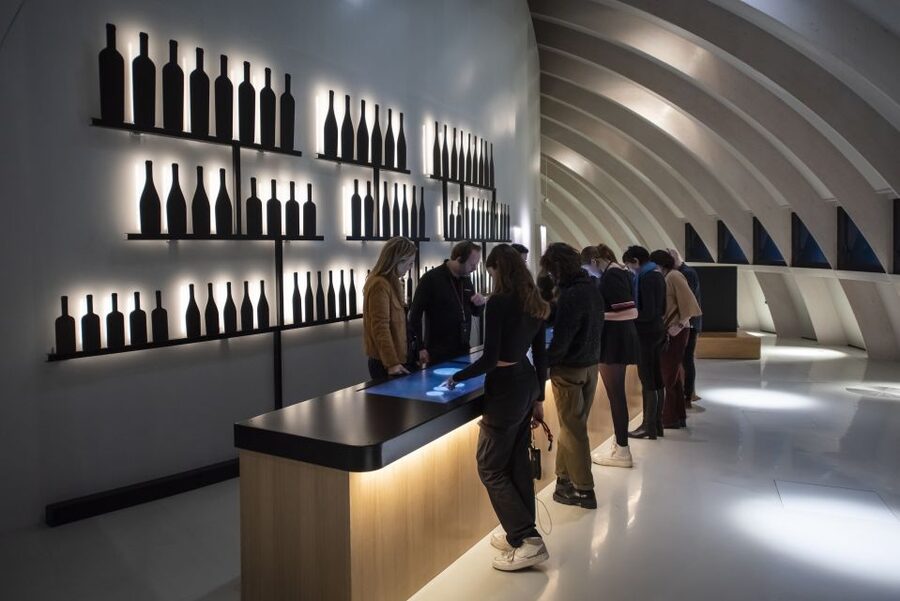
The advertised visit can take around three hours, but your pace makes a big difference.
A quick visitor who selects only the main displays might finish in 1.5 to 2 hours. That is possible, but it will feel like a skim. For a proper visit, I would allow at least three hours.
If you want to use nearly every interactive station, watch the films, listen to the audio explanations, and take your time with the sensory section, four to five hours is entirely reasonable. One especially careful visit took almost 4.5 hours.
Plan your arrival earlier rather than later if you want to see everything. The museum closes at 4 PM on December 24, so that date needs extra care. For any other day, check the current opening times and available starting slots before you book.
The reading room, boutique, wine cellar, and restaurants give you reasons to stay longer after the permanent exhibition. You can browse books, look for bottles from different countries, or pause for food. The restaurant on the seventh floor adds another panoramic view.
The eighth-floor Belvedere and your tasting glass
The final stop is the eighth-floor Belvedere, 35 meters above the ground. From here, you get a 360-degree view across Bordeaux and the surrounding area.
This is more than a quick photo stop. After spending hours learning how wine is connected to places and people, the view gives you a physical sense of the city and its setting. I would save enough energy for this part rather than treating it as an afterthought.
Your ticket includes one glass of wine. The selection changes, but you can choose from approximately 15 wines from around the world. This is a tasting rather than a full class, so do not expect a detailed lesson on each bottle or a series of generous pours.
Still, it is a thoughtful inclusion. The wine gives you a chance to apply some of the ideas from the exhibition, and the setting makes the last part of the visit feel like a reward. Some visitors have found the choice and quality of the wines especially good for a standard admission ticket.
Non-drinkers should note that the ticket description centers on a wine tasting glass. If you are visiting with children or someone who does not drink wine, the exhibition and view remain the main attractions, but the included tasting may not add much for that person.
Standard tasting or a separate workshop?
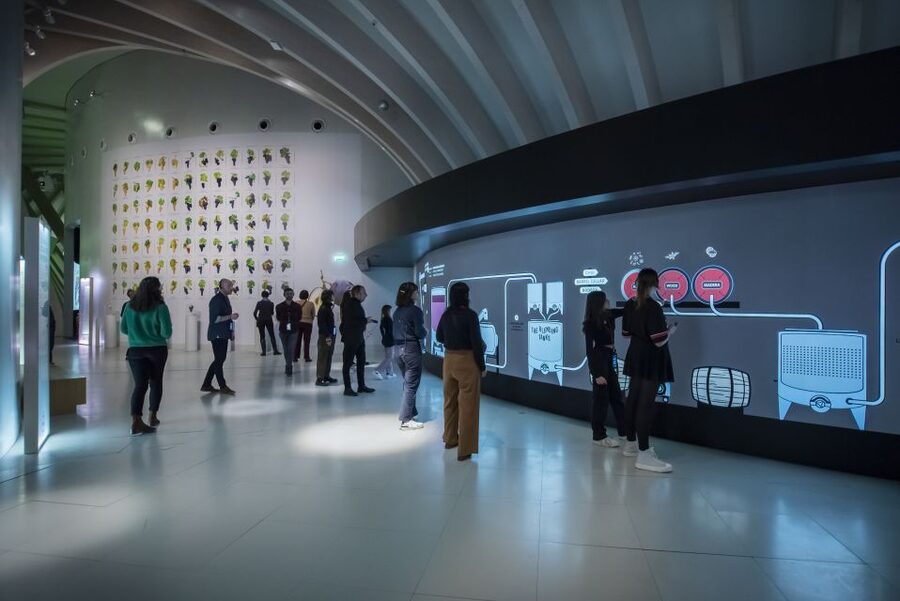
The $27 ticket includes the permanent exhibition, digital guide, Belvedere access, and one glass of wine. For Bordeaux, that is a fair price for an attraction that can occupy half a day.
The standard tasting is intentionally simple. Choose one wine, enjoy the view, and continue your day. It works well if you want a general introduction or if you have vineyard visits planned elsewhere.
A separate tasting workshop costs extra, but it may be worth considering if wine is central to your trip. These sessions offer more guidance and a deeper look at the wines. One additional workshop was priced at €27 for two people after a discount for museum ticket holders, though prices and availability can change.
The right choice depends on your aims. I would stick with the standard ticket if you have limited time or several château visits ahead. I would consider the workshop if you want a more structured lesson, especially after enjoying the sensory displays.
Who will enjoy Cité du Vin most?
This museum suits more people than its name first suggests.
Wine beginners will find clear explanations and plenty of hands-on help. You do not need to know the difference between Bordeaux’s major appellations before arriving.
Experienced wine drinkers can use the visit to compare traditions from different parts of the world and spend longer with the tasting and sensory displays.
Families benefit from the visual and interactive format. It is not a silent collection of glass cases, and different members of your group can move at different speeds.
Visitors who do not drink much wine can still enjoy the building, technology, cultural information, and city view. The subject is treated as food, agriculture, trade, design, and social life, not only as alcohol.
The main mismatch is for anyone seeking a traditional château tour. You will not get a vineyard walk or a personal visit with a winemaker as part of this ticket. Cité du Vin is an urban museum, and its strength is the wide context.
Small drawbacks to keep in mind
The amount of content can be both the attraction and the problem. You might feel overloaded if you try to complete every station in one pass. Break up the visit, use the reading room or restaurant, and accept that you do not need to see every screen.
Some interactive stations can become awkward when the museum is crowded. You may need to wait for another person to finish, particularly when using the audio system. The flexible route helps, but it does not remove congestion entirely.
Standing for long periods may also be tiring. One practical improvement would be more seating in some areas. If you need regular rests, build them into your plan rather than treating the museum as a quick walk-through.
Finally, the included wine is a single glass. If you want a guided comparison of several wines, book a workshop separately instead of expecting the admission tasting to provide a full class.
Is the $27 ticket good value?
Yes, provided you give it enough time.
At $27, you are paying for an attraction that can fill three hours or more, includes a digital guide in eight languages, and ends with a wine tasting and a high view over Bordeaux. The interactive format also gives the ticket more lasting value than a short exhibit that you finish in under an hour.
The value drops if you rush in, take a few photographs, drink the included glass, and leave. The museum rewards attention. Arrive with time to listen, touch, smell, watch, and return to displays that were busy on your first pass.
The ticket also gives you access to the boutique, wine cellar, restaurants, and reading room. You do not have to spend more, but these facilities make it easier to turn the visit into a relaxed half-day outing.
Should you book Bordeaux Cité du Vin?
Book it if you want a modern, accessible introduction to wine and have at least three hours in Bordeaux. The museum’s best qualities are its interactive displays, flexible route, multilingual audio guide, sensory activities, and excellent closing view.
I would be especially keen to recommend it before a château tour. You will arrive at the vineyards with a better grasp of production and tasting, without needing to pretend you already know the jargon.
Skip it if you want only a traditional cellar visit, a long guided tasting, or a direct look at Bordeaux winemaking on the ground. For that, choose a separate vineyard excursion or tasting workshop.
For most people spending time in Bordeaux, though, this is a smart $27 use of an afternoon. Go straight to the second floor, keep your ID handy, take the displays at your own pace, and do not let the included glass tempt you into rushing the museum that comes before it.
FAQ
How much does the Cité du Vin entry ticket cost?
The listed price is $27 per person. It includes entry to the permanent exhibition, the digital guide, the Belvedere, and one wine tasting glass.
How long does the visit take?
The permanent exhibition takes around three hours for a typical visit. You can move through it in about 1.5 to 2 hours, while a careful visit using nearly all the interactive displays may take four to five hours.
How many exhibition spaces are included?
The ticket includes access to 18 themed exhibition spaces focused on the world of wine.
What languages are available for the digital guide?
The digital guide is available in Chinese, Dutch, English, French, German, Italian, Spanish, and Portuguese.
Where do I enter with a prepaid voucher?
Go directly to the second floor and scan your voucher. You do not need to queue at the reception desk downstairs.
Is the wine tasting included?
Yes. The ticket includes one glass of wine chosen from a selection of approximately 15 wines. Tasting workshops and temporary exhibitions are not included.
Is the Cité du Vin wheelchair accessible?
Yes, the experience is listed as wheelchair accessible.
Recently added around Bordeaux
- The essential in Bordeaux, private tour with a local★ 4.9 · 48 reviews
- Sarlat Gourmet Tour and Market Visit★ 5.0 · 49 reviews
- Full Day Tour Saint Emilion with lunch two Chateaux and Village★ 5.0 · 49 reviews
- Bordeaux: Exclusive Private Guided Walking Tour★ 4.6 · 50 reviews
- Bordeaux:Wine Masterclass & Blending workshop with appetizer★ 4.8 · 54 reviews
- Full-day Saint-Emilion: Village, Undergrounds and Châteaux★ 4.5 · 55 reviews
- From Bordeaux: Essential Morning Tour with Wine Tasting★ 4.8 · 55 reviews
- Bordeaux Old Town & Market Local Food with Wine Tastings Tour★ 4.0 · 56 reviews
Wine Tours in Bordeaux, compared.

Bordeaux: River Garonne Cruise with Glass of Wine and Canelé
Read our review →
From Bordeaux: Afternoon Saint-Emilion Wine Tasting & snack
Read our review →
Medoc or Saint Emilion Wine Tasting and Chateau from Bordeaux
Read our review →
Saint Emilion Day Trip with Sightseeing Tour & Wine Tastings from Bordeaux
Read our review →
Saint-Émilion: Grand Cru Classé Winery Visit and Tasting
Read our review →
Saint Emilion Half-Day Trip with Wine Tasting & Winery Visit from Bordeaux
Read our review →
From Bordeaux: St. Emilion Village Half-Day Wine Tour
Read our review →
Saint-Emilion Electric Bike Day Tour with Wine Tastings & Lunch
Read our review →Browse the lists this tour appears in