
Reviewed · FRANCE
Discover Braastad Cognac
Cognac gets personal in Jarnac. This 90-minute visit brings you into a six-generation family house where production runs from the vine to the bottle, not just into a polished tasting room. I like the access to the distillery and aging cellars, and I like the tasting format, which compares VS, VSOP, and XO cognacs side by side. The main consideration is location: the house is in Jarnac, not in the center of Cognac, so you need to allow time to reach it.
The tour also has a friendly, small-scale feel. Guide Erik, also written as Eric in some tour details, is praised for making the visit personal, clear, and relaxed. At $18.10 per person, with the tasting included, it offers a useful introduction without asking you to spend half a day or commit to an expensive luxury visit.
In This Review
- Key points to know before you go
- Why Braastad makes a good Cognac-area stop
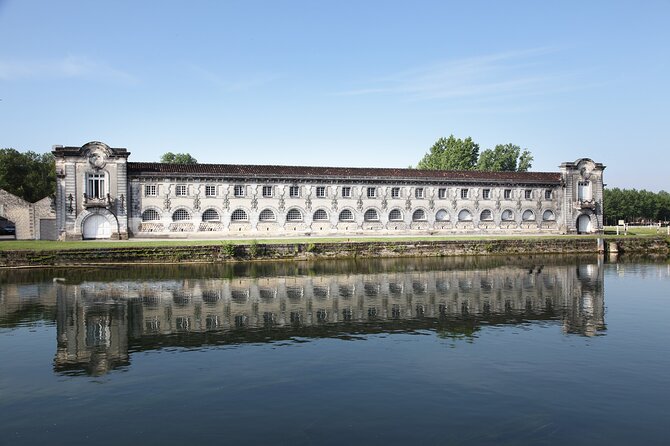
- Arriving in Jarnac beside the Charente
- The opening story: six generations since 1875
- The distillery and the art of distillation
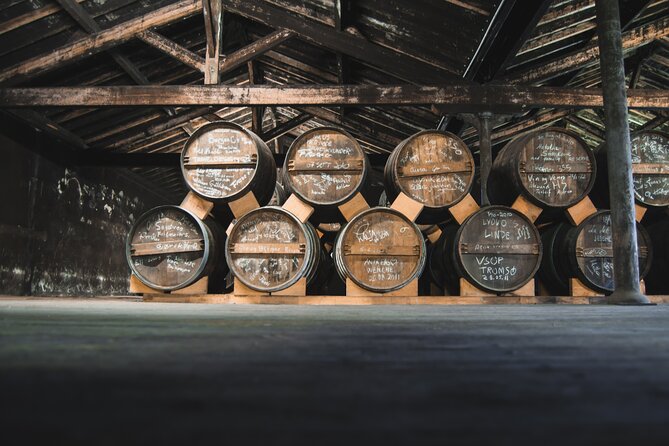
- Cellars where time changes the spirit
- A cabinet of curiosities adds character
- Tasting VS, VSOP, and XO
- What the 90-minute timing means
- Is $18.10 a fair price?
- Who should book, and who should think twice?
- Final recommendation: a smart short visit near Cognac
- FAQ
- Where does the Braastad Cognac tour take place?
- How long does the tour last?
- How much does the tour cost?
- Is the tasting included in the ticket?
- Which cognacs are tasted?
- Is the tasting available to children?
- What parts of cognac production are covered?
- Is the tour offered in English?
- Can I bring a service animal?
- How late can I cancel for a full refund?
Key points to know before you go
- Production happens on site: See the stages from wine and distillation to cellar aging, blending, and bottling.
- The family story reaches back to 1875: Braastad is an independent house run by the same family tradition across six generations.
- You visit more than a tasting room: The route includes the distillery, aging cellars, and a cabinet of curiosities.
- The tasting has a clear structure: Compare VS, VSOP, and XO cognacs to understand how age and blending affect the drink.
- Erik gives the tour a personal touch: His approach is informative without feeling like a group being hurried through.
- The visit lasts about 90 minutes: That makes it easy to fit into a day around Cognac or a cycling route along the Flow Vélo.
Why Braastad makes a good Cognac-area stop
Cognac tourism can sometimes feel centered on grand brand names and carefully staged visitor centers. Braastad offers a different scale. The house is independent and family run, with its work tied to the full making process rather than only the final bottle.
That matters because you get to see how many separate jobs are involved in cognac. The story begins with the vines and the wine made from their grapes. It continues through distillation, years of cellar aging, blending, and bottling. A visit that follows this complete chain gives you a better sense of why cognac takes patience and skill.
The company dates to 1875, and six generations of the Braastad family have carried its production methods forward. You are not simply hearing a short brand presentation. You are being introduced to a house whose identity is closely tied to its working site in Jarnac, beside the Charente.
I especially like that the tour connects family history with practical production. You learn who made the house what it is, but you also see the places where the spirit is produced and stored. For anyone curious about how a regional drink is actually made, that combination is more useful than a tasting alone.
Other France trips people book alongside this one:
- Paris: Louvre Museum Timed-Entrance Ticket
★ 4.6 · 71,977 reviews - Disneyland® Paris 1-Day Ticket
★ 4.6 · 49,412 reviews - Paris: Versailles Palace and Gardens Full Access Ticket
★ 4.6 · 41,579 reviews
Arriving in Jarnac beside the Charente
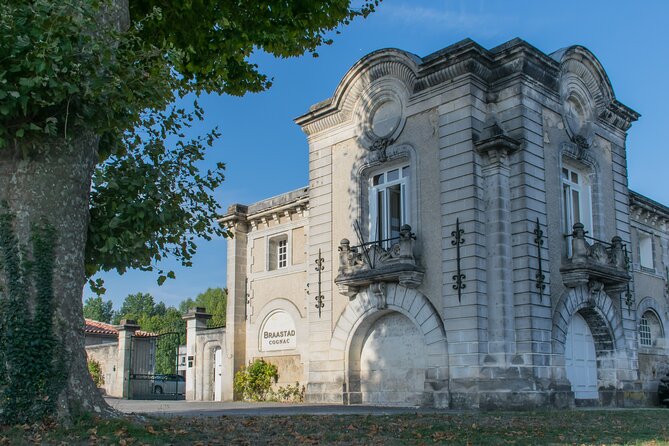
The Braastad site is in Jarnac, a town near Cognac and on the banks of the Charente. Its position gives the visit a strong sense of place. This is not a generic urban tasting venue. The building and the river setting are part of the story.
You should check your route carefully when planning the day. The tour description places the experience in Cognac, but the actual house is in Jarnac. That distinction is important if you are staying in Cognac and assuming you can walk to the appointment.
The site is near public transportation, and service animals are allowed. Most people can take part, though the available information does not describe every physical feature of the route. If you have specific mobility needs, it is sensible to confirm the details before booking.
Cyclists have an especially practical reason to consider this stop. Braastad is along the Flow Vélo cycling route and has a garage where bicycles can be stored during the visit. That makes it a natural break for anyone exploring the region by bike rather than car.
The opening story: six generations since 1875
The visit begins by placing Braastad in context. Founded in 1875, the house has remained independent and family run. The Braastad family continues to manage the estate in a traditional way, with attention to every part of the process.
This family connection is more than a decorative detail. It helps explain why the tour focuses on craft and continuity. You are shown how a house can preserve old methods while still presenting its products to modern visitors.
The phrase from the vine to the glass captures the central idea. Braastad takes responsibility for the chain that turns grapes into cognac. That includes caring for the vines, making the wine, distilling it, allowing the spirit to age, blending different components, and bottling the finished product.
A useful guide should help you understand how these stages fit together. Erik has been praised for doing exactly that, combining technical information with an easy manner. His style seems suited to people who want real explanations but do not want a lecture full of jargon.
You do not need to arrive already interested in spirits. The tour is designed to explain the subject step by step. Even if cognac is not your usual drink, the production story gives you a reason to pay attention.
The distillery and the art of distillation
The distillery is one of the strongest parts of the visit because it takes you behind the finished label. Here you learn about the transformation from wine into the clear spirit that will eventually become cognac.
The tour explains distillation as part of the house’s working tradition. Rather than treating it as an abstract process, the visit places it within the larger chain of production. That helps you understand why the final drink depends on decisions made long before the bottle reaches a shop.
This is also where Braastad’s full on-site approach becomes important. The house is presented as the only cognac producer that carries out all these stages on its own site. That claim gives the visit a particular appeal, although you should view it as the house’s distinctive position rather than assume every producer follows exactly the same model.
You get the most from this section if you ask questions. The tour’s small, personal feel makes conversation part of its value. One visitor even had a private tour with Erik, and the guide’s ability to explain both the process and the family background was a major part of the appeal.
The distillery may be less visually dramatic than a grand monument, but it provides the substance. You see the practical side of cognac making, which is often what separates a worthwhile producer visit from a basic tasting appointment.
A completely different sort of day in France:
- Paris: Evening River Cruise with Music
★ 4.4 · 22,721 reviews - Paris: Eiffel Tower Entry Ticket with Optional Summit Access
★ 4.4 · 20,035 reviews - Paris: Eiffel Tower Summit or Second Floor Access
★ 4.3 · 17,248 reviews - Paris: Louvre Guided Tour with Reserved Access & Boat Cruise
★ 4.3 · 16,353 reviews
Cellars where time changes the spirit
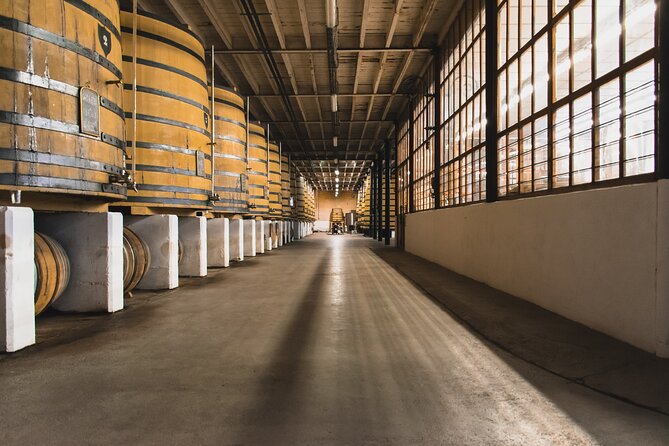
After distillation, the visit moves into the aging cellars. This is where time becomes a working ingredient.
Cognac is not finished when it leaves the still. It must rest and change as it matures. The cellar section introduces you to that aging process and to the choices involved in producing different styles.
You may find this part quieter and less immediately showy than the distillery, but it is essential to understanding the drink. The cellar explains why two cognacs made from the same broad category can still taste different. Wood, time, blending, and the character of the original spirit all matter.
The tour connects the cellar with the final tasting, which is the right order. Once you have seen where the spirits mature, the age categories on the table become easier to understand. Instead of tasting three labels as unrelated products, you can think about them as different points in a longer process.
The historic setting also adds atmosphere. Braastad describes its building and cellars as part of an important heritage site, and the visit gives you access to spaces connected with the house’s working life. This is a more grounded experience than simply sitting at a bar while someone pours samples.
A cabinet of curiosities adds character
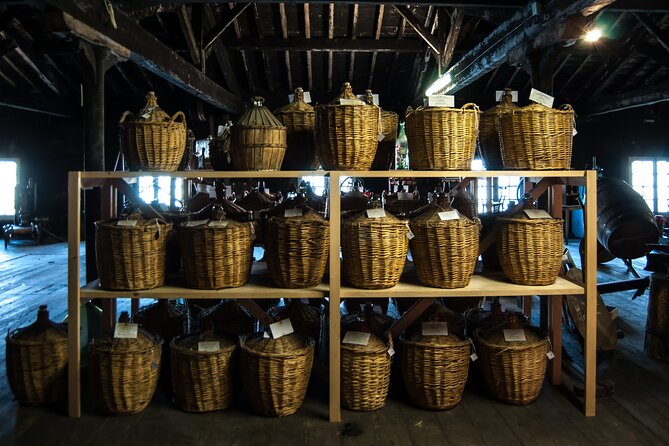
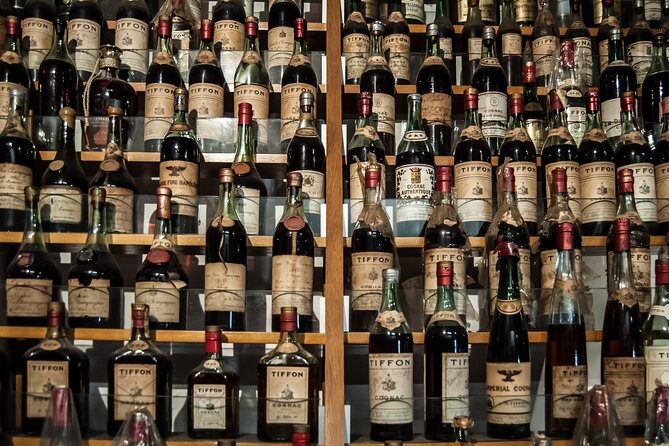
The route includes a cabinet of curiosities, a collection of objects connected with the house and the making of cognac. This gives the tour a welcome change of pace between technical explanations and tasting.
The collection includes tools and machines, helping you see how equipment shaped the work over time. It also gives the guide a chance to tell stories that may not fit neatly into the explanation of distillation or aging.
I like this kind of display because it makes the trade easier to picture. A process can sound polished when reduced to a few words: grapes, wine, distillation, aging, blending. Old tools bring the work back down to earth.
The cabinet also supports the family-run character of the visit. You are not only looking at a product range. You are seeing reminders of the people, machinery, and working methods behind it.
The tour has included an aroma activity as part of this museum section. That can be useful if you are new to cognac, since identifying aromas gives you something concrete to focus on before tasting. The exact presentation may vary, but the purpose is clear: help you notice more than simply the alcohol and sweetness.
Tasting VS, VSOP, and XO
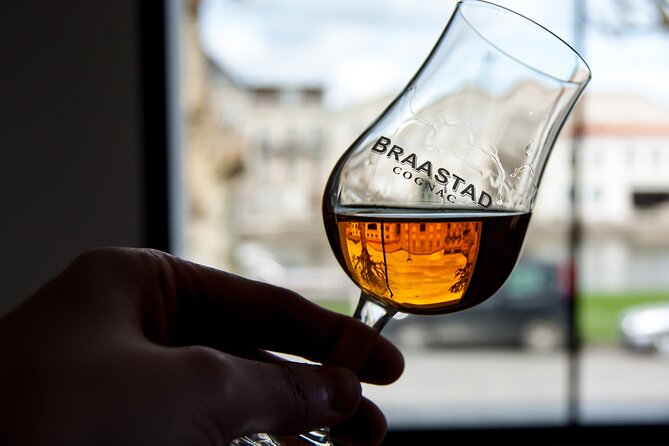
The visit ends with a tasting of three reference categories: VS, VSOP, and XO. This is a sensible format for beginners because it gives you a simple comparison rather than an overwhelming list of bottles.
The three categories help you explore different levels of aging and blending. You can consider how the character changes from one glass to the next and connect those changes with what you have just learned in the cellars.
The tasting is included in the $18.10 price, which makes the visit particularly good value. A separate tasting at a specialist house can easily become the main expense of a day, while here it is part of a guided production visit.
The tasting is reserved for adults. That restriction is important for families planning a mixed-age visit. The tour itself may still interest a range of ages, but the alcohol portion is for adults only.
You should not expect the tasting to function as a sales pitch. The visit has been described as having no pressure to buy at the end. That is a real advantage. You can concentrate on learning what you prefer instead of feeling that you need to leave with a bottle.
If you already know cognac, the tasting gives you a chance to assess Braastad’s house style. If you are new to it, use the three categories as a starting point. Notice the difference in aroma, smoothness, length, and overall weight, then ask Erik what creates those changes.
What the 90-minute timing means
The tour lasts about an hour and a half. That is long enough to cover the family story, distillation, cellar aging, the museum display, and the tasting without turning the visit into an all-day commitment.
I see the timing as one of the tour’s practical strengths. You can fit it around a wider day in the Cognac area, especially if you plan your transport in advance. Cyclists following the Flow Vélo route can use it as a planned stop, with bicycle storage available during the visit.
The tour may also suit people who are not sure how much time they want to devote to cognac. Ninety minutes offers a proper introduction but leaves room for lunch, more sightseeing, or another appointment.
The main limitation is that the available details do not promise a fixed private group or a particular number of participants. The personal quality may depend partly on the day’s group size. Still, the guide’s approach has been described as individual and welcoming, and some bookings may be small.
English is offered, and you receive a mobile ticket. The booking system usually confirms the reservation at the time of booking, and the tour tends to be reserved about 28 days ahead on average. That does not mean you must book exactly four weeks early, but it is a useful warning for a tightly planned trip.
Is $18.10 a fair price?
Yes, especially if you care about the making process rather than tasting alone.
For $18.10 per person, you receive a guided visit, access to the production areas, an explanation of the house’s history and methods, and a tasting of VS, VSOP, and XO cognacs. The price stays modest because the visit is short and focused, but it still covers the parts that give a producer tour its value.
I would choose this over a more expensive appointment if you want a clear introduction to cognac without a formal luxury package. The value is strongest for first-time visitors and for anyone curious about independent producers.
Those seeking a large, highly staged visitor center may find the experience more restrained. Braastad’s appeal lies in family ownership, working facilities, and direct explanation. You are paying for access and context, not elaborate entertainment.
The perfect audience is someone who wants to understand a regional product and taste it with a guide’s help. It is also a good choice for couples, small groups, and cyclists looking for a worthwhile stop near Jarnac.
Who should book, and who should think twice?
I would book this tour if you want to see the production chain in one place. The combination of distillery, aging cellar, cabinet of curiosities, and structured tasting gives you more than a glass and a short brand introduction.
It is particularly well suited to:
- Adults interested in spirits and traditional production
- Visitors who prefer independent family businesses
- Cyclists using the Flow Vélo route
- People staying in or touring the Cognac area
- Beginners who want VS, VSOP, and XO explained clearly
- Anyone who prefers a friendly guide over a large commercial presentation
You may want to think twice if you are not able to reach Jarnac easily, if you dislike alcohol tastings, or if you want a full-day food and wine program. The visit is focused on cognac and lasts approximately 90 minutes.
Free cancellation is available up to 24 hours before the start time. Changes or cancellations made later are not refunded, and the operator may change or cancel the visit if poor weather or an insufficient number of bookings prevents it from running. In those cases, you are offered another date, another experience, or a full refund.
Final recommendation: a smart short visit near Cognac
Braastad Cognac gives you the right amount of detail for a first encounter with the region’s signature drink. You see the work behind the bottle, meet the family story, walk through the distillery and cellars, and finish by comparing three useful categories.
I would recommend booking it if you are already planning time around Cognac and can make the trip to Jarnac. The $18.10 price is easy to justify, especially with the tasting included and no pressure to purchase afterward.
Book a few weeks ahead if your schedule is fixed, and confirm your transport from Cognac. For an independent-house visit with a personal guide, on-site production, and a clear tasting format, this is a practical and good-value choice.
FAQ
Where does the Braastad Cognac tour take place?
The visit takes place at the Braastad Cognac establishments in Jarnac, on the banks of the Charente, near Cognac.
How long does the tour last?
The experience lasts approximately 1 hour and 30 minutes.
How much does the tour cost?
The listed price is $18.10 per person.
Is the tasting included in the ticket?
Yes. Alcoholic beverage tasting is included in the admission price.
Which cognacs are tasted?
The tasting presents Braastad’s three reference categories: VS, VSOP, and XO.
Is the tasting available to children?
No. The tasting is reserved for adults.
What parts of cognac production are covered?
The tour covers the history of the house, its production methods, distillation, aging, and blending. It also includes the distillery, cellars, and a cabinet of curiosities.
Is the tour offered in English?
Yes. English is one of the languages offered.
Can I bring a service animal?
Yes. Service animals are allowed.
How late can I cancel for a full refund?
You can cancel at least 24 hours before the experience starts for a full refund. Cancellations made less than 24 hours before the start time are not refunded.
Recently added around France
- The essential in Bordeaux, private tour with a local★ 4.9 · 48 reviews
- Avignon, Les Baux, St Remy and Arles from MARSEILLE★ 4.5 · 48 reviews
- Visit Avignon and Villeneuve lez Avignon aboard a Double-Decker Bus★ 4.0 · 48 reviews
- 2 hour outdoor group activity in Paris: SAINT GERMAIN★ 5.0 · 48 reviews
- Private Half-Day Guided Tour of Paris★ 4.5 · 48 reviews
- Blind Test Room & karaoke Montpellier★ 5.0 · 48 reviews
- Paris Dinner Show Opera Bel Canto★ 4.5 · 48 reviews
- Cannes: Lérins Islands Private Boat Tour★ 4.9 · 48 reviews