Reviewed · TICKETS
Entrance ticket for guided tour of the Maginot Line at the Michelsberg
Concrete hides a whole underground world. The Michelsberg fort lets you explore a real Maginot Line complex in northeastern France, where a guide leads you through galleries, rooms, machinery, and the military systems built for war. I like the tour’s focus on both World War II and the Cold War, and I like that the visit shows the human side of the fortress, including how soldiers lived below ground. The main drawback is simple: it can be cold 30 meters underground, even in April, so bring an extra layer.
This is a two-hour guided visit at Ouvrage Michelsberg near Ébersviller in Lorraine. Tours are offered in French or German, with groups capped at 50 people. The $9.29 price is unusually modest for a substantial historical site, but you should plan around the fixed 2:30 p.m. start and the remote meeting point.
In This Review
- Key points to know before you go
- Why the Michelsberg fort is worth your time
- Entering the underground galleries
- Concrete, steel, and the engineering behind the fort
- What soldiers’ lives looked like below ground
- Michelsberg during World War II
- The Cold War chapter changes the story
- A two-hour route with a fixed 2:30 p.m. start
- French or German guiding only
- The cold is part of the practical planning
- Is $9.29 good value?
- Who should book this experience?
- Who may want to skip Michelsberg?
- Cancellation and booking advice
- Final verdict: book it for history with substance
- FAQ
- Where does the Michelsberg tour begin and end?
- What time does the tour start?
- How long does the Michelsberg visit last?
- What languages are available for the tour?
- How large can the group be?
- Can I cancel for a full refund?
Key points to know before you go
- A genuine underground Maginot Line fort: Walk through the concrete and steel galleries of Ouvrage Michelsberg rather than viewing the defensive line from the roadside.
- Two eras of military history: The guide explains the fort’s role during World War II and its later revival during the Cold War.
- Working machinery adds drama: Expect to see equipment such as power generators, and learn how a huge rotating turret could be operated by one person.
- A tour about daily life, too: Rooms and equipment help show how soldiers lived and worked inside the fort.
- French or German guiding: Choose this experience only if one of those languages works for you.
- Strong value at $9.29: The two-hour length and detailed underground route make the admission price appealing.
Why the Michelsberg fort is worth your time
The Maginot Line is often reduced to a simple story: France built a massive border defense, Germany went around it, and the fortifications became a symbol of military miscalculation. Michelsberg gives you a more useful and less cartoonish view.
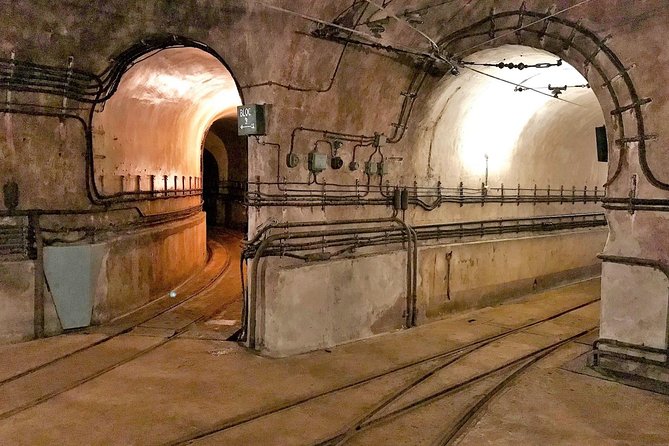
Here, you can see the scale of the planning. This was not just a row of bunkers. It was a fortified system made from concrete, steel, underground corridors, living quarters, power equipment, weapons systems, and rooms designed to keep the installation functioning under attack.
The visit also avoids treating the fort as a frozen World War II relic. Michelsberg was later brought back into military thinking during the Cold War, when a possible Soviet advance changed the strategic picture in Europe. That second chapter makes the site more interesting because it shows how old defensive structures could be reconsidered for a new threat.
I especially like that the visit connects grand military plans with ordinary work. You are not only hearing about national borders and armies. You are also following the spaces where soldiers lived, moved, maintained machinery, and waited underground.
A few more France trips worth weighing up
- Paris: Louvre Museum Timed-Entrance Ticket
★ 4.6 · 71,977 reviews - Disneyland® Paris 1-Day Ticket
★ 4.6 · 49,412 reviews - Paris: Versailles Palace and Gardens Full Access Ticket
★ 4.6 · 41,579 reviews
Entering the underground galleries
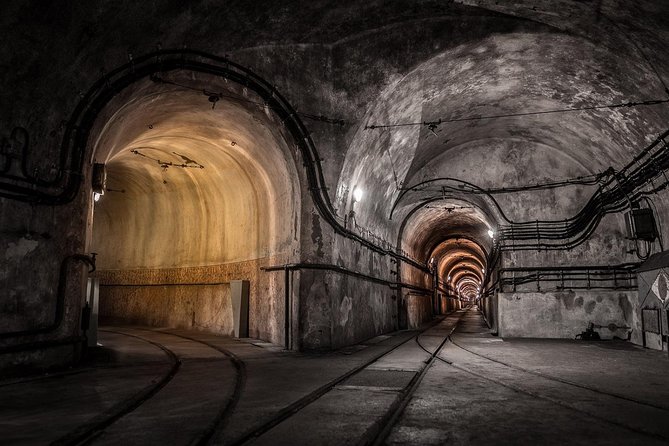
The tour’s central feature is the route through Michelsberg’s underground galleries. You move through a large network of rooms and passages inside what is described as a monster of concrete and steel.
That scale is important. From outside, a fortification can look like a low, plain military structure. Underground, the story changes. The size of the corridors and rooms helps you understand the labor, materials, and engineering needed to build a self-contained defensive position.
A guide leads the group through the complex and explains the purpose of the spaces along the way. This is much better than wandering through a dark tunnel without context. The rooms and equipment become part of a connected system, and the guide’s explanations help you understand how each part supported the fort’s operation.
The group limit is 50 people. That is not an intimate private tour, but it gives the guide a manageable audience while allowing the Michelsberg organization to welcome a healthy number of visitors. If you prefer a quiet, self-guided experience, this format may feel more structured than you want. For most people, the explanations are the reason to book.
Concrete, steel, and the engineering behind the fort
Michelsberg is a good place to see military engineering at a physical scale. The concrete was not decorative, and the steel was not simply there for show. Every major element served a purpose in a defensive system designed to survive attack.
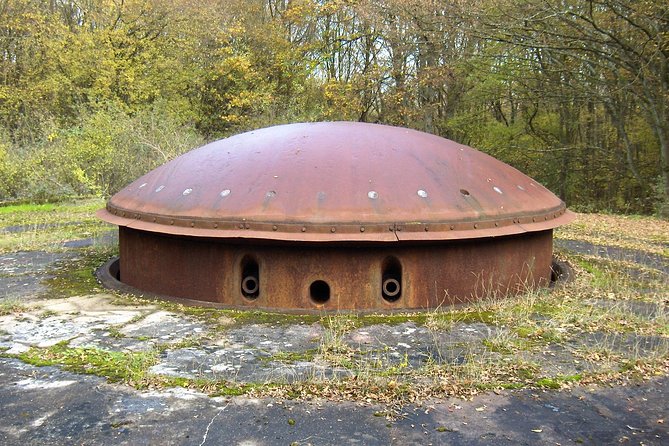
One especially striking detail concerns the huge turret. The mechanism was designed so that one man could move the enormous structure. That small fact says a great deal about the engineering priorities of the fort. Heavy weapons and massive protective structures still needed to be controlled quickly and efficiently.
You also get a look at power equipment, including generators that may be switched on during the visit. That is one of the best parts of the experience because it turns an abstract explanation into something you can hear and see. Machinery that still operates gives the underground complex a stronger sense of function.
I would pay close attention during this section rather than treating the equipment as background scenery. The real value is in understanding how the fort depended on its mechanical systems. Weapons, lighting, ventilation, communications, and daily life all required reliable power and careful maintenance.
What soldiers’ lives looked like below ground
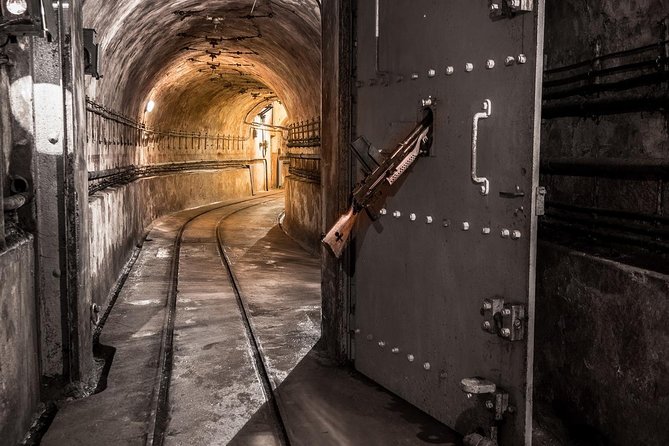
Military sites can become too focused on weapons. Michelsberg appears to give equal attention to the people who had to live inside the installation.
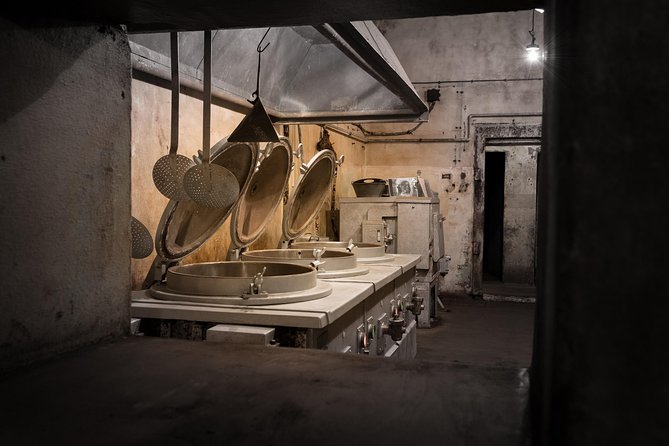
As you turn through the many rooms, the guide explains the life of the Maginot Line soldiers. The experience helps you picture the fort as a workplace and living environment, not only as a defensive shell.
That human scale matters. A huge fortress can seem impressive but distant. Rooms and equipment bring the subject closer. You begin to think about routines, shifts, maintenance, waiting, and the practical demands of spending long periods below ground.
The information provided does not promise a theatrical reconstruction or a staged performance, so you should expect a serious guided historical visit rather than an entertainment show. That is a strength if you want a clear look at the site itself. It may feel less lively for children who need constant action, especially during the longer explanations.
A completely different sort of day in France:
- Paris: Evening River Cruise with Music
★ 4.4 · 22,721 reviews - Paris: Eiffel Tower Entry Ticket with Optional Summit Access
★ 4.4 · 20,035 reviews - Paris: Eiffel Tower Summit or Second Floor Access
★ 4.3 · 17,248 reviews - Paris: Louvre Guided Tour with Reserved Access & Boat Cruise
★ 4.3 · 16,353 reviews
Michelsberg during World War II
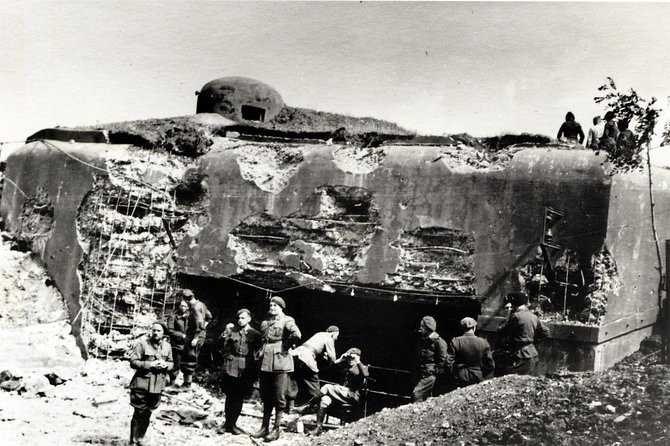
The guide places Michelsberg within the events of World War II, when the fortifications resisted many attacks. The tour is valuable here because the physical site gives weight to the story.
It is one thing to hear that a defensive position was heavily built. It is another to stand inside the concrete and steel structure and follow the underground route. You can better understand why the fort was difficult to overcome and why its defenders relied on machinery, protected rooms, and controlled access.
The visit does not appear to present the Maginot Line as a simple success or failure. Instead, the fort gives you a chance to consider the gap between military engineering and military strategy. A fortress can be powerful in a direct attack, yet a wider campaign can change how useful that fortress becomes.
That distinction is worth keeping in mind. Michelsberg is not merely a monument to poor planning. It is also evidence of sophisticated engineering and a complicated wartime role.
The Cold War chapter changes the story
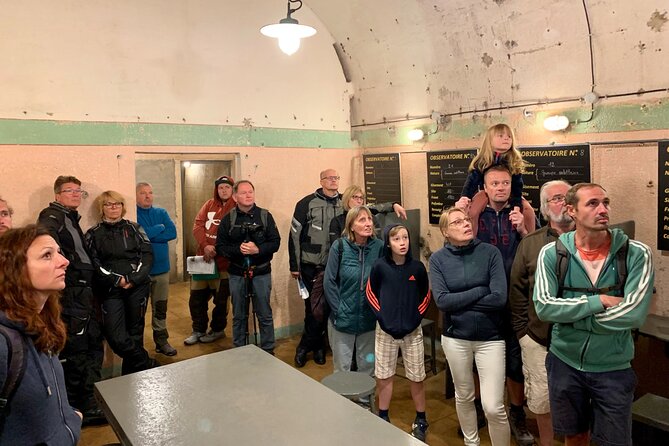
Many people visit Maginot Line sites expecting only World War II. Michelsberg adds another layer by explaining how the fortifications were revived during the Cold War in anticipation of a possible Soviet advance.
This later use keeps the site from feeling trapped in one historical period. The fort’s military importance did not end with the war of 1939 to 1945. The threat changed, and the defensive system was viewed again through a new strategic lens.
For you, this means the tour offers a wider lesson about military history. Buildings can outlast the crisis that created them, then take on a new role when political tensions shift. The same corridors and rooms can be understood differently by different generations.
The Cold War section may be especially useful if you already know the basic Maginot Line story. It gives the tour a second act and makes the visit more than a standard bunker tour.
A two-hour route with a fixed 2:30 p.m. start
The visit lasts about two hours and begins at 2:30 p.m. at Ouvrage Michelsberg, on Route de Dalstein in 57320 Ébersviller, France. It ends back at the same meeting point.
That timing makes the tour easy to fit into a day if you plan carefully. It is not a brief stop that you can squeeze in between unrelated sights. You need to reach the fort for the afternoon start, then allow the full two hours for the underground route.
The fixed start time is also something to take seriously. Arriving late could mean missing the beginning of the explanation or disrupting the group. Since the activity begins and ends at the fort, you should plan your transport around the Ébersviller location rather than assuming it works like a central city attraction.
The tour’s average booking lead time is 13 days. That suggests you should not treat it as a completely spontaneous stop, particularly if your visit dates are fixed. Confirmation is provided when you book.
French or German guiding only
The tour is available in French or German. This is a major practical point, not a footnote.
If you understand either language well enough to follow a two-hour historical explanation, the language choice should work fine. If you do not, the value of the visit will be reduced because the main experience depends on the guide’s commentary.
The guide is central to the tour. Without the explanations, you would still see underground galleries and machinery, but you would miss much of the meaning behind the spaces. Check the language before booking, especially if different members of your group have different comfort levels.
The group can include up to 50 people. A group that size may feel busy in narrow areas, and you may not always stand closest to the guide. On the other hand, the limit prevents the group from becoming unlimited and gives the visit a defined structure.
The cold is part of the practical planning
A useful tip is to dress for the underground temperature. One report from an April visit describes the fort as a little cold at 30 meters below ground, which is hardly surprising.
You do not need to imagine extreme conditions, but a warm layer is sensible. The cold may become more noticeable during a two-hour visit, especially if you are standing while the guide explains machinery or history.
This is one of those small details that can affect your enjoyment. A jacket or sweater costs little to bring and makes it easier to concentrate. Comfortable clothing also helps because the tour involves walking through underground galleries rather than sitting in one place.
The supplied information says most people can participate. It does not provide specific details about every passage, stairway, or access point, so anyone with individual mobility concerns should confirm suitability with Ouvrage Michelsberg before booking.
Is $9.29 good value?
At $9.29 per person, I consider this a strong-value history tour. You receive about two hours of guided access to a major underground fortification, with explanations of World War II, the Cold War, soldier life, construction, and equipment.
The price is especially attractive because the visit is not just an entrance into a single room. The experience includes a guided route through the Michelsberg work, with its underground galleries and many rooms. The guide adds the context that makes the architecture useful rather than merely imposing.
Value also depends on your interests. If you enjoy military history, engineering, or unusual historical sites, the price is easy to justify. If you prefer art museums, scenic viewpoints, or short sightseeing stops, two hours underground may feel like a large commitment even at a low cost.
The price does not remove the need to plan. You still need to reach Ébersviller, arrive for the afternoon start, and choose a language you can follow. A cheap ticket is not useful if the timing or language does not fit your day.
Who should book this experience?
I would recommend Michelsberg to people who want history they can physically walk through. It suits you if you like fortifications, military engineering, World War II, Cold War history, or unusual places away from France’s headline attractions.
It is also a good choice for visitors who prefer a guide to explain what they are seeing. The generators, turret mechanism, rooms, and galleries have more impact when you understand their purpose.
Families may find the concrete tunnels and large machinery interesting, but the experience is still a serious two-hour historical tour. The amount of spoken information and the cool underground setting may not suit every young child.
You should also consider your language ability. French or German is required for the guided explanation, and that commentary is a central part of the admission.
Who may want to skip Michelsberg?
I would skip this tour if you dislike enclosed underground spaces, cold interiors, or long guided visits. The site is built around tunnels and rooms, so there is no way to turn it into a quick outdoor photo stop.
You may also want to pass if you are looking for a polished attraction with a large range of visitor services. The information provided focuses on the fort and guided tour, not on extras such as exhibitions, food, transport, or special activities.
Finally, do not book it simply because the price is low. The two-hour commitment, 2:30 p.m. start, and French or German guiding requirements matter more than the bargain admission.
Cancellation and booking advice
You can cancel for a full refund up to 24 hours before the experience starts. Cancellations made less than 24 hours before the local start time are not refundable, and changes within that period are not accepted.
I would book once your afternoon plans are firm. Since the visit is often reserved about 13 days ahead, early booking makes sense if you have limited time in Lorraine or need a particular date.
Final verdict: book it for history with substance
I recommend the Michelsberg tour if you want a low-cost, serious look at how the Maginot Line worked from the inside. The two-hour underground route, working power equipment, massive turret, and discussion of soldier life give the visit real substance.
The Cold War chapter is an extra reason to go. It broadens the story beyond World War II and shows how military sites can be reused when new threats emerge.
Book it if you can attend at 2:30 p.m., follow French or German, and handle a cool underground environment. Skip it if you want a flexible, self-guided attraction or have no interest in military history. For the right audience, $9.29 buys an unusually direct encounter with France’s concrete wartime past.
FAQ
Where does the Michelsberg tour begin and end?
The tour begins at Ouvrage Michelsberg, Lorraine, Route de Dalstein, 57320 Ébersviller, France. It ends back at the same meeting point.
What time does the tour start?
The tour starts at 2:30 p.m.
How long does the Michelsberg visit last?
The guided visit lasts approximately two hours.
What languages are available for the tour?
The group tour is available in French or German.
How large can the group be?
The maximum group size is 50 people.
Can I cancel for a full refund?
Yes. You can cancel up to 24 hours before the experience start time for a full refund. Cancellations or changes made less than 24 hours in advance are not accepted for a refund.
Recently added around France
- The essential in Bordeaux, private tour with a local★ 4.9 · 48 reviews
- Avignon, Les Baux, St Remy and Arles from MARSEILLE★ 4.5 · 48 reviews
- Private Half-Day Guided Tour of Paris★ 4.5 · 48 reviews
- Visit Avignon and Villeneuve lez Avignon aboard a Double-Decker Bus★ 4.0 · 48 reviews
- 2 hour outdoor group activity in Paris: SAINT GERMAIN★ 5.0 · 48 reviews
- Blind Test Room & karaoke Montpellier★ 5.0 · 48 reviews
- Paris Dinner Show Opera Bel Canto★ 4.5 · 48 reviews
- Cannes: Lérins Islands Private Boat Tour★ 4.9 · 48 reviews
Tickets, compared.


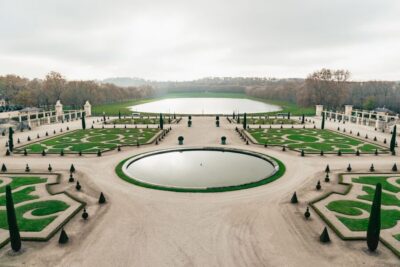
Paris: Versailles Palace and Gardens Full Access Ticket
Read our review →
Paris: Eiffel Tower Entry Ticket with Optional Summit Access
Read our review →
Paris: Moulin Rouge Cabaret Show Ticket with Champagne
Read our review →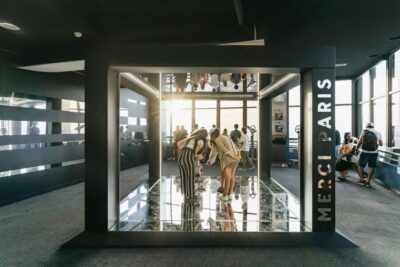
Paris: Montparnasse Tower Observation Deck Entry Ticket
Read our review →
Paris: Louvre Museum Entry Ticket With Host and River Cruise
Read our review →