
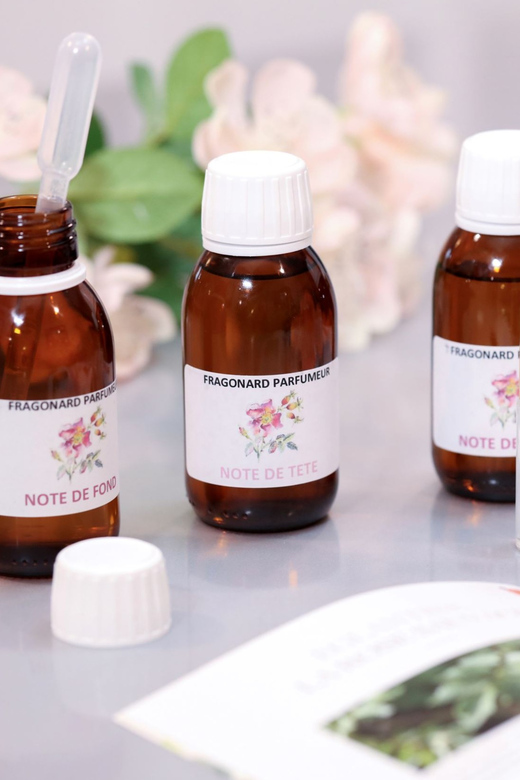
Reviewed · PERFUME WORKSHOPS
Fragonard Paris: Mini Perfume Workshop
Make your own Paris souvenir. Fragonard’s Mini Perfume Workshop pairs a short guided museum tour with a hands-on lesson in perfume creation. I like the small-group format, limited to 10 people, and the chance to leave with a scent you blended yourself. I also like the setting, a former private mansion beside the Opera Garnier, filled with old perfume bottles and decorative objects.
The main drawback is the clock. The workshop itself takes about 20 minutes inside a 45-minute visit, and a few participants found the pace brisk. You will not design a perfume from dozens of raw ingredients. Instead, you blend three ready-made notes from Fragonard’s Flower of the Year Eau de Toilette. That keeps things simple, but it also limits your choices.
In This Review
- Key points to know before booking
- A quick introduction to French perfume
- The Fragonard museum beside Opera Garnier
- How the 20-minute workshop works
- Learning to smell perfume in a useful way
- What makes the museum collection worthwhile
- Is $36 a good value?
- A good Paris activity for families and teenagers
- Timing, group size, and practical limits
- Tips for getting more from the visit
- Should you book the Fragonard Mini Perfume Workshop?
- FAQ
- How long does the Fragonard Mini Perfume Workshop last?
- What do I make during the workshop?
- How much perfume do I take home?
- Is the activity offered in English?
- Can children join the workshop?
- Is the museum wheelchair accessible?
Key points to know before booking
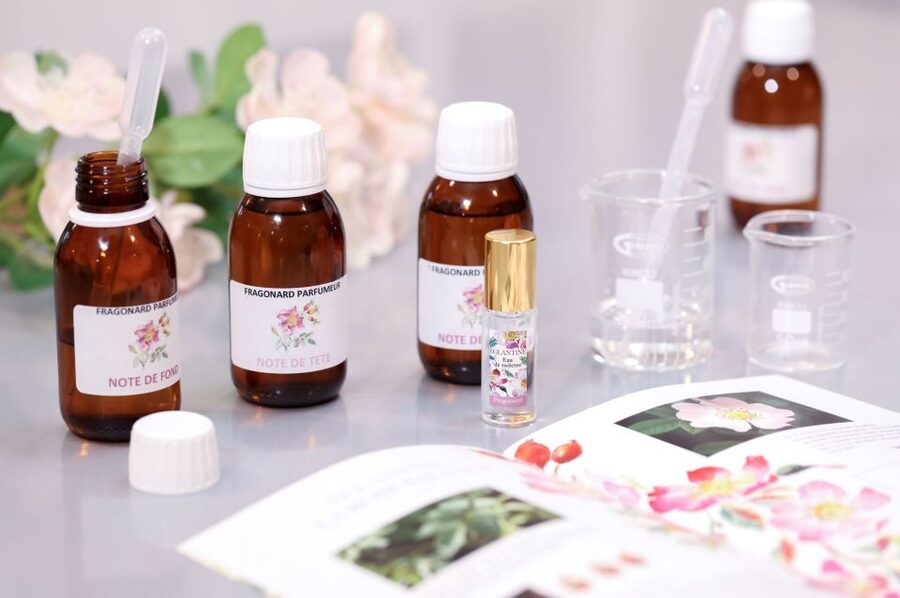
- You blend three perfume layers: a top note, heart note, and base note, each supplied as a pre-composed scent.
- You take home a 12 ml spray bottle: a small but personal Paris keepsake.
- The museum is beside the Opera Garnier: easy to pair with an afternoon around the grands boulevards.
- The tour covers three thousand years of perfume culture: from ancient fragrance bottles to later decorative works.
- The guide makes or breaks the visit: guides such as Naomi, Yoko, Sofia, and Eleanora have been praised for humor, warmth, and clear explanations.
- The experience suits families: children age 8 and older may attend with a paying adult.
A quick introduction to French perfume

Fragonard’s workshop begins with an explanation of the olfactory pyramid, the basic structure used to describe how a fragrance develops. You learn that a perfume is not just one smell poured into a bottle. It is arranged in layers.
The top note is the first impression. It is usually the part you notice immediately after spraying. The heart note gives the fragrance its main character, while the base note provides the longer-lasting foundation.
You are not handed a blank formula and asked to invent something from scratch. Fragonard has prepared three notes that belong to the year’s Flower of the Year Eau de Toilette. Under the teacher’s direction, you combine them in your own proportions.
That choice makes the activity approachable. You do not need to know perfume vocabulary before arriving, and you will not spend the whole session trying to decide between an intimidating wall of ingredients. At the same time, the fixed three-note formula means this is an introduction to blending, not a full perfumer’s course.
More Perfume Workshops in Paris
- Paris: 2-Hour Perfume Creation Workshop
★ 4.8 · 731 reviews - Paris: Perfume Creation Workshop
★ 4.8 · 289 reviews - Paris Create your Own Perfume Workshop with a Perfumer
★ 4.5 · 275 reviews
The Fragonard museum beside Opera Garnier
Meet at the Fragonard Perfume Museum, right next to the Opera Garnier. The location is a useful part of the experience because you can fit this short activity into a day of sightseeing without giving up half a day.
The museum occupies an old private mansion with a Second Empire atmosphere. Its rooms hold antique fragrance bottles and objects connected with perfume, along with artistic pieces and examples of goldsmithery. The collection moves across roughly three thousand years, giving you a sense of how fragrance has been used in different societies.
You may see unusual bottles linked to periods ranging from the Pharaohs to Fabergé. These are not simply pretty containers. They show how perfume, fashion, status, religion, and social customs have crossed paths over time.
The museum also introduces the perfume-making tradition of Grasse, the French town long associated with the trade. It covers old fragrant materials and ingredients that are no longer commonly used. This gives the workshop a useful backdrop: before you mix your own formula, you see how perfume objects and methods changed over time.
The guided visit is fairly short. Some participants found the museum portion informative and well judged, while one person felt the tour moved too quickly and returned afterward to spend more time with the exhibits. If antique bottles and decorative arts interest you, plan to look around again after the formal explanation, if the schedule allows.
How the 20-minute workshop works
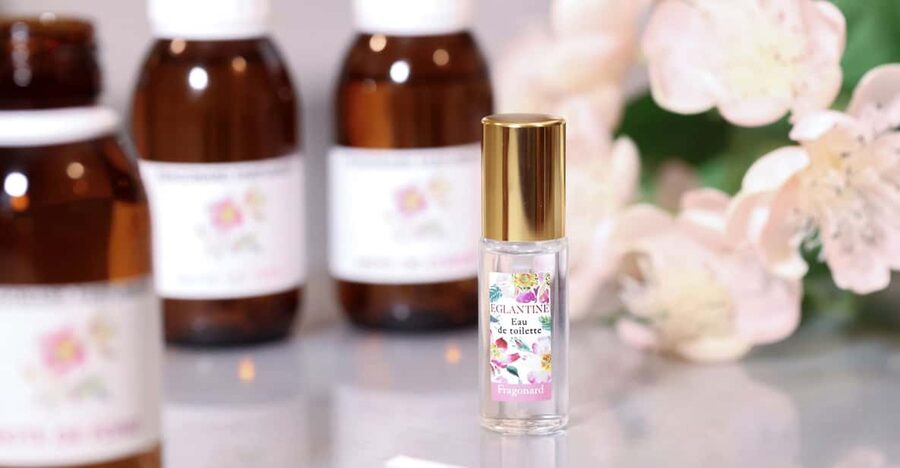
The practical session focuses on recognizing and combining the three prepared notes. Your guide explains how each layer contributes to the final Eau de Toilette, then shows you how to create your own blend.
You will work with:
- A top note
- A heart note
- A base note
The important creative choice is the amount of each note you use. Even with the same three bottles, different proportions can produce noticeably different results. This is why family members or friends can all leave with scents that smell distinct from one another.
The teacher guides you through the process rather than leaving you to guess. That is especially helpful if you have never made perfume before or if words such as floral, oriental, citrus, and fresh seem vague when used to describe scents.
The workshop ends with your own 12 ml Eau de Toilette in a spray bottle. The bottle is not a large purchase-size fragrance, but it is enough to use and remember the activity by. Pack it carefully for the journey home.
A few people felt the pace was too quick and wished the session lasted closer to an hour. Others liked the brisk timing, especially families with younger children or visitors fitting the activity between major sights. I would frame it this way: you get a focused introduction, not a leisurely laboratory session.
Learning to smell perfume in a useful way
One of the best parts comes from learning how to identify fragrance families. The guide may lead you through samples described as citrus, floral, fresh, sweet, and oriental.
This turns perfume shopping into something less mysterious. Instead of simply deciding that you like or dislike a bottle, you begin to ask what kind of impression it creates and which parts of the scent appeal to you.
The sampling can be intense. After smelling several fragrances close together, your senses may feel overloaded, even if you enjoy the process. Take your time and avoid judging every scent at once. The point is not to become an expert in one visit. It is to give you a better set of words and reference points.
The guide’s role matters here. The strongest feedback focuses on clear explanations, good humor, and an ability to answer questions without making the subject feel technical or stiff. Naomi was praised for explaining perfume history with warmth and humor. Yoko was singled out for guiding the blending process and helping with later fragrance choices. Sofia and Eleanora also received warm praise for making the visit friendly and engaging.
Guide quality can vary from one session to another, but the format gives the teacher plenty of room to add personality. That human touch is a big part of why this short activity feels like more than a shopping stop.
More Workshops in Paris
- Paris Cooking Class and Lunch with Wine plus Market Visit Option
★ 5.0 · 1,024 reviews - Paris Croissant Small-Group Baking Class with a Chef
★ 5.0 · 910 reviews - Paris: Macaron Class at Galeries Lafayette
★ 4.3 · 905 reviews - Paris: French Croissant Baking Class with a Chef
★ 4.9 · 712 reviews
What makes the museum collection worthwhile
The museum gives you context that a perfume counter cannot. A shop can offer dozens of bottles, but it rarely explains how perfume containers developed or how fragrance fitted into daily life across centuries.
Here, old bottles act as small cultural records. Their shapes, materials, and decoration reveal changing tastes and the importance placed on scent. The objects linked to ancient Egypt, later European courts, and the Fabergé period help show that perfume has long carried social meaning.
The collection is also a good change of pace from Paris’s major art museums. You are not walking through enormous galleries for hours. You are moving through a smaller setting with a very specific theme.
Still, keep your expectations in check. This is a compact museum visit attached to a workshop. If you want a long, scholarly survey of perfume chemistry or a large collection of original ingredients, this is not that. If you want a concise cultural introduction followed by something you can do with your hands, the balance works well.
Is $36 a good value?
At $36 per person, the experience offers more than a standard museum admission. Your price includes the guided tour, the perfume-making session, and the 12 ml bottle you create.
I think the value is strongest for three types of visitors. First, you get an activity rather than another hour of looking at buildings. Second, you receive a usable souvenir instead of a generic key ring. Third, you gain enough perfume knowledge to make later shopping more interesting.
The value is also helped by the 45-minute duration. Paris is expensive, and a short, structured activity can fit neatly into a busy day. You can visit the museum, make your scent, browse the shop, and still have time for Opera Garnier or the surrounding shopping streets.
The limitation is that the included bottle is small and the formula is based on three pre-composed notes. If you are comparing this with a longer workshop where you select from many raw materials and make a larger bottle, this experience will feel more introductory.
Some people bought additional perfume or other products afterward, and a discount for extra containers was appreciated. The shop can tempt you, so decide in advance whether your $36 experience is the full budget or just the starting point.
A good Paris activity for families and teenagers
Children age 8 and older may attend when accompanied by a paying adult. The hands-on element gives children something concrete to do, and the three-note formula avoids the frustration of too many decisions.
The activity has worked well for families with school-age children, teenagers, and adults together. One family particularly liked the pace for adults and a 10-year-old. Teenagers also have a personal result to take home, which is more memorable than simply listening to a lecture.
I would still explain the format before booking. Your child will not be independently designing a fragrance from a full perfumer’s organ. They will follow instructions and adjust the balance of three prepared notes.
For families, this is a pleasant way to create a shared memory without committing to a long class. It can also lead to conversation afterward, since everyone’s final scent may differ.
Timing, group size, and practical limits
The total duration is 45 minutes, with the workshop itself taking about 20 minutes. The museum visit may come before or after the practical session, so the order can vary.
Groups are limited to 10 participants. That is small enough for the guide to explain the blending process and respond to questions, though the experience can still feel brisk when everyone is working at once.
The activity is offered in English with a live guide. This is useful if perfume terms are unfamiliar to you, since the guide can explain the difference between the notes and scent categories as you work.
The meeting point is the museum itself. Pets are not allowed, and the activity is not suitable for wheelchair users. You can cancel up to 24 hours in advance for a full refund, and a reserve-now, pay-later option is available if you want flexibility with your Paris schedule.
Tips for getting more from the visit
Arrive ready to smell and compare, not simply to watch. The more attention you give to the differences between the three notes, the more satisfying your final blend will be.
Do not rush the sample session. If several scents begin to blur together, pause before making a decision. You are trying to notice what you prefer, not win a speed contest.
If antique bottles interest you, ask for enough time to look at the displays. The formal tour is short, and one participant felt it was too fast. The exhibits deserve more than a quick glance if your schedule permits.
Morning may be a pleasant choice. One person found a morning visit quiet and comfortable, though availability depends on the time slots offered on your date.
Finally, remember the product name. You are creating a personal version of Fragonard’s Flower of the Year Eau de Toilette, not an entirely separate perfume line. That is a benefit if you like guidance and want a dependable starting point. It is a drawback if you want total freedom.
Should you book the Fragonard Mini Perfume Workshop?
Book it if you want a short, affordable Paris activity with a real takeaway. The mix of museum objects, perfume history, scent education, and hands-on blending gives you several experiences in one compact visit.
I would especially recommend it for first-time Paris visitors, families with children age 8 and older, teenagers, perfume fans, and anyone looking for something less predictable than another famous monument. It is also a good rainy-morning plan.
Skip it if you want a long technical class, a large bottle, or a formula built from dozens of individual ingredients. The museum tour may feel rushed, and the fixed three-note structure leaves less freedom than a full perfume workshop.
For $36, though, the balance is appealing. You learn how perfume is structured, see unusual historic bottles beside the Opera Garnier, and leave with a scent made by you. That is a useful little piece of Paris to carry home.
FAQ
How long does the Fragonard Mini Perfume Workshop last?
The full experience lasts 45 minutes. The perfume-making portion takes about 20 minutes, with the remaining time used for the guided museum visit and perfume education.
What do I make during the workshop?
You blend a top note, heart note, and base note from three pre-composed notes used in Fragonard’s Flower of the Year Eau de Toilette.
How much perfume do I take home?
You take home a 12 ml bottle of your own Eau de Toilette in a spray format.
Is the activity offered in English?
Yes. The experience includes a live English-speaking tour guide.
Can children join the workshop?
Children age 8 and older may attend under the responsibility of a paying adult.
Is the museum wheelchair accessible?
The activity is listed as unsuitable for wheelchair users. Pets are also not allowed.
Recently added around Paris
- Private Half-Day Guided Tour of Paris★ 4.5 · 48 reviews
- 2 hour outdoor group activity in Paris: SAINT GERMAIN★ 5.0 · 48 reviews
- Paris Dinner Show Opera Bel Canto★ 4.5 · 48 reviews
- Paris Vintage Tour by Night on a Sidecar with Champagne★ 5.0 · 48 reviews
- Secrets & Scandals of the Louvre – Limited to 6 Guests★ 5.0 · 48 reviews
- Paris Photoshoot: Eiffel Tower Exclusive Private Experience★ 5.0 · 48 reviews
- From Paris: Versailles Full-Day Guided Tour with Lunch★ 4.9 · 48 reviews
- Paris: Louvre Mona Lisa Discovery Guided Tour with Ticket★ 4.9 · 48 reviews
Perfume Workshops, compared.
Monaco & Eze Small-Group Day Trip with Perfumery Visit from Nice
Read our review →
Fragonard Eze: Perfume Making Class and Factory Tour
Read our review →
Grasse: Perfume Making Class and Fragonard Factory Tour
Read our review →
Provence Countryside Small Group Day Trip with Grasse Perfumery Visit from Nice
Read our review →
Browse the lists this tour appears in