
Reviewed · COOKING CLASSES
Paris Croissant Small-Group Baking Class with a Chef
Fresh pastry makes a fine Paris souvenir. This hands-on class takes you into a professional studio in the Marais, where you make croissants, pain au chocolat, and pain au raisin with a chef guiding each stage. I like the small-group format and the chance to work with the dough yourself, not just watch a demonstration. I also like that you leave with recipes, drinks, and pastries to enjoy.
The main drawback is the price: $157.21 per person is a serious bite for a two-and-a-half-hour activity. Last-minute cancellations have also caused problems for a few booked participants, so keep your schedule flexible enough to handle a change.
In This Review
- Key Points To Know Before You Book
- A Marais Baking Class Near Place des Vosges
- What You Actually Make During the Workshop
- Why Hands-On Instruction Matters
- The Chefs Make This More Than a Recipe Demonstration
- A Good Choice For Families And First-Time Bakers
- What The Recipe Booklet Adds
- Drinks, Equipment, And What You Take Home
- Is $157.21 A Fair Price?
- The Main Risk: Last-Minute Changes
- How To Fit It Into A Paris Day
- Who Should Book This Paris Baking Class?
- Should You Book It?
- FAQ
- Where does the croissant baking class begin?
- How long does the workshop last?
- What pastries will I learn to make?
- Is the class taught in English?
- How many people are in the class?
- Are drinks and baking equipment included?
- Can I cancel for a full refund?
Key Points To Know Before You Book
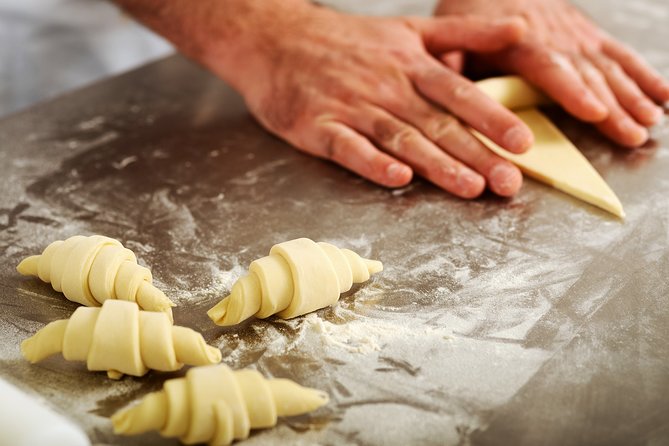
- Three classic French pastries: You work on croissants, pain au chocolat, and pain au raisin in one session.
- A real hands-on workshop: You knead, shape, handle the butter and dough, and bake the pastries yourself.
- Small classes help: The workshop is described as limited to eight participants, with a stated maximum of 12.
- Excellent English instruction: The chefs praised in the class include Clara, Felix, Milly, Prisca, Delphine, Lizzy, Leslie, and Ines.
- Fresh pastries at the end: You taste the baked goods and take the remaining products with you.
- Useful Paris location: The studio is at 7 Rue de Béarn in the third arrondissement, close to Place des Vosges and public transportation.
A Marais Baking Class Near Place des Vosges
The class begins at 7 Rue de Béarn, in Paris’s third arrondissement. That puts you near Place des Vosges, one of the prettiest squares in the Marais, so the location works well as part of a half-day plan.
You enter a fully equipped pastry studio rather than a restaurant kitchen or a temporary demonstration room. You receive an apron and utensils, then meet the chef and the rest of the group. Hot and cold drinks are available during the session, which is a small comfort when you are busy handling dough.
The setting matters. Baking in a dedicated studio gives you room to work and lets the chef focus on technique. You are not simply watching someone shape perfect pastries at lightning speed. You take part in the process, make mistakes, ask questions, and see how the dough reacts.
The listed duration is about two hours and 30 minutes. That is long enough to cover the main stages without taking an entire day from your Paris sightseeing plans.
More Workshops in Paris
- Fragonard Paris: Mini Perfume Workshop
★ 4.5 · 1,924 reviews - Paris Cooking Class and Lunch with Wine plus Market Visit Option
★ 5.0 · 1,024 reviews - Paris: Macaron Class at Galeries Lafayette
★ 4.3 · 905 reviews
What You Actually Make During the Workshop
The class centers on laminated pastry dough. That means dough and butter are folded and rolled together in layers. Those layers are what give a properly baked croissant its flaky texture.
You begin by making and kneading the dough. The chef explains each step as you go, including how to handle the dough before shaping it. One of the useful parts of this class is learning that a croissant is not just bread dough cut into a triangle. Temperature, pressure, folding, and timing all affect the result.
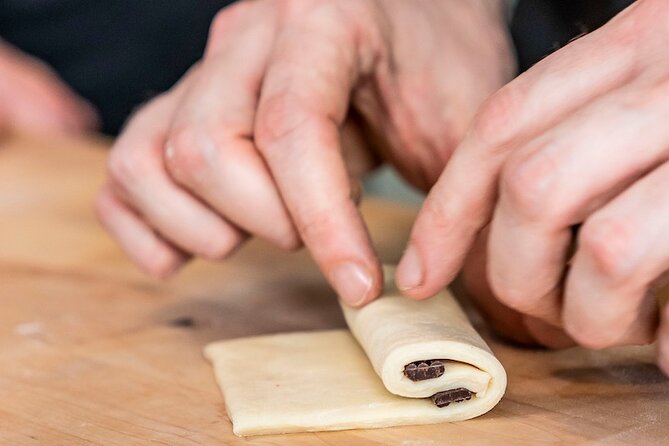
The workshop then moves to shaping. You make the classic crescent-shaped croissant, followed by pain au chocolat and pain au raisin. Pain au chocolat is filled with chocolate, while pain au raisin gives you a different shape and filling to work with.
The supplied information describes these as three pastries made in one class, but the exact number of finished pieces can vary. Several class reports describe leaving with two croissants and two pain au chocolat pastries per person. Another mentions four pastries per person. Plan on taking home a generous amount of baking, but do not assume an exact count unless the provider confirms it for your date.
The class finishes with baking and tasting. Fresh pastry straight from the oven is the payoff, and it also lets you judge the results while the techniques are still fresh in your mind.
Why Hands-On Instruction Matters
A demonstration can make pastry baking look easy. A chef rolls out flawless dough, cuts neat shapes, and slides a tray into the oven. You nod along, then return home and discover that your dough is sticky, your butter has escaped, and your croissants look more like folded socks.
This class gives you a better chance of repeating the process because you handle the dough yourself. You get to feel when it is ready to roll, see how it should look when shaped, and ask why a particular step matters.
The smaller format is a major advantage. The workshop is described as limited to eight participants, although the published maximum is 12. Some sessions have been much smaller, including one reported class with only two participants. A group of six to eight gives you enough personal attention without making the class feel like a private lesson.
The chefs receive especially strong praise for clear explanations and patience. Clara is described as a top teacher, while Milly is praised for explaining not only what to do but why each step matters. Prisca added French words and cultural background to the baking instruction, giving the class a little more local flavor.
That difference between instructors is worth keeping in mind. The provider assigns the chef, so you cannot necessarily choose Clara, Ines, Felix, or another named instructor. Still, the repeated praise for friendly, clear teaching suggests that the class depends less on one particular personality than on a solid teaching approach.
The Chefs Make This More Than a Recipe Demonstration
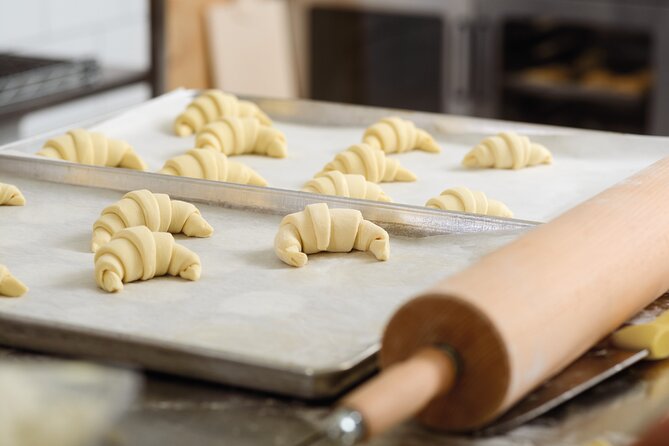
The strongest part of the class is the human contact. A chef is present to guide your hands, answer questions, and help when your dough does not behave.
Felix is praised for making the session interactive and fun. Lizzy is described as warm and welcoming, while Delphine earned high marks from a family with children aged 12 and 15. Leslie also received praise for leading a class that worked well for children.
Ines appears in especially useful feedback from a parent and child session. The instruction was clear and patient, and the class included extra pastries from dough remnants in that particular session, including cinnamon rolls. That sounds appealing, but treat it as a possible variation rather than a standard part of every class. The advertised menu is croissant, pain au chocolat, and pain au raisin.
You may also get a little Paris conversation along the way. The class can touch on French words, pastry customs, and local recommendations for what to see afterward. Several participants appreciated receiving suggestions for exploring the Marais once the baking was done.
More Cooking Classes in Paris:
- Paris: Montmartre Cheese, Wine & Pastry Guided Walking Tour
★ 4.8 · 2,255 reviews - Paris: French Croissant Baking Class with a Chef
★ 4.9 · 712 reviews - Paris Cooking Class: Learn How to Make Macarons
★ 5.0 · 634 reviews - Paris: French Macaron Culinary Class with a Chef
★ 4.9 · 591 reviews
A Good Choice For Families And First-Time Bakers
The class works for experienced bakers, but you do not need advanced skills. The instruction is designed for beginners who want to understand the process from the first fold to the final bake.
Children have also done well here. The feedback includes positive experiences with children aged seven, nine, 12, 13, and 15. A seven-year-old followed the instructions successfully, and a 13-year-old enjoyed taking the class with a parent.
For younger children, keep your expectations realistic. Laminated dough takes patience, and the work may involve repeated rolling and folding. The class is not a quick decorating activity. Adults should be ready to help younger children stay focused, especially during the slower parts of dough preparation.
Families get something useful from the class beyond a few hours of entertainment. You share a task, produce food together, and leave with a recipe booklet that can help you recreate the pastries at home. One parent and grandparent pair continued baking the pastries successfully months after returning home, which is a good sign for anyone hoping to turn the class into a lasting skill.
What The Recipe Booklet Adds
Each participant receives an illustrated booklet with the recipes. That is important because laminated dough is hard to remember from a single lesson.
The booklet gives you a reference for ingredients, stages, and shaping. You can look back at it when you try the recipe in your own kitchen rather than relying on a vague memory of what the chef did.
The recipe does not remove the need for practice. Home ovens, butter, room temperature, and flour can all affect the result. Still, leaving with written instructions makes this class more valuable than a one-time tasting.
If you want to recreate the experience at home, pay close attention during the folding and shaping steps. Those are the parts most likely to be rushed when you bake alone.
Drinks, Equipment, And What You Take Home
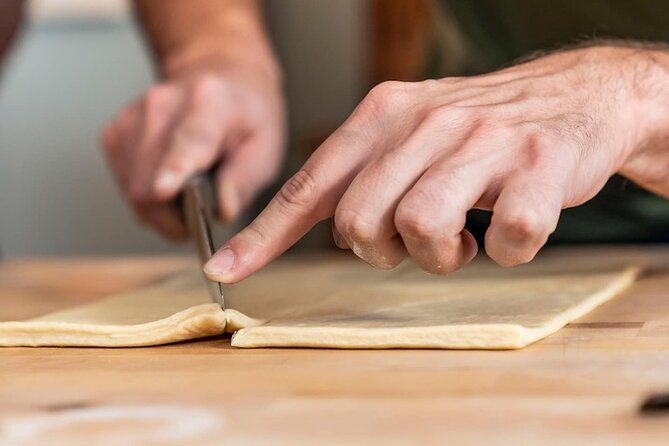
Aprons and utensils are supplied, so you do not need to bring baking tools. Hot and cold drinks are included throughout the workshop.
The baked goods are included for tasting, and you can take the remaining products away. This creates a practical issue: you may leave with more pastry than you expected. Bring a bag that can handle a box or wrapped baked goods, especially if you plan to continue sightseeing afterward.
The class includes adapted health and safety equipment, including hand solution and face masks. Requirements can change, so it is sensible to follow the instructions given at the studio on the day.
Private transportation is not included. The meeting point is near public transportation, and the central Marais location is easy to combine with other plans. Give yourself enough time to find 7 Rue de Béarn, collect your bearings, and arrive ready to start. A late arrival can make a dough-based class harder to follow because the stages build on one another.
Is $157.21 A Fair Price?
At $157.21 per person, this is not a bargain activity. You are paying more than the cost of buying several pastries at a Paris bakery.
The value comes from the teaching, equipment, ingredients, drinks, tasting, take-home products, and recipe booklet. You also get a small class rather than a crowded demonstration. If you care about food and want an activity you can repeat at home, the price becomes easier to justify.
I would compare it with other paid Paris activities, not with a bakery breakfast. A museum ticket gives you access to art. This class gives you a skill, a shared activity, and edible results. For a family or couple looking for a break from monuments and long walks, that can be worthwhile.
The value is weaker if you mainly want to eat a perfect croissant. Paris bakeries do that more cheaply and with less effort. The point here is to make the pastry, not simply consume it.
The Main Risk: Last-Minute Changes
Most of the available feedback is highly positive, but two serious complaints involve canceled or missed classes. In one case, the instructor did not appear and no advance notice was given. In another, the class was canceled on the day because the pastry chef became ill.
The provider offered an alternative location in the second case, but the replacement did not suit the booked participant. The provider also stated that class size was not the reason for the cancellation and that workshops sometimes run with only two participants.
This is not a reason to reject the class, but it is a reason to avoid booking it immediately before an important dinner, train, flight, or timed museum entry. Leave some flexibility in your Paris schedule. If the class is canceled, ask promptly about a refund or another available location.
The stated cancellation rule allows a full refund when you cancel at least 24 hours before the start time. Changes or cancellations made within 24 hours are not accepted for a refund.
How To Fit It Into A Paris Day
The class ends back at the starting point, so planning is simple. You can explore the Marais before or after the workshop without arranging a separate transfer.
A morning class leaves the rest of the day open for Place des Vosges, the Marais streets, or nearby museums. An afternoon class can serve as a pleasant change after a morning of sightseeing. Fresh pastries may also become your snack, dessert, or next breakfast.
Do not schedule a long walking tour immediately afterward if you expect to carry several pastries home. The class can produce a substantial amount of food, and the baked goods are best treated with a little care.
Because the class is in English, you can follow technical instructions without needing advanced French. A few French terms may appear during the session, especially around pastry names and culture, but the teaching is offered in English.
Who Should Book This Paris Baking Class?
I would recommend it most strongly to:
- Families with children who enjoy making things
- Couples looking for a shared activity beyond sightseeing
- First-time bakers who want patient guidance
- Experienced home bakers curious about French pastry methods
- Anyone who wants a practical souvenir rather than another photograph
- Visitors staying near the Marais or planning to explore Place des Vosges
I would think twice if you have a tight schedule, dislike hands-on work, or only want to sample pastries. The class involves preparation, rolling, shaping, and waiting for the oven. It is active, not a quick tasting stop.
The 96 percent recommendation rate and 4.9 rating from 910 reviews point to a very dependable experience overall. The repeated praise centers on the same things: small classes, patient chefs, clear instruction, tasty results, and strong family appeal.
Should You Book It?
Yes, if you want to learn a Paris skill rather than simply check off another sight. The class gives you three traditional pastries, direct instruction, drinks, recipes, and food to take away. The Marais location makes it easy to pair with a relaxed day in central Paris.
Book it early if your dates are fixed, since it is commonly reserved well ahead of time, with an average booking lead time of about 43 days. Keep a little room in your schedule in case an unexpected chef illness or location change affects the session.
At $157.21, this is a special-occasion activity, not a casual pastry run. For a family celebration, a parent-child outing, or a food-focused Paris day, I think the lasting skill and shared memory can make the cost worthwhile.
FAQ
Where does the croissant baking class begin?
The class begins at 7 Rue de Béarn, 75003 Paris, France, in the third arrondissement near Place des Vosges.
How long does the workshop last?
The workshop lasts approximately two hours and 30 minutes.
What pastries will I learn to make?
The advertised menu includes a croissant, pain au chocolat, and pain au raisin.
Is the class taught in English?
Yes. The experience is offered in English.
How many people are in the class?
The workshop is described as limited to eight participants, with a published maximum of 12 travelers. Some sessions may be smaller.
Are drinks and baking equipment included?
Yes. Hot and cold drinks, aprons, utensils, cooking supplies, instruction, and health and safety equipment are included.
Can I cancel for a full refund?
Yes, if you cancel at least 24 hours before the scheduled start time. Cancellations or changes made less than 24 hours before the start time are not refundable.
Recently added around Paris
- 2 hour outdoor group activity in Paris: SAINT GERMAIN★ 5.0 · 48 reviews
- Private Half-Day Guided Tour of Paris★ 4.5 · 48 reviews
- Paris Dinner Show Opera Bel Canto★ 4.5 · 48 reviews
- Paris Vintage Tour by Night on a Sidecar with Champagne★ 5.0 · 48 reviews
- Secrets & Scandals of the Louvre – Limited to 6 Guests★ 5.0 · 48 reviews
- Paris Photoshoot: Eiffel Tower Exclusive Private Experience★ 5.0 · 48 reviews
- Paris: Louvre Mona Lisa Discovery Guided Tour with Ticket★ 4.9 · 48 reviews
- From Paris: Versailles Full-Day Guided Tour with Lunch★ 4.9 · 48 reviews
Cooking Classes, compared.
Paris: Montmartre Cheese, Wine & Pastry Guided Walking Tour
Read our review →
Paris Cooking Class and Lunch with Wine plus Market Visit Option
Read our review →
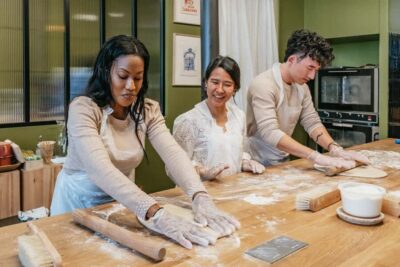
Paris: French Croissant Baking Class with a Chef
Read our review →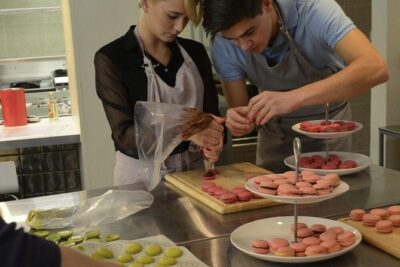
Paris Cooking Class: Learn How to Make Macarons
Read our review →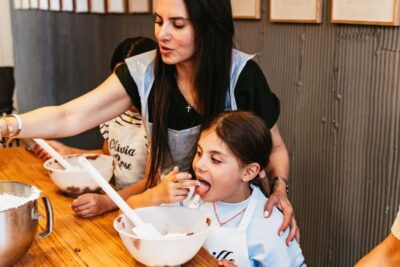
A Morning in Paris Food Tour: Croissants, Baguettes & Chocolate
Read our review →
Paris Evening Cooking Class French Dinner and Market Visit Option
Read our review →Browse the lists this tour appears in