
Reviewed · LAVENDER FIELD TOURS
Guided tour Distillery of Lavender between Nîmes & Arles
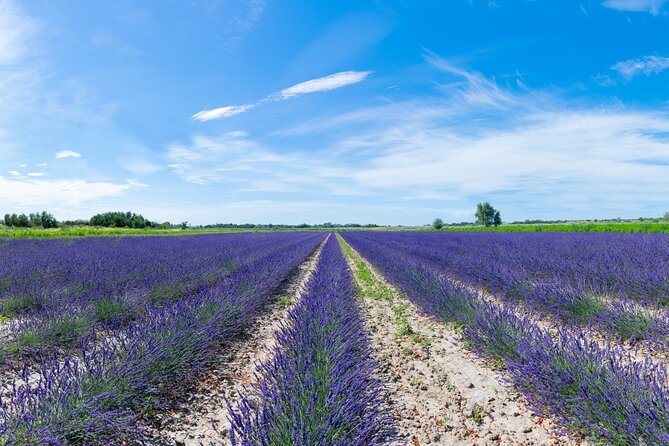
Lavender here is more than a pretty field. At un MAS en PROVENCE, you get a close look at how lavender, verbena, immortelle, rosemary, and other fragrant plants become essential oils and cosmetics. I like the mix of outdoor farm life and indoor distillery work, and I like that the guides explain the machinery in plain language rather than treating the place like a museum. The main thing to consider is the short one-hour format, which gives you a useful introduction but not a full agricultural workshop.
The tour also earns points for its very low price, about $9.65 per person, and its warm, family-friendly approach. Guides such as Sylvain and Betty are praised for their humor, clarity, and ability to involve children as well as adults. You should also allow time for the shop, since personalized advice and the chance to smell and compare products are an important part of the visit.
In This Review
- Key points to know before you book
- Why this small distillery is worth your time
- What happens during the one-hour visit
- Lavender, verbena, immortelle, and more
- From planter to harvester
- Inside the distillery: how essential oils are extracted
- Guides Sylvain and Betty make the difference
- A shop that adds value, not just temptation
- Why families may enjoy this stop
- Timing, location, and planning from Nîmes or Arles
- Is $9.65 a good value?
- Weather and cancellation details
- Who should book this distillery tour?
- Should you book un MAS en PROVENCE?
- FAQ
- Where does the lavender distillery tour take place?
- How long does the guided visit last?
- Is the tour offered in English?
- Is this a private tour?
- What plants are covered during the visit?
- Is the tour suitable for children?
- What happens if the weather is poor?
Key points to know before you book
- See how several plants become essential oils: Lavender is the star, but verbena, immortelle, rosemary, and other aromatic plants also enter the story.
- Meet guides who make the process easy to follow: Sylvain and Betty are specifically praised for their friendly, lively explanations.
- Move between fields and the distillery: The experience combines the Provençal Mas grounds, farming tools, production areas, and video material.
- A strong choice for families: Children as young as three and six were welcomed, with explanations designed for parents and young visitors alike.
- The visit ends where it starts: The meeting point is un MAS en PROVENCE, Le Mas Neuf, Avenue du Félibrige, 30127 Bellegarde.
- Plan around the weather: Poor weather can lead to a new date or a full refund, and cancellations made at least 24 hours ahead qualify for a full refund.
Why this small distillery is worth your time
The best reason to take this tour is that it connects a familiar French souvenir with the work behind it. Lavender sachets and essential-oil bottles are easy to buy all over Provence. Here, you learn about the plants, the tools, the harvest, and the extraction process before you reach the shelves.
That connection matters. You leave with a better sense of why one plant is grown, harvested, and distilled differently from another. The experience is not just a pretty stop for photographs. It explains how a working agricultural estate turns plants into useful products.
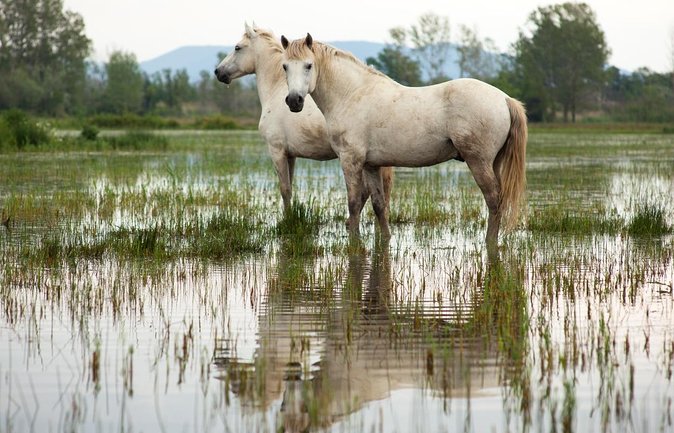
The setting is also part of the appeal. The property sits near Bellegarde, between Nîmes and Arles, in the Camargue area. The tour takes place at a Provençal Mas, a traditional estate setting, with fragrant fields and farm equipment providing the backdrop.
I would not choose this as your only lavender experience in southern France. It is too short for that. But if you are already visiting Nîmes, Arles, or the Camargue, this is a practical way to add a focused, low-cost look at local plant production.
More lavender field trips from France:
- Nice: Gorges of Verdon and Fields of Lavender Tour
★ 4.4 · 1,975 reviews - Nice: Gorges of Verdon and Fields of Lavender Tour
★ 4.0 · 342 reviews - From Marseille: Valensole Lavender Full-Day tour
★ 4.7 · 259 reviews
What happens during the one-hour visit
The scheduled experience lasts about one hour and begins at the distillery. The tour is private for your group, which gives it a more personal feel than a large public walk. The exact pace can depend on questions and the guide, and one visit ran longer because the guide took time to explain more rather than watching the clock.
That can be a benefit if you enjoy asking questions. It can also matter if you have a train, meal, or another timed booking soon afterward. I would leave a little breathing room rather than planning the next activity immediately after the stated end time.
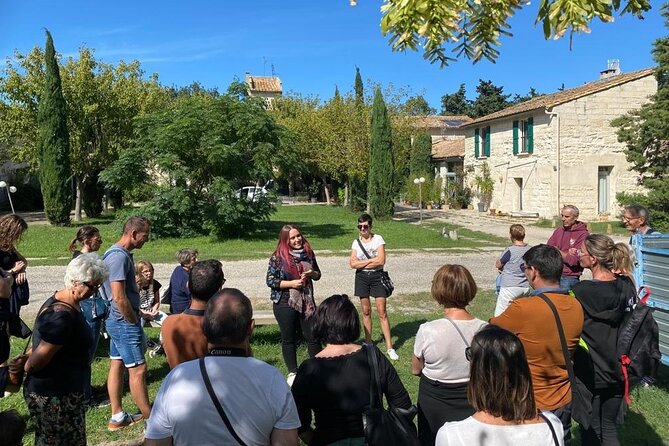
The visit moves between outdoor areas and indoor parts of the estate. One section introduces the fragrant plants grown there. Another looks at the tools used in farming, from planting through harvesting. You are not simply shown finished bottles. You are shown the chain of work that leads to them.
A video is also used as part of the explanation. The change between being outside, seeing the equipment, and watching a visual presentation helps keep the hour moving. It also makes the visit easier for children, who may not want a long technical talk in one room.
Lavender, verbena, immortelle, and more
Lavender naturally receives the most attention, but the range of plants makes the tour more useful. You learn that the estate works with verbena, immortelle, rosemary, and other aromatic plants as well.
That wider view is one of the strongest parts of the experience. You can compare different scents and learn that each plant has its own uses and qualities. The tour is especially worthwhile if you enjoy natural cosmetics, herbs, perfumes, or the practical side of farming.
The guide also introduces different varieties of lavender and explains their properties and functions. That is a useful distinction because lavender is often treated as one single crop. The visit gives you a clearer idea of why varieties matter and how the plant fits into local production.
The fragrant setting makes the subject easy to remember. You are not hearing an abstract lecture about plants in a city room. You are learning in the place where the plants are grown and processed.
From planter to harvester
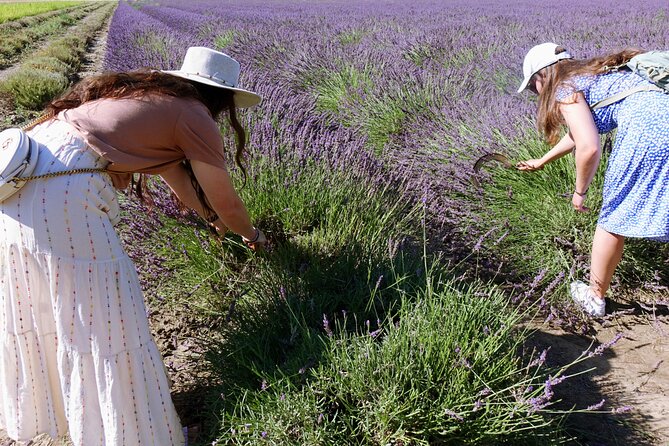
The farming tools help turn the tour from a scent-focused visit into a working-agriculture lesson. You get an introduction to equipment used at different stages, from planting to harvesting.
For adults, this gives context to the physical work behind the products. For children, it offers something concrete to look at and discuss. Several families found the explanations accessible for young children, including children aged three and six.
The guide may invite your group to take part rather than simply listen. Sylvain is praised for making the visit playful and involving the people in the group. That style works well here because the subject can otherwise become a list of plant names and machines.
The experience is educational without feeling like a formal class. You can ask about the purpose of a tool, the role of a particular plant, or how the estate handles essential-oil production. The amount of detail you receive may depend on the questions you bring.
A few more France trips worth weighing up
- Paris: Louvre Guided Tour with Reserved Access & Boat Cruise
★ 4.3 · 16,353 reviews - Louvre Museum Masterpieces Guided Tour with Access
★ 4.5 · 12,023 reviews - Louvre Museum – Exclusive Guided Tour (Entry Included)
★ 5.0 · 6,296 reviews - Versailles: Skip-the-Line Guided Palace Tour and Full Access
★ 4.6 · 5,214 reviews
Inside the distillery: how essential oils are extracted
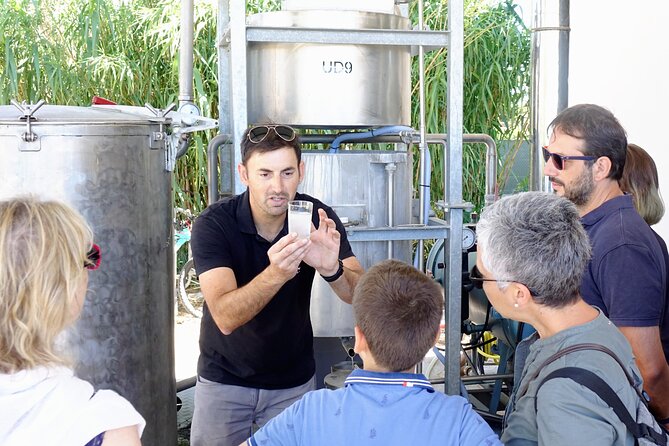
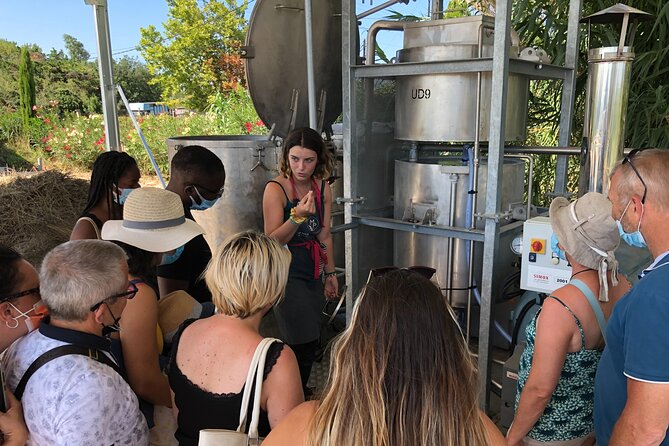
The most distinctive part of the visit is the explanation of distillation. The guide introduces the basic idea of extracting essential oils and explains how the estate aims for high-quality results.
You should not expect a full technical training course in one hour. Instead, think of this as a clear first lesson in how fragrant plant material becomes concentrated oil. The alchemist comparison is fitting in a simple, practical way: the process transforms fresh plants into small bottles with strong scents and specific uses.
The tour gives you a chance to connect the equipment with the final products in the shop. That makes the shopping portion feel less like a sales stop and more like the final step of the visit. You know what you are looking at and can ask better questions.
If you already know a great deal about chemistry or essential oils, you may find the explanation basic. For most people, though, the level appears well suited to a holiday visit, especially because the guides keep things lively and approachable.
Guides Sylvain and Betty make the difference
The guide is central to the experience. Sylvain is repeatedly praised for his clear explanations, humor, energy, and ability to involve the group. He has also been described as trilingual and able to translate quickly for people from different countries.
The tour is offered in English, but language ability can vary by guide and date. If you need detailed English interpretation, confirm that when booking. The available information does show a strong effort to welcome people from different backgrounds.
Betty is also praised for telling the story of the farm in a friendly way. Her warmth and helpful manner add to the feeling that you are visiting a family-run place, not passing through a production line.
The guides also highlight the wider region. They explain the estate while pointing out the strengths of local plant growing and the surrounding Camargue area. That regional focus adds value for anyone trying to understand more than the usual postcard version of Provence.
A shop that adds value, not just temptation
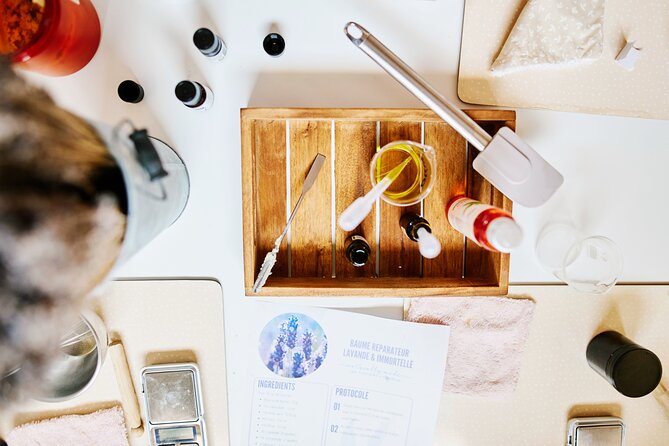
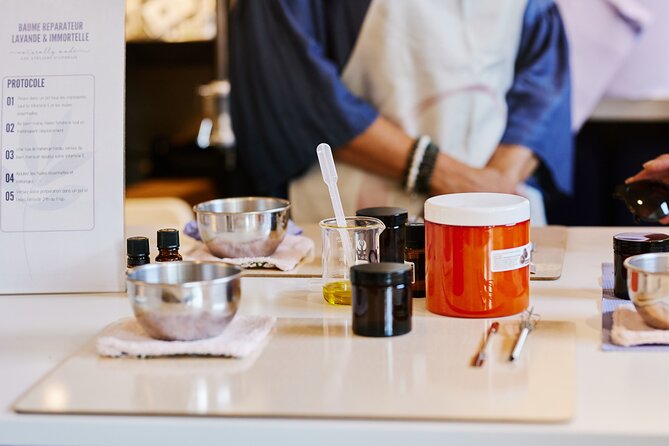
The visit continues in the on-site shop, where you can see products made from the plants discussed during the tour. You can also ask for personal advice about the products rather than choosing at random.
The shop is described as attractive, with good-quality products at reasonable prices. That does not mean you need to buy anything. The useful part is that the tour gives you enough background to understand what you are smelling and why one item might suit you better than another.
I would save some time for this section. If you rush away as soon as the guided portion ends, you miss part of what makes the stop worthwhile. The shop also lets you continue learning about the plants after the formal explanation is finished.
This is a good place to buy a practical souvenir, especially if you prefer something made locally to a generic lavender item. Still, keep your expectations sensible. The tour fee is low, but the cost of shop products is separate.
Why families may enjoy this stop
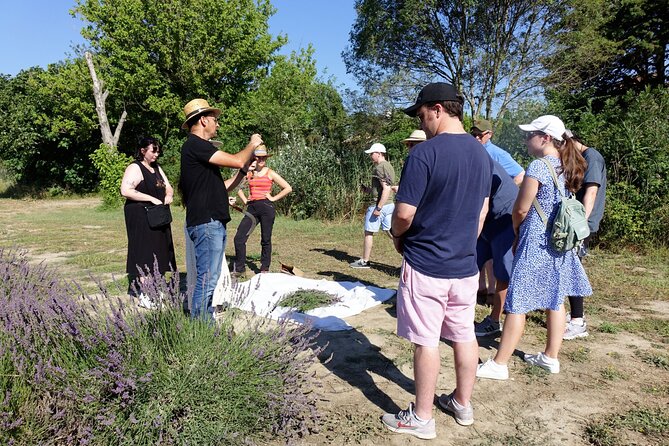
This is one of the better family choices among short agricultural visits because the subject works on several levels. Young children can smell plants, see tools, walk around the estate, and watch a video. Older children and adults can follow the explanations about cultivation and essential oils.
The visit is described as educational for both children and parents. That balance is important. A tour aimed only at young children can feel thin for adults, while a highly technical distillery talk can lose a family within minutes.
The private format helps here. Only your group participates, so the guide can respond to your children’s questions and adjust the pace more easily than in a large public group. The available details do not specify the maximum group size, so do not assume the meaning of private is a fully customized workshop.
Service animals are allowed, and most people can participate. No special physical requirements are listed. Since part of the tour takes place outdoors and the experience depends on good weather, sensible clothing and a weather check are wise, though specific clothing rules are not provided.
Timing, location, and planning from Nîmes or Arles
The meeting point is un MAS en PROVENCE Distillerie d’huiles essentielles BIO & Cosmétique en Occitanie, at Le Mas Neuf, Avenue du Félibrige, 30127 Bellegarde, France. The activity returns to this same point.
Although the experience is marketed around Nîmes and Arles, the listed address is in Bellegarde. Check your route carefully before setting out, especially if you are relying on a taxi or public transport. The supplied details do not specify transport arrangements, parking, or a pickup service, so you should not count on transportation being included.
The stated duration is approximately one hour. It is short enough to fit into a day around the Camargue, but the guide may run over if the group is engaged and the explanation takes longer.
Bookings are made, on average, about 17 days ahead. That figure is useful as a planning hint, not a guarantee that last-minute places will be unavailable. If the tour is important to your schedule, booking ahead is the safer choice.
Confirmation is provided at booking. The tour is offered in English, and the private format means only your own group takes part.
Is $9.65 a good value?
At around $9.65 per person, the price is unusually modest for a guided private experience. The fee includes admission to the one-hour visit, covering the fields, cultivation tools, distillery explanation, and guided introduction to the plants.
The value is strongest if you are already near Bellegarde and interested in local production. You get a guide, a working estate, and a shop visit for less than the cost of many large attractions.
The value is weaker if reaching the Mas requires a long or expensive detour. The tour itself is inexpensive, but your total cost includes transport and time. I would pair it with other Camargue or nearby activities rather than making a long journey only for a one-hour visit.
You should also see the price as an introduction, not an all-day attraction. If you want hands-on plant work or a longer lesson, the estate offers workshops, but those are separate from this tour and are not included in the stated price.
Weather and cancellation details
Good weather is required for the experience. If poor conditions cause the tour to be canceled, you are offered another date or a full refund.
You can cancel for a full refund if you do so at least 24 hours before the start time. Cancellations or changes made less than 24 hours before the start are not accepted for a refund.
The cut-off follows local time. The experience also requires a minimum number of participants. If that minimum is not reached, you are offered another date or experience, or a full refund.
These rules are straightforward, but the weather clause matters because the tour includes outdoor areas. If your schedule is tight, keep the cancellation deadline in mind.
Who should book this distillery tour?
I would recommend it to you if you enjoy:
- Small-scale farm visits with a clear connection to local products
- Lavender, herbs, perfumes, natural cosmetics, or essential oils
- Short activities that fit into a larger Nîmes, Arles, or Camargue day
- Family outings with children who need variety and participation
- Buying souvenirs after learning how they are produced
- Friendly guides who explain without heavy technical language
I would be more cautious if you want a long lavender-field excursion, a formal chemistry demonstration, or a full-day agricultural tour. The one-hour format gives you a pleasant introduction, not an exhaustive study.
Should you book un MAS en PROVENCE?
Yes, if you are nearby and want an affordable, personal look at Provençal plant production. The strongest reasons are the low price, the private format, the attractive Mas setting, and guides such as Sylvain and Betty, who bring warmth and clarity to the subject.
Book it as a focused stop, not as the centerpiece of an entire day. Allow time for the shop, leave a little flexibility after the scheduled hour, and confirm English guidance if that matters to you. For families and curious shoppers, this small distillery visit offers real value without taking much time from the rest of southern France.
FAQ
Where does the lavender distillery tour take place?
The tour starts and ends at un MAS en PROVENCE Distillerie d’huiles essentielles BIO & Cosmétique en Occitanie, Le Mas Neuf, Avenue du Félibrige, 30127 Bellegarde, France.
How long does the guided visit last?
The visit lasts approximately one hour. It may run longer if the guide takes extra time to explain the estate or answer questions.
Is the tour offered in English?
Yes. English is one of the offered languages. The available information also describes Sylvain as trilingual and able to translate quickly for foreign-language participants.
Is this a private tour?
Yes. Only your group participates in the private tour or activity.
What plants are covered during the visit?
The visit covers lavender, verbena, immortelle, rosemary, and other fragrant plants grown at the Provençal Mas.
Is the tour suitable for children?
Yes. The experience is described as suitable for children and adults, and families with children aged three and six participated.
What happens if the weather is poor?
If poor weather causes the experience to be canceled, you are offered a different date or a full refund.
Recently added around France
- The essential in Bordeaux, private tour with a local★ 4.9 · 48 reviews
- Avignon, Les Baux, St Remy and Arles from MARSEILLE★ 4.5 · 48 reviews
- Visit Avignon and Villeneuve lez Avignon aboard a Double-Decker Bus★ 4.0 · 48 reviews
- 2 hour outdoor group activity in Paris: SAINT GERMAIN★ 5.0 · 48 reviews
- Private Half-Day Guided Tour of Paris★ 4.5 · 48 reviews
- Blind Test Room & karaoke Montpellier★ 5.0 · 48 reviews
- Paris Dinner Show Opera Bel Canto★ 4.5 · 48 reviews
- Cannes: Lérins Islands Private Boat Tour★ 4.9 · 48 reviews
Lavender Field Tours, compared.
Nice: Gorges of Verdon and Fields of Lavender Tour
Read our review →Nice: Gorges of Verdon and Fields of Lavender Tour
Read our review →
From Marseille: Valensole Lavender Full-Day tour
Read our review →
Provence Lavender Fields Tour from Aix-en-Provence
Read our review →
From Avignon: Half-Day Lavender Tour of Luberon
Read our review →
From Aix-en-Provence: Valensole Lavender Full-Day Tour
Read our review →
Browse the lists this tour appears in