
Reviewed · MUSéE D'ORSAY TICKETS
Musée d’Orsay Skip-the-Line Tour with Expert Guide
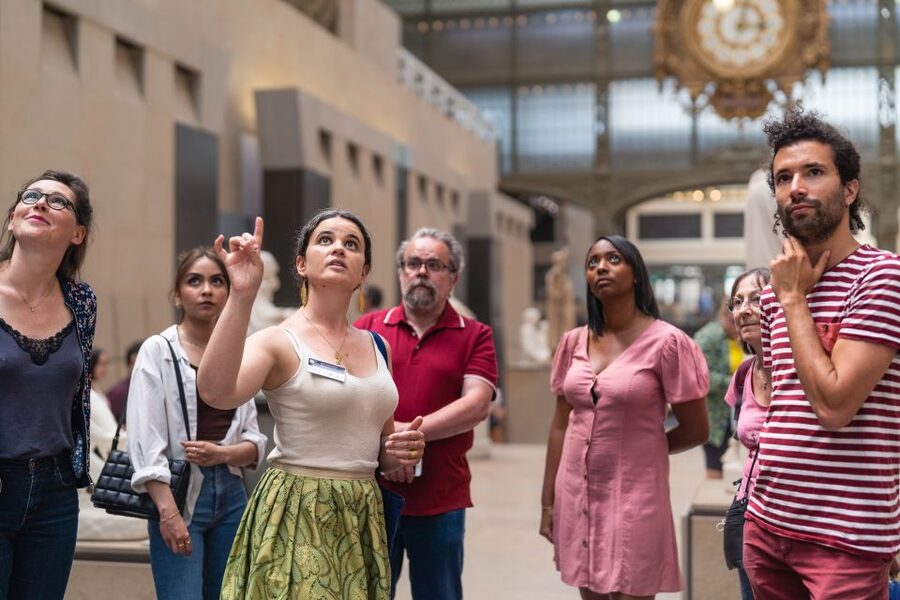
Art feels different inside a railway station. The Musée d’Orsay combines a grand Beaux-Arts setting with the artists who turned modern painting upside down. I especially like the dedicated museum entrance and the way guides connect famous canvases to the scandals, politics, and personalities behind them.
The tour costs $82 per person and lasts about 90 to 150 minutes, with the guided portion listed at 1 hour 45 minutes. I also like that you can remain inside after the tour and continue at your own pace. The main drawback is time: the Orsay is large, and several people found the pace brisk, especially when guides spoke quickly or the galleries were packed.
- A railway station turned art museum: The building itself gives the visit a memorable start, with its former transportation hall now filled with 19th and early 20th-century art.
- A clear route through Impressionism: The guide links Manet, Monet, Renoir, Degas, and Van Gogh instead of treating each painting as an isolated object.
- Stories beyond the frame: Social scandals, private lives, artistic rivalries, and changing public taste help explain why these paintings once caused outrage.
- Strong guide performances: Anthony, Avi, Perrine, Sarah, Sara, Simone, Sophia, Fanny, and others received praise for warmth, clarity, and command of the collection.
- Useful in heavy crowds: Guides are expected to find good viewing positions and keep the group together, even when the museum is crowded.
- Extra time after the tour: You can stay in the museum after the guided visit, giving you a chance to return to favorite works or see more rooms.
In This Review
- Why the Musée d’Orsay Feels Different
- Meeting Your Guide Beside the Main Entrance
- The First 15 Minutes: Building, Station, and Setting
- Impressionism Before It Became Popular
- Manet, Monet, Renoir, and Degas
- Van Gogh and the Later Galleries
- How Guides Shape the Experience
- Crowds, Timing, and the 90 to 150 Minute Range
- Is $82 Good Value?
- Who Should Book This Tour?
- Final Verdict: A Strong First Look at the Orsay
- FAQ
- How long does the Musée d’Orsay tour last?
- What language is the tour conducted in?
- What does the $82 price include?
- Can I remain in the museum after the guided tour?
- Where is the meeting point?
- Should I join the museum entrance line?
- Which public transport stations are closest?
- Can I bring luggage or a large bag?
- Can wheelchair users take this tour?
Why the Musée d’Orsay Feels Different
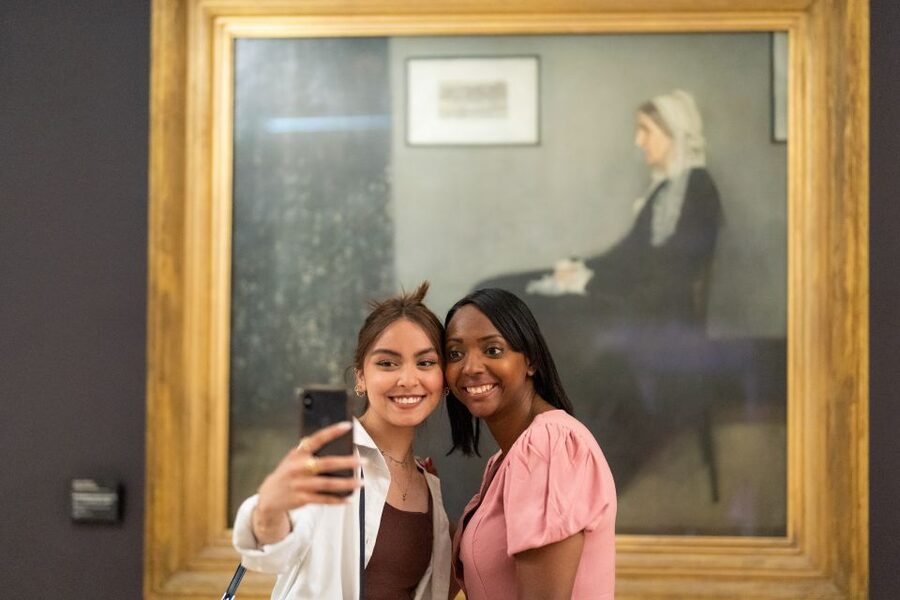
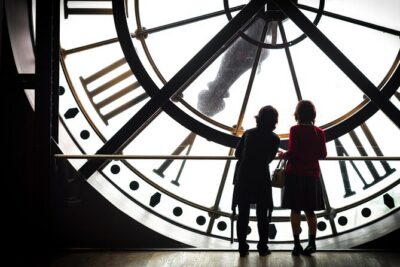
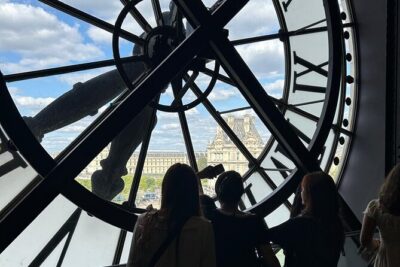
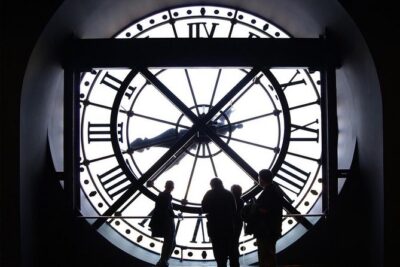
The Musée d’Orsay is not simply a container for famous paintings. It occupies a magnificent Beaux-Arts railway station built for the World’s Fair, and that setting shapes the whole visit.
The huge former station hall gives the museum a sense of scale. You are not moving through a plain series of white rooms. The building’s past as a place of movement and modern engineering fits the art inside, much of which was made during a period when Paris was changing fast.
The museum is especially important for art from the era when traditional academic rules began to weaken. Artists paid more attention to modern life, ordinary people, changing light, quick brushwork, and personal vision. That shift did not happen quietly. The paintings now treated as cultural treasures could once look careless, strange, or even insulting to the public.
That is why a guided visit helps. You can admire a Monet on your own, but a good guide can explain why visible brushstrokes and scenes of everyday life seemed so radical at the time. The best guides turn a collection of famous names into a story about artists testing the limits of what painting could be.
The Orsay is often described as a favorite museum among Parisians. That makes sense. It is easier to cover than the Louvre, yet it offers an exceptional concentration of major artists. You get a grand building, a focused period, and paintings that helped define the way modern art developed.
Meeting Your Guide Beside the Main Entrance
The meeting point is opposite the main entrance to the Musée d’Orsay, beside the entrance to the Legion d’Honneur Museum. Your guide wears a guide badge on an orange lanyard and waits by the entrance.
This detail matters because you should not join the museum lines. The tour includes a dedicated entrance and admission, so arriving at the wrong queue can create needless confusion. The nearest public transport options are the RER Musée d’Orsay station on Line C and Solférino station on Metro Line 12.
Give yourself enough time to locate the meeting point. The instructions are specific, but the area has several museum entrances and pedestrian routes. Look for the guide with the orange lanyard rather than assuming the longest line is yours.
Large bags and luggage are not allowed. Pack lightly, especially if the museum is one stop in a day filled with train travel or hotel changes. The experience is not suitable for wheelchair users, so accessibility should be considered before booking.
More Musée d'Orsay tickets:
- Paris in a Day: Louvre or Orsay, Eiffel Tower, City Walk & Cruise
★ 5.0 · 1,956 reviews - Paris: Musée d’Orsay Skip-the-Line Tour with Expert Guide
★ 4.5 · 1,145 reviews - The Musée d’Orsay Guided Tour Orsay Museum Semi-Private 6ppl Max
★ 5.0 · 904 reviews
The First 15 Minutes: Building, Station, and Setting
A good guide begins by helping you understand the building. That opening context is more useful than rushing straight toward the first famous painting.
The former station gives the museum its character. Its monumental architecture reflects the confidence of the era, while the artworks inside show artists questioning older ideas of beauty and technique. The contrast is part of the pleasure: a formal public building houses paintings that once seemed disruptive.
Several guides were praised for explaining the museum’s story along with the art. That balance is important. If the tour focuses only on artists and paintings, you miss why the building feels so unusual. If it focuses only on architecture, you lose the artistic turning point that makes the Orsay essential.
The opening also helps you get your bearings. The museum can feel confusing when you first enter, especially during busy periods. A guide gives you a route through the main rooms instead of leaving you to guess which staircase or gallery leads to the major works.
Impressionism Before It Became Popular
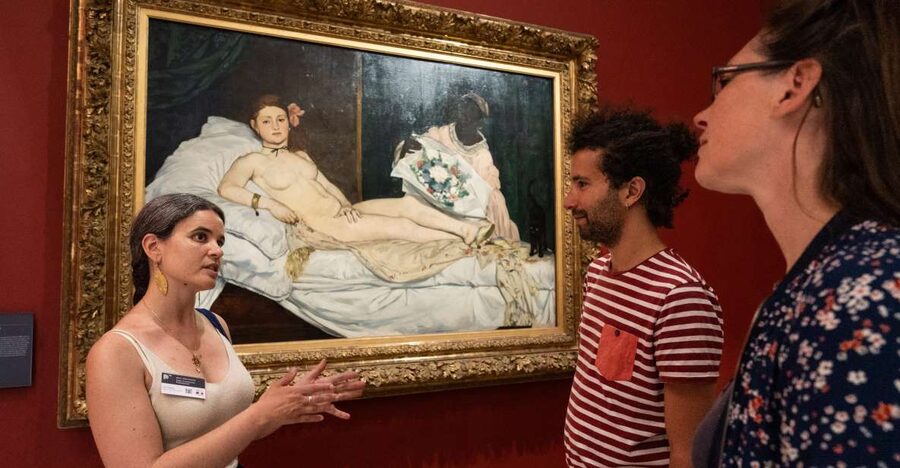
The central theme is the shock Impressionist art once created. Today, a peaceful scene by Monet or Renoir may feel familiar. At the time, loose brushwork, bright color, and scenes of modern life challenged the polished style favored by official art institutions.
The guide explains how artists such as Monet, Manet, Renoir, and Degas moved away from strict tradition. Their subjects could include city life, leisure, performers, workers, and ordinary moments. Their methods made the act of painting more visible, rather than hiding every brushstroke beneath a smooth finish.
This is where the tour offers real value. You are not just told that Impressionism was revolutionary. You learn what made it appear revolutionary. The social setting matters, too. The artists were not working in a vacuum, and their personal relationships, public disputes, and changing circles of influence affected what they painted.
Suzette from the United States particularly appreciated the stories about scandals during the Impressionist era and the artists who influenced those who came later. That kind of explanation gives you a way to look at the paintings. You begin to notice not only color and light, but also the arguments taking place behind the canvas.
The strongest guides keep this material lively without turning the tour into gossip. Avi was praised for adding details about controversial behavior in a polite way, while Simone was appreciated for explaining the period and the private lives of artists in a way that clarified their work.
Manet, Monet, Renoir, and Degas
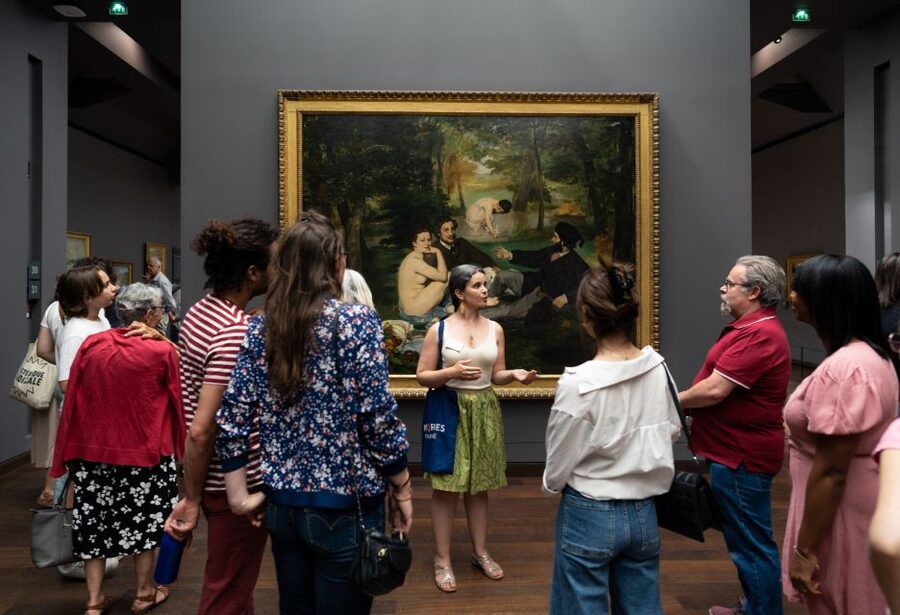
The route includes the major Impressionist names, but the point is not simply to collect famous paintings. A guide helps you see the differences between the artists.
Manet’s role is tied to the challenge against old artistic rules. Monet pushed attention toward light and changing visual impressions. Renoir brought people and social life into scenes that feel lively and immediate. Degas often approached modern life from a different angle, with an interest in movement, performance, and unusual viewpoints.
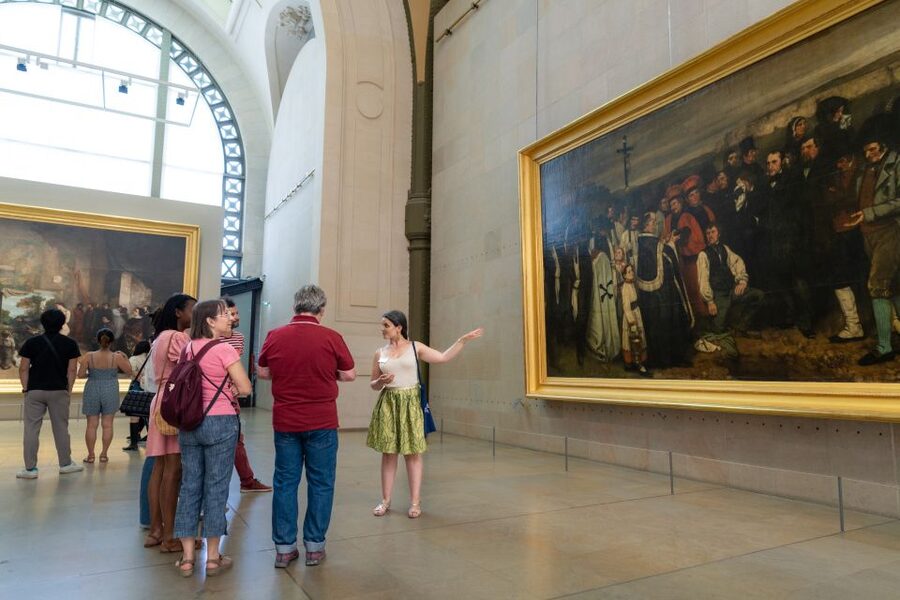
The museum’s major works can attract thick crowds. Several guides earned praise for moving groups through busy rooms while securing useful viewing positions. Barbara from the United States noted that the museum was extremely crowded, but the guide still handled the route well. Susan appreciated the headsets, especially for older ears, and said they made it easier to follow the guide.
That equipment can make a real difference. You do not need to stand shoulder to shoulder with the guide to hear. Still, headsets do not solve every problem. You may need patience while waiting for a clear view, and a fast group can make it hard to pause at every painting that catches your eye.
More skip-the-line tickets in Paris:
- Versailles: Skip-the-Line Tour of Palace with Gardens Access
★ 4.7 · 9,778 reviews - Versailles: Skip-the-Line Guided Palace Tour and Full Access
★ 4.6 · 5,214 reviews - Louvre Museum: Skip-the-Line Small Group Guided Tour
★ 4.6 · 3,960 reviews - From Paris: Versailles Skip-the-Line Tour & Gardens Access
★ 4.7 · 3,011 reviews
Van Gogh and the Later Galleries
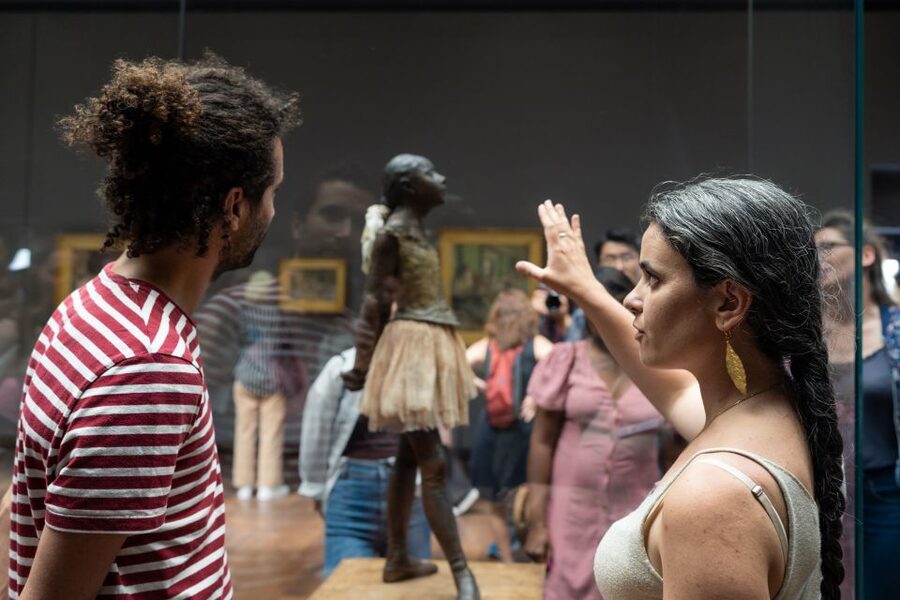
The tour also leads toward Van Gogh and the artists who followed the Impressionist break with tradition. His work gives the story a different emotional force, with stronger personal expression and a more intense treatment of color and form.
A guide can show you how the earlier experiments opened doors for later painters. The movement is not presented as one neat school with one fixed style. Instead, you see a chain of ideas, reactions, and new choices.
Van Gogh was a clear priority for one family whose seven-year-old daughter already loved his work. Their guide, Sarah, adjusted the route to begin with the Impressionist galleries before the crowds grew and gave the family extra attention around their interests. That is a useful sign for parents: a good guide may be able to respond to a child’s enthusiasm instead of delivering a rigid speech.
Another guest said Fanny accompanied the group through the Van Gogh section before leaving them to explore independently. That detail is worth noting. The precise ending can vary by guide and group, so listen carefully to where the guided portion finishes.
The later galleries can be especially rewarding if you already know a little about Van Gogh. You may find yourself comparing his brushwork and color choices with the artists introduced earlier. The tour gives you the framework, then your remaining museum time lets you look more slowly.
How Guides Shape the Experience
The clearest strength of this experience is the quality of its guides. Anthony was praised repeatedly for passion, humor, patience, and clear explanations. Avi received similar praise for making art history entertaining and approachable. Perrine, Sara, Sophia, Matilde, Pauline, Marjolein, Carolina, and others were also singled out for warmth and strong presentation.
That range matters because an art tour can fail even in a great museum if the guide simply recites dates. Here, the most successful guides explain motivations, relationships, historical pressures, and visual choices.
One guide remembered each person’s name and used them during the tour. Another handled a group ranging from teenagers to people in their seventies, keeping the presentation clear for everyone. A family also appreciated that Sarah kept a seven-year-old engaged and took a few family photos.
The experience is in English. Clear speech is important, and most comments about the guides emphasize that they were easy to follow. Still, the pace is not always ideal. One person found 90 minutes too short and felt the guide spoke too quickly. Another recommended slowing down between rooms so the group could look at other works along the way.
I would treat the tour as a guided introduction, not a complete study of the museum. You will see the main highlights and gain a useful structure, but you will not have time for every artist or room in detail.
Crowds, Timing, and the 90 to 150 Minute Range
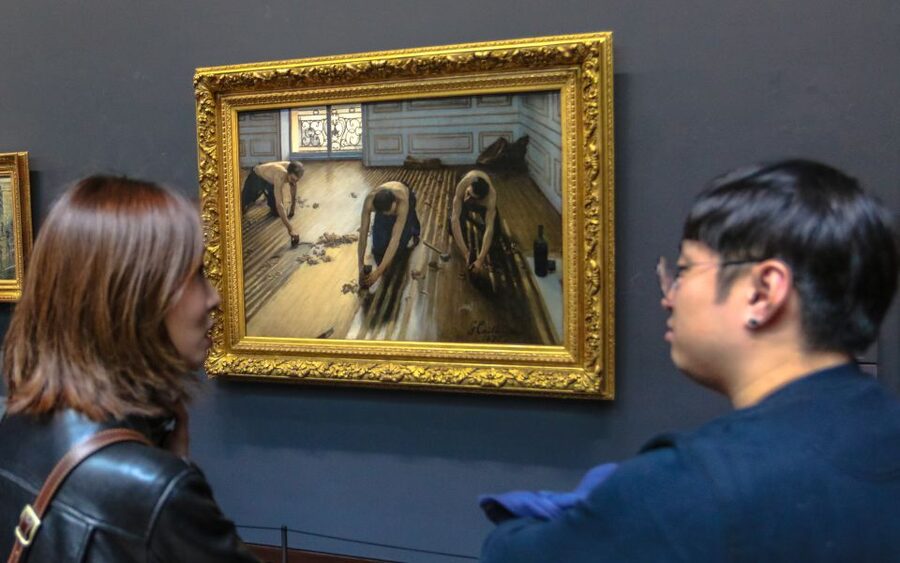
The stated duration is 90 to 150 minutes, while the guided tour itself is listed as 1 hour 45 minutes. Check the available start time when booking, since the exact length and schedule can vary.
Crowds are the biggest practical variable. Some groups enjoyed a nearly empty main gallery when they entered early. Others had to work through packed rooms. A guide can steer you toward a better vantage point, but no tour can make a popular museum empty.
If you care most about viewing famous paintings without constant interruption, an early start may be worth seeking when available. If you prefer to linger, allow yourself plenty of time after the guided section. The freedom to remain inside is one of the best features of the arrangement.
Do not plan a tightly packed afternoon around an exact finish time. One person had a tour canceled and was offered a later departure, creating a three-hour wait and disrupting the day’s plans. That appears to be an exception rather than the normal experience, but it shows why some flexibility is wise.
Is $82 Good Value?
At $82 per person, this is not the cheapest way to enter the Musée d’Orsay. You are paying for more than admission: a dedicated entrance, an accredited local guide, headsets when appropriate, and a structured route through a major collection.
The value is strongest if art history is not your specialty. A guide can help you avoid wandering past important works without understanding their significance. You also save the mental effort of planning your own route through a large museum.
The price is harder to justify if you already know the Impressionist period well or prefer to spend an hour studying one painting. The tour moves through many highlights, and its purpose is breadth with context rather than long, quiet concentration.
I see it as a good first visit for someone with limited time in Paris. You receive an organized introduction, then stay inside to revisit the works that mattered most to you. That combination makes the cost more reasonable than a simple short entry visit.
Who Should Book This Tour?
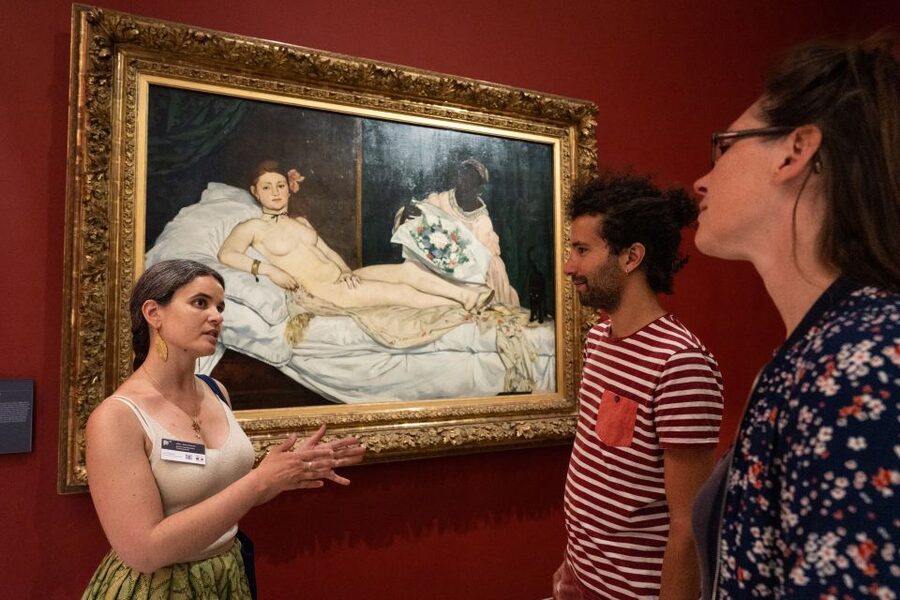
I would recommend it to first-time visitors, art lovers who want historical context, couples with limited museum time, and families who would benefit from a guide who can adapt the route.
It also suits people who find large museums tiring or confusing. The guide handles navigation, explains what deserves attention, and keeps you moving when the rooms are crowded.
Families should make your child’s interests clear at the start. Sarah’s adjustment for a child interested in Van Gogh shows how much better the experience can be when the guide knows what will hold attention.
I would hesitate if you use a wheelchair, need to bring luggage, or want a slow, highly specialized examination of one artist. The tour is also less suitable if you dislike group pacing or prefer complete control over your museum route.
Cancellation is free up to 24 hours before departure, but missed tours do not qualify for a refund. You can reserve and pay later, which helps if your Paris schedule is still changing.
Final Verdict: A Strong First Look at the Orsay
You should book this tour if you want the Musée d’Orsay to make sense quickly. The museum is worth visiting on its own, but a strong guide adds the missing links: why Impressionism shocked the public, how artists influenced one another, and how social change shaped the art.
The experience is not perfect. Ninety minutes to 1 hour 45 minutes can feel rushed, crowd levels vary, and some guides may speak faster than you prefer. Still, the combination of skip-the-line access, excellent guide performances, major highlights, and unlimited time afterward makes this a sensible choice for a first visit.
If you go, arrive at the Legion d’Honneur entrance, look for the orange lanyard, keep your bags small, and plan to stay after the guided portion. That final extra time is where the tour pays off: you can return to the paintings you saw quickly and enjoy the Orsay at your own pace.
FAQ
How long does the Musée d’Orsay tour last?
The activity duration is listed as 90 to 150 minutes. The guided portion is described as 1 hour 45 minutes, so check the available start time and schedule when booking.
What language is the tour conducted in?
The live guided tour is conducted in English.
What does the $82 price include?
The price includes the guided Musée d’Orsay visit, an accredited local guide, entrance fees, a dedicated entrance, and headsets when appropriate.
Can I remain in the museum after the guided tour?
Yes. You can stay as long as you like after the tour and continue exploring the permanent collection or visit a temporary exhibition.
Where is the meeting point?
Meet opposite the main entrance to the Musée d’Orsay, next to the entrance of the Legion d’Honneur Museum. The guide wears a badge on an orange lanyard.
Should I join the museum entrance line?
No. Do not get in the museum lines. Look for your guide at the stated meeting point.
Which public transport stations are closest?
The nearest stations are Musée d’Orsay on RER Line C and Solférino on Metro Line 12.
Can I bring luggage or a large bag?
No. Luggage and large bags are not allowed.
Can wheelchair users take this tour?
The activity is not suitable for wheelchair users.
Recently added around Paris
- Private Half-Day Guided Tour of Paris★ 4.5 · 48 reviews
- 2 hour outdoor group activity in Paris: SAINT GERMAIN★ 5.0 · 48 reviews
- Paris Dinner Show Opera Bel Canto★ 4.5 · 48 reviews
- Paris Vintage Tour by Night on a Sidecar with Champagne★ 5.0 · 48 reviews
- Secrets & Scandals of the Louvre – Limited to 6 Guests★ 5.0 · 48 reviews
- Paris Photoshoot: Eiffel Tower Exclusive Private Experience★ 5.0 · 48 reviews
- From Paris: Versailles Full-Day Guided Tour with Lunch★ 4.9 · 48 reviews
- Paris: Louvre Mona Lisa Discovery Guided Tour with Ticket★ 4.9 · 48 reviews
Musée d'Orsay Tickets, compared.
Paris in a Day: Louvre or Orsay, Eiffel Tower, City Walk & Cruise
Read our review →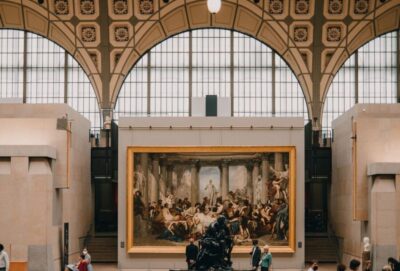
Paris: Musée d’Orsay Entry Ticket and Seine River Cruise
Read our review →
Paris: Musée d’Orsay Skip-the-Line Tour with Expert Guide
Read our review →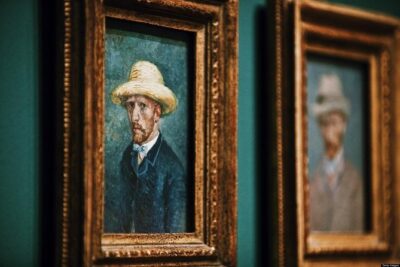
The Musée d’Orsay Guided Tour Orsay Museum Semi-Private 6ppl Max
Read our review →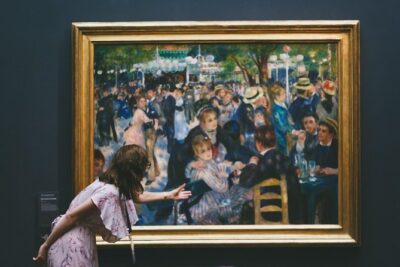
Louvre & Musée d’Orsay Guided Museum Tour Semi-Private 6ppl Max
Read our review →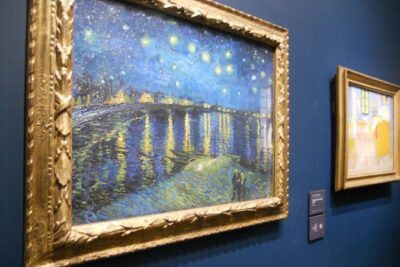
Orsay Museum – Exclusive Guided Tour (Reserved Entry Included)
Read our review →Browse the lists this tour appears in