
Reviewed · NOTRE DAME TOURS
Notre-Dame Cathedral Exterior & Latin Quarter Guided Tour
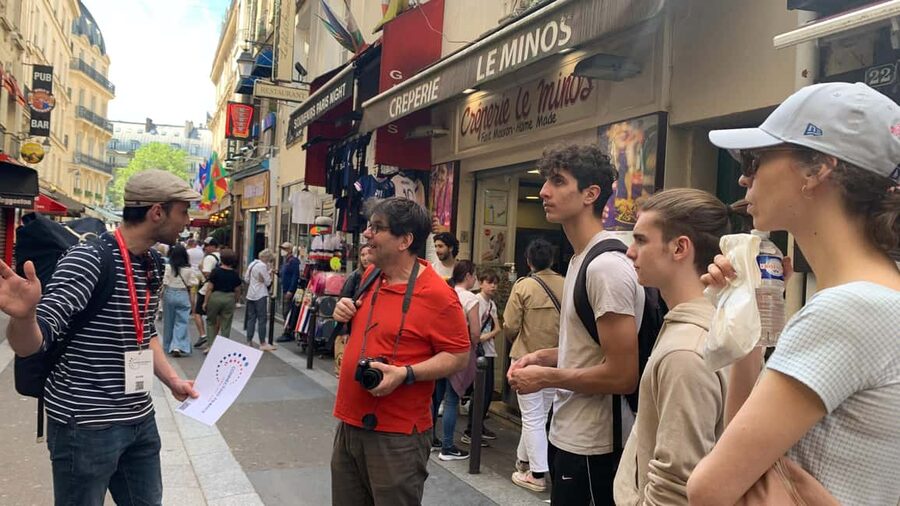
Paris reveals itself on foot. This two-hour walk links Roman ruins, Gothic churches, student streets, grand monuments, and Notre-Dame in one compact route through the city’s oldest quarters. With a maximum of 11 people, it feels far more personal than a large city tour.
I especially like the mix of ancient Lutetia and medieval Paris, and I like that guides such as Benjamin, Pilou, and Pierre bring local stories and strong historical context to the walk. The main drawback is pace: there is a lot to cover in two hours, and some visitors may find the commentary quite academic or feel that the tour needs more time.
In This Review
- The essential details at a glance
- Why this walk works for first-time Paris visitors
- Starting at Place Saint-André des Arts
- Fontaine Saint-Michel and the first layer of Paris
- St. Séverin Church and Gothic detail
- The Cluny Roman Baths and Roman Lutetia
- La Sorbonne and the intellectual Latin Quarter
- The Panthéon and France’s national memory
- A historic street toward the Seine
- St. Julien le Pauvre beside Notre-Dame
- Notre-Dame from the outside
- Is the optional Seine cruise worth adding?
- Price, group size, and overall value
- Who should book this Latin Quarter tour?
- Booking advice and final verdict
- FAQ
- How long is the guided walking tour?
- What language is the tour conducted in?
- Where does the tour start?
- Is entry to Notre-Dame included?
- Are monument and museum admission tickets included?
- Is the Seine cruise included?
- Is the tour suitable for people with mobility impairments?
The essential details at a glance
- A small group of up to 11 people makes it easier to hear the guide and ask questions.
- The route covers several centuries, from the Roman baths and medieval churches to the 2019 Notre-Dame fire.
- Guides receive the strongest praise, with Benjamin, Pilou, and Pierre noted for their warmth, energy, and command of French history.
- Notre-Dame is viewed from outside only, so this is not a substitute for an interior visit.
- The walk is flat but fast paced, and comfortable shoes are important.
- An optional one-hour Seine cruise adds views of the Eiffel Tower, Louvre, Musée d’Orsay, Les Invalides, and more.
Why this walk works for first-time Paris visitors
The Latin Quarter can feel confusing at first. Its narrow streets, old churches, university buildings, bookshops, cafés, and courtyards do not follow the tidy layout of a grand boulevard district. That is exactly why a guide helps.
This route gives you a clear story. You begin at Place Saint-André des Arts, move toward the Roman and medieval center of Paris, climb to the Panthéon, then return toward the Seine and Notre-Dame. The walk is not just a series of photo stops. It shows how Paris grew from Roman settlement to medieval religious center, then into a capital of ideas, politics, and national memory.
The English-speaking guides are the heart of the experience. Several guides are praised for answering questions patiently and making the history easy to follow. Pilou is described as lively and approachable, while Benjamin receives repeated praise for his energy, charm, and ability to explain the past in a clear way. One guide was born in the area, which can add a useful local angle to streets that otherwise look like ordinary Paris scenery.
You should expect a strong stream of information. That suits history fans, architecture lovers, and anyone who wants context beyond a quick photograph. If you prefer a slow walk with plenty of unstructured time, the schedule may feel tight.
More Notre Dame visits:
- Paris Île de la Cité and Notre-Dame Walking Tour With Crypt
★ 5.0 · 2,272 reviews - Paris: Eternal Notre-Dame VR Experience Ticket
★ 4.4 · 1,150 reviews - Paris: Notre-Dame Cathedral Exterior Tour & Free Entrance
★ 3.7 · 1,010 reviews
Starting at Place Saint-André des Arts
The meeting point is in front of Café G at Place Saint-André des Arts. Look for the guide holding a sign marked Connecting France. This is a central spot, but traffic can be slow, so public transport or walking is a safer choice than relying on a taxi or rideshare at the last moment.
The square gives you a good introduction to the neighborhood. From here, the streets begin to narrow and the atmosphere shifts away from the broad ceremonial Paris seen around the Champs-Élysées. You are entering a district shaped by students, writers, churches, and centuries of ordinary city life.
Arrive ready to walk. The tour runs in rain or shine, and the company specifically advises comfortable shoes and weather-appropriate clothing. The route is described as flat walking, but it is not suitable for people with mobility impairments. A private tour may be worth considering if you need a slower pace or more flexibility.
Fontaine Saint-Michel and the first layer of Paris
The walk begins near Fontaine Saint-Michel, one of the area’s most dramatic public monuments. Its central figure is the Archangel Michael defeating the Devil, a striking image set into a grand 19th-century fountain.
This is a useful opening stop because it puts modern Parisian city design beside the older streets of the Latin Quarter. Your guide can explain the fountain’s place in the neighborhood and use it as a starting point for the political, religious, and architectural changes that shaped the area.
The fountain is also a practical orientation point. From here, the walk heads through smaller streets toward St. Séverin Church. Keep your eyes up and around you. The route is as much about the feel of the district as it is about formal monuments.
St. Séverin Church and Gothic detail
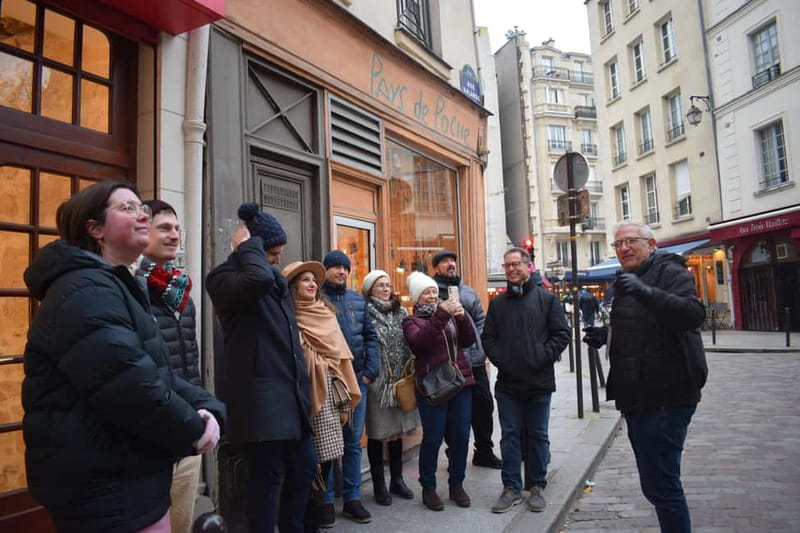
St. Séverin Church is one of the most rewarding stops for visitors who enjoy architecture. It is less famous than Notre-Dame, but the Gothic design gives you a closer look at how medieval churches were built and decorated.
Inside, the church is noted for medieval stained-glass windows and a double ambulatory. An ambulatory is the passage that curves around the main worship space, allowing people to move behind the choir. The double layout creates an unusual sense of depth and rhythm.
This stop gives the guide room to explain Gothic architecture without the crowds and fame attached to Paris’s best-known cathedral. You can focus on the structure, the windows, and the long religious life of the building.
The exact amount of interior time can depend on the guide and the church’s conditions on the day. Since the walk covers many sites, do not expect an extended church visit. Still, St. Séverin helps make the route feel more substantial than a simple Notre-Dame viewpoint tour.
A few more Paris trips worth weighing up
- Paris: Louvre Museum Timed-Entrance Ticket
★ 4.6 · 71,977 reviews - Disneyland® Paris 1-Day Ticket
★ 4.6 · 49,412 reviews - Paris: Versailles Palace and Gardens Full Access Ticket
★ 4.6 · 41,579 reviews - Paris: Evening River Cruise with Music
★ 4.4 · 22,721 reviews
The Cluny Roman Baths and Roman Lutetia
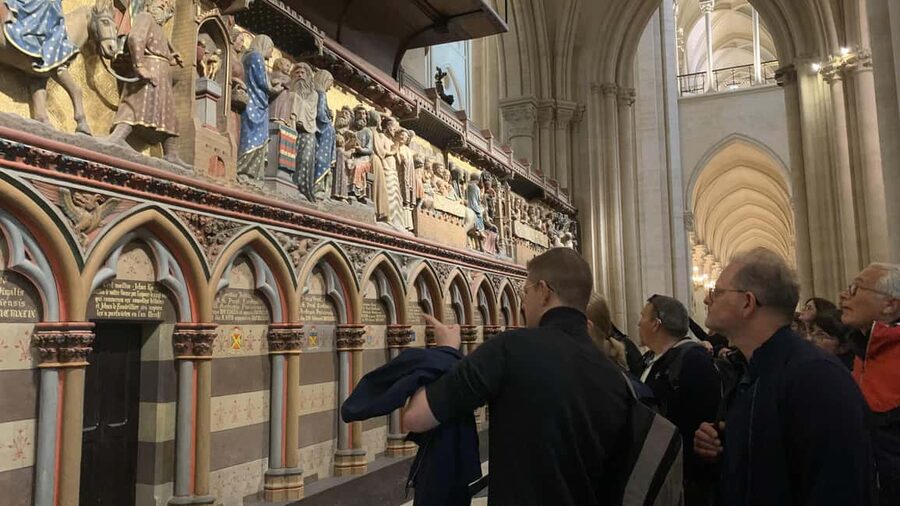
The remains of the Cluny Roman Baths take you back to the Roman city of Lutetia, the settlement that eventually became Paris. You will view the remains from outside as part of the walk, while the adjacent Cluny Museum is discussed rather than entered.
The baths are important because they show that Paris was already a developed urban center in Roman times. Public bathing was not a minor luxury. It was part of daily social life, and these remains hint at the scale and engineering of the early city.
I find this stop particularly valuable because Roman Paris is easy to overlook. Most first-time visitors think of medieval towers, grand boulevards, and cafés. The baths add a much older layer and make the rest of the route easier to understand.
The museum itself is not included. Admission to monuments and museums in the area is excluded, so plan this tour as an introduction rather than a museum visit. If the Roman and medieval material catches your interest, you can return later with more time.
La Sorbonne and the intellectual Latin Quarter
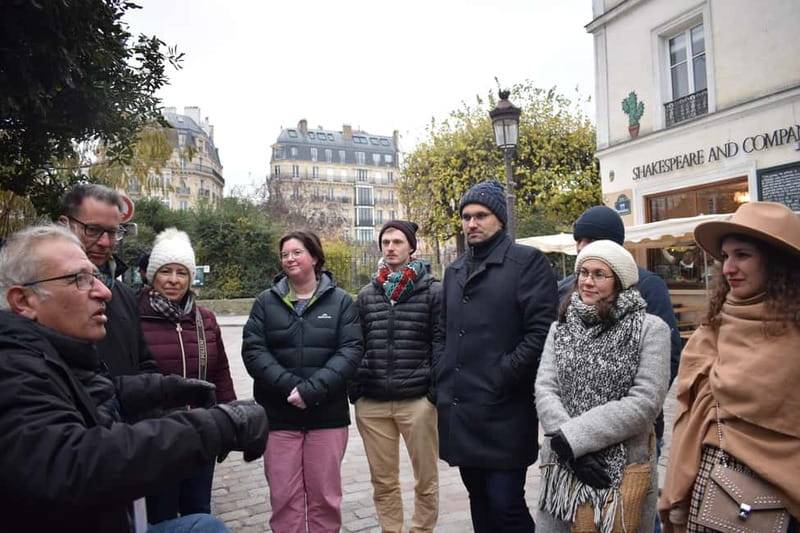
The route includes sightseeing near La Sorbonne, one of the names most closely linked with the Latin Quarter. The district took its name from the Latin once used in university life, and the area has long been tied to students, teachers, books, and debate.
Here, the guide helps connect the streets to the intellectual character of Paris. The Latin Quarter is not only an old neighborhood filled with stone buildings. It has also been a place where ideas, arguments, and political movements took shape.
This section is likely to appeal most to visitors who enjoy cultural history. The guide’s explanations give the streets more meaning than you would get by simply wandering past university buildings. At the same time, the walk does not provide admission to La Sorbonne, so expect exterior sightseeing.
The Panthéon and France’s national memory
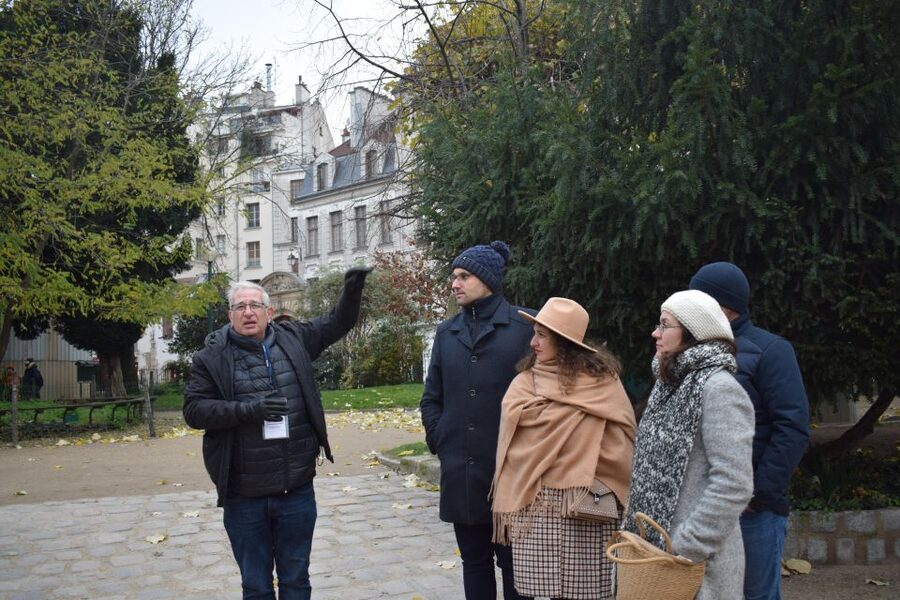
The route then reaches the Panthéon, a large neoclassical monument on the higher ground of the Latin Quarter. It began as a church and later became a mausoleum honoring major figures in French public and intellectual life.
Names associated with the Panthéon include Voltaire, Rousseau, Victor Hugo, and Marie Curie. Your guide explains how the building changed purpose and why these figures matter to French culture and national identity.
This is one of the tour’s grandest exterior views. The Panthéon has the scale and form of a national monument, quite different from the narrow lanes and intimate churches earlier in the walk. That contrast gives the tour a good rhythm.
Admission is not included. If you want to see the interior or visit the crypt, you will need a separate ticket and additional time. One practical criticism is that including entry could make the experience feel more complete, but adding it would also make the two-hour route harder to manage.
A historic street toward the Seine
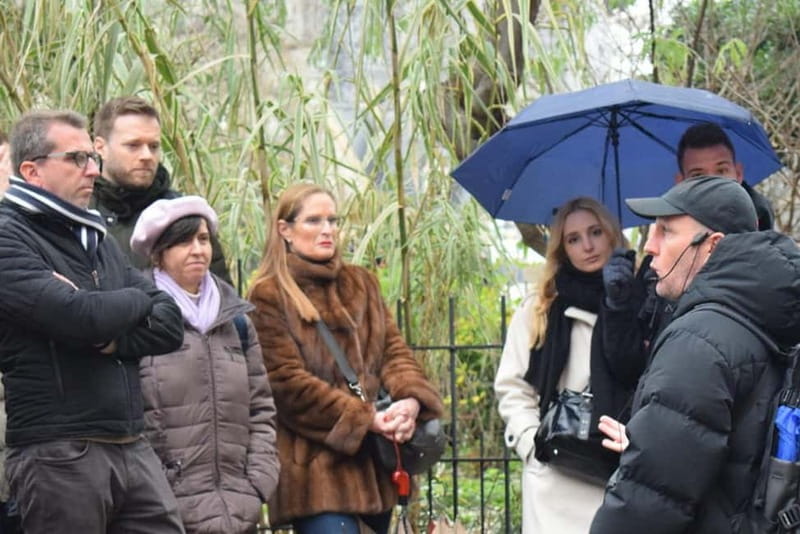
After the Panthéon, the walk follows a picturesque street lined with bookshops, cafés, and courtyards. This is where the Latin Quarter’s everyday character comes through most clearly.
You are not simply moving between major landmarks. You are seeing the kind of street that gives the district its appeal: old façades, small businesses, places to pause, and traces of the neighborhood’s long connection with writers and students.
The guide can point out details you might otherwise pass without noticing. This part also provides a change of pace after the formal history of the Panthéon. Still, the tour remains fairly quick, so stop for a longer café break after the walk rather than expecting one during the guided route.
St. Julien le Pauvre beside Notre-Dame
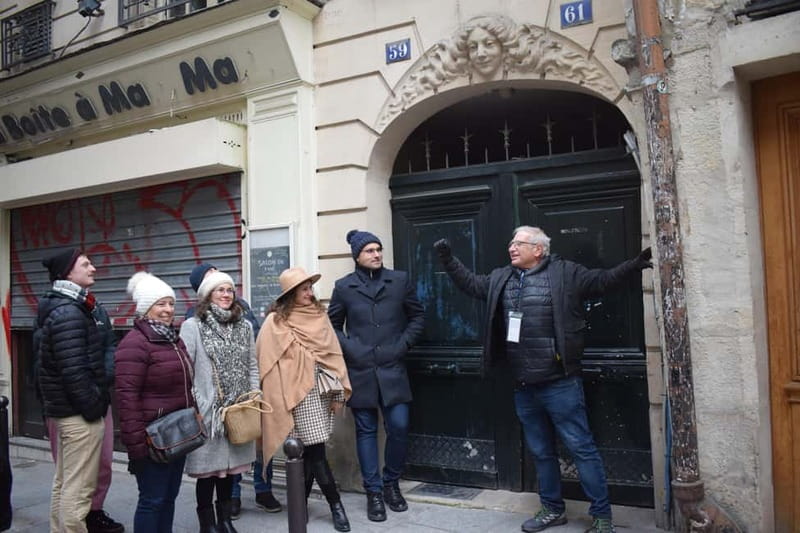
Near Notre-Dame, St. Julien le Pauvre offers a quieter and more intimate counterpoint to the cathedral. Dating from the 12th century, it is one of Paris’s oldest churches and has a Byzantine-style character that sets it apart from the Gothic churches elsewhere on the route.
This is a smart final stop before Notre-Dame. It reminds you that the Île de la Cité and the surrounding riverbanks contain more than one famous church. The smaller building helps you consider the medieval neighborhood as a lived-in place, not only as a backdrop for monumental architecture.
The church also gives the guide an opportunity to discuss medieval Paris and the religious life of the city. As with the other buildings, the experience centers on the exterior and the guide’s explanation. Entry is not included.
Notre-Dame from the outside
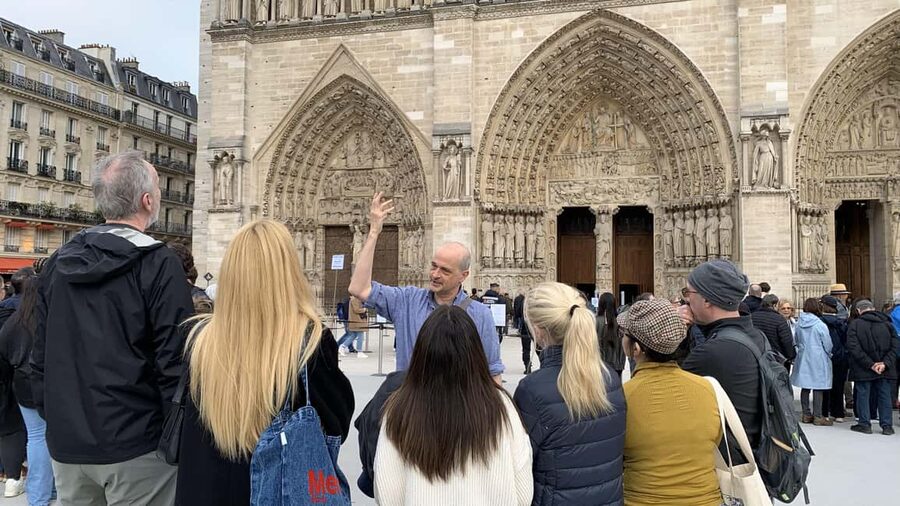
The walk finishes at Notre-Dame Cathedral, where you can study the façade, sculptures, towers, and gargoyles. The cathedral’s medieval origins and the damage caused by the 2019 fire form the final chapter of the tour.
This is a good way to visit Notre-Dame if you mainly want historical context and exterior views. You learn how the cathedral fits into the story of Paris rather than seeing it as an isolated landmark.
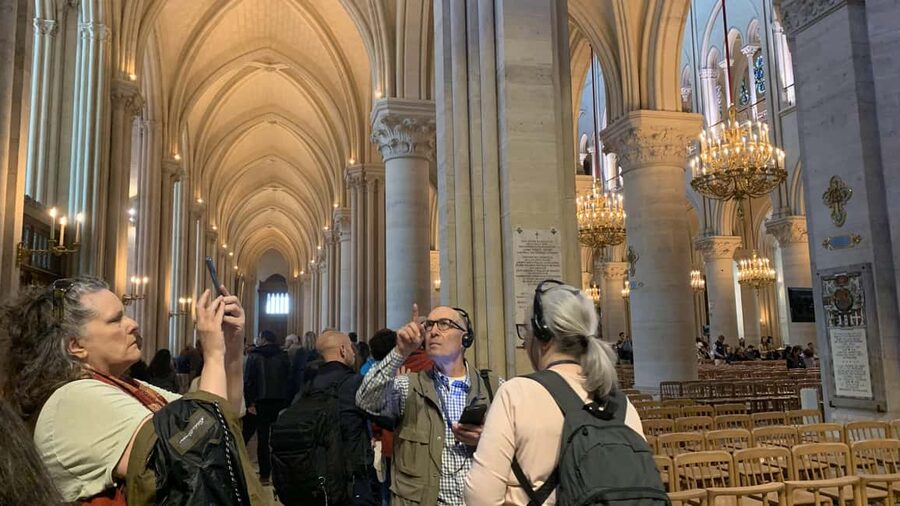
The interior is not part of this guided tour. You cannot treat the booking as an entrance ticket, and the description makes clear that guided interior visits are not permitted. Check current access arrangements separately if you want to go inside.
There is a small logistical point to clarify before booking. The route description says the tour culminates at Notre-Dame, while the meeting information says the activity ends back at the meeting point. Confirm the exact finishing location for your chosen departure, especially if you have a timed reservation afterward.
Is the optional Seine cruise worth adding?
The optional one-hour boat ride is a separate style of sightseeing. After a fairly information-heavy walking tour, the river gives you a chance to sit back and view Paris from the water.
The cruise includes audio explanations in 11 languages and passes major sights such as the Eiffel Tower, Notre-Dame, the Île de la Cité, Les Invalides, Musée d’Orsay, Hôtel de Ville, the Louvre, Place de la Concorde, and the Grand Palais. You also pass beneath the historic bridges of the Seine.
I would add it if you want a broad first look at central Paris or if your legs need a break. It is especially useful for seeing how the city’s monuments relate to the river. It is less useful if you already have a dedicated Seine cruise planned.
The booking information calls the cruise optional and lists it among the included offerings, so check the exact price and package before paying. Do not assume the $43 walking-tour price automatically includes the boat unless your selected option says so.
Price, group size, and overall value
At $43 per person, the walking tour offers fair value if you want a guide to connect the stops. You are paying for two hours with a professional English-speaking guide, a small group capped at 11 people, and a route that covers Roman, medieval, religious, academic, and national landmarks.
You are not paying for monument entry, food, drinks, hotel pickup, or access inside Notre-Dame. That keeps the base price clear, but it means your total day’s cost can rise if you add the Panthéon, Cluny Museum, or the Seine cruise.
The strongest value comes from the human explanation. The churches, ruins, and monuments can all be found independently, but their meaning is easier to grasp when someone explains how the pieces fit together. Benjamin, Pilou, and Pierre are praised for being engaging, patient, and able to answer questions, which matters in a compact tour.
The tradeoff is speed. One visitor felt the guide had almost too much information for the time available. Another described the walk as fast paced and academic. I would not book this as a lazy stroll. Think of it as a concentrated history walk with plenty of ground covered.
Who should book this Latin Quarter tour?
This experience suits you if you:
- Want a structured introduction to the Latin Quarter
- Enjoy French history, architecture, and religious art
- Prefer small groups to large city walks
- Want to see Notre-Dame without paying for an interior visit
- Like asking questions and discussing what you see
- Have comfortable shoes and can maintain a steady pace
You may want another option if you need step-free access, a slow walking speed, or long breaks. The route is flat, but the operator says it is not suitable for people with mobility impairments. A private group may offer more flexibility, but confirm what adjustments are possible before booking.
The tour is also less suitable if your main goal is entering the Panthéon, Cluny Museum, or Notre-Dame. Those admissions are not included, and the schedule is built around exterior sightseeing.
Booking advice and final verdict
The tour earns a strong 5 rating from 54 ratings, and the praise centers on the guides rather than on the landmarks alone. That is the right reason to book it. Paris has plenty of monuments, but a warm guide who can explain their connections may change how you see the whole district.
Book this tour if you want a compact, history-focused walk through one of Paris’s most layered neighborhoods. Choose a private option if you need a gentler pace or more time for questions. Add the Seine cruise if you want a second view of central Paris from the water, but confirm the package details first.
Skip it if you want extensive interior visits or a slow, open-ended wander. For everyone else, this is a useful first or second-day introduction to the Latin Quarter, with Notre-Dame as a fitting finale.
FAQ
How long is the guided walking tour?
The guided walking tour lasts two hours.
What language is the tour conducted in?
The live guided tour is conducted in English.
Where does the tour start?
The meeting point is Place Saint-André des Arts, in front of Café G. Look for a guide holding a Connecting France sign.
Is entry to Notre-Dame included?
No. The tour includes exterior sightseeing at Notre-Dame, but entrance to the cathedral is not included.
Are monument and museum admission tickets included?
No. Entry to the Panthéon, Cluny Museum, and other monuments or museums in the area is not included.
Is the Seine cruise included?
A one-hour Seine River boat cruise is available as an optional part of the experience. Check the selected booking option to confirm its price and inclusion.
Is the tour suitable for people with mobility impairments?
No. The tour is described as flat walking but is not suitable for people with mobility impairments. A private tour may be worth considering.
Recently added around Paris
- Private Half-Day Guided Tour of Paris★ 4.5 · 48 reviews
- 2 hour outdoor group activity in Paris: SAINT GERMAIN★ 5.0 · 48 reviews
- Paris Dinner Show Opera Bel Canto★ 4.5 · 48 reviews
- Paris Vintage Tour by Night on a Sidecar with Champagne★ 5.0 · 48 reviews
- Secrets & Scandals of the Louvre – Limited to 6 Guests★ 5.0 · 48 reviews
- Paris Photoshoot: Eiffel Tower Exclusive Private Experience★ 5.0 · 48 reviews
- Paris: Louvre Mona Lisa Discovery Guided Tour with Ticket★ 4.9 · 48 reviews
- From Paris: Versailles Full-Day Guided Tour with Lunch★ 4.9 · 48 reviews
Notre Dame Tours, compared.
Paris Île de la Cité and Notre-Dame Walking Tour With Crypt
Read our review →
Paris: Eternal Notre-Dame VR Experience Ticket
Read our review →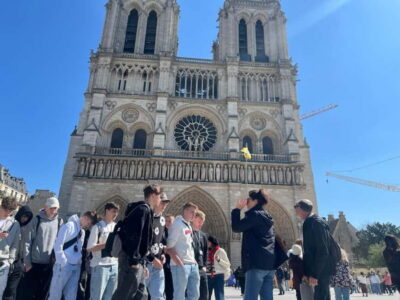
Paris: Notre-Dame Cathedral Exterior Tour & Free Entrance
Read our review →
Paris Highlights Bike Tour: Eiffel Tower, Louvre and Notre-Dame
Read our review →
Early Access Paris Notre Dame Cathedral Walking Tour
Read our review →
Paris: Sainte-Chapelle, Conciergerie, Notre Dame Guided Tour
Read our review →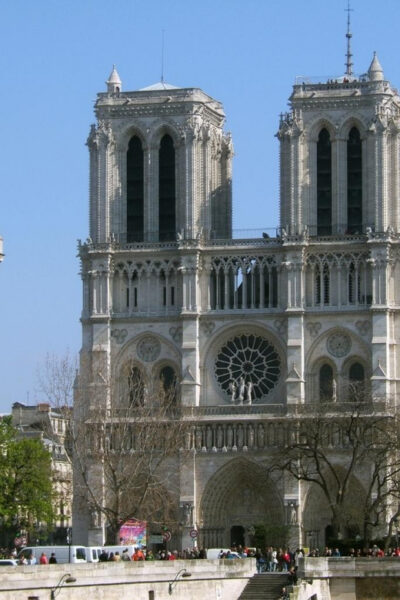
Paris: Notre Dame Outdoor Tour with Sainte-Chapelle / Crypt.
Read our review →
Notre Dame Outdoor Walking Tour and Entrance to Sainte Chapelle
Read our review →Browse the lists this tour appears in