
Reviewed · CHEESE TASTINGS
Paris: Wine and Cheese Tasting
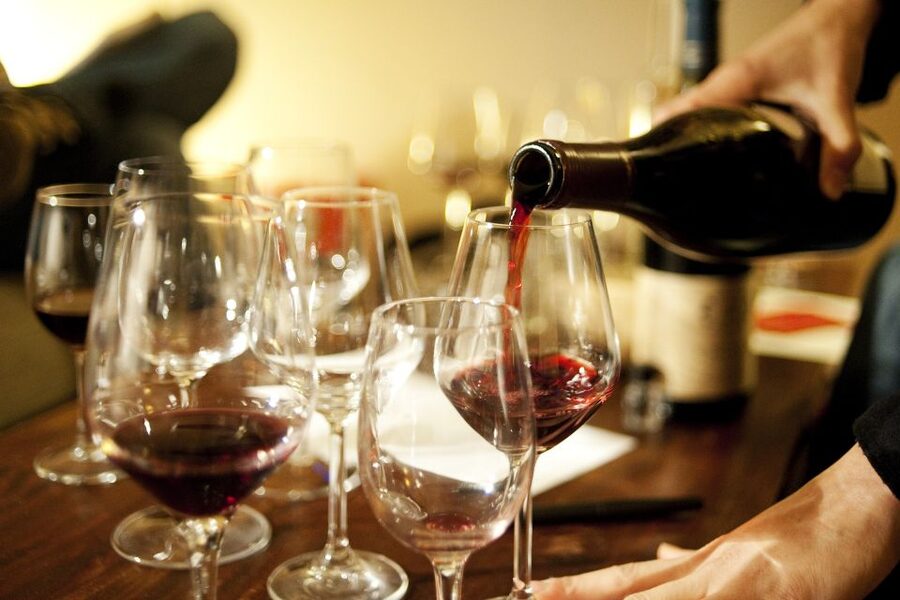
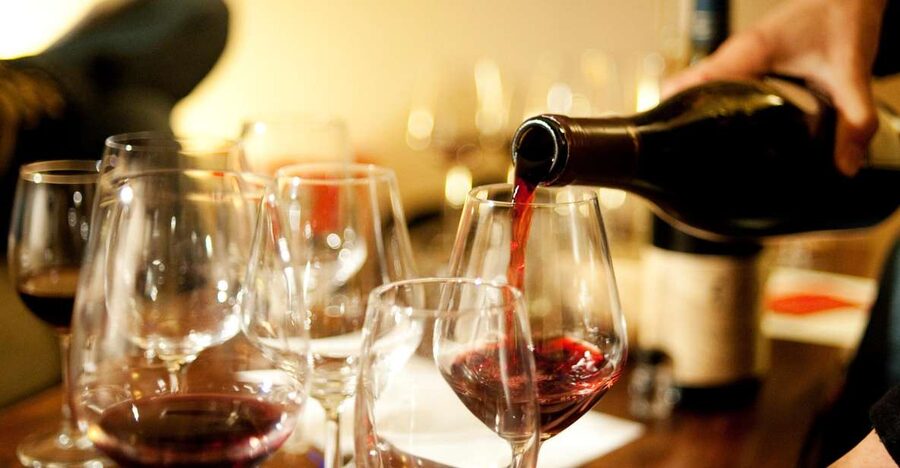
French wine makes more sense with a little guidance. This 90-minute tasting takes place in a Paris cave à vin, where I like the focus on small independent producers and the chance to compare three wines from different parts of France. I also like the simple pairing of wine with hard and soft cheeses, since the contrast shows how much food can change a wine’s flavor.
The main consideration is that this is a boutique tasting, not a full meal or a grand cellar tour. The shop’s toilet facilities may be limited, and the meeting point can vary by booking option. Still, the small group of up to eight people gives you room to ask questions, and hosts such as Camille, Julian, Constance, and Leia have earned especially warm praise for their friendly teaching.
In This Review
- Key points at a glance
- Entering the Parisian wine boutique
- Why the terroir lesson is worth your time
- Three wines chosen around your interests
- Two cheeses, several different flavors
- The guides make the difference
- What $76 buys you in Paris
- Who should book this tasting?
- A relaxed way to buy French wine
- Should you book it?
- FAQ
- How long does the Paris wine and cheese tasting last?
- How many wines are included?
- How many cheeses will I taste?
- Is food included?
- What languages are available?
- How large is the group?
- Is a spittoon available?
Key points at a glance
- Small groups of eight or fewer: You get a more personal tasting and a better chance to ask about grapes, regions, and buying wine in France.
- Independent French producers: The boutique sells wines made by small producers rather than relying only on famous commercial labels.
- Three wines with cheese pairings: Expect three types of wine, with hard and soft cheeses included in the tasting. The booking information also lists three types of cheese, so the exact selection may vary.
- A practical introduction to terroir: Maps and real soil samples help explain why French wine changes from one region to another.
- English and French guides: The experience can be led in either language, and past hosts have been praised for clear English.
- A chance to buy a favorite bottle: The wines are sold in the boutique, so you can take home something you tasted rather than guessing from a shelf.
Entering the Parisian wine boutique
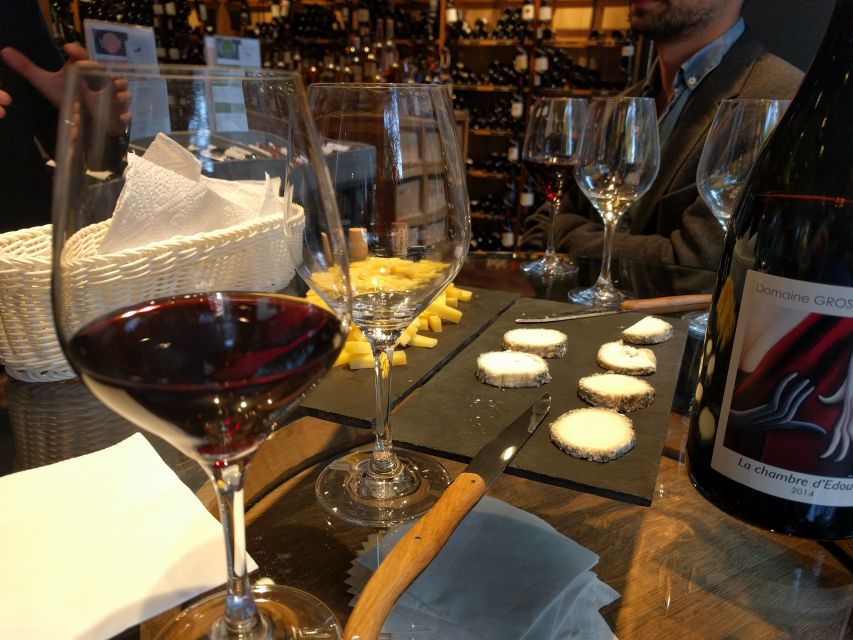
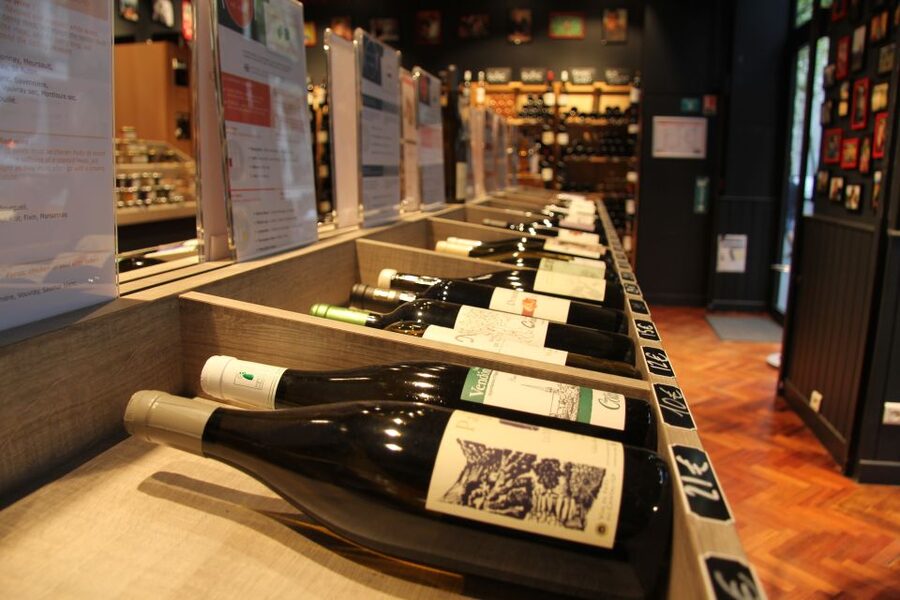
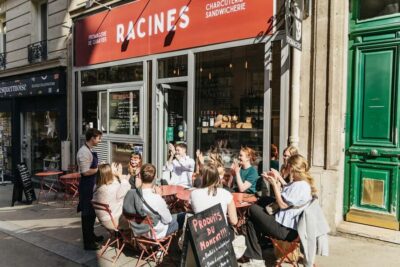
You begin inside a boutique filled with French reds, whites, and rosés. This setting matters. Instead of sitting in a restaurant with a fixed menu, you are surrounded by bottles chosen from across France, with a wine professional nearby to explain what makes each one different.
The tasting area is prepared inside the shop, so the mood is informal and focused. I like this arrangement because you can see the kinds of bottles the shop carries while you taste them. If a wine catches your attention, you can ask about it right away and may be able to purchase it before leaving.
The atmosphere is relaxed rather than formal. Several hosts have been praised for making first-time tasters feel comfortable, including Constance, Camille, Julian, and Leia. That is useful if you know only the basics of wine, or if terms such as grape variety, region, and terroir usually sound like a foreign language within a foreign language.
You will not be settling in for a long lunch. Bread and water are provided as palate cleansers, but the experience is built around tasting and instruction. Eat beforehand if you need a substantial meal.
More Cheese Tastings in Paris
- Paris: Montmartre Cheese, Wine & Pastry Guided Walking Tour
★ 4.8 · 2,255 reviews - Private Montmartre Food Tour with Wine, Cheese & Pastries
★ 5.0 · 1,027 reviews - Paris Le Marais Food Tour With 10+ Tastings, Cheese, Wine & More
★ 5.0 · 985 reviews
Why the terroir lesson is worth your time
The opening explanation covers France’s major wine regions and the role of terroir. This French word refers to the combination of soil, climate, terrain, and local growing conditions that affects how grapes develop. The lesson connects those broad ideas to the wines in front of you.
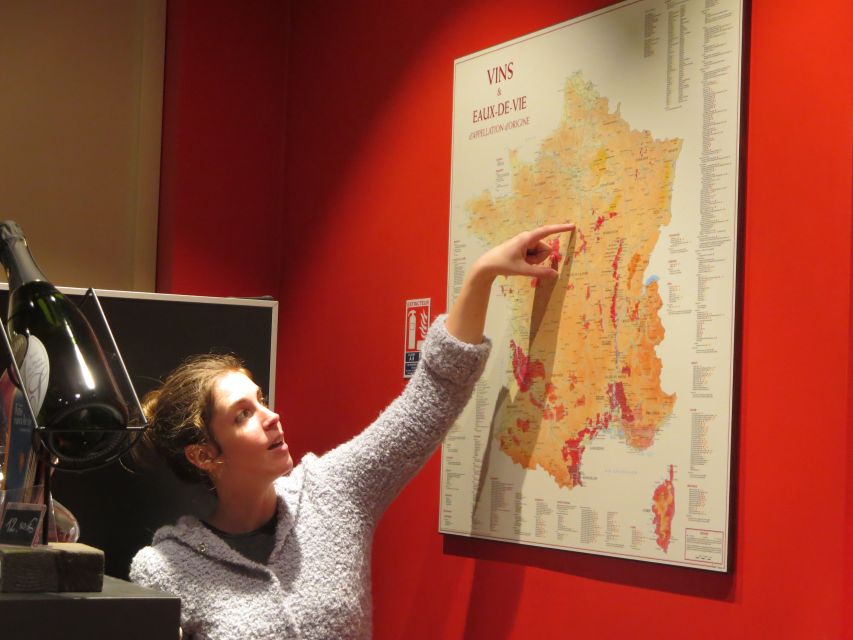
Maps help you place the regions, while authentic soil samples give the subject something you can see and touch. That is a smart teaching choice. Wine geography can feel abstract when it is only a list of names, but soil samples make the point more concrete: two vineyards can grow different grapes, or the same grape in different conditions, and produce wines with different aromas, textures, and levels of acidity.
You will also learn how grape varieties and France’s varied terrain contribute to the country’s large range of wines. The goal is not to turn you into a sommelier in 90 minutes. It is to give you a useful framework for understanding what is in your glass.
I find that the best part of this kind of explanation is the practical payoff. Once you understand that a wine’s character depends on more than its grape name, a French wine list becomes less intimidating. You can start asking better questions, such as where the wine comes from, what food suits it, and whether you prefer a lighter or fuller style.
Three wines chosen around your interests
The tasting includes three types of wine. The guide may adjust the selection to suit the group’s interests, proposing bottles from different parts of France rather than presenting the same narrow set to everyone.
That flexibility is valuable. A group of experienced wine drinkers may want to discuss unusual varieties or lesser-known regions, while beginners may prefer a clear comparison between familiar styles. You can ask questions as you go, and the guide is there to explain what you are tasting without turning the session into a test.
The wines come from independent producers sold by the boutique. This is one of the experience’s strongest points for me. French wine can be dominated in tourist shops by famous names and easy-to-recognize labels, but small producers give you a better chance of finding something less predictable.
The exact bottles are not fixed in the information provided, so you should not book this expecting a particular grape, château, or vintage. That is both a strength and a limitation. You get a more flexible tasting, but you cannot plan around a specific wine.
Most people will taste three wines, though one account describes four wines and a surprise sample at the end. Treat that as a possible extra, not a guarantee. The firm expectation is three wines.
If you are not much of a wine drinker, do not assume the experience is only for experts. One participant who described themselves as a basic wine drinker said the session helped them appreciate wine more. Another person who does not drink much wine still found the event worthwhile because the host explained where the wines came from.
A spittoon is available. Use it if you want to taste carefully without drinking every sample. That is normal wine-tasting practice, not a sign that you are failing to enjoy yourself.
Two cheeses, several different flavors
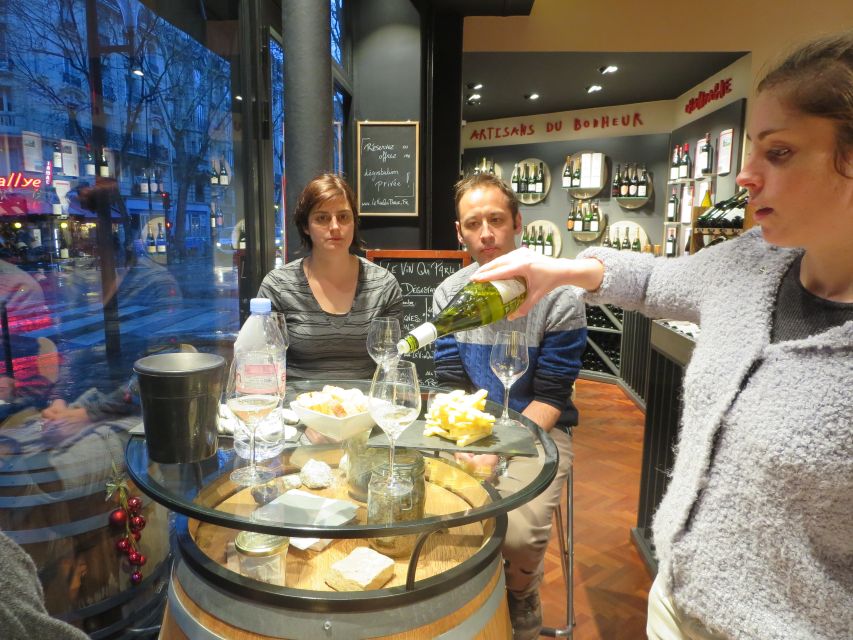
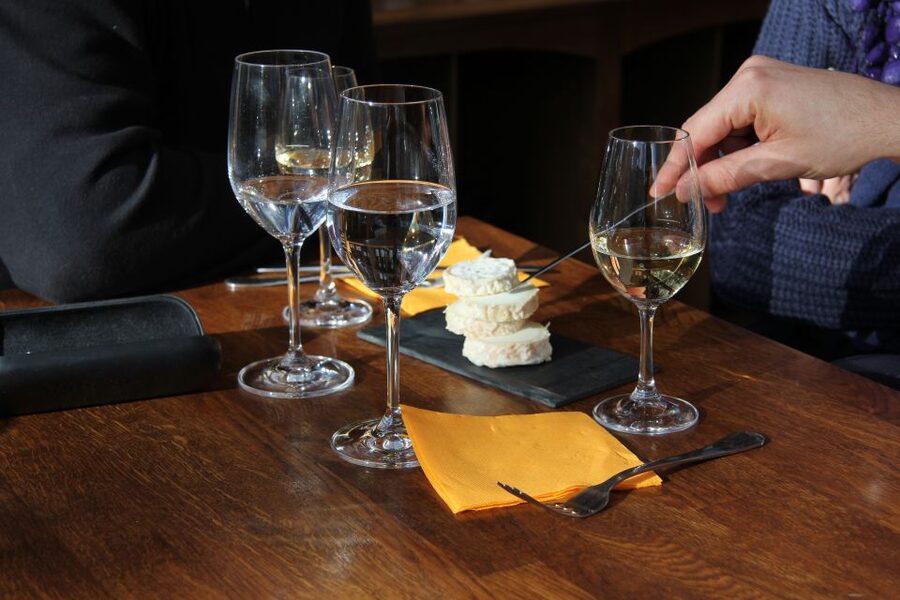
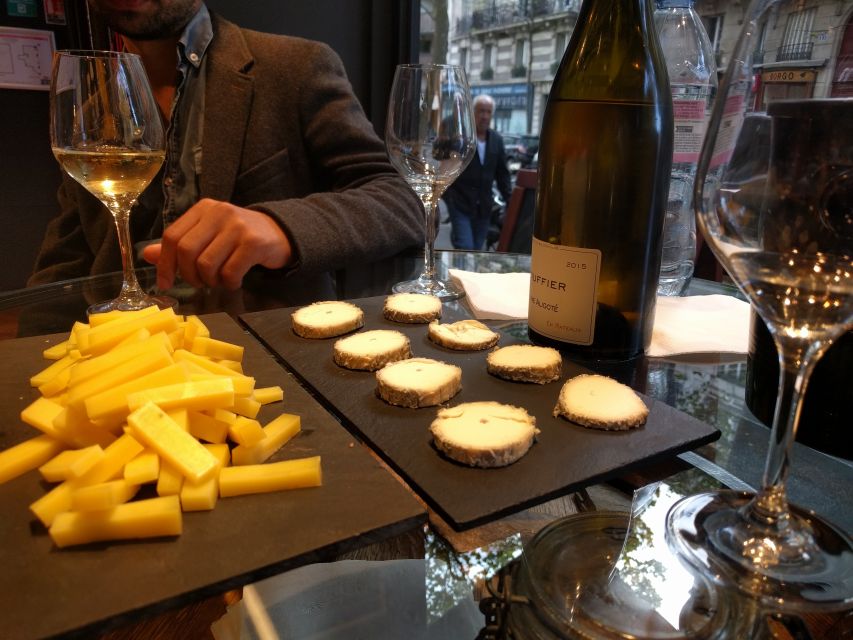
The cheese pairing is simple but effective. You will taste wine with a hard cheese and a soft cheese sourced from a nearby artisanal cheese shop. The booking information also lists three types of cheese, so the exact number may depend on the session or option you reserve.
The point is not merely to offer snacks. Cheese changes the way wine tastes. A firm, salty cheese may make a wine seem rounder or fruitier, while a soft cheese can bring out different textures and aromas. The guide shows you which combinations work best and why.
This is especially useful for anyone who wants to serve French wine at home. You leave with more than a list of regions. You have a basic method for pairing wine with food: taste the wine alone, try it with cheese, and notice what changes.
Bread and water are supplied to clear your palate between samples. The cheese and bread are not meant to replace lunch, but the fresh food adds substance and keeps the tasting from feeling like a series of disconnected sips.
The pairing also gives nonexperts something concrete to discuss. If you are unsure how to describe a wine, you can compare how it tastes with the hard cheese and then with the soft one. That makes the lesson less technical and more memorable.
More Food Tours in Paris
- Paris: Seine Cruise & Crepe Tasting near the Eiffel Tower
★ 4.4 · 11,231 reviews - Authentic Parisian Gourmet Food Tour with 10 Local Dishes & Wines
★ 5.0 · 4,754 reviews - Normandy D-Day Small-Group Day Trip with Omaha Beach, Cemetery & Cider Tasting
★ 5.0 · 2,786 reviews - Paris: Illuminated Evening River Cruise & Waffle Tasting
★ 4.1 · 2,697 reviews
The guides make the difference
The strongest praise goes to the hosts. Camille is described as kind, friendly, and able to answer questions while making the group feel welcome. Julian is repeatedly praised for his explanations of wine varieties and food pairings. Constance receives credit for a relaxed presentation and excellent English, while Leia is remembered for being informative and pleasant.
The guides do more than pour samples. They explain how wine is made, where each bottle comes from, how grape varieties differ, and how to taste. Several people specifically valued the history and production explanations, which suggests that the session is not limited to surface-level tasting notes.
That human element is important. Wine terminology can become needlessly fussy, especially when you are tasting in a second language. A good guide gives you plain explanations and lets you ask basic questions without embarrassment.
The language options are English and French. If you book the English session, the available feedback suggests that communication should be comfortable, but individual guide assignments can change. The experience is limited to eight participants, which should help keep the conversation open.
The hosts also seem willing to tailor the session. If you have a favorite style, an interest in a particular region, or a question about a bottle you saw in the shop, bring it up. The tasting is more useful when you treat it as a conversation rather than a lecture.
What $76 buys you in Paris
At $76 per person, this is not the cheapest way to drink wine in Paris. You are paying for three wine samples, cheese, bread, water, a guide, and a structured lesson in a specialist shop.
I think the price can be fair if you value explanation and small-group attention. The group limit of eight makes the experience more personal than a large tasting where you simply stand in line for a pour. You also get context about French regions and terroir, which is the part that helps you make sense of future bottles.
The value is less convincing if you are looking mainly for quantity or a full meal. This is not a restaurant dinner, and the included food is a tasting accompaniment. You should also remember that buying bottles afterward will cost extra.
Several people ended up purchasing a wine they had tasted. That can be a useful benefit, since you can make a choice based on your own reaction rather than a label or sales pitch. Still, there is no need to buy anything to get value from the session.
The 90-minute length works well for a busy Paris schedule. It is long enough for an introduction, several pours, cheese pairings, and questions without taking up an entire afternoon. Check the available starting times when you book, since the meeting point can vary with the option selected.
Free cancellation up to 24 hours before the activity and the reserve-now, pay-later option add flexibility. Those terms are helpful if your Paris plans are still shifting, but check the conditions attached to your selected booking option.
Who should book this tasting?
I would recommend it most strongly to:
- First-time visitors who want a friendly introduction to French wine
- Couples looking for a calm indoor activity
- Small groups with mixed levels of wine experience
- People who enjoy learning through food
- Wine drinkers who want to discover independent French producers
- Anyone planning to buy wine in Paris and wanting more confidence first
It also works for the person in your group who claims not to like wine. The guide can explain the samples in accessible terms, and the cheese gives you a second way into the tasting.
I would be more cautious if you need a full meal, want a large selection of wines, or expect a tour of vineyards and wine-making facilities. You remain in a Paris wine shop for the whole activity. The subject is broad, but the physical setting is compact.
The limited toilet access is worth noting before you arrive. Since the tasting takes place in a boutique rather than a restaurant, facilities may not be readily available or easy to reach. Plan accordingly.
A relaxed way to buy French wine
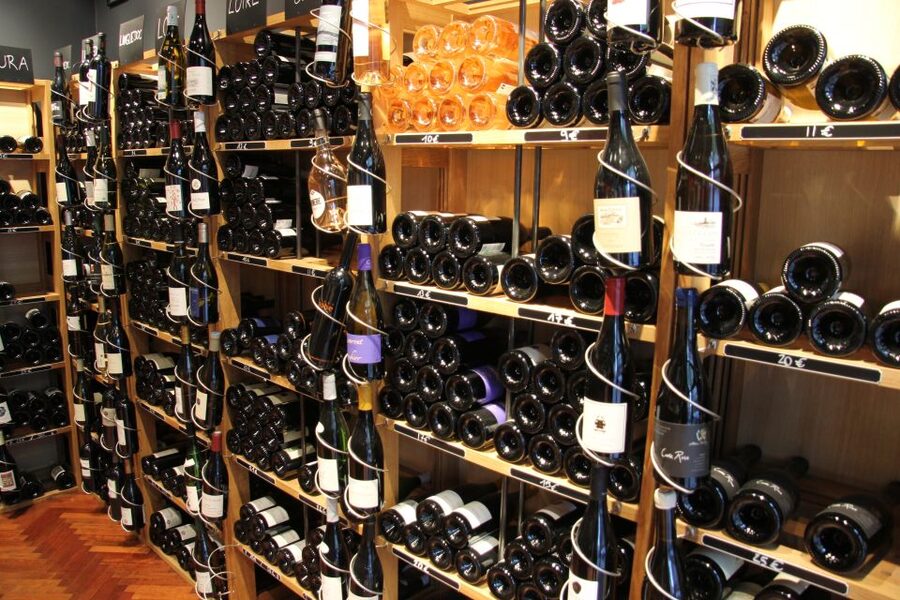
One of the most practical outcomes is greater confidence. After tasting several wines and hearing how regions, grapes, soil, and food interact, you should have a better sense of what you enjoy.
You may also discover a bottle you want to bring home. The shop’s focus on independent producers gives you something more personal than a standard souvenir bottle, although transport and airline rules are your responsibility.
I like that the experience does not require advanced wine knowledge. You can arrive as a beginner, ask simple questions, use the spittoon, and still get something useful from the session. At the same time, a more experienced drinker can ask about lesser-known varieties and production methods.
The session’s best quality is its balance. It offers enough instruction to teach you something, but the cheese, bread, and friendly hosts keep it from feeling like a classroom. That makes the 90 minutes easy to fit into a Paris day.
Should you book it?
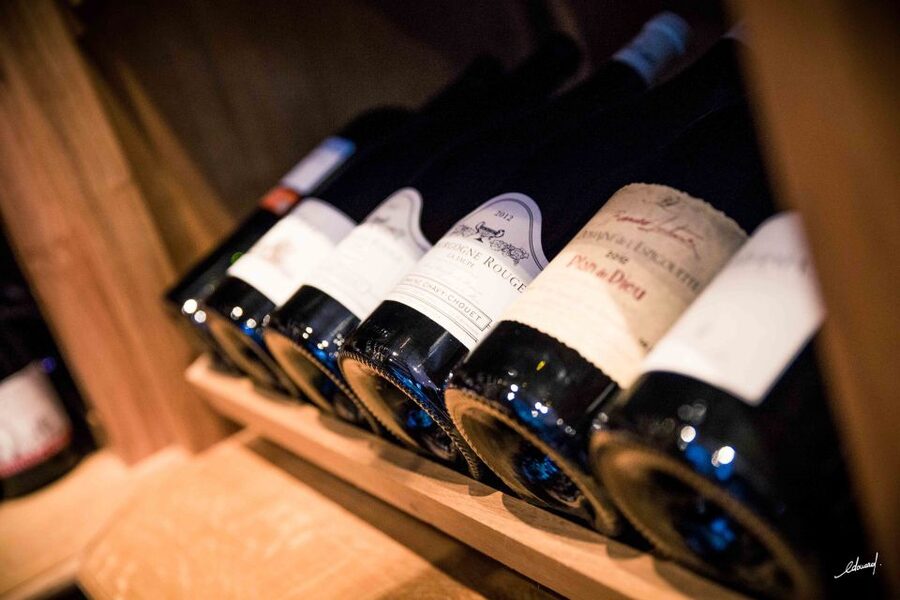
Book this tasting if you want a small, friendly introduction to French wine with real explanation and modest food pairings. The strongest reasons are the groups of eight or fewer, the independent producers, the terroir lesson with maps and soil samples, and the consistently warm teaching style associated with hosts such as Camille and Julian.
Skip it if you want a full meal, a vineyard visit, or a long list of expensive wines. For most visitors who want to understand French wine rather than simply drink it, $76 is a reasonable price for a focused 90-minute session, especially if you leave with a bottle you genuinely enjoyed.
FAQ
How long does the Paris wine and cheese tasting last?
The tasting lasts 90 minutes.
How many wines are included?
Three types of wine are included. One session was described as including four wines and a surprise tasting, but three wines are the stated standard.
How many cheeses will I taste?
The experience description specifies a hard cheese and a soft cheese. The included details list three types of cheese, so the exact selection may vary by session or option.
Is food included?
Yes. Cheese, bread, and water are included. The food is intended for tasting and pairing, not as a full restaurant meal.
What languages are available?
The live guide can conduct the experience in English or French.
How large is the group?
The experience is limited to eight participants.
Is a spittoon available?
Yes. A spittoon is provided for anyone who prefers to taste without swallowing every sample.
More Wine Tours in Paris
- Loire Valley Castles Day Trip from Paris with Complementary Wine
★ 4.5 · 3,907 reviews - Montmartre Hill French Gourmet Food and Wine Tasting Walking Tour
★ 5.0 · 2,588 reviews - From Paris: Loire Valley Castles Day Trip With Wine Tasting
★ 4.6 · 1,727 reviews - Paris Cooking Class and Lunch with Wine plus Market Visit Option
★ 5.0 · 1,024 reviews
Recently added around Paris
- Private Half-Day Guided Tour of Paris★ 4.5 · 48 reviews
- 2 hour outdoor group activity in Paris: SAINT GERMAIN★ 5.0 · 48 reviews
- Paris Dinner Show Opera Bel Canto★ 4.5 · 48 reviews
- Paris Vintage Tour by Night on a Sidecar with Champagne★ 5.0 · 48 reviews
- Secrets & Scandals of the Louvre – Limited to 6 Guests★ 5.0 · 48 reviews
- Paris Photoshoot: Eiffel Tower Exclusive Private Experience★ 5.0 · 48 reviews
- From Paris: Versailles Full-Day Guided Tour with Lunch★ 4.9 · 48 reviews
- Paris: Louvre Mona Lisa Discovery Guided Tour with Ticket★ 4.9 · 48 reviews
Cheese Tastings, compared.

Paris: Montmartre Cheese, Wine & Pastry Guided Walking Tour
Read our review →
Private Montmartre Food Tour with Wine, Cheese & Pastries
Read our review →
Paris Le Marais Food Tour With 10+ Tastings, Cheese, Wine & More
Read our review →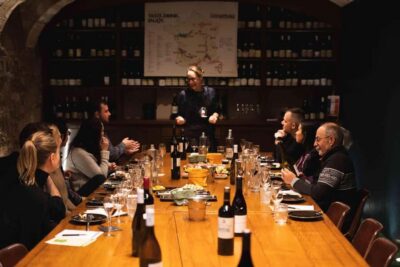
Cheese & Wine Tasting in Montmartre with Local Cheesemonger
Read our review →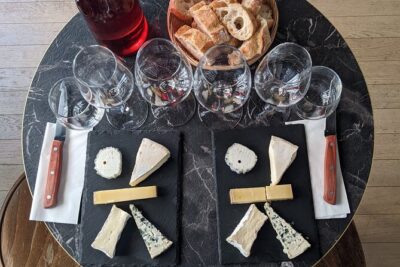
French Wine, Champagne And Cheese Tasting Paris SECRET WINE DOOR
Read our review →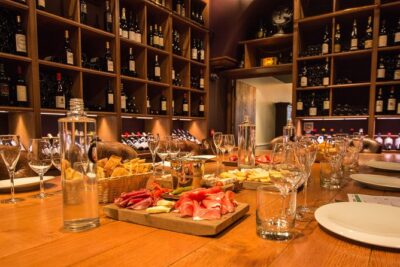
Paris Wine Tasting plus Cheese Lunch with an Expert Sommelier
Read our review →
Paris Art of Pairing Cheese and Wine Tasting in a Cheese Cellar
Read our review →Browse the lists this tour appears in