
Reviewed · CITY TOURS
Bordeaux City Pass
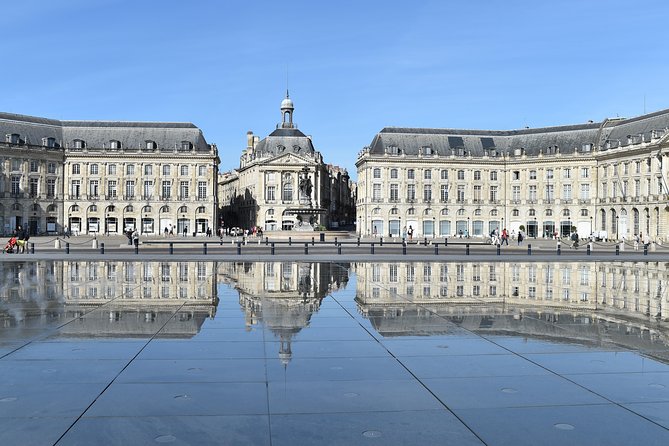
Bordeaux rewards curious feet. The Bordeaux City Pass combines unlimited trams and buses with admission to major museums, wine attractions, and selected tours, making it a useful way to organize two to four days in the city. I especially like the free entry to Cité du Vin with a wine tasting, and the easy public transport that lets you move between the historic center and outlying sights without buying separate tickets.
I also like the range of choices. You can visit fine-art galleries in the morning, see a former submarine base turned digital-art center in the afternoon, and use discounts for a river cruise or a wine-country outing. The main catch is that the pass is a physical card, not a digital pass, so losing it can be costly and frustrating.
In This Review
- Key points to know before buying
- What the Bordeaux City Pass covers
- Cité du Vin, Bordeaux’s best pass perk
- Bassins des Lumières inside the submarine base
- Musée Mer Marine and the city’s maritime story
- Musée d’Aquitaine and Bordeaux’s difficult past
- Fine arts, contemporary art, and natural history
- Pey-Berland Tower and Porte Cailhau
- City tours, cruises, and excursions beyond Bordeaux
- Getting the best value in 48 or 72 hours
- Practical limits you should know
- Who should buy the Bordeaux City Pass?
- FAQ
- How much does the Bordeaux City Pass cost?
- How long does the Bordeaux City Pass last?
- How does the pass become active?
- Where do I collect the physical pass?
- Are Bordeaux trams and buses included?
- Is Cité du Vin included?
- Are food and drinks included?
- Are any attractions closed?
Key points to know before buying
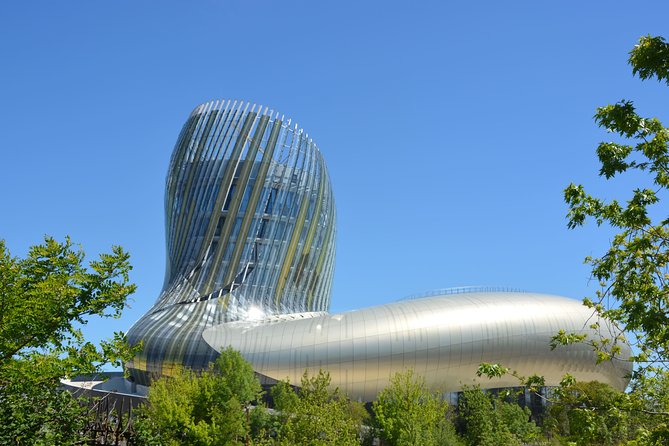
- Cité du Vin includes the permanent tour, belvedere, and a wine tasting, making it one of the strongest reasons to buy the pass.
- Bassins des Lumières occupies a former World War II submarine base, with projected art reflected in wide pools of water.
- Trams and buses are included without limits, a major help if you plan to visit museums beyond the old center.
- The pass works best when you group several paid sights into two or three days, rather than using it mainly for transport.
- Some listed attractions close seasonally or for renovation, including the Musée d’Aquitaine and National Customs Museum at the time of the supplied information.
- You must exchange your voucher at the Bordeaux Tourist Office, 12 cours du 30 Juillet, to receive the physical card and leaflet.
What the Bordeaux City Pass covers
The pass is designed as a broad city-access card rather than a single guided tour. It combines admission to cultural sites, unlimited local transport, selected city tours, and discounts on other activities.
The listed price is $62.48 per person. The final value depends on the pass length and the number of attractions you use. Options are available for 24 or 48 hours at an added cost, while the supplied experiences also refer to a 72-hour version. Check the exact duration and current price at booking, because the practical difference between two and three days is important in Bordeaux.
The card activates on its first use. That means you should not activate it merely because you collected it. Pick it up when you are ready to begin your sightseeing period, especially if you arrive early but plan to spend the first day walking around.
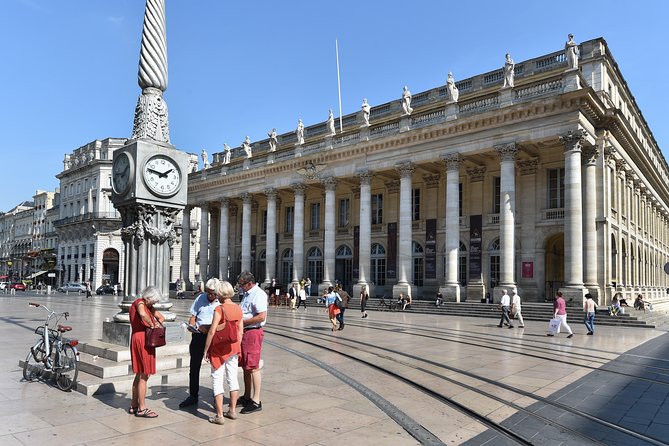
You receive unlimited access to Bordeaux’s trams and buses during the active period. This is one of the pass’s most useful features. The tram system is easy to use, and it connects the central sights with places such as Cité du Vin and the museums near the river. You can also ride simply to get oriented, then hop off when a neighborhood catches your eye.
The pass includes the Cité du Vin, Bassins des Lumières, Musée des Beaux-Arts, CAPC Musée d’Art Contemporain, Musée de Bordeaux, Musée Mer Marine, FRAC Nouvelle-Aquitaine MECA, and several other cultural sites. It also includes access to the Pey-Berland Tower and Porte Cailhau, along with a city tour of your choice.
Food and drinks are not included. The wine tasting at Cité du Vin is part of the admission there, but meals, extra purchases, and other refreshments remain your responsibility.
A few more Bordeaux trips worth weighing up
- Bordeaux: Cité du Vin Entry Ticket and Wine Tasting
★ 4.6 · 3,885 reviews - Bordeaux: River Garonne Cruise with Glass of Wine and Canelé
★ 4.5 · 3,630 reviews - From Bordeaux: Afternoon Saint-Emilion Wine Tasting & snack
★ 4.8 · 1,581 reviews
Cité du Vin, Bordeaux’s best pass perk
Give Cité du Vin about two hours. This is the attraction most likely to justify the pass by itself, particularly if you also use public transport and visit one or two other paid sites.
The center presents wine as a world culture, not simply a local product. Its exhibits look at wine’s place in history, trade, art, and daily life through interactive displays. The visit ends with access to the belvedere, where you receive a wine tasting and a high view over Bordeaux.
A practical detail matters here: free access covers both the permanent tour and the belvedere with tasting. Some pass arrangements may have timing conditions, so check the current instructions when you collect your card. One useful account specifically noted free entry before noon, but availability and rules can change.
The Cité du Vin is a short tram ride from the tourist office. That makes it a good first or second stop, though you should not assume the pass begins when you book online. You still need to exchange the voucher for the physical card at the tourist office.
Bassins des Lumières inside the submarine base
Bassins des Lumières takes about an hour and offers a very different kind of museum visit. The digital art center occupies a former World War II submarine base, where large-scale projections cover the walls and reflect in the water-filled spaces around you.
The setting does much of the work. Concrete military architecture, dark rooms, moving images, and reflections create a sensory visit unlike a standard gallery. It is a good choice when you want a break from labels and display cases.
The supplied details list admission as free, while Bassins des Lumières also appears among the pass inclusions. Treat it as an included benefit, but confirm the current entry procedure and exhibition schedule before you go. Temporary digital-art programs change, and a pass does not remove the need to check opening times.
Pairing Bassins with Cité du Vin makes sense geographically if your transport route works for both. Do not try to squeeze every museum into one rushed day. The value comes from using the card at a comfortable pace.
Musée Mer Marine and the city’s maritime story
The Musée Mer Marine takes about an hour and focuses on humanity’s relationship with the sea. Ship models, nautical objects, navigation material, exploration displays, and marine biodiversity give the museum a broad subject range.
This is a useful stop if you want more than Bordeaux’s wine identity. The city’s connection to waterways, trade, ships, and the Atlantic becomes clearer here. The displays also suit families and visitors who prefer objects and models to long blocks of text.
The museum is included in the pass. Since it is not one of the central monuments, the free tram and bus network matters here. I would place it on a day when you already plan to ride beyond the most compact historic center.
More City Tours in Bordeaux:
- 2-Hour Walking Tour of the City’s Iconic Sights and History
★ 4.0 · 207 reviews - Bordeaux City – Private Guided Walking Tour with Local Sophia
★ 5.0 · 164 reviews - Bordeaux: Walking Tour of the City’s Best Bakeries
★ 4.8 · 69 reviews - Marseille: City Sightseeing Hop-On Hop-Off Bus Tour
★ 3.8 · 2,820 reviews
Musée d’Aquitaine and Bordeaux’s difficult past
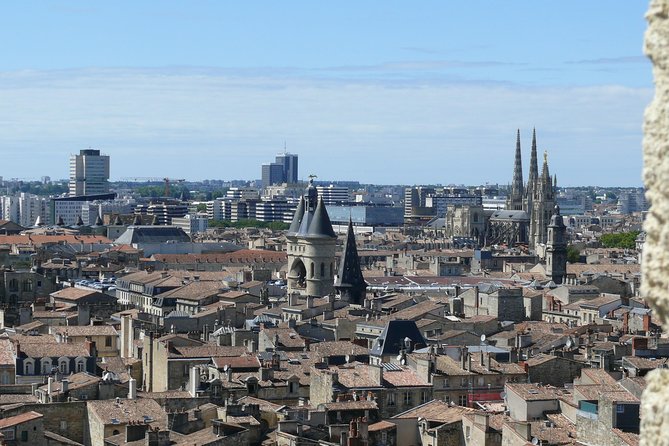
The Musée d’Aquitaine covers the region from prehistoric times through the modern period. Its collections include archaeology, art, and material connected with Bordeaux’s cultural development and the Atlantic slave trade.
This is one of the most important museums for understanding Bordeaux, but the supplied information lists it as closed for renovation. Do not build your itinerary around it until you confirm that it has reopened. The same caution applies to the National Customs Museum, also listed as closed for renovation.
That kind of closure is a real weakness in a city pass. A long list of included sites looks generous, but the useful list is the one open during your dates. November through March can bring additional closures, and activities are closed on December 25 and January 1.
Fine arts, contemporary art, and natural history
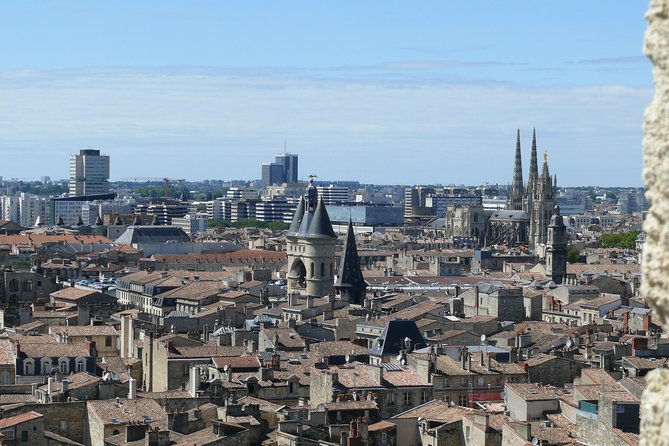
The Musée des Beaux-Arts gives you a traditional art stop near the city hall gardens. Its collection includes European masters such as Matisse, Picasso, Renoir, and Rubens, along with Bordeaux artists including André Lhote and Odilon Redon.
The museum is divided between older and newer art. The south wing covers classical painting from the 16th through 18th centuries, while the north wing focuses on 19th- and 20th-century work. Temporary exhibitions are held in the gallery near the gardens.
Allow about an hour, though art lovers can easily spend longer. The pass makes it easier to enter for a focused visit without feeling that you must stay half a day to justify a separate ticket.
CAPC Musée d’Art Contemporain occupies a former warehouse once used for colonial goods. That building gives the museum a strong sense of place before you even reach the art. The permanent presentation, Thus, it was written, includes work by about 40 artists dating from the 1960s to today.
Contemporary art is not everyone’s favorite, but the pass lowers the risk of trying it. If one gallery does not connect with you, move on without feeling that you wasted a major admission fee.
The Musée de Bordeaux presents natural history with interactive features and multimedia elements. Its contemporary presentation should suit families and anyone who prefers hands-on displays. The supplied itinerary allows about an hour, and admission is listed as free.
FRAC Nouvelle-Aquitaine MECA adds another modern-art option. It is housed in MECA, a regional center for the creative and cultural economy designed by architect Bjarke Ingels. The visit is short, about 30 minutes, so it fits well between larger museums or along a tram route.
Pey-Berland Tower and Porte Cailhau
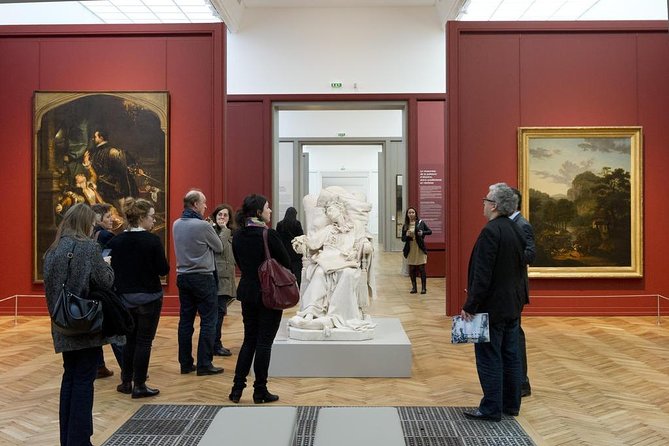
The Pey-Berland Tower is one of the pass’s more memorable short visits. Built in the 15th century in Gothic style, it serves as the separate bell tower of Bordeaux Cathedral.
Its isolation was intentional. The tower was set apart so the cathedral could carry large bells without exposing the main structure to damaging vibrations. The monument is also part of Bordeaux’s UNESCO-designated historic area.
Allow about 30 minutes, not counting any wait or time spent enjoying the view. The visit suits anyone who wants a compact historic stop with a physical connection to the medieval city.
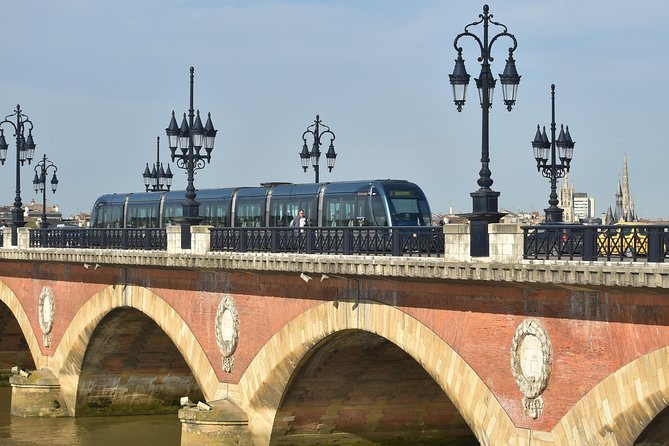
Porte Cailhau is another quick climb and takes about 30 minutes. This 35-meter gate once formed part of the city walls, and it offers a fine view toward the Pont de Pierre, Bordeaux’s oldest bridge.
The gate also has an amusing later chapter. In the 19th century, a public letter writer and a salt weigher rented space there. Both were removed when the monument was renovated. Small details like this make the old stone structure feel less remote and more connected to ordinary city life.
City tours, cruises, and excursions beyond Bordeaux
The pass includes a city tour of your choice. Options can include a walking tour, a red bus tour, or another listed city experience, depending on the current schedule.
A walking tour is a good way to get your bearings early. A red bus tour gives you a wider look at Bordeaux before you decide which districts deserve more time. One supplied account praised the combination of both approaches, using the broad bus circuit first and returning later to selected sights.
A river boat trip is another worthwhile use of the pass or its discounts. Bordeaux makes more sense from the water, where the port, bridges, and riverfront come together in one view. The pass also offers discounts for guided visits, restaurants, and selected activities, though the exact discount varies.
Beyond the city, listed options include an underground Saint-Émilion tour, a guided visit to the Citadel of Blaye, a tour of Moon Harbour Distillery, and an Arcachon Bunker tour. These options can add real value, but you need to check dates, meeting points, and availability before counting them toward your savings.
A discount is not the same as free admission. If you mainly want wine-country excursions, compare the pass price with the individual tour prices and confirm what is included.
Getting the best value in 48 or 72 hours
The pass earns its keep through accumulation. One museum may not justify the price. Cité du Vin, a tower, a boat or city tour, two museums, and several tram rides can change the calculation quickly.
A sensible two-day plan might look like this:
- Start with the tourist office, exchange your voucher, and activate the card at your first attraction.
- Visit Cité du Vin and use the tram to return toward the center.
- See the Pey-Berland Tower or Porte Cailhau, then choose one art museum.
- On the second day, visit Bassins des Lumières, Musée Mer Marine, or CAPC.
- Add a city tour or river cruise if its schedule fits.
A 72-hour pass gives you more breathing room. You can separate the larger museums, take a boat ride, and use an excursion or guided visit without turning the trip into a checklist.
The pass is less useful if you already plan to walk everywhere and have seen several of the included sights. It is also a weaker choice for a Monday start, since many museums are closed on Mondays. The tourist office may provide a bus audio tour when museums are shut, but that is not the same as having every attraction available.
The strongest praise for the pass centers on transport convenience and simple savings. The trams and buses are easy to use, and the card removes the need to think about each separate ride. That freedom is especially helpful when weather, fatigue, or a distant museum changes your plan.
Practical limits you should know
You must collect the city pass and leaflet at the Bordeaux Tourist Office, 12 cours du 30 Juillet, in exchange for your voucher. The experience lists an 8:00 a.m. start time, but the card itself activates on first use, so confirm the office opening details and do not assume every attraction opens that early.
The physical-card system is the biggest practical flaw. If you lose a 48-hour pass, it cannot be canceled or replaced according to the supplied information. Keep it in a secure wallet or pouch, and do not hand it around loosely between members of your group.
The pass is near public transport, and most people can participate. The booking information lists a maximum of five participants for this activity, though the city card itself is used independently at the included sites.
Free cancellation is available if you cancel at least 24 hours before the local start time. Changes or cancellations inside that period are not accepted for a refund.
Who should buy the Bordeaux City Pass?
Buy it if you are visiting Bordeaux for two or three active days and want Cité du Vin, several museums, a tower, and a tour or cruise. It is particularly useful for first-time visitors who want to mix wine, art, maritime subjects, transport, and city orientation.
It also suits couples and small groups who value easy tram travel. The pass received strong praise for making the network simple and for paying for itself after several admissions.
Skip it if your trip is mainly long meals, slow walks, or attractions you have already visited. Check closures first, especially for Monday, winter dates, December 25, January 1, and the renovation closures noted above.
For most first visits, I would choose the 48-hour or 72-hour option only after mapping out at least four or five included uses. Plan your first stop carefully, protect the physical card, and let the pass guide your choices without forcing you to race from museum to museum.
FAQ
How much does the Bordeaux City Pass cost?
The supplied price is $62.48 per person. The exact cost depends on the selected pass duration, and 24-hour and 48-hour options are available at added cost.
How long does the Bordeaux City Pass last?
The experience is described as lasting approximately two to four days. The available options include 24 and 48 hours, and a 72-hour pass is also referenced in the supplied information. Confirm the exact duration when booking.
How does the pass become active?
The card activates when you use it for the first time. Collecting the card does not itself begin the validity period.
Where do I collect the physical pass?
You must exchange your voucher at the Bordeaux Tourist Office, 12 cours du 30 Juillet, for the city pass and leaflet.
Are Bordeaux trams and buses included?
Yes. The pass provides unlimited access to Bordeaux’s public trams and buses during its active period.
Is Cité du Vin included?
Yes. Free access includes the permanent tour and the belvedere with a wine tasting.
Are food and drinks included?
No. Food and drinks are not included, although the wine tasting at Cité du Vin is part of the listed admission.
Are any attractions closed?
Yes. The Musée d’Aquitaine and National Customs Museum are listed as closed for renovation. Some activities may close from November through March, and activities are closed on December 25 and January 1. Most museums may also be closed on Mondays.
Recently added around Bordeaux
- The essential in Bordeaux, private tour with a local★ 4.9 · 48 reviews
- Sarlat Gourmet Tour and Market Visit★ 5.0 · 49 reviews
- Full Day Tour Saint Emilion with lunch two Chateaux and Village★ 5.0 · 49 reviews
- Bordeaux: Exclusive Private Guided Walking Tour★ 4.6 · 50 reviews
- Bordeaux:Wine Masterclass & Blending workshop with appetizer★ 4.8 · 54 reviews
- Full-day Saint-Emilion: Village, Undergrounds and Châteaux★ 4.5 · 55 reviews
- From Bordeaux: Essential Morning Tour with Wine Tasting★ 4.8 · 55 reviews
- Bordeaux Old Town & Market Local Food with Wine Tastings Tour★ 4.0 · 56 reviews
City Tours, compared.
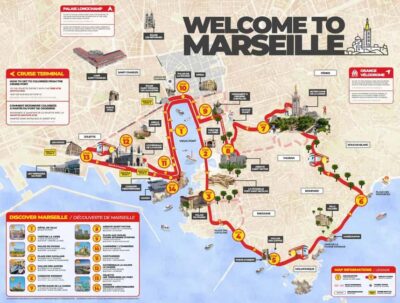
Marseille: City Sightseeing Hop-On Hop-Off Bus Tour
Read our review →
Eiffel Tower Summit Option with Seine River Cruise and City Tour
Read our review →
Paris in a Day: Louvre or Orsay, Eiffel Tower, City Walk & Cruise
Read our review →
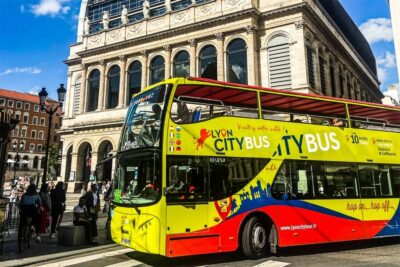
Lyon City Hop-on Hop-off Sightseeing Bus Tour
Read our review →
Paris: Eiffel Tower Hosted Tour, Seine Cruise and City Tour
Read our review →

Paris: City and River Seine Tour on an Amphibious Bus
Read our review →Browse the lists this tour appears in