
Reviewed · D-DAY BEACHES TOURS
From Bayeux: D-Day American Beaches and US Airborne Day Tour
The beaches still make you stop. This full-day Normandy tour connects the key American D-Day sites with strong storytelling, clear visual aids, and a small group capped at seven people. I especially like the included Airborne Museum and the visit to Angoville-au-Plain, a modest church with an extraordinary medical story. The main drawback is the pace: you cover a lot of ground in 8.5 hours, so several stops allow only a short time to look around.
I also like the comfortable van, headsets, and the chance to see both Omaha and Utah Beaches in one day. Guides such as Sophie, Yannick, Gwen, Bridget, and Gwenaël have earned repeated praise for making a complicated military operation understandable. Still, this is not a good fit if walking is difficult, and lunch is not included during the Sainte-Mère-Église break.
In This Review
- Key points at a glance
- Why this Bayeux D-Day tour works well
- Omaha Beach and the first hard landing
- The American Cemetery behind Omaha
- Pointe du Hoc and the Ranger assault
- Sainte-Mère-Église and the Airborne Museum
- Utah Beach and Theodore Roosevelt Jr.
- Angoville-au-Plain and the human side of war
- The guide makes or breaks the day
- Transport, timing, and comfort
- Is $165 a fair price?
- Who should book this experience?
- FAQ
- Where does the tour start?
- How long does the tour last?
- What language is the tour offered in?
- How many people can join the group?
- Is the Airborne Museum ticket included?
- Is food included?
- Is hotel pickup and drop-off provided?
- What should you bring?
- Should you book it?
Key points at a glance
- Omaha Beach with maps and photographs: Learn how the 1st and 29th Infantry Divisions faced German defenses and heavy fire.
- American Cemetery behind Omaha: Allow time for the rows of more than 9,000 graves and the quiet memorial grounds.
- Pointe du Hoc battlefield: See bomb craters, bunkers, and cliff positions linked to the 2nd US Ranger Battalion.
- Airborne Museum included: Sainte-Mère-Église adds the paratrooper story, including the famous church tower incident.
- Angoville-au-Plain feels personal: A small church recalls two medics who treated about 80 wounded soldiers over two days.
- Small-group value: The van holds no more than seven participants, with headsets for clear explanations.
Why this Bayeux D-Day tour works well
Normandy is full of important sites spread across a wide area. You can visit them by car, but driving yourself means watching the road, finding parking, and trying to understand places that often look simple at first glance. This tour solves that problem by linking the American landing beaches with a guide who explains what happened on the ground.
The day lasts 510 minutes, or 8.5 hours, and begins at Place de Québec in Bayeux. You meet the vehicle by looking for the HQ Company Tour sign at the back. There is no hotel pickup, so plan to reach the meeting point on your own.
The group limit of seven matters. In a large coach, a guide must speak to a crowd. In this small van, you get a more personal setting and a better chance to ask questions. Headsets are included, which is useful beside windy beaches or outdoors at the cemetery.
The tour has a clear American focus, but it does not reduce D-Day to troop movements alone. The stops cover soldiers, medics, local residents, German defenses, and the sheer difficulty of moving across beaches and cliffs. Several guides have been praised for using maps, photographs, and memorable stories to make a complicated operation easier to follow.
More D-Day beach trips from Bayeux:
- Normandy American D-Day Beaches Full Day Tour from Bayeux
★ 5.0 · 2,103 reviews - Normandy American D-Day Experience – Group tour from Bayeux
★ 5.0 · 1,566 reviews - Omaha Beach D-Day Experience – Afternoon group tour from Bayeux
★ 5.0 · 1,088 reviews
Omaha Beach and the first hard landing
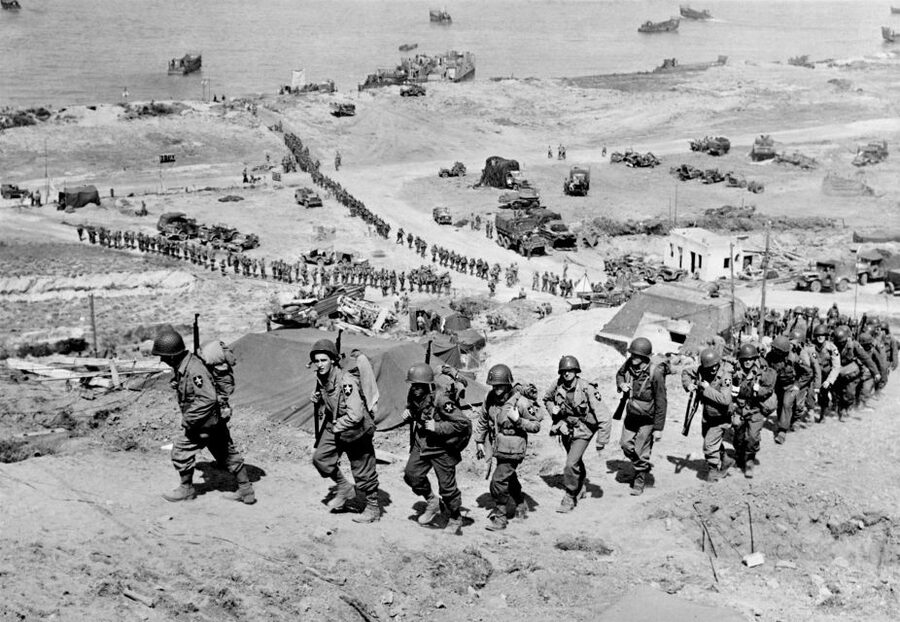
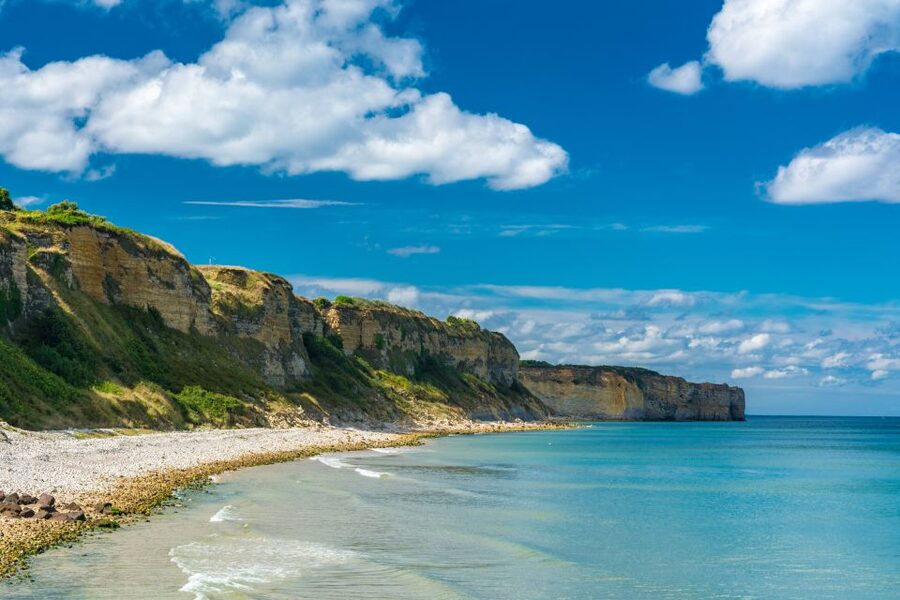
Your first major stop is Omaha Beach, where the 1st and 29th US Infantry Divisions landed. The scheduled visit lasts about 40 minutes, so expect a focused explanation rather than a long period for independent wandering.
This is where the guide’s visual aids earn their keep. Omaha is a broad beach today, and without context it can be hard to picture the landing. Maps and photographs help show the German defensive layout, the exposed approach, and the desperate position of the first waves of American soldiers.
I like that the explanation begins with geography. You learn how the beach, bluffs, defenses, and landing points shaped the battle. The place is open and peaceful now, but the guide’s account helps you understand why this sector became known as bloody Omaha.
The 40-minute stop is also the first sign of the day’s tradeoff. You will get a useful, guided introduction, but not an unlimited amount of time to stand on the sand or explore at your own pace. If you want a slow, reflective beach visit, a private car itinerary may suit you better. If you want a strong overview of the American landing, this short stop is efficient.
The American Cemetery behind Omaha
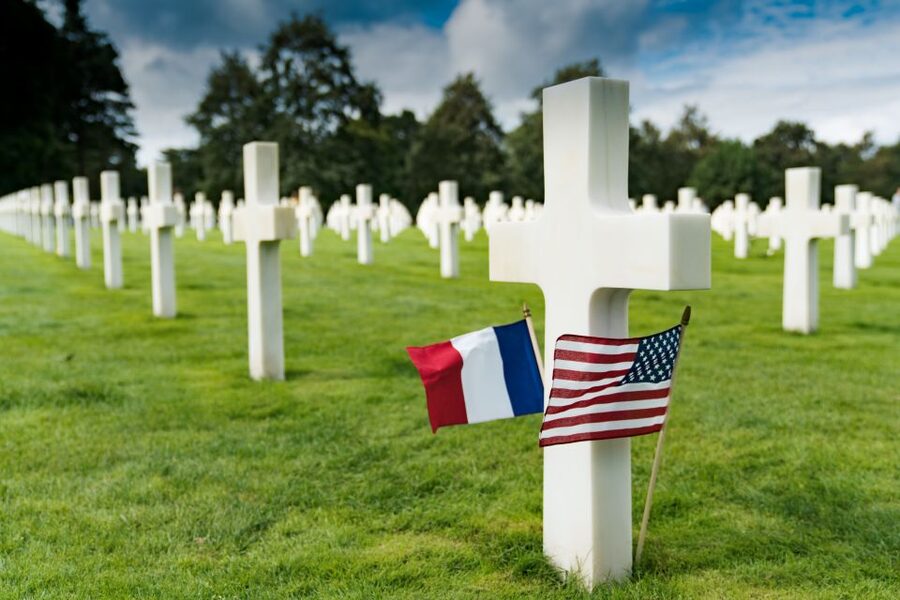
A five-minute drive brings you to the Normandy American Cemetery. The cemetery is operated by the American Battle Monuments Commission and contains more than 9,000 American servicemen and women.
The schedule gives this stop one hour, including guided time and free time. That is important. You first receive the historical setting, then have time to walk quietly among the graves and take in the memorial grounds at your own pace.
This is often the emotional center of the day. The scale is difficult to absorb from a quick glance, and the repeated rows of white markers create a solemn rhythm. I recommend using the free time for silence rather than trying to rush through it with a camera.
The cemetery sits behind Omaha Beach, so the connection between the landing and its human cost is direct. The beach explains the battle. The cemetery reminds you what the battle demanded.
Pointe du Hoc and the Ranger assault
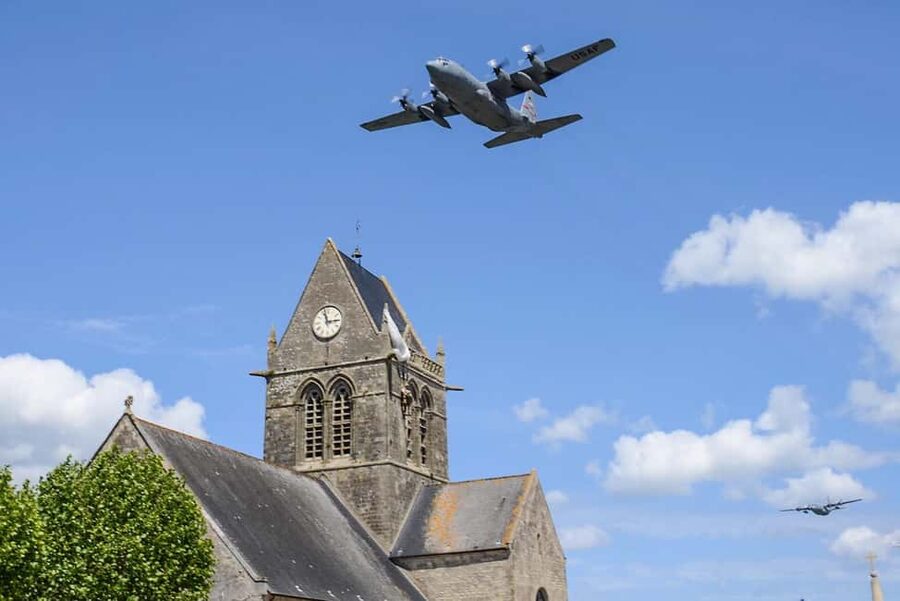
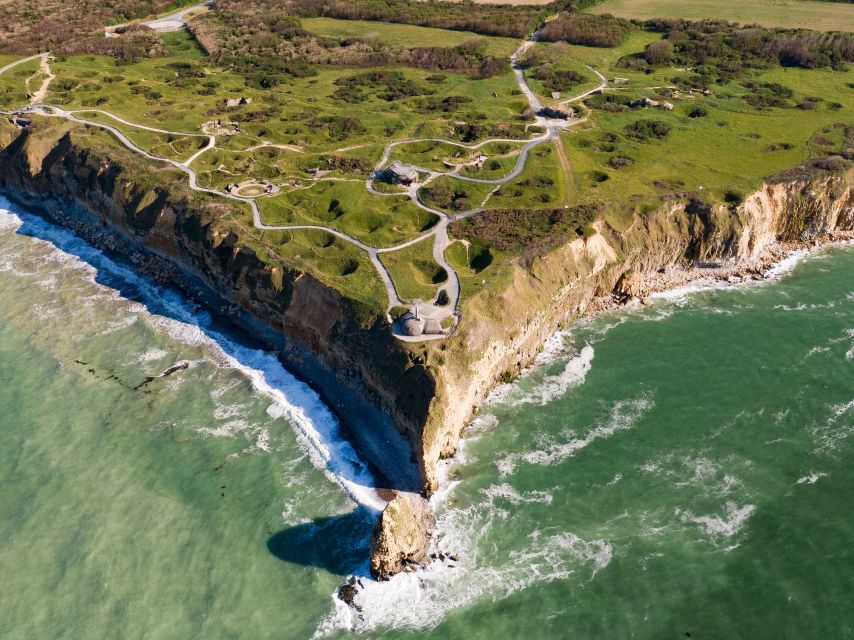
Pointe du Hoc comes next, after about 20 minutes in the van. You have roughly 50 minutes at the site, with a guided visit through one of the most striking battlefields in Normandy.
The story centers on the 2nd US Ranger Battalion under Lieutenant Colonel James E. Rudder. The Rangers scaled the cliffs to destroy a German gun battery that threatened the American landing operation. At the top, bomb craters, bunkers, and dugouts still give the site a physical connection to the fighting.
This is not a polished memorial park in the usual sense. The ground remains marked by the damage of bombardment, and the uneven surfaces help you understand how difficult movement must have been. Wear firm, comfortable shoes, and bring rain gear. The tour runs in all weather.
Pointe du Hoc is especially valuable because it shows that D-Day was not only a beach assault. The Rangers faced cliffs, prepared positions, and a mission that had to be completed before the guns could endanger the landings. The guide’s account turns the craters and concrete structures into part of a larger military plan.
The drawback is footing. The tour is not suitable for people with mobility impairments, and this stop may be uncomfortable if you need smooth, level paths.
A few more Bayeux trips worth weighing up
- Normandy Beaches Half-Day Afternoon Trip from Bayeux (A2)
★ 4.5 · 1,116 reviews - Omaha and Band Of Brothers Full Day Tour
★ 5.0 · 1,104 reviews - Omaha and Utah beaches
★ 5.0 · 1,085 reviews - Normandy Battlefields Tour – American Sites (A3)
★ 5.0 · 876 reviews
Sainte-Mère-Église and the Airborne Museum
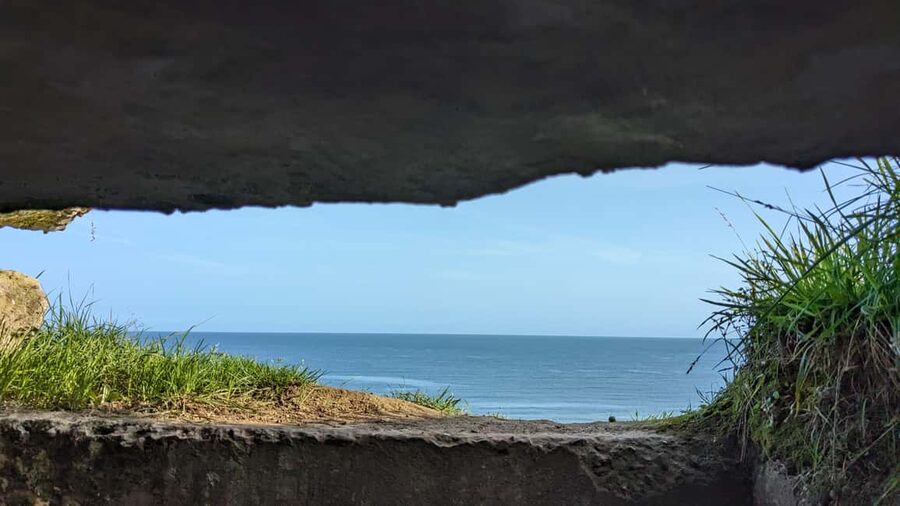
After about 30 minutes on the road, you reach Sainte-Mère-Église, the first town captured by American paratroopers. The town visit allows about 50 minutes for lunch, free time, and shopping, followed by one hour at the Airborne Museum.
The church is central to the town’s story. During the night of the invasion, one American paratrooper became stuck on the church tower. Your guide explains the airborne operation and the stories connected with the men who landed around the town.
The lunch stop is practical rather than elaborate. Food and drinks are not included, so you need to pay for your own meal during the free period. Since the time is limited, keep an eye on the clock so you are ready for the museum.
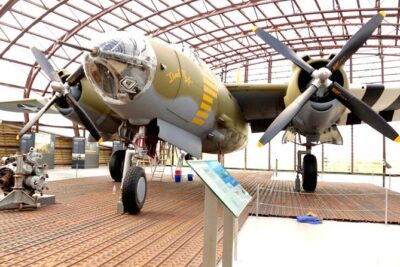
The Airborne Museum admission is included, and this is a major advantage in the $165 price. The museum is described as especially well done, with exhibits that give the airborne operation more shape and detail than the church story alone can provide. One past participant compared it favorably with a major World War II museum, which gives you a sense of its importance in the day’s program.
This stop provides a welcome change from outdoor sites. You can spend time with exhibits, get out of the weather, and follow the airborne story in a more structured setting. The one-hour visit is useful, though anyone who likes to read every display may wish for more time.
Utah Beach and Theodore Roosevelt Jr.
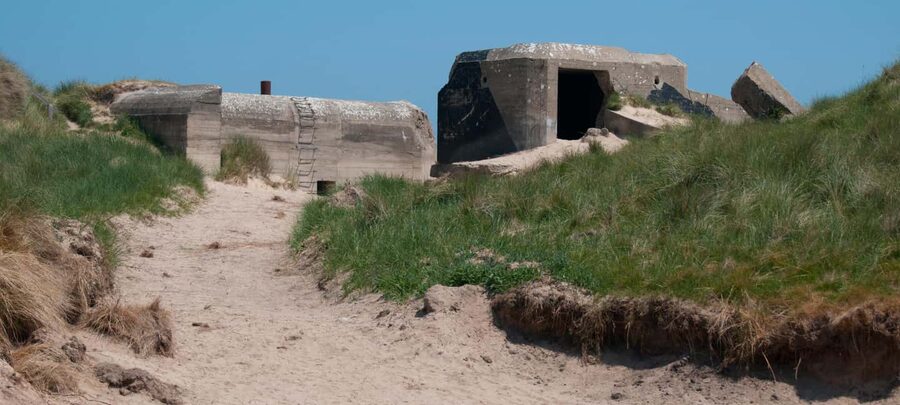
From Sainte-Mère-Église, the van takes about 20 minutes to Utah Beach. The guided visit lasts around 40 minutes.
Here you learn how the 4th Infantry Division breached the German defenses. The guide also explains the role of Brigadier General Theodore Roosevelt Jr., who led the first wave onto the beach at 6:30 in the morning and later received the Medal of Honor.
Including Utah after Omaha gives you a useful comparison. The two beaches were part of the same broad operation, but the stories and conditions were not identical. Seeing both helps you avoid treating D-Day as one single event. It was a series of linked assaults, each shaped by its own terrain, defenses, commanders, and mistakes.
Again, 40 minutes is enough for a guided explanation and a look around, but not for a long independent visit. The tour’s strength is the connection between sites. You see how the American operation moved from the beaches toward the inland objectives rather than treating each location as an isolated stop.
Angoville-au-Plain and the human side of war
The final historical stop is a short drive from Utah Beach. After about 15 minutes in the van, you reach the church of Angoville-au-Plain for a 20-minute guided visit.
The church served as an aid station during the fighting. Two young medics treated about 80 wounded soldiers there over two days. This small site gives the day a different tone. Instead of focusing on a beach assault, cliff climb, or airborne landing, it shows what care looked like once men were hurt.
I consider this one of the tour’s best choices. It is a quieter story, but that is precisely why it stays with you. The church links military history to basic human acts: treating the wounded, working under pressure, and keeping people alive in an improvised setting.
The visit is brief, so listen closely to the guide. You are not given a long period to explore, but the stop adds emotional range to the day. It also helps people who are less interested in military hardware connect with the personal cost of the invasion.
The guide makes or breaks the day
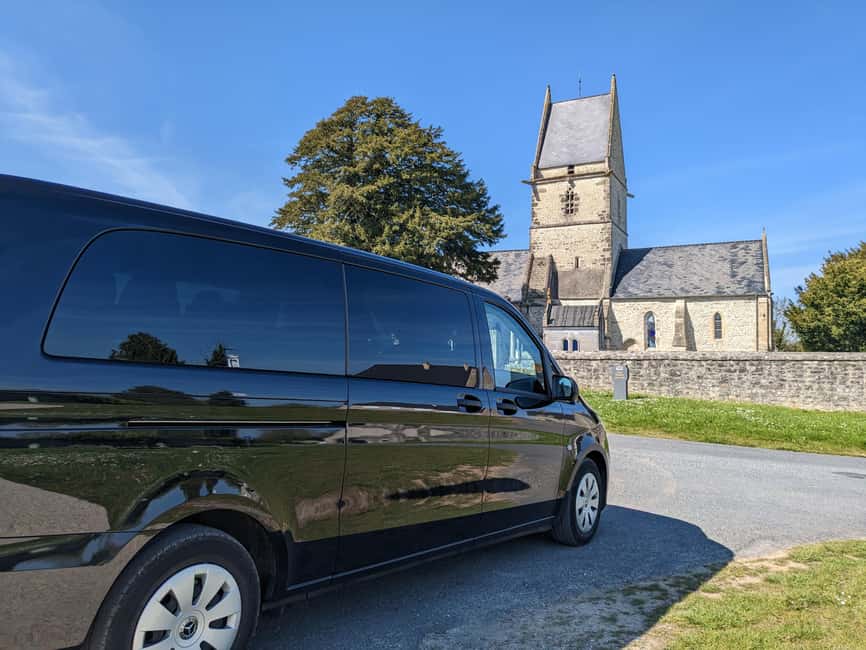
The strongest praise focuses on the guides. Sophie is repeatedly described as engaging, clear, prepared, and open to questions. Yannick has been praised for advanced subject knowledge, useful visual aids, and memorable stories. Gwen, Bridget, Gwenaël, Mathew, Dillon, and other guides also receive strong comments for their warmth, safe driving, and ability to explain a difficult subject in plain English.
That consistency matters because D-Day is complicated. There are many divisions, commanders, landing sectors, objectives, and changes in the plan. A weak guide can bury you in dates. A good one helps you see how the pieces fit.
The best guides also connect the operation to civilians and local residents. One especially valued approach is explaining the physical, emotional, and mental impact of the invasion on people in Normandy, not just the American military story.
You should still expect different personalities from different guides. Some may tell more stories, while others may focus more on military detail. The common strengths reported across the tour are clear English, preparation, visual aids, and a willingness to answer difficult questions.
Transport, timing, and comfort
The tour uses a small van, with about 30 minutes from Bayeux to Omaha Beach and a total driving pattern that returns you to Place de Québec after the final stop. The vehicle has received a 90 percent perfect score for transport, and the small group keeps the day more manageable than a large coach excursion.
The route is well planned. You begin with Omaha, then move to the cemetery and Pointe du Hoc before heading toward the airborne sites and Utah Beach. That order gives the day a broad arc from the first landings to the inland operation and the care of the wounded.
You will spend a fair amount of time in the van. That is unavoidable when visiting beaches and sites spread across Normandy. The benefit is that you see far more than you could comfortably reach on foot from Bayeux.
Bring comfortable shoes and rain gear. The tour operates rain or shine, and several visits take place outdoors. The day is not suitable for people with mobility impairments, especially because of uneven battlefield ground and the amount of getting in and out of the van.
Is $165 a fair price?
At $165 per person, this is not the cheapest way to see Normandy. It is a reasonable price if you value a small group, a licensed English-speaking guide, transport between distant sites, headsets, and admission to the Airborne Museum.
The included museum ticket strengthens the value. So does the amount covered in one day: Omaha Beach, the American Cemetery, Pointe du Hoc, Sainte-Mère-Église, the Airborne Museum, Utah Beach, and Angoville-au-Plain.
You do not pay for lunch or drinks, and there is no hotel pickup or drop-off. Those costs and arrangements are yours. The meeting point in Bayeux is simple, but you need to get there independently.
I would call the price fair for someone with only a short stay in Normandy. You are paying not just for a vehicle, but for interpretation that helps each stop make sense. If you already have a rental car and enjoy researching military sites in detail, you may prefer to create your own route. You will gain flexibility, but you will need to supply the explanations yourself.
Who should book this experience?
I would recommend this tour to first-time visitors who want a full American D-Day overview in one day. It is also a strong choice for families with older children, military history fans, and anyone who wants a guide rather than a self-guided visit.
It suits you especially well if you want both major sites and a few less obvious human stories. Angoville-au-Plain is a good example. It gives the day more feeling than a simple checklist of beaches and monuments.
You may want another option if you need long periods of quiet reflection, have limited mobility, or prefer to focus on one beach in great detail. The schedule is full, and the guided format leaves little room to change the route.
Free cancellation up to 24 hours before departure and reserve-now, pay-later booking add useful flexibility. Still, check the available starting time before you commit, since the tour lasts most of the day.
FAQ
Where does the tour start?
The tour starts at Place de Québec in Bayeux. Look for the vehicle with the HQ Company Tour sign at the back.
How long does the tour last?
The tour lasts 510 minutes, or 8.5 hours, including travel between sites.
What language is the tour offered in?
The live tour guide speaks English.
How many people can join the group?
The tour is limited to seven participants, making it a small-group experience.
Is the Airborne Museum ticket included?
Yes. Entry to the Airborne Museum in Sainte-Mère-Église is included.
Is food included?
No. Food and drinks are not included. You have free time for lunch in Sainte-Mère-Église.
Is hotel pickup and drop-off provided?
No. Hotel pickup and drop-off are not included. You must reach Place de Québec for the start and return there at the end.
What should you bring?
Bring comfortable shoes and rain gear. The tour operates in all weather.
Should you book it?
Book this tour if you want the main American D-Day sites explained in a clear, connected way, with an expert guide and no need to drive. The included Airborne Museum, small group, comfortable van, and moving stop at Angoville-au-Plain make it more than a basic beach bus tour.
Skip it if you need a slow pace, have mobility limitations, or want to spend an entire day at only one or two sites. For most visitors based in Bayeux, though, this is a well-planned introduction to Omaha, Utah, the airborne operation, and the human cost of the Normandy invasion.
Recently added around Bayeux
- From Bayeux: Half-Day Normandy WWII Sidecar Tour★ 5.0 · 49 reviews
- Private Tour of American Sites with an Expert Guide from DDAY★ 5.0 · 51 reviews
- WW2 Jeep or Dodge truck tour of the Omaha Beach site★ 5.0 · 51 reviews
- Mont Saint Michel Full Day Tour from Bayeux★ 5.0 · 52 reviews
- Bayeux: Band Of Brothers Full-Day Tour★ 4.9 · 53 reviews
- From Bayeux: 2-hour private sidecar tour in Normandy★ 5.0 · 58 reviews
- Normandy – Mont Saint-Michel Full Day Tour from Bayeux★ 4.5 · 62 reviews
- Private Day Tour of Mont Saint-Michel from Bayeux★ 5.0 · 62 reviews
D-Day Beaches Tours, compared.
Normandy D-Day Sites & Cemetery Day Trip from Paris with Lunch
Read our review →
Normandy D-Day Small-Group Day Trip with Omaha Beach, Cemetery & Cider Tasting
Read our review →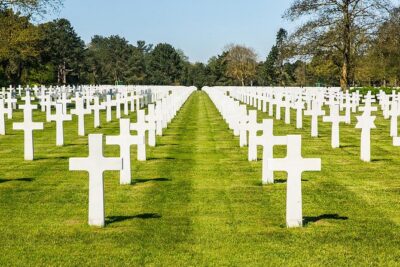
Normandy D-Day Beaches and American Cemetery Day Trip from Paris
Read our review →
Normandy American D-Day Beaches Full Day Tour from Bayeux
Read our review →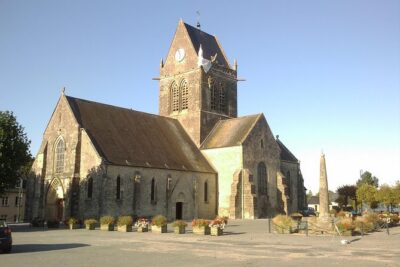
Normandy American D-Day Experience – Group tour from Bayeux
Read our review →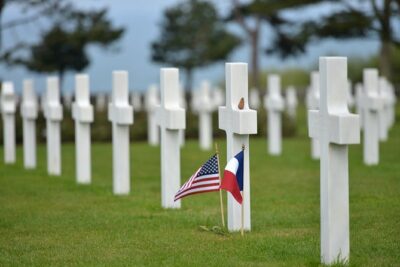
Omaha Beach D-Day Experience – Afternoon group tour from Bayeux
Read our review →
Paris: Normandy D-Day Sites Guided Day Trip with Lunch
Read our review →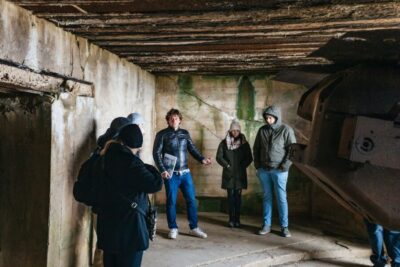
From Paris: Normandy D-Day Landing Beaches Full-Day Tour
Read our review →Browse the lists this tour appears in