
Reviewed · NORMANDY TOURS
Omaha and Utah beaches
The morning begins where D-Day changed everything. This nine-hour tour from Bayeux links Omaha and Utah beaches with Pointe du Hoc, Sainte Mère Eglise, the American Cemetery, and smaller sites that are easy to miss alone. I like the carefully connected route and the guides’ gift for turning military movements into human stories. The main drawback is simple: lunch and drinks are not included, and a full day of beaches and memorials can feel physically and emotionally demanding.
For $183.81 per person, you get round-trip transport in a private vehicle, a driver-guide, and a local or professional guide. The group can reach 16 people, so you get more personal attention than on a large coach, though the price is higher than a basic bus outing. Cold, wet weather is common on the Normandy coast, so bring warm layers even in a season that feels mild in Bayeux.
In This Review
- Key points at a glance
- Why this Normandy tour works so well
- Starting in Bayeux at 8:20 a.m.
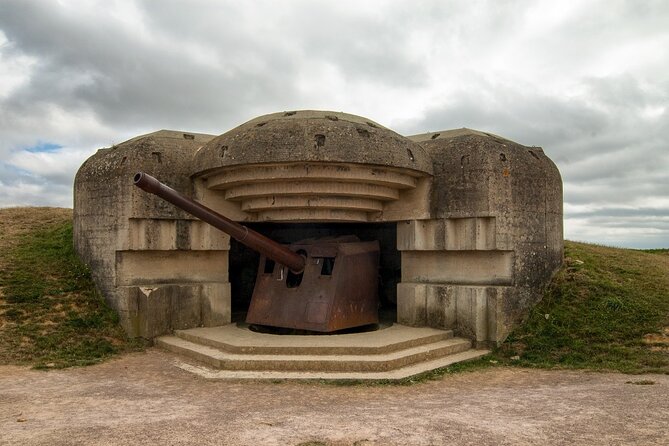
- Longues-sur-Mer Battery and the German defenses
- Omaha Beach and the American Cemetery
- Pointe du Hoc and the cost of taking high ground
- Sainte Mère Eglise and the airborne story
- La Fière, the DeGlopper action, and small places with large meaning
- Utah Beach and Sainte Marie du Mont
- Batteries, aid stations, and the human side of war
- Hiesville and the final memorials
- What the $183.81 price really buys
- Guides, weather, and the best way to prepare
- Who should book this Omaha and Utah tour?
- Should you book it?
- FAQ
- Where does the Omaha and Utah Beaches tour start?
- Where does the tour end?
- How long does the tour last?
- What sites are included?
- Is lunch included?
- How many people can join the tour?
Key points at a glance
- Two American landing sectors in one day: See the Omaha and Utah areas and follow the wartime movements of the American V Corps and VII Corps.
- Small-group transport: The tour uses a private vehicle and accepts a maximum of 16 people.
- More than the famous beaches: The route includes Pointe du Hoc, Sainte Mère Eglise, La Fière, village churches, batteries, memorials, and wartime headquarters.
- Guides shape the experience: Guides such as Theo, William, Adam, Valentine, Ben, Antoine, and Guillaume have been praised for clear explanations, personal stories, and strong command of the subject.
- A practical Bayeux departure: Meet at Place du Québec at 8:20 a.m. and return to the same meeting point.
- Bring lunch money and warm clothing: Food and drinks are not included, and the coast can be cold, especially in the morning and during autumn or spring visits.
Why this Normandy tour works so well
The strength of this outing is its range. Many D-Day day trips focus on one landing beach and a cemetery, then hurry back to Bayeux. This route gives you the American experience from both the western and eastern ends of the Normandy landing area, while also showing how roads, bridges, farms, villages, and gun batteries affected the campaign.
I especially like the way the stops connect military planning with ordinary places. A beach gives you scale. A church gives you intimacy. A bridge shows why a narrow crossing could matter so much. A cemetery forces you to consider the cost. Taken together, the day gives you more than a collection of famous names.
The guide matters enormously here. Theo has used maps, photographs, and family stories to make the events easier to follow. William has been praised for explaining the invasion without rushing. Adam, Valentine, Ben, Antoine, and Guillaume have also received strong praise for their clear, personal approach. The exact guide can vary, but the company’s best guides appear to be the heart of the experience.
You should also know what this is not. It is not a relaxed French countryside outing with long café stops. It is a history-focused day with frequent movement, outdoor walking, and serious subject matter. You will have chances to pause and reflect, but the schedule covers many places.
A few more Bayeux trips worth weighing up
- Normandy American D-Day Beaches Full Day Tour from Bayeux
★ 5.0 · 2,103 reviews - Normandy American D-Day Experience – Group tour from Bayeux
★ 5.0 · 1,566 reviews - Normandy Beaches Half-Day Afternoon Trip from Bayeux (A2)
★ 4.5 · 1,116 reviews
Starting in Bayeux at 8:20 a.m.
You meet at Place du Québec in central Bayeux at 8:20 a.m. The tour ends back at that same meeting point, which makes the arrangement fairly simple if you are staying in town or arriving there by local transport.
The early start is useful. The itinerary covers a large area, and leaving in the morning gives the guide time to explain each place rather than reducing every stop to a quick photograph. It also gives you a better chance of avoiding some traffic, although conditions can change sharply during major anniversary periods.
The private vehicle is another practical advantage. With a maximum of 16 people, the group is small enough for questions and conversation. The van also lets the guide reach minor memorials and village locations that may not fit easily into a large coach route.
The tradeoff is that a small vehicle is still a vehicle. You will spend part of the day seated between outdoor stops, and the tour does not provide hotel pickup or hotel drop-off. Plan your route to and from Place du Québec before departure.
Longues-sur-Mer Battery and the German defenses
The first listed stop is the Longues-sur-Mer Battery, a German coastal defense position. This is a strong opening because it introduces the fixed defenses that Allied forces had to overcome before the beach landings could succeed.
The battery also helps you understand why the invasion was not simply a matter of reaching the sand. The coastal fortifications, artillery positions, roads, and observation points shaped the danger faced by the landing forces. Your guide can put the concrete structures into the larger story before you reach Omaha.
This stop is most useful if you listen for connections. The battery is not just a preserved military site. It helps explain the physical problem facing the Allied fleet and troops, and it prepares you for the open shoreline at Omaha Beach.
Omaha Beach and the American Cemetery
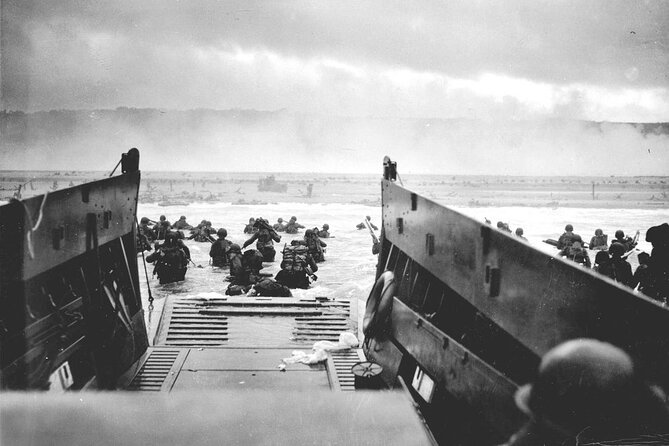
Omaha Beach is likely to be the emotional center of your day. The broad shore makes it hard to picture the confusion and danger of the landing, which is exactly why a guide’s maps, photographs, and explanations matter. Without context, a beach can look calm and ordinary. With context, every approach and rise takes on meaning.
The tour gives you time at the beach rather than treating it as a brief roadside photo stop. That matters. You can look across the sand, consider the exposed approach, and then connect what you see with the guide’s account of the American V Corps.
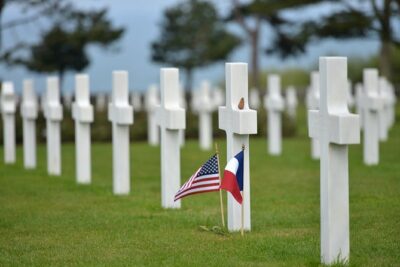
Nearby, the American Cemetery of Colleville brings the human cost into sharp focus. Rows of white markers stretch across the grounds, and the scale can be difficult to absorb. I would not plan another rushed attraction immediately afterward. Give yourself space to think, especially if this is your first visit to a major D-Day memorial.
The cemetery is also a place where the tour’s tone changes. Earlier stops focus on defenses and operations. Here, the subject becomes individual lives and the number of young people lost. Several guides have been praised for sharing personal stories of courage, which can make the site feel less like a list of dates and more like a record of people.
A completely different sort of day in Bayeux:
- Omaha and Band Of Brothers Full Day Tour
★ 5.0 · 1,104 reviews - Omaha Beach D-Day Experience – Afternoon group tour from Bayeux
★ 5.0 · 1,088 reviews - Normandy Battlefields Tour – American Sites (A3)
★ 5.0 · 876 reviews - Private D-Day Experience from Bayeux
★ 5.0 · 573 reviews
Pointe du Hoc and the cost of taking high ground

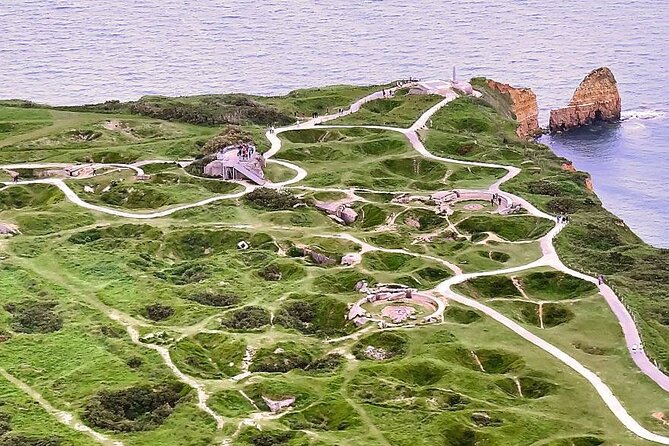
Pointe du Hoc adds a different kind of drama. The site shows why high ground mattered and why fortified positions could threaten the landing beaches. The rough terrain and German gun emplacements give you a stronger sense of the obstacles involved than a lecture in a museum can provide.
The area includes gun positions, some with guns still intact, according to the tour details provided. Your guide’s job here is to explain how the position fit into the wider German defense system and how its location affected the Allied plan.
You may find this stop more physically demanding than the cemetery or village visits. Wear shoes suitable for outdoor ground, and watch your footing. The tour information does not promise a specific amount of free time at every location, so expect the guide to balance walking, explanation, and the needs of the group.
Sainte Mère Eglise and the airborne story
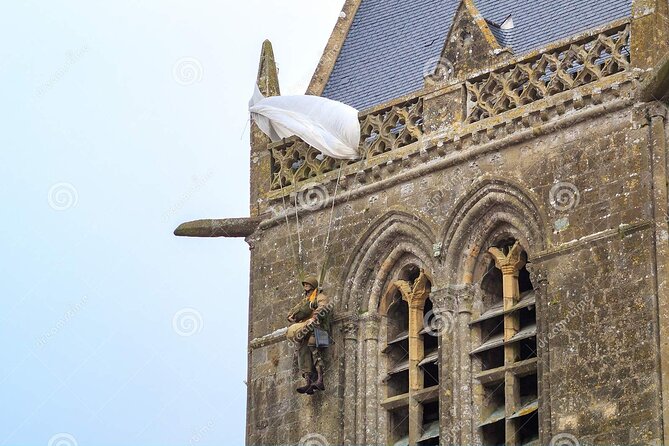
Sainte Mère Eglise shifts the focus from the beach landings to the airborne operations linked with the American VII Corps. The town is one of the best-known American D-Day locations, but its value on this tour comes from how it connects with the other stops.
Here, the guide can explain why inland villages and road junctions mattered. The goal was not only to reach the coast. Forces also had to secure routes, hold key crossings, disrupt German movement, and protect the advance from the beaches.
The stop is especially useful if you want more than the standard Omaha narrative. The tour’s mix of beach, airborne, and village history gives you a fuller picture of the first stage of the campaign. It also helps explain why the day includes places that may seem modest at first glance.
La Fière, the DeGlopper action, and small places with large meaning
La Fière is one of the smaller locations on the route, yet it represents the importance of bridges and crossings during the airborne operations. A bridge can look unremarkable today. In wartime, control of that crossing could affect the movement of troops and supplies.
The DeGlopper Action adds a personal story of individual courage to the military context. This is one of the points where a good guide can make a major difference. Rather than only naming an operation, the guide can show how one person’s choices affected others around him.
I like this part of the itinerary because it gets you away from only famous monuments. The smaller memorials often help you understand how the campaign played out in fields, roads, farms, and villages. You are not simply looking at grand symbols. You are tracing actions across the places where they happened.
Utah Beach and Sainte Marie du Mont
Utah Beach provides a useful contrast with Omaha. Seeing both beaches in one day lets you compare the geography and hear how the landings differed in their progress and challenges. Your guide can connect Utah with the movements of the American VII Corps and show how the eastern landing sector fit into the wider invasion.
Sainte Marie du Mont continues that story inland. The village setting helps you see that the operation quickly moved beyond the shoreline. The road network and nearby settlements became part of the battle, not just background scenery.
This part of the day may be particularly valuable if you have already read about D-Day but still struggle to understand how the separate operations fitted together. Moving from Omaha to Utah, and then into the villages and crossing points, gives the campaign a geographic shape.
Batteries, aid stations, and the human side of war
The Holdy Battery and 1st Aid Station, La Colombière Hospital, and Angoville au Plain church bring the day down to a more personal scale. These locations show the medical and civilian realities surrounding the fighting.
The church at Angoville au Plain is especially memorable for its story of two medics caring for roughly 80 Allied and German soldiers. That detail captures the confusion of combat and the basic human duty to treat the wounded, regardless of uniform.
La Colombière Hospital adds another layer, showing how medical care operated during the campaign. These stops are not as immediately famous as Omaha or Pointe du Hoc, but they may be the moments you remember most clearly afterward.
The emotional weight can build across the day. If you prefer a light sightseeing schedule, this may feel like a lot. If you want to understand the people caught inside the military operation, these locations are a major reason to choose this route.
Hiesville and the final memorials
The tour continues to Hiesville, including General Taylor’s Headquarters and the General Pratt Memorial. These places help explain command decisions and the organization behind the airborne campaign.
A good guide will keep the details connected to the ground you are seeing. Maps and photographs are useful here because headquarters can otherwise seem abstract. You may hear how decisions made in these locations affected units spread across the surrounding villages and roads.
The final stop, Angoville au Plain, brings the route back to individual experience. Ending with a church and a story of medical care gives the day a human closing note rather than finishing only with military hardware.
What the $183.81 price really buys
At $183.81 per person, this is not the cheapest way to see Normandy. It is also not simply a ride between beaches. The fee covers a private vehicle, driver-guide, and local or professional guide for about nine hours, with a group capped at 16 people.
For me, the value rests on three things: the number of sites, the route’s geographic range, and the quality of the guide. Hiring a car and trying to connect Omaha, Utah, Pointe du Hoc, Sainte Mère Eglise, La Fière, and the smaller memorials yourself would require careful planning. You would also need to supply the historical explanation that makes the locations meaningful.
The price is easier to justify if this is your main D-Day day. It is less attractive if you plan several guided Normandy tours or prefer to spend long, quiet periods at one beach. You are paying for access to a broad route and for someone to explain why each stop matters.
Lunch and drinks are not included. Set aside money for food, and do not assume the tour price covers refreshments. The tour ends at the starting point, but hotel pickup and drop-off are not provided.
Guides, weather, and the best way to prepare
Guide quality appears to be the most praised part of this experience. Theo has been singled out for using photos and maps well, while William, Adam, Valentine, Ben, Antoine, and Guillaume have each been praised for clear explanations, personal stories, humor, or a strong sense of connection to Normandy.
The guide may also correct popular myths about the invasion. That is a benefit if you want a more accurate account rather than a familiar movie version. One useful comparison from the feedback is that this route offers a mix of locations associated with both the Omaha and Utah stories, rather than focusing narrowly on one film or unit narrative.
Dress for the coast, not just Bayeux. One particularly useful warning is to wear warm clothing because the beaches can be cold on autumn mornings. Rain and cold weather have not necessarily stopped the tour from operating, but they can change how comfortable you feel at exposed outdoor sites.
I would bring:
- Warm layers and a waterproof outer layer
- Comfortable shoes for beaches, memorial grounds, and uneven outdoor areas
- Water and money for lunch, since food and drinks are excluded
- A phone or camera, while keeping the memorial sites respectful
- Patience for a serious day with many stops
The tour is offered in English. Service animals are allowed, and most people can participate, but the day includes outdoor sites and walking. If you have specific mobility concerns, check with the provider before booking rather than assuming every stop will be equally easy.
Who should book this Omaha and Utah tour?
I would choose this tour if you have one full day in Bayeux and want a guided introduction to the American sectors of Normandy. It suits anyone who wants both the major sites and the lesser-known places that explain how the invasion moved inland.
It is also a good fit for families and first-time visitors who want the guide to supply structure. The stories can help younger people connect with events that might otherwise feel remote or overly technical.
You may prefer a different plan if you want a slow beach day, a museum-heavy schedule, or complete control over how long you stay at each site. The route covers a lot, so some stops will be shorter than others. You should also think carefully about the emotional side. Omaha, the cemetery, and the medical stories at Angoville au Plain can leave a lasting impression.
Should you book it?
Book this tour if you value expert storytelling, a small group, and a full route covering both Omaha and Utah. The strongest reason to go is not simply the number of stops. It is the way the beaches, batteries, villages, bridges, headquarters, cemetery, and church fit together.
I would consider the $183.81 worthwhile for a first Normandy visit, especially if you do not want to drive or build a detailed military history itinerary yourself. Bring warm clothes, plan for your own lunch, and expect a serious day rather than casual sightseeing. If you are ready for that pace and subject matter, this is a well-organized way to understand the American D-Day experience.
FAQ
Where does the Omaha and Utah Beaches tour start?
The tour starts at Place du Québec, Place du Québec, 14400 Bayeux, France. Departure time is 8:20 a.m.
Where does the tour end?
The activity ends back at the meeting point in Bayeux.
How long does the tour last?
The tour lasts approximately nine hours.
What sites are included?
The route includes Longues-sur-Mer Battery, Omaha Beach, the American Cemetery of Colleville, Pointe du Hoc, Sainte Mère Eglise, La Fière, the DeGlopper Action site, Utah Beach, Sainte Marie du Mont, Holdy Battery and 1st Aid Station, La Colombière Hospital, Hiesville, General Taylor’s Headquarters, the General Pratt Memorial, and Angoville au Plain.
Is lunch included?
No. Food, drinks, and lunch are not included in the tour price.
How many people can join the tour?
The maximum group size is 16 people. Transport is provided by private vehicle with a driver-guide and a local or professional guide.
Recently added around Bayeux
- From Bayeux: Half-Day Normandy WWII Sidecar Tour★ 5.0 · 49 reviews
- Private Tour of American Sites with an Expert Guide from DDAY★ 5.0 · 51 reviews
- WW2 Jeep or Dodge truck tour of the Omaha Beach site★ 5.0 · 51 reviews
- Mont Saint Michel Full Day Tour from Bayeux★ 5.0 · 52 reviews
- Bayeux: Band Of Brothers Full-Day Tour★ 4.9 · 53 reviews
- From Bayeux: D-Day American Beaches and US Airborne Day Tour★ 4.8 · 56 reviews
- From Bayeux: 2-hour private sidecar tour in Normandy★ 5.0 · 58 reviews
- Normandy – Mont Saint-Michel Full Day Tour from Bayeux★ 4.5 · 62 reviews
Normandy Tours, compared.
Normandy American D-Day Beaches Full Day Tour from Bayeux
Read our review →
Normandy American D-Day Experience – Group tour from Bayeux
Read our review →
Normandy Beaches Half-Day Afternoon Trip from Bayeux (A2)
Read our review →
Omaha Beach D-Day Experience – Afternoon group tour from Bayeux
Read our review →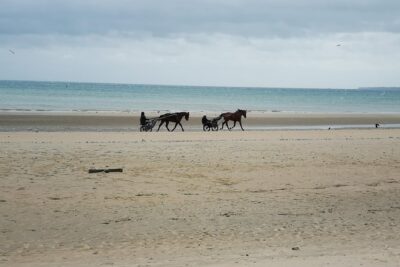
Normandy Battlefields Tour – American Sites (A3)
Read our review →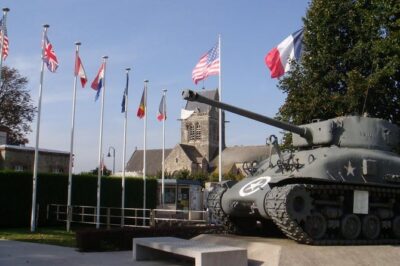

Mont Saint Michel: Walking Tour & Optional Abbey Ticket
Read our review →Browse the lists this tour appears in