
Reviewed · NORMANDY TOURS
Normandy Battlefields Tour – American Sites (A3)
D-Day makes sense when you see the ground. This full-day Normandy tour connects Sainte-Mère-Église, Pointe du Hoc, Utah Beach, Omaha Beach, and the American Cemetery in one well-planned route. I like the small group of eight or fewer and the way a good guide can explain how each battlefield affected the next.
I also like that transport, admissions, and hotel drop-off are included, so you can focus on the places rather than driving between them. Guides such as Jack, David, Sophie, Naomi, Emma, and Jeremiah have been praised for clear English and strong storytelling. The main drawback is simple: nine hours is a long, tightly packed day, with plenty of walking and little room to linger everywhere.
In This Review
- Key points to know before booking
- Why this Bayeux tour works for a first visit
- Sainte-Mère-Église and the airborne landings
- La Cambe German War Cemetery
- Pointe du Hoc, where the terrain tells the story
- Utah Beach and the American coastal assault
- Omaha Beach and the hard middle of the day
- Colleville-sur-Mer American Cemetery
- The guides can shape the entire day
- Transport, timing, food, and walking
- Who should book this American-sites tour?
- Should you book it?
- FAQ
- Where does the Normandy American-sites tour begin?
- Does the tour pick up from Paris?
- What time does the tour return to Bayeux?
- How many people can join the tour?
- Is the tour offered in English?
- Are meals and drinks included?
- What sites are visited?
- What is included in the price?
- Can I cancel for a refund?
Key points to know before booking
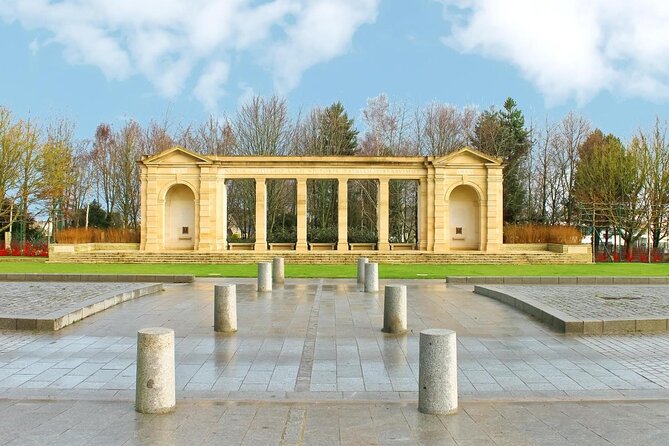
- Sainte-Mère-Église gives the day a human beginning: This liberated town is tied to the American airborne landings and offers more than a quick photo stop.
- Pointe du Hoc is the most physical stop: Expect open ground, bomb craters, bunkers, and uneven walking.
- Omaha Beach and the American Cemetery provide the emotional center: The contrast between the beach and rows of white crosses is powerful.
- The group is limited to eight people: That makes questions easier and lets the guide adjust the pace somewhat.
- Bayeux is the base for this tour: Pickup is offered in Bayeux, not Paris, with return around 6 p.m.
- Bring your own lunch money and drinks: Food is not included, although some groups have found lunch options near a museum stop.
Why this Bayeux tour works for a first visit
Normandy is not one single battlefield. The D-Day operation covered a broad stretch of coast and involved airborne troops, Rangers, infantry, naval forces, French resistance members, and German defenders. Seeing only one beach can leave you with a flat picture of a very complicated event.
This route gives you an American-sector overview in one day. You move from the airborne landings at Sainte-Mère-Église to the German defenses at Pointe du Hoc, then to the beaches and cemeteries where the cost of the attack becomes impossible to ignore.
I think that structure is the tour’s greatest strength. A guide can connect the stops instead of treating them as separate monuments. The fighting at Pointe du Hoc, the assault at Omaha, and the landings at Utah were linked parts of one operation, not isolated episodes.
The tour costs $161.25 per person. That is not a bargain in the narrow sense, but it is fair value for roughly nine hours of transport, a professional English-speaking guide, included admissions, and a maximum group of eight. A rental car may cost less for a couple, but driving, parking, navigation, and finding the sites take time and attention.
You also avoid the problem of arriving at a site with no idea what you are seeing. That matters here. A bunker, crater, beach, or cemetery can look quiet and ordinary until someone explains what happened there.
A few more Bayeux trips worth weighing up
- Normandy American D-Day Beaches Full Day Tour from Bayeux
★ 5.0 · 2,103 reviews - Normandy American D-Day Experience – Group tour from Bayeux
★ 5.0 · 1,566 reviews - Normandy Beaches Half-Day Afternoon Trip from Bayeux (A2)
★ 4.5 · 1,116 reviews
Sainte-Mère-Église and the airborne landings
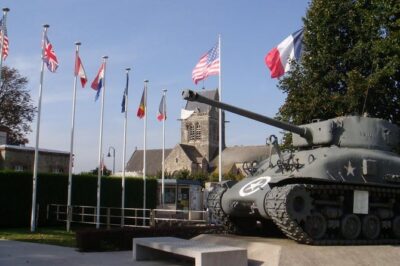
The day begins at Sainte-Mère-Église, a town closely linked to American paratroopers. The church is the visual anchor, and its connection to the airborne assault gives you an immediate sense of how chaotic the first hours of D-Day were.
You have about an hour here. That is enough to see the church area, listen to the guide, and absorb the story without rushing through it.
The nearby Airborne Museum receives another hour. This is a useful pairing because the church gives you the place, while the museum adds equipment, personal stories, and context about the airborne troops. Several guides use maps, photographs, and diagrams to make the operation easier to follow.
I would pay close attention during the drive and at the museum. The strongest guides explain not only what happened, but why the invasion plan was so difficult. You may hear about the preparation, the choice of the invasion date, efforts to mislead German forces, and the role of French resistance groups.
An hour can feel short if you want to read every display. One useful approach is to let the guide establish the main story first, then spend your free minutes on the exhibits that catch your attention.
La Cambe German War Cemetery
La Cambe changes the tone of the day. The cemetery is a place for German dead, and its dark stone markers and grouped graves create a sharp contrast with the American Cemetery later in the route.
You have about an hour here. That is plenty of time to walk quietly, read names, and consider the fact that the same campaign produced enormous losses on every side.
This stop matters because it prevents the tour from becoming a one-sided victory story. The focus is American sites, but the war was fought by young men from many countries, and La Cambe gives you a place to acknowledge that wider cost.
The cemetery is also a useful pause between the airborne sites and the coastal battlefields. The day moves quickly, so a quiet stop can help you process what you have already heard.
Pointe du Hoc, where the terrain tells the story
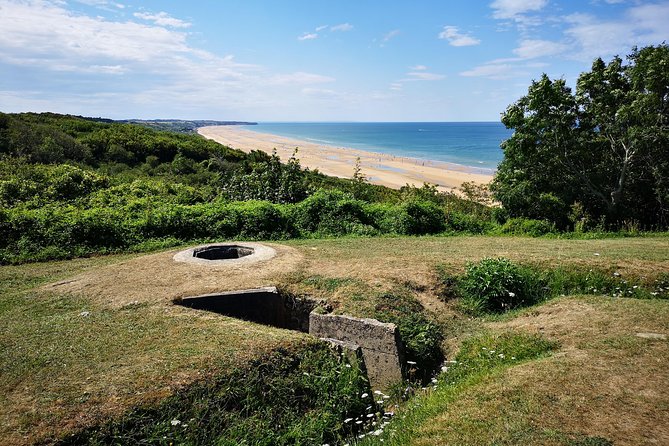
Pointe du Hoc is likely to be one of the most memorable stops. American Rangers attacked this German gun position from the sea and climbed the cliffs under fire. The site still shows the violence of the bombardment through large craters and damaged concrete defenses.
The tour allows about an hour. You may walk across open ground, look into bomb craters, and enter or inspect bunkers where permitted. One important practical point: this is not a polished museum visit. The ground can be uneven, and the stop involves walking.
The physical setting helps your guide explain the problem the Rangers faced. Maps and diagrams are useful, but standing on the site makes the height, exposure, and distance easier to grasp.
The attack did not go exactly as planned. A strong guide will explain how the Rangers adapted and how events at Pointe du Hoc affected the wider battle. One account of the day explained that reinforcements connected to the Pointe du Hoc operation later helped at Omaha when the original plan changed.
You should not expect an hour here to cover every detail. The stop is best used to understand the terrain, hear the main sequence of events, and take a respectful walk through the remains.
A completely different sort of day in Bayeux:
- Omaha and Band Of Brothers Full Day Tour
★ 5.0 · 1,104 reviews - Omaha Beach D-Day Experience – Afternoon group tour from Bayeux
★ 5.0 · 1,088 reviews - Omaha and Utah beaches
★ 5.0 · 1,085 reviews - Private D-Day Experience from Bayeux
★ 5.0 · 573 reviews
Utah Beach and the American coastal assault
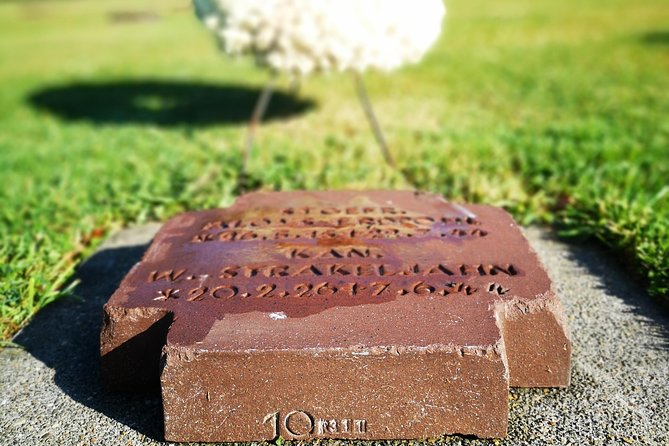
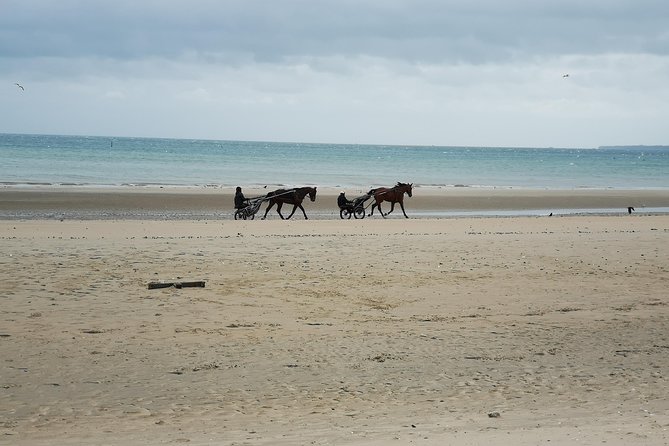
Utah Beach is part of the advertised American-sites route and is one of the major reasons to choose this tour. The beach itself is broad and open, and that calm setting can make the scale of the assault hard to imagine without a guide.
Your guide helps place the landing in its military context. You will learn how the troops came ashore, what went wrong, and how the Utah landing fit into the rest of the invasion.
The route information gives an hour for the major site visits, but the exact timing can shift during a busy day. Some groups may spend more time at one beach and less at a museum or cemetery, depending on traffic, questions, and the guide’s judgment.
I like visiting both Utah and Omaha because the comparison gives the day more depth. They were not interchangeable beaches, and the fighting unfolded differently at each one. Seeing both keeps the story from being reduced to one famous image.
Omaha Beach and the hard middle of the day
Omaha Beach is often the emotional and historical center of an American D-Day tour. It is also where the guide’s skill matters most. The beach is peaceful now, but the scale of the original assault is difficult to picture without a clear explanation of the shoreline, defenses, and troop movements.
You have about an hour here. That gives you time to stand on the sand, look inland, and listen to the account of the battle. You may want a few quiet minutes without narration. Tell your guide if you need that space.
A guide can also explain the links between Omaha, Pointe du Hoc, and the other landing areas. One particularly useful explanation is that the Omaha assault was close to failure, and that troops connected with the Pointe du Hoc operation later helped reinforce the beach after their own plan changed.
This is where the tour moves beyond dates and names. You begin to see D-Day as a chain of decisions made under pressure, with plans breaking down and units improvising.
Several people describe the day as emotionally heavy. That is not a reason to avoid Omaha, but you should plan for a serious experience rather than a light sightseeing outing.
Colleville-sur-Mer American Cemetery
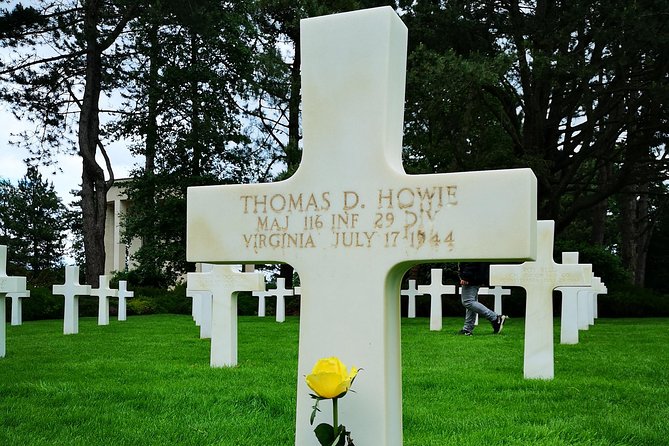
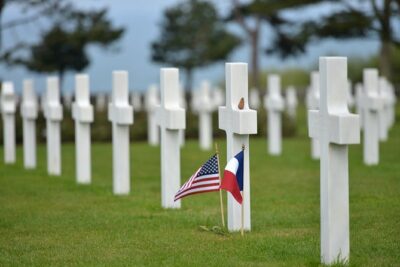
The American Cemetery at Colleville-sur-Mer is the final major stop and usually the quietest. Its rows of white crosses and Stars of David overlook Omaha Beach, linking the human cost of the battle to the ground you have just visited.
The schedule allows about an hour. Use it well. Walk among the graves, read a few names, and give yourself time to absorb the setting instead of treating the cemetery as a quick photo stop.
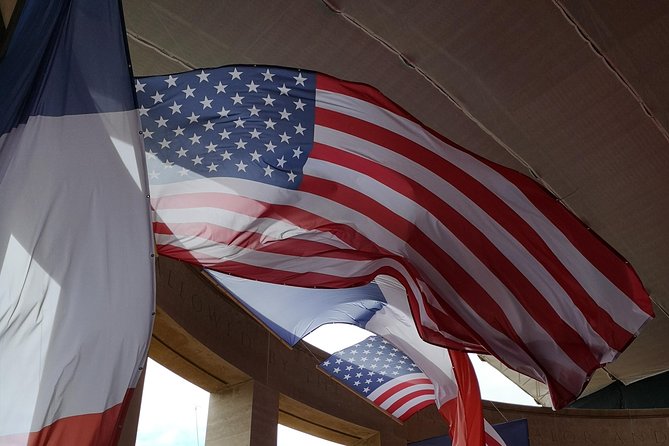
The lowering of the flag and taps can be especially moving if the timing works during your visit. One guide even helped record that moment for a passenger whose phone had run out of power. That small act says something useful about the personal care a good guide can bring to a solemn place.
The cemetery is also a practical test of the tour’s pace. If you want to study many graves or visit every memorial feature, an hour may feel brief. Still, the stop gives you enough time to pay your respects and understand why Colleville is one of Normandy’s essential American sites.
The guides can shape the entire day
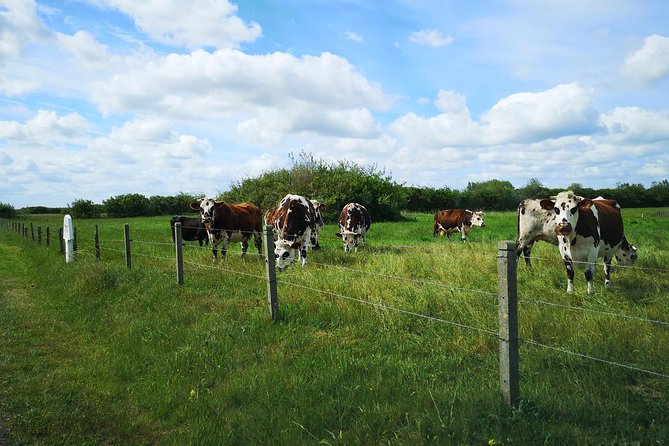
The strongest part of this experience is often the guide. The best guides described for this route include Jack, David, Sophie, Naomi, Noemi, Emma, Gaetan, Jeremiah, Bryce, Caroline, Louie, Wally, and others. Names and assignments can change, so you cannot book a specific person unless the operator confirms it.
The praised qualities are consistent: clear English, patience, local familiarity, good driving, and the ability to answer questions without losing the group. Jack has been singled out for giving a small group time to reflect at the sites. Naomi and Noemi have used maps, diagrams, and photos to make difficult movements easier to follow. Jeremiah has been praised for explaining the invasion from its preparation through the fighting.
A small group helps here. With eight people or fewer, you can ask why a position mattered, how troops moved, or what you are looking at in a bunker. You are less likely to be buried in a large crowd, and the guide can usually hear your questions.
The experience is not perfectly uniform. One poor guide reportedly gave short explanations and left the group to explore alone. That is a reminder that a group tour depends heavily on the person leading it. The high overall rating suggests that most departures go well, but no shared tour guarantees a brilliant storyteller.
Headsets are not listed as included. One person wished for them, so if hearing a guide in an open or windy site is difficult for you, stand close and ask the guide to repeat important points.
Transport, timing, food, and walking
Pickup is available from your Bayeux hotel or accommodation for the 8:30 a.m. option. The tour returns to Bayeux around 6 p.m. There is no pickup from Paris, so you need to stay in Bayeux or reach Bayeux before the departure.
The minivan format is a major convenience. You spend the day moving between scattered sites without dealing with French roads or parking. The vehicle has been described as comfortable, though the exact van can vary.
Expect a full day with a lot of information. One useful preparation trick is to read a short account of D-Day before you go. You do not need to memorize unit numbers, but knowing the basic outline helps you follow the guide’s explanations.
Food and drinks are not included. Bring water and budget for lunch. Some groups have eaten near the Airborne Museum, but the supplied schedule does not promise a particular restaurant or a long meal break.
Wear practical shoes. The beaches are easy to walk in some areas, but Pointe du Hoc and cemetery paths add distance and uneven ground. The experience is open to most people, and service animals are allowed, but you should be comfortable with a long day of walking and standing.
Who should book this American-sites tour?
I would choose this tour if you have one day in Bayeux and want a strong introduction to the American D-Day sector. It suits couples, families with older children, and small groups who want transport and interpretation without paying private-tour prices.
It is also a good fit if you want to ask questions. A group of eight is small enough for conversation, and the best guides adjust explanations to the interests of the people in the van.
I would hesitate if you want to spend half a day at one museum, cemetery, or beach. The route covers a lot, and that means each stop has a time limit. A private tour may suit you better if you need a slower pace, have specific family connections to a regiment, or want detailed military analysis.
The tour has a 4.8 rating from 876 reviews, with 96 percent recommending it. That is strong evidence of consistent value, but the occasional weak guide and confusing pickup experience are worth keeping in mind. Confirm the meeting details directly, especially if more than one minivan or company is operating nearby.
Should you book it?
Book this tour if you want to see the main American D-Day sites in one day and value a guide who can connect them. The combination of Sainte-Mère-Église, Pointe du Hoc, Utah, Omaha, La Cambe, and Colleville gives you a serious, moving introduction to Normandy.
Skip it if your priority is unhurried museum time or a custom route. For most first-time visitors staying in Bayeux, though, the included transport, small group, and strong guide reports make $161.25 a reasonable price for a long and meaningful day.
Cancellation is generous if you act early: a full refund is available at least six full days before departure. Cancelling two to six full days ahead brings a 50 percent refund, while cancellations less than two full days before departure are not refunded. The tour also requires a minimum number of participants, with a refund or alternate date offered if the operator cancels.
FAQ
Where does the Normandy American-sites tour begin?
The tour departs from Bayeux, Normandy, at 8:30 a.m. Pickup is available from your Bayeux hotel or accommodation for the 8:30 a.m. option.
Does the tour pick up from Paris?
No. Hotel pickup is offered in Bayeux only. There is no hotel pickup from Paris.
What time does the tour return to Bayeux?
The tour returns to Bayeux at around 6 p.m.
How many people can join the tour?
The maximum group size is eight travelers.
Is the tour offered in English?
Yes. The experience is offered in English, and the professional guide provides the tour in English.
Are meals and drinks included?
No. Food and drinks are not included unless specifically stated. You should plan and pay for your own food and beverages.
What sites are visited?
The route includes Sainte-Mère-Église Church, the Airborne Museum, La Cambe German War Cemetery, Pointe du Hoc, Omaha Beach, and the American Cemetery at Colleville-sur-Mer. Utah Beach is also part of the advertised American-sites experience.
What is included in the price?
The price includes Bayeux transport, a professional guide, included admissions, and hotel drop-off in Bayeux. Mobile ticketing is available.
Can I cancel for a refund?
You can receive a full refund if you cancel at least six full days before the start time. A 50 percent refund applies when cancelling two to six full days ahead, and cancellations less than two full days before departure are not refunded.
Recently added around Bayeux
- From Bayeux: Half-Day Normandy WWII Sidecar Tour★ 5.0 · 49 reviews
- Private Tour of American Sites with an Expert Guide from DDAY★ 5.0 · 51 reviews
- WW2 Jeep or Dodge truck tour of the Omaha Beach site★ 5.0 · 51 reviews
- Mont Saint Michel Full Day Tour from Bayeux★ 5.0 · 52 reviews
- Bayeux: Band Of Brothers Full-Day Tour★ 4.9 · 53 reviews
- From Bayeux: D-Day American Beaches and US Airborne Day Tour★ 4.8 · 56 reviews
- From Bayeux: 2-hour private sidecar tour in Normandy★ 5.0 · 58 reviews
- Normandy – Mont Saint-Michel Full Day Tour from Bayeux★ 4.5 · 62 reviews
Normandy Tours, compared.
Normandy American D-Day Beaches Full Day Tour from Bayeux
Read our review →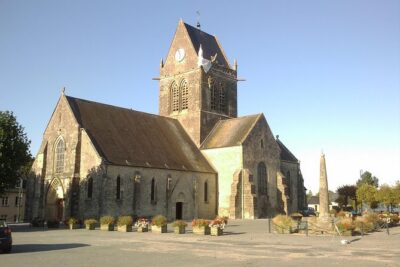
Normandy American D-Day Experience – Group tour from Bayeux
Read our review →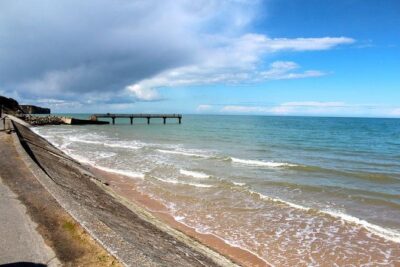
Normandy Beaches Half-Day Afternoon Trip from Bayeux (A2)
Read our review →
Omaha Beach D-Day Experience – Afternoon group tour from Bayeux
Read our review →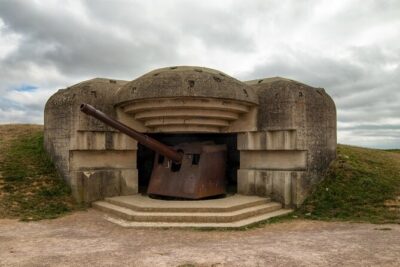

Mont Saint Michel: Walking Tour & Optional Abbey Ticket
Read our review →Browse the lists this tour appears in