
Reviewed · WINE TOURS IN BORDEAUX
Introduction to Bordeaux wines paired with cheeses & charcuterie
Bordeaux begins with a glass. This friendly tasting workshop makes the region’s famous wines easier to understand, with three wines, local cheeses, charcuterie, and a host who explains things without making you feel like you need a degree in oenology. I like the central location near the Grand Theatre, and I like that the small group format leaves room for questions. The main caution is timing: the session is advertised at about an hour, which can feel brisk if you want a long, relaxed tasting.
You start with a white wine, learn a simple tasting method, then compare reds from Bordeaux’s left and right banks. The food board adds real value at $35.09, though it is more of a shared snack and teaching aid than a full meal. English is offered, but you should confirm the language at booking, since one English-speaking participant found the session was held in French and relied partly on a translation app.
In This Review
- Key points at a glance
- Starting near Bordeaux’s Grand Theatre
- The first glass teaches you how to taste
- Terroir, grapes, and appellations in plain English
- Left bank and right bank, one glass at a time
- Cheese, charcuterie, and the limits of the pairing
- A lesson shaped by questions, not a scripted speech
- How long the hour really feels
- Is $35.09 a fair price?
- Who should book this Bordeaux tasting?
- My verdict: book it for a fast, friendly start
- FAQ
- Where does the Bordeaux wine tasting begin?
- What time does the experience start?
- Where does the experience end?
- How long does the tasting last?
- How many wines are included?
- Is food included in the price?
- Do I need prior wine knowledge?
- Is the tasting offered in English?
- What is the maximum group size?
- Can I cancel for a full refund?
Key points at a glance
- Three wines explain Bordeaux’s big divide: You taste a white, a left-bank red, and a right-bank red, including one Bordeaux grand cru.
- The Grand Theatre location saves time: The meeting point at 2ter Rue Mably is close to one of central Bordeaux’s best-known landmarks.
- A small group keeps the lesson personal: The maximum is 12 people, and some sessions may feel almost private.
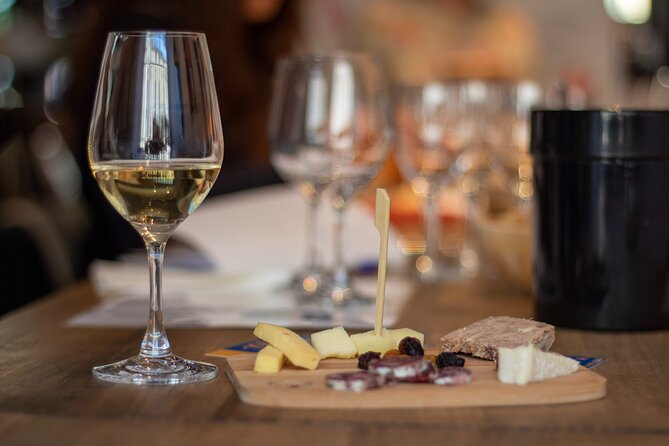
- Cheese and charcuterie are included: Fresh baguette, local cold cuts, cheeses, and water accompany the tasting at no extra charge.
- No wine background is needed: The host covers terroir, grape varieties, appellations, and basic food pairing in plain terms.
- The afternoon slot fits many city plans: The listed start time is 2:30 pm, with the experience ending back at the same address.
Starting near Bordeaux’s Grand Theatre
The workshop meets at 2ter Rue Mably, just two steps from the Grand Theatre in central Bordeaux. That is a useful location if you are already exploring the historic center, and you do not need to set aside half a day for a vineyard visit outside town.
The start time is 2:30 pm. I see this as a good middle-of-the-day choice. You can spend the morning walking through Bordeaux, have lunch, then sit down for a guided introduction before dinner. The activity returns to the same meeting point, so there is no complicated transport at the end.
The room is small and personal. That helps the teaching, since you can ask about a bottle, a region, or a food pairing without trying to catch a guide’s attention across a large room. It also means the setting may feel warm on a hot day. One participant found the room uncomfortable during very hot weather, even with fans running.
The maximum group size is 12. That is small enough for direct conversation, but the experience is not guaranteed to be a private booking. The description calls it a private tasting in the sense of personal attention from the host, so you should think of it as an intimate workshop rather than a secluded tasting reserved only for your party.
More Wine Tours in Bordeaux
- Bordeaux: Cité du Vin Entry Ticket and Wine Tasting
★ 4.6 · 3,885 reviews - Bordeaux: River Garonne Cruise with Glass of Wine and Canelé
★ 4.5 · 3,630 reviews - From Bordeaux: Afternoon Saint-Emilion Wine Tasting & snack
★ 4.8 · 1,581 reviews
The first glass teaches you how to taste
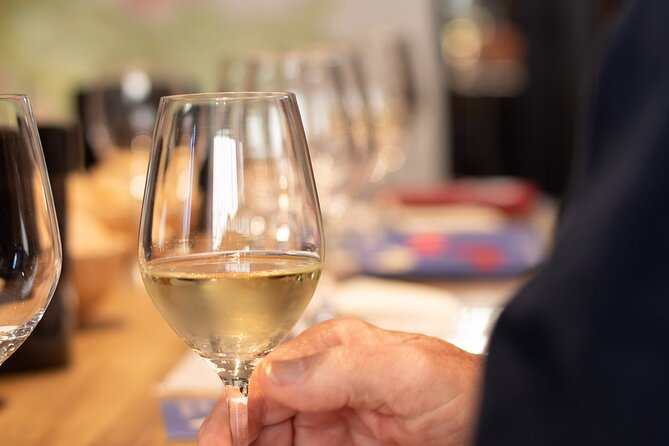
The tasting starts with a white wine. This is not just a warm-up drink. The first glass introduces the basic steps of tasting through a method used across the wine trade.
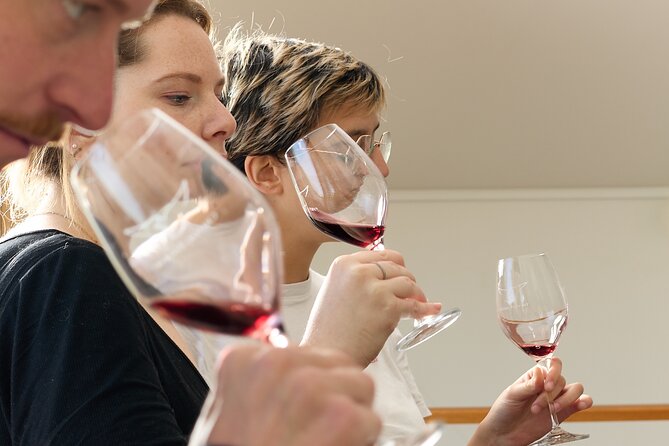
You learn to look at the wine, smell it, and taste it with more purpose. That may sound simple, but it gives you a useful framework for the rest of your time in Bordeaux. Instead of taking a sip and deciding only if you like it, you begin to notice color, aroma, freshness, body, and finish.
This is especially helpful if wine language usually feels like a private club. The workshop is designed for beginners, and the host adjusts the level to the group. If you already know a bit about wine, you can ask more specific questions and use the introductory method as a base rather than sitting through a lecture aimed at complete newcomers.
The session also includes sensory challenges, according to one description of the experience. These exercises make the lesson less formal and give you a practical way to test your sense of smell. The tone is meant to be friendly and relaxed, not stiff or ceremonial.
Terroir, grapes, and appellations in plain English
Bordeaux wine becomes less confusing once three ideas begin to fit together: terroir, grape varieties, and appellations.
Terroir refers to the natural setting that shapes a wine, including soil, climate, and location. Grape varieties are the types of grapes used in the blend or bottle. An appellation is the officially defined wine area that controls how a wine is made and labeled.
You will not leave knowing every Bordeaux estate or vintage. That is not the point. Instead, you get a map for understanding why bottles from different parts of the region taste different and why a familiar name on a label can matter.
The host also covers Bordeaux’s history and the main wine-growing areas. Several sessions have been led by hosts named Antoine, Vincent, Anna, Toku, and Toco, as well as Helene. Antoine was especially praised for making the class amusing and interactive, while Toku and Toco were noted for explaining the region clearly and answering questions. The changing host lineup means the exact style can vary, but the repeated strength is a lively presentation rather than a dry classroom talk.
One practical benefit is confidence. After this workshop, you should have a better idea of what to ask when buying a bottle or choosing wine with a meal. That is useful in Bordeaux, where a restaurant list can otherwise look like a wall of unfamiliar estates and place names.
Left bank and right bank, one glass at a time
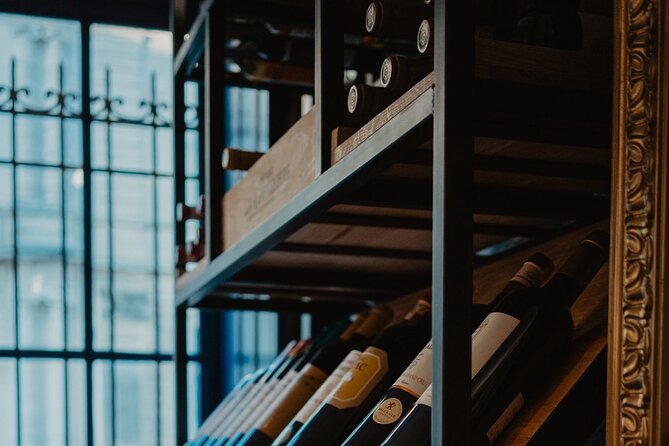
The two red wines are the heart of the workshop. One comes from Bordeaux’s left bank, and the other comes from the right bank. One of these is a Bordeaux grand cru.
This side-by-side comparison gives you a clearer sense of the Médoc and Libournais regions. You are not simply tasting three unrelated wines. You are using the glasses to compare the two major red wine areas that shape Bordeaux’s reputation.
The left bank and right bank are divided by the Gironde estuary and its connected rivers. In broad terms, the left bank is associated with the Médoc, while the Libournais sits on the right bank. The lesson helps connect those names to actual wine styles and places.
The grand cru adds an important reference point, but do not expect a large pour of expensive wine. This is a tasting class, so the servings are intended for comparison and instruction. The value is in understanding what you are drinking, not in receiving a full glass of each bottle.
The session is particularly useful if you plan to visit Bordeaux wine country later. You will have heard the key regional names before arriving at an estate, and you can pay attention to differences instead of treating every red wine as simply Bordeaux.
A completely different sort of day in Bordeaux:
- Medoc or Saint Emilion Wine Tasting and Chateau from Bordeaux
★ 5.0 · 1,415 reviews - Saint Emilion Day Trip with Sightseeing Tour & Wine Tastings from Bordeaux
★ 5.0 · 1,120 reviews - Saint-Émilion: Grand Cru Classé Winery Visit and Tasting
★ 4.6 · 1,118 reviews - Saint Emilion Half-Day Trip with Wine Tasting & Winery Visit from Bordeaux
★ 4.5 · 1,034 reviews
Cheese, charcuterie, and the limits of the pairing
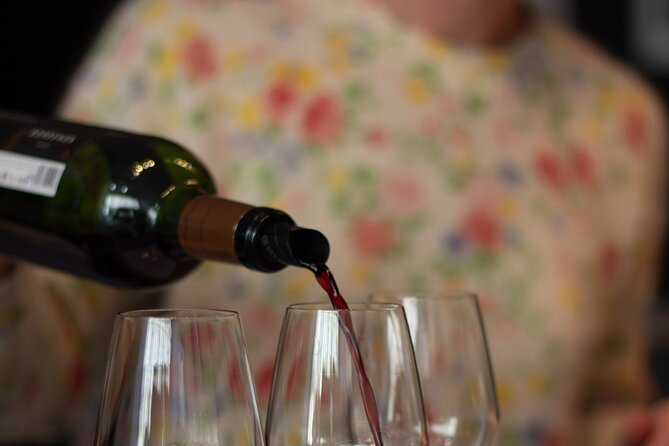
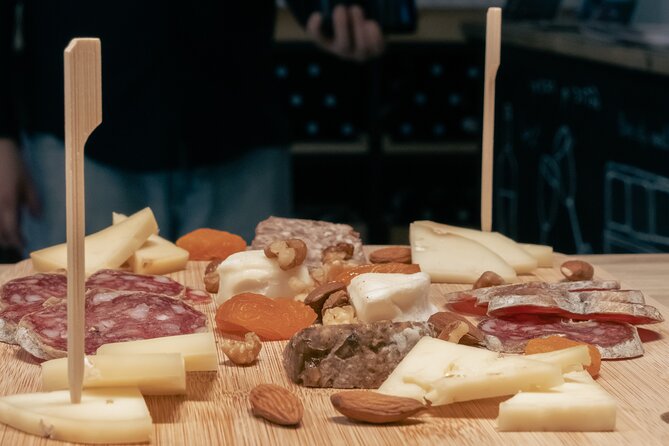
The food board includes local cheeses and charcuterie, with fresh baguette available. Water is also included. This makes the $35.09 price easier to justify, since you are paying for instruction, three tastings, snacks, printed information, and an indoor activity in the city center.
The food is more than decoration. Salt, fat, creaminess, and texture can change how wine tastes, so the board gives the host a chance to explain basic food and wine pairing. It also makes the hour feel social rather than purely academic.
Keep your expectations sensible. The charcuterie and cheese are served as a tasting board, not a substantial lunch or dinner. One participant felt that the foods were not always paired individually with every wine. That is worth knowing if you want a carefully staged pairing course with one specific cheese matched to each pour.
For most people, the board should be enough to make the tasting comfortable, especially after lunch. If you have a food allergy, tell the provider ahead of time. One food allergy was accommodated, but the available information does not promise that every dietary need can be met.
A lesson shaped by questions, not a scripted speech
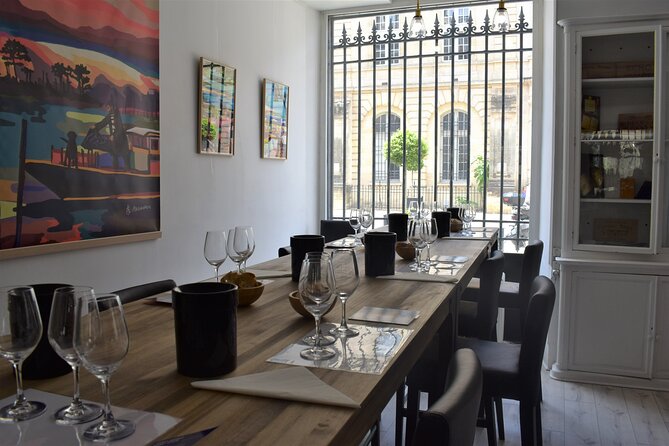
The best sessions appear to depend heavily on the host. The most successful presentations are interactive, with time for questions and discussion about Bordeaux, tasting technique, and possible outings in the region.
Antoine has been praised for balancing facts with humor and conversation. Vincent led a relaxed private tasting, while Anna was described as informal and engaging. Another host, Toku, offered suggestions for places to visit after the class. These details matter because a wine lesson can easily become a recitation of technical terms. Here, the aim is to keep the information connected to what is in your glass.
The teaching is also described as approachable for both beginners and people who already know some wine. That makes this a sensible choice for mixed groups, such as a couple where one person loves wine and the other is still learning the difference between a grape and an appellation.
There are two cautions. First, the pace can be quick. One participant found the hour rushed because another group was expected soon. Second, an English session may not always unfold entirely in English. The experience is offered in English, but confirm this detail if language is important to you. A French-language session did include some English help, yet it was not the same as a full English presentation.
How long the hour really feels
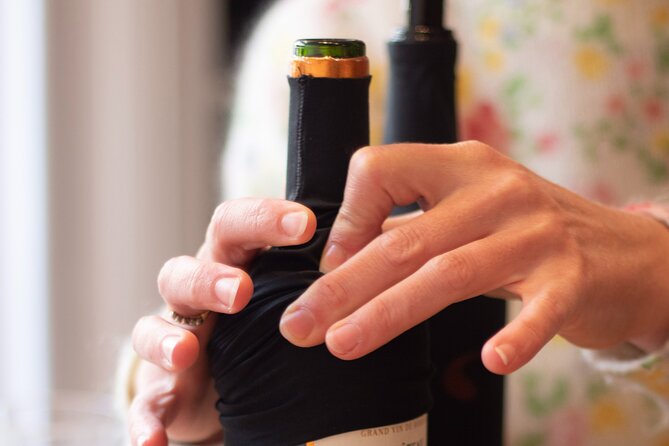
The official duration is approximately one hour. That is enough time for three tastings and a useful introduction, but it is not enough for a slow, wine-bar evening with long pauses between pours.
Some descriptions place the experience closer to an hour and a half. I would plan around the advertised one-hour schedule while leaving a little flexibility afterward. That avoids a rushed departure if the discussion runs long or the host allows extra questions.
The short format is one of the experience’s strengths. If your Bordeaux visit is brief, you can learn the basic structure of local wine without giving up an entire day for transport to the vineyards. It also works well on your first afternoon, before you have encountered too many unfamiliar labels.
The tradeoff is depth. You will learn the foundations of Bordeaux wine, but you will not tour vineyards, visit a chateau, see production rooms, or walk through a cellar. For those things, you need a separate excursion.
Is $35.09 a fair price?
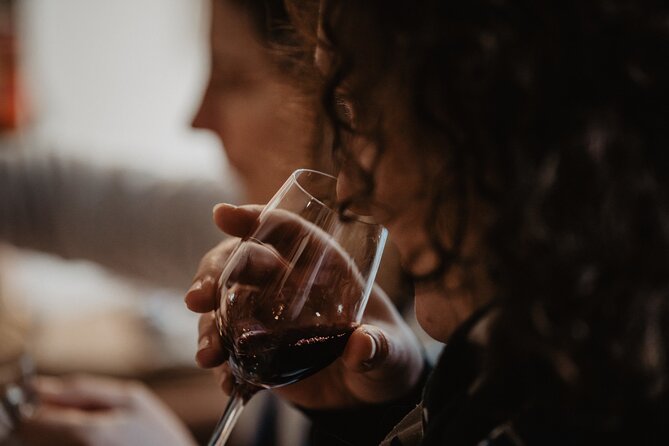
At $35.09 per person, this is a good-value introduction if you want more than a bar pour but less than a full vineyard day.
The price covers three wines, a cheese and cold-cut board, baguette, water, a wine expert, and printed information. The central address also reduces the hidden cost of taxis or a long transfer. You are paying for explanation and comparison as much as for the wine itself.
The value is strongest for first-time Bordeaux visitors. A single glass at a wine bar may cost less, but it will not usually explain the left bank, right bank, Médoc, Libournais, appellations, and tasting technique in one sitting. A vineyard excursion offers more scenery and production detail, but it usually demands far more time and money.
Wine experts may find the introductory material familiar. Still, the comparison of a left-bank wine, a right-bank wine, and a grand cru can make the session worthwhile if you want a quick regional refresher. The small group and open question period also give experienced drinkers a chance to steer the conversation.
Who should book this Bordeaux tasting?
I would recommend it to you if:
- You are new to Bordeaux wines and want a clear starting point.
- You have only a short stay in the city.
- You want to learn tasting basics without a formal or intimidating atmosphere.
- You enjoy local cheese and charcuterie with your wine.
- You are traveling with someone who knows more about wine than you do.
- You want a central afternoon activity near the Grand Theatre.
- You plan to visit vineyards and want the regional names explained first.
I would be more cautious if you want a full meal, a long leisurely tasting, or a tour of the countryside. This is a city workshop, not a vineyard visit. It also may not suit you if you need a guaranteed English-speaking host and cannot confirm the session language in advance.
The experience is near public transportation, and service animals are allowed. Confirmation is provided when you book, and free cancellation is available up to 24 hours before the start time. Changes or cancellations inside that window are not accepted for a refund. The activity requires good weather, and if poor weather causes cancellation, you are offered another date or a full refund.
My verdict: book it for a fast, friendly start
You should book this tasting if you want Bordeaux wine explained in a way you can use immediately. The three-wine structure is smart, the food board is generous enough for a tasting, and the small setting encourages questions.
I especially like it as a first or second day activity. It gives you vocabulary for restaurant menus, a better sense of regional differences, and more confidence when choosing bottles. If your schedule is tight, it delivers a useful introduction without the commitment of a countryside tour.
Book with two things in mind: the session may feel fast, and the language should be confirmed. If those limits work for you, this is an affordable and enjoyable way to meet Bordeaux through its most famous drink.
FAQ
Where does the Bordeaux wine tasting begin?
It begins at 2ter Rue Mably, 33000 Bordeaux, France, near the Grand Theatre.
What time does the experience start?
The listed start time is 2:30 pm.
Where does the experience end?
The activity ends back at the meeting point on Rue Mably.
How long does the tasting last?
The advertised duration is approximately one hour. Some sessions have taken longer, so allowing extra time afterward is sensible.
How many wines are included?
Three wine tastings are included: one white wine, one red from the left bank, and one red from the right bank. One of the red wines is a Bordeaux grand cru.
Is food included in the price?
Yes. The experience includes a board of local cheeses and cold cuts, fresh baguette, and water.
Do I need prior wine knowledge?
No. The workshop introduces basic ideas such as terroir, grape varieties, appellations, and tasting technique. The host can adapt the explanation to the group.
Is the tasting offered in English?
English is listed as an available language. Since one session was conducted in French despite an English preference, confirm the language when booking if this is essential.
What is the maximum group size?
The experience accepts a maximum of 12 people.
Can I cancel for a full refund?
Yes. You can cancel at least 24 hours before the start time for a full refund. Cancellations or changes made less than 24 hours before the start time are not accepted for a refund.
Recently added around Bordeaux
- The essential in Bordeaux, private tour with a local★ 4.9 · 48 reviews
- Sarlat Gourmet Tour and Market Visit★ 5.0 · 49 reviews
- Full Day Tour Saint Emilion with lunch two Chateaux and Village★ 5.0 · 49 reviews
- Bordeaux: Exclusive Private Guided Walking Tour★ 4.6 · 50 reviews
- Bordeaux:Wine Masterclass & Blending workshop with appetizer★ 4.8 · 54 reviews
- Full-day Saint-Emilion: Village, Undergrounds and Châteaux★ 4.5 · 55 reviews
- From Bordeaux: Essential Morning Tour with Wine Tasting★ 4.8 · 55 reviews
- Bordeaux Old Town & Market Local Food with Wine Tastings Tour★ 4.0 · 56 reviews
Wine Tours in Bordeaux, compared.
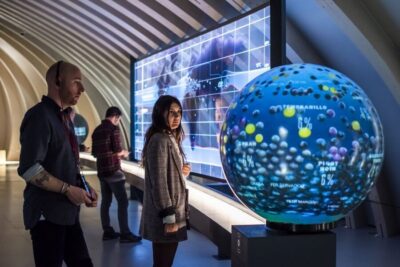
Bordeaux: Cité du Vin Entry Ticket and Wine Tasting
Read our review →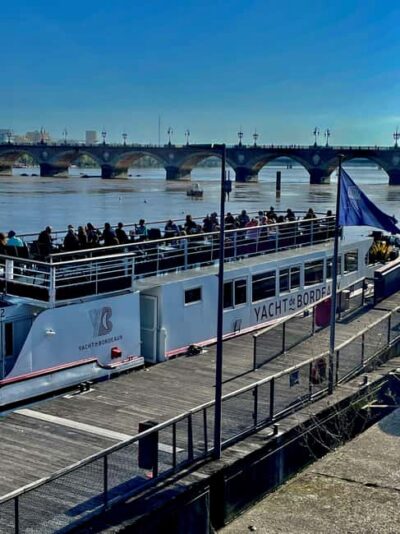
Bordeaux: River Garonne Cruise with Glass of Wine and Canelé
Read our review →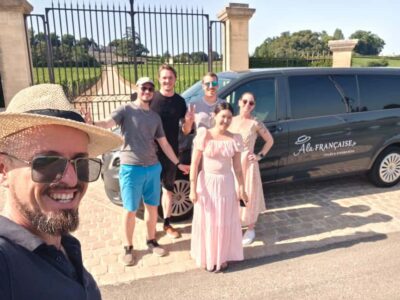
From Bordeaux: Afternoon Saint-Emilion Wine Tasting & snack
Read our review →
Medoc or Saint Emilion Wine Tasting and Chateau from Bordeaux
Read our review →
Saint Emilion Day Trip with Sightseeing Tour & Wine Tastings from Bordeaux
Read our review →
Saint-Émilion: Grand Cru Classé Winery Visit and Tasting
Read our review →
Saint Emilion Half-Day Trip with Wine Tasting & Winery Visit from Bordeaux
Read our review →
From Bordeaux: St. Emilion Village Half-Day Wine Tour
Read our review →Browse the lists this tour appears in