
Reviewed · LOUVRE MUSEUM TOURS
Louvre Museum: Mona Lisa Without the Crowds Last Entry Tour
The quietest Mona Lisa moment comes late. This three-hour Louvre tour uses the museum’s final entry period to take you through major works by Leonardo da Vinci, Michelangelo, Raphael, Caravaggio, and Delacroix before ending at the famous portrait. I like the late timing, which can make the Mona Lisa room less frantic, and I like having an art historian explain why the paintings matter instead of simply pointing them out. The main drawback is that the Louvre is still enormous, so this is a highlights tour, not a complete museum visit.
I also appreciate the small group of up to 15 people. That size makes it easier to hear through the supplied headsets and ask questions, while the guide can keep the group moving through the museum’s crowded corridors. You should be ready for a moderate walking pace, stairs or uneven movement through an old palace, and a meeting point that is easy to miss if you arrive at the wrong Arc de Triomphe.
In This Review
- Key points to know before booking
- Meeting the guide at the Arc de Triomphe du Carrousel
- Starting below the palace at the Louvre moat
- Greek sculpture: Venus de Milo and Winged Victory
- Michelangelo, Cupid and Psyche, and the power of marble
- French painting from Delacroix to Géricault
- Caravaggio, Raphael, and Leonardo da Vinci
- The Crown Jewels and the palace’s royal side
- The final half-hour with the Mona Lisa
- What $97 means in practical value
- Who will enjoy this late-entry Louvre visit
- Should you book the Mona Lisa Last Entry Tour?
- FAQ
- How long does the Louvre Mona Lisa Last Entry Tour last?
- Where does the tour meet?
- How early should I arrive?
- Is the tour conducted in English?
- Is skip-the-line Louvre entry included?
- Can I bring a stroller or large bag?
- Is the tour suitable for wheelchair users?
Key points to know before booking
- The Mona Lisa comes last: You spend most of the tour exploring the Louvre, then visit Leonardo’s painting near closing time.
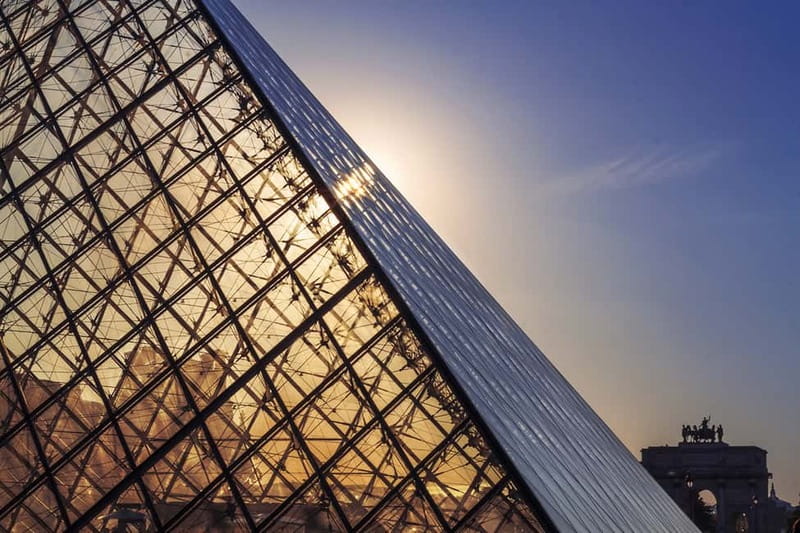
- The meeting point is by the Carrousel: Find the winged statue to the left of the Arc de Triomphe du Carrousel, opposite the Louvre pyramid and near the Tuileries Gardens.
- The route covers major names: Expect the Venus de Milo, Winged Victory of Samothrace, Michelangelo’s Slaves, Liberty Leading the People, The Raft of Medusa, and more.
- The guide makes the difference: Guides such as Hugo, Laurence, Violette, Claire, Antoine, Adam, Bel, and Abby have been praised for clear stories, humor, and strong art knowledge.
- The $97 price buys structure: You are paying for museum entry, a guide, headsets, and a planned route through a famously confusing building.
- This is not a flexible self-guided visit: You cannot bring a stroller, large bag, or luggage, and the tour is not suitable for wheelchair users or people with mobility impairments.
Meeting the guide at the Arc de Triomphe du Carrousel
Your tour begins at the Arc de Triomphe du Carrousel, the smaller triumphal arch directly in front of the Louvre. Do not go to the better-known Arc de Triomphe at the top of the Champs-Élysées. This mix-up could turn an easy meeting into a stressful race across Paris.
Arrive 15 minutes early. When facing the Carrousel arch, look for the winged statue on the left. The guide carries a green Walks sign. The meeting place is opposite the pyramid, beside the entrance to the Tuileries Gardens, and the activity ends back at this same general point inside the Louvre area.
This detail matters because the Louvre has several entrances, courtyards, and monuments that can look similar on a map. I would save the meeting point in your phone before leaving your hotel, then allow extra time for Paris traffic, Metro delays, and the simple problem of finding the right statue among other tour groups.
The tour is conducted in English. Headsets are included, which is useful in echoing galleries and when the group is standing several feet from a painting. A maximum of 15 people is small by Louvre standards, though it is not a private tour.
More Louvre visits and skip-the-line options:
- Paris: Louvre Museum Timed-Entrance Ticket
★ 4.6 · 71,977 reviews - Paris: Louvre Guided Tour with Reserved Access & Boat Cruise
★ 4.3 · 16,353 reviews - Louvre Museum Masterpieces Guided Tour with Access
★ 4.5 · 12,023 reviews
Starting below the palace at the Louvre moat
The visit begins with the Louvre’s foundations and former moat. This first stop gives you a useful reminder that the museum was not built as a museum. It began as a fortified structure, then grew into a royal palace before becoming one of the world’s great art institutions.
That change is important. The building itself can feel as demanding as the art collection, with grand staircases, long corridors, enormous rooms, and wings that seem to lead in every direction. A guide can give you a sense of how the palace developed, helping the rooms feel less like a maze.
You will not see every period or department in three hours. That is not a flaw in the tour so much as a fact of the Louvre. The value is in having someone make sensible choices for you, especially if this is your first visit and you do not yet know which rooms deserve your limited energy.
Greek sculpture: Venus de Milo and Winged Victory
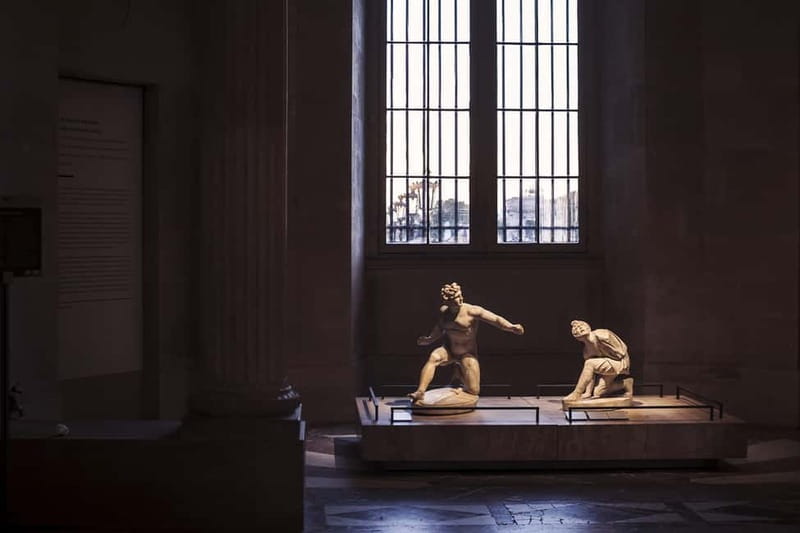
The route continues through the Classical Greek sculpture collection, including the Venus de Milo and the Winged Victory of Samothrace. These are not quick, forgettable stops. Both sculptures are displayed in settings that give them a strong visual presence, and both help explain why ancient Greek art has shaped European ideas about the human form for centuries.
The Venus de Milo is famous partly because of its missing arms, which leave room for endless speculation. A good guide can move the conversation beyond the familiar postcard image and toward the sculpture’s pose, balance, and lasting influence.
Winged Victory is a different kind of experience. Its position at the top of a monumental staircase makes it feel like a figure arriving with force and motion. You may see it before you fully understand what you are looking at, then realize that the placement is part of the effect.
These rooms can be crowded during the day. The late entry helps, but do not expect an empty museum from the moment you arrive. The Louvre remains popular, and particular masterpieces draw people until the doors close.
Michelangelo, Cupid and Psyche, and the power of marble
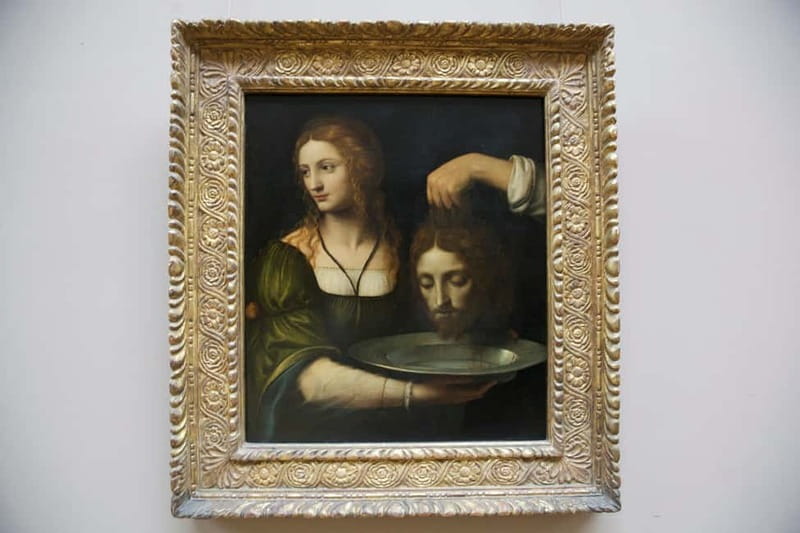
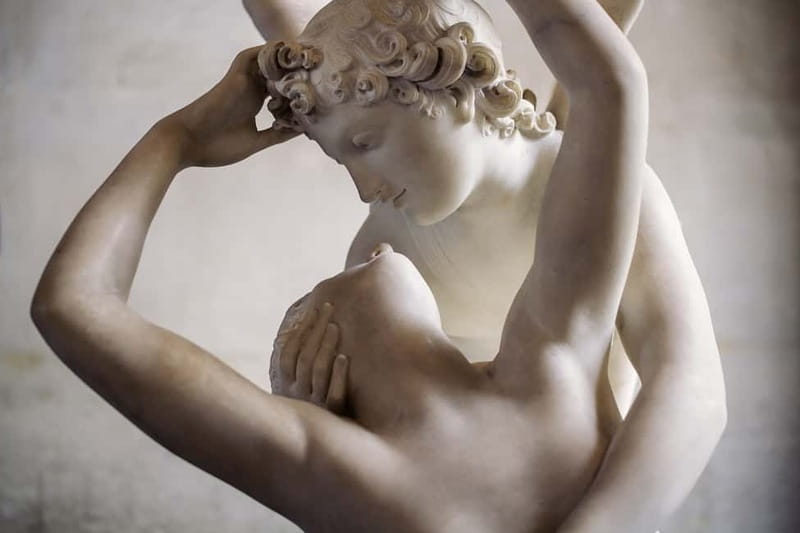
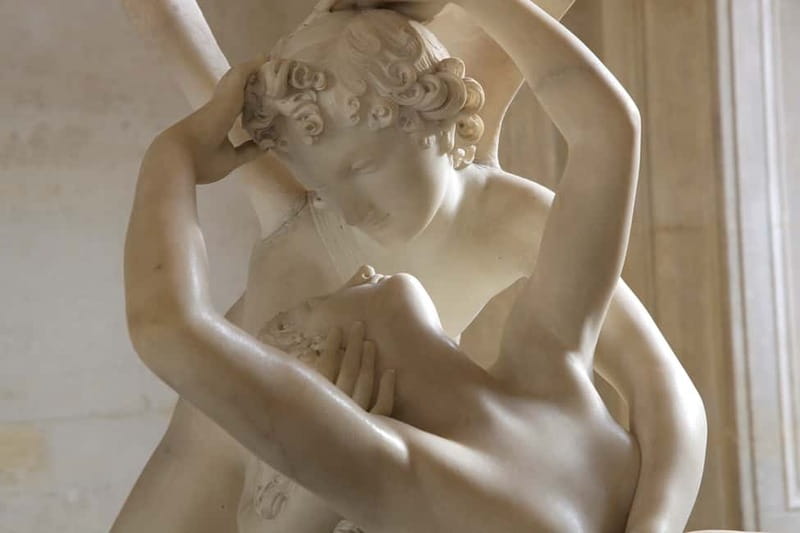
The tour includes the sculpted Cupid and Psyche and Michelangelo’s Slaves. These works give you a chance to compare different approaches to marble, movement, and the human body.
Cupid and Psyche is known for its graceful embrace and smooth finish. Michelangelo’s Slaves feel more tense and unfinished, as if the figures are struggling to break free from the stone. Seeing both during the same guided visit makes the point that sculpture is not just about polished surfaces. The marks, poses, and unfinished sections can all shape how you read a work.
This is where a strong guide earns the fee. Several guides praised during this experience, including Laurence, Violette, Claire, and Adam, were described as energetic storytellers who connected art to social events and later artistic influence. That kind of explanation can turn a famous object into something you can actually look at, rather than another name on a checklist.
More Museum Tours in Paris:
- Paris: Louvre Museum Entry Ticket With Host and River Cruise
★ 4.6 · 9,926 reviews - Les Invalides: Napoleon’s Tomb & Army Museum Entry
★ 4.6 · 9,185 reviews - Louvre Museum – Exclusive Guided Tour (Entry Included)
★ 5.0 · 6,296 reviews - Paris: Louvre Museum Hosted Entry and Mona Lisa Audioguide
★ 4.6 · 5,235 reviews
French painting from Delacroix to Géricault
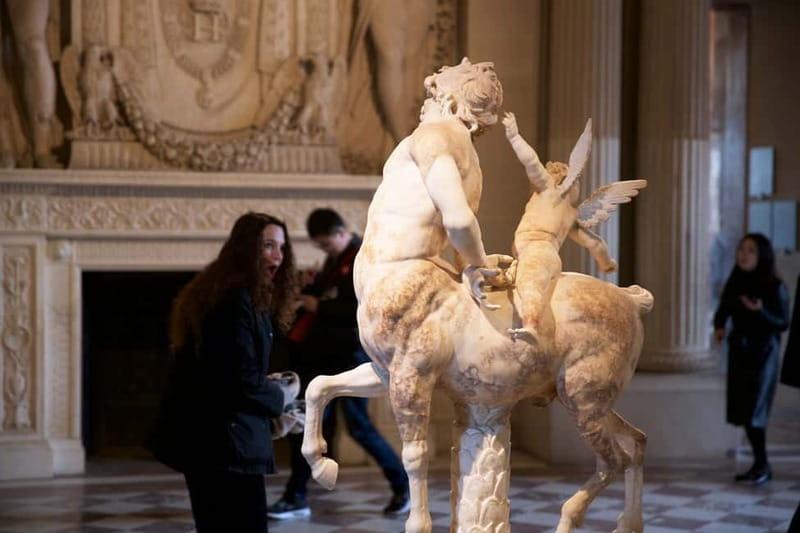
The painting portion brings you to major works of French art, including Eugène Delacroix’s Liberty Leading the People and Théodore Géricault’s The Raft of Medusa. These are large, dramatic paintings, but their importance is not only visual.
Liberty Leading the People connects art to French political change. It is an image of revolution, but also a carefully constructed scene designed to stir emotion. A guide can help you notice the figures, gestures, and symbolism without reducing the painting to a single slogan.
The Raft of Medusa offers a darker lesson in how art can respond to a national scandal. The painting’s scale, suffering, and theatrical arrangement are difficult to absorb quickly. Your guide may point out how Géricault used the event to raise questions about leadership, responsibility, and public outrage.
The advantage of seeing these works with an art historian is that you gain a framework for looking. The drawback is time. You may wish to linger, study every figure, or return later, but the group must keep moving if it is to reach the Mona Lisa before closing.
Caravaggio, Raphael, and Leonardo da Vinci
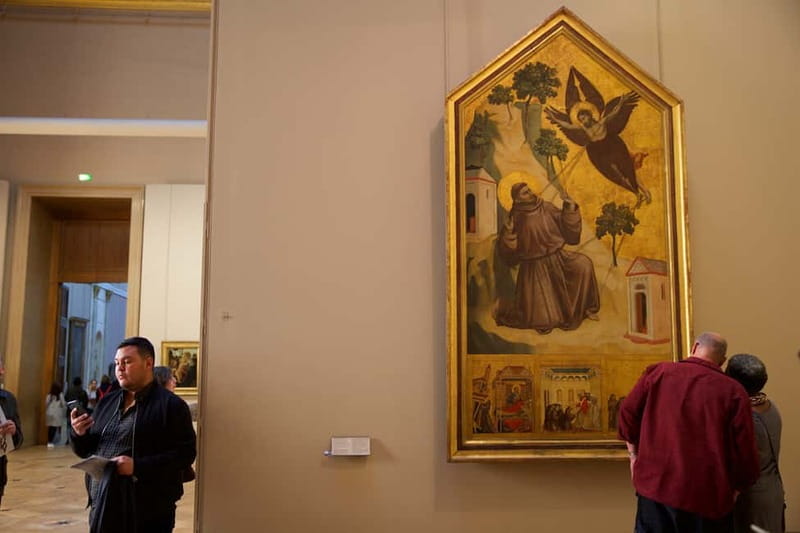
The route also includes works by Caravaggio, Raphael, and Leonardo da Vinci. These names alone could fill separate museum visits, so the tour is selective.
Caravaggio’s art is often recognized for strong light, shadow, and emotionally direct figures. Raphael offers a different kind of balance and elegance. Leonardo’s work invites closer attention to expression, gesture, and the soft transitions that make his figures seem alive.
The guides are not simply there to identify the artist. The best moments come when they explain how a painting reflects its period, how one artist influenced another, or why a particular detail changed the course of art. This was a repeated strength of the experience. Guests praised Hugo for adding humor and even occasional music clips, while Antoine and Manuel were singled out for making the visit lively and easy to follow.
Your headset lets you listen without standing shoulder to shoulder with the guide. That is especially helpful when other museum visitors are nearby. Still, sound equipment cannot solve every problem. If a room is crowded, you may need to shift position or wait briefly before you get a clear view.
The Crown Jewels and the palace’s royal side
The tour ventures into a room displaying the French Crown Jewels. This adds variety after several galleries of sculpture and painting. The jewels show the Louvre as a former center of royal power, not only a place for canvases and statues.
Sparkling objects can be a welcome change late in a three-hour visit, when your eyes may be tired from studying paintings. They also make the palace feel more connected to monarchy, ceremony, wealth, and national identity.
Museum rooms can close or change access without warning. The advertised route may need to be adjusted on the day, so treat the stops as a strong plan rather than a guarantee. Your guide can usually keep the visit coherent if one gallery is unavailable.
The final half-hour with the Mona Lisa
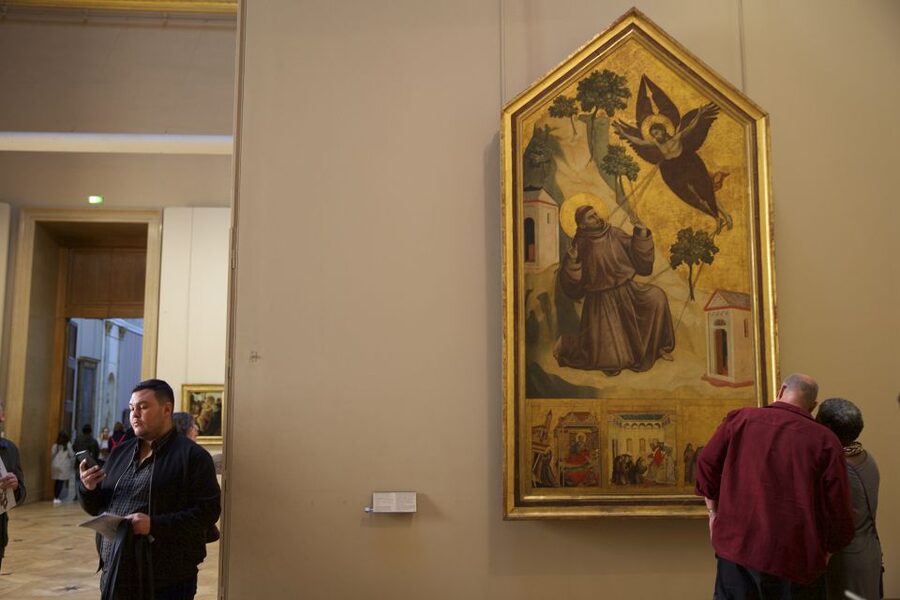
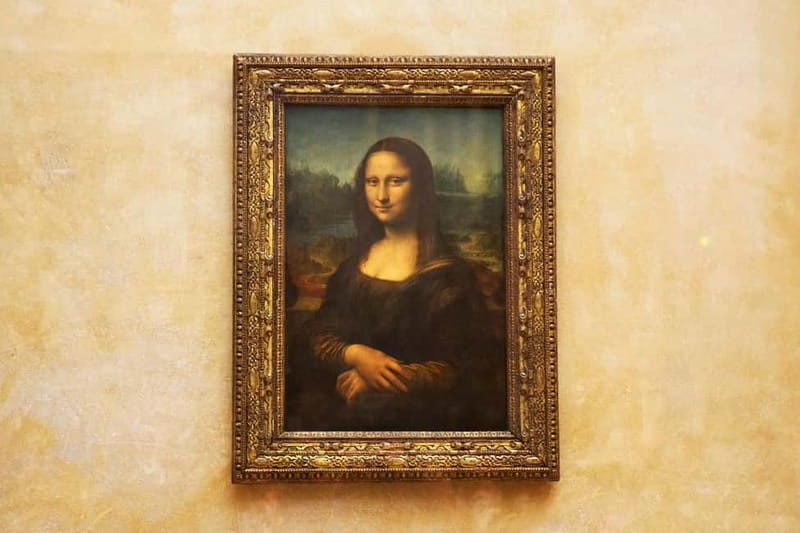
The final stop is the Mona Lisa, also known as La Joconde. You spend about 30 minutes in her room, with the aim of seeing the painting near the end of the museum day when conditions may be calmer.
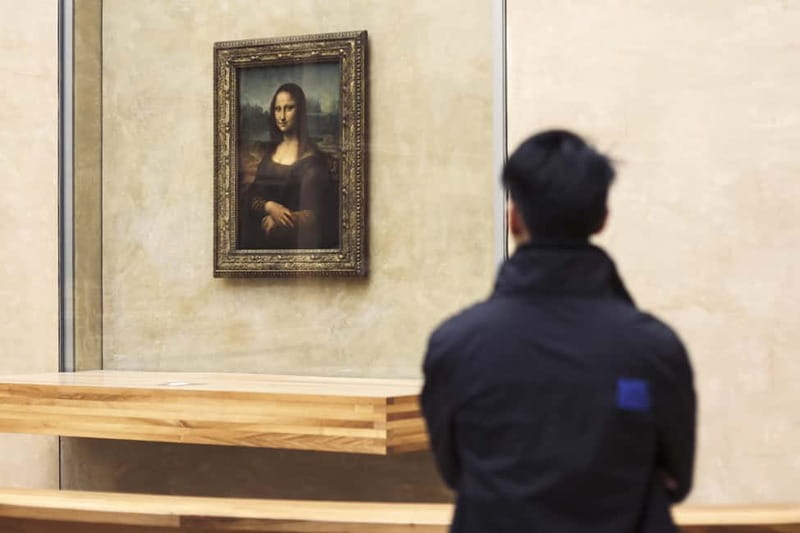
The painting is smaller than many people expect. That surprise is part of the experience. Its fame has grown far beyond its physical size, and the room can make the portrait feel like a celebrity surrounded by an audience.
The late timing is the central reason to choose this tour. You may have more space to approach the viewing area, take a photograph, and look at the face without being pushed along by a dense daytime crowd. Do not read without the crowds as a promise of complete solitude. The Mona Lisa remains the Louvre’s most popular stop, but a final-entry visit can be noticeably less frantic.
I like that the tour saves her for last. You first see the palace, ancient sculpture, royal treasures, and major paintings. By the time you reach Leonardo, you have some context for why the work matters and why its reputation is so unusual.
The group leaves the museum after this stop. You should not count on extra browsing time afterward. One person noted that the gift shop was closed when the tour ended, so buy souvenirs earlier if that matters to you.
What $97 means in practical value
At $97 per person, this is not a bargain admission ticket. It makes better financial sense if you value a planned route, a live English-speaking guide, skip-the-line museum entry, and help with the Louvre’s size.
A self-guided visit costs less, but you must choose your own route, study the art in advance, find the right galleries, and manage the museum’s crowds and confusing layout. If you have only one Louvre visit in Paris, the extra cost can be reasonable because it protects your time and prevents the first hour from disappearing into navigation.
The price is harder to justify if you already know the Louvre well or want to focus on one department for several hours. This tour moves at a moderate pace and aims for famous highlights. It is best for a first visit, a short stay in Paris, or anyone who wants the Mona Lisa without making the entire day revolve around the museum.
You can reserve now and pay later, and cancellation is free up to 24 hours before the tour for a full refund. Those terms give you some planning flexibility, though you still need to provide the full first and last names of everyone in your party, including children.
Who will enjoy this late-entry Louvre visit
I would choose this tour for you if you want a clear introduction to the Louvre and prefer stories to labels. It suits adults, older children, and teenagers when the guide knows how to keep different ages involved. Abby was especially praised for including a group ranging from age 14 to 81, while other guides were applauded for humor and lively explanations.
It is also a good fit if the Mona Lisa is high on your Paris list but you do not want to spend hours in a daytime crush. The final entry gives the visit a natural ending and may leave you with more energy for dinner afterward.
I would think twice if you need a wheelchair, stroller, or frequent rest stops. Strollers and large bags are not allowed, and the tour is specifically unsuitable for wheelchair users and people with mobility impairments. Comfortable shoes are essential. Bring a passport or ID card, since identification may be required.
Should you book the Mona Lisa Last Entry Tour?
Book it if you want the Louvre’s greatest hits with a guide who can explain the art, keep you oriented, and lead you to the Mona Lisa late in the day. The strongest part is not simply getting near Leonardo’s painting. It is reaching her after a thoughtful route through sculpture, French painting, royal rooms, and Renaissance masterpieces.
Skip it if you want a slow, independent museum day or need a fully accessible visit. For everyone else, the $97 cost is fair when your Paris schedule is tight and you want structure. Check the starting time carefully, arrive early at the Carrousel arch, pack light, and let the guide do the museum navigation.
FAQ
How long does the Louvre Mona Lisa Last Entry Tour last?
The tour lasts three hours. About two and a half hours are spent on the guided Louvre visit, followed by about 30 minutes at the Mona Lisa.
Where does the tour meet?
It meets at the statue next to the Arc de Triomphe du Carrousel in front of the Louvre, opposite the pyramid and near the entrance to the Tuileries Gardens. When facing the arch, meet at the winged statue on the left.
How early should I arrive?
You should arrive 15 minutes before the scheduled start time. Look for the guide holding a green Walks sign.
Is the tour conducted in English?
Yes. The live tour guide and commentary are in English.
Is skip-the-line Louvre entry included?
Yes. Skip-the-line entry to the Louvre Museum is included, along with a local guide and headsets.
Can I bring a stroller or large bag?
No. Baby strollers, luggage, large bags, and oversized luggage are not allowed on this tour.
Is the tour suitable for wheelchair users?
No. The experience is not suitable for wheelchair users, people with mobility impairments, or strollers. You should also be able to walk at a moderate pace without difficulty.
Recently added around Paris
- Private Half-Day Guided Tour of Paris★ 4.5 · 48 reviews
- 2 hour outdoor group activity in Paris: SAINT GERMAIN★ 5.0 · 48 reviews
- Paris Dinner Show Opera Bel Canto★ 4.5 · 48 reviews
- Paris Vintage Tour by Night on a Sidecar with Champagne★ 5.0 · 48 reviews
- Secrets & Scandals of the Louvre – Limited to 6 Guests★ 5.0 · 48 reviews
- Paris Photoshoot: Eiffel Tower Exclusive Private Experience★ 5.0 · 48 reviews
- From Paris: Versailles Full-Day Guided Tour with Lunch★ 4.9 · 48 reviews
- Paris: Louvre Mona Lisa Discovery Guided Tour with Ticket★ 4.9 · 48 reviews
Louvre Museum Tours, compared.

Paris: Louvre Guided Tour with Reserved Access & Boat Cruise
Read our review →
Louvre Museum Masterpieces Guided Tour with Access
Read our review →
Paris: Louvre Museum Entry Ticket With Host and River Cruise
Read our review →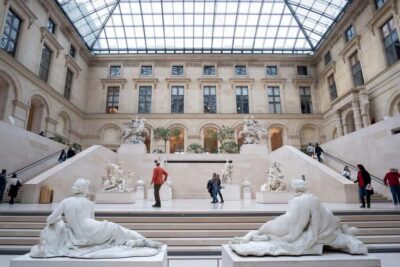
Paris: Priority Access Louvre with Host -Direct to Mona Lisa
Read our review →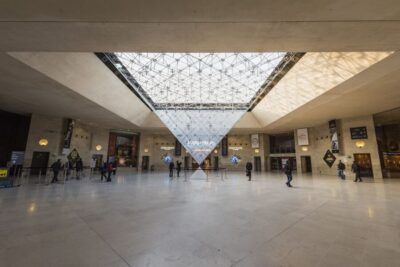
Mona Lisa & Louvre Masterpieces Tour with Reserved Access
Read our review →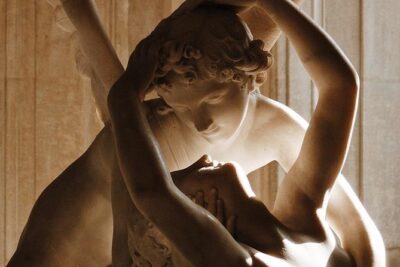
Louvre Museum – Exclusive Guided Tour (Entry Included)
Read our review →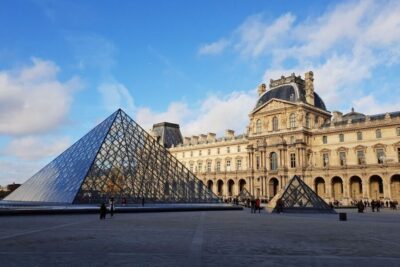
Paris: Louvre Reserved Ticket and River Cruise Combo
Read our review →Browse the lists this tour appears in