
Reviewed · WALKING TOURS
Lyon: Private Walking Tour of “Traboules” in the Old Town
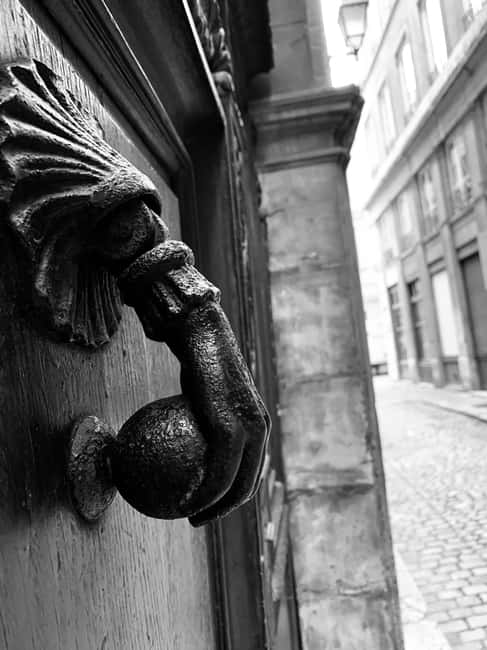
Lyon hides its best stories behind unmarked doors. This 150-minute walk through Vieux Lyon takes you into lesser-known traboules, the covered passageways linking streets, courtyards, and old buildings. I like the small-group setup, limited to 10 people, and I like the way local guide Yannick turns architecture into a lively story about silk workers, religion, politics, and wartime resistance.
The tour also reaches passageways you could easily miss on your own. Yannick has lived in the neighborhood for more than 25 years, and his local perspective adds useful details about daily life, traditional bouchons, and the need to respect people who still live around these corridors. The main drawback is physical: stairs and uneven routes make this a poor choice for wheelchair users or people with mobility impairments, and strollers can be awkward.
In This Review
- Key points at a glance
- Starting beside Lyon Cathedral
- Following the silk workers through Vieux Lyon
- Entering the lesser-known traboules
- From religious rivalry to political power
- Understanding the traboules during wartime
- Yannick’s storytelling style
- What the 150 minutes feel like
- Is $43 a fair price?
- Who should take this walk?
- Should you book the Lyon traboules tour?
- FAQ
- Where does the tour meet?
- How long does the tour last?
- How much does the tour cost?
- How many people can join the tour?
- Which languages are available?
- What should I bring?
- Is the tour suitable for wheelchair users or strollers?
Key points at a glance
- A local guide with a strong personal connection: Yannick has spent more than 25 years in the neighborhood and is praised for his humor, storytelling, and command of Lyon’s past.
- More than a corridor hunt: The traboules provide the route, but the subject is Lyon itself, from silk production and religious power to the French Resistance.
- Small groups matter here: With no more than 10 participants, you can hear the guide inside quiet passageways and ask questions without shouting.
- Look beyond the famous routes: The walk includes lesser-known traboules that are difficult to find without someone who knows the area.
- A respectful way to visit residential spaces: Keeping noise down is part of the experience because many traboules pass through occupied buildings.
- Good value at $43: For two and a half hours of guiding in one of Lyon’s most distinctive districts, the price is reasonable, especially if history and architecture interest you.
Starting beside Lyon Cathedral
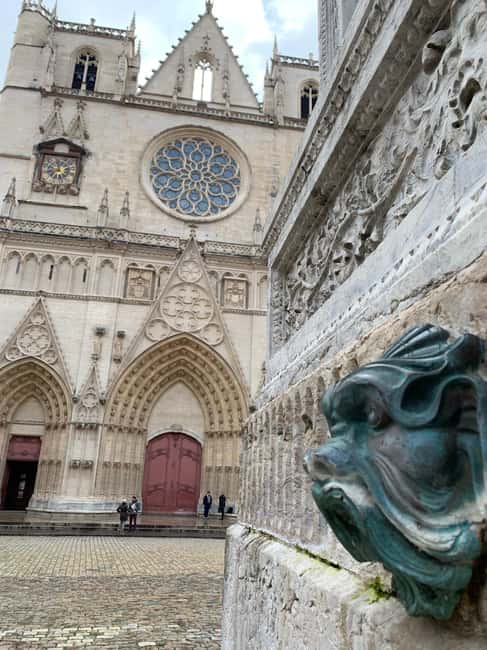
You meet the guide in front of the old fountain in the middle of the cathedral square. This is a practical meeting point in Vieux Lyon, the city’s largest Renaissance district, and an easy place to orient yourself before the walk begins.
The opening part of the tour sets the tone. You are not simply led from doorway to doorway. The guide uses the streets and buildings to explain how Lyon developed, then shows how the traboules fit into that story.
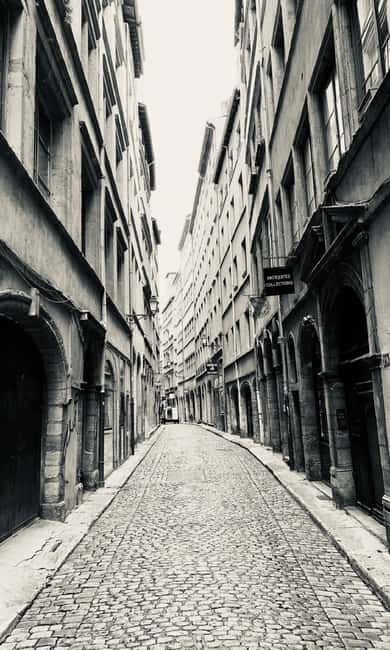
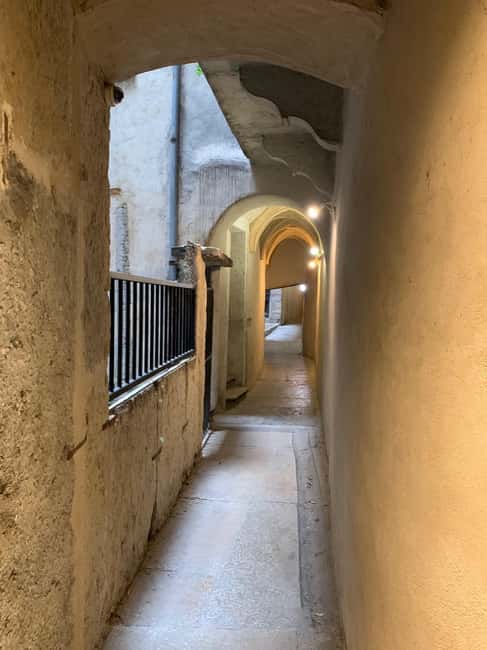
A traboule is a passage that cuts through a building or group of buildings, often linking one street with another courtyard or lane. The exact form varies, but the basic idea is simple: these routes let people move through the tightly built old quarter without walking all the way around a block.
That sounds modest until you enter one. From the busy cathedral square, a doorway can lead into a quieter world of stone walls, staircases, arches, and enclosed courtyards. The contrast is part of the pleasure. Lyon’s old center does not reveal itself all at once.
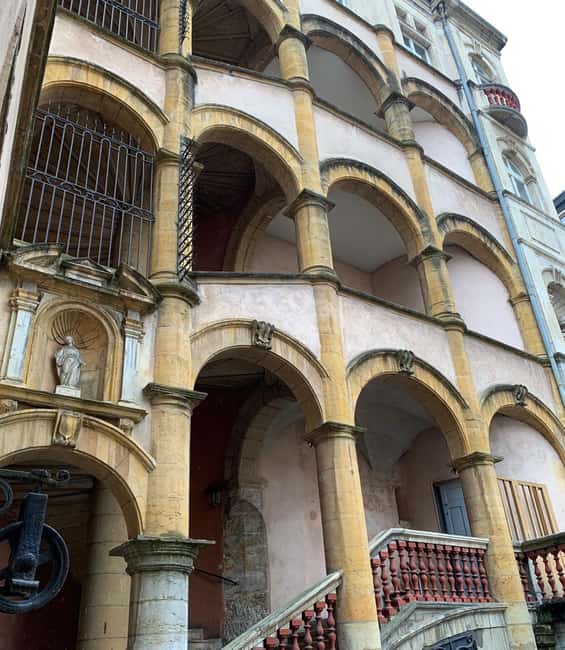
The route is also a lesson in looking. A plain entrance may hide a passage that connects several addresses. A courtyard can reveal how buildings were arranged, how residents shared access, and how practical needs shaped the neighborhood. You will get more from the walk if you pay attention to small architectural details rather than waiting for grand monuments.
More Walking Tours in Lyon
- Vieux Lyon Cultural & Historical Walking Guided Tour (English)
★ 5.0 · 942 reviews - Lyon: City Highlights Walking Tour
★ 4.9 · 847 reviews - Lyon Highlights & Secrets Walking Guided Tour (small group) including Funicular
★ 5.0 · 831 reviews
Following the silk workers through Vieux Lyon
One of the strongest parts of the tour is its account of Lyon’s silk trade. The city’s commercial past is not treated as a detached museum subject. It is connected to the buildings around you and to the ordinary workers who once lived and worked in this part of town.
As you move through Vieux Lyon, the guide explains how commerce, work, class, and architecture affected one another. Several people who took the tour found this social angle especially useful because it shifted attention away from rulers and grand events and toward the people who made the city function.
The traboules helped with movement through a dense district, but they also formed part of a working neighborhood. Their value was practical. They connected streets, courtyards, and homes in a way that suited the shape of old Lyon.
Yannick’s style seems particularly effective here. He has a gift for explaining the how and why behind the buildings, then linking the past to modern Lyon. His jokes keep the subject light, but the humor does not replace the substance. You still come away with a clearer sense of how silk production shaped the city.
If you have already read a basic guidebook account of Lyon, this is where the tour can add real value. A book can tell you that Lyon was a major silk center. A local guide can show you how to read the streets and understand what that trade meant for the people who lived there.
Entering the lesser-known traboules
The main attraction is, of course, the passageways themselves. Around 50 traboules remain open to the public, but finding the most interesting ones on your own is not as simple as following a marked sightseeing route.
Some entrances are easy to overlook. Others lead into places that look private or unremarkable from the street. A guide who knows the neighborhood can help you understand which corridors are open and how to enter them appropriately.
The route includes lesser-known traboules tucked into Vieux Lyon. This is not just about collecting a large number of passageways. The better experience comes from understanding what each route tells you about the district.
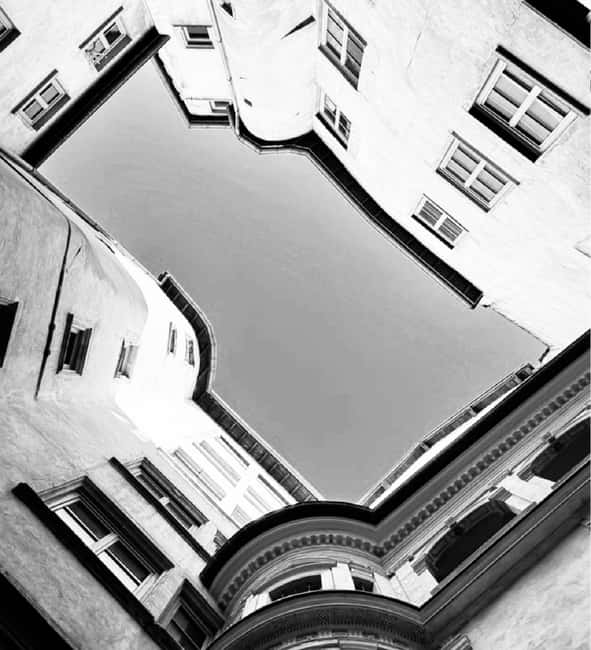
You might move from a street into a courtyard, then through a staircase or covered section before emerging somewhere else. The compact layout gives you a sense of how old Lyon was built and how people used shared spaces. The passageways can feel plain in places, but that is part of their character. They are not theatrical attractions created for sightseeing. Many still form part of a living neighborhood.
That residential quality creates one important rule: keep your voice down. Noise is specifically not allowed, and the request is easy to understand once you remember that people live beside or above these routes. I appreciate that the tour treats the traboules as real parts of Lyon rather than props.
The small group improves the experience. A group of eight or fewer, as happened on some walks, can gather around a doorway or courtyard without taking over the space. You can also ask a question without losing the next part of the explanation.
From religious rivalry to political power
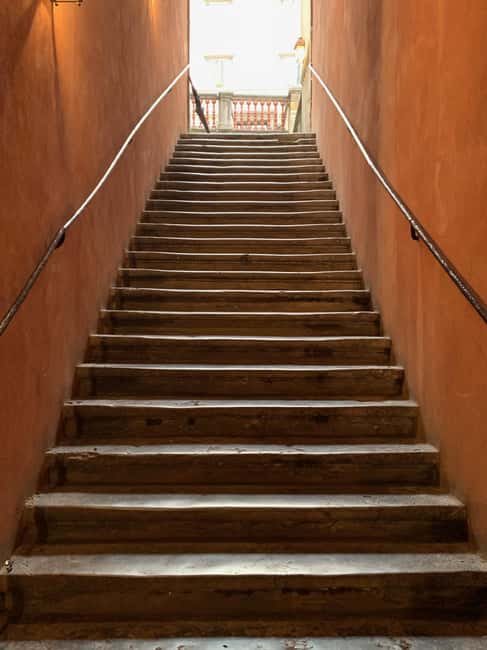
The tour reaches beyond silk and architecture into Lyon’s complicated political and religious past. The guide explains the rivalry between the bishop and the governor, showing how power was expressed through the city and its institutions.
The Medici also enter the story. Their influence is one of the less expected threads connected with Lyon, and it helps place the city within the wider political world of Renaissance Europe.
This material gives the tour more weight than a simple old-town stroll. You are encouraged to see the buildings as evidence of arguments over authority, status, commerce, and belief. Architecture becomes a record of who had power and how that power was displayed.
Yannick’s storytelling is a major asset at this point. He is often described as funny, witty, and highly engaging, with an ability to turn a string of names and dates into a story you can follow. One memorable phrase about Swiss soldiers who sacked Lyon in the 16th century has stayed with one participant long after the tour. That kind of odd, humorous detail can make historical information easier to remember.
The tone is lively, but you should still expect a fair amount of historical content. If you want only photo stops and quick facts, two and a half hours may feel long. If you enjoy social history, architecture, and stories about how cities change, the time passes quickly.
A completely different sort of day in Lyon:
- Lyon City Hop-on Hop-off Sightseeing Bus Tour
★ 4.0 · 1,614 reviews - Lyon: Musée de l’illusion Entrance Ticket
★ 3.9 · 1,023 reviews - Highlights and Hidden Gems of Lyon Guided Walking Tour (English)
★ 5.0 · 750 reviews - Food Tour in Lyon – A Full Taste of France by Do Eat Better
★ 5.0 · 603 reviews
Understanding the traboules during wartime
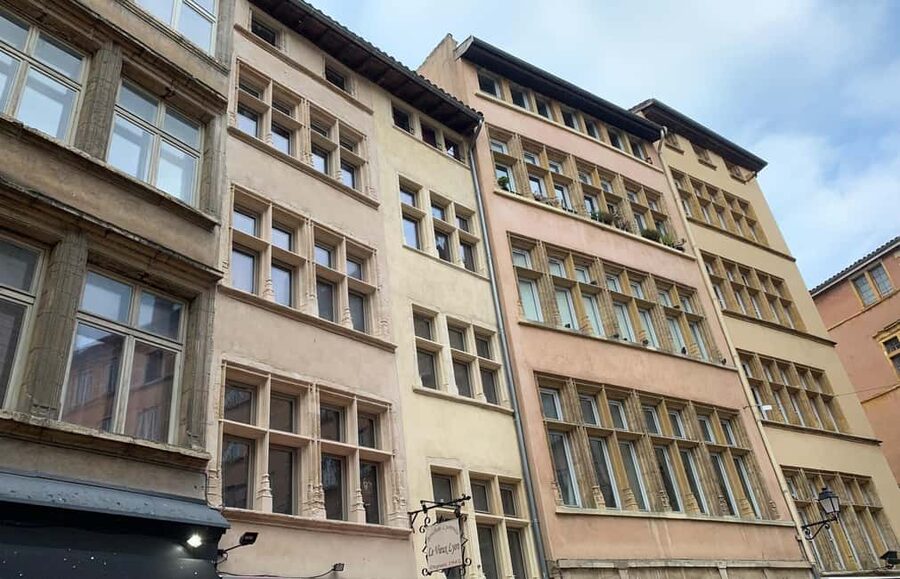
The passageways also played a role during the French Resistance in the Second World War. The tour uses this period to show that the traboules were not only useful for trade or neighborhood movement. Their confusing connections could also matter during a dangerous period.
This section gives the corridors a more serious dimension. A route designed for everyday practical use could take on a different purpose when people needed privacy and discreet movement. The guide connects Lyon’s physical layout with the choices people faced during the war.
You do not need a specialist background to follow the explanation. The strength of the tour is its ability to place major events inside ordinary streets and buildings. Instead of hearing about the Resistance as something distant, you begin to consider how the old quarter itself shaped what was possible.
The result is a better understanding of why the traboules matter. They are not merely attractive shortcuts. They are part of the city’s working life, political struggles, and wartime past.
Yannick’s storytelling style
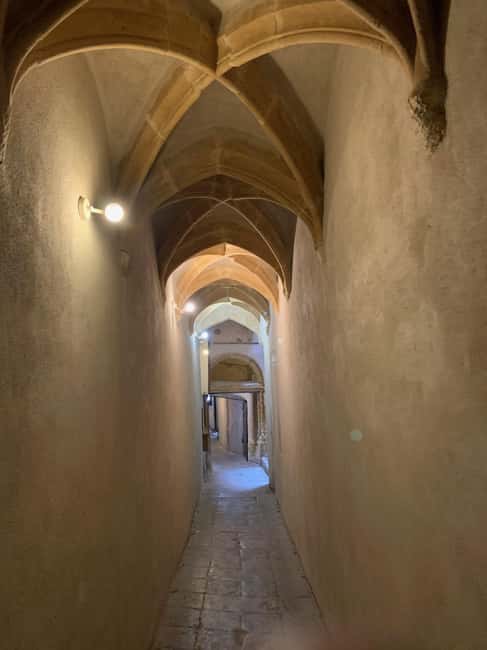
The strongest and most consistent praise goes to Yannick, also called Yan by some participants. His approach combines detailed information with jokes, questions, and a relaxed manner.
He is particularly good at connecting events from the last 500 years to Lyon today. That makes the tour feel less like a memorized lecture. You learn about politics, religion, commerce, class, architecture, and local customs, but the subjects remain tied to the streets under your feet.
He also adjusts to the group. Some people describe him as attentive to questions and careful to check that everyone is following. Families with children and teenagers have found the tour engaging, although the amount of detail may suit older children better than very young ones.
A small group gives him room to do this. He can respond to a question, spend a little longer on a detail, or point out something that a large crowd would miss. The maximum group size is 10, and the experience may be even smaller depending on the date.
The humor is not for everyone. A few people could find the storytelling more extended than they expected, particularly in cold weather. Still, the overall balance favors the guide’s approach. The jokes help break up a long historical explanation, while the content remains substantial.
What the 150 minutes feel like
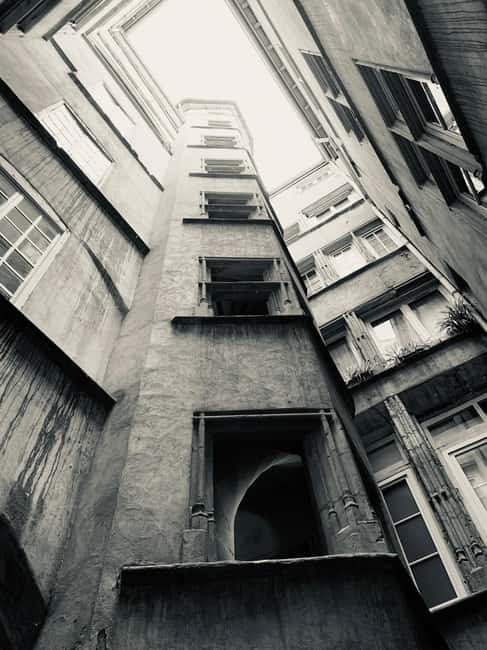
The advertised duration is 150 minutes, or two and a half hours. That is long enough to build a connected picture of Lyon rather than offering a quick sampler.
You should plan to be on your feet for the full walk. Comfortable shoes are essential because the route includes stairs and stairways inside the traboules. The experience is not suitable for wheelchair users or people with mobility impairments, and strollers may be difficult to handle.
The length is a benefit if you want context. The guide has time to move from Renaissance Lyon to the silk trade, then to political and religious conflicts and the Second World War. You also have time to enter several passageways instead of merely seeing one or two from the street.
The same length can feel demanding in poor weather. One person found the tour a little long in the cold, even while deciding it was worth the time. Summer and mild-weather visits should be more comfortable, but the practical advice remains the same: wear shoes with good support and dress for a walking tour.
An early start can also help. One participant noted that an early tour avoided some of the very large groups arriving from cruise boats. The exact starting times vary, so check availability when booking.
Is $43 a fair price?
At $43 per person, this is not the cheapest way to walk around Vieux Lyon. You can enter some public areas without paying for a guide, and you can try to locate traboules yourself.
The question is what you want from the visit. If you only want to see a few passageways, the price may seem high. If you want access to lesser-known routes, a structured explanation of Lyon’s past, and the chance to ask questions in a small group, the price is fair.
I see the value in three areas:
- Time saved: You do not have to search for entrances or work out which routes are open.
- Context gained: The guide explains why the passageways matter, rather than leaving you with a series of pretty courtyards.
- Personal attention: A group of no more than 10 is far more useful than a large walking crowd in narrow spaces.
The tour also includes a local guide rather than a self-guided booklet or audio recording. For a city whose most interesting details are often tucked behind ordinary doors, that human help matters.
Who should take this walk?
I would choose this tour if you enjoy history, architecture, local stories, and the physical texture of old cities. It is especially useful early in a Lyon visit, because the guide teaches you how to notice details you might otherwise pass without seeing.
It suits couples, solo visitors, families with older children, and small groups of friends. Teenagers have enjoyed the humor and unusual stories, and one family managed the walk with a toddler, although you should consider the stairs and the length before bringing very young children.
You may want a different activity if you have trouble walking for two and a half hours, need step-free access, or are traveling with a stroller. You should also skip it if you prefer a short overview with little historical detail.
Respect matters here. Keep your voice low, follow the guide’s instructions, and remember that the passageways are connected to homes. That simple courtesy helps protect public access to these unusual routes.
The tour is offered in English and French. You should confirm the language and starting time that suit you when you check availability.
Should you book the Lyon traboules tour?
Yes, if you want to understand Vieux Lyon rather than simply photograph it. The most valuable part is not the novelty of walking through a corridor. It is the way the route ties those corridors to silk workers, religious power, political conflict, wartime resistance, and present-day residents.
Yannick’s energy is a major reason to book. His humor, local experience, and ability to explain complicated subjects make the 150 minutes feel purposeful. At $43, I consider it good value for a small group and a guide who can show you places you might not find alone.
I would book it early in your stay, wear comfortable shoes, and choose a time when the weather is comfortable. If stairs are a problem, choose another Lyon activity. For everyone else, this is one of the better ways to see the old quarter’s less obvious side.
FAQ
Where does the tour meet?
Meet the guide in front of the old fountain in the middle of the cathedral square.
How long does the tour last?
The tour lasts 150 minutes, or two and a half hours.
How much does the tour cost?
The listed price is $43 per person.
How many people can join the tour?
The group is limited to 10 participants.
Which languages are available?
The tour is offered in English and French.
What should I bring?
Bring comfortable shoes because the walk includes stairs and stairways inside some traboules.
Is the tour suitable for wheelchair users or strollers?
The tour is not suitable for wheelchair users or people with mobility impairments. Strollers can also be difficult to manage inside the traboules.
Recently added around Lyon
- The Grand Bike Tour of Lyon – 3h★ 4.5 · 48 reviews
- Historical and naughty tour of Lyon in french★ 4.5 · 49 reviews
- Gourmet Vegan Private Tour of Lyon 3 hours★ 5.0 · 52 reviews
- Beaujolais & Perouges Medieval Town (9:00 am to 5:15 pm – Small Group Tour Lyon★ 5.0 · 53 reviews
- Lyon Old Town Food & Wine Tasting Tour including a Bouchon Lyonnais★ 4.0 · 59 reviews
- Storytelling tour of the Vieux-Lyon for children in French★ 4.8 · 60 reviews
- Lyon UNESCO: Private walking tour★ 5.0 · 61 reviews
- 4h Complete Lyon Experience – E-Bike, Tasting & Walk★ 4.8 · 62 reviews
Walking Tours, compared.
Paris Top Sights Half Day Walking Tour with a Fun Guide
Read our review →
Montmartre Hidden Gems and Scenic Highlights Walking Tour
Read our review →
Montmartre Hill French Gourmet Food and Wine Tasting Walking Tour
Read our review →
Paris Île de la Cité and Notre-Dame Walking Tour With Crypt
Read our review →
Paris: Montmartre Cheese, Wine & Pastry Guided Walking Tour
Read our review →
Paris in a Day: Louvre or Orsay, Eiffel Tower, City Walk & Cruise
Read our review →
Paris: Montmartre Highlights Walking Tour with a Local Guide
Read our review →
Browse the lists this tour appears in