
Reviewed · COOKING CLASSES
Paris Baking Insider Experience near Notre-Dame
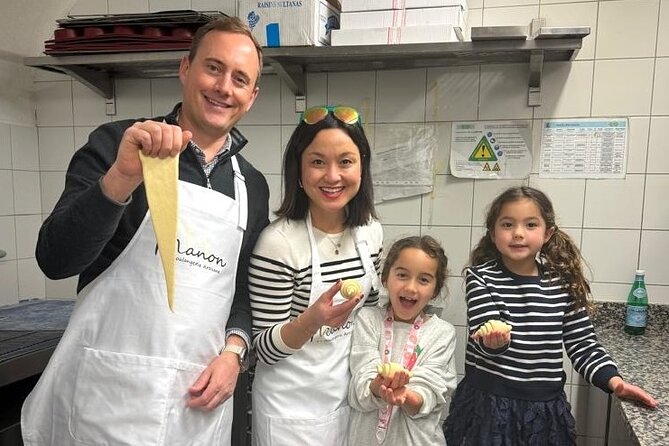
Fresh bread makes Paris even better. This two-hour baking experience takes you behind the scenes in a working bakery, where you learn about baguettes, croissants, sourdough, flour, and French pastries. I like the small maximum of eight people, and I like that you do more than watch: you shape dough, roll croissants, mix cake batter, and taste what you help make. The main caution is that this feels more like a lively bakery experience than a full recipe-based cooking class.
You meet at 25 Rue de Bretagne in the Marais, a fine spot for pairing food with a walk through one of central Paris’s most appealing neighborhoods. Guides including David, Valentina, Pierre, Martin, Clara, Yeju, Paula, and Salome have been praised for keeping the activity friendly and inclusive. Still, the amount of hands-on work can vary, and a few people found the bakery crowded or expected more instruction.
In This Review
- Key points to know before you book
- Entering a working bakery in the Marais
- Understanding flour, yeast, and sourdough
- Shaping baguettes and learning what makes them different
- Rolling croissants and seeing lamination up close
- Tasting the work as you go
- The guides make a real difference
- A family activity with a few practical limits
- Is $108.89 a fair price?
- Location, timing, and cancellation
- Who should book this Paris baking experience?
- Should you book it?
- FAQ
- Where does the Paris Baking Insider Experience begin?
- Where does the experience end?
- How long does the baking experience last?
- What language is the experience offered in?
- How many people can join the activity?
- What baking skills will I learn?
- Will I make baguettes and croissants?
- Can children join?
- Is the bakery accessible by elevator?
- Can I cancel for a full refund?
Key points to know before you book
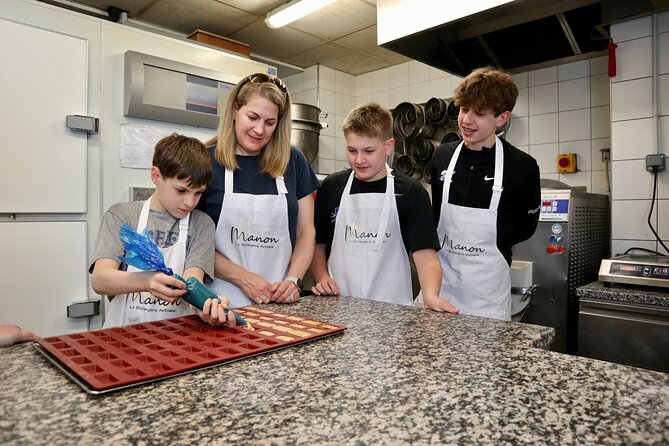
- A real bakery setting: You enter a working French bakery rather than a standard cooking school, giving the activity a useful behind-the-scenes feel.
- Small group size: The maximum is eight people, though one account found the space crowded despite the advertised limit.
- Bread and pastry basics: You learn about baguette shaping, croissant lamination, sourdough, yeast, flour, and different types of dough.
- You get to make and taste: The session may include baguettes, croissants, financiers, madeleines, mini cakes, or other bakery items, with samples along the way.
- Good for families: Children can join with an adult, and several guides have been praised for including children from about age five upward.
- Plan for stairs and standing: The bakery is on the second floor, up 15 steps without an elevator, and you stand for much of the two-hour session.
Entering a working bakery in the Marais
The experience begins at 25 Rue de Bretagne, in the 3rd arrondissement. This is a practical meeting point if you are already exploring the Marais, and it gives you a chance to combine the activity with cafés, food shops, and a walk toward the Seine afterward.
The bakery itself is part of the appeal. You are not simply seated at a table with premeasured ingredients and a printed recipe. Instead, you see how a French bakery handles bread and pastries in its own kitchen. That setting helps explain why French baking depends so heavily on timing, temperature, flour, and repeated hand movements.
The bakery is on the second floor, reached by 15 steps. There is no elevator, so this matters if stairs are difficult for you. You also need to stand for an extended period, and the area near the ovens can become warm. Wear comfortable shoes and clothes that can handle flour.
Cleanliness is taken seriously during the session, with repeated hand washing noted as part of the process. One account raised concerns about the bakery’s general tidiness and food handling, while several others described the facility as clean and immaculate. That mixed picture is worth keeping in mind. The experience takes place in a working kitchen, not a polished hotel demonstration room.
More Notre Dame visits:
- Paris Île de la Cité and Notre-Dame Walking Tour With Crypt
★ 5.0 · 2,272 reviews - Paris: Eternal Notre-Dame VR Experience Ticket
★ 4.4 · 1,150 reviews - Paris: Notre-Dame Cathedral Exterior Tour & Free Entrance
★ 3.7 · 1,010 reviews
Understanding flour, yeast, and sourdough
The first part of the lesson gives you the building blocks of French bread. You learn that flour is not just flour, and that its qualities affect texture, flavor, and the need for gluten development.
The session covers the differences between bread flours, yeast, and sourdough. That is useful even if you do not plan to become a home baker. Once you understand what each ingredient does, a baguette becomes more than a long loaf from the corner shop. You begin to notice crust, crumb, chew, fermentation, and aroma.
Sourdough receives attention alongside yeasted dough. You may not leave with a complete sourdough formula, but you should come away with a clearer sense of how the two methods differ. The experience also explains why some loaves need more gluten development than others.
This is one area where expectations matter. Several descriptions of the activity suggest that the dough is partly or fully prepared in advance. You may handle, shape, roll, or finish dough without weighing every ingredient or mixing a loaf from start to finish. If you want a technical baking course with exact measurements, fermentation schedules, and written formulas, this may feel light.
If you want a practical introduction to the subject while standing inside a French bakery, the format makes more sense. You are learning how the bakery works and how to recognize differences between breads, not completing a professional pastry-school curriculum.
Shaping baguettes and learning what makes them different
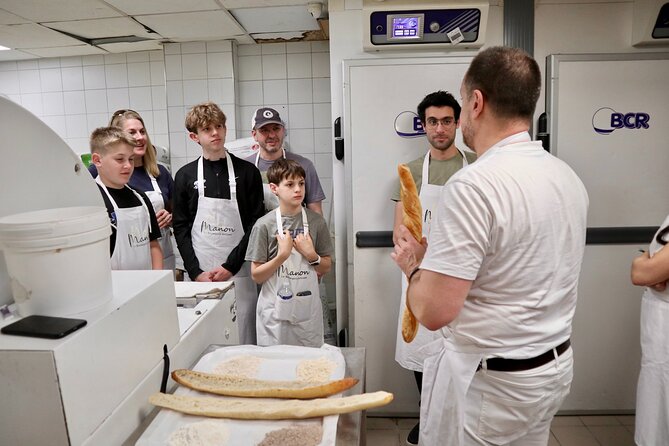
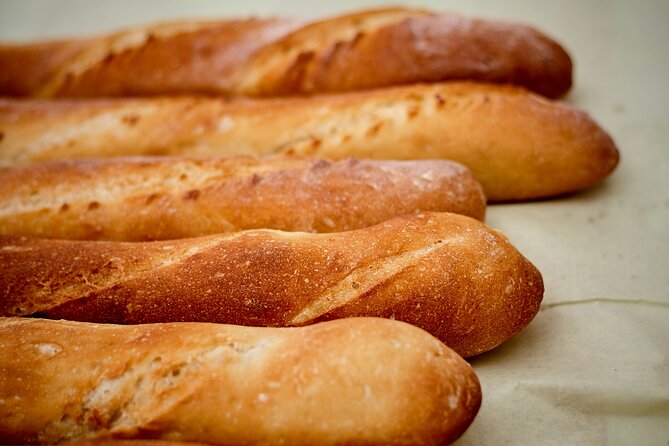
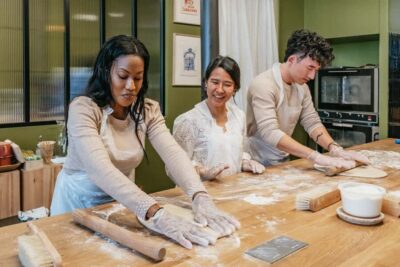
Baguette shaping is one of the strongest reasons to choose this activity. The guide explains different shaping techniques and gives you a chance to work with bread dough yourself.
The value is in the hand movement. A baguette is not simply rolled into a long cylinder. The dough has to be handled with enough care to keep its structure, then shaped so it can rise and bake properly. Even a short lesson can show you why two baguettes made from similar ingredients may come out with different crusts and crumb.
Some participants have described making their own loaves and taking home extra bread. Others found the activity more observational, with prepared dough doing much of the work. Your exact level of participation may depend on the group, the bakery’s production schedule, and which items are being prepared that day.
That variation does not make the experience worthless, but it does make the word class slightly generous. Think of it as guided participation. You are brought into the process, rather than left to produce a complete batch alone.
The bakery setting also adds context. You can see how bread is made in a place that produces it for customers, rather than learning only through a demonstration designed for tourists. That is a good fit if you are curious about daily French food culture and want more than a pastry tasting.
Rolling croissants and seeing lamination up close
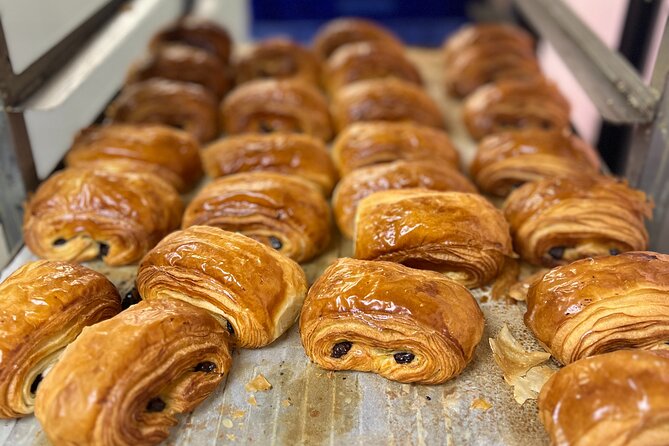
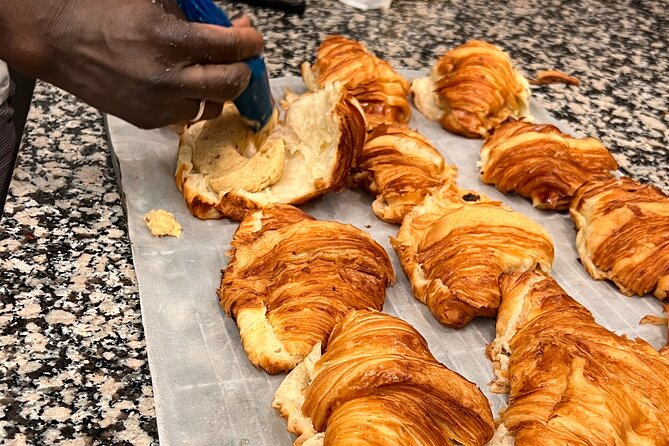
Croissant dough gives the session its most recognizable pastry lesson. You learn about lamination, the process of layering dough and butter so the pastry can puff into thin, flaky sheets.
You may see how croissant dough is prepared and rolled, then work with pieces that have already been mixed, chilled, cut, or shaped. Several accounts describe rolling prepared croissants, while others say the activity included making croissants from beginning to end. The safest expectation is that you will take part in the process, but not necessarily perform every technical stage from raw ingredients onward.
That distinction is important. Lamination is time-sensitive and depends on keeping butter and dough at the right consistency. A two-hour session cannot reproduce the full professional production cycle unless much of the work has been started earlier.
Still, seeing and touching laminated dough makes the idea easier to understand. You can feel how different it is from ordinary bread dough, and you can see why croissants require careful handling. For a first introduction, this is more memorable than hearing a lecture about butter layers.
The pastry portion may also include financiers, madeleines, or small cakes. A financier is a small almond cake, often associated with a distinctive rich texture. One account referred to a special mini pocket loaf called a financier, while other descriptions simply called it an almond cake. The exact pastry selection may change, but the activity clearly reaches beyond bread and croissants.
More Cooking Classes in Paris:
- Paris: Montmartre Cheese, Wine & Pastry Guided Walking Tour
★ 4.8 · 2,255 reviews - Paris Cooking Class and Lunch with Wine plus Market Visit Option
★ 5.0 · 1,024 reviews - Paris Croissant Small-Group Baking Class with a Chef
★ 5.0 · 910 reviews - Paris: Macaron Class at Galeries Lafayette
★ 4.3 · 905 reviews
Tasting the work as you go
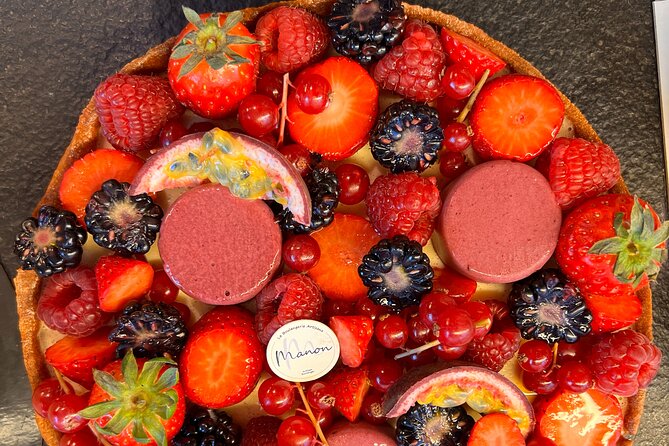
The tasting is not an afterthought. You sample the sweet and savory items made during the session, which helps connect technique with flavor.
You might taste bread, croissants, financiers, madeleines, mini cakes, or pastries from the bakery. Some participants left with a substantial amount of bread and cake, and several specifically advised bringing an extra bag. That is useful advice, especially if you are joining early in the day and plan to walk around Paris afterward.
The tastings also give the lesson a clear purpose. You can compare the crust of a baguette with the soft layers of a croissant, then consider how flour, fat, yeast, and shaping affect the result. The point is not only to make something attractive. It is to understand why the finished food tastes and feels the way it does.
A small warning for anyone with food allergies: one family reported that a child with severe nut allergies was fine during the experience, but the information provided does not establish a general allergy policy. Financiers commonly involve almonds, and pastries can contain several common allergens. Contact the provider before booking if you have a serious allergy, and do not rely on a general account of one person’s experience.
The guides make a real difference
The guide can shape the whole morning or afternoon. Names praised in the supplied feedback include David, Valentina, Pierre, Martin, Clara, Yeju, Paula, and Salome.
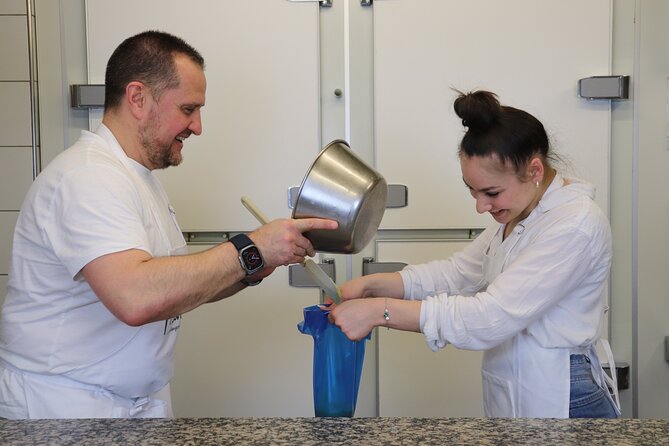
David was described as especially good with children and as someone who included both ten-year-olds and teenagers in the baking process. Valentina was praised for her patience, humor, and ability to keep children and adults involved. Pierre received similar praise for being engaging and kind, though one account pointed out that he was a guide rather than the baker.
Yeju was credited with making sure everyone had a turn and keeping the session on schedule. Salome was described as patient and welcoming to a solo participant. Clara received praise from an experienced home baker who still learned useful new tips.
These details tell you what to value. A good guide here is not only a translator or storyteller. The guide has to manage a small kitchen space, explain unfamiliar techniques, and give each person something to do. The best sessions seem to balance instruction, humor, and practical turns at the work surface.
The actual baker and bakery staff also matter. Several accounts describe a friendly baker and a warm welcome, while one account described uncomfortable interactions between staff and the instructor. That appears to be an exception, but it is fair to say that this activity depends partly on how the bakery accommodates the group on the day.
A family activity with a few practical limits
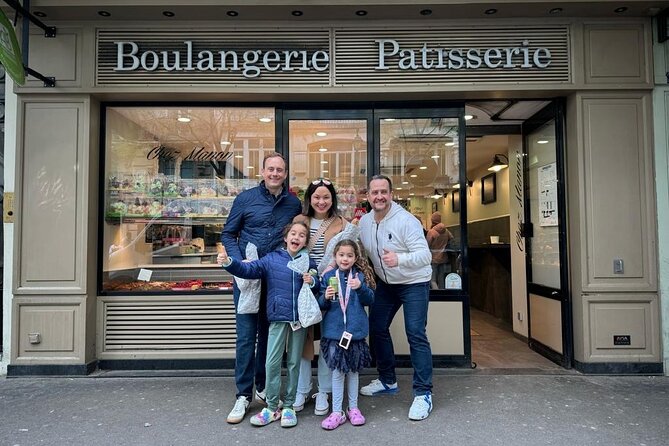
Families are a strong match for this experience. Children may join with an adult, and children under five can attend free, though they cannot take part in hands-on baking because of safety concerns.
The activity has worked well for families with children around five, nine, ten, twelve, and fourteen. Guides have been praised for explaining the process in a way children could follow and for letting them roll dough, shape items, and help with simple tasks.
You should still consider the physical setup. The group stands for much of the two hours, the bakery is reached by stairs, and the area near ovens can be warm. Young children may enjoy the activity, but an adult needs to keep them close and follow the bakery’s safety instructions.
Solo visitors and multigenerational groups can also fit in well. The small group limit gives you a better chance to participate than a large demonstration tour would. Couples who want a break from museums and monuments may find this a pleasant change of pace.
Is $108.89 a fair price?
At $108.89 per person, this is not a cheap pastry stop. You can buy a baguette and a croissant in Paris for a small fraction of that amount, so the price only makes sense if you want the access, teaching, tastings, and guided participation.
The maximum of eight helps support the value. A small group should give you more chances to touch the dough, ask questions, and work with the guide. The price also includes snacks, an expert guide, and the hands-on baking lesson.
Your value depends on what you expect. If you want a professional baking course with precise recipes, ingredient weights, and enough time to produce every item from scratch, you may be disappointed. The dough is often prepared ahead, and some tasks take only a few minutes.
If you see it as a behind-the-scenes food experience with practical instruction, the price is easier to justify. You get access to a working bakery, an explanation of French bread and pastry methods, food to taste, and sometimes plenty to take away. People who especially enjoyed it often called it a highlight of their Paris trip, which suggests the experience succeeds best as a memorable activity rather than a skills-intensive workshop.
One complaint involved a macaron-making class rather than the French bakery class described here. Check your confirmation carefully so you know you have selected the baguette and croissant experience, not a different pastry activity.
Location, timing, and cancellation
The experience lasts about two hours and ends back at 25 Rue de Bretagne. It is near public transportation, and mobile tickets are accepted. The activity is offered in English.
It is often booked about 39 days ahead, so advance planning is sensible if your Paris dates are fixed. The small group limit can make popular times fill up.
Free cancellation is available if you cancel at least 24 hours before the start time. Cancellations or changes made within 24 hours are not refunded or accepted, and the cut-off follows local Paris time.
Service animals are allowed. Children must be accompanied by an adult.
Who should book this Paris baking experience?
I would choose this for you if you want a friendly food activity, enjoy learning by doing, and like seeing how an everyday French bakery operates. It is especially well suited to families, solo visitors, couples, and home bakers who want to compare their own methods with French bakery practice.
You should think twice if you dislike standing, have difficulty with stairs, or need a fully accessible venue. You should also look elsewhere if your main goal is to leave with professional recipes and a complete mastery of baguettes or croissants.
For the best experience, wear comfortable clothes, expect flour on the floor, and bring a spare bag for bread and pastries. Keep your expectations practical: this is not a quiet, measured pastry-school lesson. It is a compact, social look at French baking with real participation and plenty of tasting.
Should you book it?
Yes, if you want a hands-on taste of French bakery life and are happy with an experience rather than a complete baking course. The small group, strong family appeal, friendly guides, and chance to handle baguette and croissant dough make it a good change from sightseeing.
I would not book it solely to learn exact recipes. For that, find a longer class that promises full ingredient measurements and start-to-finish preparation. For a memorable two hours in Paris, with bread, pastries, and a look behind the bakery counter, this experience offers solid value.
FAQ
Where does the Paris Baking Insider Experience begin?
It begins at 25 Rue de Bretagne, 75003 Paris, France.
Where does the experience end?
The activity ends back at the meeting point on Rue de Bretagne.
How long does the baking experience last?
It lasts approximately two hours.
What language is the experience offered in?
The experience is offered in English.
How many people can join the activity?
The maximum group size is eight participants.
What baking skills will I learn?
You learn about bread flours, yeast, sourdough, baguette shaping, croissant dough, and laminating dough. You also prepare or handle bread and pastry items.
Will I make baguettes and croissants?
The activity covers baguettes and croissants, including shaping and rolling techniques. Some dough may be prepared ahead, so the amount of start-to-finish preparation can vary.
Can children join?
Yes. Children may join when accompanied by an adult. Children under five can attend free, but they cannot take part in the hands-on baking for safety reasons.
Is the bakery accessible by elevator?
No. The bakery is on the second floor and requires climbing 15 steps. There is no elevator.
Can I cancel for a full refund?
Yes, if you cancel at least 24 hours before the experience begins. Cancellations or changes made less than 24 hours before the start time are not accepted, and the payment is not refunded.
Recently added around Paris
- Private Half-Day Guided Tour of Paris★ 4.5 · 48 reviews
- 2 hour outdoor group activity in Paris: SAINT GERMAIN★ 5.0 · 48 reviews
- Paris Dinner Show Opera Bel Canto★ 4.5 · 48 reviews
- Paris Vintage Tour by Night on a Sidecar with Champagne★ 5.0 · 48 reviews
- Paris Photoshoot: Eiffel Tower Exclusive Private Experience★ 5.0 · 48 reviews
- Secrets & Scandals of the Louvre – Limited to 6 Guests★ 5.0 · 48 reviews
- From Paris: Versailles Full-Day Guided Tour with Lunch★ 4.9 · 48 reviews
- Paris: Louvre Mona Lisa Discovery Guided Tour with Ticket★ 4.9 · 48 reviews
Cooking Classes, compared.

Paris: Montmartre Cheese, Wine & Pastry Guided Walking Tour
Read our review →
Paris Cooking Class and Lunch with Wine plus Market Visit Option
Read our review →
Paris Croissant Small-Group Baking Class with a Chef
Read our review →
Paris: French Croissant Baking Class with a Chef
Read our review →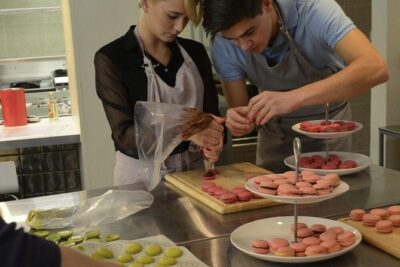
Paris Cooking Class: Learn How to Make Macarons
Read our review →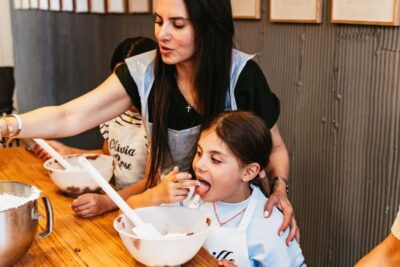
A Morning in Paris Food Tour: Croissants, Baguettes & Chocolate
Read our review →Browse the lists this tour appears in