
Reviewed · COOKING CLASSES
Paris Cooking Class: Learn How to Make Macarons
Macarons are small, but they demand respect. This three-hour Paris cooking class turns a tricky French pastry into a hands-on lesson, with guidance in English, a welcome drink, and plenty of macarons to carry home. I especially like the small advertised group of four, which gives you room to ask questions, and the relaxed tea or coffee tasting at the end. The main drawback is the price: at $156 per person, this is not a casual pastry stop.
You will meet at Le Foodist in the Latin Quarter at 3 p.m. and work through the shells, filling, piping, baking, and assembly. I also like that the class suits gluten-free diets, though you should still explain your needs when booking. Macarons are sweet by nature, and some of the finished shapes may look less polished than those in a Paris pastry shop.
In This Review
- Key points to know before booking
- What the $156 Paris macaron class includes
- Meeting Le Foodist at 3 p.m. in the Latin Quarter
- Making the meringue shells from scratch
- Piping buttercream and assembling the macarons
- Tea, coffee, and a box of macarons
- Is the advanced macaron class worth choosing?
- Who will enjoy this class most?
- Practical timing, age, and cancellation details
- The instructors are a big part of the experience
- Should you book the Paris macaron class?
- FAQ
- Where does the Paris macaron class begin?
- What time does the class start?
- How long does the macaron class last?
- Is the class taught in English?
- How many people can attend?
- What do I take home?
- Is there a minimum age?
- Can I cancel for a refund?
Key points to know before booking
- You make the macaron shells from scratch: Learn the meringue method, coloring, piping, and buttercream filling rather than simply decorating prepared pastries.
- The advertised maximum is four people: This creates a personal class with direct help, although some older class accounts describe groups of six or eight.
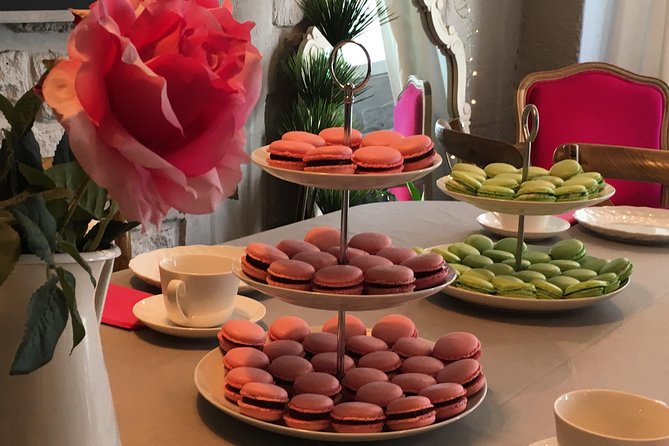
- You take home 20 to 30 macarons: That is a generous edible souvenir, though a flimsy box and checked luggage are a poor combination.
- The class begins at 3 p.m. in the Latin Quarter: It fits neatly into an afternoon between sightseeing and dinner.
- The instructor adds Paris food advice: Stéphane, Paulo, Luc, Fanny, Florence, Ann, and Stefan are among the instructors praised for humor, patience, and practical help.
- An advanced option is available: Choose it if you already know the basics and want to explore finer points of macaron technique.
What the $156 Paris macaron class includes
At $156, this class costs much more than buying a box of macarons from a pâtisserie. The value comes from the activity itself: you spend about three hours learning a demanding pastry, working with an instructor, tasting what you make, and taking home roughly 20 to 30 pieces.
Your fee includes a welcome drink, the equipment and attire required for class, coffee or tea, and the macarons you prepare. The advanced macaron class is included only if you select that option when booking.
I would see this as a special-occasion experience rather than a budget activity. It makes sense for a pastry lover, a parent and teenager, or someone who wants a break from museums and monuments. If you only want to eat macarons, buy them at a good pastry shop and spend the remaining money elsewhere.
The class is offered in English, which matters when the method depends on timing, texture, and small visual clues. Clear instructions can make the difference between smooth shells and cracked or lopsided ones.
More Workshops in Paris
- Fragonard Paris: Mini Perfume Workshop
★ 4.5 · 1,924 reviews - Paris Cooking Class and Lunch with Wine plus Market Visit Option
★ 5.0 · 1,024 reviews - Paris Croissant Small-Group Baking Class with a Chef
★ 5.0 · 910 reviews
Meeting Le Foodist at 3 p.m. in the Latin Quarter
The class begins at Le Foodist, 59 Rue du Cardinal Lemoine, in Paris’s 5th arrondissement. The location is near public transportation, so it is practical to reach from other parts of central Paris. You should allow enough time to find the cookery school without rushing, since the start time is fixed at 3 p.m.
You begin with a refreshing welcome drink and meet your instructor before the baking starts. That small pause is useful. It lets you settle in, meet the other people in the room, and ask questions before handling the ingredients.
The experience ends back at the same meeting point after about three hours. This makes planning dinner easy, although the exact end time may depend on the pace of the class and the baking process.
The advertised group limit is four people, a major reason this class receives so much praise for personal attention. Some past class accounts describe six or eight participants working in pairs, so the actual setup may vary by date or booking channel. If four-person instruction is important to you, confirm the group size before paying.
Making the meringue shells from scratch
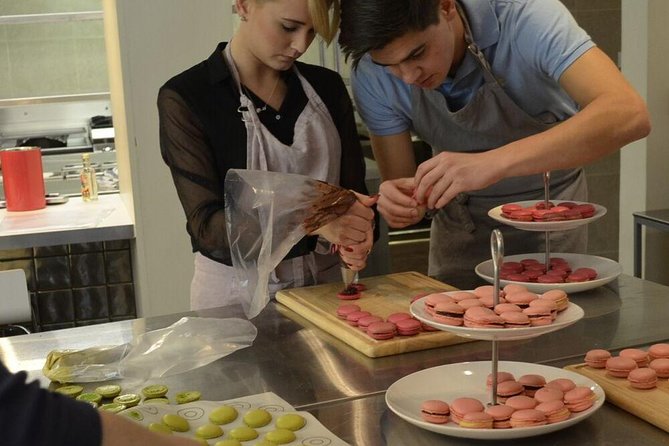
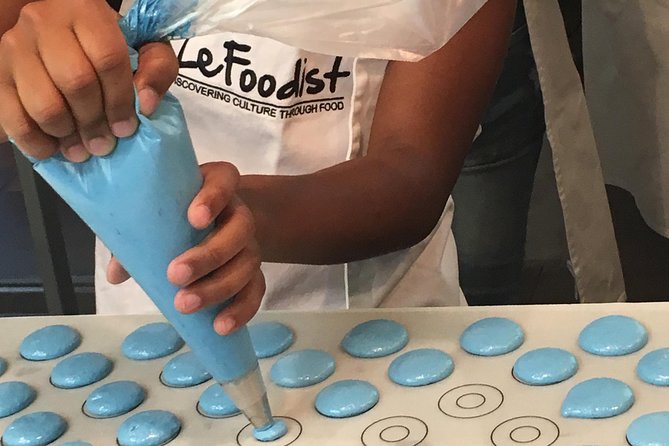
The central lesson is the macaron shell. You learn to make the meringue mixture, choose colors, and pipe the rounds yourself. This is not a demonstration where you stand behind a counter and watch a professional do everything.
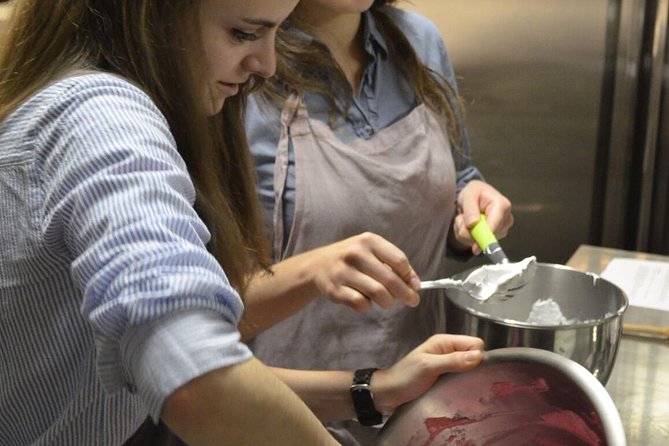
Macarons have a reputation for being fussy, and that reputation is deserved. The shells need the right texture, the mixture must be handled correctly, and piping takes a steady hand. The class breaks the work into steps, which helps take some of the fear out of the process.
Chef Stéphane is especially praised for showing each stage clearly and sharing techniques intended to make macarons more reliable at home. Other instructors, including Luc, Paulo, Fanny, Florence, Ann, and Stefan, are described as patient, funny, and attentive to different skill levels.
You may find that the instructor demonstrates a step, then lets you try it while watching for trouble. That is where the small group matters. If your batter looks wrong or your piping is uneven, you can ask for help before the mistake spreads through the whole batch.
Do not expect every shell to look perfectly uniform. One of the pleasures of the class is seeing your own progress, and slightly imperfect shapes are part of the learning. The finished macarons can still be attractive and delicious even if they do not have pastry-counter symmetry.
Piping buttercream and assembling the macarons
Once the shells are prepared, you learn to pipe the buttercream filling. This is another hands-on stage, not an afterthought. You need enough filling to create a balanced sandwich without squeezing it out the sides.
The process gives you a better sense of why professional macarons cost what they do. Each little pastry involves several stages, careful handling, and a good deal of repetition. By the time you assemble your batch, you will have more respect for the neat rows in Paris shop windows.
The exact flavors may vary by class. One class account describes participants working in pairs and making different flavors, then tasting several kinds together. That suggests you may get to compare more than one style, but you should not assume a specific menu unless it is confirmed for your date.
The sample menu lists macarons as the dessert. The class is about making them, not pairing them with a full meal, so plan to eat lunch beforehand if you need something substantial.
During pauses while mixtures are being prepared or baked, the instructor may talk about French food, pastry work, and the macaron’s place in French culture and tradition. Stéphane has also shared restaurant and food-shopping suggestions, and one class account describes him helping arrange a restaurant reservation. Treat that as a welcome extra, not a guaranteed service.
More Cooking Classes in Paris:
- Paris: Montmartre Cheese, Wine & Pastry Guided Walking Tour
★ 4.8 · 2,255 reviews - Paris: Macaron Class at Galeries Lafayette
★ 4.3 · 905 reviews - Paris: French Croissant Baking Class with a Chef
★ 4.9 · 712 reviews - Paris: French Macaron Culinary Class with a Chef
★ 4.9 · 591 reviews
Tea, coffee, and a box of macarons
When the macarons are finished, you sit down with tea or coffee and taste the results. This closing moment keeps the class from feeling like a rushed production line. You get time to compare the flavors, look at the finished pastries, and talk with the instructor and the group.
The class includes a box of approximately 20 to 30 macarons to take away. That is enough to share with family or friends, or to save for the next day if you have the self-control. Since the pastries are sweet, you may not want to eat the entire box at once.
Pack the box in your carry-on if you are flying. One person found that macarons did not survive well in checked luggage, partly because the supplied box was not sturdy enough for rough baggage handling. The practical choice is to eat some during your stay and protect the rest in your hand luggage.
You also receive the recipes for the macarons made in class, according to one detailed account. This adds real value if you want to repeat the experience at home, though macarons can still behave differently in a home kitchen.
Is the advanced macaron class worth choosing?
The standard class covers the basic method and gives you a working understanding of the pastry. The advanced option is aimed at people who want to explore the subtleties of macarons in greater detail.
The supplied information does not spell out every difference between the two options, so I would not choose the advanced class simply because it sounds more impressive. It makes the most sense if you already bake, have made macarons before, or specifically want a more technical session.
For a first attempt, the regular class should be enough. You will already be handling meringue, coloring, piping, filling, baking, and assembly in a single afternoon. If your goal is to leave Paris with a dependable method and the confidence to try again, the basic option offers plenty to work on.
Who will enjoy this class most?
This is a strong pick for pastry lovers who want to make something rather than only photograph it. You will get the most from it if you enjoy detailed instructions, do not mind repetitive handwork, and like learning through practice.
It also suits families with older children. The minimum age is 12, and children cannot attend unaccompanied. Accounts describe instructors working well with teenagers, including one class where the young participants left enthusiastic about the experience.
A parent and daughter, a small family group, or friends on a Paris trip can all fit naturally into the format. Solo participants can also join. The small class and shared work make it easy to talk with the others, even if you arrive alone.
This may not suit you if you dislike sweet desserts, want a fast activity, or expect every pastry to look perfect. Three hours is a meaningful part of a Paris afternoon, and the class asks you to stay engaged from the first mixture to the final box.
The experience is listed as suitable for people with gluten allergies. You should still communicate your needs clearly before the session, since allergy care depends on the specific circumstances of the class.
Practical timing, age, and cancellation details
You should receive confirmation when you book, and the experience uses a mobile ticket. English instruction is available, and the cookery school is near public transportation.
The activity requires a minimum number of participants. If that minimum is not reached and the class is canceled, you will be offered another date or experience, or receive a full refund.
For your own cancellation, you receive a full refund if you cancel at least six full days before the local start time. Canceling two to six full days ahead allows a 50 percent refund. Less than two full days ahead brings no refund, and late changes are not accepted.
Because the class is often reserved well in advance, with bookings averaging 57 days ahead, popular dates may disappear early. I would book sooner if your Paris schedule is tight, but avoid booking before you know your sightseeing plans.
The instructors are a big part of the experience
The pastry method matters, but the teacher can make or break a class. The strongest praise goes to instructors who combine clear instruction with humor and patience.
Stéphane is repeatedly described as energetic, entertaining, and generous with tips. He has helped people feel less intimidated by the process and has offered suggestions for restaurants and food shops around Paris.
Luc is praised for giving students freedom while making sure nobody feels lost. That balance is important in a hands-on class. Too much direction turns the activity into a demonstration, while too little leaves you staring at a bowl of difficult batter.
Paulo is described as friendly and patient. Fanny is praised for combining teaching with humor, and even for helping with French pronunciation. Florence is described as kind and highly skilled, while Ann is credited with helpful guidance and good results.
Instructor assignments can change, so you should not book on the assumption that one particular chef will teach your class unless the provider confirms it. Still, the repeated pattern is encouraging: the class depends heavily on instructors who enjoy helping people learn.
Should you book the Paris macaron class?
Book it if you want an intimate, practical afternoon built around one of France’s most recognizable pastries. The combination of hands-on work, English instruction, tea or coffee, recipes, and 20 to 30 macarons to take home makes the $156 price easier to justify for serious pastry fans.
I would be especially inclined to book this for a parent and teenager, a couple, or a solo visitor who prefers small classes. The personal help, relaxed finish, and chance to ask about Paris food add more than a simple pastry tasting.
Skip it if you are watching your budget closely, dislike sweet desserts, or would rather spend the afternoon sightseeing. Macarons are delicate, sugary, and not always easy to transport.
For everyone else, this is a memorable way to trade a few hours of sightseeing for a useful French skill. Just arrive on time, wear the provided attire as directed, keep your phone ready for the mobile ticket, and carry the finished box onto the plane instead of checking it.
FAQ
Where does the Paris macaron class begin?
The class begins at Le Foodist, 59 Rue du Cardinal Lemoine, 75005 Paris, France.
What time does the class start?
The scheduled start time is 3 p.m.
How long does the macaron class last?
The experience lasts approximately three hours.
Is the class taught in English?
Yes. The class is offered in English.
How many people can attend?
The advertised maximum is four participants. Some past class accounts describe larger groups, so confirm the format when booking if group size matters to you.
What do I take home?
You receive a box of approximately 20 to 30 macarons. Recipes may also be provided for the macarons made during class.
Is there a minimum age?
Yes. The minimum age is 12, and children cannot attend without an accompanying adult.
Can I cancel for a refund?
You can receive a full refund by canceling at least six full days before the local start time. Canceling two to six full days ahead allows a 50 percent refund, while canceling less than two full days ahead is nonrefundable.
Recently added around Paris
- Private Half-Day Guided Tour of Paris★ 4.5 · 48 reviews
- 2 hour outdoor group activity in Paris: SAINT GERMAIN★ 5.0 · 48 reviews
- Paris Dinner Show Opera Bel Canto★ 4.5 · 48 reviews
- Paris Vintage Tour by Night on a Sidecar with Champagne★ 5.0 · 48 reviews
- Secrets & Scandals of the Louvre – Limited to 6 Guests★ 5.0 · 48 reviews
- Paris Photoshoot: Eiffel Tower Exclusive Private Experience★ 5.0 · 48 reviews
- Paris: Louvre Mona Lisa Discovery Guided Tour with Ticket★ 4.9 · 48 reviews
- From Paris: Versailles Full-Day Guided Tour with Lunch★ 4.9 · 48 reviews
Cooking Classes, compared.
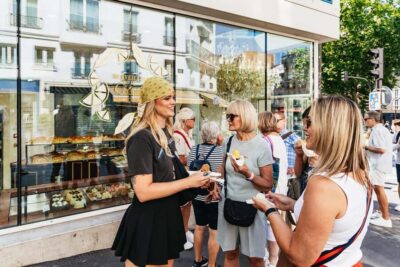
Paris: Montmartre Cheese, Wine & Pastry Guided Walking Tour
Read our review →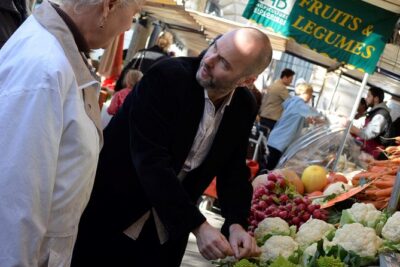
Paris Cooking Class and Lunch with Wine plus Market Visit Option
Read our review →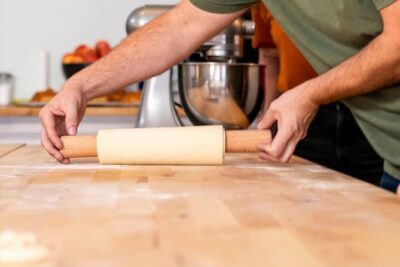
Paris Croissant Small-Group Baking Class with a Chef
Read our review →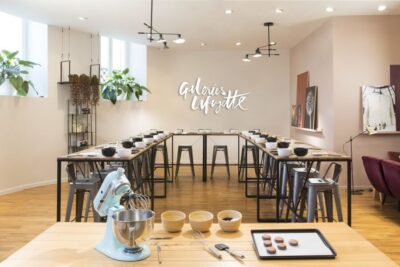
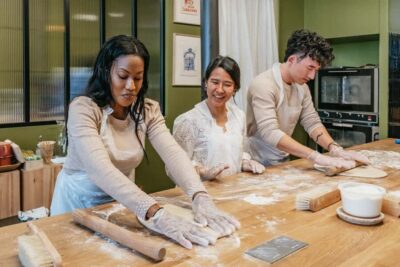
Paris: French Croissant Baking Class with a Chef
Read our review →
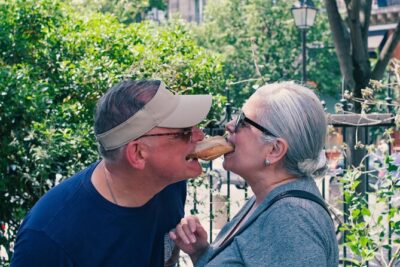
A Morning in Paris Food Tour: Croissants, Baguettes & Chocolate
Read our review →
Paris Evening Cooking Class French Dinner and Market Visit Option
Read our review →Browse the lists this tour appears in