
Reviewed · WORKSHOPS
Paris: Butter and Cheesemaking Workshop
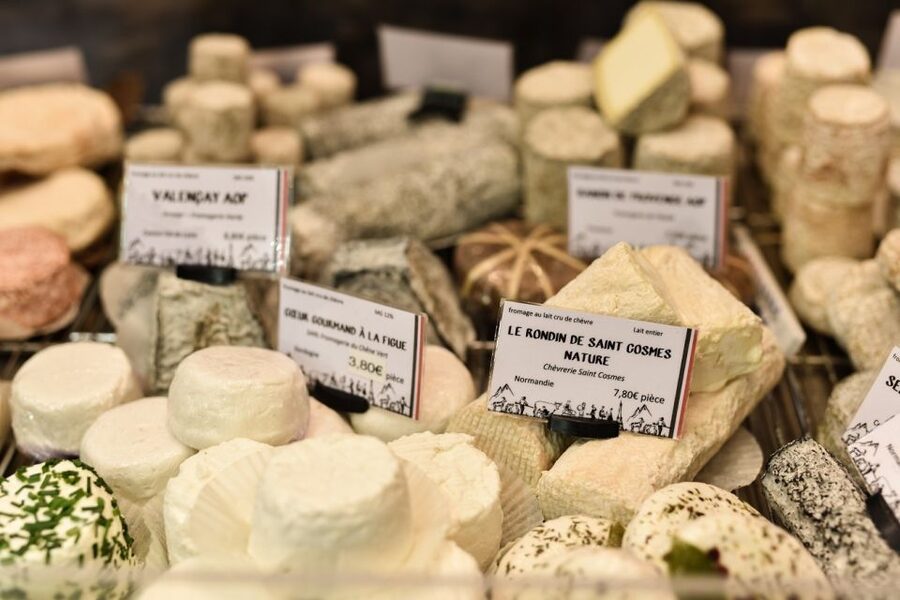
Paris gets tastier when you make the cheese. This two-hour workshop at the Living Cheese Museum gives you hands-on practice with tomme fraiche and traditional butter, rather than just another tasting. I like that you create the food yourself, and I like that the finished cheese and butter are served at the end. One practical concern: a recent note said the museum was preparing to move, so confirm the meeting point before setting out.
The small group, limited to 10 people, keeps the class personal and gives you room to ask questions. The final wine and cheese tasting is a fitting finish, though wine is not the only point of the experience, and the workshop is not suitable for wheelchair users. Hotel pickup is not included, so you need to make your own way to the Musée Vivant du Fromage.
In This Review
- Key points at a glance
- Why make cheese in Paris?
- Meeting the cheese master at the Living Cheese Museum
- Making tomme fraiche from start to finish
- Churning your own traditional butter
- The tasting: cheese, bread, butter, and wine
- What the two-hour schedule feels like
- The value of the small group
- Who will enjoy this workshop most?
- How this compares with a normal cheese tasting
- Booking, flexibility, and practical limits
- Should you book the butter and cheesemaking workshop?
- FAQ
- How long does the butter and cheesemaking workshop last?
- How much does the workshop cost?
- Where does the experience meet?
- What cheese will I make?
- Will I make butter as well as cheese?
- Is the workshop taught in English?
- What is included in the price?
- Is wine included?
- Is the workshop suitable for wheelchair users?
Key points at a glance
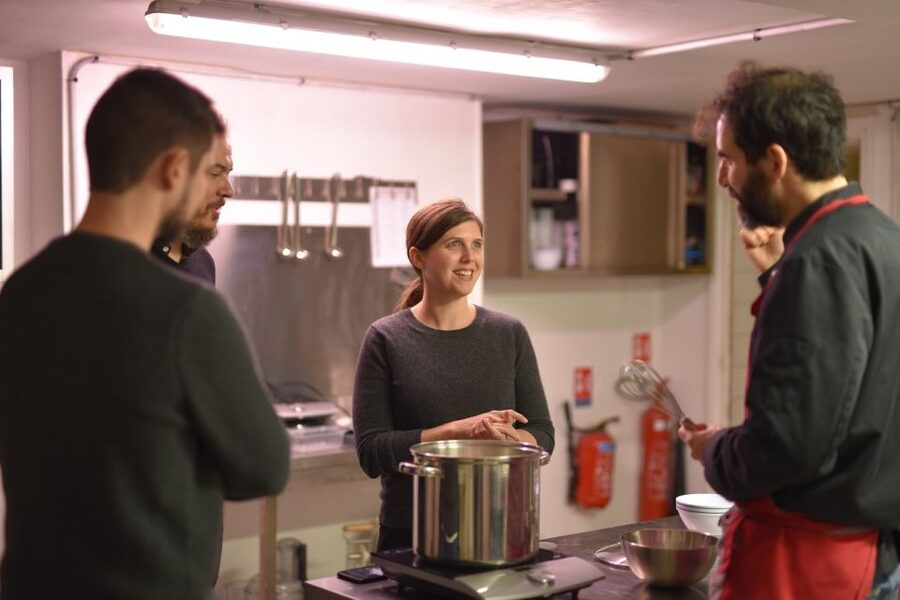
- You make two French staples: Learn the basic process for producing tomme fraiche and artisanal butter.
- The cheese is practical, not just pretty: Tomme fraiche has a mild, slightly acidic, milky taste and is often used melted in traditional dishes.
- The class stays small: A maximum of 10 participants makes it easier to follow instructions and take part.
- Your work ends with a tasting: Sample your cheese and butter with other cheeses, bread, and a glass of wine.
- The guides add personality: Past sessions have featured Agathe, Paul, Romain, Roman, and Gabriele, all praised for clear explanations and an easy manner.
- Allow for a location check: The venue was preparing to relocate during one recent visit, so verify the current meeting details before going.
Why make cheese in Paris?
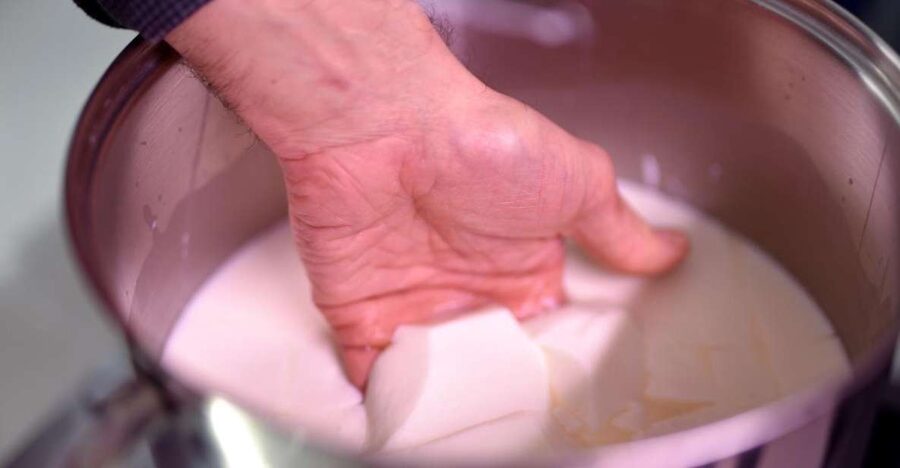
Paris offers no shortage of food tours, pastry lessons, and market walks. This one takes a different route. Instead of simply eating French food, you spend part of your day learning how two basic ingredients are made.
I like this approach because cheese and butter are not minor details in French cooking. They appear at the breakfast table, in country dishes, on restaurant menus, and in the final course of many meals. After the workshop, you will understand more about what you are tasting when you visit a fromagerie or order a cheese plate.
The class also gives you a break from the grand sights. You are not rushing between monuments or trying to absorb a museum collection in one hour. You are working with food, listening to an instructor, and sharing the results with a small group.
At $82 per person, this is not a cheap snack stop. You are paying for a two-hour instructional session, equipment, all tastings, and an English-speaking cheese expert. I consider the price fair if you want an active food experience and value the lesson as much as the meal. If you mainly want to eat excellent cheese, a Paris fromagerie or cheese tasting may cost less.
More Workshops in Paris
- Fragonard Paris: Mini Perfume Workshop
★ 4.5 · 1,924 reviews - Paris Cooking Class and Lunch with Wine plus Market Visit Option
★ 5.0 · 1,024 reviews - Paris Croissant Small-Group Baking Class with a Chef
★ 5.0 · 910 reviews
Meeting the cheese master at the Living Cheese Museum
The experience begins at the Musée Vivant du Fromage, also called the Living Cheese Museum. That is both the meeting point and the setting for the workshop.
You meet your English-speaking instructor and the rest of the group before moving into the cheese-making room. The small-group limit matters here. With no more than 10 people, the class has a better chance of feeling like a lesson rather than a demonstration viewed from the back of a crowded room.
The teacher’s style appears to be one of the strongest parts of the experience. Agathe has been praised for her warmth and clear instruction, while Paul was described as patient, funny, and dedicated to his craft. Romain and Roman were also singled out for their engaging approach, and Gabriele received praise for explaining methods in a short amount of time.
The instructor can change, so do not book expecting one specific person. Still, the repeated pattern is useful: this class depends heavily on the person leading it, and the available feedback points to teachers who enjoy answering questions and making technical ideas easy to follow.
Making tomme fraiche from start to finish
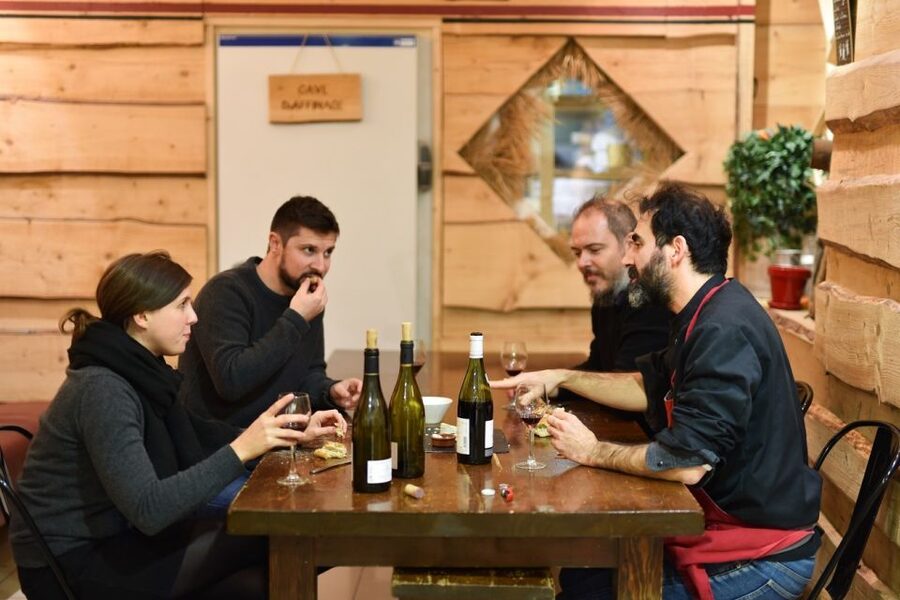
The main cheese lesson focuses on tomme fraiche, a fresh cheese with a slightly milky, acidic flavor. It is not presented as a rare luxury product. Instead, you learn about a useful French cheese that can be melted into traditional dishes.
That detail gives the class a practical edge. You are not simply learning the names of famous cheeses. You are seeing how a mild cheese is made and why its texture and flavor work well in cooking.
The workshop includes the equipment needed to make the cheese, and the process is hands-on. You should expect to follow the instructor’s directions, take part in the preparation, and see the cheese develop during the session. The supplied information does not give a full technical recipe or list every stage, so I would not book this expecting a professional cheesemaking course. Think of it as an accessible introduction that lets you make a real product yourself.
Past participants have found the process easy enough to repeat at home. One particularly useful takeaway is that several people planned to make cheese and butter for family and friends after returning home. That makes this more than a one-off food show. You leave with methods you can try again, even if your first batch is made in a Paris workshop rather than your own kitchen.
Churning your own traditional butter
The butter portion adds variety and gives you a second hands-on task. You learn how traditional butter is made, then produce your own portion during the class.
I like the contrast between the two projects. Cheese can feel like a slow, specialized craft, while butter is familiar and immediate. Making both helps you see how much flavor can come from a simple dairy base and a few careful steps.
The butter also appears to be one of the best souvenirs. Past participants said they were able to take the remaining butter with them, though you should confirm how much you can carry away on the day. Pack it sensibly if you plan to keep it for later, since the supplied details do not specify storage or transport arrangements.
This is also a good activity for families with older children. A family group with children aged 5, 7, 14, and 17 described the class as a favorite activity of their Paris week. Another parent enjoyed it with children aged 7 and 11. The youngest child may need close help, but the format is active and food-centered rather than lecture-heavy.
A completely different sort of day in Paris:
- Paris: Louvre Museum Timed-Entrance Ticket
★ 4.6 · 71,977 reviews - Disneyland® Paris 1-Day Ticket
★ 4.6 · 49,412 reviews - Paris: Versailles Palace and Gardens Full Access Ticket
★ 4.6 · 41,579 reviews - Paris: Evening River Cruise with Music
★ 4.4 · 22,721 reviews
The tasting: cheese, bread, butter, and wine
Once the making is complete, you taste your creations. The tasting includes your fresh cheese and butter, along with other cheeses, and is accompanied by bread and a glass of wine according to the session details and participant accounts.
This final stage is not just a reward. It helps you compare your own work with established cheeses and understand the difference in flavor, texture, and finish. I find that making a food first can sharpen your attention when you taste it later.
The wine adds a classic French touch, but this is not presented as a wine course. If you do not want wine, one session specifically noted that wine was optional. That makes the activity more flexible for families and for anyone who is interested in cheese but not drinking.
You may also have the chance to take some of your butter with you. One person shared handmade cheese with restaurant staff later that evening, and the owner was impressed. That is a fun reminder that the result is meant to be eaten, not admired from a distance.
What the two-hour schedule feels like
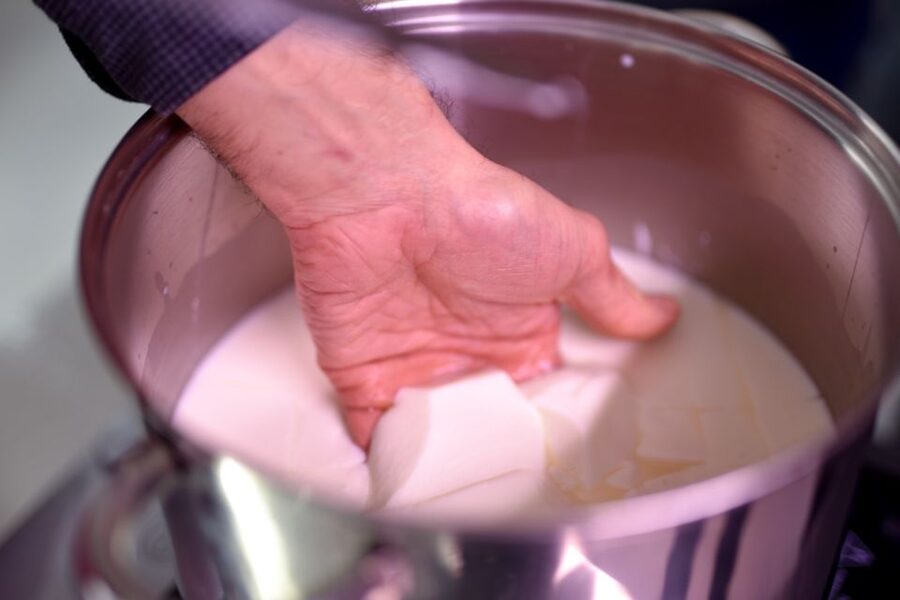
Two hours is a good length for this kind of class. It gives you time to hear the background, make both products, ask questions, and taste the results without turning the lesson into an all-day commitment.
You should arrive ready to take part from the beginning. The activity is not a quick tasting with a short demonstration added on. The core appeal is doing the work yourself.
The pace will depend on the instructor and the group. A maximum of 10 people should help, but you still need to share the teacher’s attention. If you want a private lesson or a highly technical course, this format may feel too introductory.
For most people, the timing fits neatly into a morning or afternoon in Paris. Just leave enough time to reach the museum and check the current location. The venue was preparing to move during one recent visit, and the information supplied for the experience still identifies the Musée Vivant du Fromage as the meeting point. Confirm the address after booking rather than relying on an old map pin.
The value of the small group
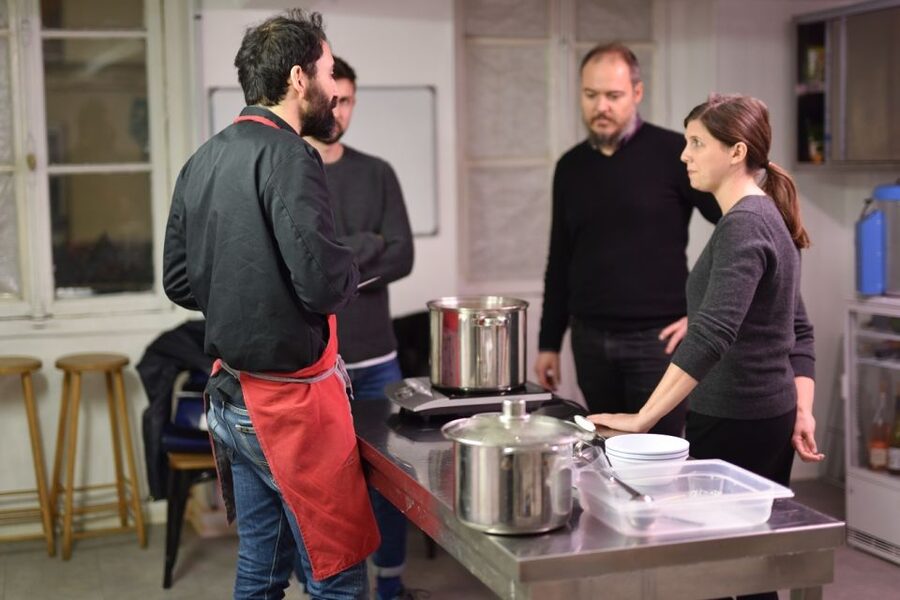
The group limit is one of the clearest advantages. Ten people is small enough for a friendly class and large enough to create some conversation around the table.
Several instructors were praised for answering questions, explaining the history of cheese, and keeping the mood relaxed. That balance matters. You want enough information to understand the process, but you do not want two hours of dense technical talk while someone else does all the work.
I also like the social side of the format. You make food alongside people who are likely to have different levels of kitchen experience, then taste the results together. The activity can work for couples, families, and solo visitors who want a shared experience without joining a large tour group.
The tradeoff is that your session will not be identical to someone else’s. Different instructors may emphasize different parts of French cheese culture, and the amount of time available for questions may vary with the group.
Who will enjoy this workshop most?
I would recommend this experience to you if you meet one or more of these descriptions:
- You love cheese and want to understand how it is made.
- You prefer a hands-on food class to a standard tasting.
- You want an activity that works for a family group.
- You enjoy learning a simple skill you can repeat at home.
- You want a two-hour break from major sightseeing.
- You are comfortable in a small group and can manage the museum’s accessibility limits.
You do not need to be an experienced cook. The class is designed around instruction and participation, and past participants found the process approachable.
I would be more cautious if you have limited mobility, since the activity is listed as unsuitable for wheelchair users. I would also look elsewhere if you want a full meal, a long wine tasting, or a detailed survey of every French cheese region. This is a focused workshop about butter, tomme fraiche, and the basics behind them.
Pets are not allowed. That is easy to plan around, but it matters if you are traveling with an animal.
How this compares with a normal cheese tasting
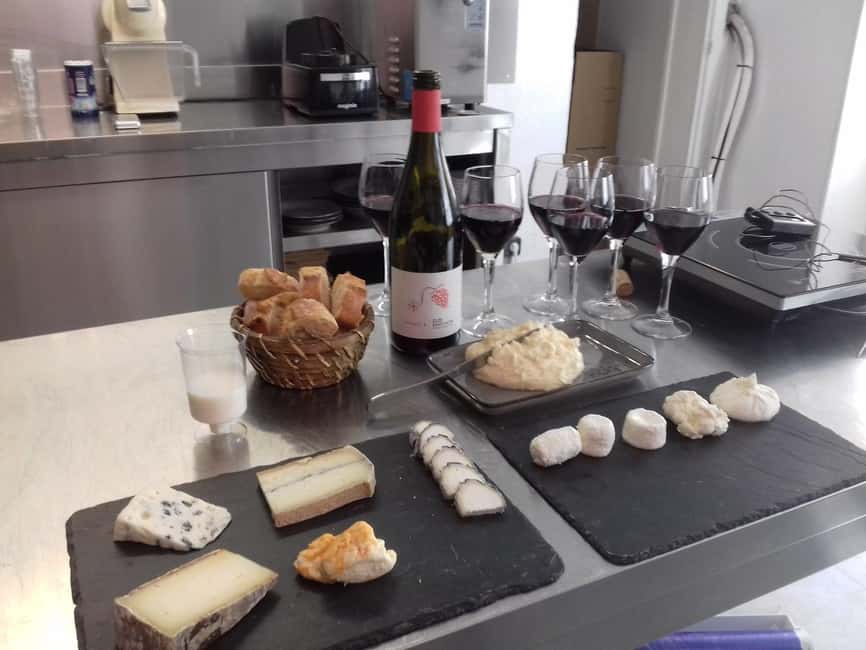
A regular cheese tasting gives you more time to sample finished products. This workshop gives you less variety but more connection to the food.
I think the difference comes down to what you want to remember. If you want a long list of cheeses and detailed pairing notes, choose a dedicated tasting. If you want to say that you made butter in Paris, shaped fresh cheese, and then ate the result with wine and bread, this workshop offers the stronger story.
The class also gives you a better sense of scale. French cheese can seem like a specialist subject filled with unfamiliar names. Making one fresh cheese brings the subject down to earth. You see that the craft has technical steps, but it is not magic reserved for professionals.
Booking, flexibility, and practical limits
The listed price is $82 per person. That includes the English-speaking instructor, the cheese-making workshop, equipment, and all tastings. Since hotel pickup and drop-off are not included, add your own transport costs and time when comparing it with a hotel-based food activity.
You can cancel up to 24 hours before the start for a full refund, and the reserve-now, pay-later option allows you to keep your plans flexible. Starting times vary, so check availability for the date you want.
The activity is conducted in English. That is helpful if you want to ask detailed questions about the cheese-making process without worrying about a language barrier.
The relocation note deserves one more mention. A February 2026 booking note said the shop was getting ready to move, and the person was unsure if the class would continue after the relocation. That does not establish that the experience has ended, but it does mean you should confirm the current address and operation status close to your visit.
Should you book the butter and cheesemaking workshop?
I would book it if you want an unusual Paris food activity with real participation. The strongest reasons are the hands-on work, the warm teaching style reported across sessions, the small group, and the chance to taste and possibly take away what you make.
At $82, the experience makes sense for people who value a lesson and a shared memory, not just a plate of cheese. Families with children, couples, food fans, and curious solo visitors all have a good reason to consider it.
Skip it if you need wheelchair access, dislike group activities, or want a broad cheese tour rather than a focused class. Also check the museum’s current location before you go. If that practical point is confirmed, this is one of the more distinctive ways to spend two hours in Paris.
FAQ
How long does the butter and cheesemaking workshop last?
The workshop lasts two hours.
How much does the workshop cost?
The listed price is $82 per person.
Where does the experience meet?
You meet at the Musée Vivant du Fromage, also called the Living Cheese Museum.
What cheese will I make?
You will learn how to make tomme fraiche, a fresh cheese with a slightly milky and acidic taste.
Will I make butter as well as cheese?
Yes. The workshop includes making traditional artisanal butter as well as tomme fraiche.
Is the workshop taught in English?
Yes. The instructor teaches in English.
What is included in the price?
The price includes the English-speaking instructor, the cheesemaking workshop, all required equipment, and all tastings.
Is wine included?
The final tasting is accompanied by a glass of wine. One participant also noted that wine is optional.
Is the workshop suitable for wheelchair users?
No. The activity is listed as unsuitable for wheelchair users. Pets are also not allowed, and hotel pickup and drop-off are not included.
Recently added around Paris
- Private Half-Day Guided Tour of Paris★ 4.5 · 48 reviews
- 2 hour outdoor group activity in Paris: SAINT GERMAIN★ 5.0 · 48 reviews
- Paris Dinner Show Opera Bel Canto★ 4.5 · 48 reviews
- Paris Vintage Tour by Night on a Sidecar with Champagne★ 5.0 · 48 reviews
- Secrets & Scandals of the Louvre – Limited to 6 Guests★ 5.0 · 48 reviews
- Paris Photoshoot: Eiffel Tower Exclusive Private Experience★ 5.0 · 48 reviews
- Paris: Louvre Mona Lisa Discovery Guided Tour with Ticket★ 4.9 · 48 reviews
- From Paris: Versailles Full-Day Guided Tour with Lunch★ 4.9 · 48 reviews
Workshops, compared.
Paris Cooking Class and Lunch with Wine plus Market Visit Option
Read our review →
Paris Croissant Small-Group Baking Class with a Chef
Read our review →
Fragonard Eze: Perfume Making Class and Factory Tour
Read our review →
Paris: French Croissant Baking Class with a Chef
Read our review →
Grasse: Perfume Making Class and Fragonard Factory Tour
Read our review →Browse the lists this tour appears in