
Reviewed · MUSEUMS
Paris: Entrance Ticket to the Chocolate Museum
Chocolate makes history easier to swallow. At Paris’s Chocolate Museum, you’ll trace cocoa from Olmec, Maya, and Aztec rituals to modern candy making, with samples along the way. I especially like the hands-on tastings and the clever children’s treasure hunt. The main drawback is scale: some visitors finish in under an hour, so the $21 price feels best when you read the displays, watch the demonstrations, and linger over the samples.
This is a self-guided museum rather than a formal walking tour, which gives you freedom to move at your own pace. I also like the mix of serious history and cheerful chocolate fun, though the optional audio guide costs an extra €3 and hot chocolate may cost extra as well.
In This Review
- Key Things to Know Before You Go
- What the Chocolate Museum Paris Actually Offers
- Following Cocoa From Ancient Rituals to European Treat
- Seeing the Craft Behind the Glossy Finish
- The Best Part: Tasting Chocolate From Different Regions
- Why Families Often Get More From This Museum
- How Long to Allow at 28 Boulevard de Bonne Nouvelle
- Is $21 Good Value?
- Practical Tips for a Smoother Visit
- Who Should Book This Chocolate Museum Visit?
- FAQ
- Where is the Chocolate Museum Paris located?
- How long is the Chocolate Museum ticket valid?
- Is the visit guided?
- Which languages are available?
- Is chocolate included with admission?
- Can children take part in an activity?
Key Things to Know Before You Go
- Four thousand years of cocoa history: Follow chocolate from ancient Mesoamerican ceremonies to European trade and modern production.
- Tastings are central to the visit: Sample chocolates made on-site, including praliné and ganache, along with flavors from places such as Costa Rica, Peru, and Vanuatu.
- A strong family activity: Children receive a treasure hunt or activity booklet, with a prize or sticker-based finish mentioned by families.
- The museum is compact: The 850-square-meter space can take less than an hour at a quick pace, or around three hours if you read closely and enjoy every stop.
- A virtual expert demonstration: Two Meilleurs Ouvriers de France, France’s highly respected master craft workers, explain chocolate making and the secret behind a glossy finish.
- Plan around the closing time: Last admission is at 4:30 PM, and large bags or luggage are not allowed.
What the Chocolate Museum Paris Actually Offers
The Chocolate Museum, officially Le Musée Gourmand du Chocolat, occupies about 850 square meters at 28 Boulevard de Bonne Nouvelle in the 10th arrondissement. It is an indoor stop devoted to cocoa’s past, production, tools, containers, recipes, and pleasures.
You enter with a ticket valid for one day. The route is self-guided, so there is no fixed group pace and no need to arrive at a precise tour departure. That works well if you are combining the museum with other Paris sights and want a flexible break.
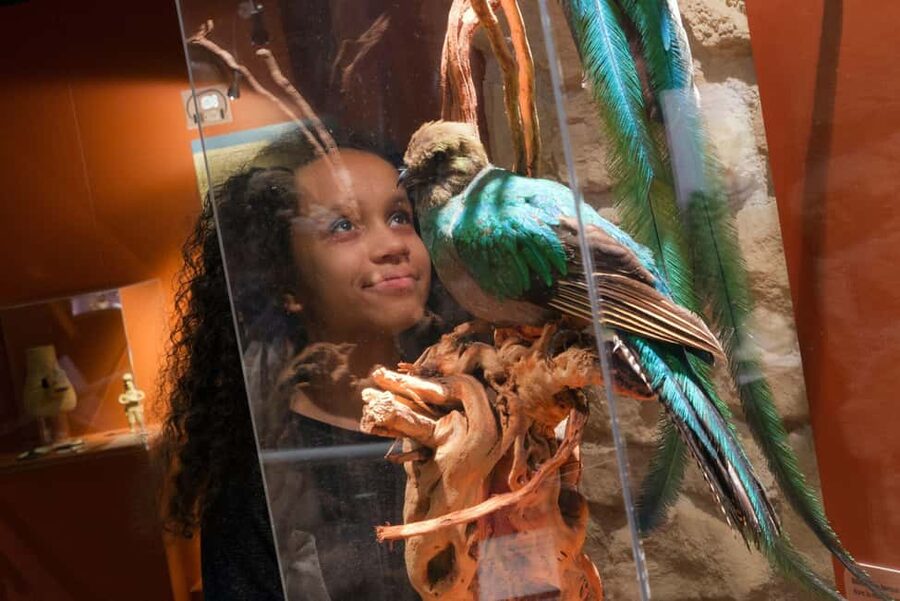
The exhibits include more than 1,000 chocolate-related objects. You might see historic utensils, decorative containers, production equipment, and chocolate figures. The displays are meant to show not only what chocolate tastes like, but also how people prepared, served, sold, and celebrated it.
The museum is not enormous. That is both a strength and a limitation. You can fit it into a morning or afternoon without giving up half a day, but you should not expect the scale of the Louvre or a major food museum. If you rush from label to label, the visit may take less than 30 minutes. If you read the panels, watch the film and demonstrations, and stop for each tasting, you can spend two or three hours.
More Museum Tours in Paris:
- Paris: Louvre Museum Timed-Entrance Ticket
★ 4.6 · 71,977 reviews - Louvre Museum Masterpieces Guided Tour with Access
★ 4.5 · 12,023 reviews - Paris: Louvre Museum Entry Ticket With Host and River Cruise
★ 4.6 · 9,926 reviews
Following Cocoa From Ancient Rituals to European Treat
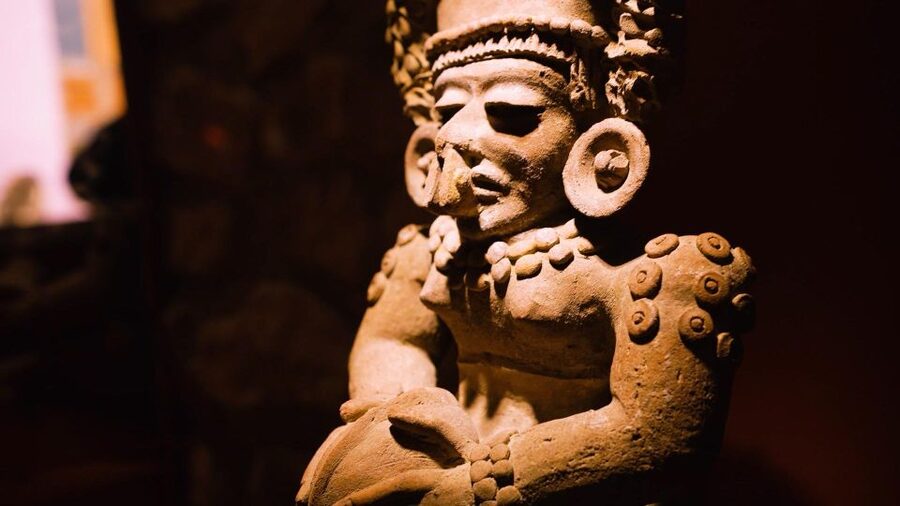
The historical section begins with the Olmecs, Maya, and Aztecs. This part gives chocolate a useful setting before it becomes the sweet bar most people know today.
Cocoa was important in ancient cultures for more than flavor. It played a role in mystical and ceremonial practices, and the museum explains how the drink connected with ritual and status. That context makes the later European story more interesting, since cocoa did not arrive as a ready-made confection. It began as a bitter, spiced drink with a very different purpose.
The story then moves into the 1500s, when Montezuma and the Aztec court helped introduce cocoa to Europe. Christopher Columbus was among the first Europeans to taste the drink known as tchocoatl, but he disliked it and paid little attention to it. Fortunately for the future of chocolate, other Europeans were more curious.
I like this section because it corrects the usual simplified story. Chocolate did not appear in Europe as an instant luxury snack. It changed as ingredients, preparation methods, and commercial techniques developed. The museum shows how cocoa moved from ritual use to a product shaped by trade and European tastes.
The descriptive panels are available in English, French, and Spanish. That makes the self-guided route manageable for many international visitors, especially if you are happy reading short museum text. An audio guide is available at the welcome desk for €3 per person in French, English, German, Dutch, Spanish, Italian, and Portuguese.
Seeing the Craft Behind the Glossy Finish
The modern production section explains how chocolate making became more streamlined. This is where the visit shifts from history to technique.
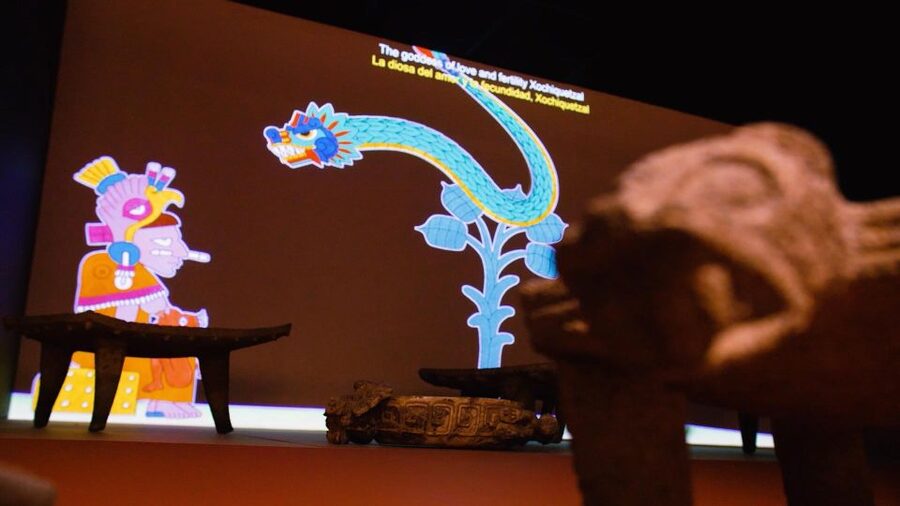
A virtual demonstration features two Meilleurs Ouvriers de France. This title recognizes elite French craft skill, so the presentation adds a distinctly French angle to an otherwise global subject. You learn how confectioners work toward the smooth texture and shiny outer coat that make finished chocolate look so appealing.
The demonstration is important because chocolate can look simple once it reaches the shop shelf. The museum helps show that texture, gloss, and clean shapes depend on controlled production methods. You also learn how sweets such as praliné and ganache are made, then get to taste examples.
The exact experience can vary with timing and crowd levels. One visitor found that a school group made it difficult to see the demonstration. If the demonstration matters to you, ask at the welcome desk about the next showing before you set off through the exhibits.
The virtual format also means you should not expect a full private workshop with a chef. This is an explanatory presentation with tasting, not necessarily a hands-on class. Some older comments refer to chocolate workshops or handmade chocolate activities, but the confirmed offering here is the virtual demonstration and included samples. Check the day’s details if you are specifically hoping to make your own sweets.
The Best Part: Tasting Chocolate From Different Regions
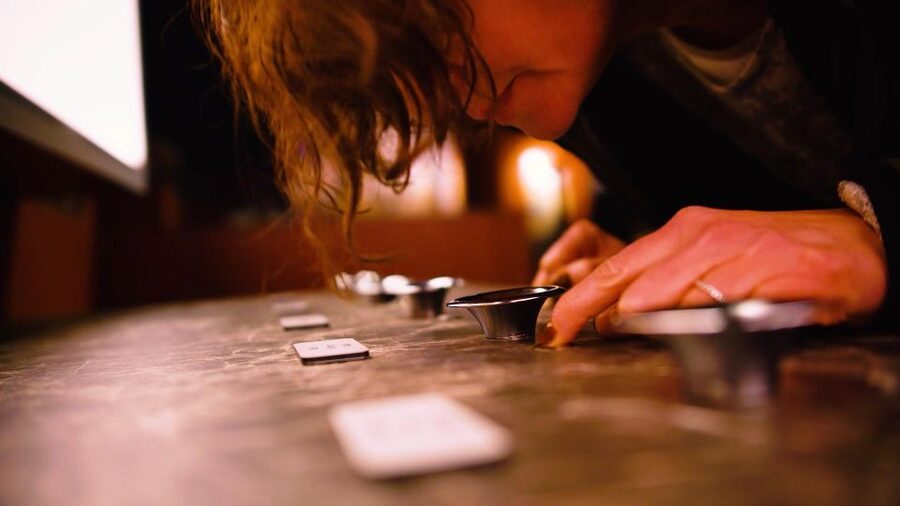
The tasting stops give the museum its appeal. You are not just looking at cocoa beans and old equipment. You sample chocolate products made on-site and compare flavors from different parts of the world.
The tasting selection includes Costa Rican chocolate described as milky and smooth, Peruvian chocolate with a fruity quality that melts easily, and cocoa beans from Vanuatu with sweet aromas. These samples help you notice that cocoa is not one single flavor. Origin affects aroma, fruitiness, sweetness, and the way chocolate feels in your mouth.
You can also taste praliné and ganache chocolates. These are useful examples because they show how chocolate changes when paired with nuts, fillings, cream, or different textures. The museum’s demonstrations make more sense once you taste the finished results.
The amount of chocolate available is one of the most praised parts of the experience. Several people describe the samples as generous, and some use the phrase all you can eat to describe the tasting stations. Do not interpret that as a full meal or a promise of unlimited every item. The confirmed inclusion is chocolate samples, and the available selection may vary.
Hot chocolate is another popular part of the visit, especially at the end. However, the ticket details specifically include chocolate samples, not a guaranteed hot chocolate serving. Several visitors paid about €3 separately for a cup, so budget for that possibility rather than assuming it is included. If you have already sampled heavily, you may find the extra drink more indulgence than necessity.
A few more Paris trips worth weighing up
- Paris: Day or Sunset Cruise with Drink, Ice Cream or Dessert
★ 4.4 · 4,225 reviews - Private Montmartre Food Tour with Wine, Cheese & Pastries
★ 5.0 · 1,027 reviews - Paris French Sweets Tasting Tour with Pastries and Chocolates
★ 4.5 · 947 reviews - A Morning in Paris Food Tour: Croissants, Baguettes & Chocolate
★ 5.0 · 556 reviews
Why Families Often Get More From This Museum
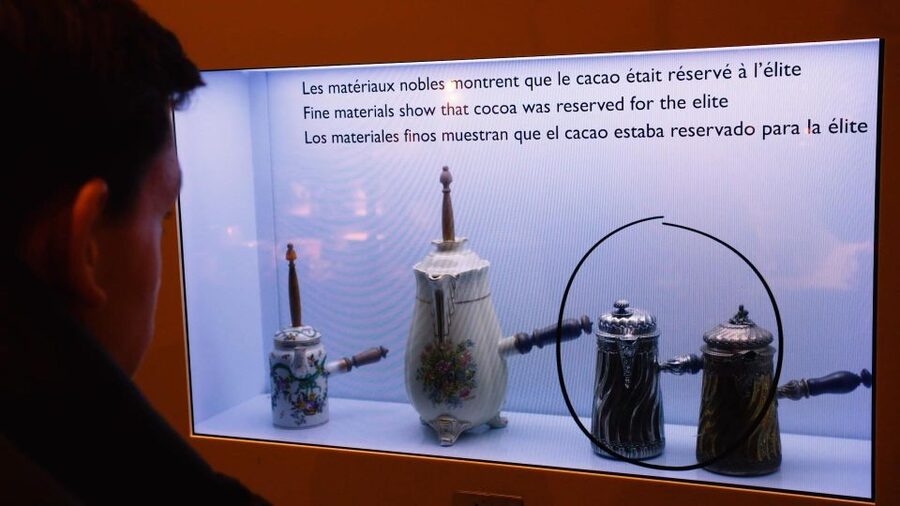
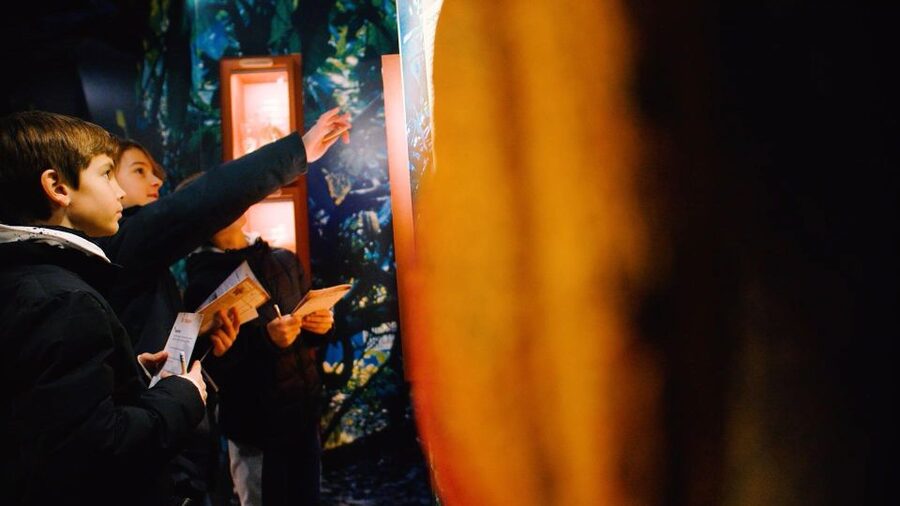
The museum works particularly well for families because the tasting breaks up the reading. Children receive a treasure hunt or activity booklet, and the route includes a prize or sticker-based finish according to the family activities described.
That small structure matters. A child who would normally lose interest in museum labels has something concrete to search for. Families with children aged 5, 8, 9, and 11 have found the activities engaging, and even a teenager was drawn into a scavenger hunt.
The museum also gives children a simple way to connect history with food. They can learn where cocoa came from, see chocolate objects, watch how sweets are made, and taste the result. That is more memorable than a wall of dates and names.
Parents should still set expectations. This is not a nonstop play space. Adults who want to read every panel may need to balance their pace with the children’s activity booklet. The self-guided layout helps because you can stop, skip a section, or move ahead without holding up a formal group.
The museum is wheelchair accessible. Large bags and luggage are not allowed, so avoid arriving with suitcases or oversized day bags.
How Long to Allow at 28 Boulevard de Bonne Nouvelle
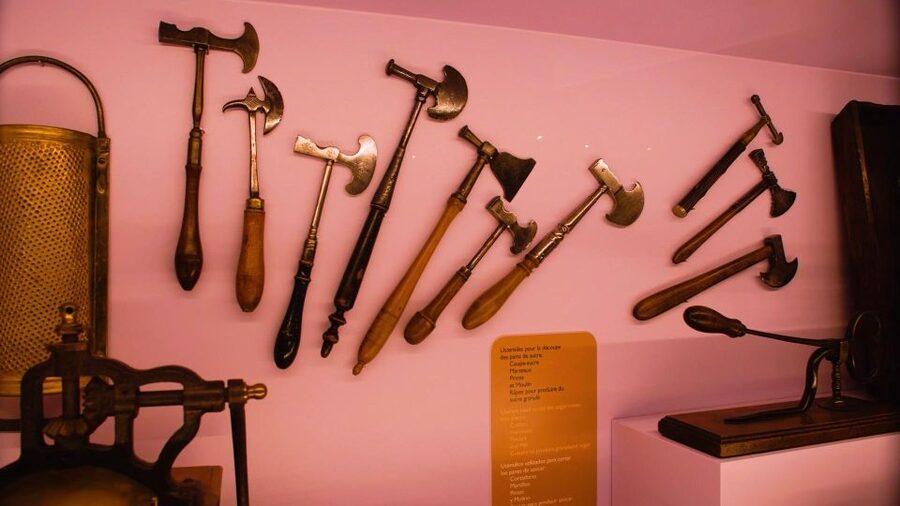
For a quick visit, allow at least 30 to 45 minutes. That gives you time to see the main objects, follow the basic historical story, and sample some chocolate.
For a more satisfying visit, plan around 90 minutes to two hours. Add time if you want to read the panels in detail, use the audio guide, watch the demonstration, compare the regional samples, and stop in the shop.
Three hours is possible for an enthusiastic chocolate fan or a family moving at a relaxed pace. One past visitor spent about three hours and still found the museum enjoyable. The difference comes down to how much you read and how long you stay at the tastings.
Because the last admission is at 4:30 PM, do not leave this attraction until the very end of the day without checking the clock. The museum is best treated as a planned stop rather than a place to squeeze in after everything else.
Is $21 Good Value?
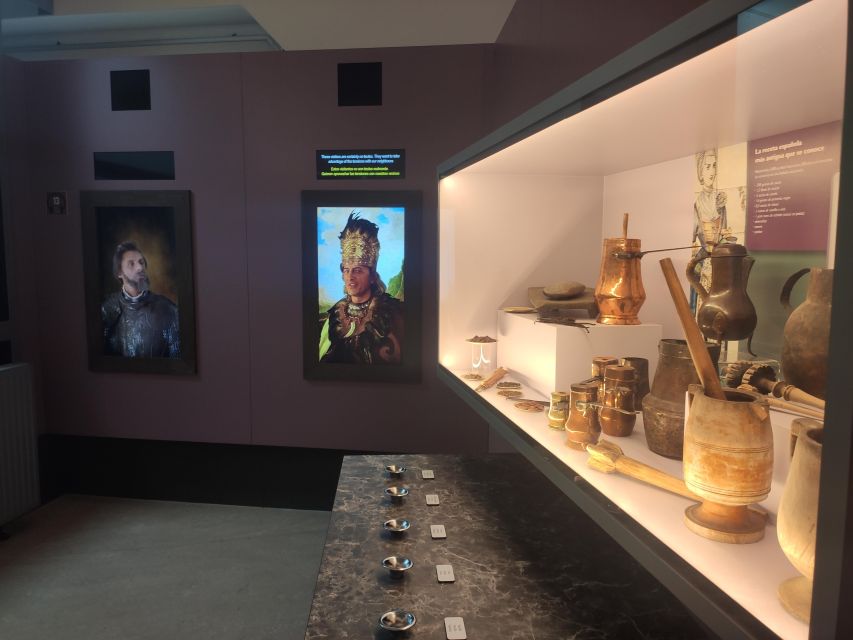
At $21 per person, the ticket is not a bargain-basement museum admission. The value depends on how you use the visit.
You get entry, chocolate samples, the virtual demonstration with two Meilleurs Ouvriers de France, and the children’s treasure hunt. For a family that uses the activity booklet and stays long enough to follow the history, the price can feel fair. The samples also make the experience more than a traditional display-only museum.
For a fast 30-minute visit, the price is harder to defend. The museum is compact, and some sections may take less time than you expect. You are paying for the combination of food, interpretation, demonstrations, and access to the collection, not for a full-day attraction.
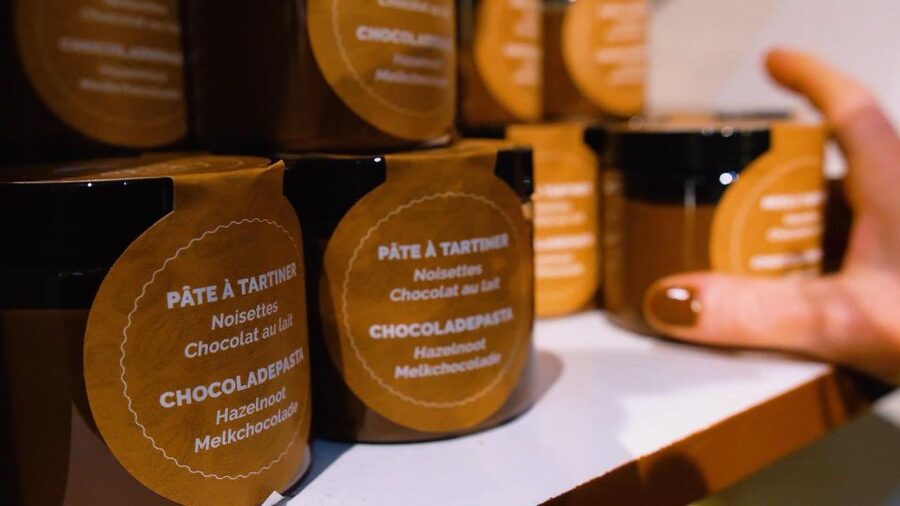
The extra costs deserve attention. The audio guide is €3 per person. Hot chocolate may be charged separately at about €3 per cup, based on the stated visitor experience. The shop is another temptation, with books, souvenirs, chocolate products, and unusual items such as a three-dimensional chocolate mold.
I would consider the ticket a reasonable treat for chocolate lovers, families, and anyone needing a weatherproof Paris activity. If you are mainly looking for a major art museum or a long guided tour, spend your money elsewhere.
Practical Tips for a Smoother Visit
Read the panels in your strongest language. English, French, and Spanish are available, while the audio guide adds German, Dutch, Italian, and Portuguese.
Ask about demonstration timing when you arrive. This can help you avoid missing it or being stuck behind a school group.
Bring a small bag rather than luggage. Large bags are not permitted.
Save room for the tasting. The samples can add up quickly, and the hot chocolate is best considered optional.
Give children the activity booklet or treasure hunt early. It turns the route into a small mission rather than a passive walk through displays.
Visit the shop after the exhibits. It carries books, souvenirs, and chocolate-related products, including gifts that are more distinctive than an ordinary box of candy.
The museum offers free cancellation up to 24 hours in advance and a reserve-now, pay-later option. Those terms are useful if your Paris schedule is still shifting.
Who Should Book This Chocolate Museum Visit?
I would recommend it most strongly to families, dedicated chocolate fans, and curious food lovers. Children get a structured activity, adults get history and craft, and everyone gets samples.
It also suits people who need a short indoor attraction that does not require a full day. The location at 28 Boulevard de Bonne Nouvelle makes it easy to fit into a wider Paris plan, though the museum itself does not provide a long guided route.
You may want to skip it if you dislike reading museum panels, do not care about chocolate production, or expect a hands-on cooking workshop. The experience is self-guided, fairly compact, and partly dependent on how much attention you give the displays.
FAQ
Where is the Chocolate Museum Paris located?
The museum is at Le Musée Gourmand du Chocolat, 28 Boulevard de Bonne Nouvelle, 75010 Paris, in the Ile-de-France region.
How long is the Chocolate Museum ticket valid?
The ticket is valid for one day. You should check availability for the available starting times.
Is the visit guided?
No. The museum visit is self-guided. An audio guide is available at the welcome desk for €3 per person.
Which languages are available?
The descriptive panels are in English, French, and Spanish. The optional audio guide is available in French, English, German, Dutch, Spanish, Italian, and Portuguese.
Is chocolate included with admission?
Chocolate samples are included. Hot chocolate may cost extra, with a price of about €3 per cup indicated in the visitor information.
Can children take part in an activity?
Yes. A treasure hunt is included for children, and the museum provides children’s activities such as an activity booklet.
Recently added around Paris
- Private Half-Day Guided Tour of Paris★ 4.5 · 48 reviews
- 2 hour outdoor group activity in Paris: SAINT GERMAIN★ 5.0 · 48 reviews
- Paris Dinner Show Opera Bel Canto★ 4.5 · 48 reviews
- Paris Vintage Tour by Night on a Sidecar with Champagne★ 5.0 · 48 reviews
- Secrets & Scandals of the Louvre – Limited to 6 Guests★ 5.0 · 48 reviews
- Paris Photoshoot: Eiffel Tower Exclusive Private Experience★ 5.0 · 48 reviews
- From Paris: Versailles Full-Day Guided Tour with Lunch★ 4.9 · 48 reviews
- Paris: Louvre Mona Lisa Discovery Guided Tour with Ticket★ 4.9 · 48 reviews
Museums, compared.
Louvre Museum Masterpieces Guided Tour with Access
Read our review →
Paris: Louvre Museum Entry Ticket With Host and River Cruise
Read our review →
Les Invalides: Napoleon’s Tomb & Army Museum Entry
Read our review →
Louvre Museum – Exclusive Guided Tour (Entry Included)
Read our review →
Paris: Louvre Museum Hosted Entry and Mona Lisa Audioguide
Read our review →
Paris: Louvre Museum Tour Mona Lisa & Iconic Masterpieces
Read our review →
Browse the lists this tour appears in