
Reviewed · WALKING TOURS
Paris: French Revolution Walking Tour
Paris keeps its revolutionary scars. This two-hour walking tour turns the French Revolution into a street-level story, linking old stones, churches, hidden objects, and the violent choices that reshaped the city. I like the treasure-hunt format, and I like that the guide connects famous names with the very places where fear, anger, and hope played out.
The strongest part is the guiding. François, Louis, Fran, Sam, and others have been praised for clear English, strong storytelling, and the ability to explain a tangled subject without flattening it. The main tradeoff is time: two hours can give you a gripping outline, but it cannot fully cover every major site, including the Place de la Concorde and Champ de Mars.
In This Review
- Key points to know before booking
- Why this Revolution walk works better than a classroom lesson
- Beginning at the Fontaine au Sphinx on Place du Châtelet
- The road to 1789, told through Parisian streets
- Churches, hidden clues, and the city beneath the story
- Louis XVI, Marie Antoinette, and the guillotine
- The Bastille story and the tour’s likely climax
- The guides make or break the experience
- Pace, comfort, and accessibility during two hours
- Is $46 a fair price for two hours?
- Who should book this French Revolution walk?
- Should you book it?
- FAQ
- How long is the French Revolution walking tour?
- Where does the tour meet?
- What language is the tour conducted in?
- Is the walking tour wheelchair accessible?
- What is included in the price?
- Can I cancel or pay later?
Key points to know before booking
- Meet at Place du Châtelet: Find the Fontaine au Sphinx, directly in front of the meeting point, before the start time.
- Follow the Revolution through central Paris: The walk uses streets, churches, and landmarks to show how events unfolded around ordinary Parisians.
- Expect stories, not a lecture: The guide uses clues, objects, vivid scenes, and political intrigue to keep the pace moving.
- Louis XVI and Marie Antoinette are part of the story: Their executions and the guillotine receive attention, along with the forces that led there.
- Guides vary in style, but the best are excellent storytellers: François, Louis, and Fran earned particular praise for clarity, enthusiasm, and nuance.
- Good practical flexibility: The tour is in English, wheelchair accessible, and cancellable up to 24 hours before departure for a full refund.
Why this Revolution walk works better than a classroom lesson
The French Revolution is easy to reduce to a list of dates: 1789, the Bastille, the guillotine, the fall of the monarchy, then Napoleon. That approach gives you the skeleton but not the nervous energy.
This tour puts the story back on the street. You move through the center of Paris while the guide explains how conspiracy, hunger, royal weakness, political arguments, and public anger fed one another. The city becomes the visual aid. A church is no longer just a church. A square is no longer simply a place to cross on the way to another sight.
I especially like the use of small physical details. The tour promises hidden objects and easily missed traces connected with murder, massacre, and the fight for freedom. These details help you look closely instead of simply following a guide from one grand monument to the next.
The approach also makes the subject accessible if your school lessons have faded. You do not need a strong background in French history. The guide can set out the basic chain of events, then add political and personal detail as the walk continues.
More Walking Tours in Paris
- Paris Top Sights Half Day Walking Tour with a Fun Guide
★ 5.0 · 2,893 reviews - Montmartre Hidden Gems and Scenic Highlights Walking Tour
★ 5.0 · 2,684 reviews - Montmartre Hill French Gourmet Food and Wine Tasting Walking Tour
★ 5.0 · 2,588 reviews
Beginning at the Fontaine au Sphinx on Place du Châtelet
Your meeting point is in front of the Fontaine au Sphinx on Place du Châtelet. This is an important practical detail because the square can feel busy and a walking group may not be instantly obvious.
One participant had difficulty finding the guide and noted that there was no clear tour logo. I would arrive a little early, stand by the fountain, and look for the guide rather than joining the first group that appears to be gathering. It is worth confirming who is leading the tour before the walk begins.
Place du Châtelet is a useful starting point for a story about power and public life. The tour begins in the heart of Paris, then uses the surrounding streets as a kind of open-air archive. From here, the guide sets the scene for a city under pressure and explains why the events of 1789 were about far more than one angry crowd at one fortress.
Do not expect a long introduction filled with names and dates. The advertised style is more active. You are encouraged to notice objects and places while the guide builds the larger story around them.
The road to 1789, told through Parisian streets
A good Revolution tour must explain what came before the first famous event. The Bastille did not fall out of nowhere, and the guillotine did not become a symbol overnight.
This walk condenses the years of political tension and public frustration into a manageable two-hour route. You hear about conspiracy, intrigue, royal authority, and the ferocious argument over freedom. The guide also explains how the Revolution transformed Paris itself, not just the government.
François has been praised for giving a detailed account of the days leading up to the storming of the Bastille. That day-by-day approach is one of the most useful features of the tour. It shows how quickly a city can move from uncertainty to panic, and from panic to action.
You will not get every economic and political cause in university-level detail. That is the necessary compromise of a short walk. But the guide’s task is to make the sequence understandable: pressure builds, trust in the monarchy weakens, crowds take matters into their own hands, and revolutionary politics grow more extreme.
The best guides also handle the subject with some care. François, in particular, has been praised for combining older interpretations with newer theories and for explaining disagreements without pretending that every question has one simple answer. That balance matters. The French Revolution was not a neat contest between heroes and villains.
Churches, hidden clues, and the city beneath the story
One of the more interesting elements is the attention given to churches and smaller urban details. The Revolution changed religious life as well as royal power, and churches offer a way to see that conflict in physical form.
A stop at a church can also slow the pace and give the story a different angle. Instead of hearing only about politicians, soldiers, and crowds, you begin to consider institutions that shaped daily life. The tour uses these places to explain how revolutionary ideas reached into familiar parts of Paris.
The hidden-object approach adds a little fun without turning the subject into a gimmick. You might be asked to look at a feature that most people would walk past, then learn how it relates to a murder, a massacre, a political struggle, or a long-forgotten episode.
This is where the walk earns its price. A history book can tell you that something happened in Paris. A guide standing beside an actual street feature can show you how the event belonged to a particular neighborhood and a particular public space.
The route is not always chronological. One participant specifically noted that the walking order did not follow the timeline, though the guide kept the stories clear. I would not treat that as a serious fault, but you should know what to expect. The walk is arranged around geography and storytelling, not as a perfectly ordered march from 1789 to 1799.
A completely different sort of day in Paris:
- Paris: Louvre Museum Timed-Entrance Ticket
★ 4.6 · 71,977 reviews - Disneyland® Paris 1-Day Ticket
★ 4.6 · 49,412 reviews - Paris: Versailles Palace and Gardens Full Access Ticket
★ 4.6 · 41,579 reviews - Paris: Evening River Cruise with Music
★ 4.4 · 22,721 reviews
Louis XVI, Marie Antoinette, and the guillotine
The royal family’s fate is one of the tour’s most dramatic threads. You learn how Louis XVI and Marie Antoinette met the blade of the guillotine, along with the political mood that made such an act possible.
The value here is not simply hearing the execution story again. The guide places it within the wider collapse of royal authority and the growing force of revolutionary punishment. The guillotine was presented as a modern and efficient instrument, yet it became one of the clearest symbols of the Revolution’s descent into mass killing.
The tour also explores a dark prophecy connected with the downfall of a key revolutionary. That detail adds the sort of human mystery that makes a short walk memorable. It gives you a story to carry away, while the broader explanation keeps the tour from becoming a collection of spooky anecdotes.
This part may be intense. The subject includes murder, massacre, executions, and political violence. If you prefer a gentle introduction to Paris, this is not the right walk. If you want to understand why the Revolution still carries such emotional force in France, the direct treatment is a strength.
The Bastille story and the tour’s likely climax
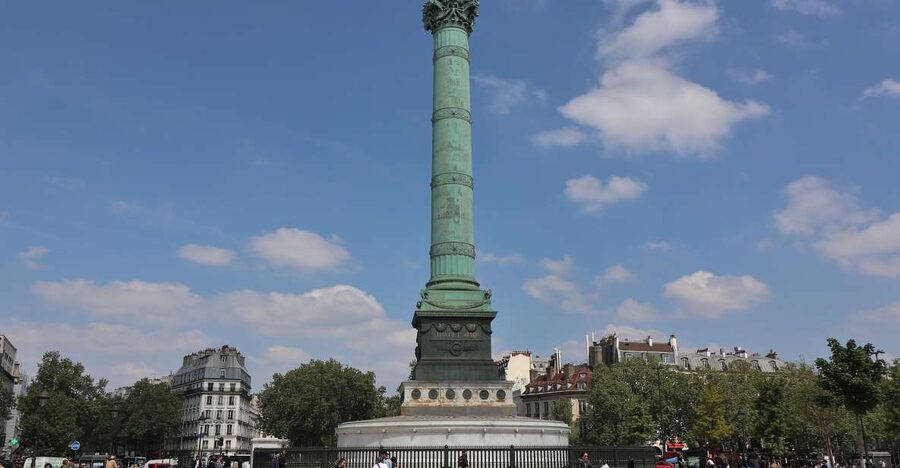
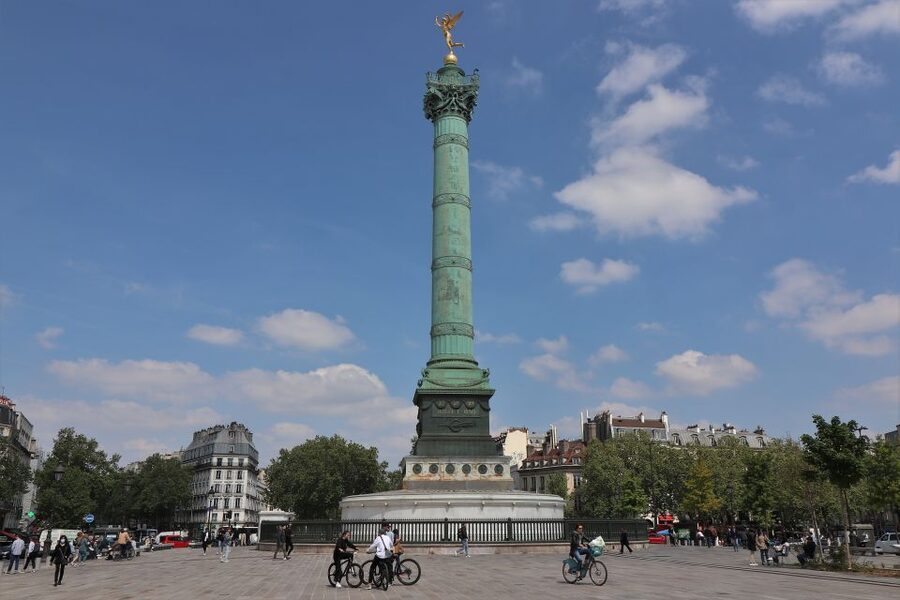
The storming of the Bastille is the event most people associate with the French Revolution, and the tour builds toward it as a major payoff. The guide explains the rising pressure and the public action that turned the Bastille into a lasting symbol.
The physical fortress no longer dominates the city in the way it once did, so a guide is especially useful here. You need interpretation to understand the importance of a place that may not look like a dramatic medieval prison today.
One participant called the lead-up to the Bastille the grand finale, while another praised the idea of following the route of the journée, or day of action, on 14 July 1789. That focus gives the tour a clear dramatic shape. You are not just hearing that the Bastille fell. You are following the chain of events that made the moment possible.
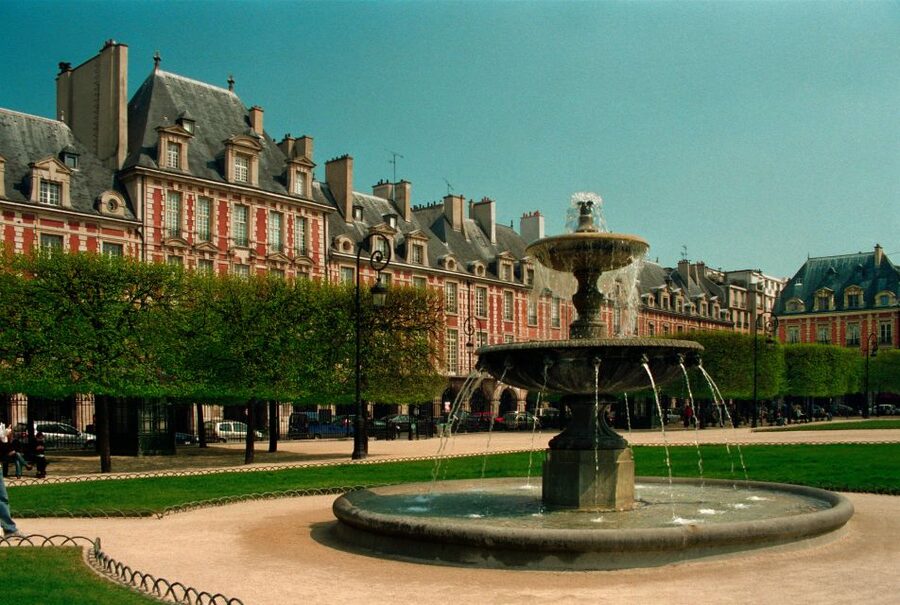
The walk may also touch on the Revolution’s effects on Parisian churches and the Marais. Those connections help broaden the story beyond the Bastille itself. Paris changed in its symbols, public rituals, buildings, and political identity.
There is a limit. A two-hour walk cannot cover every famous revolutionary location. One participant would have liked more time at the Place de la Concorde and Champ de Mars. Those sites are important, but adding them would require a longer tour or a different route. Think of this experience as a focused central-Paris introduction, not a complete tour of every revolutionary address.
The guides make or break the experience
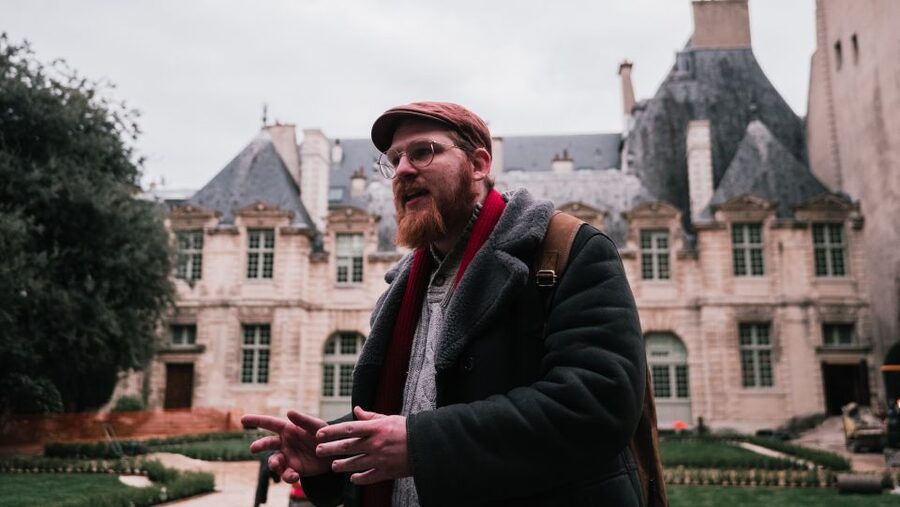
The most consistent praise goes to the guides’ command of the subject and their ability to tell it well. François is repeatedly singled out for his passion, clear English, accuracy, and nuanced explanations. Louis is praised for bringing lesser details into the story and for making complicated events easy to follow.
Fran has also been praised for turning dry facts into scenes you can picture. His use of first-person storytelling made one group feel as if it had entered the period itself. That technique can be powerful when used carefully, especially in a subject filled with crowds, rumors, fear, and sudden violence.
Other guides named by participants include Sam, Amber, Guillaume, Ilan, and Louie. The tone may differ from one guide to another, but the general standard appears strong. You may get a formal history lesson, a lively narrative, or a more conversational walk shaped by your questions.
That flexibility is useful. Several guides have been praised for answering questions beyond the main topic, while still keeping the tour moving. One guide was described as easy to hear even on noisy streets, an underrated quality in central Paris.
The one warning is that personal style matters. One participant found the guide intelligent and well prepared but felt he did not introduce himself or encourage much group interaction. If you want a highly social tour with lots of introductions, that may be disappointing. If you mainly want clear historical content, it may matter less.
Pace, comfort, and accessibility during two hours
Two hours is a sensible length for this subject. It gives you enough time to build a story without turning the walk into an exhausting full-day lesson.
The pace has generally been described as comfortable. Guides have adjusted when people needed a rest, and one group appreciated a comfort break around the midpoint. Since this is still a walking tour in central Paris, wear practical shoes and expect to be on your feet for much of the experience.
The tour is listed as wheelchair accessible. That is useful, but the route’s practical ease can depend on street conditions, crowds, and the exact path used on the day. If you need specific assistance, confirm the details when booking rather than assuming every surface will be equally easy.
The tour is conducted in English. Multiple participants specifically praised the guides’ clear pronunciation and strong command of the language. That matters here because the subject contains many names, factions, and political shifts that can become confusing if the delivery is rushed or unclear.
Is $46 a fair price for two hours?
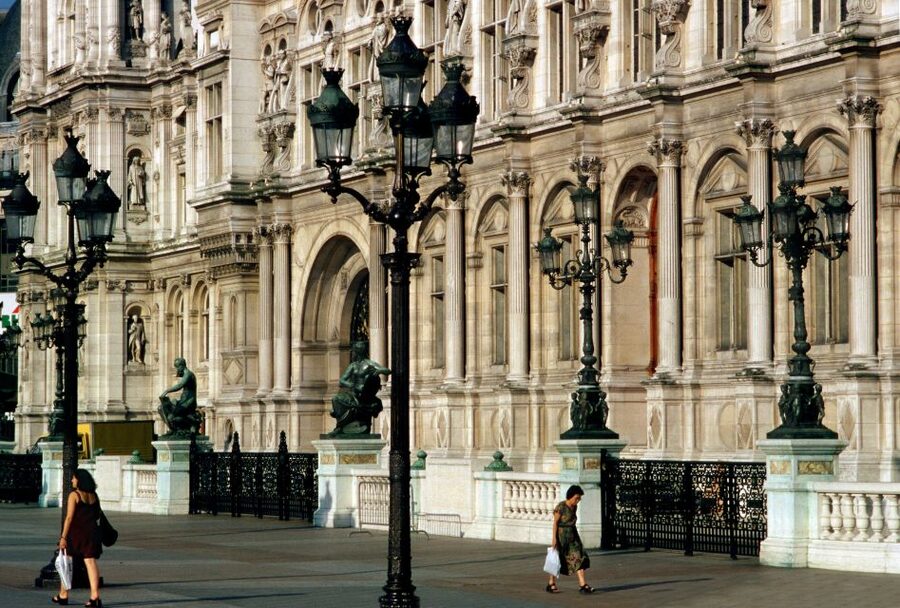
At $46 per person, this is not the cheapest way to hear a basic account of the French Revolution. You can read an introduction for much less, and you can walk through central Paris on your own.
The value comes from the connection between place and story. You are paying for a guide who can point out small features, shape a coherent narrative, answer questions, and help you notice parts of the city you might otherwise pass without a thought.
The price makes the most sense if you are genuinely interested in the Revolution, or if you learn best by walking through real places. It is also useful early in a Paris visit because it can change the way you see later sights. Afterward, a church, square, or street corner may carry a sharper political meaning.
The value is weaker if you want a broad sightseeing tour. This is not designed to cover every major Paris attraction, and it does not include hotel pickup or drop-off. You meet the guide in the city, then make your own way onward at the end.
Who should book this French Revolution walk?
I would recommend it most strongly to:
- First-time visitors who want a story behind central Paris rather than a simple monument checklist
- Adults and older teenagers with an interest in politics, monarchy, revolution, or European history
- Families with teens, since a treasure-hunt style can hold attention better than a formal lecture
- Visitors who have studied the Revolution but want to connect it with real streets and buildings
- Anyone who enjoys asking questions and comparing competing historical interpretations
I would be more cautious if you dislike walking, find executions and massacres upsetting, or want to see the Place de la Concorde and Champ de Mars in detail. You should also allow a little extra time to find the Fontaine au Sphinx, since meeting-point signs may not be obvious.
Book early in your Paris planning if you want flexibility. You can reserve now and pay later, and cancellation is free up to 24 hours before the start time. That makes it easier to fit the walk around weather, museum reservations, and the rest of your schedule.
Should you book it?
Yes, if you want the French Revolution explained with real streets under your feet. I like the mix of political context, vivid personal stories, church history, hidden details, and the dramatic build toward the Bastille.
The experience is not a complete survey of revolutionary Paris. Its route may jump around in time, and two hours leaves some major sites outside the story. But the strongest guides, especially François and Louis, turn a complicated subject into something clear, human, and memorable.
For most visitors, $46 is fair when the guide is at the top of the game. Book it if you want to see central Paris with sharper eyes afterward. Skip it if you are looking mainly for a general sightseeing walk or a gentle introduction without grim subject matter.
FAQ
How long is the French Revolution walking tour?
The tour lasts two hours.
Where does the tour meet?
Meet your guide in front of the Fontaine au Sphinx on Place du Châtelet.
What language is the tour conducted in?
The live tour is conducted in English.
Is the walking tour wheelchair accessible?
Yes, the activity is listed as wheelchair accessible.
What is included in the price?
The price includes the walking tour and a guide. Hotel pickup and drop-off are not included.
Can I cancel or pay later?
You can cancel up to 24 hours before the tour for a full refund. You can also reserve your place and pay later.
Recently added around Paris
- Private Half-Day Guided Tour of Paris★ 4.5 · 48 reviews
- 2 hour outdoor group activity in Paris: SAINT GERMAIN★ 5.0 · 48 reviews
- Paris Dinner Show Opera Bel Canto★ 4.5 · 48 reviews
- Paris Vintage Tour by Night on a Sidecar with Champagne★ 5.0 · 48 reviews
- Secrets & Scandals of the Louvre – Limited to 6 Guests★ 5.0 · 48 reviews
- Paris Photoshoot: Eiffel Tower Exclusive Private Experience★ 5.0 · 48 reviews
- From Paris: Versailles Full-Day Guided Tour with Lunch★ 4.9 · 48 reviews
- Paris: Louvre Mona Lisa Discovery Guided Tour with Ticket★ 4.9 · 48 reviews
Walking Tours, compared.
Paris Top Sights Half Day Walking Tour with a Fun Guide
Read our review →
Montmartre Hidden Gems and Scenic Highlights Walking Tour
Read our review →
Montmartre Hill French Gourmet Food and Wine Tasting Walking Tour
Read our review →
Paris Île de la Cité and Notre-Dame Walking Tour With Crypt
Read our review →
Paris: Montmartre Cheese, Wine & Pastry Guided Walking Tour
Read our review →
Paris in a Day: Louvre or Orsay, Eiffel Tower, City Walk & Cruise
Read our review →
Paris: Montmartre Highlights Walking Tour with a Local Guide
Read our review →
Browse the lists this tour appears in