
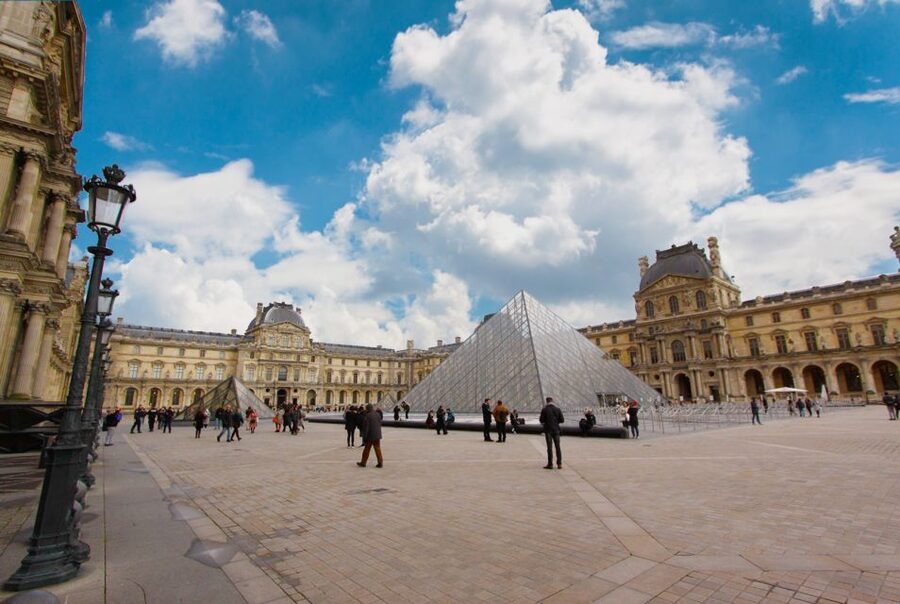
Reviewed · LOUVRE MUSEUM TOURS
Paris: Louvre Museum Highlights and Mona Lisa Tour
The Louvre is too big for guesswork. This English-language tour gives you a sensible route through the palace, reserved museum entry, and lively explanations of the Mona Lisa, Venus de Milo, and Winged Victory of Samothrace. I especially like the small maximum group of 20 and the use of headsets, which make it easier to hear the guide in crowded galleries.
I also like the way the tour adds the Louvre’s own story, including the remains of the original medieval fortress beneath the museum. The main drawback is time: two hours is enough for major highlights, but not enough for a leisurely look at much beyond them. Summer crowds, security checks, and the crush around the Mona Lisa can also slow the experience.
In This Review
- Key Points at a Glance
- Why a Guide Helps Inside the Louvre
- Meeting at the Arc du Carrousel
- The Palace Below the Palace
- Venus de Milo and Greek Sculpture
- Winged Victory at the Daru Staircase
- Renaissance Art and the Mona Lisa
- Beyond the Big Three
- Two Hours: Enough or Too Short?
- What $116 Buys You
- Busy Seasons and Better Planning
- Who Should Book This Louvre Tour?
- Should You Book It?
- FAQ
- How long does the Louvre highlights tour last?
- Which Louvre masterpieces are included?
- Is the tour conducted in English?
- Is museum admission included?
- Can I skip the Louvre ticket line?
- Where do I meet the guide?
- What should I bring?
- Can I bring luggage or a large bag?
- Is the tour suitable for people with mobility impairments?
- Can I re-enter the galleries after the tour?
Key Points at a Glance
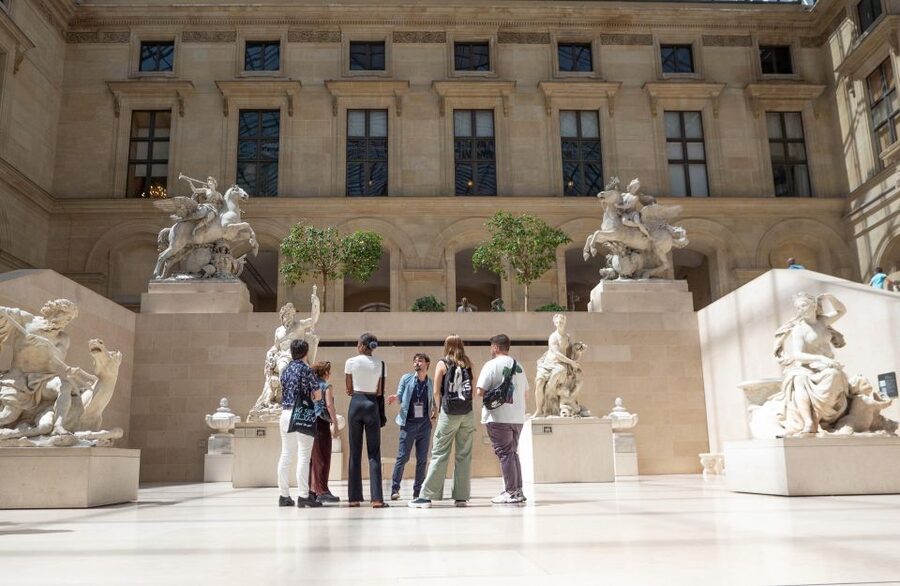
- See three famous works in one focused route: The Mona Lisa, Venus de Milo, and Winged Victory of Samothrace are the main prizes.
- Enter with a pre-reserved ticket: You use a separate group entrance, though everyone still passes airport-style security.
- Hear the art explained: Guides add stories, context, and small details that are easy to miss on your own.
- Explore the Louvre’s foundations: Underground galleries reveal remains of the medieval fortress beneath the palace.
- Expect stairs and a brisk pace: This tour is not suitable for people with mobility impairments.
- Plan for a crowded finish: The Mona Lisa room is often packed, especially in summer and at popular times.
Why a Guide Helps Inside the Louvre

The Louvre is not simply a large museum. It is a former residence of the Kings of France, with collections spread across a vast palace complex. You can easily spend your first hour trying to work out where you are, then discover that you have missed the rooms you most wanted to see.
That is the main reason I see value in this tour. Your guide takes charge of the route, keeps the group moving, and explains why each major work matters. The strongest praise has gone to guides who tell stories rather than recite dates. Sally, Barbara, Pauline, Rodrigo, Veronica, and Pierre were all singled out for making the art clear, entertaining, and easier to remember.
This matters even more if you are not an art specialist. A painting can look impressive without making much sense. A good explanation gives you a way into the work, pointing out the subject, the period, the artist’s choices, and the odd detail you might have walked past.
The headsets are a useful touch. In a large gallery, you do not need to stand shoulder to shoulder with your guide to hear the commentary. Still, stay alert and keep an eye on the guide. One person found it easy to lose sight of the group near the most popular works, while another noted that a shorter guide could be hard to spot in a crowd.
More Louvre visits and skip-the-line options:
- Paris: Louvre Museum Timed-Entrance Ticket
★ 4.6 · 71,977 reviews - Paris: Louvre Guided Tour with Reserved Access & Boat Cruise
★ 4.3 · 16,353 reviews - Louvre Museum Masterpieces Guided Tour with Access
★ 4.5 · 12,023 reviews
Meeting at the Arc du Carrousel
Your meeting point is at the Arc du Carrousel du Louvre, outside the museum, though the exact location can vary by booking option. Do not go straight to the Louvre entrance. Meet the guide first, since the group entry and ticket process are organized from there.
Arrive early. If you are late, the group booking may not allow a ticket to be issued. That is a serious point at the Louvre, where a missed meeting time can turn an expensive morning into a very expensive walk around the courtyard.
The reserved entry helps, but skip-the-line does not mean skip-everything. You still pass airport-style security, and during busy periods the security check can take up to 20 minutes. One otherwise delighted participant found that roughly 35 to 40 minutes of a two-hour visit went toward getting inside. That is the clearest warning about the timing.
You should carry a passport or identity card and wear comfortable shoes. Leave luggage and large bags behind. Non-folding strollers and double baby strollers are not allowed, and children must have their own bookings.
The Palace Below the Palace
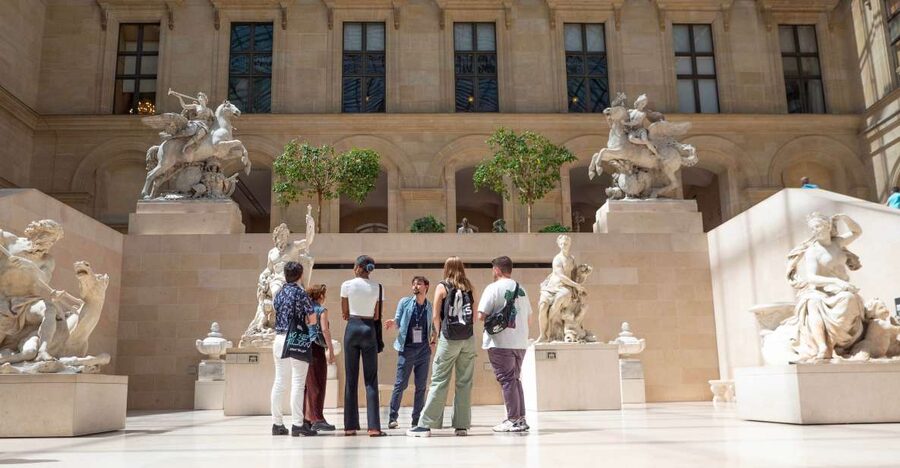
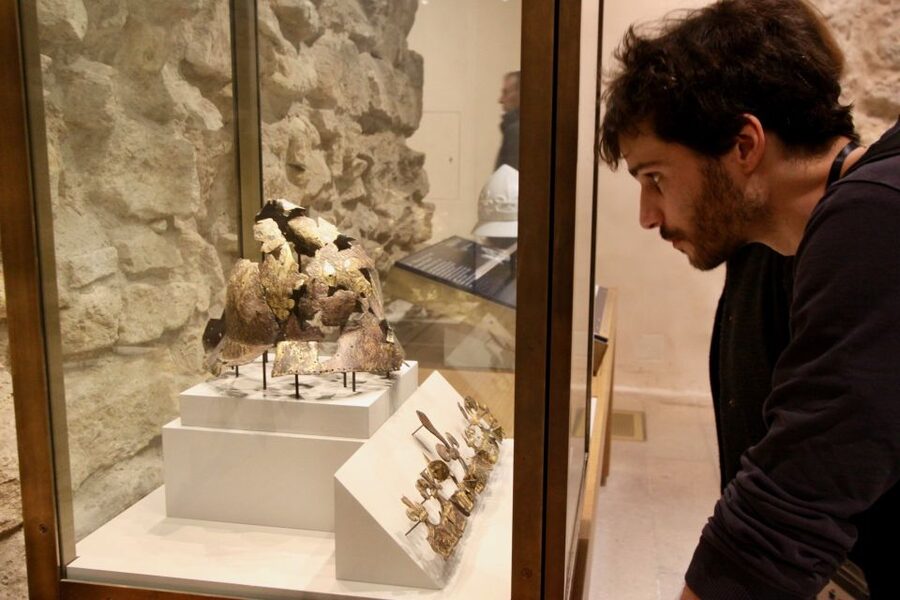
One of the most useful parts of the route is the chance to see the underground remains of the original medieval fortress. This gives you a physical sense of how the Louvre began before it became a royal palace and then a museum.
For many people, this is more satisfying than simply moving from famous painting to famous painting. You see that the building has changed purpose over centuries. The palace above you is not just a grand shell for art. Its walls and foundations tell part of France’s political story.
The underground galleries also offer a break from the most crowded rooms. You might find the change of pace welcome after the busy areas around the Mona Lisa and Venus de Milo. Your guide uses this section to connect the museum’s building with its past, helping the Louvre feel like a place with layers rather than a collection of unrelated galleries.
Venus de Milo and Greek Sculpture
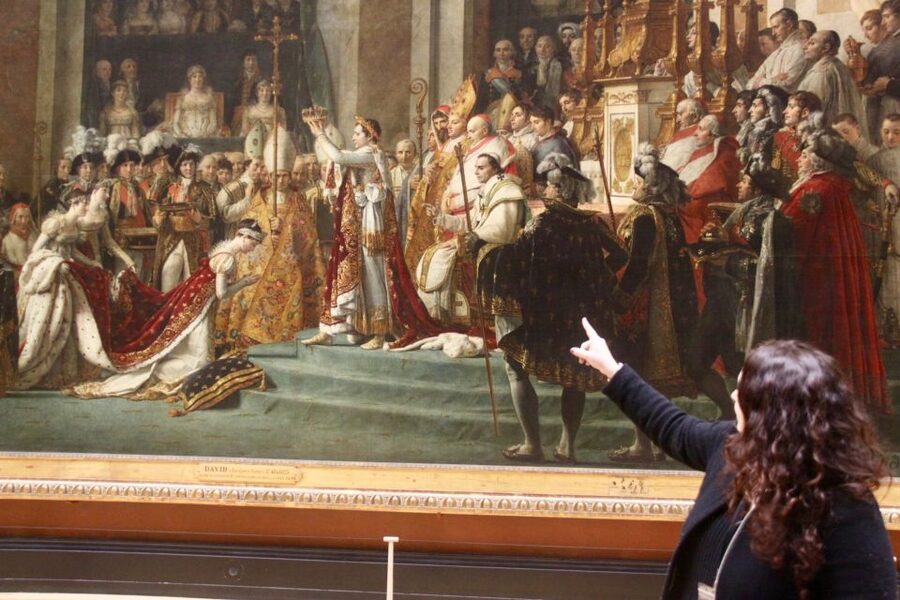
The Venus de Milo is one of the tour’s central stops. This ancient Greek sculpture has inspired artists for generations, and seeing it in person lets you appreciate its scale and physical presence in a way a photograph cannot provide.
Your guide can help you look beyond the missing arms and familiar silhouette. The point is not just to identify the statue. It is to understand why it became such a lasting image of classical beauty and why it still draws a crowd.
The drawback is that famous works attract famous crowds. You may have to wait for a clear view, and the room can feel more like a public square than a quiet art gallery. The guide’s position and commentary are especially useful here, since you may not have much time to stand in front of the sculpture.
More Museum Tours in Paris:
- Paris: Louvre Museum Entry Ticket With Host and River Cruise
★ 4.6 · 9,926 reviews - Les Invalides: Napoleon’s Tomb & Army Museum Entry
★ 4.6 · 9,185 reviews - Louvre Museum – Exclusive Guided Tour (Entry Included)
★ 5.0 · 6,296 reviews - Paris: Louvre Museum Hosted Entry and Mona Lisa Audioguide
★ 4.6 · 5,235 reviews
Winged Victory at the Daru Staircase
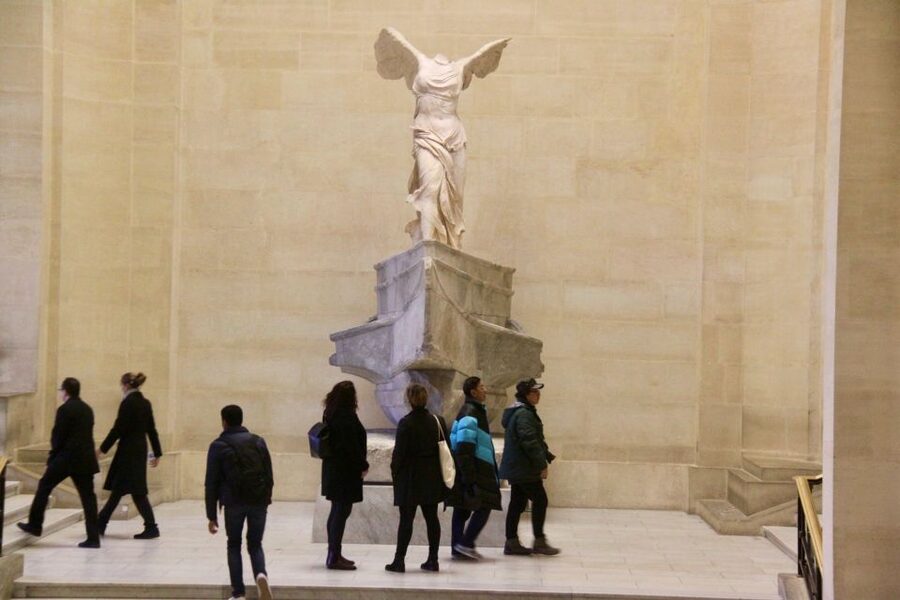
Winged Victory of Samothrace, also known as Nike, is another major stop. The Hellenistic statue represents the Greek goddess of victory and is displayed high above the grand staircase.
This is a work that benefits from its setting. The statue’s placement, flowing clothing, and forward movement create a strong first impression as you approach it. Your guide can draw attention to the way the sculpture suggests wind, motion, and arrival, even though parts of the original work are missing.
The staircase itself adds to the moment, but it also explains why you need decent walking ability. The route involves stairs, and the museum’s elevator locations do not make this tour suitable for people with wheelchairs or significant mobility limitations.
If you enjoy sculpture, this may be the most memorable stop. The Mona Lisa is famous, but Winged Victory gives you room to feel the scale and drama of the Louvre’s interior.
Renaissance Art and the Mona Lisa
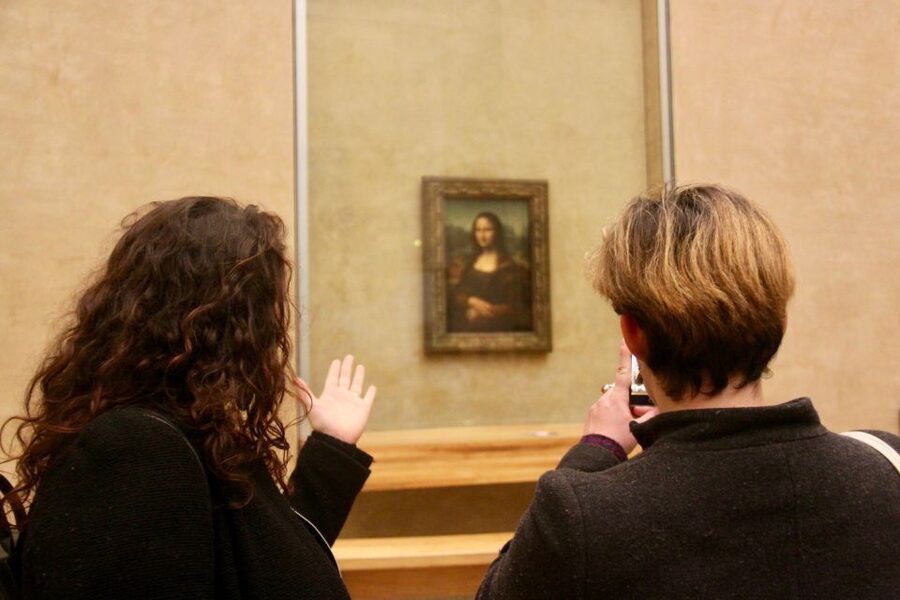
The tour eventually brings you to the Louvre’s most famous resident, Leonardo da Vinci’s Mona Lisa. The guide explains the portrait’s importance, its Renaissance setting, and the strange story of its theft in 1911, which helped turn the painting into a worldwide celebrity.
Do not expect a quiet, private encounter. The Mona Lisa is protected behind barriers and viewed by a large crowd. You will probably have a limited amount of time at the front, with people taking photographs and trying to move closer.
That does not make the stop pointless. The guide gives you a framework for looking at the portrait before you reach it, so you are not simply swept into a room, raised above a sea of phones, and pushed onward. The story of the theft also explains why this particular portrait became such a cultural symbol.
The tour finishes near the Mona Lisa, after which you are shown how to continue through the museum or toward the central pyramid area. Check the day’s instructions carefully, though. Once you have left the wings and are under the pyramid, the stated rules say you cannot re-enter the rooms. Do not count on returning to an earlier gallery after the guided portion.
Beyond the Big Three
A good guide does not spend every minute on the three names printed in the brochure. The route also includes Renaissance treasures, paintings from the 13th through 19th centuries, ancient Greek objects, and prints from the Royal Collection.
This wider selection is important. The Louvre can become a checklist of famous objects, but the museum’s appeal lies in the connections between them. You may see how artistic ideas change across centuries, how royal collecting shaped the institution, or how a less famous painting fits beside a better-known masterpiece.
Several guides were praised for pointing out works people might otherwise pass without noticing. Pierre was especially valued for telling stories about pieces that would have been easy to ignore. Another guide took the group through major highlights along with additional paintings, objects, and rooms.
The exact order and emphasis can vary by guide, crowd conditions, and museum operations. That is normal for a working museum. If a gallery is packed or temporarily difficult to reach, the guide may adjust the route. One delayed opening caused a major change to the morning schedule, but the guide still preserved the full tour time and used personal favorite works to keep the visit worthwhile.
Two Hours: Enough or Too Short?
For a first visit, I think two hours is a sensible target. You get a clear introduction without exhausting yourself in the museum’s huge corridors. The tour moves at a steady pace, and one participant described it as quick but effective for seeing a little of everything.
You will not see the whole Louvre. No two-hour route can cover ancient Egypt, Greek and Roman art, French painting, Dutch masters, decorative arts, prints, and every famous sculpture. Even a full day would require choices.
Think of this as an orientation with substance. You see the central masterpieces, learn how the museum fits together, and finish with a better idea of where you might want to spend more time. If you already know the Louvre well, you may prefer a ticket and your own plan. If this is your first visit, the route saves you from wandering in circles.
The pace also suits families better than an all-day museum session. One guide, Phillip, was praised for keeping children interested, while another guide was appreciated for handling children, families, older people, and solo participants with patience. Still, young children must be booked, and the stairs and crowds may test tired legs.
What $116 Buys You
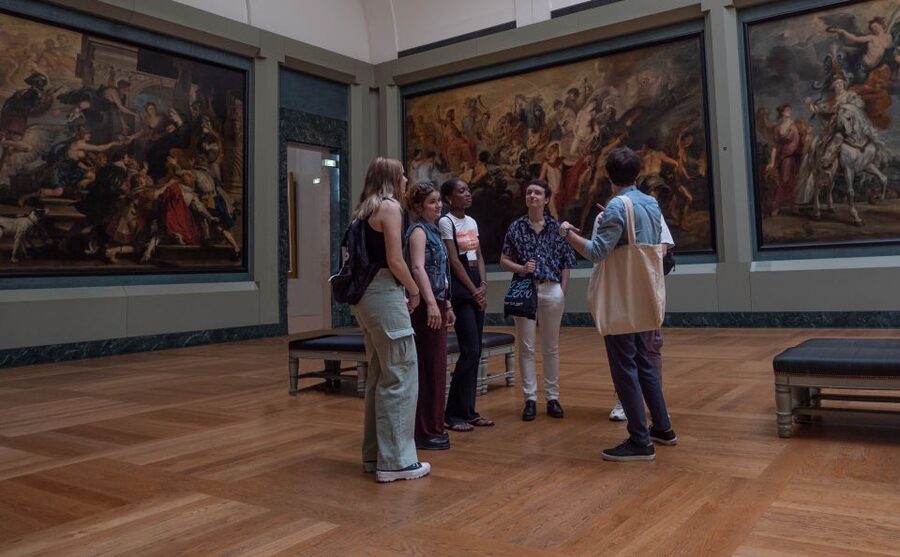
At $116 per person, this is not a cheap museum entry. You are paying for the pre-reserved ticket, an English-speaking licensed guide, group coordination, headsets, and the time saved by having a route.
The value depends on your alternative. If you are comfortable finding the entrance, reading labels, and planning your own highlights, you may decide that a self-guided visit costs less. If you want to understand what you are seeing and avoid the museum’s confusing first moments, the price is easier to justify.
The separate group entrance is a real benefit on a busy day, but security queues remain possible. The cost also does not include transportation, food, drinks, or hotel pickup and drop-off. You arrange your own way to the meeting point at the Arc du Carrousel.
The group limit of 20 is reasonable for a major attraction, though it is not a private tour. In packed galleries, you may need to stand close to hear and keep track of the guide. The headset helps, but personal attention will vary with the group and the guide.
Busy Seasons and Better Planning
The Louvre is especially crowded in summer. The rooms around the Mona Lisa and Venus de Milo can be difficult to move through, and security may add up to 20 minutes during the busiest periods.
If you can choose among starting times, an earlier option is worth considering. One participant specifically recommended going early, and the practical reason is simple: popular galleries become harder to navigate as the day builds.
Give yourself enough time to find the meeting point. Since the meeting location can differ by option, read your confirmation carefully rather than relying on a map pin for the museum itself. The most important rule is to wait for the guide outside and avoid entering independently.
The activity offers a reserve-now, pay-later option, and the booking information gives a cancellation window of up to 24 hours for a full refund. However, the same instructions also describe the group booking as non-refundable and not reschedulable once issued. Check the exact terms attached to your selected option before paying, especially if your Paris plans may change.
Who Should Book This Louvre Tour?
I would choose this tour for a first-time Louvre visit, especially if you have only a short window in Paris. It is also a good match if you want art explained in plain English, prefer a planned route, or are traveling with children who need a lively guide and a clear finish.
It suits people who want the major names but also appreciate the museum’s building and less famous works. The comments about guides are unusually consistent: Sally, Barbara, Pauline, Rodrigo, Pierre, Camille, Guillaume, Veronica, and others were praised for clear explanations, humor, patience, and strong storytelling.
I would think twice if you have limited mobility, dislike stairs, or want long, quiet periods with individual paintings. I would also avoid booking it if you are likely to arrive late or bring luggage that cannot be stored elsewhere.
Should You Book It?
Book this Louvre tour if you want to see the essential masterpieces without wasting your first hour getting oriented. The guide adds real value, the headsets help, and a two-hour route gives you a manageable introduction to a museum that can otherwise feel overwhelming.
Skip it if you already know the Louvre well, prefer total freedom, or want to spend half a day in one department. At $116, the tour makes the most sense when expert guidance and a clear route matter as much as admission itself. For a first visit, that is often money well spent.
FAQ
How long does the Louvre highlights tour last?
The tour lasts between one and two hours, depending on the selected option and starting time.
Which Louvre masterpieces are included?
The route includes the Mona Lisa, Venus de Milo, and Winged Victory of Samothrace, along with other major and lesser-known works.
Is the tour conducted in English?
Yes. The activity includes a live English-speaking guide.
Is museum admission included?
Yes. A pre-reserved Louvre Museum entry ticket is included.
Can I skip the Louvre ticket line?
The tour uses a separate entrance for group access with a pre-reserved ticket. You must still pass airport-style security, and a security wait of up to 20 minutes is possible during peak periods.
Where do I meet the guide?
The stated meeting point is the Arc du Carrousel du Louvre, outside the museum. The exact meeting point may vary by the option you book, so check your booking details.
What should I bring?
Bring a passport or identity card and wear comfortable shoes.
Can I bring luggage or a large bag?
No. Luggage and large bags are not allowed. Non-folding strollers and double baby strollers are also prohibited.
Is the tour suitable for people with mobility impairments?
No. The route includes walking and stairs, and the museum’s elevator locations do not allow the activity to accommodate wheelchair users or people with mobility impairments.
Can I re-enter the galleries after the tour?
The stated instructions say that once you leave the wings and reach the area beneath the pyramid, you cannot re-enter the rooms. Plan your visit carefully before exiting the galleries.
Recently added around Paris
- Private Half-Day Guided Tour of Paris★ 4.5 · 48 reviews
- 2 hour outdoor group activity in Paris: SAINT GERMAIN★ 5.0 · 48 reviews
- Paris Dinner Show Opera Bel Canto★ 4.5 · 48 reviews
- Paris Vintage Tour by Night on a Sidecar with Champagne★ 5.0 · 48 reviews
- Paris Photoshoot: Eiffel Tower Exclusive Private Experience★ 5.0 · 48 reviews
- Secrets & Scandals of the Louvre – Limited to 6 Guests★ 5.0 · 48 reviews
- From Paris: Versailles Full-Day Guided Tour with Lunch★ 4.9 · 48 reviews
- Paris: Louvre Mona Lisa Discovery Guided Tour with Ticket★ 4.9 · 48 reviews
Louvre Museum Tours, compared.


Paris: Louvre Guided Tour with Reserved Access & Boat Cruise
Read our review →
Louvre Museum Masterpieces Guided Tour with Access
Read our review →
Paris: Louvre Museum Entry Ticket With Host and River Cruise
Read our review →
Paris: Priority Access Louvre with Host -Direct to Mona Lisa
Read our review →
Mona Lisa & Louvre Masterpieces Tour with Reserved Access
Read our review →
Louvre Museum – Exclusive Guided Tour (Entry Included)
Read our review →
Paris: Louvre Reserved Ticket and River Cruise Combo
Read our review →Browse the lists this tour appears in