
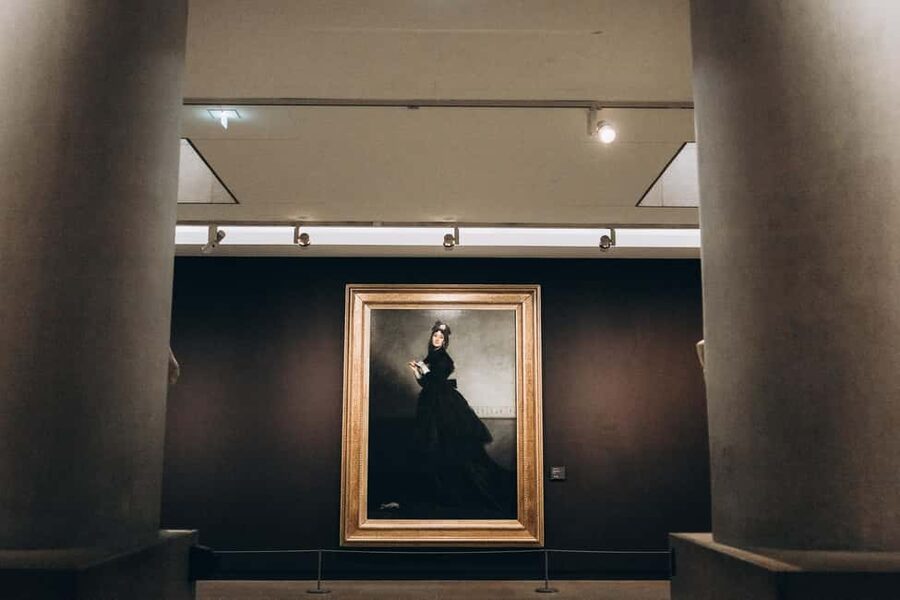
Reviewed · MUSéE D'ORSAY TICKETS
Paris: Musée d’Orsay Ticket and Guided Tour
This old station makes art feel wonderfully alive. This two-hour Musée d’Orsay tour pairs skip-the-line entry with a guide who can explain why Van Gogh, Monet, Manet, and Gauguin changed painting. I especially like the grand Beaux Arts setting and the way the best guides turn famous canvases into clear stories about art, society, and rebellion.
I also like the carefully chosen route. You will not try to swallow the entire museum in one sitting, which would be a heroic but foolish project. The main consideration is the crowd level, which can be heavy, and your guide is assigned rather than selected in advance. Names such as Ahmed, Hugo, Adam, Carolina, Laurence, Belen, and Ari have earned especially warm praise, but the quality of a guided experience can depend on who leads your group.
In This Review
- Key Points Before You Book
- Why the Musée d’Orsay Works So Well for a Guided Visit
- Meeting at the Rhinoceros Statue
- Entering the Former Railway Station
- The Impressionist Route and Its Famous Paintings
- What a Strong Guide Adds in Two Hours
- Crowds, Pace, and the Limits of the Visit
- Is $73 a Fair Price?
- Practical Details That Can Save You Trouble
- Who Will Enjoy This Musée d’Orsay Tour Most?
- Should You Book It?
- FAQ
- Where does the Musée d’Orsay tour meet?
- How early should I arrive?
- How long does the tour last?
- Is skip-the-line entry included?
- What language is the tour conducted in?
- Does the tour include hotel pickup or drop-off?
- Is the tour suitable for wheelchair users or strollers?
- Can I cancel or pay later?
Key Points Before You Book
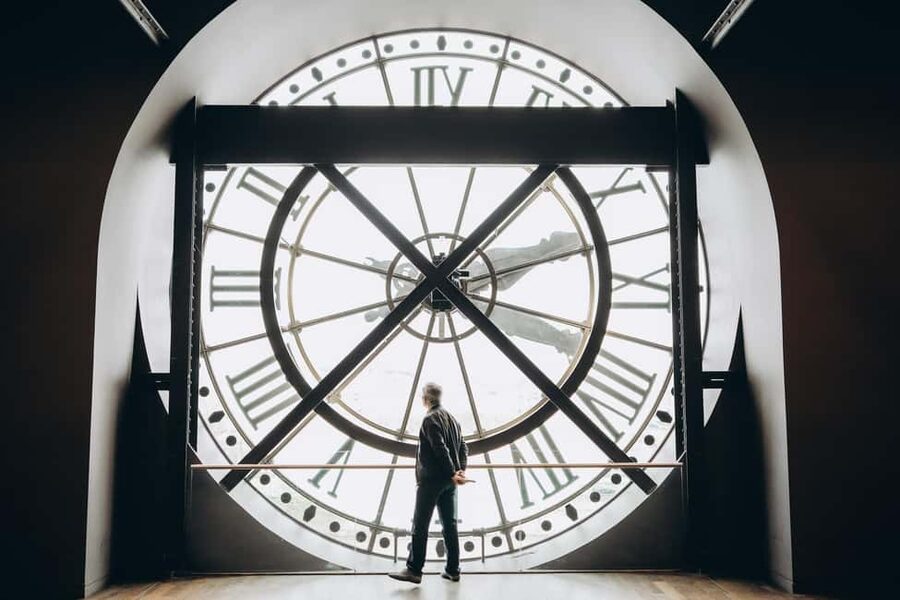
- The meeting point is the rhinoceros statue: Find it to the left of the entrance while facing the Musée d’Orsay, at 1 Rue de la Légion d’Honneur.
- The old railway station is part of the experience: Your visit begins with the building itself, including its soaring main hall and Beaux Arts design.
- The route focuses on major Impressionist works: Expect paintings by Van Gogh, Monet, Manet, Cézanne, Gauguin, and other major late 19th-century artists.
- The guide adds the real value: The strongest guides explain how to look at a painting, not just where it was painted or who made it.
- Two hours is focused, not exhaustive: You will see important works, but you will need another visit for the museum’s many sculptures, paintings, and side galleries.
- Pack light and wear good shoes: Large bags, luggage, baby strollers, and wheelchairs are not permitted for this tour.
Why the Musée d’Orsay Works So Well for a Guided Visit
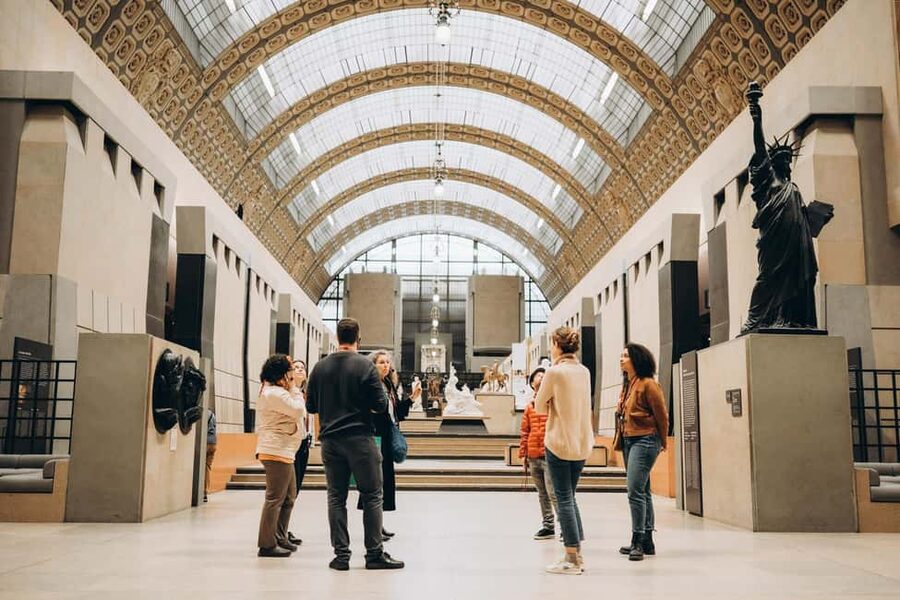
Paris has museums where you can wander happily for hours with no plan. The Musée d’Orsay is also a museum where a plan helps.
Its collection is famous for late 19th-century European painting, especially Impressionism and the art that led into it. The museum holds enough major work to leave you dazzled, tired, or both. A good guide gives you a path through that abundance and helps you see connections that are easy to miss when you are moving from one famous name to the next.
I like this tour because it treats the paintings as part of a larger change in European life. Impressionism was not simply a new way to paint pretty gardens and rivers. It challenged official ideas about finish, subject matter, light, and what belonged in a serious painting. The best explanations connect the brushwork to the social and cultural changes of the period.
That approach appears often in the feedback about guides such as Hugo, Adam, Carolina, and Ahmed. Their strongest contribution was not reciting dates. They explained how to read a picture, how one artist reacted against another, and why a painting that now looks familiar once seemed daring.
More Musée d'Orsay tickets:
- Paris in a Day: Louvre or Orsay, Eiffel Tower, City Walk & Cruise
★ 5.0 · 1,956 reviews - Paris: Musée d’Orsay Skip-the-Line Tour with Expert Guide
★ 4.5 · 1,145 reviews - Musée d’Orsay Skip-the-Line Tour with Expert Guide
★ 4.8 · 1,088 reviews
Meeting at the Rhinoceros Statue
Your tour begins outside the museum at 1 Rue de la Légion d’Honneur. Arrive 15 minutes early and look for the rhinoceros statue to the left of the entrance while facing the building. Your guide will be holding a green Walks sign.
This is a useful meeting point, but do not drift toward another entrance and assume you will spot the group by chance. The Musée d’Orsay is a large, well-known building, and the correct statue gives you a precise landmark.
The tour ends back at the same meeting point. There is no hotel pickup or drop-off, so you need to make your own way to and from the museum. That is simple if you are already sightseeing in central Paris, but you should allow time to reach the meeting point without rushing.
Bring a passport or ID card. Comfortable shoes matter because this is a walking tour inside a large museum, and you are expected to move at a moderate pace.
Entering the Former Railway Station
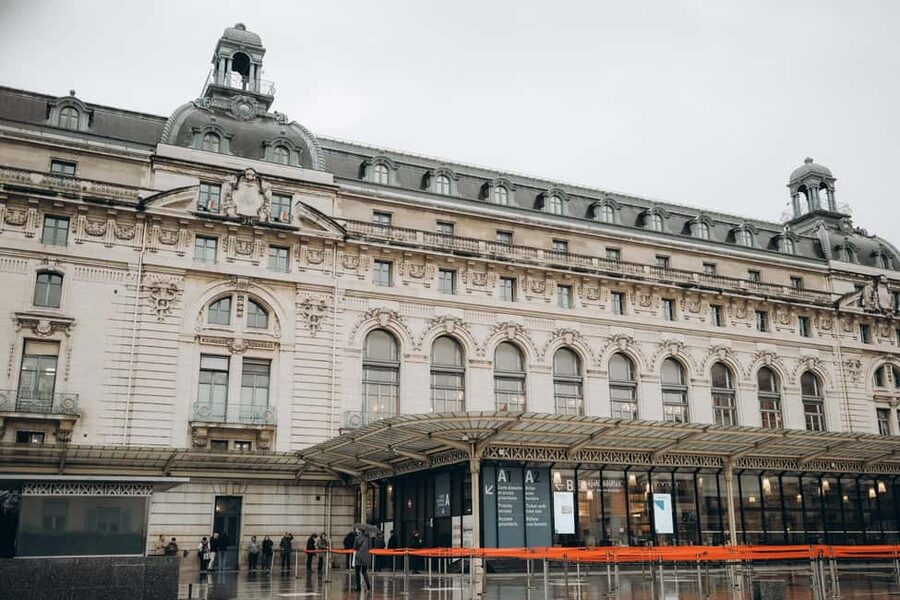
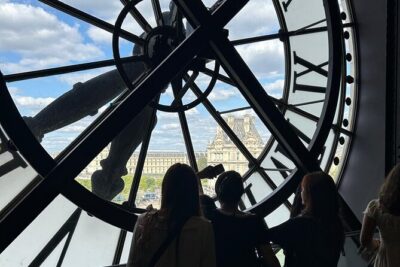
The first reveal is architectural. After using the separate entrance for the tour, you enter the Musée d’Orsay’s huge main hall, with its towering Beaux Arts ceiling vaults.
This is more than a grand backdrop. The museum occupies a former train station, and the building’s original scale helps explain the dramatic experience of walking inside. You get a short lesson in how a railway terminal became one of Paris’s great art museums, then the paintings begin to take over.
I appreciate this opening because it gives you something to notice before the famous canvases start competing for attention. Look up. The ceiling, long central space, and broad interior are part of the museum’s character. Many people hurry toward the art and miss the building’s own story.
The museum can be crowded, particularly around the most famous works. Skip-the-line access saves time at the entrance, but it cannot make the galleries empty. That distinction matters. You avoid waiting in the regular admission line, yet you should still expect other groups and museum visitors inside.
The Impressionist Route and Its Famous Paintings
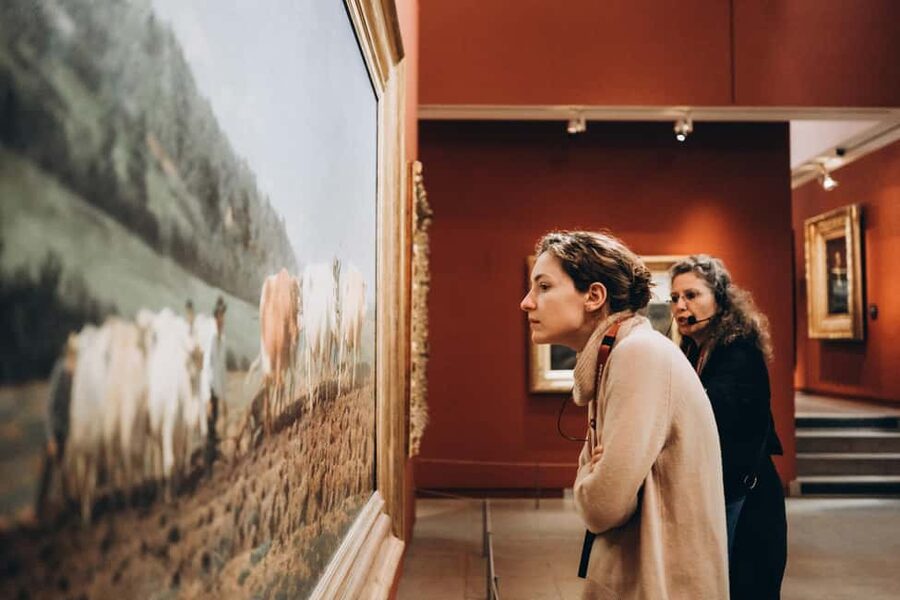
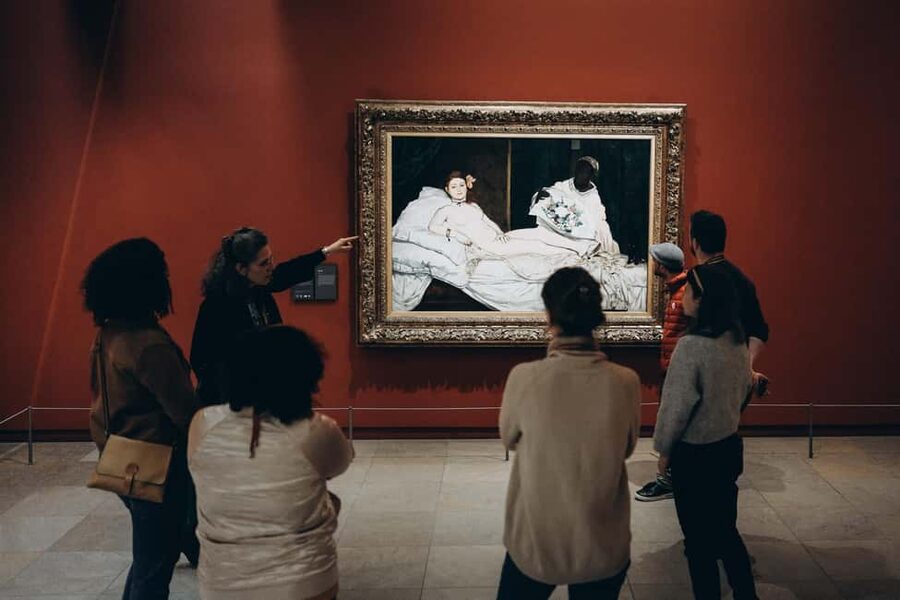
The central portion of the tour focuses on major works by the leading names of late 19th-century European art. The exact order can vary, but the advertised highlights include Van Gogh’s Self Portrait and Starry Night Over the Rhone, Manet’s Olympia and Luncheon on the Grass, Monet’s Houses of Parliament, and Gauguin’s Tahitian Women on the Beach.
You should not think of this as a fast checklist of famous paintings. The point is to understand why these works matter and how they relate to one another.
Van Gogh’s paintings are a good example. A guide can move beyond the familiar story of the artist and direct your attention to the handling of paint, the force of the marks, and the way color carries feeling. That changes the experience from simply recognizing a Van Gogh into looking more carefully at how the picture works.
Manet’s Olympia and Luncheon on the Grass open a different discussion. These paintings caused a stir because of their subjects, style, and relationship to older artistic traditions. A strong guide can explain why Manet’s choices disturbed established expectations and how his work helped prepare the way for later artists.
Monet’s Houses of Parliament offers a chance to consider light, atmosphere, and the changing appearance of a familiar subject. Gauguin’s Tahitian Women on the Beach brings questions about travel, subject matter, and the way European artists pictured places beyond France. The guide’s context is important here because admiration for color and composition should not prevent you from thinking about the assumptions behind the image.
Cézanne and other painters help widen the story beyond the most famous Impressionist names. You will get a stronger sense of the period when you see it as a chain of experiments rather than a single style with a neat label.
A few more Paris trips worth weighing up
- Paris: Louvre Museum Timed-Entrance Ticket
★ 4.6 · 71,977 reviews - Disneyland® Paris 1-Day Ticket
★ 4.6 · 49,412 reviews - Paris: Versailles Palace and Gardens Full Access Ticket
★ 4.6 · 41,579 reviews - Paris: Evening River Cruise with Music
★ 4.4 · 22,721 reviews
What a Strong Guide Adds in Two Hours
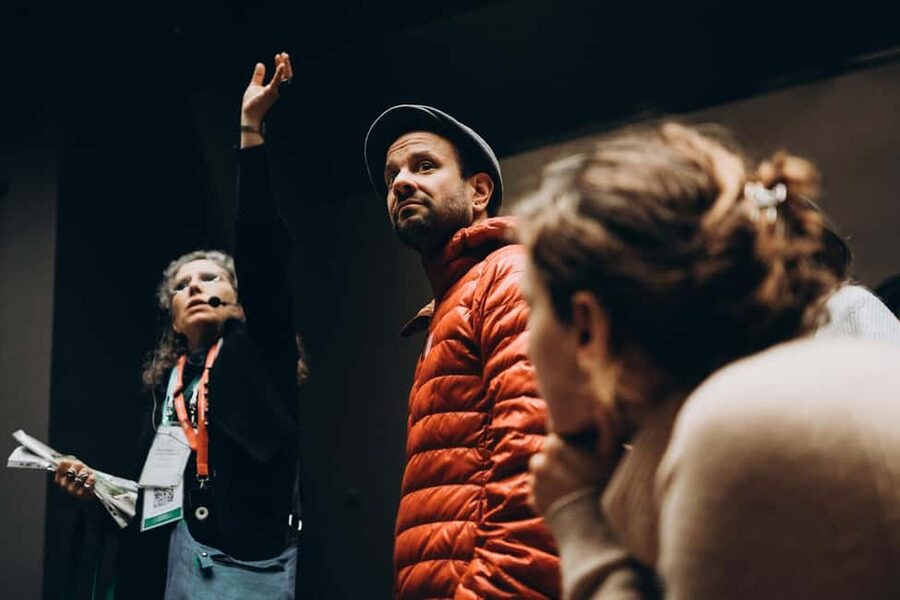
The most praised part of this experience is the guide. Across the strongest accounts, the same qualities appear: clear explanations, lively storytelling, humor, and a real ability to keep a group focused.
Ahmed is repeatedly described as easy to understand, patient, and strong on the history of the French art scene. Hugo is praised for presenting Impressionism as a revolution in art and culture, not merely a pleasant style of painting. Adam’s approach included discussion and careful positioning, helping the group move close when needed and step back when a wider view made more sense.
Carolina, also referred to as Karolina in one account, received particular praise for storytelling, humor, and her way of linking individual paintings to broader artistic change. Belen is noted for adjusting the tour to the group’s interests and answering questions with care. Laurence is described as both informative and amusing, a useful combination during a two-hour museum walk.
Ari and Arvi are names that also appear in especially positive comments. Arvi’s selection of paintings helped one participant understand wider art movements across France and Europe. Ari made people feel at ease while offering a thorough introduction to the museum’s collection.
These details matter because a museum guide can either sharpen your attention or drain it. The experience depends less on hearing every available fact than on receiving a clear thread. The best guides ask you to look, give you a reason to look, then explain what you are seeing in plain language.
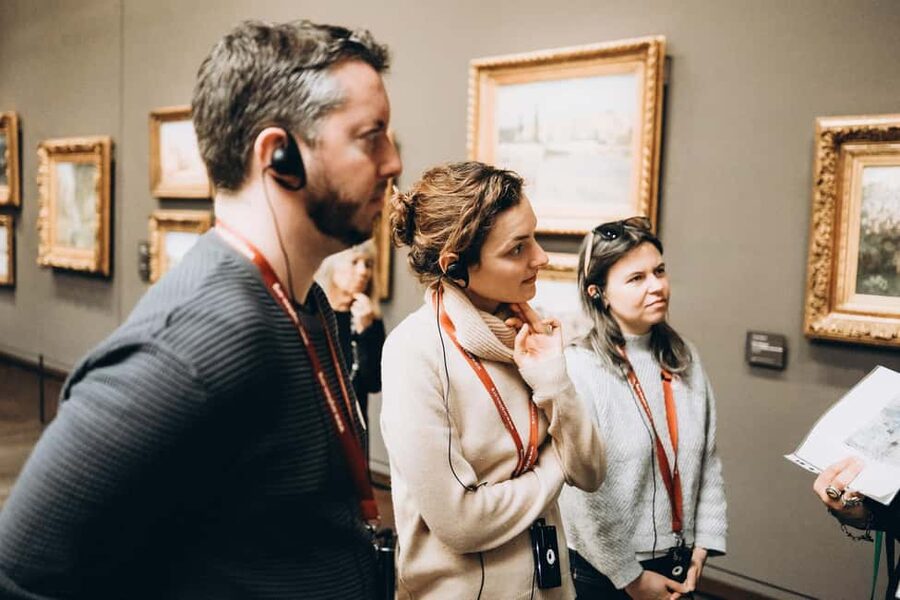
You may also use a headset during the tour. One person found the equipment somewhat static, making the guide difficult to hear at times. In a crowded gallery, that can be a real nuisance, so stay near the guide and speak up quickly if the sound is unclear.
Crowds, Pace, and the Limits of the Visit

Two hours is a good length for a first guided introduction. It is long enough to build a story and short enough to avoid total museum fatigue.
Still, the time limit means you will see selected highlights rather than the full collection. This is a strength if you want structure, but a limitation if you already know exactly which lesser-known works you want to study. Tell your guide about particular interests when the opportunity arises, though the route must still serve the whole group.
The moderate pace also deserves attention. You should be comfortable walking through the museum without difficulty. The tour is not suitable for wheelchair users, people with mobility impairments, or strollers, and baby strollers are not allowed. Large bags and luggage are also prohibited.
Crowds are the other practical issue. The separate entrance helps with arrival, but it does not provide private access to the galleries. Around the most famous Van Gogh, Monet, and Manet works, you may need to wait for a clear view or listen from a short distance away.
That is not a reason to reject the tour. It is simply the normal trade-off at a major Paris museum. A capable guide can position the group well and explain a painting while you wait for space. Adam’s careful handling of group position is exactly the sort of detail that makes a difference.
Is $73 a Fair Price?
At $73 per person, this is not the cheapest way to enter the Musée d’Orsay. You are paying for more than admission, though. The price includes the museum ticket, separate entrance access, a two-hour walking tour, and a live English-speaking guide.
I think the value is strongest for three types of visitors. First, it suits anyone visiting the Musée d’Orsay for the first time and unsure how to approach the collection. Second, it works well if you want the major paintings explained in a clear sequence. Third, it is useful if your Paris schedule is tight and you want to make two hours count.
The price is harder to justify if you prefer slow solo viewing, already know the collection well, or want to spend the entire day with one artist. You will be following someone else’s route, and the tour will move on even if one painting has captured your attention.
Private and small-group options are available, which may improve the experience for people who value questions and a more personal pace. The exact group format depends on the option and availability, so check before booking.
The strong overall score of 4.6 from 436 ratings suggests that the experience usually delivers, but the comments also reveal an unavoidable risk: the guide makes a major difference. Many people describe their guide as the best they had in Paris. One person also pointed out that another museum tour with the same company felt much less engaging. That is a useful reminder to judge the format, not assume every departure will feel identical.
Practical Details That Can Save You Trouble
Book with the time requirement in mind. The experience lasts two hours, but you should add time for getting to the meeting point and for any plans afterward. Since the tour ends where it begins, it is easy to continue sightseeing nearby once the museum visit is over.
The tour is conducted in English. If you need another language, this is not the right option based on the supplied details.
You can reserve now and pay later, which helps if your Paris schedule is still moving around. Cancellation is free up to 24 hours in advance for a full refund. The museum can close because of strikes, and last-minute closure information may be given at the meeting point if there is not enough time to contact you beforehand.
Travel light. A passport or ID card and comfortable shoes are specifically recommended, while luggage, large bags, and strollers are not allowed. The mobility restriction is significant, so anyone who needs wheelchair access or cannot maintain a moderate walking pace should choose another museum arrangement.
Who Will Enjoy This Musée d’Orsay Tour Most?

I would choose this tour if you want help making sense of Impressionism rather than simply standing in front of famous paintings. The guide-led format gives you a story about changing ideas in art, then uses specific works to make that story visible.
It is especially suitable for first-time visitors, couples, families with older children who can walk at a moderate pace, and art lovers who appreciate discussion but do not want an academic lecture. The guide’s humor and storytelling can make difficult ideas easier to follow.
You may prefer a self-guided visit if you need a fully flexible schedule, dislike group pacing, or want to focus on works outside the standard highlights. You may also want a different option if crowd levels make close viewing frustrating.
For most people, the tour’s best feature is not the ticket. It is the interpretation. The Musée d’Orsay has the paintings, but a thoughtful guide can show you how to see them.
Should You Book It?
Book it if you want a focused, English-language introduction to the Musée d’Orsay, especially on a first visit. The building, skip-the-line entry, major Impressionist works, and strong guide-led explanations make $73 reasonable for many visitors.
Skip it if you want to wander alone, carry a large bag, use a wheelchair or stroller, or spend hours on a narrow personal interest. Also remember that crowds remain possible after you enter.
My practical advice is to arrive early at the rhinoceros statue, travel light, and treat the two hours as an introduction rather than the final word on the museum. If you are assigned a guide with the storytelling ability praised in names such as Ahmed, Hugo, Adam, Carolina, Belen, Laurence, Ari, or Arvi, you may leave with a much clearer eye for Impressionist art.
FAQ
Where does the Musée d’Orsay tour meet?
The meeting point is at 1 Rue de la Légion d’Honneur, at the Musée d’Orsay. Meet by the rhinoceros statue to the left of the entrance while facing the museum. Your guide will hold a green Walks sign.
How early should I arrive?
Arrive 15 minutes before the tour begins.
How long does the tour last?
The guided museum visit lasts two hours. Starting times depend on availability.
Is skip-the-line entry included?
Yes. The experience includes a Musée d’Orsay ticket and entry through a separate entrance to skip the regular line.
What language is the tour conducted in?
The live tour guide speaks English.
Does the tour include hotel pickup or drop-off?
No. Hotel pickup and drop-off are not included. The tour ends back at the museum meeting point.
Is the tour suitable for wheelchair users or strollers?
No. It is not suitable for wheelchair users, people with mobility impairments, or strollers. Baby strollers are also not allowed.
Can I cancel or pay later?
You can cancel up to 24 hours in advance for a full refund. You can also reserve now and pay later, keeping your plans flexible.
Recently added around Paris
- Private Half-Day Guided Tour of Paris★ 4.5 · 48 reviews
- 2 hour outdoor group activity in Paris: SAINT GERMAIN★ 5.0 · 48 reviews
- Paris Dinner Show Opera Bel Canto★ 4.5 · 48 reviews
- Paris Vintage Tour by Night on a Sidecar with Champagne★ 5.0 · 48 reviews
- Secrets & Scandals of the Louvre – Limited to 6 Guests★ 5.0 · 48 reviews
- Paris Photoshoot: Eiffel Tower Exclusive Private Experience★ 5.0 · 48 reviews
- Paris: Louvre Mona Lisa Discovery Guided Tour with Ticket★ 4.9 · 48 reviews
- From Paris: Versailles Full-Day Guided Tour with Lunch★ 4.9 · 48 reviews
Musée d'Orsay Tickets, compared.
Paris in a Day: Louvre or Orsay, Eiffel Tower, City Walk & Cruise
Read our review →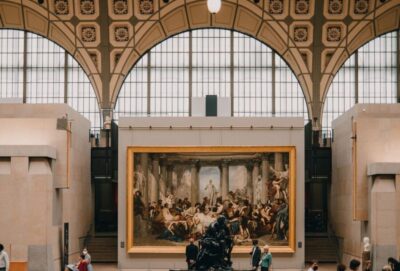
Paris: Musée d’Orsay Entry Ticket and Seine River Cruise
Read our review →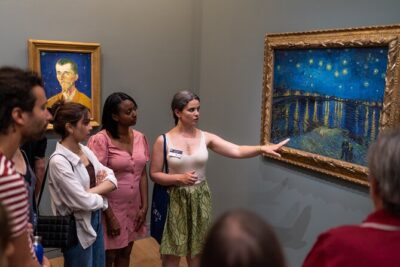
Paris: Musée d’Orsay Skip-the-Line Tour with Expert Guide
Read our review →
Musée d’Orsay Skip-the-Line Tour with Expert Guide
Read our review →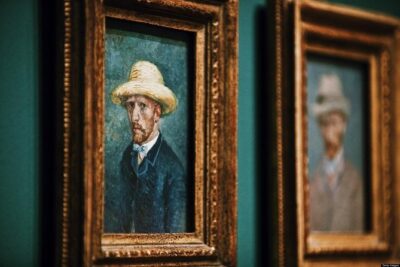
The Musée d’Orsay Guided Tour Orsay Museum Semi-Private 6ppl Max
Read our review →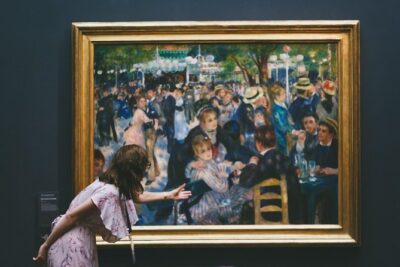
Louvre & Musée d’Orsay Guided Museum Tour Semi-Private 6ppl Max
Read our review →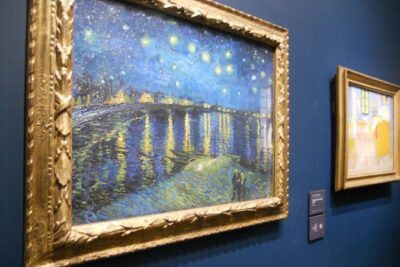
Browse the lists this tour appears in