
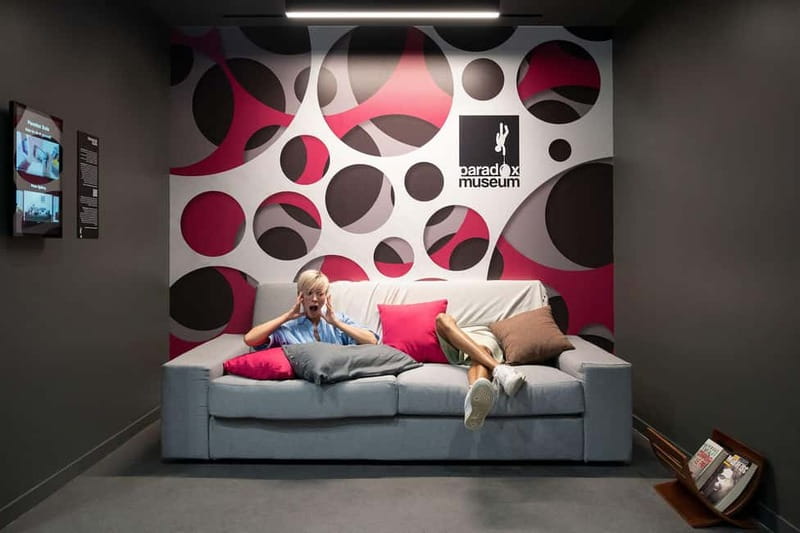
Reviewed · MUSEUMS
Paris: Paradox Museum Entrance Tickets
Reality gets slippery here. The Paradox Museum Paris packs 90 optical illusions into a playful, hands-on route where you can test your eyes, question your brain, and take photos that look impossible. I especially like the clear photo points, which show you where to stand for the best effect, and the short explanations that reveal the science behind each trick. The main caution is time: at busy moments, you may need to wait for other people to finish an exhibit before taking your own pictures.
This is a family-friendly indoor experience with enough visual comedy for children and enough brain-teasing detail for adults. The staff can help with photos, though they are not stationed at every display. Plan on about 84 to 90 minutes, and remember that the final admission is at 6 p.m., two hours before closing.
In This Review
- Key things to know before you go
- What the Paradox Museum Paris actually offers
- Starting the one-way maze
- How the 90 illusions work
- Taking better photos at each display
- Learning the science without turning it into school
- How long the visit takes
- Is the $33 ticket good value?
- Who will enjoy this most
- Ending at the Paradox Boutique and café
- Practical tips for a smoother visit
- Should you book the Paradox Museum Paris?
- FAQ
- How long does the Paradox Museum Paris visit take?
- How many exhibits are at the museum?
- Can I take photos and videos inside?
- Will staff help take group photos?
- Is the museum wheelchair accessible?
- Is the Paradox Museum suitable for people with epilepsy?
- What languages are available?
Key things to know before you go
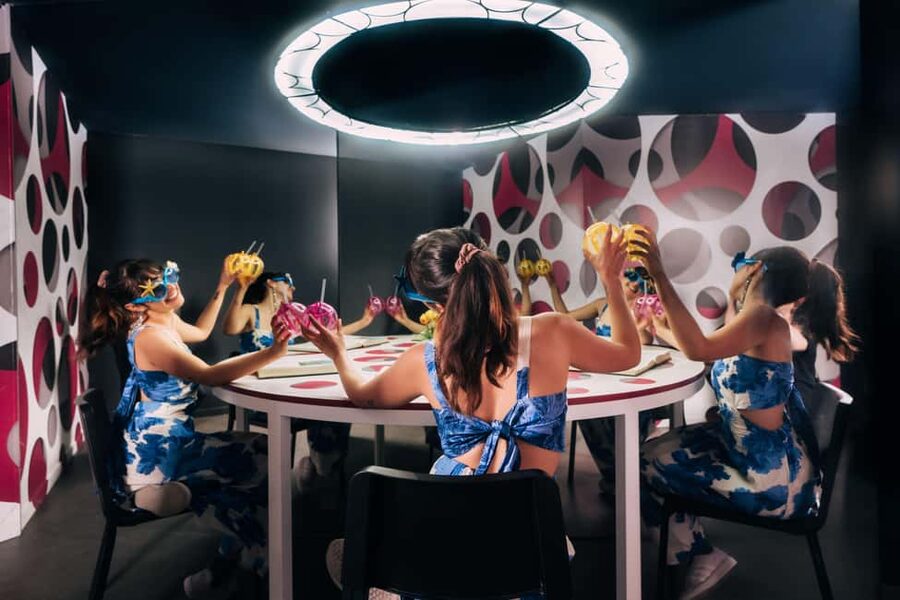
- Ninety optical illusions: The museum has one of the largest collections of paradox-based exhibits, with displays built to confuse your eyes and challenge your assumptions.
- A one-way route: You follow signs through a maze-like sequence, so the visit feels organized rather than like a room full of unrelated installations.
- Photo points at each trick: Marked spots help you find the right camera angle for forced perspective and other visual effects.
- Science alongside the fun: Exhibits explain what to do and why the illusion works, with QR codes offering extra information.
- About 90 minutes inside: The listed duration is 84 minutes, while the average visit is around 90 minutes.
- A final stop at the boutique: The shop sells paradox-themed games, clothing, accessories, and souvenirs, and the museum also includes access to its café.
What the Paradox Museum Paris actually offers

The Paradox Museum is not a traditional art museum built around paintings, dates, and quiet galleries. It is a modern experience built around optical effects, physical participation, and photographs. You do not simply look at the exhibits. You step into them, follow instructions, change your viewpoint, and see how your brain tries to make sense of something that cannot be happening.
That active format is the reason I think this works well for families. A seven-year-old can enjoy the visual jokes without needing a lesson in perception, while an adult can read the explanations and think about why the image fooled the eye. The activity also suits groups of friends, couples, and anyone who likes taking unusual holiday photos.
The museum describes itself as the world’s largest collection devoted to paradox-based exhibits. The important point for you is less the title and more the variety. You get 90 separate chances to see perspective, balance, scale, and visual logic behave in unexpected ways.
More Museum Tours in Paris:
- Paris: Louvre Museum Timed-Entrance Ticket
★ 4.6 · 71,977 reviews - Louvre Museum Masterpieces Guided Tour with Access
★ 4.5 · 12,023 reviews - Paris: Louvre Museum Entry Ticket With Host and River Cruise
★ 4.6 · 9,926 reviews
Starting the one-way maze
After check-in, you follow signs into a one-way flow through the museum. That arrangement matters. It keeps you moving in a planned direction and helps you see the full collection without having to guess which room comes next.
The route is described as a maze of illusions, but it is not presented as a confusing free-for-all. Each display tells you what to do, and the marked photo positions make it easier to understand how the trick is meant to work. You can stop, try the effect, take pictures, and then continue to the next section.
I like this setup because it removes some of the usual frustration found in interactive museums. You do not need to invent the activity yourself. The instructions give you a starting point, and the photo markers help you produce a clear result rather than a random snapshot.
The tradeoff is that the one-way flow can feel slow if several people stop at the same popular exhibit. One family described the possibility of a lot of waiting during busy periods, especially when people are taking photos. If you visit at a crowded time, patience becomes part of the experience.
How the 90 illusions work
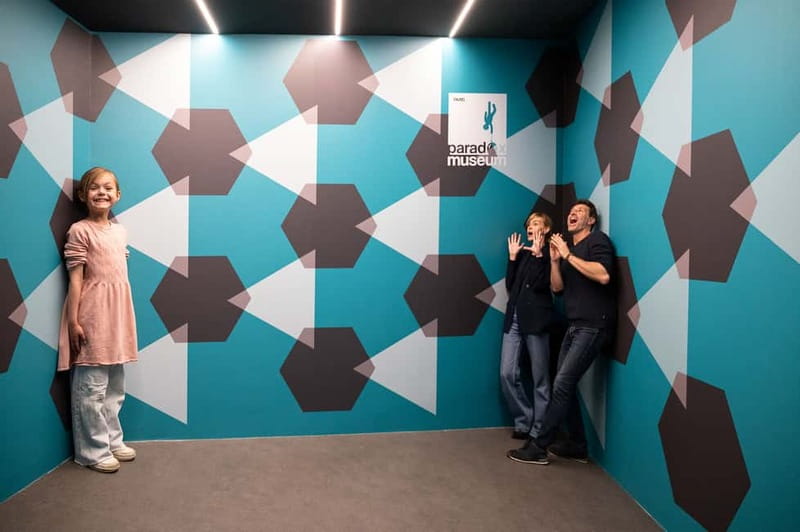
The exhibits are designed around paradoxes and optical illusions, so your first reaction may be visual surprise. You might appear to change size, stand at an impossible angle, or become part of a scene that does not behave like an ordinary room. The exact effect varies from display to display, but the common theme is that your viewpoint controls the result.
The best way to approach each exhibit is simple:
- Read the short instruction before stepping in.
- Find the marked place for the photo or video.
- Try the illusion first, then look at the explanation.
- Scan the QR code if you want more information.
- Ask a staff member for help if you need someone to take a group picture.
This order keeps the surprise intact. If you study the explanation before trying the trick, you may understand the mechanics but lose some of the fun. Children, in particular, usually benefit from trying the display first and asking questions afterward.
The educational side is useful because the museum does not leave you with only a funny photo. Descriptions explain what is happening and why your eyes and brain interpret the scene in a particular way. The QR codes provide extra material for anyone who wants more than a quick walk through the displays.
Taking better photos at each display
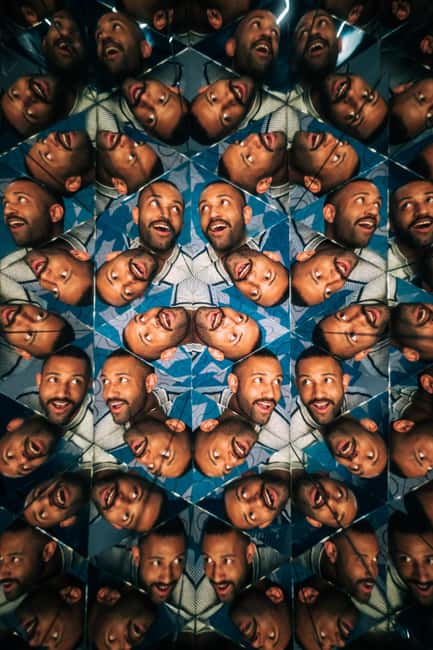
Photography is a major part of the visit, not a small extra. The museum marks photo points so you know where to place the camera or stand. That guidance helps you get the intended effect without spending ten minutes moving around and wondering why the picture looks ordinary.
You should still expect to do a little experimenting. The marked position gives you the correct starting angle, but group size, height, and the person taking the photo can affect the result. Staff can help with group pictures, but they are not present at every exhibit. If you are visiting alone, you may find some displays less convenient.
The most useful phone setting is simply a camera you can operate quickly. Since the route is shared with other people, you will want to take your shot without blocking the display for too long. Short videos may also work well for illusions that depend on movement, though the supplied information specifically highlights both photos and videos rather than promising a particular type of exhibit.
I like that the museum provides a clear reason to participate. You are not just photographing a decorated wall. You are creating a visual joke or a puzzle that makes sense only from one position. That gives the pictures more value after the visit.
A few more Paris trips worth weighing up
- Disneyland® Paris 1-Day Ticket
★ 4.6 · 49,412 reviews - Paris: Versailles Palace and Gardens Full Access Ticket
★ 4.6 · 41,579 reviews - Paris: Evening River Cruise with Music
★ 4.4 · 22,721 reviews - Paris: Eiffel Tower Entry Ticket with Optional Summit Access
★ 4.4 · 20,035 reviews
Learning the science without turning it into school
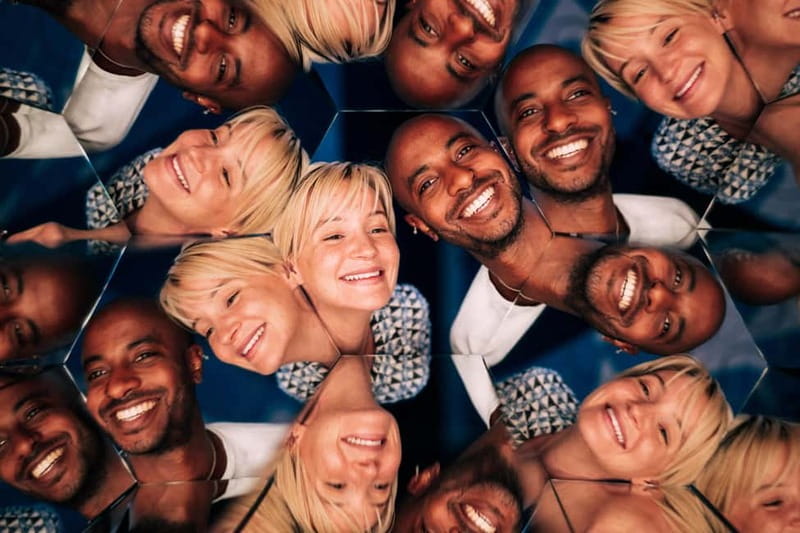
Every exhibit includes basic guidance on what to do and what is going on. This keeps the educational material accessible. You do not need prior knowledge of psychology or physics to enjoy the displays, and you can choose how much explanation you want.
For adults, the science adds a useful second layer. An illusion may first look like a clever set, but the explanation helps you understand how perspective, visual cues, and expectation shape what you see. For children, the museum can prompt good questions about why the brain fills in missing information or trusts an image that is not telling the full story.
The QR codes are a nice option for people who want more detail. You can skip them and keep moving, or scan them when an exhibit catches your attention. That flexibility helps the museum serve different ages and attention spans in the same group.
This is not a guided tour in the usual sense. There is no named guide leading a group from stop to stop. The museum provides signs, instructions, written explanations, QR codes, and staff assistance when available. One useful criticism is that some people may want more help at individual displays, especially when they are visiting without a guide or staff member nearby.
How long the visit takes

The listed duration is 84 minutes, and the average time inside is about 90 minutes. That makes the Paradox Museum easy to fit into a Paris day. You can plan it as a compact indoor activity rather than giving it half a day.
Your actual time will depend on crowd levels and how many photos you take. A fast visit could move through the exhibits close to the advertised duration. A family that stops for several attempts at each illusion may need longer, especially when waiting for a display to open up.
The final entry is at 6 p.m., two hours before closing. Do not arrive just before that cutoff and expect a relaxed visit. You will get more from the museum if you allow enough time to complete the one-way route rather than rushing through the last section.
The small-group information lists groups limited to 10 participants. That is useful for a booked activity, though the photo stations can still become busy when several parties reach the same exhibit. If avoiding waits matters to you, choose a time with better availability and avoid assuming that every stop will be empty.
Is the $33 ticket good value?
At $33 per person, this is not a bargain attraction in the way a free city square or ordinary public gallery might be. The value depends on how actively you use it. If you rush through, take a few pictures, and leave after a short time, the price may feel high. If you try most of the 90 illusions, read the explanations, and keep the photos, the ticket makes more sense.
You are paying for an interactive activity rather than a passive collection. The museum gives you access to the exhibits, the café, and the boutique, so you can finish with a drink or browse for a souvenir without paying a separate entry fee for those areas.
I also think the price works better for a family than for someone seeking a quiet cultural visit. Children can participate at nearly every stage, and adults do not have to invent ways to keep them interested. The experience is also weatherproof, which can matter on a rainy Paris afternoon.
The strongest value comes from the combination of fun and repeatable photo moments. You leave with images that are different from standard monument pictures, and the science explanations give the visit more substance than a simple selfie stop. Still, you should know what you are buying: this is modern experiential entertainment, not a major art collection.
Who will enjoy this most
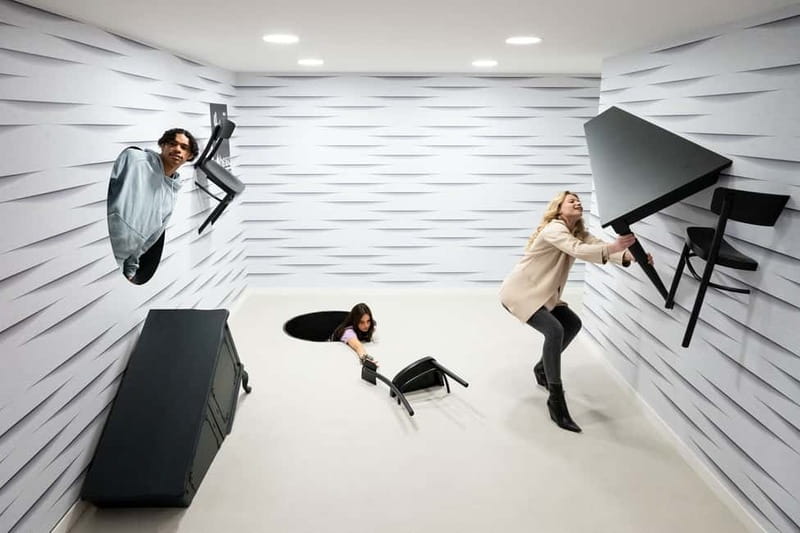
I would recommend the Paradox Museum to families with school-age children, couples who like playful photo opportunities, and groups of friends who enjoy trying something together. The museum works especially well when everyone is willing to participate instead of standing back and watching one person do the trick.
It is also a good choice for mixed-age groups. A child can react to the visual effect, a teenager can focus on the photos, and an adult can read the science. The staff’s willingness to help with group pictures adds to that shared quality.
You may enjoy it less if you prefer silent galleries, long historical explanations, or a self-paced collection with no waiting at interactive displays. The route is designed around participation, and the most popular exhibits can require patience.
The museum is wheelchair accessible, which makes it a practical option for many visitors with mobility needs. It is not suitable for people with epilepsy, so that restriction deserves attention before you book.
Ending at the Paradox Boutique and café
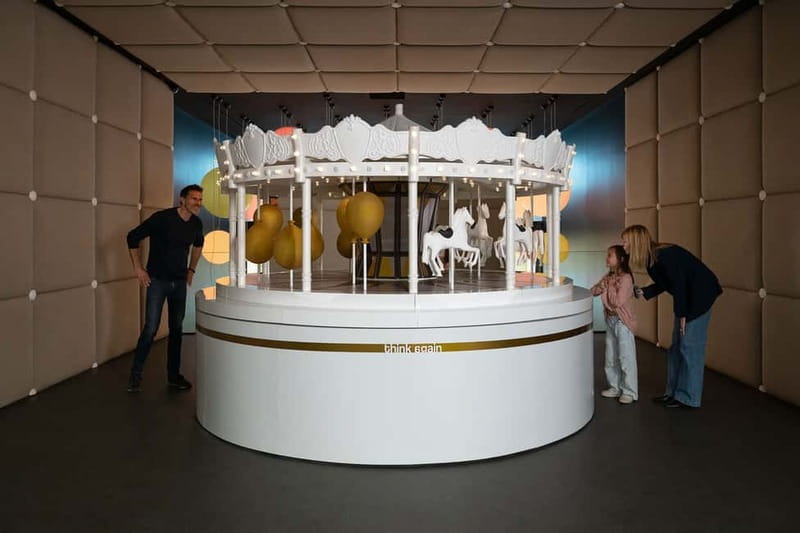
The route finishes at the Paradox Boutique, where you can find games, clothing, accessories, and souvenirs carrying the same visual theme as the museum. A useful detail from the available experience is that the shop was considered reasonably priced, so you do not have to assume every item is an inflated museum souvenir.
The boutique is a sensible final stop because it lets you carry the idea of the museum beyond the last exhibit. A paradox-themed game may suit a family, while clothing or small accessories can work as a lighter reminder of the visit.
Access to the café is included as part of the museum visit. The supplied information does not give a full café menu, so I would treat it as a convenient place to pause rather than plan a meal around it.
Practical tips for a smoother visit
Book a time that gives you room to stay for the full 84 to 90 minutes. The museum is more enjoyable when you can try each display properly instead of watching the clock.
Keep your phone ready, but do not let the camera replace the experience. Try the illusion with your own eyes first, then take the picture from the marked point.
If you are with a group, decide who will take photos before you enter the busiest part of the route. Staff may help, but they are not posted at every station, and a simple plan avoids missed shots.
Read the exhibit text after trying the illusion. The explanations and QR codes are where much of the museum’s educational value appears.
Leave extra time if you are visiting with children. The route may take longer when they want a second or third attempt, and waiting at a popular display can slow the pace.
The museum offers English and French support, including hosts or greeters in those languages. That makes the basic instructions and staff assistance easier to use for many international visitors.
Should you book the Paradox Museum Paris?
Book it if you want an indoor Paris activity that is playful, photo-friendly, and easy to fit into a short block of time. I think the strongest reasons are the large number of hands-on illusions, the clear photo points, and the explanations that give the tricks some educational value.
Think twice if $33 feels high for an attraction built mainly around visual effects, or if you dislike waiting for interactive displays. The museum is best when you approach it as shared entertainment, not as a substitute for Paris’s historic museums.
For families, the ticket can be good value because children and adults can enjoy the same exhibits in different ways. For couples and friends, it offers unusual pictures and plenty of chances to laugh at your own unreliable eyes. Choose a time with good availability, allow about 90 minutes, and plan to finish at the boutique before returning to the city.
FAQ
How long does the Paradox Museum Paris visit take?
The listed duration is 84 minutes, and the average visit takes around 90 minutes. Your visit may take longer if you spend extra time taking photos or waiting at busy exhibits.
How many exhibits are at the museum?
The museum has 90 different optical illusions and paradox-based exhibits.
Can I take photos and videos inside?
Yes. The experience is designed for photos and videos, and marked photo points show you the best angle for many illusions.
Will staff help take group photos?
Staff can help with group photos, but they are not stationed at every exhibit. You may need to take some pictures without staff assistance.
Is the museum wheelchair accessible?
Yes, the activity is listed as wheelchair accessible.
Is the Paradox Museum suitable for people with epilepsy?
No. The activity is listed as unsuitable for people with epilepsy.
What languages are available?
Hosts and greeters are available in English and French, and the museum information is provided in those languages.
Recently added around Paris
- Private Half-Day Guided Tour of Paris★ 4.5 · 48 reviews
- 2 hour outdoor group activity in Paris: SAINT GERMAIN★ 5.0 · 48 reviews
- Paris Dinner Show Opera Bel Canto★ 4.5 · 48 reviews
- Paris Vintage Tour by Night on a Sidecar with Champagne★ 5.0 · 48 reviews
- Secrets & Scandals of the Louvre – Limited to 6 Guests★ 5.0 · 48 reviews
- Paris Photoshoot: Eiffel Tower Exclusive Private Experience★ 5.0 · 48 reviews
- Paris: Louvre Mona Lisa Discovery Guided Tour with Ticket★ 4.9 · 48 reviews
- From Paris: Versailles Full-Day Guided Tour with Lunch★ 4.9 · 48 reviews
Museums, compared.
Louvre Museum Masterpieces Guided Tour with Access
Read our review →
Paris: Louvre Museum Entry Ticket With Host and River Cruise
Read our review →
Les Invalides: Napoleon’s Tomb & Army Museum Entry
Read our review →
Louvre Museum – Exclusive Guided Tour (Entry Included)
Read our review →
Paris: Louvre Museum Hosted Entry and Mona Lisa Audioguide
Read our review →
Paris: Louvre Museum Tour Mona Lisa & Iconic Masterpieces
Read our review →
Browse the lists this tour appears in