
Reviewed · COOKING CLASSES
Paris Pastry Tour – Croissants, Macarons & Iconic French Desserts
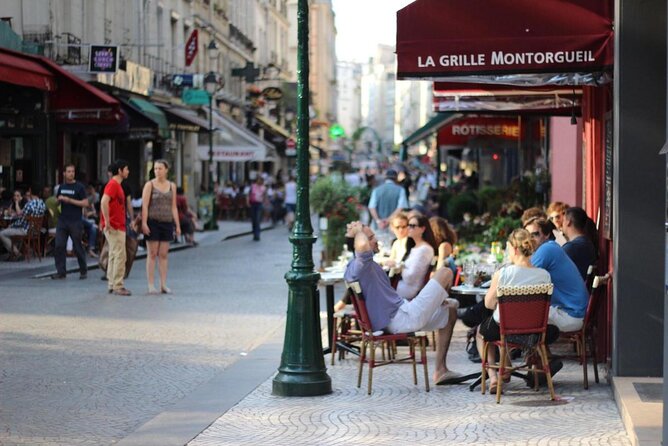
Paris tastes better on foot. This 2.5-hour pastry tour pairs generous samples with the covered passages and streets around the Marais and Quartier Montorgueil. I like the small maximum of 10 people, which keeps the walk personal, and I like the mix of independent shops, chocolate, crêpes, and classic pastries rather than one long bakery stop. The main consideration is the $95.58 price, which is fair only if you value the guide’s food knowledge and neighborhood stories as much as the sweets.
You should arrive hungry. The portions can be surprisingly large, and the tasting list may include a pain au chocolat, seasonal cake, bean-to-bar chocolate, crêpe with cider, macaron, and other French treats. Guides such as Alice, Sam, Vanessa, Davide, Emily, and Julia have earned especially warm praise for making the food, local customs, and Parisian history easy to follow.
In This Review
- Key points to know before booking
- Why this Paris pastry walk is worth considering
- Starting at Victoire Boulangerie with pain au chocolat
- A seasonal cake inside Le Valentin Jouffroy
- Walking through Passage Jouffroy, Verdeau, and Panoramas
- Chocolate at PLAQ, with a darker edge
- A Breton crêpe and apple cider at Le Comptoir du Commerce
- Finishing with a macaron at Jeffrey Cagnes Paris 2ème
- What the $95.58 price really covers
- The guides make the difference
- Pace, families, and dietary restrictions
- Useful timing and meeting details
- Should you book this Paris pastry tour?
- FAQ
- How long does the Paris pastry tour last?
- What is the price per person?
- Where does the tour begin?
- Where does the tour end?
- Is the tour conducted in English?
- How many people are in the group?
- How much walking is involved?
- What foods are included?
- Can people with dietary restrictions join?
- Are hotel pickup and drop-off included?
Key points to know before booking
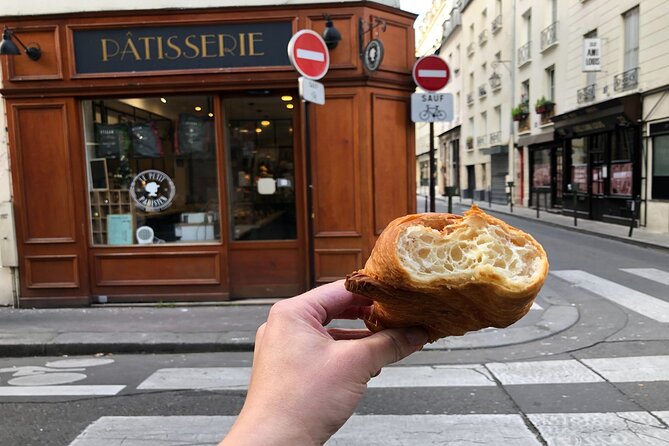
- Start with a full pain au chocolat: Victoire Boulangerie serves a buttery, flaky pastry early in the walk, so do not eat a large breakfast first.
- Explore three historic passages: Passage Jouffroy, Passage Verdeau, and Passage des Panoramas add architecture and photo stops between tastings.
- Expect more than tiny samples: Several tastings are full portions, including substantial pastries and a proper crêpe.
- Small groups improve the experience: With no more than 10 people, it is easier to hear the guide and ask questions.
- The tour ends near Montorgueil: You finish at 3 Rue Bachaumont, a useful spot for continuing your own Paris walk.
- Dietary limits matter: The experience is suitable for vegetarians and pescatarians, but not for vegans, people avoiding gluten, or those with serious nut allergies.
Why this Paris pastry walk is worth considering
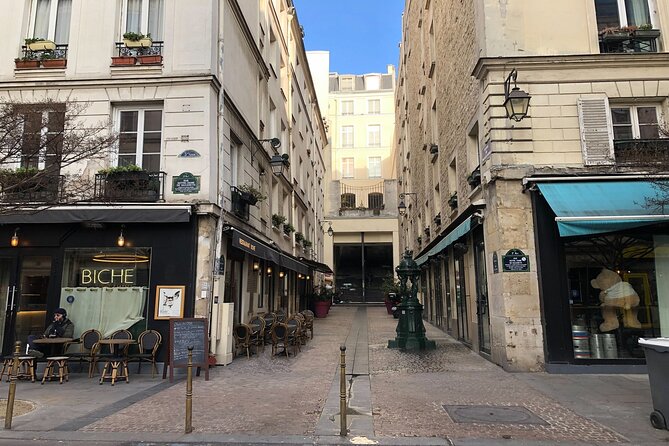
Paris has no shortage of pastry shops. The problem is choosing among them. You can spend half a morning crossing the city for a croissant that turns out to be ordinary, or you can join a compact walk that gives you several tastings and a guide to explain what you are eating.
That is the appeal here. The tour is not only about sugar. You move through central Paris, enter old arcades, see local businesses, and learn why French food customs work the way they do. Guides have explained subjects such as ordering coffee, making chocolate, preparing baguettes, and the etiquette of French restaurants.
I especially like the balance between seated food stops and short walks. You are not marching from bakery to bakery with a pastry in hand the entire time. The passages give your palate a break and add a bit of architectural sightseeing.
The tour is offered in English and has a maximum of 10 people. That is a useful size for a food tour. You get enough conversation to make the group sociable, but not so many people that you feel part of a queue.
More Cooking Classes in Paris:
- Paris: Montmartre Cheese, Wine & Pastry Guided Walking Tour
★ 4.8 · 2,255 reviews - Paris Cooking Class and Lunch with Wine plus Market Visit Option
★ 5.0 · 1,024 reviews - Paris Croissant Small-Group Baking Class with a Chef
★ 5.0 · 910 reviews
Starting at Victoire Boulangerie with pain au chocolat
The tour begins at 34 Rue du Faubourg Montmartre, at Victoire Boulangerie. This first stop sets a high bar: you receive the bakery’s pain au chocolat, praised for its flaky texture and balanced flavor.
Starting with a whole pastry is both generous and practical. You get an immediate taste of French baking, not a crumb-sized nibble designed only for show. It also means you should plan your morning carefully. A heavy breakfast will make the later stops harder to enjoy.
This is a good place to pay attention to texture. A proper pain au chocolat should have crisp layers outside and soft pastry around the chocolate inside. The guide can add context that you would miss if you simply grabbed one from a bakery counter and hurried away.
The stop lasts about 25 minutes, including the tasting. It is not a long class, so you should not expect to make pastry yourself. The value comes from tasting a respected local bakery and setting the food theme for the walk.
A seasonal cake inside Le Valentin Jouffroy
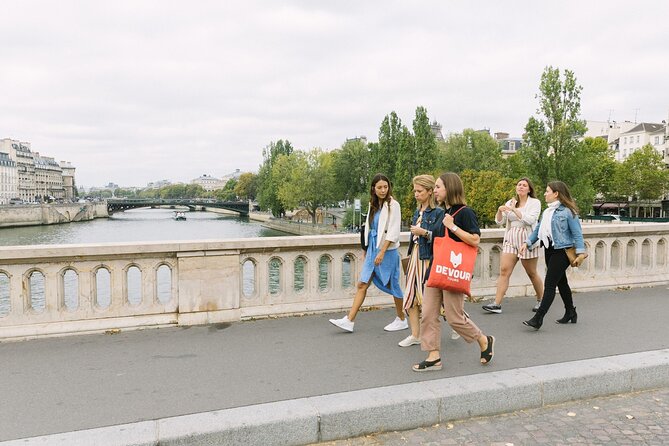
A few steps away, Le Valentin Jouffroy offers a change of pace. This family-run tea salon has operated for more than 20 years and sits inside one of Paris’s historic covered passages.
Here you taste a freshly made seasonal cake. The exact choice can vary, but examples include a fraisier, with strawberries and cream, or a Mont Blanc, a chestnut-based dessert with a smooth, rich texture. That seasonal element is important. You are not simply receiving the same fixed factory-made item on every departure.
The tea salon also gives you a chance to sit and look around. Covered passages were built as sheltered shopping arcades, with glass roofs and decorative details that make them feel unlike ordinary streets. This stop connects the pastry to the setting, which is one of the tour’s strongest ideas.
Allow about 30 minutes here. If you prefer only crisp pastries, a soft cake may be less exciting than the opening pain au chocolat. Still, the contrast makes the tasting more interesting.
Walking through Passage Jouffroy, Verdeau, and Panoramas
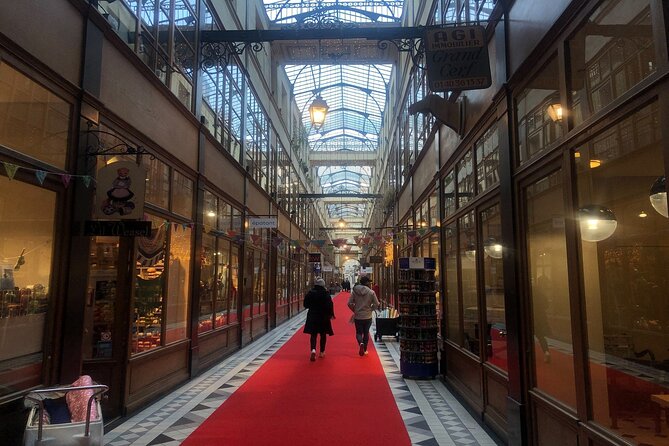
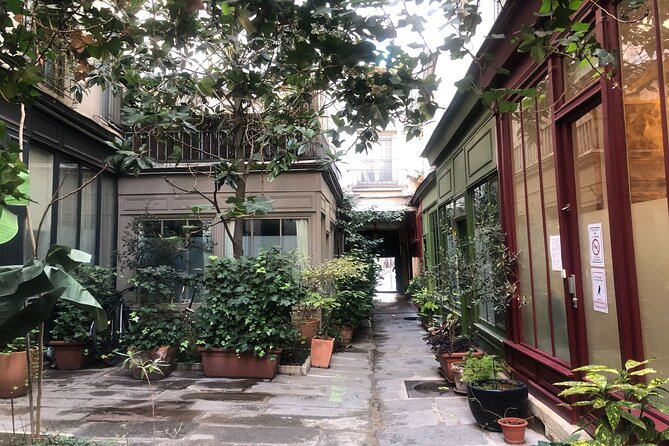
The walking section visits three passages: Passage Jouffroy, Passage Verdeau, and Passage des Panoramas. Together, they provide a pleasant pause between food stops and a look at a quieter side of central Paris.
Passage Jouffroy is the first major stop. The guided history walk is described as lasting about 20 minutes, although the listed timing for the stop is shorter. In practical terms, you should expect a brief introduction rather than a full architectural lecture.
Passage Verdeau follows. Its glass roof and elegant arcade connect two busy Paris streets, yet the atmosphere feels more sheltered. This is the sort of place you could easily miss if you stayed on the main roads.
Passage des Panoramas is the final passage before more sweets. It contains local shops and gives you more chances for photographs. Bring a phone or camera, but keep it put away when the guide is speaking. The passages are part of the experience, not simply background scenery for food pictures.
The walking distance is about 1.7 kilometers, or just under one mile. That is manageable for most people at a moderate pace, though the stops involve standing and moving between businesses. Comfortable shoes are a sensible choice.
A few more Paris trips worth weighing up
- Paris: Louvre Museum Timed-Entrance Ticket
★ 4.6 · 71,977 reviews - Disneyland® Paris 1-Day Ticket
★ 4.6 · 49,412 reviews - Paris: Versailles Palace and Gardens Full Access Ticket
★ 4.6 · 41,579 reviews - Paris: Evening River Cruise with Music
★ 4.4 · 22,721 reviews
Chocolate at PLAQ, with a darker edge
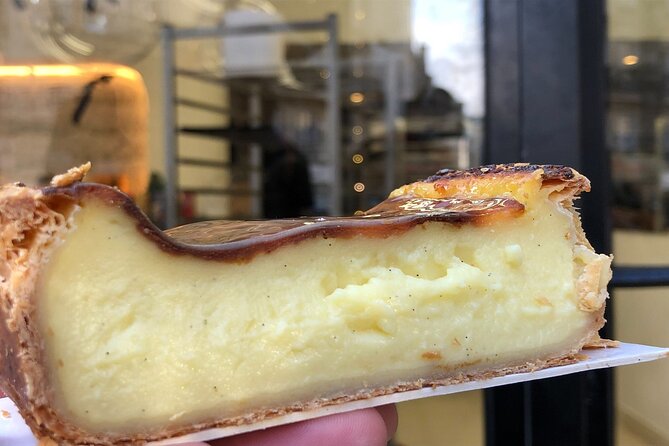
At PLAQ Chocolat, you enter a bean-to-bar chocolate shop and taste handmade creations. The smell of chocolate hits you as you enter, which is exactly the sort of small sensory detail that makes a food walk memorable.
Bean-to-bar means the shop works from cacao beans through the chocolate-making process, rather than simply selling finished products from a large supplier. You can expect the guide to explain some of that work and to point out differences in flavor and texture.
This stop may appeal most to serious chocolate fans. One tasting account particularly favored the chocolate, while noting that dark chocolate lovers may appreciate it more than people who prefer very sweet milk chocolate. That is a useful warning. The sample is not necessarily a candy-style treat.
The stop takes about 15 minutes. It is short, but it breaks up the pastries with a more concentrated flavor. It also adds a craft-food angle to a tour that could otherwise be only about famous French desserts.
A Breton crêpe and apple cider at Le Comptoir du Commerce
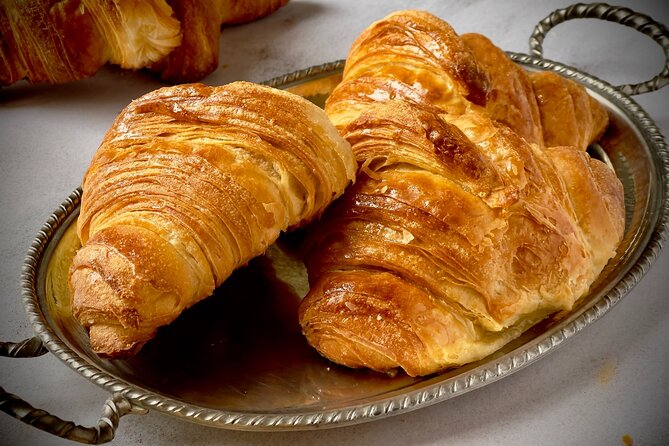
The crêperie stop brings Brittany into the Paris route. At Le Comptoir du Commerce, you taste a traditional French crêpe with a glass of apple cider.
This is one of the tour’s more substantial moments. A crêpe is not just a bite of pastry, and the cider gives you a savory or tart counterpoint to the sweeter foods. Several people have singled out the crêpe as a favorite, which makes sense: it offers a different shape, temperature, and flavor from the bakery items.
You spend about 30 minutes here. That creates a more relaxed break and helps prevent the tour from feeling like a rushed series of counter visits.
You should ask the guide about the distinction between French crêpes and the buckwheat galettes also associated with Brittany if the subject comes up. The supplied details promise a traditional French crêpe, but they do not specify the filling, so do not book this expecting a particular flavor combination.
Finishing with a macaron at Jeffrey Cagnes Paris 2ème
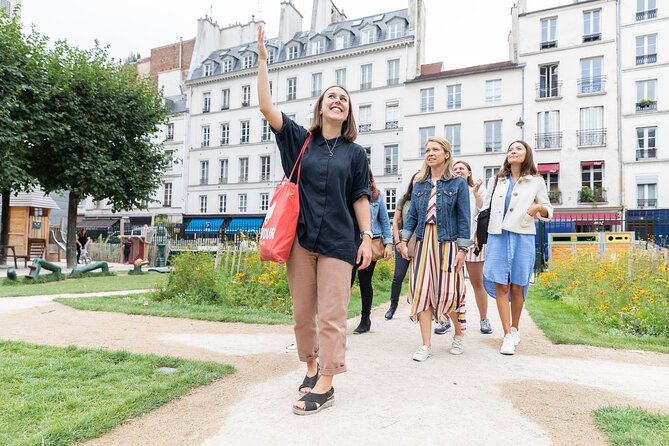
The final stop is Jeffrey Cagnes Paris 2ème, a modern pastry shop that gives French classics a contemporary touch. You finish with a macaron, the colorful almond-meringue sandwich that many people associate with Paris.
This closing stop makes sense after the heavier foods. A macaron is small, neat, and easy to enjoy at the end, even when you are already quite full. The shop’s modern approach also contrasts with the traditional bakery and old tea salon earlier in the route.
The stop lasts around 30 minutes. You may receive additional explanation about the pastry and the chef’s style, but the confirmed tasting is a macaron. Menus can change, so you should not assume that every departure includes the exact same flavor.
The full route includes six or more tastings. Depending on the day and the planned portions, you may sample more than the core list suggests. Past food combinations have included croissants, éclairs, macarons, crêpes, cake, and chocolate, but the fixed details specifically identify the pain au chocolat, seasonal cake, chocolate, crêpe with cider, and macaron.
What the $95.58 price really covers
At $95.58 per person, this is not a cheap way to buy pastries. If your only goal is to eat a croissant and macaron, you can spend far less at neighborhood bakeries.
The price becomes easier to justify when you count the whole package: six or more tastings, a small English-speaking group, a guided walk through three covered passages, and explanations about French food and city customs. You are paying for access, selection, and interpretation, not just ingredients.
Portions are another part of the calculation. The food is not always a token sample. You may receive a whole pastry or a generous serving, so the tour can replace breakfast and perhaps much of lunch. One useful tip is simple: come hungry.
I would call the price reasonable for a first visit to Paris, especially if you want a food-focused introduction without spending time researching each stop. Repeat visitors may be more selective. If you already know your favorite bakeries and prefer wandering alone, the guided format may not provide enough extra value.
The guides make the difference
The strongest part of this experience is the guide. Alice is praised for mixing history, food information, and humor, while Sam is remembered for taking groups to smaller, less tourist-filled places and explaining French pastries in a friendly way.
Vanessa has been especially effective at connecting food with art, local customs, champagne, chocolate, and baguette-making. Davide has been described as warm, attentive, and able to make the experience feel almost private. Emily has also been praised for her easy rapport and good selection of food shops, while Julia has guided repeat customers through Marais tastings and local history.
You cannot choose the guide listed for your departure from the information provided, so treat these names as examples of the tour’s guide style rather than a promise. The consistent pattern is clear: the best part is not only what you eat, but how the guide explains it.
A good guide also helps with practical Paris skills. Advice about ordering coffee or understanding restaurant habits can serve you for the rest of your trip. That kind of information is more useful than a string of dates and architectural facts.
Pace, families, and dietary restrictions
The route covers just under one mile, with a moderate walking pace. That makes it manageable for many people, including families and older children. Teenagers and 13-year-olds have enjoyed the combination of sweets, short walks, and unusual passageways.
You should still expect to stand and walk between stops. If you have a mobility impairment or use a wheelchair, contact the provider’s Guest Experience team when booking so arrangements can be made. The tour is adaptable for vegetarians and pescatarians.
This is not a suitable choice for vegans, people who need gluten-free food, or anyone with a serious nut allergy. Almonds, hazelnuts, and pecans are present, although peanuts are not used. Anyone with a serious allergy must sign a waiver at the start, and people with dietary restrictions should email the provider after booking so ingredients can be discussed.
Do not treat this as a tour where you can simply remove one ingredient at the last minute. French pastries rely heavily on wheat, butter, eggs, and nuts. If you have strict requirements, another food experience will be safer and more satisfying.
Useful timing and meeting details
The tour begins at 34 Rue du Faubourg Montmartre, 75009 Paris, and ends at 3 Rue Bachaumont, 75002 Paris. The route is near public transportation, but hotel pickup and drop-off are not included.
The end point is useful. You can continue exploring the surrounding central streets, find your own lunch, or use public transport from there. Since the experience lasts about two and a half hours, it fits well in a morning or early afternoon plan.
Arrive ready to walk and eat. The tour is conducted in English, confirmation is provided at booking, and the maximum group size is 10. Free cancellation is available up to 24 hours before the start time. Changes or cancellations inside that window are not accepted for a refund.
Should you book this Paris pastry tour?
I would book this tour if you want a friendly introduction to French sweets, prefer a small group, and like your sightseeing with food attached. It is particularly good for first-time Paris visitors, families with older children, and repeat visitors who want to explore covered passages and independent businesses beyond the usual monuments.
I would skip it if you are vegan, gluten-free, seriously allergic to nuts, or mainly want the lowest possible food price. I would also think twice if you dislike sweet foods or cannot manage a moderate walking pace.
For everyone else, the best plan is to skip breakfast, wear comfortable shoes, and arrive curious. The pastries are the hook, but the real value is learning how to read Paris through its bakeries, tea salons, chocolate shops, crêperies, and old arcades.
FAQ
How long does the Paris pastry tour last?
The tour lasts approximately 2 hours and 30 minutes.
What is the price per person?
The listed price is $95.58 per person.
Where does the tour begin?
The meeting point is 34 Rue du Faubourg Montmartre, 75009 Paris, France.
Where does the tour end?
The tour ends at 3 Rue Bachaumont, 75002 Paris, France.
Is the tour conducted in English?
Yes. The tour is offered in English with a local English-speaking guide.
How many people are in the group?
The maximum group size is 10 people.
How much walking is involved?
The route includes about 1.7 kilometers, or just under one mile, of walking at a moderate pace.
What foods are included?
The experience includes six or more food tastings. Foods listed include pain au chocolat, seasonal cake, bean-to-bar chocolate, a French crêpe with apple cider, and a macaron.
Can people with dietary restrictions join?
The tour can adapt for vegetarians and pescatarians. It is not recommended for vegans, people requiring gluten-free food, or people who need to avoid nuts.
Are hotel pickup and drop-off included?
No. You must make your own way to the meeting point and from the ending point.
Recently added around Paris
- Private Half-Day Guided Tour of Paris★ 4.5 · 48 reviews
- 2 hour outdoor group activity in Paris: SAINT GERMAIN★ 5.0 · 48 reviews
- Paris Dinner Show Opera Bel Canto★ 4.5 · 48 reviews
- Paris Vintage Tour by Night on a Sidecar with Champagne★ 5.0 · 48 reviews
- Secrets & Scandals of the Louvre – Limited to 6 Guests★ 5.0 · 48 reviews
- Paris Photoshoot: Eiffel Tower Exclusive Private Experience★ 5.0 · 48 reviews
- From Paris: Versailles Full-Day Guided Tour with Lunch★ 4.9 · 48 reviews
- Paris: Louvre Mona Lisa Discovery Guided Tour with Ticket★ 4.9 · 48 reviews
Cooking Classes, compared.

Paris: Montmartre Cheese, Wine & Pastry Guided Walking Tour
Read our review →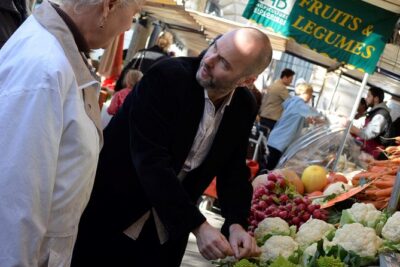
Paris Cooking Class and Lunch with Wine plus Market Visit Option
Read our review →
Paris Croissant Small-Group Baking Class with a Chef
Read our review →
Paris: French Croissant Baking Class with a Chef
Read our review →
Paris Cooking Class: Learn How to Make Macarons
Read our review →
A Morning in Paris Food Tour: Croissants, Baguettes & Chocolate
Read our review →Browse the lists this tour appears in