
Reviewed · WINE TOURS IN BORDEAUX
Saint-Émilion: Vineyard Walking Tour and Tasting
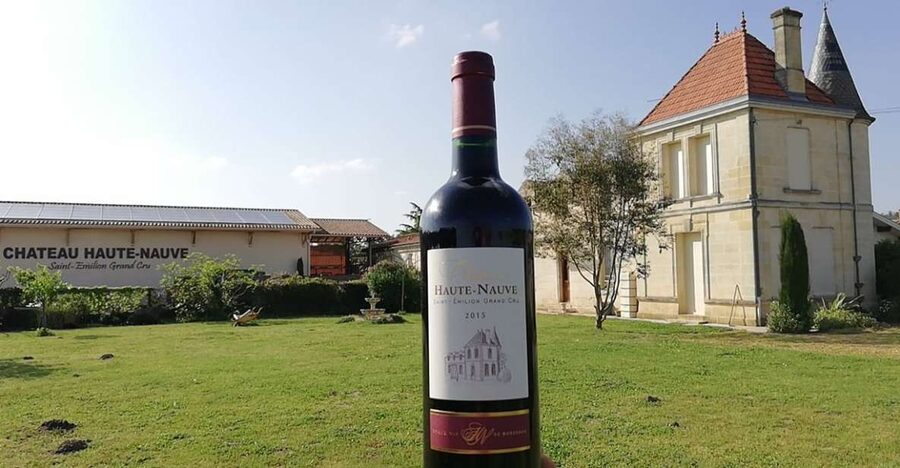
Wine makes more sense among the vines. This two-hour visit to Château Haute-Nauve gives you a close look at a fourth-generation family winery, from frost worries and vine care to fermentation tanks and oak barrels. I especially like the personal guidance from Florent or Marie-Anne and the chance to taste four estate wines, including two Grand Cru wines, without paying a steep tour price. The main drawback is practical: the château is about 3 kilometers from Saint-Émilion, and arriving by car is strongly recommended.
This is not a grand château spectacle with a polished script and crowds moving in single file. It is a small, direct introduction to working wine country. I like that the tour spends real time outdoors, then shows the machinery and cellar work that turn grapes into wine. Weather matters, and the vineyard walk can be less appealing in rain or strong heat, so wear sensible shoes and check the forecast.
In This Review
- Key points at a glance
- A family winery just outside Saint-Émilion
- Walking among the Saint-Émilion vines
- From harvested grapes to fermentation tanks
- Aging wine in the barrel cellar
- Four wines, including two Grand Cru bottles
- Why the $29 price works well
- How the two hours feel
- Who will enjoy Château Haute-Nauve most?
- Practical advice before you go
- Should you book this Saint-Émilion wine tour?
- FAQ
- How long does the Château Haute-Nauve tour last?
- How much does the experience cost?
- How many wines are included in the tasting?
- Who leads the tour?
- Is the tour available in English?
- How do I reach Château Haute-Nauve?
- Is the experience wheelchair accessible?
- What should I bring?
Key points at a glance
- Fourth-generation family welcome: Florent or Marie-Anne leads the visit and brings a personal connection to the property.
- A full grape-to-bottle lesson: You see the vines, vinification cellar, fermentation equipment, pumping and pressing systems, and barrel cellar.
- Four wines included: The tasting covers four Château Haute-Nauve wines, with two carrying Grand Cru appellations.
- Small groups, up to 10 people: The limited size leaves room for questions and a more relaxed conversation.
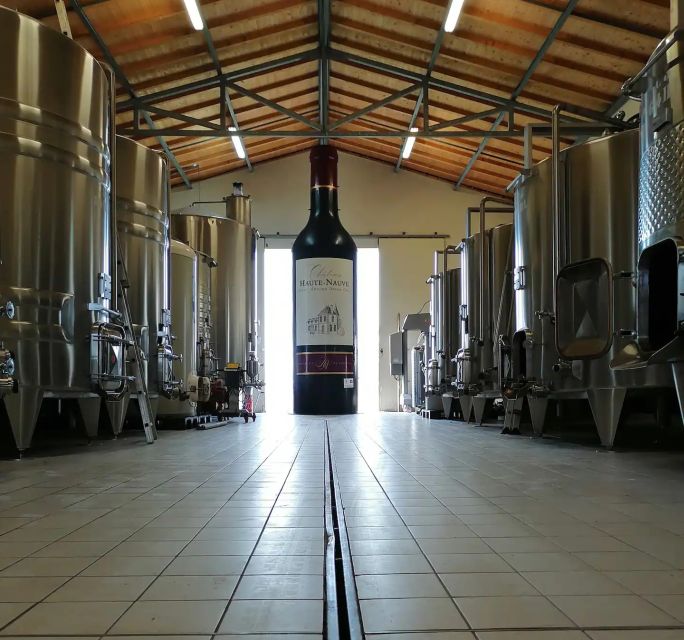
- Unusual vineyard details: Look for the wind turbine and the enormous 6-meter wine bottle, which also serves as a heater.
- Easy to pair with Saint-Émilion: The estate is close to the village, but transport is not included and driving is the safest plan.
A family winery just outside Saint-Émilion
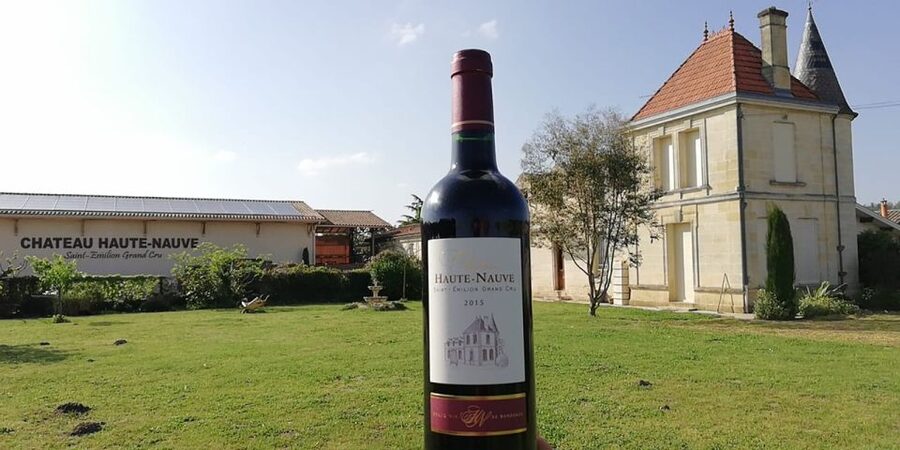
Château Haute-Nauve sits in the Saint-Émilion appellation, roughly 3 kilometers from the famous hilltop village. You meet inside the château, at the large building with solar panels. The car park is near the purple Château Haute-Nauve sign.
That location gives you a useful choice. You can visit the medieval village first, then head out to the estate for a quieter afternoon among the vines. Or you can begin at the château and return to Saint-Émilion afterward. The tour does not include transport, so plan this part before booking. The company recommends arriving by car.
The family connection shapes the whole visit. This is a fourth-generation operation, and the guide is not simply repeating a regional script. Florent, in particular, is often the person leading the tour, while Marie-Anne may also guide the visit. Their connection to the land makes the explanations practical: you hear about the work required in different seasons, not just the pleasant parts of vineyard life.
The atmosphere is friendly and informal. Several groups have found that Florent uses humor and makes an effort to include people from different countries. That helps if your party includes both serious wine drinkers and people who are simply curious. You do not need a technical wine background to follow the tour.
More Food Tours in Bordeaux
- Bordeaux: Cité du Vin Entry Ticket and Wine Tasting
★ 4.6 · 3,885 reviews - From Bordeaux: Afternoon Saint-Emilion Wine Tasting & snack
★ 4.8 · 1,581 reviews - Medoc or Saint Emilion Wine Tasting and Chateau from Bordeaux
★ 5.0 · 1,415 reviews
Walking among the Saint-Émilion vines
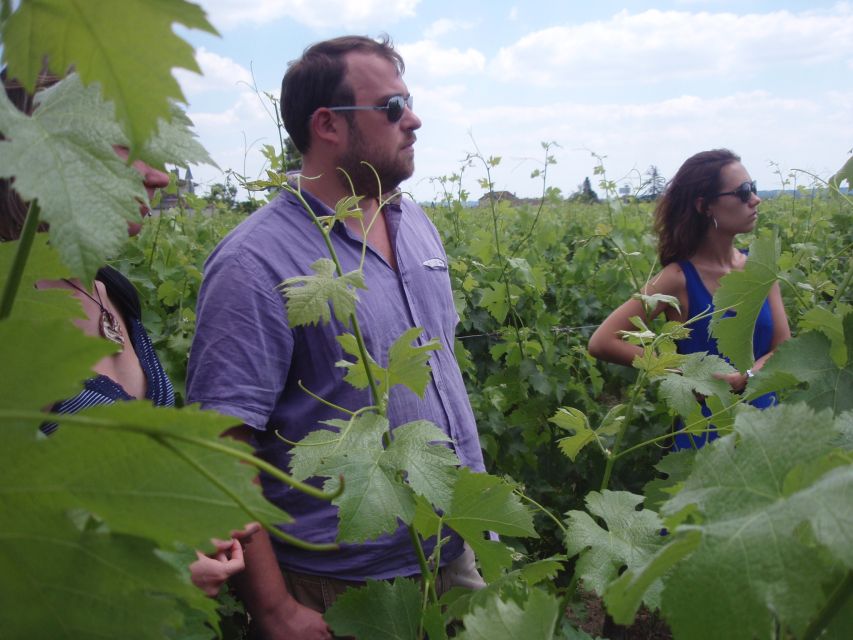
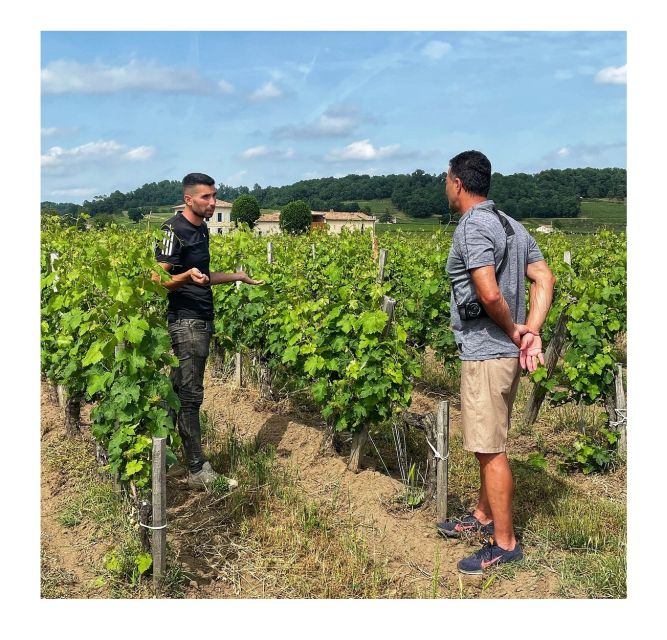
The tour begins outside, with a walk through the vineyard. Allow roughly the first part of the visit for this section, though the exact timing can change with questions and the pace of the group.
You see different plots of vines and learn how work changes during the year. The useful point here is that wine production begins long before harvest. Vine care, weather, soil, grape selection, and decisions about each plot all affect what eventually reaches the bottle.
The guide explains the specific character of the Saint-Émilion appellation and the grape varieties used in its wines. The lesson stays tied to the property, which makes it easier to understand. Instead of hearing broad statements about Bordeaux, you can ask how this family manages its own vines and responds to local conditions.
Frost is one of the serious threats discussed on the walk. A late cold snap can damage new growth and reduce a crop, so the estate has to think about protection and risk. The giant wine bottle is part of this story. At 6 meters tall, it is hard to miss, and it also functions as a heater. It is an amusing sight, but it points to a real farming problem.
You may also spot the estate’s wind turbine. Along with the solar panels on the large building, it reflects the château’s attention to sustainability and energy use. The visit also covers diversification and the development of new wine varieties, showing that a traditional family winery still has to adapt.
This is one of the better reasons to bring weather-ready clothing. The vineyard walk is a genuine part of the tour, not a quick photo stop. Comfortable shoes will make a difference on uneven ground, and a hat or rain layer is sensible depending on the day.
From harvested grapes to fermentation tanks
After the vineyard, you go inside to see the vinification cellar. This is where the tour shifts from agriculture to controlled production.
You learn how the grapes move through the winemaking process, including fermentation, pumping, and pressing. The equipment gives the explanation a practical edge. Rather than hearing only about concepts such as temperature, extraction, and timing, you can see the tanks and machinery used for the work.
The technology is worth paying attention to if you have visited wine estates before. Many winery tours focus on old barrels and beautiful tasting rooms, then hurry past the working equipment. Château Haute-Nauve makes room for the less glamorous part of the process: pumps, fermentation systems, and the tools that help move and press the wine.
The family also explains the production process from a historical and modern point of view. That contrast helps you understand how a long-running estate can preserve its identity while using current methods. You are not asked to choose between tradition and technology. The two operate side by side.
This section can be especially helpful for families and first-time wine visitors. Children may not follow every technical detail, but the visible machinery keeps the visit concrete. Older children and teenagers can also see that winemaking involves farming, engineering, timing, storage, and business decisions, not just pouring a drink into a glass.
Aging wine in the barrel cellar
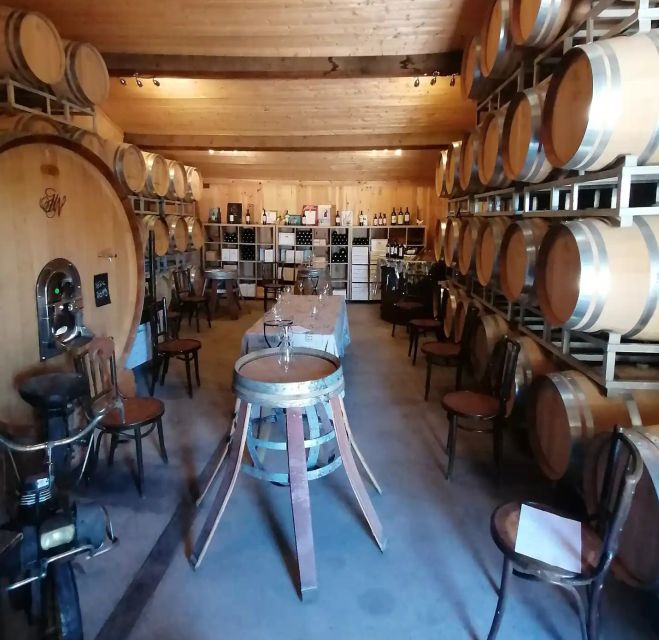
The final production stop is the barrel cellar, where you see how the château ages wine. The guide explains the methods used during this stage and how the wine changes before bottling.
The cellar adds an important piece to the larger picture. A bottle of Saint-Émilion is not defined only by the grapes picked in the field. Fermentation, pressing, storage, and aging each shape the final result. Seeing the barrels after visiting the vines makes the process easier to remember.
You will also hear about bottling and the estate’s modern bottle designs. The focus remains on how the family works, rather than on creating a grand show around the cellar. That is a strength if you want a clear, grounded explanation.
Space and timing may affect how long the group spends in each area. With a maximum of 10 participants, the guide can usually respond to questions without losing control of the visit. If your group is especially interested in production details, ask questions as you go. Florent is known for making time for them.
More Walking Tours in Bordeaux
- Private – Best of Bordeaux Walking Tour + Glass of Bordeaux Wine
★ 5.0 · 240 reviews - Professional – Bordeaux Wine and Cheese Tasting with a walking tour
★ 5.0 · 218 reviews - 2-Hour Walking Tour of the City’s Iconic Sights and History
★ 4.0 · 207 reviews - Bordeaux City – Private Guided Walking Tour with Local Sophia
★ 5.0 · 164 reviews
Four wines, including two Grand Cru bottles
The tour ends with a guided tasting of four wines produced at Château Haute-Nauve. Two have Grand Cru appellations, giving you a chance to compare different estate wines rather than sampling only one label.
The tasting is guided, so you are not left to guess what you should notice. You can consider differences in style, body, smoothness, and the effect of grape, plot, or vintage. The wines served can range from smoother styles to fuller-bodied examples, making the four glasses more useful than a single sample.
I would treat this as a lesson first and a buying opportunity second. The point is to connect the glass with the vineyard and cellar you have just seen. The group can ask questions about the wines and the production choices, then browse the estate’s collection if a bottle catches your interest.
There is no food included, so do not expect a meal or a formal pairing. If you are planning a full afternoon around Saint-Émilion, have lunch or a snack before the tour. Afterward, you can buy additional bottles to take home, but those purchases cost extra.
The buying process is low-pressure. You can purchase wine if you like, but there is no stated requirement to do so. Several people have chosen bottles after tasting, which makes sense if you want a direct reminder of the visit. Check your transport and luggage plans before buying a large quantity.
Why the $29 price works well
At $29 per person, this is a strong value for a two-hour visit in one of Bordeaux’s best-known wine areas. The fee includes the vineyard walk, a complete visit to the family winery and cellar, personal guidance, and four wines at the end.
The value is not only in the number of glasses. You also get access to parts of the production process that are often left out of short tastings. The vineyard, vinification cellar, and barrel cellar form a complete sequence, so you leave with a better idea of how the bottle was made.
A more expensive tour may offer a grander setting, a larger estate, or a more formal tasting room. Château Haute-Nauve offers something more direct. You meet the people connected to the land, see their working equipment, and hear about practical problems such as frost, energy use, diversification, and new varieties.
The small-group format adds to the value. With no more than 10 people, the tour can feel almost private when attendance is light. Some bookings have become private visits simply because no other participants joined at that time, but you should not assume that will happen on your date.
How the two hours feel
The timing is well suited to a day in Saint-Émilion. Two hours is long enough to cover the vineyard, production areas, aging cellar, and tasting without turning the visit into a half-day commitment.
The pace also gives you a clean change of scene. You begin in open air, move into the working winery, then finish seated or gathered around the wine tasting. The pattern keeps the tour from becoming a long technical lecture.
Still, this is an active visit. You walk outside, so comfortable shoes matter. Weather-appropriate clothing matters too. The tour is wheelchair accessible, but you may want to confirm any personal mobility needs when booking, since the experience includes outdoor movement through the vineyard and visits to working winery spaces.
Guiding is available in French and English. If you have a detailed question about winemaking, ask it directly. The family-led format is at its best when the group participates rather than simply listens.
Who will enjoy Château Haute-Nauve most?
I would recommend this tour to several kinds of visitors:
- First-time wine tasters: You get the basic process in a logical order and do not need specialist knowledge.
- Experienced wine drinkers: The four-wine tasting and Grand Cru comparison provide useful context for the estate’s style.
- Families: The outdoor walk, giant bottle, machinery, and relaxed guide can hold the attention of older children and teenagers.
- Couples and small groups: The intimate setting gives you time to ask questions and talk with the owner’s family.
- People staying near Saint-Émilion: The location makes it easy to add before or after time in the village.
I would be less enthusiastic if you want a grand historic residence, an elaborate meal, or a long tasting focused only on rare bottles. This visit is about understanding a family wine operation from field to cellar. Its charm comes from the people and the working property.
Practical advice before you go
Book a time that leaves room around the two-hour visit. Saint-Émilion itself deserves time, and you will probably want to browse the village, take photographs, or stop for food before or after the château.
Arrive at the large building with solar panels and look for the purple Château Haute-Nauve sign. The meeting point is inside the château, with parking nearby. Since transport is not included, a car is the simplest option.
Wear shoes you can walk in comfortably. The vineyard section is not just a brief look through a doorway, and ground conditions can change with the weather. Bring a layer suited to the forecast, since the first part of the visit takes place outdoors.
The tour accepts small groups of up to 10 people. That limit is useful for conversation, but it also means popular times may fill. Free cancellation is available up to 24 hours before the start for a full refund, and you can reserve now and pay later if you need to keep your plans flexible.
Should you book this Saint-Émilion wine tour?
Book it if you want a personal, good-value introduction to wine production near Saint-Émilion. The strongest reasons are the fourth-generation family connection, the clear grape-to-bottle route, the small group, and the four-wine tasting with two Grand Cru wines.
I would make this a priority if Florent or Marie-Anne is available in English and you want to ask questions. The guide’s warmth and practical knowledge are central to the experience. You are not simply looking at vines and drinking wine. You are learning how one family manages weather, machinery, aging, sustainability, and changing wine tastes.
Skip it only if you cannot arrange transport to the château, dislike outdoor walking, or want a more formal luxury wine experience. For most people spending time in the Saint-Émilion area, $29 buys a useful look behind the bottle and a pleasant way to taste the region with context.
FAQ
How long does the Château Haute-Nauve tour last?
The tour lasts two hours, including the vineyard walk, winery and cellar visit, and guided tasting.
How much does the experience cost?
The listed price is $29 per person. Additional wine purchases are not included.
How many wines are included in the tasting?
The guided tasting includes four wines from Château Haute-Nauve, including two with Grand Cru appellations.
Who leads the tour?
The tour is led by a member of the family, Marie-Anne or Florent. The estate is a fourth-generation family winery.
Is the tour available in English?
Yes. The live tour guide can lead the experience in English or French.
How do I reach Château Haute-Nauve?
The château is about 3 kilometers from Saint-Émilion. Transport is not included, and arriving by car is recommended. Parking is near the large building with solar panels and the purple Château Haute-Nauve sign.
Is the experience wheelchair accessible?
Yes, the activity is listed as wheelchair accessible.
What should I bring?
Bring comfortable shoes and clothing suited to the weather, since part of the visit takes place outdoors in the vineyard.
More Wine Tours in Bordeaux
- Bordeaux: River Garonne Cruise with Glass of Wine and Canelé
★ 4.5 · 3,630 reviews - Saint Emilion Day Trip with Sightseeing Tour & Wine Tastings from Bordeaux
★ 5.0 · 1,120 reviews - Saint-Émilion: Grand Cru Classé Winery Visit and Tasting
★ 4.6 · 1,118 reviews - Saint Emilion Half-Day Trip with Wine Tasting & Winery Visit from Bordeaux
★ 4.5 · 1,034 reviews
Recently added around Bordeaux
- The essential in Bordeaux, private tour with a local★ 4.9 · 48 reviews
- Sarlat Gourmet Tour and Market Visit★ 5.0 · 49 reviews
- Full Day Tour Saint Emilion with lunch two Chateaux and Village★ 5.0 · 49 reviews
- Bordeaux: Exclusive Private Guided Walking Tour★ 4.6 · 50 reviews
- Bordeaux:Wine Masterclass & Blending workshop with appetizer★ 4.8 · 54 reviews
- Full-day Saint-Emilion: Village, Undergrounds and Châteaux★ 4.5 · 55 reviews
- From Bordeaux: Essential Morning Tour with Wine Tasting★ 4.8 · 55 reviews
- Bordeaux Old Town & Market Local Food with Wine Tastings Tour★ 4.0 · 56 reviews
Wine Tours in Bordeaux, compared.

Bordeaux: Cité du Vin Entry Ticket and Wine Tasting
Read our review →
Bordeaux: River Garonne Cruise with Glass of Wine and Canelé
Read our review →
From Bordeaux: Afternoon Saint-Emilion Wine Tasting & snack
Read our review →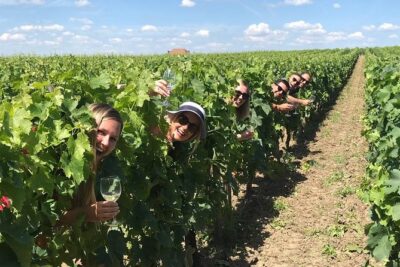
Medoc or Saint Emilion Wine Tasting and Chateau from Bordeaux
Read our review →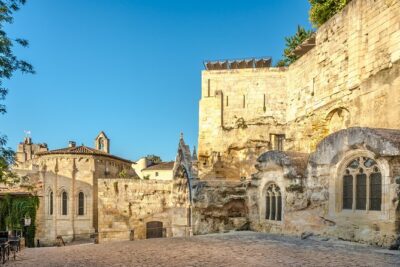
Saint Emilion Day Trip with Sightseeing Tour & Wine Tastings from Bordeaux
Read our review →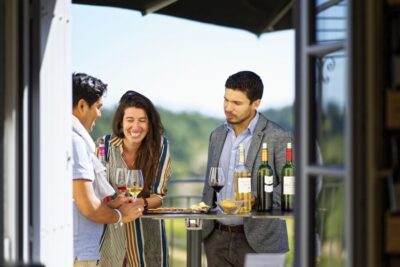
Saint-Émilion: Grand Cru Classé Winery Visit and Tasting
Read our review →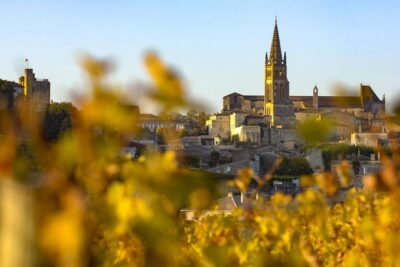
Saint Emilion Half-Day Trip with Wine Tasting & Winery Visit from Bordeaux
Read our review →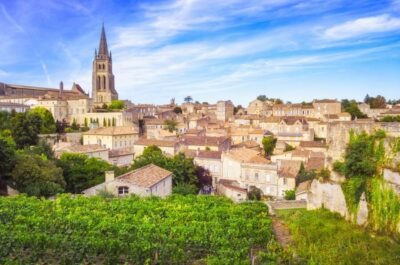
From Bordeaux: St. Emilion Village Half-Day Wine Tour
Read our review →Browse the lists this tour appears in