
Reviewed · WORKSHOPS
Cesarine: Small group Pasta and Tiramisu class in Montepulciano
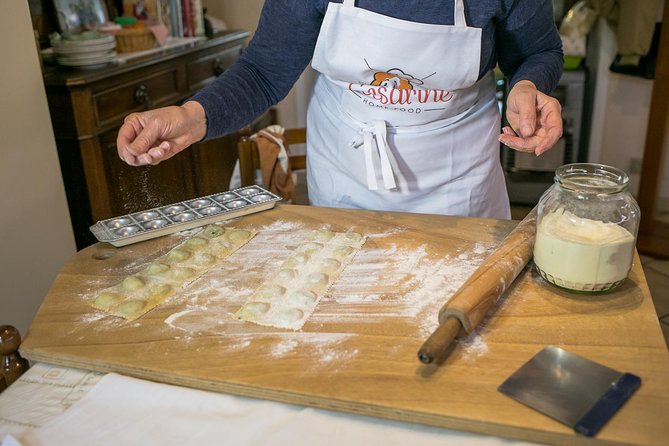
Pasta tastes better when you make it yourself. This three-hour Montepulciano cooking class brings you into a real Tuscan home, where a Cesarina teaches fresh pasta, sauces, and tiramisu in a relaxed family setting. I especially like the hands-on format and the chance to eat what you prepare with Tuscan wine, bruschette, and local snacks.
I also like that the recipes are practical enough to repeat at home, rather than being a chef’s showpiece you cannot recreate. The main caution is getting to the private home: the meeting information can be unclear, and two people missed the class after struggling to find the address. Plan extra time and call the host while you are still on the way.
In This Review
- Key Points at a Glance
- Cooking Pasta in a Montepulciano Home
- Pici, Ravioli, and Seasonal Pasta
- Tiramisu and the Sweet Finish
- From Bruschette to a Tuscan Table
- The Human Side of the Cesarina Experience
- Group Size and the Feel of the Lesson
- Finding the Private Meeting Point
- Who Will Enjoy This Class Most
- Is $216.48 a Fair Price?
- Should You Book the Montepulciano Pasta Class?
- FAQ
- How long does the cooking class last?
- Where does the experience begin?
- What food will I learn to make?
- Is the meal included?
- Is the class taught in English?
- How many people can join the class?
- Do I need cooking experience?
- Can I cancel for a refund?
Key Points at a Glance
- Cook in a private Tuscan home: You spend the class in a local household rather than a commercial cooking school.
- Make several dishes from scratch: The menu can include pici, ravioli, gnocchi, sauces, and tiramisu, with the exact pasta changing by host or season.
- Eat a full meal afterward: Your work becomes lunch or dinner, accompanied by wine, prosecco, coffee, and typical Tuscan starters.
- Small-group attention: The experience is promoted for up to 12 people, while the additional information also gives a maximum of 15, so confirm the group size when booking.
- Recipes to use at home: Hosts share family methods and written recipes, making this more useful than a one-time demonstration.
- Allow time for directions: The general meeting point is in Montepulciano, but the actual home address may be supplied only after booking.
Cooking Pasta in a Montepulciano Home
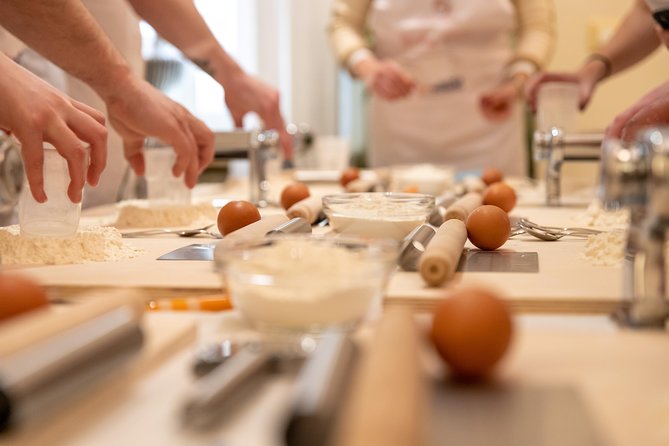
The appeal here is simple: you are not just watching someone prepare lunch. You are standing at a kitchen table, working with flour, filling, dough, and sauce under the guidance of someone who cooks these dishes regularly.
Your Cesarina welcomes you into her home and leads the group through traditional Tuscan techniques. The setting matters. A restaurant kitchen can teach you how a dish is made, but a family home adds the small habits that rarely appear in a cookbook: how the dough should feel, how thin to roll it, how to shape it without tearing, and when a sauce needs more time.
The class lasts about three hours. That gives you enough time to cook at a comfortable pace, ask questions, and sit down for the meal without feeling rushed. The pace can vary by host and by group size, but the experience is designed to be participatory from beginning to end.
You do not need advanced cooking skills. Barbara, one of the hosts frequently mentioned by name, is praised for explaining each stage clearly and including people with little kitchen experience. That makes this a good pick for couples, families, and mixed groups in which one person cooks often and another usually stays away from the stove.
The format is also forgiving for experienced home cooks. One couple who already knew how to make pasta found that Pietropaolo’s methods and tips gave them new ideas. Another host, Alberto, even answered an off-topic request and showed a participant how to poach eggs. That tells you something useful about the mood: the class can be structured, but it is not rigid.
More Workshops in France:
- Fragonard Paris: Mini Perfume Workshop
★ 4.5 · 1,924 reviews - Paris Cooking Class and Lunch with Wine plus Market Visit Option
★ 5.0 · 1,024 reviews - Paris Croissant Small-Group Baking Class with a Chef
★ 5.0 · 910 reviews
Pici, Ravioli, and Seasonal Pasta
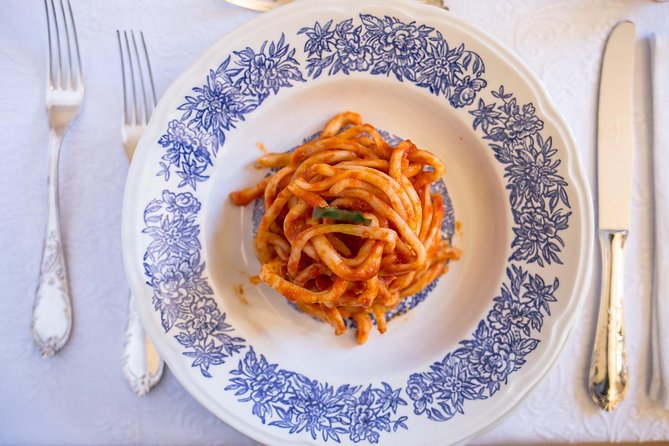
Pici is the pasta most closely tied to southern Tuscany. These thick, hand-rolled strands are rustic, satisfying, and easier to shape than delicate filled pasta. A traditional sauce usually accompanies the pici, and the class uses this dish to show how a few good ingredients can make a hearty meal.
You may also prepare ravioli or another seasonal handmade pasta. Some sessions have included gnocchi, several pasta shapes, and two kinds of pesto. The precise menu is not fixed down to every last dish, so you should treat the listed menu as a guide rather than a promise of every item.
That variation is a plus if you want a local cooking lesson instead of a standardized tourist production. It also means your host may tailor the work to the season, the available ingredients, or the group’s pace.
The useful part is the repetition. You do not simply make one shape and move on. You handle the dough, practice forming pasta, and learn how the pieces should look before cooking. Hosts pass along family recipes and techniques that have been used across generations.
You can expect simple, high-quality ingredients rather than elaborate restaurant tricks. The value is in learning a method you can repeat in your own kitchen. After the class, you should have a better feel for fresh pasta dough and more confidence making the dishes again at home.
Tiramisu and the Sweet Finish
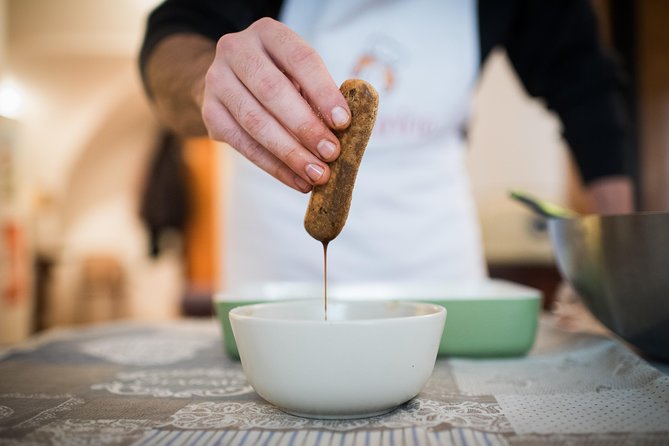
Tiramisu is the dessert lesson, although a traditional Tuscan sweet may replace it. The host guides you step by step, so you do not need to arrive with pastry experience.
This is a smart pairing with the pasta lesson. Fresh pasta requires hands-on work and attention to texture, while tiramisu gives the class a slower, sweeter final project. It also leaves you with a recipe that is familiar enough to prepare for friends and family.
Several hosts are praised for making the recipes approachable. That matters with tiramisu, since the best result depends on balance and handling rather than a long list of ingredients. You learn by seeing the process in a home kitchen, then taste the result at the table.
One couple called the tiramisu among the best desserts they had eaten during their Italian trip. That is personal praise, not a guarantee, but it reflects the care hosts put into the meal.
From Bruschette to a Tuscan Table
The meal begins with typical Tuscan appetizers, often including traditional bruschette, prosecco, and small snacks. This opening gives everyone time to settle in before the main cooking starts or while dough rests.
Bruschette is a fitting first bite. It is direct, local, and uncomplicated, with the quality of the bread and toppings doing most of the work. The prosecco and nibbles also help the class feel social rather than like a formal lesson.
After the pasta is cooked, you sit down to eat your own work. The planned menu can include pici with a classic Tuscan sauce, ravioli or another handmade pasta, and tiramisu or a regional dessert. Some hosts serve additional courses and turn the meal into a five-course occasion.
That generosity is one reason the price can make sense. You are paying for instruction, ingredients, several hours of hosting, and a sit-down meal with wine and snacks. At $216.48 per person, this is not a budget activity, especially for a family of four or five. A booking for five people would cost more than $1,000 at the stated rate.
Still, compare it with a private meal and cooking lesson in Tuscany, rather than with a quick group demonstration. The experience combines food, conversation, instruction, and a local home setting. If you care about learning techniques you can use later, the value is stronger than it would be for someone who only wants a meal.
Hosts have also served wine, coffee, and, in one particularly generous session, limoncello after dinner. These extras are not listed as guaranteed parts of every class, so consider them pleasant possibilities rather than included promises.
A completely different sort of day in France:
- Paris: Louvre Museum Timed-Entrance Ticket
★ 4.6 · 71,977 reviews - Disneyland® Paris 1-Day Ticket
★ 4.6 · 49,412 reviews - Paris: Versailles Palace and Gardens Full Access Ticket
★ 4.6 · 41,579 reviews - Paris: Evening River Cruise with Music
★ 4.4 · 22,721 reviews
The Human Side of the Cesarina Experience
The host shapes this experience more than any fixed menu. Barbara receives repeated praise for her warmth, preparation, clean kitchen, clear instruction, and ability to involve everyone. Her home is described as welcoming, and her teaching works for both confident cooks and complete beginners.
Other hosts, including Lucrezia and Alberto, are praised for creating the feeling of visiting friends. Their sessions included conversation about Italy, Tuscany, wine, local food sources, and reducing waste. If you enjoy cultural exchange as much as cooking, that personal contact is a major reason to book.
I like that the class leaves room for conversation. You can ask about ingredients, local customs, or the food you see around Montepulciano. The experience is not limited to a recipe card. It gives you a window into how food is prepared and shared in a Tuscan household.
The best sessions seem to depend on the host’s personality and the group’s chemistry. That is normal for a home-based class. You are choosing a personal encounter, not a uniform cooking school where every instructor follows the same script.
The class is offered in English, which removes a major barrier for many visitors. The hosts are described as able to explain techniques patiently, and one host is specifically praised for having excellent English.
Group Size and the Feel of the Lesson
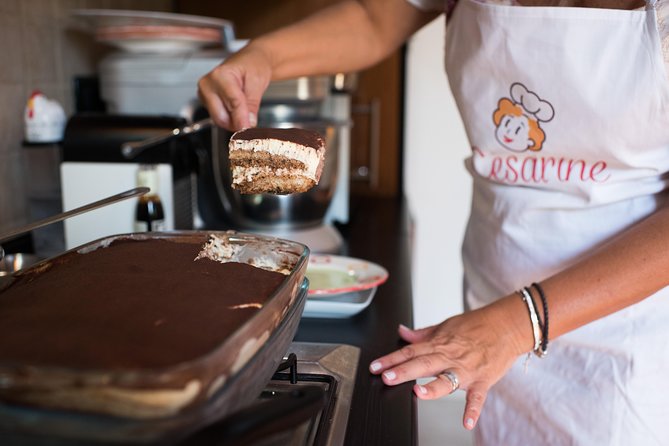
The experience is described as a small-group workshop. The main description gives a maximum of 12 participants, while the additional information lists a maximum of 15 travelers. Because those numbers do not match, I would confirm the expected group size before paying if personal attention is important to you.
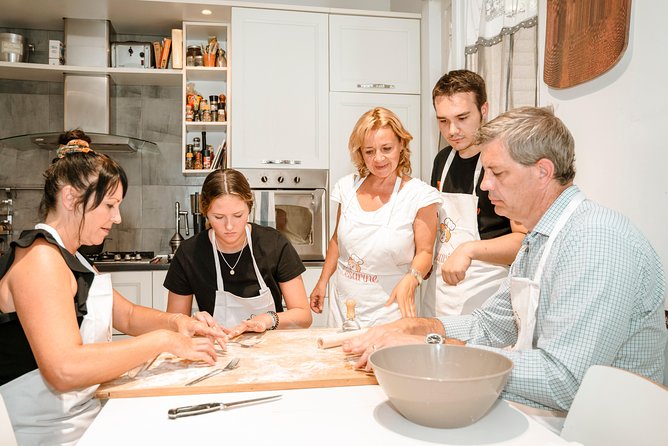
A group of 12 can work well around a home kitchen if the host organizes the tasks carefully. You may not personally shape every piece of pasta, but you should have a role in the preparation. A smaller group can feel much more like a private lesson, and some bookings have been intimate enough for only two participants and the chef.
That smaller format is where the class earns much of its appeal. Pietropaolo, Barbara, Lucrezia, and Alberto are described as patient and attentive, helping people through each step rather than leaving beginners to guess.
If you are traveling with a large family, ask how the group will be arranged. A class with 12 to 15 people may feel lively and social, but it will not offer the same one-on-one time as a two-person session.
Finding the Private Meeting Point
This is the practical issue I would take most seriously. The starting location is listed broadly as 53045 Montepulciano, in the Province of Siena. The activity ends back at the meeting point, but the exact home address may not be shared before booking because the Cesarine host lives in a private residence.
The general location is not always enough in Montepulciano. Two people described following a GPS pin to a roundabout near a closed restaurant and a house under construction, then failing to find the correct home. Another group said the directions led them to the wrong area and caused a 15-minute delay.
Do not leave this until the last minute. Read the voucher carefully as soon as you receive it. Save the host’s phone number, check that your phone can make the call in Italy, and contact the host while you are driving or walking toward the location. If you are using a rental car, allow extra time for unfamiliar roads and parking.
The provider says the address details are included in the voucher after reservation, while the platform may show only a general area. That distinction is important. A GPS pin is not always a usable door-to-door direction in a hill town.
The meeting-point problem is not a minor inconvenience if you miss the start. The cancellation terms allow a full refund when you cancel at least 24 hours ahead, but a missed class or a cancellation inside 24 hours is generally not refundable. If the minimum number of participants is not reached and the provider cancels, you should be offered another date or a full refund.
Who Will Enjoy This Class Most
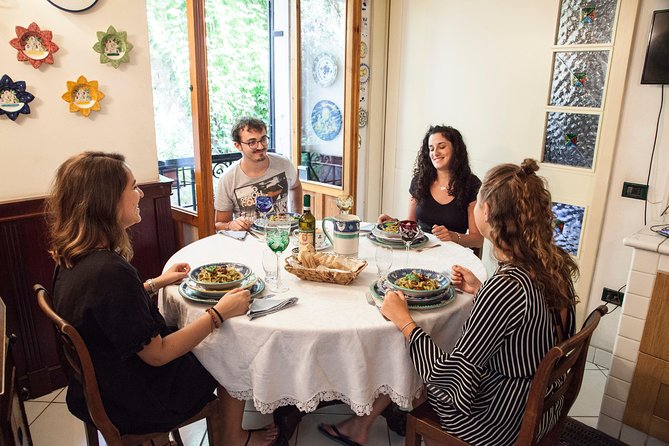
I would choose this for anyone who wants food to be part of the Tuscan experience, not just something served between sightseeing stops. It is especially good for:
- Couples looking for a relaxed shared activity
- Families who want children or adults to work together
- Beginners who need patient instruction
- Home cooks hoping to improve fresh pasta skills
- Visitors who enjoy meeting local people in a personal setting
- Honeymooners or special-occasion visitors seeking a memorable meal
The class may be less suitable if you dislike group activities, have strict dietary requirements that have not been discussed in advance, or want a highly predictable menu. The supplied details do not specify dietary accommodations, so ask before booking if this affects your decision.
It is also a poor choice for a tight schedule. Three hours is only the stated class length. You need additional time to reach the home, find the entrance, and return to your plans. I would not place it between two fixed-time activities on opposite sides of Tuscany.
Is $216.48 a Fair Price?
The price is high for a cooking class, but the experience includes more than a short lesson. You get roughly three hours of instruction, ingredients, a full meal based on your work, wine and snacks, and time in a private Tuscan home.
The value is best if you actively cook and ask questions. If you only want to sit back and eat, a restaurant meal will cost less and may offer a more polished menu. If you want to learn pici, handmade pasta, sauces, and tiramisu from a local host, the cost is easier to justify.
The strong overall rating and 98 percent recommendation suggest that most bookings meet expectations. I would still base your choice on the host, group size, menu, and meeting instructions rather than on the rating alone.
Booking demand is also worth noting. The experience is booked an average of 70 days ahead, so popular dates may disappear well before a Tuscany trip. Reserve early if you are traveling on fixed dates, then verify the address details well before the class.
Should You Book the Montepulciano Pasta Class?
Yes, if you want a personal food experience and are willing to handle the meeting-point details. The greatest strengths are the warm hosts, useful pasta techniques, generous meal, and chance to cook in a real home. The recipes appear practical, not merely decorative, and the class suits beginners as well as people who already make pasta.
I would skip it if you need a guaranteed menu, a fully accessible commercial venue, or a simple meeting point that requires no phone calls. For everyone else, this is one of the better ways to turn a meal in Tuscany into a skill you can carry home.
FAQ
How long does the cooking class last?
The class lasts approximately three hours.
Where does the experience begin?
It begins in Montepulciano at 53045 Montepulciano, Province of Siena, Italy. The activity ends back at the meeting point.
What food will I learn to make?
The class includes fresh pasta and tiramisu or another traditional Tuscan dessert. The pasta may include pici, ravioli, gnocchi, or other seasonal handmade specialties, depending on the host and session.
Is the meal included?
Yes. You sit down to enjoy the food you prepare, along with listed items such as traditional bruschette, prosecco, snacks, and local Tuscan wines.
Is the class taught in English?
Yes. The experience is offered in English.
How many people can join the class?
The main description says the group is limited to 12 participants. Additional information lists a maximum of 15 travelers, so confirm the expected group size when booking.
Do I need cooking experience?
No. The hosts provide step-by-step guidance, and the experience is designed for beginners as well as people with more pasta-making experience.
Can I cancel for a refund?
You can cancel up to 24 hours before the start time for a full refund. Cancellations or changes made less than 24 hours before the start time are generally not accepted or refunded.
Recently added around France
- The essential in Bordeaux, private tour with a local★ 4.9 · 48 reviews
- Avignon, Les Baux, St Remy and Arles from MARSEILLE★ 4.5 · 48 reviews
- Visit Avignon and Villeneuve lez Avignon aboard a Double-Decker Bus★ 4.0 · 48 reviews
- 2 hour outdoor group activity in Paris: SAINT GERMAIN★ 5.0 · 48 reviews
- Private Half-Day Guided Tour of Paris★ 4.5 · 48 reviews
- Blind Test Room & karaoke Montpellier★ 5.0 · 48 reviews
- Paris Dinner Show Opera Bel Canto★ 4.5 · 48 reviews
- Cannes: Lérins Islands Private Boat Tour★ 4.9 · 48 reviews
Workshops, compared.
Paris Cooking Class and Lunch with Wine plus Market Visit Option
Read our review →
Paris Croissant Small-Group Baking Class with a Chef
Read our review →
Fragonard Eze: Perfume Making Class and Factory Tour
Read our review →
Paris: French Croissant Baking Class with a Chef
Read our review →
Grasse: Perfume Making Class and Fragonard Factory Tour
Read our review →Browse the lists this tour appears in