
Reviewed · MUSEUMS
Choco-Story Paris – The Chocolate Museum
Chocolate has a long Parisian story. Choco-Story Paris makes that story easy to follow through three floors of exhibits, hands-on displays, and tastings you can enjoy at your own pace. I especially like the wide sweep from ancient Olmec cocoa drinks to European royal fashion, and I like that children receive a booklet to keep them involved. The main drawback is simple: this is a museum first, not a full working chocolate factory.
The unlimited samples are a real pleasure, and the optional hot chocolate gives the visit a delicious finish. Still, some displays are more informative than exciting, and the main demonstration is virtual rather than a live chocolatier presentation. If you expect machines running all day and plenty of freshly made sweets, adjust your expectations.
In This Review
- Key things to know before you go
- Finding Choco-Story Paris on Boulevard de Bonne Nouvelle
- Three floors, three different ways to meet chocolate
- Following cocoa from the Olmecs to European courts
- The objects make the history easier to remember
- Tasting chocolate from Costa Rica, Peru, and Vanuatu
- The hot chocolate upgrade is worth considering
- Why children often stay longer than adults
- The shop and nearby meal options
- How long should you allow?
- What the 3.9 rating means for your decision
- Practical details for a smoother visit
- Who should book Choco-Story Paris?
- Should you book it?
- FAQ
- Where is Choco-Story Paris located?
- How long does the visit take?
- Is the visit guided?
- Are chocolate tastings included?
- Is hot chocolate included?
- Is the museum available in English?
- Can I cancel or change my booking?
Key things to know before you go
- Chocolate history across 4,000 years: Follow cocoa from ancient Olmec and Maya use to European royal courts and modern production.
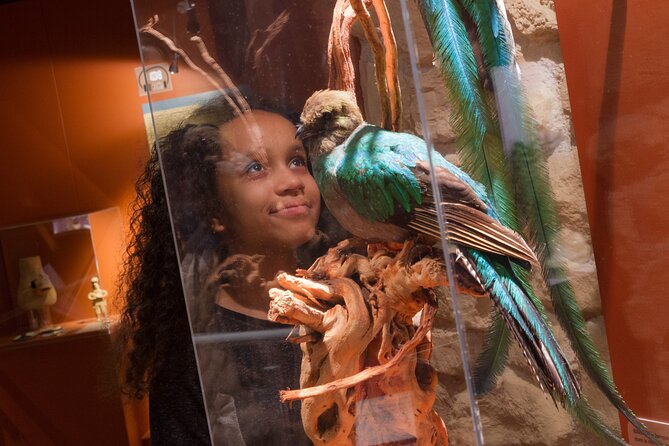
- Three floors and more than 1,000 objects: See molds, tools, posters, vessels, sculptures, and chocolate-making equipment.
- Self-guided pace: A short visit can take about an hour, while families and keen readers may stay two or three hours.
- Unlimited tastings included: Sample chocolate during the visit, with varieties linked to different cocoa-producing regions.
- Hot chocolate is an upgrade: Add it when booking if you want a cup at the end.
- Good family stop: Children can work through an activity booklet, and the exhibits explain chocolate in clear, visual ways.
Finding Choco-Story Paris on Boulevard de Bonne Nouvelle
Choco-Story Paris, also called the Musée Gourmand du Chocolat, is at 28 Boulevard de Bonne Nouvelle in the 10th arrondissement. It is near public transportation, and one useful landmark is Bonne Nouvelle metro station on Line 8, directly opposite the museum according to one detailed family visit.
You make your own way there and show your ticket at the entrance. There is no hotel pickup, drop-off, or tour guide, so this works best as an easy addition to a day already spent in central Paris.
The experience is normally booked around 12 days ahead. Prebooking your time slot matters because it guarantees entry, especially when your sightseeing schedule is tight. The listed price is about $21.63 per person, though the final amount can vary by booking conditions and selected options.
That price is fair if you use the museum as a relaxed one-and-a-half-hour activity and take advantage of the tastings. It is less compelling if you rush through in 30 or 45 minutes. I would give yourself at least 90 minutes, with extra time if you are visiting with children or plan to read every panel.
More Museum Tours in Paris:
- Paris: Louvre Museum Timed-Entrance Ticket
★ 4.6 · 71,977 reviews - Louvre Museum Masterpieces Guided Tour with Access
★ 4.5 · 12,023 reviews - Paris: Louvre Museum Entry Ticket With Host and River Cruise
★ 4.6 · 9,926 reviews
Three floors, three different ways to meet chocolate
The museum is not huge. That is good news if you have limited time in Paris or need a break from larger, crowded attractions. It is also the reason some adults may find the visit a little light after seeing everything quickly.
The exhibits occupy three floors, including the entrance level, an upper floor, and a basement. A lift is available for visitors who prefer not to use the stairs. More than 1,000 original artifacts fill the displays, with information panels in English, French, and Spanish.
You are free to move through the museum in your own order. There is no guide setting the pace and no fixed group following a lecture. I like this arrangement because you can linger over an old chocolate mold, skip a panel that feels too detailed, or slow down when the tasting station catches your attention.
The tradeoff is that the experience depends on your curiosity. If you prefer a lively guide who tells stories, answers questions, and keeps everyone moving, the self-guided format may feel quiet.
Following cocoa from the Olmecs to European courts
The historical section gives the museum its purpose. Chocolate is presented not simply as a sweet snack, but as a drink, a social marker, a trading product, and eventually a mass-market food.
You begin with the cocoa bean and the ancient Olmec peoples of South America. The museum explains that the Olmecs probably drank chocolate as early as about 1,900 BC. From there, the story moves through Maya and Aztec cultures, where cocoa became tied to ceremonies, trade, and the privileges of nobles.
The displays then show how chocolate moved toward Europe through trading routes. Its arrival changed the status of cocoa. It became a fashionable drink for monarchs and aristocrats, including the royal circles of France during the 1700s and 1800s.
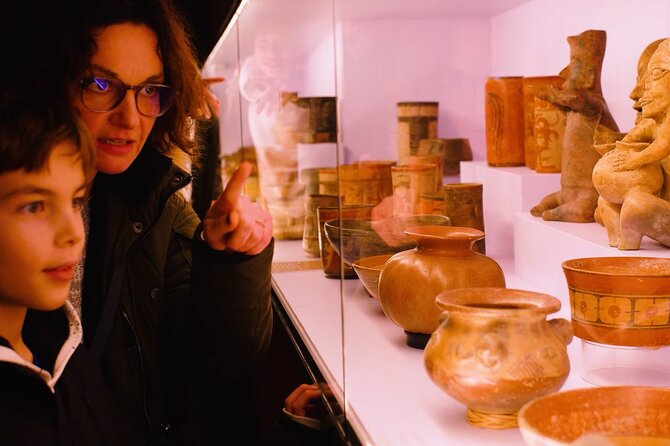
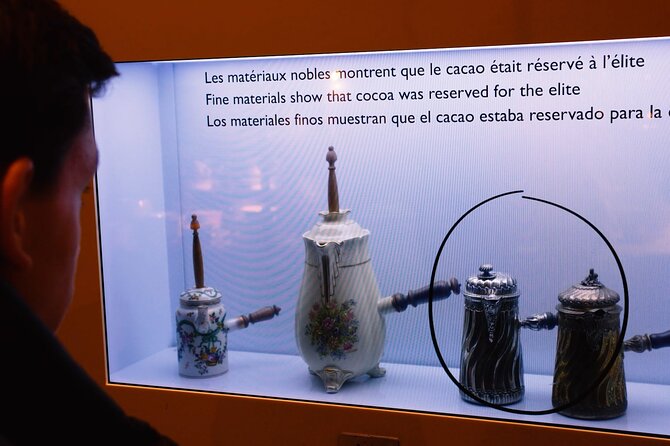
I found this part especially useful because it explains why historic chocolate vessels were so elaborate. You see the cups, pots, tools, and serving objects connected with chocolate drinking through the centuries. The point is not just that people liked chocolate. It is that chocolate once required money, access, and ceremony.
The museum also explains how chocolate began to reach a wider public when commercial production increased during the 18th century. That shift from a rare luxury to an everyday treat gives the rest of the visit a clear thread.
The objects make the history easier to remember
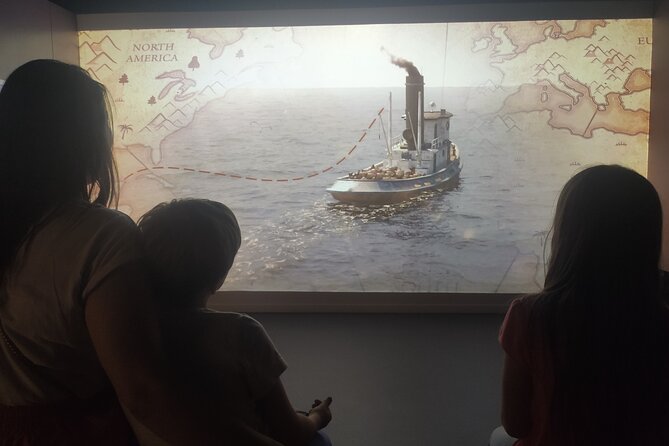
The museum’s collection includes chocolate-making equipment, candy molds, utensils, posters, memorabilia, and chocolate sculptures. Some pieces are visually striking, while others reward careful reading.
I particularly like the molds because they show how much chocolate culture depends on shape. Chocolate is not only about flavor. It has long been designed for celebrations, gifts, rituals, and display.
The historic posters and tools help connect the old methods with the product sitting in your hand at the tasting station. You might find some sections more compelling than others, but the variety keeps the museum from becoming a series of plain text panels.
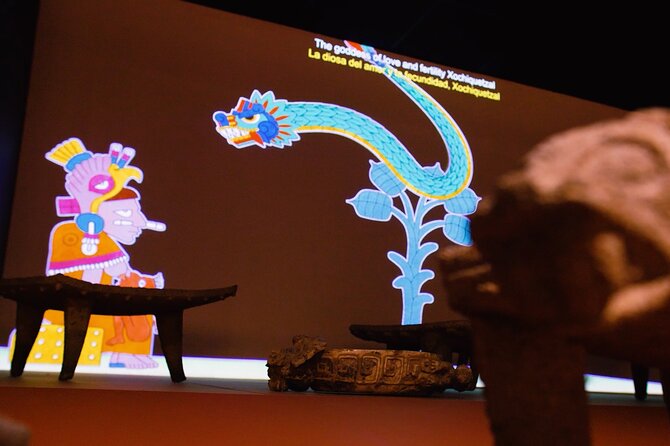
Audiovisual displays add movement to the story. They explain the path from cocoa tree to finished product and show how chocolate-making techniques changed over time. The presentation is described as well made, though it is still a recorded or virtual demonstration rather than a live interaction with a chocolatier.
That distinction matters. If you want to watch someone temper chocolate in person and ask questions while it happens, this may disappoint. If you want a clear visual explanation of how chocolate becomes smooth and shiny, the virtual presentation does the job.
A few more Paris trips worth weighing up
- Paris: Day or Sunset Cruise with Drink, Ice Cream or Dessert
★ 4.4 · 4,225 reviews - Paris: Entrance Ticket to the Chocolate Museum
★ 4.1 · 1,105 reviews - Private Montmartre Food Tour with Wine, Cheese & Pastries
★ 5.0 · 1,027 reviews - Paris French Sweets Tasting Tour with Pastries and Chocolates
★ 4.5 · 947 reviews
Tasting chocolate from Costa Rica, Peru, and Vanuatu
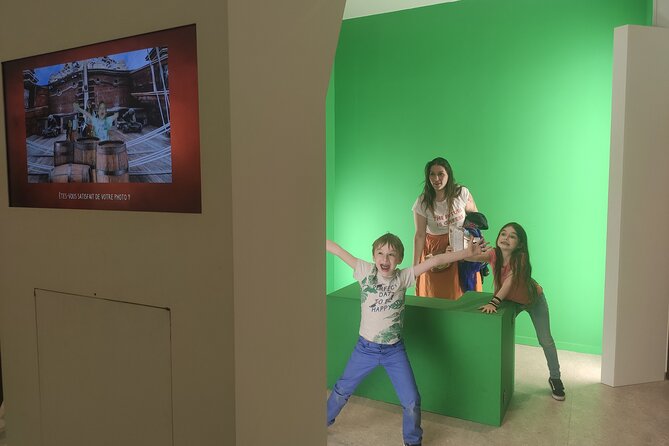
The tasting is the most popular part of the visit for good reason. Chocolate samples are available as you go through the museum, and the tasting is included in the basic experience.
You may sample different styles and cocoa origins, including silky Costa Rican chocolate, fruity Peruvian chocolate, and cocoa with aromas linked to Vanuatu. The samples help turn the historical material into something physical. You are not only reading about cocoa beans from different regions. You are noticing how they can taste different.
The selection may feel limited if you arrive expecting a huge international tasting menu. The point is more about trying several chocolate types than conducting a serious professional tasting. Much of the chocolate is dark, so this is not the ideal stop if you only enjoy very sweet milk chocolate.
One practical tip deserves attention: use a fresh portion from the tasting container rather than putting back anything handled by someone else. This is especially worth watching with young children.
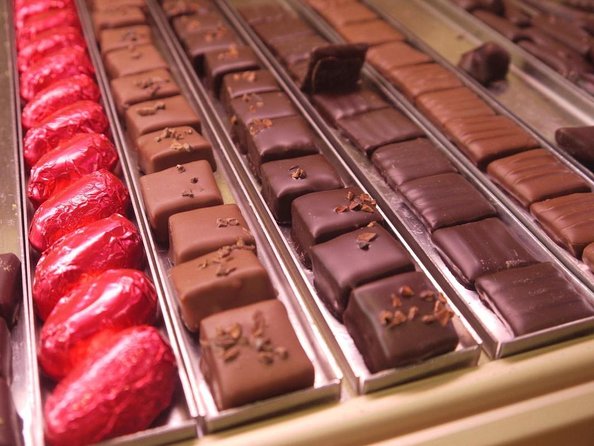
At the entrance, you may also find round buttons of dark, milk, white, and praline chocolate. During the demonstration, visitors can taste what the chocolatier prepares, though the presentation itself is shown virtually rather than performed live.
The hot chocolate upgrade is worth considering
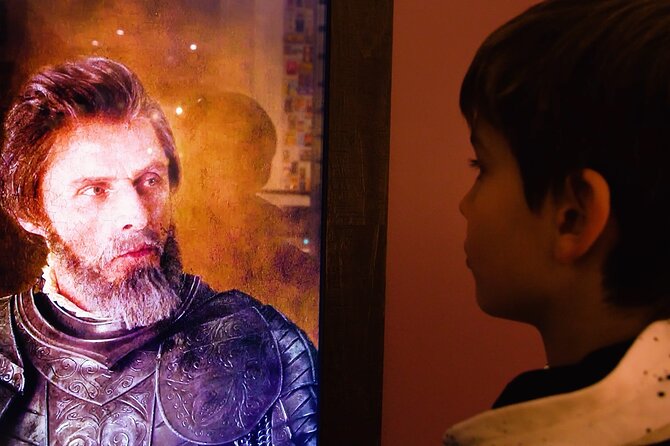
If you select the appropriate booking option, you receive a cup of hot chocolate at the end. This is not included with every ticket, so check your chosen option before paying.
The drink is repeatedly singled out as a highlight, and I can see why. After walking through the exhibits and sampling small pieces, a full cup gives the visit a proper finish. Several flavors may be available, and the drink is described as especially good.
There is one seasonal warning. If you visit in July or during a hot spell, hot chocolate may feel heavy rather than comforting. In cooler weather, I would consider the upgrade. In summer, the tastings may be enough.
The hot chocolate also changes the value calculation. At around $21.63, the basic ticket is reasonable for the museum and samples. The upgrade makes more sense if you enjoy hot chocolate and expect to stay long enough to appreciate the full visit.
Why children often stay longer than adults
Choco-Story is strongly suited to families. Children receive a booklet and pencils for activities, and the booklet must be returned before leaving. The museum also offers a scavenger-hunt style activity that can turn a self-guided walk into a small mission.
Young visitors can taste chocolate, look at unusual tools and molds, and follow the story through pictures and objects. Children aged seven to eleven have plenty to work with, and older children may enjoy the historical details if they like food, crafts, or old objects.
Plan for two hours if you visit with children. Adults moving briskly may finish in about 30 minutes plus the demonstration, while families can stay two to two and a half hours as children complete the activities and revisit the samples.
This is also a useful rainy-day or hot-weather stop. One family used it as a break from crowded Paris streets, finding the museum clean and comfortable without feeling packed. It is not a grand national museum, but that smaller scale can be a relief.
The shop and nearby meal options
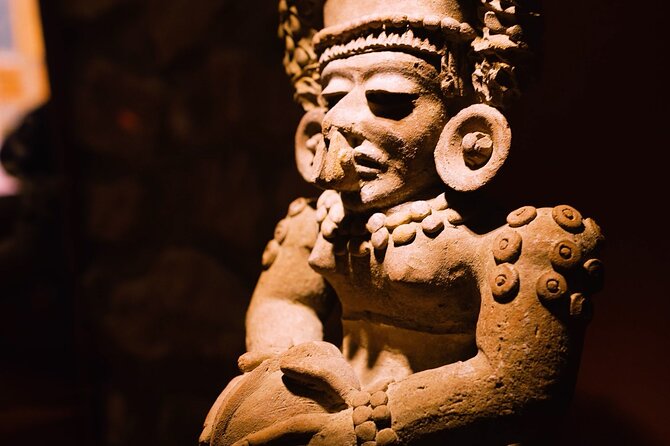
Before leaving, you can browse the museum shop. It sells chocolate treats, books, shirts, utensils, molds for making chocolate at home, and other souvenirs.
The shop is convenient if you want a gift that fits the theme, though expectations should remain modest. The exhibits receive more praise than the shopping area, and some people find the shop less impressive than the tasting experience.
If you visit with hungry children, a Pizza Hut is next to the museum and a bistro is at the corner. That makes the location practical for a short family outing, especially when chocolate samples are not enough to count as lunch.
Remember that food and drinks are not included unless your selected option specifically says so. The included tastings are part of the museum visit, not a meal.
How long should you allow?
The advertised duration is about 90 minutes, but the real timing depends on your style.
Allow about one hour and a half if you plan to read the main panels, watch the audiovisual material, taste the samples, and finish without lingering. Give yourself two hours for a family visit or for a slower look at the tools, vessels, posters, and molds.
Some visitors stay 30 minutes because the museum is quiet and compact. Others spend two and a half or even three hours reading, taking photos, completing children’s activities, and revisiting the tasting points.
I would not schedule it between two attractions with only a 45-minute gap. The museum may be small, but you will enjoy it more if you do not feel hurried. It is also easy to leave with a sugar rush if you sample everything too quickly, so pace yourself.
What the 3.9 rating means for your decision
The overall rating is 3.9 out of 5 from 183 reviews, which fits the experience well. The museum earns strong praise for its clear history, attractive displays, family activities, chocolate samples, and hot chocolate.
The lower scores tend to come from expectations. Some adults want a live demonstration, more hands-on chocolate making, a larger museum, or a wider selection of samples from different countries. The museum explains production more than it shows full production in action.
That is the key distinction. You are visiting a chocolate museum, not booking a professional confectionery workshop. If you accept that, the visit offers a pleasant mix of history, objects, video, and eating.
The self-guided format also divides opinion. I like the freedom, but you need to read the panels and guide yourself. An audio guide is not part of the listed experience, and there is no personal guide included.
Practical details for a smoother visit
Your confirmation arrives at booking, and most visitors can take part. The museum is near public transportation and is straightforward to reach at the address on Boulevard de Bonne Nouvelle.
Choose your ticket option carefully. The hot chocolate is only included if selected, and some booking choices may differ in what they provide. If you are visiting in warm weather, you may prefer the basic ticket.
The museum is offered in English, and the information panels are also available in French and Spanish. You can take photos, browse the shop, and end the visit at the same meeting point where you entered.
The ticket cannot be refunded or changed after booking. Since the experience is usually reserved around 12 days ahead, choose your time carefully and avoid booking it on a day when your Paris plans are uncertain.
Who should book Choco-Story Paris?
I would recommend it most strongly to families with children, chocolate fans, and anyone looking for a manageable indoor activity near central Paris. The booklet, tastings, and visual displays give children reasons to keep moving, while adults can enjoy the cultural history behind a familiar food.
It also suits you if you like museums that let you set your own pace. You can make the visit short, or stay for hours if the subject catches you.
I would be more cautious if you have limited time in Paris and want only the city’s major landmarks. The museum is enjoyable, but it should not replace the Louvre, Sainte-Chapelle, or another top priority on a first visit.
Should you book it?
Book Choco-Story Paris if chocolate, food history, or family-friendly museums appeal to you. The tastings are generous, the ancient-to-modern story is genuinely interesting, and the compact size makes the visit easy to fit into a Paris day.
Skip it if you expect a live chocolate workshop, a large industrial tour, or a long list of elaborate desserts. For the best value, reserve the hot chocolate option in cool weather, allow at least 90 minutes, and visit with enough time to read the exhibits rather than rushing straight to the samples.
FAQ
Where is Choco-Story Paris located?
It is located at 28 Boulevard de Bonne Nouvelle, 75010 Paris, France. The museum is near public transportation and opposite Bonne Nouvelle metro station on Line 8.
How long does the visit take?
The expected duration is about 90 minutes. You may finish faster if you move quickly, while families and careful readers may stay two to three hours.
Is the visit guided?
No. This is a self-guided visit, and no guide is included. You explore the exhibits at your own pace.
Are chocolate tastings included?
Yes. All-you-can-eat chocolate tastings are included with the experience. Samples are available during the museum visit.
Is hot chocolate included?
Only if you select the booking option that includes it. The drink is served at the end of the visit.
Is the museum available in English?
Yes. The experience is offered in English, and the information panels are available in English, French, and Spanish.
Can I cancel or change my booking?
No. The experience is non-refundable and cannot be changed for any reason after booking.
Recently added around Paris
- 2 hour outdoor group activity in Paris: SAINT GERMAIN★ 5.0 · 48 reviews
- Private Half-Day Guided Tour of Paris★ 4.5 · 48 reviews
- Paris Dinner Show Opera Bel Canto★ 4.5 · 48 reviews
- Paris Vintage Tour by Night on a Sidecar with Champagne★ 5.0 · 48 reviews
- Secrets & Scandals of the Louvre – Limited to 6 Guests★ 5.0 · 48 reviews
- Paris Photoshoot: Eiffel Tower Exclusive Private Experience★ 5.0 · 48 reviews
- Paris: Louvre Mona Lisa Discovery Guided Tour with Ticket★ 4.9 · 48 reviews
- From Paris: Versailles Full-Day Guided Tour with Lunch★ 4.9 · 48 reviews
Museums, compared.
Louvre Museum Masterpieces Guided Tour with Access
Read our review →
Paris: Louvre Museum Entry Ticket With Host and River Cruise
Read our review →
Les Invalides: Napoleon’s Tomb & Army Museum Entry
Read our review →
Louvre Museum – Exclusive Guided Tour (Entry Included)
Read our review →
Paris: Louvre Museum Hosted Entry and Mona Lisa Audioguide
Read our review →
Paris: Louvre Museum Tour Mona Lisa & Iconic Masterpieces
Read our review →
Browse the lists this tour appears in