
Reviewed · WINE TOURS
Dijon: Burgundy Wines Masterclass
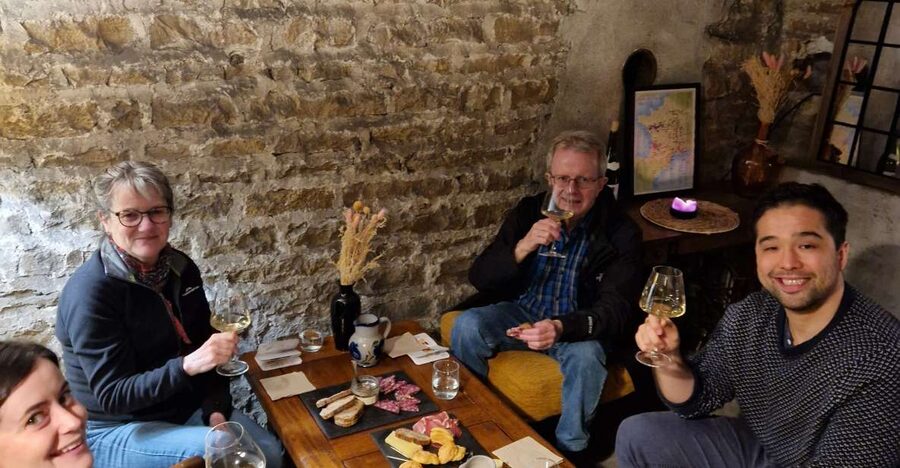
Burgundy makes more sense after a good tasting. This two-hour Dijon wine masterclass turns a famously complex region into something you can actually understand, with guided pours, local context, and practical tasting advice. I especially like the clear introduction to tasting technique and the chance to study Burgundy labels, grapes, production rules, and regional differences in one sitting.
The cheese, charcuterie, and wine pairing adds real value, too. The main consideration is that this is an adults-only activity, and two hours can feel brief if you want a broad survey of every Burgundy appellation.
In This Review
- Key points at a glance
- Why Burgundy wine can be hard to understand
- Beginning with the five senses
- Tasting Burgundy one glass at a time
- Making sense of Burgundy’s regions and grapes
- Pairing wine with cheese and charcuterie
- The teaching style: serious about wine, relaxed with people
- Location and the simple meeting point
- Is $97 a fair price?
- Who should book this class?
- What you should know before arriving
- Final verdict: a strong Burgundy introduction in Dijon
- FAQ
- How long does the Burgundy Wines Masterclass last?
- Where does the activity begin?
- Where does the activity finish?
- Which languages are available?
- Is food included with the wine tasting?
- Can I cancel for a full refund?
Key points at a glance
- Learn the tasting method first: Start with a practical lesson on how to examine, smell, and taste wine properly.
- Burgundy made less confusing: Cover the region’s areas, grapes, production rules, history, and label system.
- Hosted by an experienced sommelier: Matthieu is praised for his humor, local background, and clear explanations. Patrice is also named positively in the feedback.
- Wine meets food: Pair the tasting with cheese, charcuterie, and other nibbles, including scones mentioned in one account.
- A useful short format: Two hours works well if you are based in Dijon or have limited time for a vineyard visit.
- Flexible booking: You can cancel up to 24 hours ahead for a full refund and reserve without paying immediately.
Why Burgundy wine can be hard to understand
Burgundy is not a simple wine region to decode. The same grape can taste quite different depending on the exact area, vineyard classification, producer, and vintage. Labels often place more emphasis on the village or vineyard than on the grape itself, which can catch newcomers off guard.
That is why a class like this can be more useful than simply ordering a glass at dinner. You get the framework first, then taste examples while the details are fresh.
The session covers the main Burgundy grape types, the different parts of the region, production rules, and how to read a Burgundy label. Those subjects matter because they help you make sense of what is in your glass and what you might order later in a restaurant or wine shop.
I would especially recommend this approach if Burgundy wine feels intimidating. You do not need a strong wine background. One first-time taster described leaving with practical advice not only about Bourgogne wines, but also about tasting wine in general.
More Wine Tours in Dijon
- Dijon: La Cave du Palais Burgundy Wine Tasting Experience
★ 4.8 · 400 reviews - Small-Group Full-Day Tour of Côte de Nuits, Côte de Beaune Vineyards and Beaune Historical District
★ 5.0 · 364 reviews - Pinot Noir Masterclass – Wine tasting in Dijon
★ 5.0 · 147 reviews
Beginning with the five senses
The class starts with the mechanics of tasting. You learn how to look at the wine, smell it, and taste it with more purpose rather than simply deciding if you like it.
That sounds basic, but it is useful. A good tasting method gives you a shared language for discussing color, aroma, structure, freshness, texture, and finish. It also helps you notice why two wines made from the same broad grape type can feel so different.
The sommelier leading the class reached the highest level of his school in London last year and has ten years of experience guiding tastings for both amateurs and professionals. That background should help keep the opening lesson practical instead of overly technical.
I like that the instruction comes before the tasting flight. You are not left to sip six unfamiliar wines while someone recites facts. Instead, you get a simple way to pay attention, then apply it to each pour.
One particularly useful detail from the session is the chance to learn how to detect when a wine is not right. That is a valuable skill for restaurants and dinner parties, where you may need to recognize a faulty bottle without feeling like you are making a fuss.
Tasting Burgundy one glass at a time
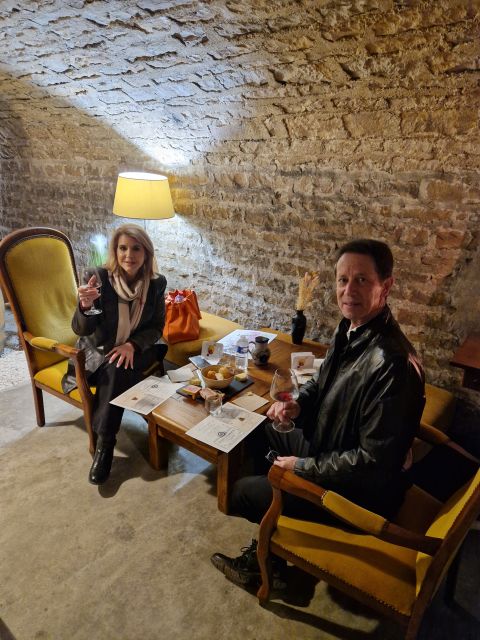
The tasting itself is the heart of the experience. The exact wines can change, but the class is built around several Burgundy examples, with five wines expected and a sixth sometimes added when the group is enjoying the session and time allows.
That extra pour is not guaranteed, so I would treat it as a pleasant bonus rather than part of the formal promise. The important point is the range of comparison. You are not tasting one wine in isolation. You are using several wines to notice differences in grape, place, style, and production.
Matthieu is the guide named most often in the comments, and his approach seems to combine strong technical knowledge with an easy sense of humor. That balance matters. Wine classes can become dry lectures when the presenter focuses too heavily on rules and terminology.
Here, the class appears to work well for mixed groups. People with no previous tasting experience can follow the explanations, while experienced wine drinkers still have room to ask questions and compare impressions. One couple who had taken wine tours and masterclasses in several French regions rated this class as their best of the trip, particularly for Matthieu’s command of Burgundy.
The pace also seems adaptable. One session ran longer because the group was having such a good time, and the host was gracious about it. You should not assume every class will exceed two hours, but this suggests the setting is not designed as a rushed, clock-watching presentation.
Making sense of Burgundy’s regions and grapes
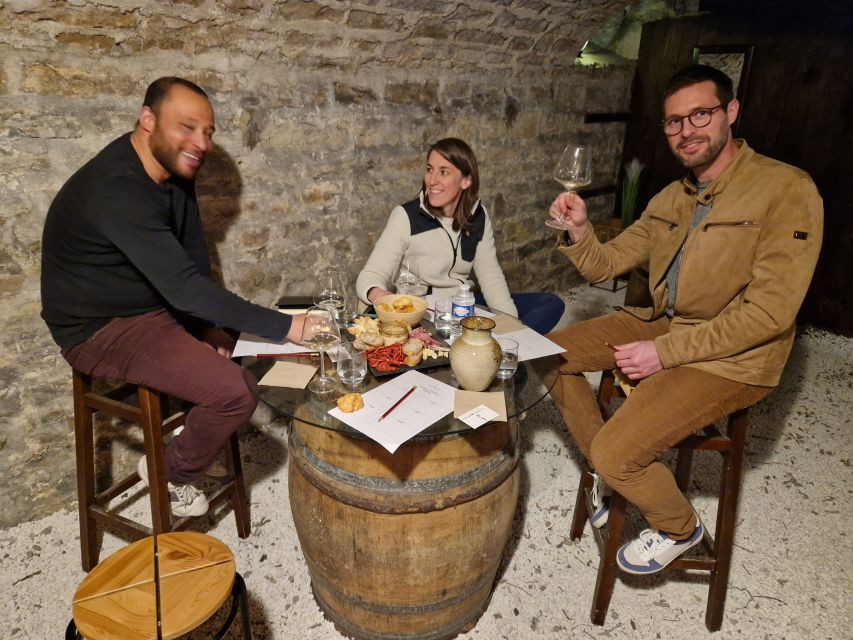
The class moves beyond tasting technique into the structure of Burgundy itself. You learn about the different areas within Burgundy and the grape varieties associated with the region.
This is where the class can turn a confusing wine list into something more readable. Burgundy is divided into named areas with their own reputations and rules. Understanding those divisions gives you a better idea of what a bottle might taste like before you open it.
The lesson also covers production rules. For a beginner, this may sound like paperwork, but these rules help explain why Burgundy labels look the way they do and why certain names carry such weight.
The label lesson is especially practical. Burgundy bottles can seem cryptic because the grape may not be the most prominent information. Learning how to read the name, place, and classification helps you choose with more confidence.
I would pay close attention here and take mental notes rather than trying to memorize every term. The goal is not to become a Burgundy expert in two hours. The goal is to leave able to recognize the basic logic behind the region’s wines.
The session also brings the wine country to life without requiring a full day of driving. One person described the class as a way to make the wine country feel real, which is exactly the value of a well-led introduction in Dijon.
More Wine Tours in France:
- Authentic Parisian Gourmet Food Tour with 10 Local Dishes & Wines
★ 5.0 · 4,754 reviews - Loire Valley Castles Day Trip from Paris with Complementary Wine
★ 4.5 · 3,907 reviews - Bordeaux: Cité du Vin Entry Ticket and Wine Tasting
★ 4.6 · 3,885 reviews - Bordeaux: River Garonne Cruise with Glass of Wine and Canelé
★ 4.5 · 3,630 reviews
Pairing wine with cheese and charcuterie
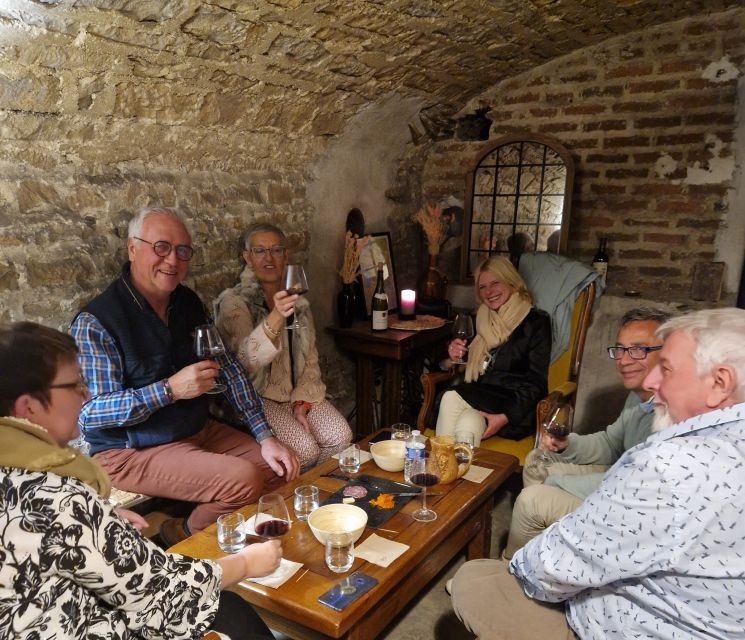
The food is not just a snack between pours. Cheese and charcuterie give you a way to test how food changes the taste of wine.
A wine that seems sharp or heavy on its own may feel different with cheese. Salty cured meats can also change your sense of fruit, acidity, and texture. You get to see why pairing is not only about matching white wine with fish or red wine with meat.
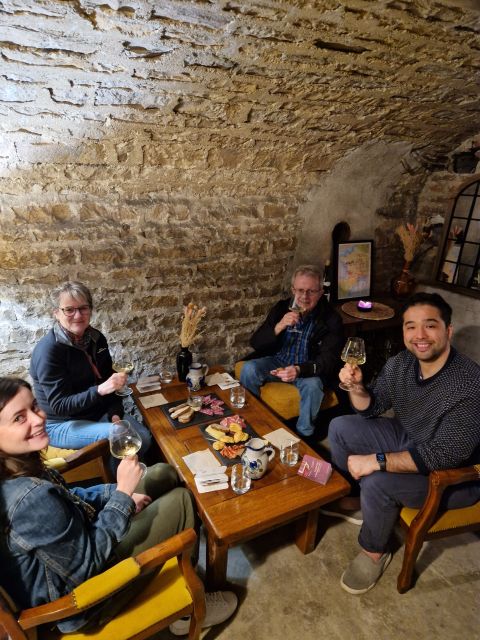
The food selection has been praised as generous and attractive, with cheese, cold meats, and scones mentioned as part of one tasting. The exact board may vary, so I would not book this expecting a fixed menu. Still, the pairing element is clearly an important part of the class rather than an afterthought.
One particularly strong reaction focused on the wine and food pairing, calling it perhaps the best pairing experience that person had enjoyed. That enthusiasm makes sense because tasting with food helps anchor abstract ideas in something immediate and memorable.
If you have dietary restrictions, the supplied information does not specify alternatives. You should ask the provider before booking if the cheese and charcuterie arrangement is a concern.
The teaching style: serious about wine, relaxed with people
A wine masterclass works best when the guide can read the room. This one has received praise for being informative, engaging, friendly, and relaxed.
Matthieu is repeatedly described as humorous and warm. He also made sure the whole group was included, which is important in a shared tasting. You do not want one confident wine drinker taking over every question while beginners sit quietly.
The class also seems suited to social occasions. One group began as six acquaintances and finished feeling like friends, connected by a shared interest in wine. That does not mean every group will have the same chemistry, but the informal format gives conversation room to develop.
Patrice is also named as a highly praised host, described as welcoming and very good at making the experience enjoyable. Since more than one guide name appears in the available feedback, check the current booking details if having a particular instructor matters to you.
The overall tone seems closer to a friendly local lesson than a formal examination. You can learn serious material without needing to arrive with a notebook full of wine vocabulary.
Location and the simple meeting point
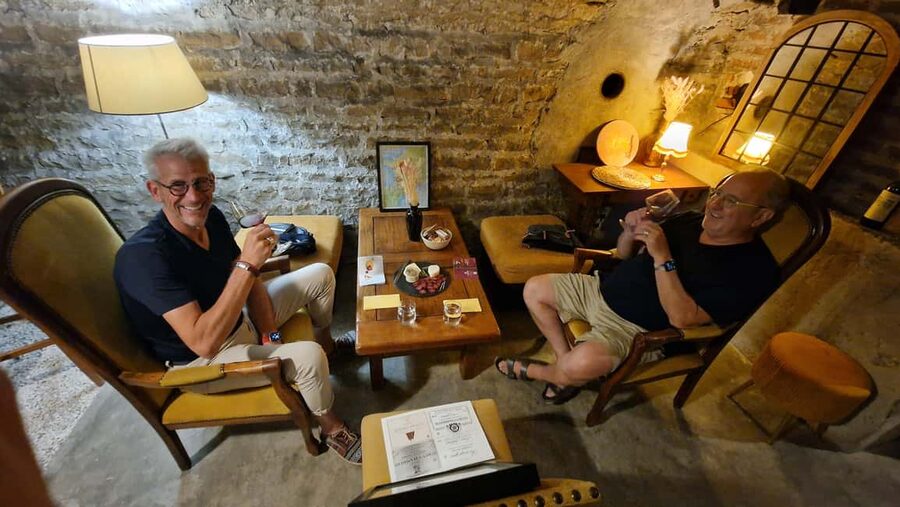
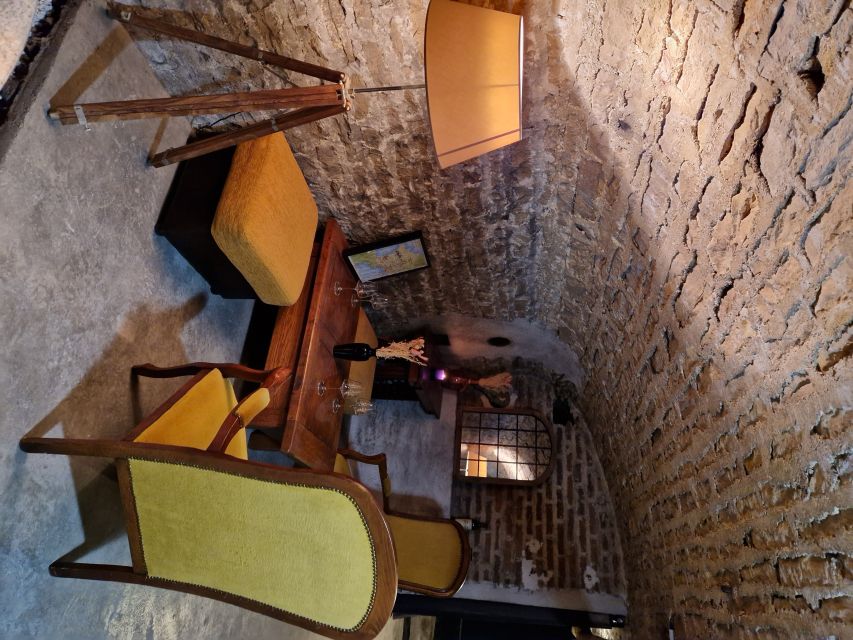
The experience takes place in Dijon, in the Bourgogne-Franche-Comté region. It begins and ends at the same meeting point, so you do not need to arrange a separate return transfer or find your way to another part of town afterward.
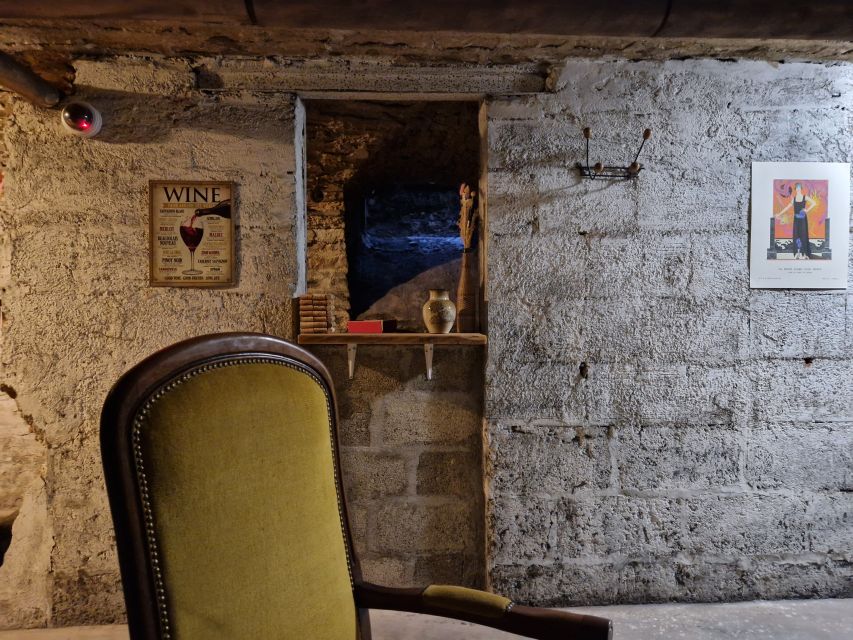
The arrival instructions are specific. Enter the courtyard, look for stairs going down on the left, and find the sign for The Wine Compass. That sign marks the venue.
I would allow a few extra minutes to locate the courtyard and stairs, especially if you are arriving on a tight schedule. The supplied directions are clear once you are at the entrance, but the setting is not described as a large street-front venue with an obvious shop display.
Because the class lasts two hours, it can fit neatly into a Dijon day. You could place it between sightseeing plans or use it as a focused introduction before visiting Burgundy wine bars and restaurants. Starting times vary, so check availability before building your day around it.
Is $97 a fair price?
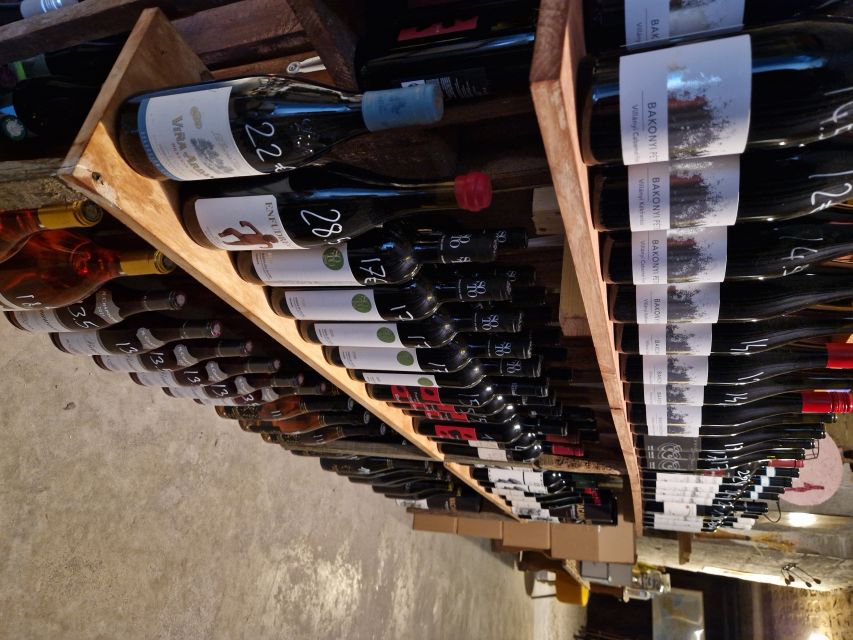
At $97 per person, this is not a cheap casual tasting. You are paying for a guided lesson, several Burgundy wines, regional explanation, food pairings, and the time of a trained sommelier.
The value depends on what you want. If you only want a glass of local wine and a few facts, a bar will cost less. If you want to understand Burgundy well enough to read labels, compare styles, and taste with more confidence, the class offers more substance than a simple flight at a restaurant.
The two-hour length also makes the price easier to judge. It is a compact experience rather than an all-day vineyard excursion. There is no transport into the countryside listed, and you do not visit multiple estates or cellars during this activity.
For a short stay in Dijon, that can be a strength. You get an organized introduction without spending most of the day on the road. If you already have several vineyard tours planned, the class may repeat some basic information, though the focused tasting and label lesson can still fill a useful gap.
The food pairing helps the value. You are not just buying wine pours. You are also testing the wines with cheese and charcuterie, which gives the lesson a practical edge.
Who should book this class?
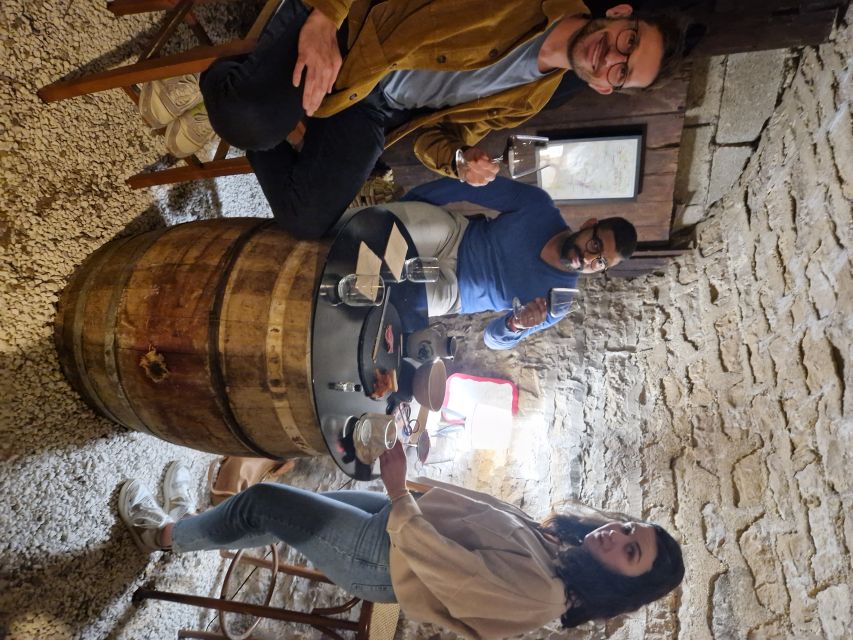
I would choose this experience if you fit one or more of these descriptions:
- You are new to Burgundy wine and want a clear starting point.
- You enjoy wine but still find French labels confusing.
- You have limited time in Dijon and cannot fit in a countryside wine tour.
- You want to learn proper tasting technique in a relaxed setting.
- You like food pairing and want to understand why certain combinations work.
- You are traveling with adults who enjoy conversation, wine, and local culture.
The class is also a good option for experienced wine drinkers who want a concentrated Burgundy session. The feedback includes people who had already taken wine courses and regional tours, yet still found the Burgundy focus worthwhile.
It is not suitable for children under 18, and the information also says it is not suitable for people under 17. Pregnant women should not book this activity. Pets are not allowed.
What you should know before arriving
You do not need to be an expert. The opening lesson is designed to teach the basic process, and the host has experience working with both beginners and professionals.
You should arrive ready to participate rather than simply watch. The more you smell, taste, and compare, the more useful the class becomes. If you are shy about wine vocabulary, do not worry about sounding polished. The point is to learn how to notice things, not to perform as a sommelier.
English and French are offered. If you have a preferred language, confirm the available session when you check times.
The activity finishes where it begins, and the booking terms allow free cancellation up to 24 hours before the start for a full refund. You can also reserve now and pay later, which is helpful if your Dijon plans are still changing.
Final verdict: a strong Burgundy introduction in Dijon
I would book this masterclass if you want more than a quick taste but less than a full vineyard day. The strongest reasons are the practical tasting lesson, the clear focus on Burgundy labels and regional rules, and the food pairing with cheese and charcuterie.
The hosts, especially Matthieu, seem to make the difference. His local background, humor, and ability to explain difficult material without making it feel heavy are praised again and again. Patrice is also described as warm and engaging.
The main limitation is the format. Two hours cannot cover every Burgundy village, producer, and classification in detail. The $97 price also asks you to value instruction, not just the wine itself.
For a first encounter with Burgundy, that is a fair trade. You leave with a better way to taste, a clearer idea of how the region works, and more confidence when a Burgundy label appears in front of you at dinner.
FAQ
How long does the Burgundy Wines Masterclass last?
The class lasts two hours. Starting times vary, so check availability when choosing a date.
Where does the activity begin?
Enter the courtyard and look for stairs going down on the left. A sign reading The Wine Compass marks the meeting point.
Where does the activity finish?
The class ends back at the same meeting point.
Which languages are available?
The instructor can lead the activity in English or French.
Is food included with the wine tasting?
Yes. The experience includes a cheese board and charcuterie. Cheese, cold meats, and scones are also mentioned as part of one tasting.
Can I cancel for a full refund?
Yes. You can cancel up to 24 hours in advance for a full refund. You can also reserve now and pay later.
Recently added around France
- The essential in Bordeaux, private tour with a local★ 4.9 · 48 reviews
- Avignon, Les Baux, St Remy and Arles from MARSEILLE★ 4.5 · 48 reviews
- Visit Avignon and Villeneuve lez Avignon aboard a Double-Decker Bus★ 4.0 · 48 reviews
- 2 hour outdoor group activity in Paris: SAINT GERMAIN★ 5.0 · 48 reviews
- Private Half-Day Guided Tour of Paris★ 4.5 · 48 reviews
- Blind Test Room & karaoke Montpellier★ 5.0 · 48 reviews
- Paris Dinner Show Opera Bel Canto★ 4.5 · 48 reviews
- Cannes: Lérins Islands Private Boat Tour★ 4.9 · 48 reviews
Wine Tours, compared.
Authentic Parisian Gourmet Food Tour with 10 Local Dishes & Wines
Read our review →
Loire Valley Castles Day Trip from Paris with Complementary Wine
Read our review →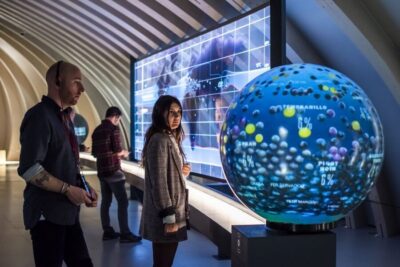
Bordeaux: Cité du Vin Entry Ticket and Wine Tasting
Read our review →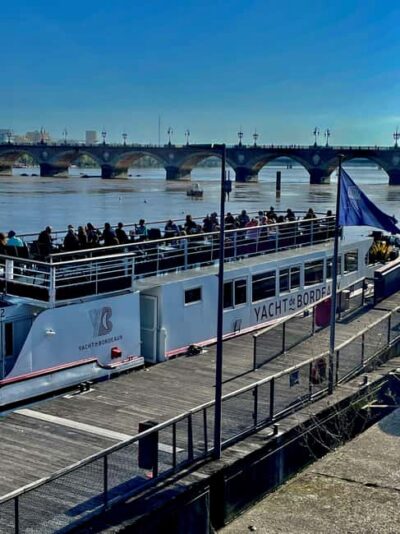
Bordeaux: River Garonne Cruise with Glass of Wine and Canelé
Read our review →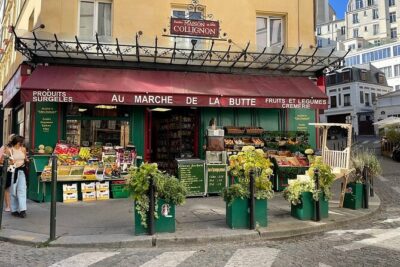
Montmartre Hill French Gourmet Food and Wine Tasting Walking Tour
Read our review →
Paris: Montmartre Cheese, Wine & Pastry Guided Walking Tour
Read our review →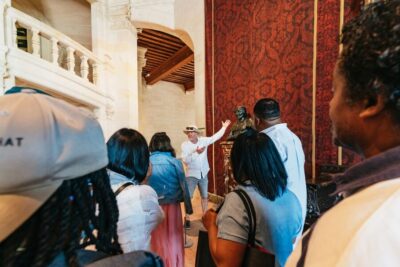
From Paris: Loire Valley Castles Day Trip With Wine Tasting
Read our review →
From Bordeaux: Afternoon Saint-Emilion Wine Tasting & snack
Read our review →Browse the lists this tour appears in