
Reviewed · WINE TOURS
Dijon: La Cave du Palais Burgundy Wine Tasting Experience
Wine makes more sense underground. La Cave du Palais brings Burgundy’s famous bottles into a cozy vaulted cellar in central Dijon, where a small group tastes six wines while learning how soil, place, vintage, and aging shape each glass. I especially like the historic cellar setting and the chance to compare wines from regional appellations up to Grand Cru without leaving the city. The main consideration is that this is a seated tasting and not a visit to the vineyards, so you will learn about Burgundy rather than see the vines themselves.
At $64 per person for 90 minutes, the tasting offers solid value if you want a focused introduction to Burgundy wine. I also like the relaxed, question-friendly approach, with French and English available and groups limited to eight people. You need to be over 18, and the cellar is not suitable for wheelchair users, pregnant women, or children under 18.
In This Review
- Key points to know before you book
- Entering La Cave du Palais in central Dijon
- The first lesson: Burgundy is about place
- Six wines, from regional bottles to Grand Cru
- How the guide shapes the afternoon
- Aging, vintages, and why the year matters
- A small group makes a real difference
- What $64 buys you
- Timing the tasting around Dijon
- Who will enjoy this experience most
- Practical details worth knowing
- Should you book La Cave du Palais?
- FAQ
- Where does the Burgundy wine tasting take place?
- How long does the experience last?
- How many wines are included?
- What types of Burgundy wine might I taste?
- Is the tasting available in English?
- How many people can join the group?
- Do I need to be over 18?
- Is the experience suitable for wheelchair users?
- Can I cancel the booking?
Key points to know before you book
- Six wines in 90 minutes: You taste a planned selection of Burgundy wines, with past tastings including three whites and three reds.
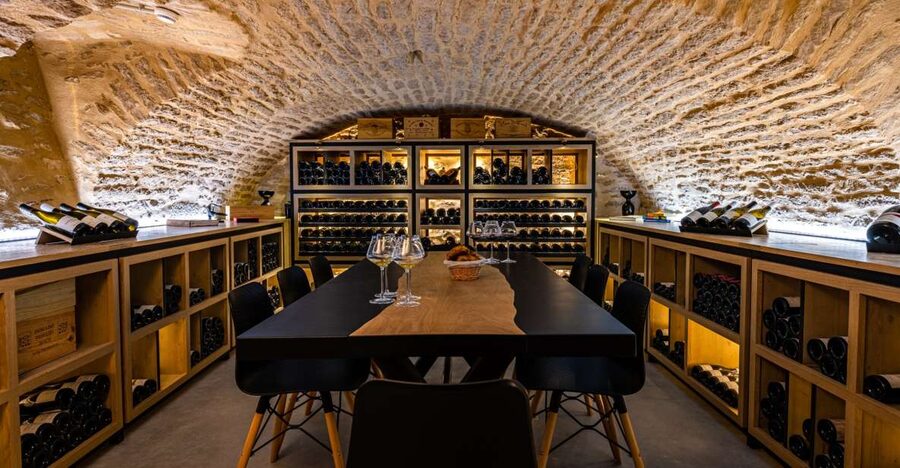
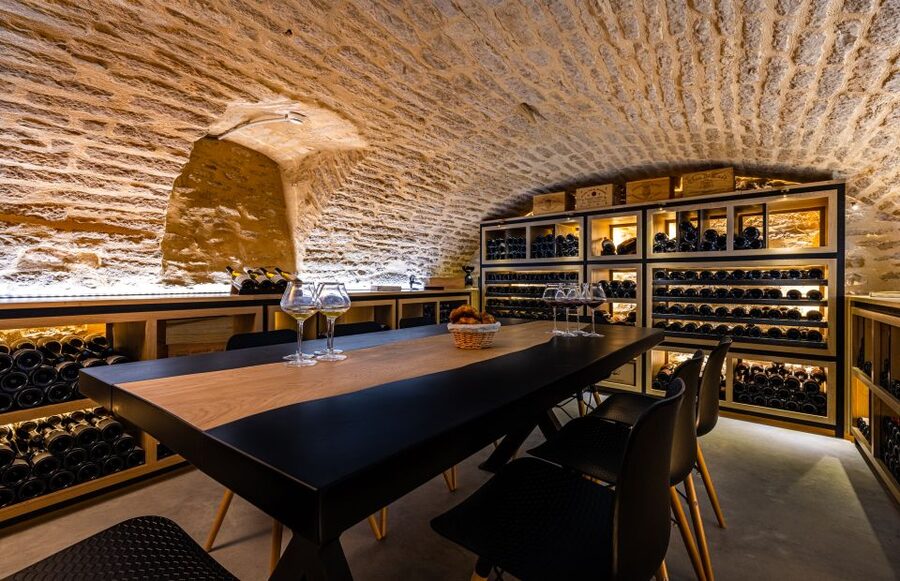
- A 15th-century cellar setting: The tasting takes place in original underground cellars beneath the Hotel du Palais, adding atmosphere without requiring a trip outside Dijon.
- From regional bottles to Grand Cru: The selection introduces Burgundy’s levels of appellation, helping you see what changes as the name and place become more specific.
- Small groups of up to eight: The size leaves room for questions and gives the host time to adjust the discussion to the group.
- Strong English support: Hosts including Prune, Antoine, Leo, Robin, and Sebastian have guided mixed French and English groups, and some sessions have also included Spanish.
- Easy city-center access: La Cave du Palais is about a five-minute walk from Place de la République, so you do not need a car or a full day in the countryside.
Entering La Cave du Palais in central Dijon
The meeting point is La Cave du Palais, located inside the Hotel du Palais. From Place de la République, it is roughly a five-minute walk through Dijon’s city center. That location matters. You can fit the tasting around a museum visit, dinner, or an afternoon walk through the old town without arranging transport to a vineyard.
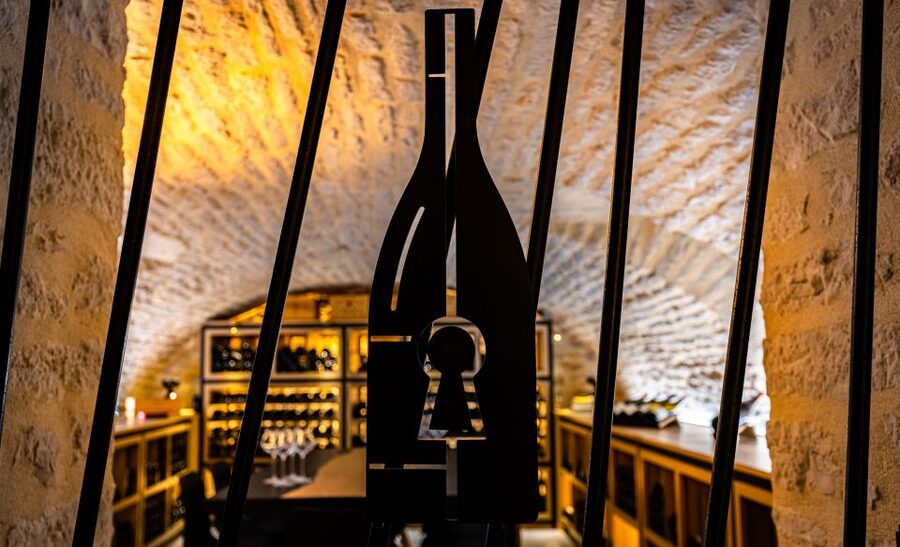
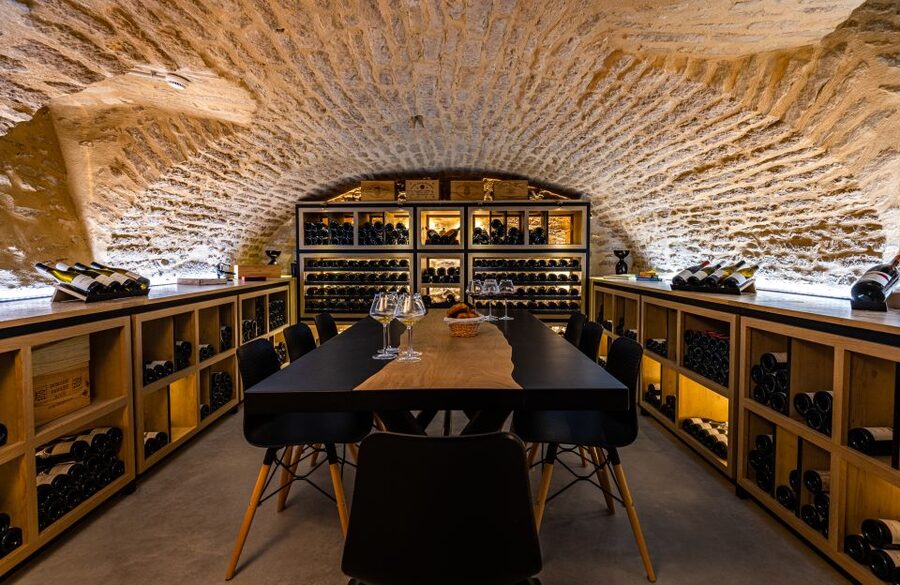
The cellar is one of the main reasons to choose this activity. It is an ancient, vaulted underground space with an intimate feel. One session took place in a cellar described as dating to the 15th century, while other descriptions emphasize the original underground rooms and their careful design. You are not simply sitting in a generic bar with a few bottles on a shelf.
The setting also keeps the experience relaxed. It feels more personal than a large commercial tasting room, and the small group size helps the host keep the conversation moving at a human pace. If you like atmospheric places, this is a strong part of the package.
There is one practical limitation. A historic cellar may involve access conditions that do not work for everyone, and the activity is specifically not suitable for wheelchair users. Pets are not allowed. If you have mobility concerns, check before booking rather than assuming the central location guarantees easy access.
More Food Tours in Dijon
- Pinot Noir Masterclass – Wine tasting in Dijon
★ 5.0 · 147 reviews - Dijon: Cheese and Burgundy Wine Tasting Workshop
★ 4.8 · 122 reviews - Chardonnay Masterclass – Wine tasting in Dijon
★ 5.0 · 91 reviews
The first lesson: Burgundy is about place
The tasting is not only about deciding which wine you like best. The central lesson is how Burgundy organizes wine around place. The host explains the region’s climates, meaning its named vineyard sites and growing areas, and shows how geography and soil can affect the taste of grapes grown in different locations.
This is useful because Burgundy labels can look confusing at first. A bottle may carry a broad regional appellation, a village name, a more specific Premier Cru designation, or Grand Cru status. The tasting gives you a chance to compare those categories in the glass instead of trying to understand them from a label alone.
The explanation is practical rather than purely technical. You learn how a wine’s denomination can refer to a region, a property, or a specific terroir. One tasting used the wines to make those differences clear through direct comparison. That is the sort of lesson you can remember when buying a bottle later.
I would not expect a full lecture on every Burgundy village. Ninety minutes goes quickly, especially with six wines and questions. Still, the format gives you a useful framework for understanding why two bottles made from similar grapes may taste quite different.
Six wines, from regional bottles to Grand Cru
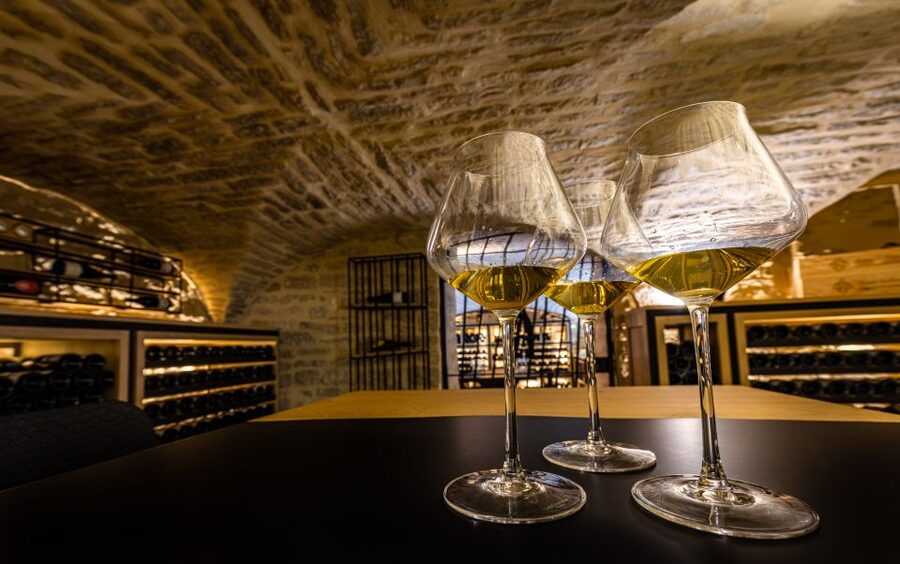
The tasting includes six wine samples. The exact bottles can vary, but the stated range runs from regional appellations through the top Grand Cru category. That range is the key value of the session. You get a broad look at Burgundy’s system rather than sampling six versions of the same style.
Past sessions have included three red and three white wines. That balance gives you a helpful view of Burgundy’s best-known wine traditions. The tasting is not limited to one color, and you can pay attention to how place and aging affect both white and red wines.
Do not treat the session as a contest to identify the most expensive bottle. The point is to notice differences. A regional wine may feel more direct and easygoing, while a wine from a more specific site may show greater detail or a different balance. The host guides you through those contrasts and explains why the bottles do not taste alike.
The six pours are described as generous, and extra tastings are not included. That distinction matters. You receive a substantial set of comparisons for the fixed price, but you should not assume that the session turns into unlimited sampling.
The selection has been praised for being varied and delicious, and some people have bought a bottle afterward. There is no obligation to purchase wine, which keeps the tasting from feeling like a sales presentation. If you find a favorite, buying a bottle can be a practical way to extend the experience, but it is entirely optional.
How the guide shapes the afternoon
The host is the heart of this activity. The strongest sessions depend on a guide who can explain Burgundy clearly, answer questions, and keep the pace informal. The hosts named in the feedback include Antoine, Prune, Leo, Robin, Sebastian, and Rafael, so the person leading your tasting may vary.
Antoine has been praised for making the discussion interactive and for answering questions about different types of Burgundy wine. Prune has guided sessions in excellent English and has also helped people with Dijon dinner suggestions. Leo has led groups that included people working in the wine industry, while Robin has been described as passionate about the region and good at making the subject fun.
You should expect the guide to talk while you taste, not simply pour six glasses and leave you to decide. The discussion covers the region, production, appellations, terroir, and aging. That structure suits beginners because you have something specific to notice in each glass.
It also works for people who already know wine. One session included wine professionals who appreciated the host’s command of the subject and his willingness to discuss wine in a broader international context. The small group gives experienced drinkers room to ask more technical questions without forcing everyone else into a formal class.
The tone appears to be friendly rather than stiff. Questions are encouraged, and the presentation has been described as informal, entertaining, and not overly focused on technical winemaking language. That balance is important. Burgundy can become a maze of names and classifications, but a good guide keeps it connected to what you are actually tasting.
More Wine Tours in Dijon
- Small-Group Full-Day Tour of Côte de Nuits, Côte de Beaune Vineyards and Beaune Historical District
★ 5.0 · 364 reviews - Burgundy Wines Masterclass in Dijon
★ 5.0 · 139 reviews - Half Day Tour of the Cote de Nuits Vineyards from Dijon
★ 5.0 · 108 reviews - Small group Burgundy tour of Beaune with Wine Tasting from Dijon
★ 4.5 · 85 reviews
Aging, vintages, and why the year matters
A central part of the talk concerns the years in which wines were produced. The host explains why vintage and aging affect a bottle’s taste and qualities. For a beginner, this helps answer a common question: why can two bottles from the same region taste so different?
The conversation links the year to the wine’s character, then places that idea beside the climate and the vineyard site. You are not asked to memorize a long list of vintages. Instead, you get a way to think about the relationship between growing conditions, place, and time in the bottle.
This is one of the more valuable parts of the tasting because it gives you tools for future choices. If you later visit a wine shop or restaurant in Dijon, you can ask better questions about the appellation, vintage, and style rather than choosing only by price or a familiar label.
The session cannot turn you into a Burgundy expert in 90 minutes. It can, however, make the region’s classification system less mysterious and help you taste with more attention. That is a fair goal for a short city-center activity.
A small group makes a real difference
The group is limited to eight participants. That is small enough for an exchange rather than a one-way presentation, and it gives the guide time to answer questions. Some sessions have had only two, five, or a handful of participants, which allowed the host to adjust the conversation and spend more time with each person.
A small group also adds a social element. You may meet people from several countries and compare impressions as you taste. One group included English and Spanish speakers, and the guide moved between English, French, and Spanish to keep everyone involved.
The tradeoff is simple: a small-group activity can feel more dependent on the chemistry of the room. If you prefer a private tasting with only your own party, this is not advertised as a private tour. If you enjoy informal conversation, the limited size is a plus.
The host or greeter speaks French and English, and the experience has handled mixed-language groups well. Still, if you need a specific language or have detailed communication needs, confirm what will be available for your date.
What $64 buys you
At $64, the price is not bargain-basement, but it is reasonable for a guided tasting of six Burgundy wines in a historic cellar. You are paying for more than the liquid in the glasses. The price includes the host’s explanations, the setting, the small group format, and a structured comparison of wines across appellation levels.
A vineyard day outside Dijon would offer a different experience, with transport, scenery, and visits to producers. It would also take more time and likely cost more. If your schedule does not allow a full countryside outing, La Cave du Palais gives you a compact way to understand Burgundy from the city.
The value is strongest for first-time visitors and curious wine drinkers. You can spend 90 minutes learning enough to make the rest of your Burgundy trip more meaningful. It is also useful on your first evening in Dijon, when the discussion can help you choose local dishes and wines for the days ahead.
The value is less clear if you only want to drink without instruction. Six tastings are included, but the experience is built around commentary and comparison. You should book it because you want to understand what is in the glass, not simply because you want a place to have six drinks.
Timing the tasting around Dijon
The 90-minute length fits neatly into a city itinerary. You can schedule it before dinner, after sightseeing, or during an afternoon break. The central location means you can walk there from Place de la République and continue on foot afterward.
A tasting can also be a smart rainy-day plan. The cellar provides an indoor setting, and the activity does not depend on vineyard conditions or countryside transport. At the same time, the underground room and wine focus make it feel tied to Burgundy rather than like a backup plan.
Several people have used the tasting as a memorable way to finish a day in Dijon. I think it works especially well before a traditional Dijonnaise meal, when you can put the regional discussion to use at the table. One host even offered dinner advice, including a recommendation for local recipes.
Keep your expectations clear. You will learn about Burgundy’s vineyards and production, but you will not tour the vines, meet a grower at a farm, or visit multiple wineries. The activity is a city-based introduction, not a rural wine route.
Who will enjoy this experience most
I would recommend La Cave du Palais to:
- First-time Burgundy visitors who find French wine labels confusing
- Couples looking for a relaxed cultural activity in Dijon
- Wine drinkers who want both red and white Burgundy
- People without a car or enough time for a vineyard excursion
- Experienced wine fans who enjoy asking detailed questions
- Small groups who prefer a personal presentation over a large class
It is less suitable if you need step-free wheelchair access, are pregnant, or are under 18. Children cannot take part, and pets are not permitted.
You also need to be comfortable with a guided tasting format. The host talks throughout the session, and the experience is designed for learning. If you want a quiet, private drink, choose a wine bar instead.
Practical details worth knowing
The activity lasts 90 minutes and includes six wine tastings with live commentary. Extra tastings are not included. The meeting point is La Cave du Palais at the Hotel du Palais, about five minutes from Place de la République in central Dijon.
You can cancel up to 24 hours before the start for a full refund. The reserve-now-and-pay-later option can help if your Dijon schedule is still shifting.
The activity is for adults over 18 only. French and English are available, and group size is limited to eight. Check the starting time for your chosen date, since the schedule can vary.
Should you book La Cave du Palais?
Book it if you want a clear, compact introduction to Burgundy wine in a memorable setting. The strongest reasons are the vaulted cellar, six varied tastings, the regional-to-Grand-Cru progression, and guides who make room for questions rather than hiding behind jargon.
I would especially choose it if you are staying in Dijon without a car or cannot spare a full day for the vineyards. You will leave with a better grasp of climates, appellations, aging, and the difference between broad regional wines and more specific classifications.
Skip it if your main goal is to walk among the vines or meet producers in the countryside. This is a cellar lesson, not a vineyard tour. For most wine-curious visitors, though, $64 buys a thoughtful afternoon, a useful education, and a pleasant introduction to one of France’s most complex wine regions.
FAQ
Where does the Burgundy wine tasting take place?
It takes place at La Cave du Palais inside the Hotel du Palais in central Dijon. The cellar is about a five-minute walk from Place de la République.
How long does the experience last?
The tasting lasts 90 minutes.
How many wines are included?
Six wine tastings are included. Extra tastings are not part of the activity.
What types of Burgundy wine might I taste?
The selection includes wines from regional appellations through Grand Cru appellations. Past tastings have included three red and three white wines, though the exact selection can vary.
Is the tasting available in English?
Yes. The host or greeter speaks French and English. Some sessions have also been conducted with Spanish support.
How many people can join the group?
The group is limited to eight participants.
Do I need to be over 18?
Yes. Participants must be over 18 to take part in the wine tasting.
Is the experience suitable for wheelchair users?
No. The activity is listed as not suitable for wheelchair users.
Can I cancel the booking?
Yes. You can cancel up to 24 hours in advance for a full refund. A reserve-now-and-pay-later option is also available.
More Food Tours in France
- Paris: Seine Cruise & Crepe Tasting near the Eiffel Tower
★ 4.4 · 11,231 reviews - Normandy D-Day Small-Group Day Trip with Omaha Beach, Cemetery & Cider Tasting
★ 5.0 · 2,786 reviews - Paris: Illuminated Evening River Cruise & Waffle Tasting
★ 4.1 · 2,697 reviews - Montmartre Hill French Gourmet Food and Wine Tasting Walking Tour
★ 5.0 · 2,588 reviews
More Wine Tours in France
- Authentic Parisian Gourmet Food Tour with 10 Local Dishes & Wines
★ 5.0 · 4,754 reviews - Loire Valley Castles Day Trip from Paris with Complementary Wine
★ 4.5 · 3,907 reviews - Bordeaux: Cité du Vin Entry Ticket and Wine Tasting
★ 4.6 · 3,885 reviews - Bordeaux: River Garonne Cruise with Glass of Wine and Canelé
★ 4.5 · 3,630 reviews
Recently added around France
- The essential in Bordeaux, private tour with a local★ 4.9 · 48 reviews
- Avignon, Les Baux, St Remy and Arles from MARSEILLE★ 4.5 · 48 reviews
- Private Half-Day Guided Tour of Paris★ 4.5 · 48 reviews
- Visit Avignon and Villeneuve lez Avignon aboard a Double-Decker Bus★ 4.0 · 48 reviews
- 2 hour outdoor group activity in Paris: SAINT GERMAIN★ 5.0 · 48 reviews
- Blind Test Room & karaoke Montpellier★ 5.0 · 48 reviews
- Paris Dinner Show Opera Bel Canto★ 4.5 · 48 reviews
- Cannes: Lérins Islands Private Boat Tour★ 4.9 · 48 reviews
Wine Tours, compared.
Authentic Parisian Gourmet Food Tour with 10 Local Dishes & Wines
Read our review →
Loire Valley Castles Day Trip from Paris with Complementary Wine
Read our review →
Bordeaux: Cité du Vin Entry Ticket and Wine Tasting
Read our review →
Bordeaux: River Garonne Cruise with Glass of Wine and Canelé
Read our review →
Montmartre Hill French Gourmet Food and Wine Tasting Walking Tour
Read our review →
Paris: Montmartre Cheese, Wine & Pastry Guided Walking Tour
Read our review →
From Paris: Loire Valley Castles Day Trip With Wine Tasting
Read our review →
From Bordeaux: Afternoon Saint-Emilion Wine Tasting & snack
Read our review →Browse the lists this tour appears in