
Reviewed · MUSéE D'ORSAY TICKETS
Paris: Best of Orsay Museum Small Group Tour with Tickets
Paris rewards a good museum plan. This two-hour Orsay tour gives you timed museum entry and a clear route through Monet, Renoir, Degas, Van Gogh, Cézanne, and other major artists, with guides who connect paintings to the political and social changes of 19th-century France. I especially like the small groups, often just two to six people, and the way guides such as Blerta, Olga, Vanina, and Marine explain what to look for instead of simply naming famous canvases. The main consideration is crowding: even with reserved tickets, security lines remain, and packed galleries can make it hard to hear or get close to a painting.
The Musée d’Orsay is more than an Impressionist greatest-hits stop. Its grand former railway station, sculpture halls, art nouveau details, and progression from academic painting to modern art give the visit a strong sense of direction. Two hours is a sensible length for an introduction, but you will need extra time afterward if you want to explore every room at your own pace.
In This Review
- Key points to know before you book
- Why the Orsay works so well with a guide
- Meeting at the elephant statue
- The former railway station gives the tour its first story
- Manet, Realism, and the rules the Impressionists broke
- Renoir’s Dance and the Impressionist favorites
- Monet, Degas, and learning how to look
- Van Gogh, Cézanne, Gauguin, and Post-Impressionist intensity
- Sculpture, Art Nouveau, and an original Lady Liberty
- What two hours can realistically cover
- Is $102 a fair price?
- Who will enjoy this Orsay tour most?
- Practical details that can save you trouble
- Should you book the Musée d’Orsay small group tour?
- FAQ
- How long does the Musée d’Orsay tour last?
- Where is the meeting point?
- Are museum tickets included?
- Can I skip the security line?
- What languages are available?
- Can I bring a backpack or large bag?
Key points to know before you book
- Meet by the elephant statue: Find the huge elephant outside the museum at 1 Rue de la Légion d’Honneur, where your guide holds a Connecting France sign.
- Small groups make a real difference: Groups may be private or semi-private, and a typical group of six is easier to hear and keep together than a large museum outing.
- The route has a clear art-history storyline: You begin with Realism and academic painting before moving through Impressionism, Post-Impressionism, Art Nouveau, sculpture, and early modern art.
- Reserved tickets save time, but not every queue: Your ticket provides quick access to the collections, while museum security still must be cleared.
- The guides are the strongest part: English, French, Spanish, Italian, and German tours are available, with guides praised for lively explanations, good pacing, and the ability to answer questions.
- Pack light: Large bags, backpacks, umbrellas, and luggage are not allowed, and every ticket is personal.
Why the Orsay works so well with a guide
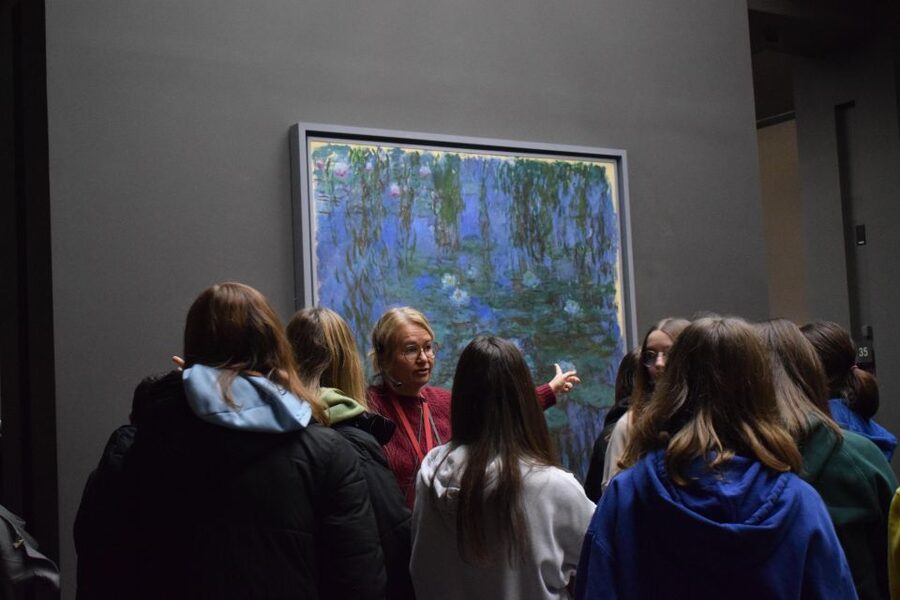
The Musée d’Orsay can feel manageable at first, then suddenly enormous. One room gives you Manet, the next offers Monet and Renoir, and soon you are trying to keep track of different painters, dates, techniques, and arguments about what art should be.
A guide gives those rooms an order. Instead of treating the museum as a parade of famous names, the tour explains how Realist artists such as Édouard Manet challenged accepted subjects and methods, helping prepare the way for Degas, Pissarro, Renoir, Monet, and their fellow Impressionists.
I like this approach because it gives you something useful to carry from painting to painting. You learn to notice brushwork, light, composition, subject matter, and the social world behind the scene. The art becomes less about checking off names and more about seeing why a painting caused excitement or resistance in its own time.
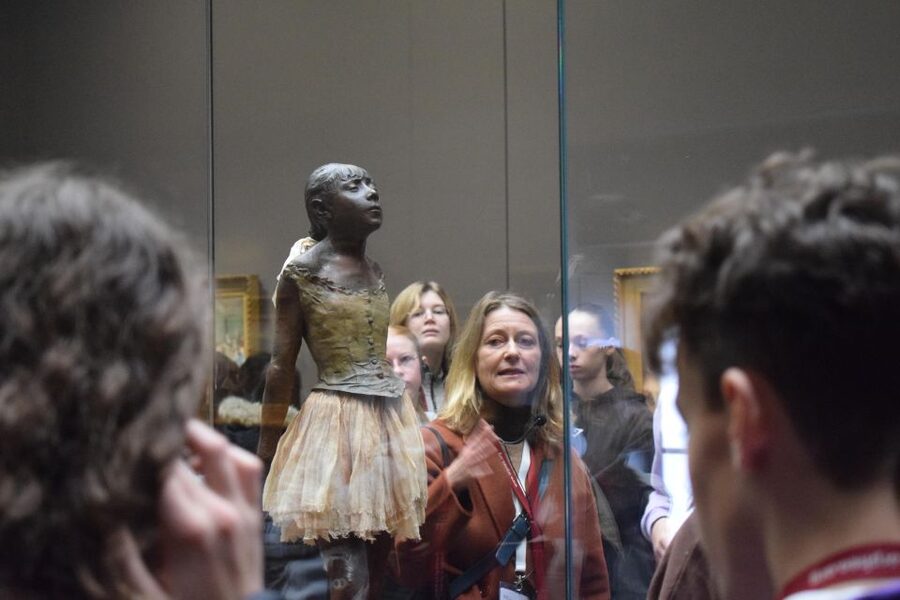
Guides bring different strengths. Vanina has been praised for explaining the strict academic rules that Impressionist artists pushed against, while also giving attention to artists who receive less attention, including Berthe Morisot. Olga has a gift for linking artistic change to political and practical realities, and Marine has used an iPad to show extra information and point out symbols in paintings.
That variety is worth noting. The exact guide shapes the tone of your visit, but the repeated pattern is clear: this is an explanatory tour, not simply a walk to the museum’s most photographed works.
More Musée d'Orsay tickets:
- Paris in a Day: Louvre or Orsay, Eiffel Tower, City Walk & Cruise
★ 5.0 · 1,956 reviews - Paris: Musée d’Orsay Skip-the-Line Tour with Expert Guide
★ 4.5 · 1,145 reviews - Musée d’Orsay Skip-the-Line Tour with Expert Guide
★ 4.8 · 1,088 reviews
Meeting at the elephant statue
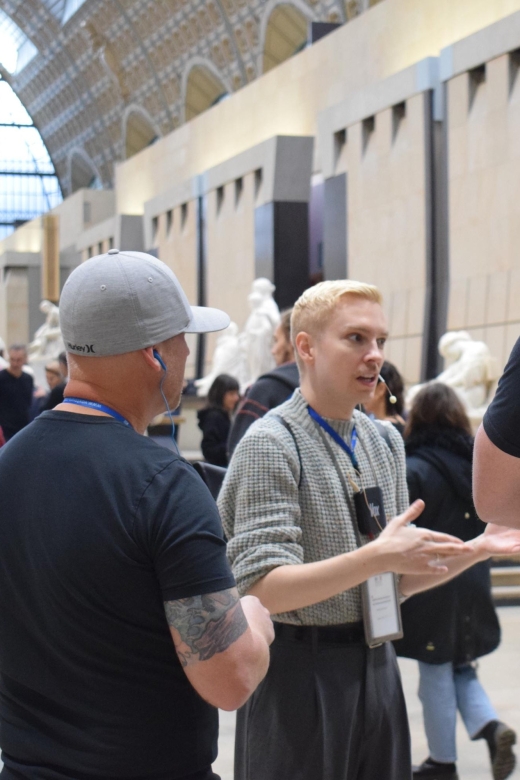
Your starting point is in front of the museum by the large elephant statue. Look for the guide holding a Connecting France sign. This detail matters because the Orsay entrance area can be busy, and meeting at a visible landmark is easier than trying to identify a person in a crowd.
Allow time to arrive without luggage or large bags. Backpacks, umbrellas, and big bags are not permitted, so you should arrange your belongings before meeting the group. Bring a passport or identification card. Children up to age 17 need a photo ID because the museum tickets are personal.
The museum is at 1 Rue de la Légion d’Honneur, in the former Gare d’Orsay. The location is central and easy to combine with other Paris sights, but the tour itself begins outside rather than at an interior museum desk.
The former railway station gives the tour its first story

Before you see the paintings, your guide explains how the railway station became a museum. This is a useful beginning because the building is part of the experience, not just a container for art.
The station’s scale helps explain why the Orsay feels different from a conventional gallery. You are looking at paintings beneath a structure built for movement, crowds, and modern transport. That contrast fits the art inside, much of which records a period when Paris was changing quickly.
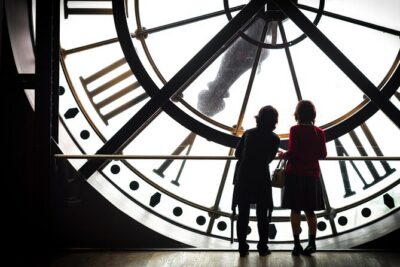
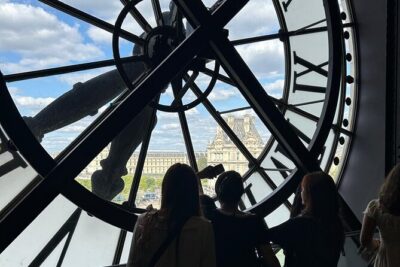
Pay attention to the architecture as you move through the museum. One guide pointed out architectural features alongside the art, helping the building make sense as its own historical object. You may also see the famous clock and grand interior spaces, though the exact route can change with crowd levels and room access.
The first portion of the tour sets up the shift from traditional academic painting to Realism. That foundation helps you understand why Manet mattered. The point is not simply that he painted modern life, but that he questioned the subjects, finish, and conventions expected by official art institutions.
Manet, Realism, and the rules the Impressionists broke
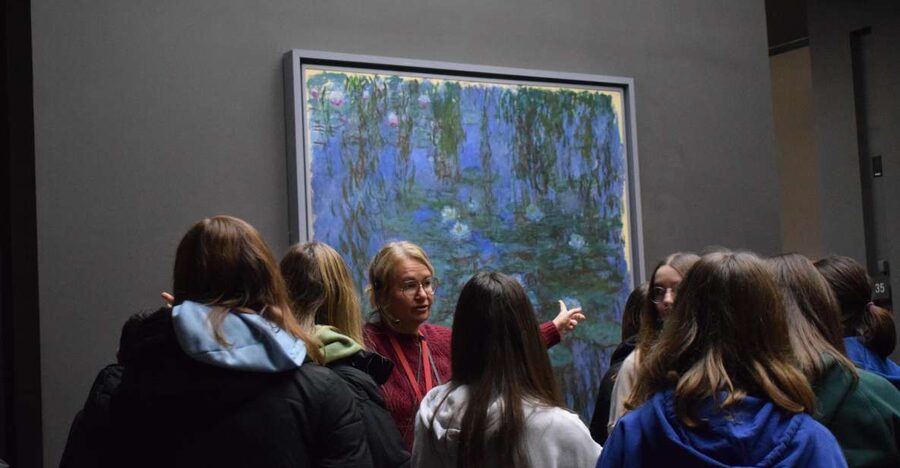
The Orsay holds works that show the argument taking shape. Realist painting brought ordinary life, contemporary people, and less polished subjects into serious art. Manet helped push that challenge further, creating a bridge toward the Impressionists.
Your guide may connect Manet’s choices to the artists who followed. Degas, Monet, Renoir, Pissarro, and Sisley did not all paint in the same way, but they shared an interest in modern experience, changing light, outdoor effects, and less formal ways of composing a scene.
This is where the tour’s historical approach pays off. You will hear how political movements and artistic movements affected one another, rather than studying style in isolation. The painters were responding to a society in motion, and the guide explains how those pressures appeared in both subject and technique.
I find this especially helpful if you are new to art history. A good guide does not assume that you already know the difference between Realism, Impressionism, and Post-Impressionism. The explanations build step by step, with room for questions.
More Museum Tours in Paris:
- Paris: Louvre Museum Timed-Entrance Ticket
★ 4.6 · 71,977 reviews - Louvre Museum Masterpieces Guided Tour with Access
★ 4.5 · 12,023 reviews - Paris: Louvre Museum Entry Ticket With Host and River Cruise
★ 4.6 · 9,926 reviews - Les Invalides: Napoleon’s Tomb & Army Museum Entry
★ 4.6 · 9,185 reviews
Renoir’s Dance and the Impressionist favorites
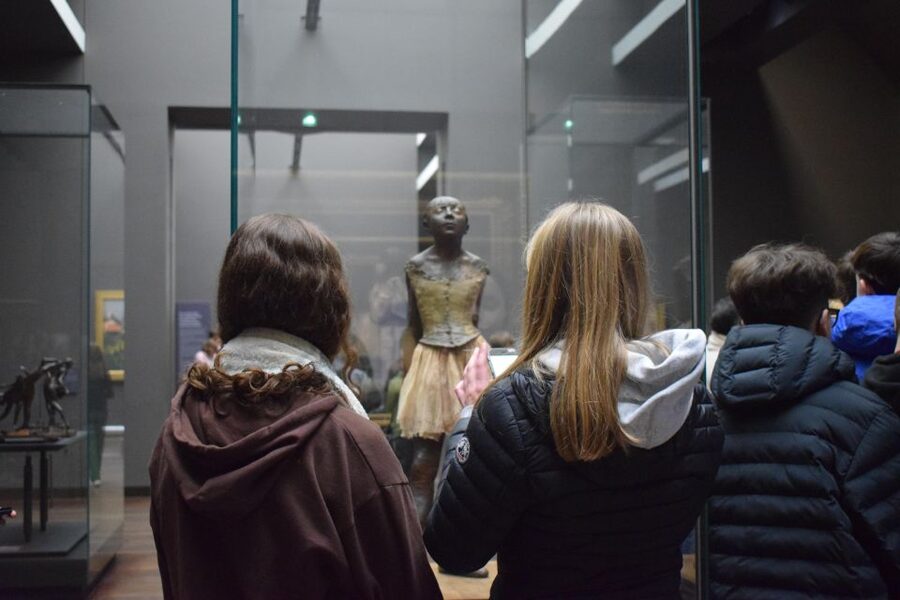
One of the major stops is Pierre-Auguste Renoir’s Dance at Le Moulin de la Galette. It is the sort of painting many people come to see, but a guide can help you look past its popularity.
You might be asked to notice the crowded social setting, broken patches of light, loose brushwork, and the sense of a moment caught rather than arranged like a formal historical scene. The picture is not only about a pleasant afternoon. It also shows how Impressionist painters treated ordinary leisure as a serious modern subject.
The museum’s Impressionist collection includes major works by Monet, Degas, Renoir, Sisley, and others. The route does not attempt to cover every painting. Instead, it focuses on significant examples and uses them to explain recurring ideas, such as changing light, movement, public life, and the effect of seeing through a modern city.
Crowds are the main obstacle here. On busy days, people can gather around the best-known canvases, and one person specifically found Tuesday difficult because the Louvre was closed and more visitors came to the Orsay. A small group helps your guide bring you close to key works, but it cannot create empty galleries.
Monet, Degas, and learning how to look
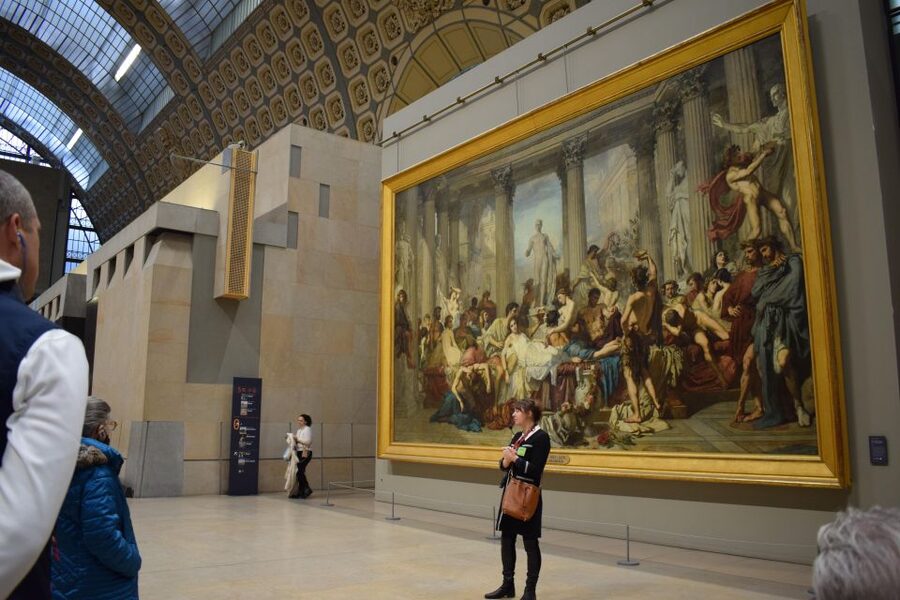
A strong museum guide changes your attention. Rather than saying that Monet painted light or Degas painted dancers, the guide can show you how those ideas appear through color, cropping, movement, and brushwork.
The best guides on this tour appear to favor questions and visual clues. You may be shown symbols in a painting, asked to compare one artist with another, or invited to share your own reading of a work. That makes the visit more active and helps families and younger visitors stay involved.
The small format supports this kind of exchange. A group of six is large enough to have conversation but small enough for everyone to stand near the guide. Groups of three or four can be even more comfortable in crowded rooms, while an unexpectedly private tour may allow the guide to adapt the route to your interests.
There is one practical weakness: not every guide uses a speaking device, and surrounding noise can make explanations difficult to hear. If you have any hearing concern, a private tour may be worth considering. Some rooms also limit how much guides can speak, so you may receive a warning before entering them.
Van Gogh, Cézanne, Gauguin, and Post-Impressionist intensity
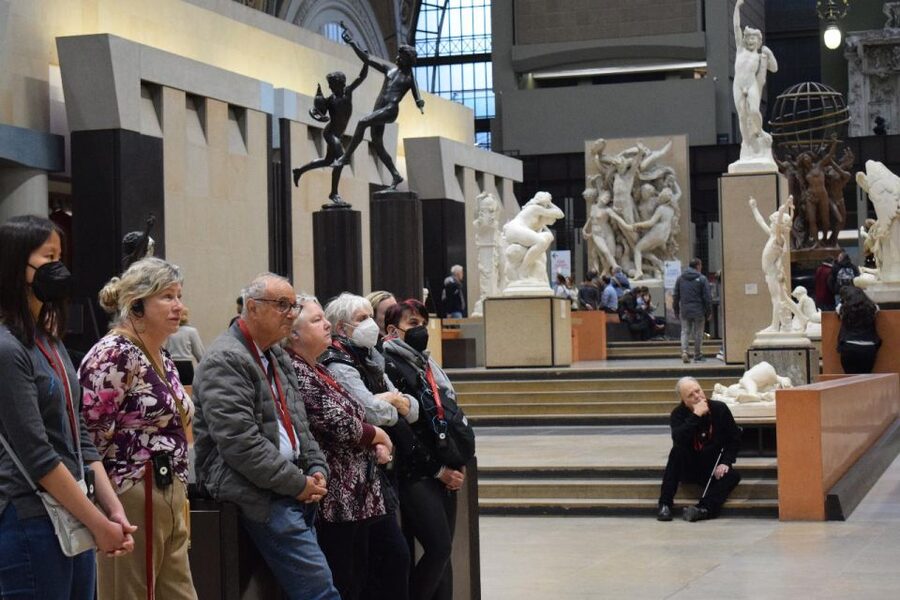
The tour then moves beyond Impressionism into artists who took its discoveries in new directions. Cézanne, Vincent van Gogh, Paul Gauguin, and others used color, structure, line, and emotional force in ways that point toward modern art.
Van Gogh’s paintings are often the high point for first-time visitors, but the guide’s job is to give you more than a familiar name. You may hear about materials, dates, technique, and the personal or cultural setting surrounding the work. One guide used personal stories and artist biographies to make the paintings easier to approach.
Cézanne can be especially rewarding with guidance. His work may look less immediately approachable than Renoir’s, yet it helps explain how artists began to question natural appearance and build images through form and color. Gauguin adds another turn, with simplified shapes and intense color that move art away from direct observation.
The tour also includes Matisse and the transition toward modern art. In two hours, these later developments are necessarily selective. You will gain a useful framework, not a full study of every artist represented in the museum.
Sculpture, Art Nouveau, and an original Lady Liberty
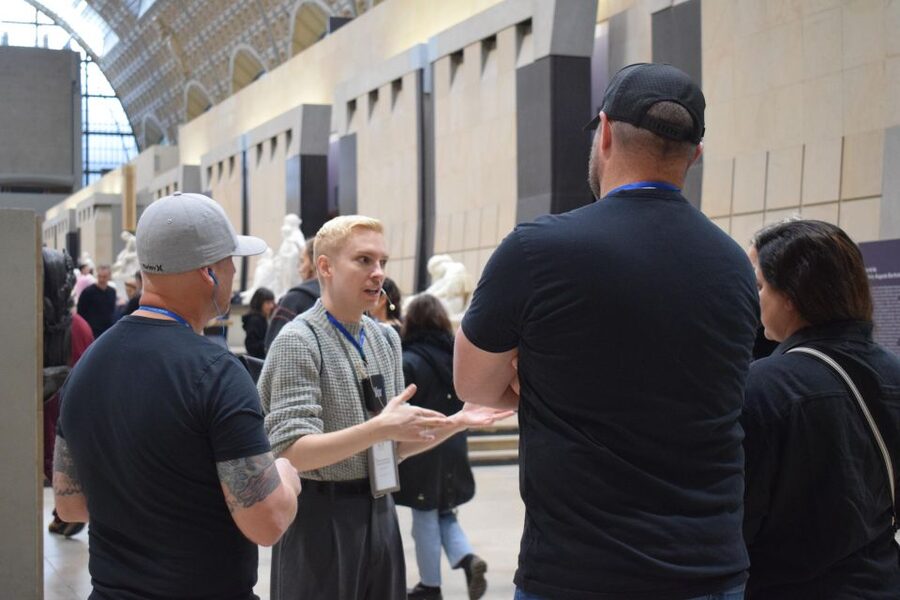
Paintings receive most of the attention, but the Orsay’s sculpture and decorative arts add welcome variety. You can see works associated with Auguste Rodin, along with Art Nouveau elements that show how artists and designers were rethinking line, ornament, and the relationship between fine art and daily life.
The presence of an original Lady Liberty is another unusual detail. It gives the tour a surprise beyond the expected Impressionist route and helps broaden your picture of what the museum holds.
These stops also break up the concentration required by the painting galleries. After studying brushstrokes and color, a sculpture offers a different way to think about surface, body, space, and movement. A guide who points out the museum’s architecture as well as its objects makes the building feel more unified.
The route is still built around the major painting collection, so do not expect equal time in every department. If sculpture or Art Nouveau is your main interest, tell your guide early. A private or very small group gives you the best chance of adjusting the emphasis.
What two hours can realistically cover
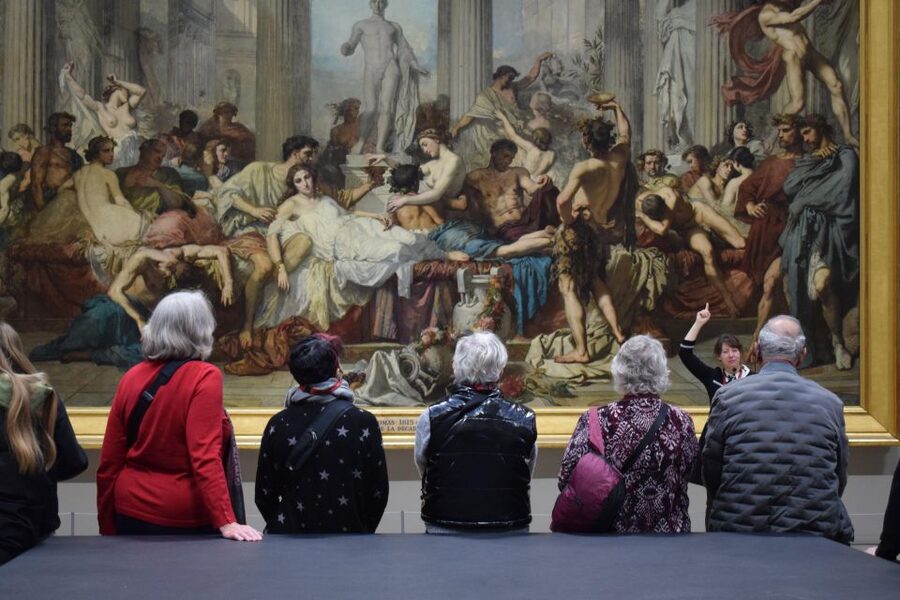
Two hours is a good first visit length. It is long enough to establish the art-history sequence and see many major works, but short enough to keep the experience from turning into an endurance test.
You will not see everything. The Orsay’s collection spans the mid-19th century to the beginning of the 20th century, and even the most efficient route must leave rooms unexplored. Think of the tour as a guided introduction, followed by free time if you want to continue alone.
Several guides leave participants to look around independently at the end. That is important value. You get structure when the museum feels confusing, then freedom to return to a favorite painting or visit a room the group passed quickly.
Pacing has generally been a strong point. Visitors have described the two hours as passing quickly, with guides taking time for questions without letting the route stall. A skilled guide also knows when a crowded room requires moving on and when a major work deserves a closer look.
Is $102 a fair price?
At $102 per person, this is not a cheap museum entry. You are paying for admission, a live guide, planning, and the convenience of a small group. The value depends on how much help you want inside the museum.
I think the price is easier to justify if this is your first visit, if you have limited time in Paris, or if you want the major Impressionist and Post-Impressionist works explained in context. Reserved admission can save substantial waiting time on busy days, although remember that security screening cannot be skipped.
The price is harder to justify if you already know the Orsay well, prefer reading labels independently, or want to spend half a day wandering through every department. In that case, a standard museum visit with your own plan may suit you better.
Private tours are available, but a small shared group usually offers the better balance. Several sessions have ended up private when few people booked, giving participants a tailored route without changing the basic two-hour format.
Who will enjoy this Orsay tour most?
I would choose this for first-time Orsay visitors, couples who want an efficient museum introduction, families needing a clear route, and anyone who enjoys understanding the story behind a painting.
It also suits people who know they like Monet or Van Gogh but want help connecting them to Manet, Degas, Cézanne, Gauguin, and Matisse. The guides are comfortable moving from technique to biography, politics, architecture, and social change.
Families can benefit from the shorter format and conversational explanations. One guide made a point of engaging a young child, and another was praised for using stories and lessons that worked well for children. Still, the museum can be crowded and warm, so very young children may find the pace demanding.
This is not a suitable choice for wheelchair users or people with mobility impairments according to the activity information. If you need a slower pace, a private tour is the suggested option, since the shared semi-private format cannot be adjusted for individual mobility needs.
Practical details that can save you trouble
The tour is offered in English, French, Spanish, Italian, and German. Confirm your preferred language when booking, since the guide assigned to your time slot determines the experience.
Bring photo identification, especially for anyone under 18. Do not arrive with luggage, a backpack, an umbrella, or a large bag, because those items are not allowed.
France can experience strikes, and the Orsay may close without much warning. If that happens, the provider may offer another time or a walking tour. If the alternative does not work for you, the booking can be canceled for a refund, provided the change is handled before the 24-hour cancellation cutoff.
You can cancel up to 24 hours ahead for a full refund, and reserve now while paying later. Those terms are useful when Paris plans are still shifting.
Should you book the Musée d’Orsay small group tour?
Book it if you want the Orsay’s famous paintings to make sense as part of a larger story. The small group size, reserved entry, strong guide quality, and two-hour route make it a practical choice for a first visit, especially during a busy Paris season.
Skip it if you prefer a slow, unstructured museum day or already have a firm plan for the collection. At $102, the tour earns its price through guidance and time saved, not through admission alone.
My best advice is to choose the small group rather than a large outing, arrive early at the elephant statue, pack light, and keep some time afterward for your own favorites. That combination gives you both a useful introduction and the quiet moments that great museum visits require.
FAQ
How long does the Musée d’Orsay tour last?
The guided tour lasts two hours. You may be left with time afterward to continue exploring the museum independently.
Where is the meeting point?
Meet in front of the Musée d’Orsay by the huge elephant statue at 1 Rue de la Légion d’Honneur. Your guide will hold a Connecting France sign.
Are museum tickets included?
Yes. The price includes entrance tickets to the Musée d’Orsay, a local guide, and the museum tour.
Can I skip the security line?
The tickets provide quick access to the collections, but everyone must still pass through the museum’s security line.
What languages are available?
Tours are available in English, French, Spanish, Italian, and German.
Can I bring a backpack or large bag?
No. Luggage, large bags, backpacks, and umbrellas are not allowed. Bring a passport or ID card, and children up to age 17 should carry photo identification.
Recently added around Paris
- Private Half-Day Guided Tour of Paris★ 4.5 · 48 reviews
- 2 hour outdoor group activity in Paris: SAINT GERMAIN★ 5.0 · 48 reviews
- Paris Dinner Show Opera Bel Canto★ 4.5 · 48 reviews
- Paris Vintage Tour by Night on a Sidecar with Champagne★ 5.0 · 48 reviews
- Secrets & Scandals of the Louvre – Limited to 6 Guests★ 5.0 · 48 reviews
- Paris Photoshoot: Eiffel Tower Exclusive Private Experience★ 5.0 · 48 reviews
- Paris: Louvre Mona Lisa Discovery Guided Tour with Ticket★ 4.9 · 48 reviews
- From Paris: Versailles Full-Day Guided Tour with Lunch★ 4.9 · 48 reviews
Musée d'Orsay Tickets, compared.
Paris in a Day: Louvre or Orsay, Eiffel Tower, City Walk & Cruise
Read our review →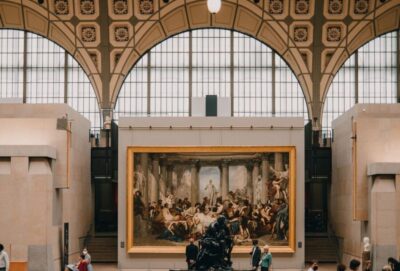
Paris: Musée d’Orsay Entry Ticket and Seine River Cruise
Read our review →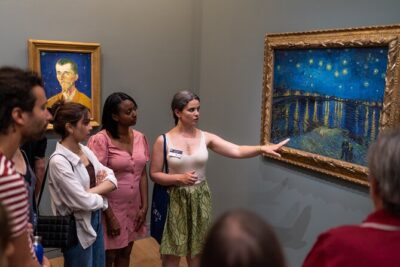
Paris: Musée d’Orsay Skip-the-Line Tour with Expert Guide
Read our review →
Musée d’Orsay Skip-the-Line Tour with Expert Guide
Read our review →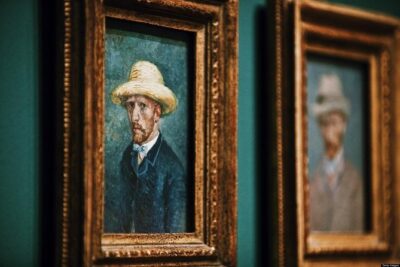
The Musée d’Orsay Guided Tour Orsay Museum Semi-Private 6ppl Max
Read our review →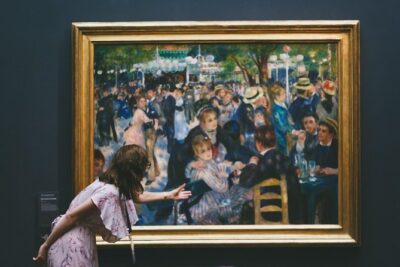
Louvre & Musée d’Orsay Guided Museum Tour Semi-Private 6ppl Max
Read our review →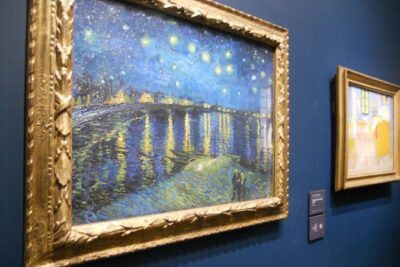
Browse the lists this tour appears in