
Reviewed · COOKING CLASSES
Paris: Macaron Baking Class in Central Paris
Macarons are harder than they look. This 150-minute class at Studio Pâtisserie gives you a hands-on way to learn the French pastry craft in central Paris, with an English-speaking instructor, a small group of no more than 10, and plenty of time to practice. I like the clear focus on technique, especially mixing, piping, and fixing common mistakes. I also like that you taste what you make and take home a recipe, so the class continues after your holiday.
The main thing to consider is the price: $122 per person is not a casual pastry stop. It makes better sense if you want an activity, not just a box of sweets. The class also uses nuts, so it is not suitable for vegans or people with nut allergies, and children must be at least 12.
In This Review
- Key points at a glance
- Arriving at the gray storefront
- The opening lesson: why macarons can be fussy
- Mixing the batter and building the shells
- Fillings, flavors, and the baking stage
- Tasting the finished macarons
- Taking the recipe home
- Is $122 good value?
- Who should book this Paris class?
- Booking and planning tips
- Should you book it?
- FAQ
- How long does the macaron baking class last?
- Where does the class meet?
- What language is the class taught in?
- How many people can join the class?
- What is included in the price?
- Can I take macarons home?
- Is the class suitable for children?
- Can vegans or people with nut allergies take the class?
- Can I cancel my booking?
Key points at a glance
- A genuinely hands-on class: You make the macaron shells and fillings rather than simply watching a chef work.
- A small working group: The class is limited to 10 people, with many sessions described as having eight or nine participants.
- Clear instruction in English: Chef Leo and Maria are praised for patient explanations, humor, and practical baking advice.
- A lesson in pastry science: You learn why measurements, mixing, piping, and baking conditions affect the final texture.
- Something useful to take home: You receive a recipe, and many class formats produce roughly 15 macarons per person.
- An easy cultural activity: The central Paris setting and modest 150-minute length fit neatly into a sightseeing day.
Arriving at the gray storefront
Your meeting point is easy to identify in principle: look for a gray-colored storefront on the main road. The exact address and starting time depend on the date you choose, so check those details carefully before setting out.
Studio Pâtisserie is described as clean, well organized, and prepared before the class begins. That matters in a baking lesson. You do not want to spend half the session waiting for ingredients or hunting for equipment. Here, the ingredients and tools are ready, allowing you to concentrate on the method.
Wear comfortable clothes and shoes. You will be standing, handling ingredients, piping batter, and moving through several stages of preparation. This is not a formal pastry demonstration where you sit back and take photographs. It is a working class, so sensible clothing makes the session more pleasant.
Once you arrive, you settle in and meet the other bakers. The group size is one of the strongest features. A maximum of 10 people leaves room for questions, while a group of eight or nine gives the room a social feel without turning the lesson into a crowded production line.
More Workshops in Paris
- Fragonard Paris: Mini Perfume Workshop
★ 4.5 · 1,924 reviews - Paris Cooking Class and Lunch with Wine plus Market Visit Option
★ 5.0 · 1,024 reviews - Paris Croissant Small-Group Baking Class with a Chef
★ 5.0 · 910 reviews
The opening lesson: why macarons can be fussy
The class begins with an introduction to the macaron, including its origins, place in French food culture, and the ingredients that give it its familiar shape and texture. This opening is not just a history talk. It gives you a reason to care about the details that follow.
Macarons are small, but they are not simple. Almond flour, sugar, egg whites, coloring, and fillings must work together in precise proportions. The shell should be smooth and lightly crisp on the outside, with a softer center. If the batter is mixed too little, too much, or with the wrong pressure, the finished pastries can crack, spread, or lose their shape.
That scientific side is useful for beginners. You are not merely told to follow a recipe. The instructor explains why each stage matters. Margaret, who attended with a friend, described the lesson as proof that baking is a science, even if the finished macarons look like little works of art. That is a good way to approach this class: patience and accuracy matter more than natural talent.
Chef Leo is the instructor most often associated with this class, while Maria also teaches some sessions. Both are praised for being friendly, funny, and patient. Leo is particularly good at explaining each stage from start to finish and answering questions without making first-time bakers feel clumsy.
Mixing the batter and building the shells
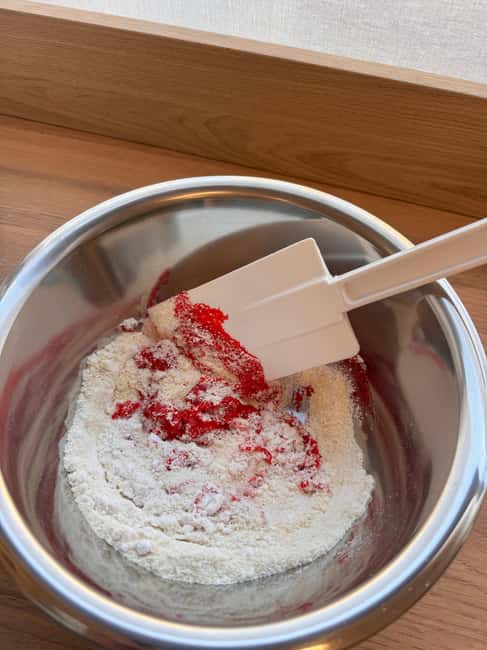
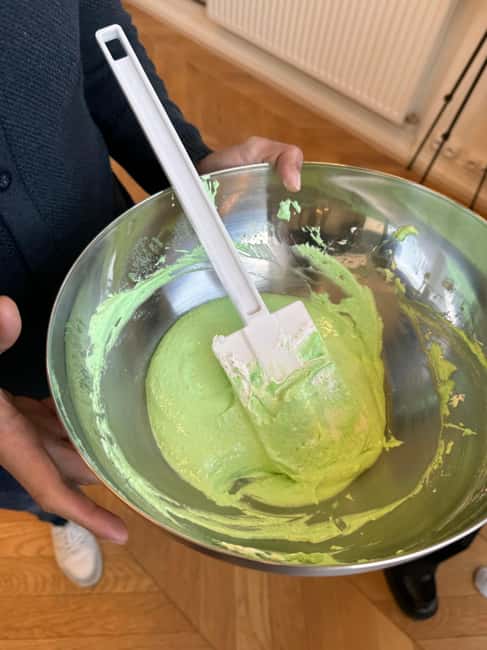
The practical work begins with the macaron shells. You work through the ingredients and watch the texture change as the mixture comes together. The most important part is the mixing technique, often called macaronage, which controls how the batter flows.
This is where the class earns its keep. You get to practice under supervision rather than guessing at home. The instructor watches the consistency, points out what to look for, and offers corrections before a small mistake ruins the batch.
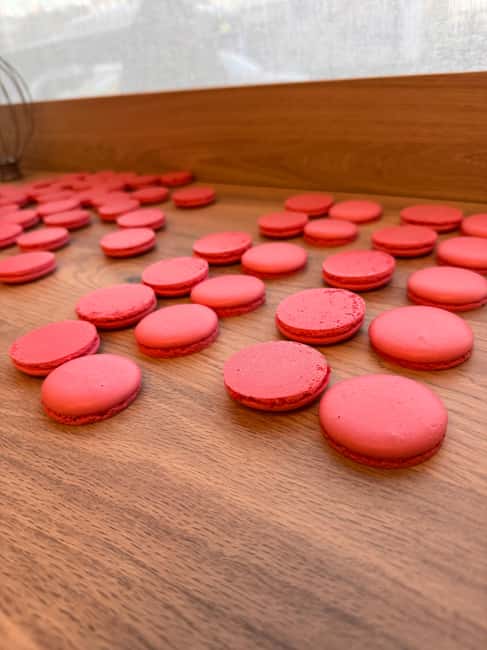
Piping is another crucial stage. You learn how to hold the piping bag, control pressure, and form shells of a similar size. Even shapes are not only attractive. They help the cookies bake at the same rate and make it easier to sandwich them with filling later.
The working stations are arranged so you are not pressed shoulder to shoulder with the person beside you. Ingredients are measured in advance, and the equipment is provided. That setup makes the class approachable for someone who has never baked macarons before.
You should still expect a challenge. Macarons are delicate, and the class does not turn them into a foolproof cake mix. The satisfaction comes from learning the technique well enough to produce something that looks and tastes right. As one participant put it, the class was challenging in just the right way: difficult enough to feel meaningful, but manageable with help.
Fillings, flavors, and the baking stage
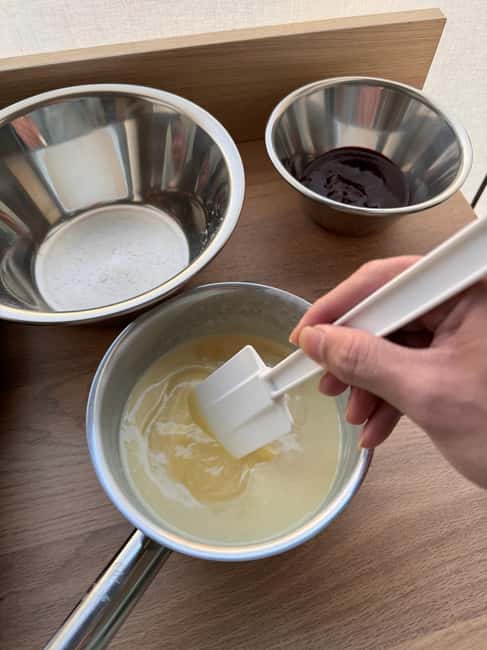
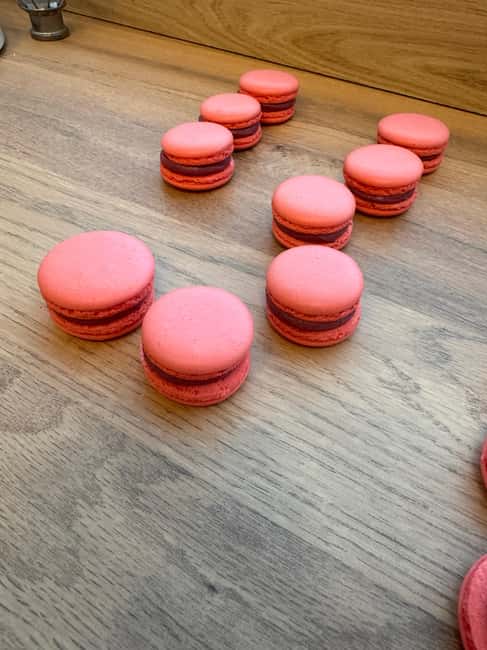
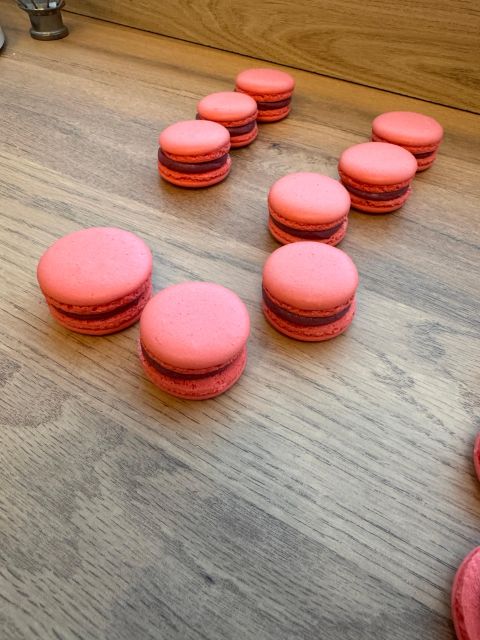
After preparing the shells, you work on the fillings. The flavor choices can vary, but class accounts describe combinations such as chocolate, black currant, and passion fruit. Chocolate is a reliable crowd-pleaser, while fruit flavors give the finished box a more distinctly French pastry-shop feel.
One useful caution is that you may not get to choose every flavor. A participant enjoyed the class but would have preferred more familiar options such as pistachio, vanilla, or lemon. If you have strong flavor preferences, ask about the day’s selection when you arrive.
The instructor also explains what happens in the oven and how to spot problems. Baking temperature, timing, and the condition of the batter all affect the shell. The goal is not merely a pretty top. You are aiming for the proper bite, with a firm shell and a softer interior.
While the macarons bake, there may be a short pause to chat and enjoy a refreshing drink. This gives you a breather after the hands-on work and lets the instructor answer extra questions. It also gives the room a friendly, social rhythm rather than making the class feel like a timed examination.
The full session lasts 150 minutes, or two and a half hours. That is long enough to cover the process from ingredients to tasting without taking up an entire day in Paris. I would schedule it early in your visit if possible. Chef Leo has been known to offer restaurant and pastry recommendations, and that advice can help shape the rest of your time in the city.
More Cooking Classes in Paris:
- Paris: Montmartre Cheese, Wine & Pastry Guided Walking Tour
★ 4.8 · 2,255 reviews - Paris: Macaron Class at Galeries Lafayette
★ 4.3 · 905 reviews - Paris: French Croissant Baking Class with a Chef
★ 4.9 · 712 reviews - Paris Cooking Class: Learn How to Make Macarons
★ 5.0 · 634 reviews
Tasting the finished macarons
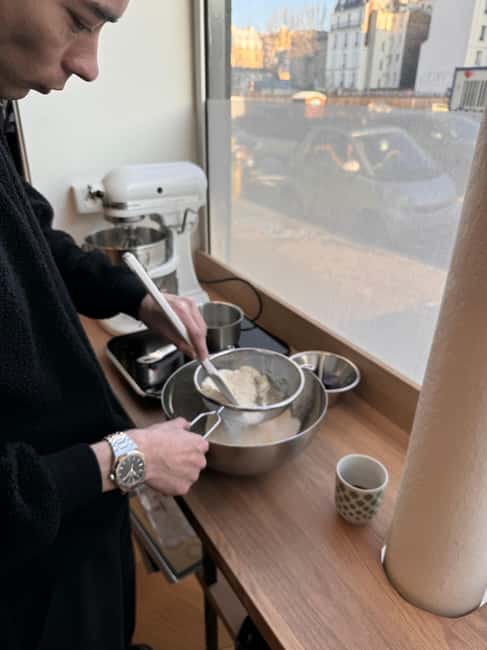
The best moment comes when the shells and fillings become finished macarons. You taste the results in class and get to judge the texture for yourself. Even an imperfect shell can taste excellent, but the real pleasure is seeing how much better the pastry becomes when the technique is right.
This tasting also helps you understand the difference between a supermarket-style sweet and a carefully made French macaron. The flavors are concentrated, the shells are delicate, and the filling brings the two halves together. You can compare your results with the points the instructor made earlier, which helps turn abstract advice into something you can actually taste.
The amount you take home can vary by session, but participants frequently describe receiving about 15 macarons each. For two people, that can mean a box of roughly 30 handmade pastries. That is a generous end to the class, though you will need to protect the box during the rest of your day.
The treats are also a useful souvenir. Instead of buying another mass-produced item, you leave with something you made yourself. They may not survive a long afternoon in a hot bag, so plan your sightseeing afterward with a little care.
Taking the recipe home
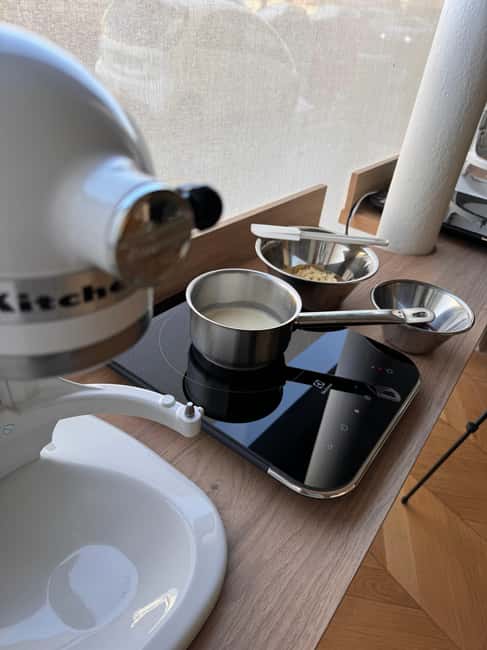
The recipe is one of the most valuable inclusions. A finished box is fun, but it disappears quickly. The recipe gives you a chance to repeat the process at home and test whether you can recreate the Paris result in your own kitchen.
The class also covers practical adjustments for different conditions. Teresa, who attended from Singapore, appreciated advice about baking macarons in the weather of her home country. That is important because humidity and temperature can change how the batter behaves.
Do not expect the recipe alone to replace the class. The written instructions tell you what to do, but the lesson helps you recognize the visual and physical cues: how the batter should flow, how much to pipe, and when the shells are ready. If you listen closely and take notes, you will leave with more than a formula.
Several people have successfully tried the recipe at home after the class. That is a good sign for beginners, though success still depends on accurate weighing, suitable equipment, and careful timing. The class gives you a strong start, not a lifetime guarantee against cracked shells.
Is $122 good value?
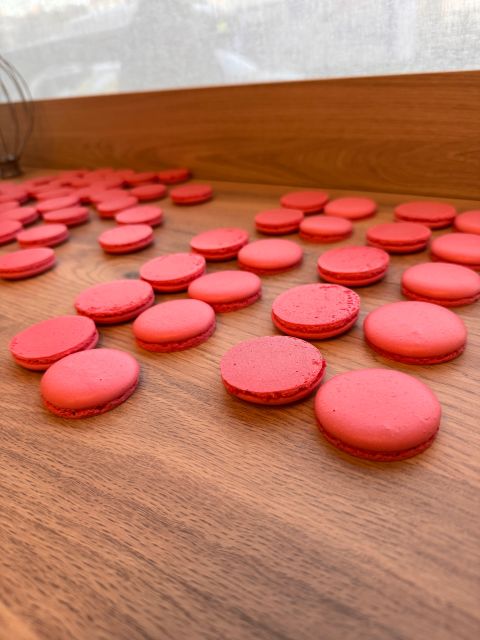
At $122, this is a premium food activity. You could buy a fine box of macarons for much less, but that misses the point. You are paying for two and a half hours of instruction, use of the kitchen and equipment, ingredients, tasting, a take-home recipe, and the chance to leave with your own pastries.
The price works best for you if you value participation. Couples, parent-and-teen pairs, solo visitors who enjoy meeting people, and families with children over 12 can all find a good fit here. The small group helps the cost feel more reasonable because you get access to the instructor rather than standing at the back of a large demonstration.
It is less compelling if you only want a quick taste of French pastry or if your Paris schedule is already packed. The class requires a fixed block of time, and the $122 fee is a poor match for anyone looking for the cheapest possible food stop.
I also see value in the practical advice. Chef Leo’s recommendations for places to eat and explore can add to the session, especially if you book it near the beginning of your stay. You get a cooking lesson and, potentially, a useful local orientation.
Who should book this Paris class?
I would recommend it most strongly if you fit one of these descriptions:
- You have never made macarons and want patient guidance.
- You enjoy food activities more than passive sightseeing.
- You are visiting Paris with a partner or a child aged 12 or older.
- You want a souvenir you can eat and a recipe you can repeat.
- You like understanding the reasons behind a technique.
- You are comfortable eating almond-based pastries and dairy-containing fillings.
I would skip it if you are vegan, have a nut allergy, dislike sweet pastries, or want a fully French-language class. The instruction is in English, and nuts are part of the product.
The class is also not ideal for very young children. The minimum age is 12, and the work requires care with baking equipment and detailed instructions. Teenagers who enjoy cooking should do well, especially with an adult who wants to take part rather than simply watch.
Booking and planning tips
The activity offers free cancellation up to 24 hours before the start time, and you can reserve now and pay later. That is useful when your Paris schedule is still changing, but you should still confirm the available start times before building the rest of your day around the class.
Allow time to find the gray storefront on the main road. Arriving settled and ready is better than rushing in with a map open on your phone. Comfortable shoes are worth wearing because this is an active session.
If you are choosing between this and other sightseeing, think about the weather. A baking class gives you a welcome indoor plan on a rainy day, and its central location makes it easier to pair with nearby Paris activities before or after. Exact neighborhood details are not provided here, so use the confirmed meeting point rather than assuming the studio is beside a particular monument.
Should you book it?
Yes, if you want to learn a real French pastry skill rather than simply purchase macarons. The strongest reasons are the small group, careful instruction, generous hands-on work, and the chance to leave with both pastries and a usable recipe.
The price is the only serious hesitation, and flavor choices may not suit everyone. Still, if $122 fits your food budget and you can eat nuts, this is a worthwhile two-and-a-half-hour addition to a Paris visit. Book it early in your stay if you want Chef Leo’s food recommendations to help guide the rest of your trip.
FAQ
How long does the macaron baking class last?
The class lasts 150 minutes, or two and a half hours.
Where does the class meet?
You should look for a gray-colored storefront on the main road at the stated meeting point.
What language is the class taught in?
The class is taught in English.
How many people can join the class?
The group is limited to 10 participants.
What is included in the price?
The price includes the instructor, baking class, tasting, and a recipe to take home.
Can I take macarons home?
Yes. The class includes the macarons you make, and class accounts describe quantities of about 15 macarons per person in some sessions.
Is the class suitable for children?
Children under 12 cannot join. Children aged 12 and older may participate.
Can vegans or people with nut allergies take the class?
No. The class is not suitable for vegans or people with nut allergies.
Can I cancel my booking?
You can cancel up to 24 hours in advance for a full refund. The activity also allows you to reserve now and pay later.
Recently added around Paris
- Private Half-Day Guided Tour of Paris★ 4.5 · 48 reviews
- 2 hour outdoor group activity in Paris: SAINT GERMAIN★ 5.0 · 48 reviews
- Paris Dinner Show Opera Bel Canto★ 4.5 · 48 reviews
- Paris Vintage Tour by Night on a Sidecar with Champagne★ 5.0 · 48 reviews
- Secrets & Scandals of the Louvre – Limited to 6 Guests★ 5.0 · 48 reviews
- Paris Photoshoot: Eiffel Tower Exclusive Private Experience★ 5.0 · 48 reviews
- From Paris: Versailles Full-Day Guided Tour with Lunch★ 4.9 · 48 reviews
- Paris: Louvre Mona Lisa Discovery Guided Tour with Ticket★ 4.9 · 48 reviews
Cooking Classes, compared.

Paris: Montmartre Cheese, Wine & Pastry Guided Walking Tour
Read our review →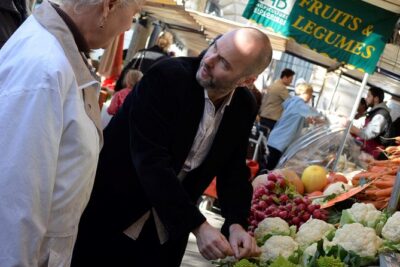
Paris Cooking Class and Lunch with Wine plus Market Visit Option
Read our review →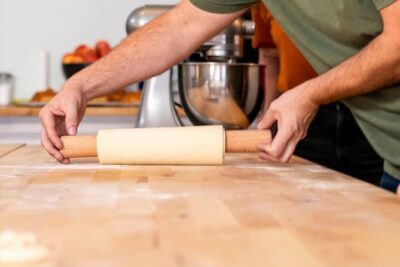
Paris Croissant Small-Group Baking Class with a Chef
Read our review →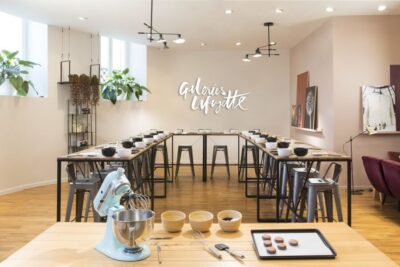
Paris: French Croissant Baking Class with a Chef
Read our review →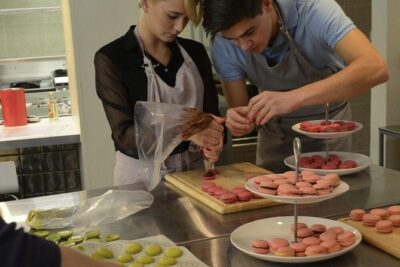
Paris Cooking Class: Learn How to Make Macarons
Read our review →
A Morning in Paris Food Tour: Croissants, Baguettes & Chocolate
Read our review →Browse the lists this tour appears in