
Reviewed · COOKING CLASSES
Paris Macaron baking class with a Chef Patissier
Macarons are harder than they look. This hands-on Paris baking class turns their fussy reputation into a clear, friendly lesson led by a professional pastry chef. In about two and a half hours, you make the shells, prepare the filling, and leave with a generous box of your own pastries.
I like the small class size, capped at ten, because you get room to ask questions and receive help with delicate steps. I also like that the class teaches technique rather than simply handing you a recipe. The main drawback is the location at 85 Rue de Rome in the 17th arrondissement, which some people may find inconvenient, and arriving late can mean missing the session entirely.
In This Review
- Macaron-making in Paris: Key points
- What happens during the 2.5-hour Paris class
- Why the technique matters more than the recipe
- Meeting the pastry chefs
- A small class with a social side
- How much food do you take home?
- Is $113.20 a fair price?
- Getting to 85 Rue de Rome
- Booking and cancellation advice
- Who will enjoy this macaron class?
- Should you book the Paris macaron baking class?
- FAQ
- How long does the Paris macaron baking class last?
- How many people can join the class?
- Where does the class meet?
- Is the class offered in English?
- Are ingredients and baking equipment included?
- What else is included besides the baking lesson?
- Can I cancel for a full refund?
Macaron-making in Paris: Key points
- Small classes of up to ten: The limited group size allows the chef to watch your piping, mixing, and baking technique.
- Real technique, not just a recipe: You learn macaronage, the mixing process that helps create smooth shells with the right texture.
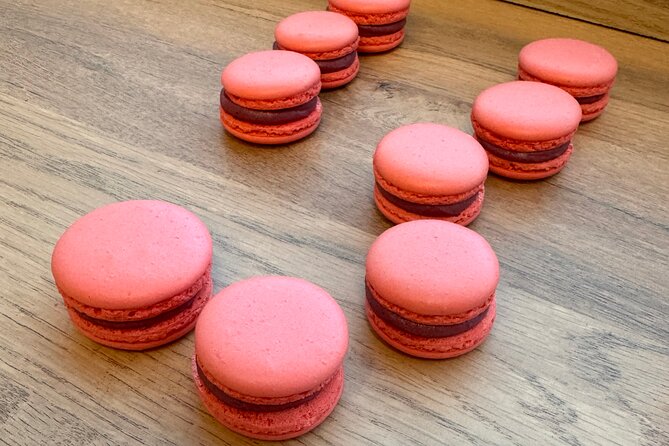
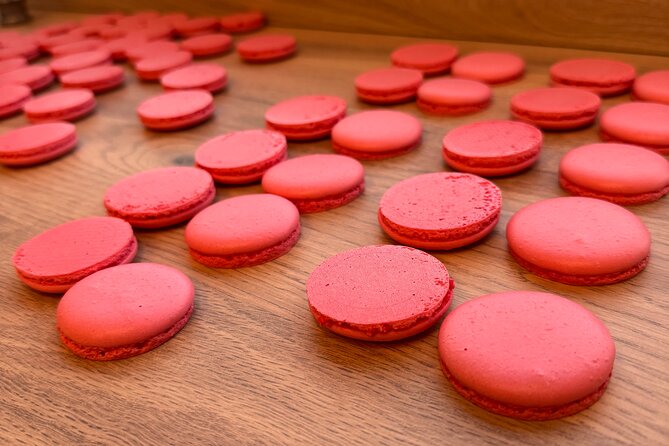
- A large edible souvenir: Past participants have taken home roughly 15 to 22 macarons per person, depending on the session.
- Several flavor choices: Class flavors have included black currant and white chocolate, with participants choosing colors and fillings.
- Suitable for beginners and children: The class has worked well for non-bakers, teenagers, and children as young as 9 when accompanied by an adult.
- Drinks and a take-home recipe: Coffee, tea, or soda are included, along with the chef’s recipe for baking at home.
What happens during the 2.5-hour Paris class
This is a practical workshop rather than a demonstration where you sit and watch someone else do the work. You take part in the baking, with the pastry chef explaining each stage as you go.
The class begins with an introduction to macaron making and the ingredients involved. You learn why these small pastries need careful measurements and why seemingly minor changes in mixing can affect the final result. That attention to detail is useful because macarons have a reputation for being temperamental, and the class focuses on the small clues that tell you when the mixture is ready.
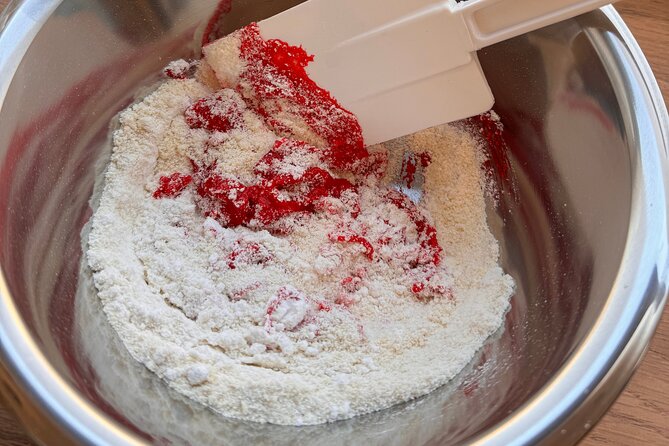
You then work on the macaron shells. The central technique is macaronage, the process of folding the batter until it reaches the right consistency. This is where a recipe alone often falls short. You need to understand how the batter should look and move, and the chef guides you through those visual and practical cues.
Next comes piping the shells. This is a skill that rewards a steady hand, but you do not need professional baking experience to take part. The class is designed for beginners, and the chef helps you correct problems as they arise. That personal help is one reason the maximum of ten participants matters.
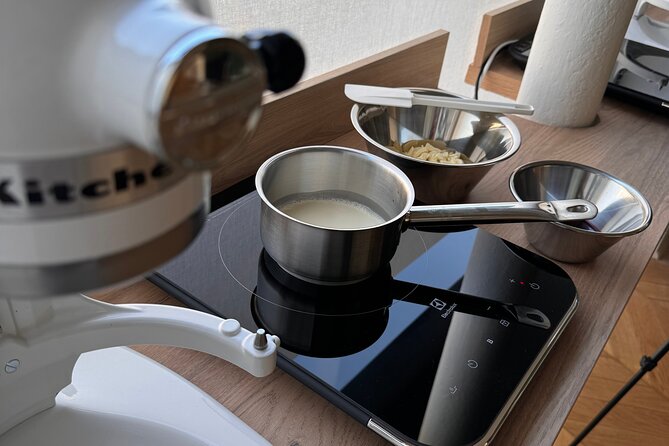
The shells are then baked, while you work on the filling. The exact flavor can vary by class, but black currant and white chocolate have been used, and you may be offered a choice of flavors and colors. The filling gives the class another chance to explain balance: sweetness, texture, and flavor all matter in a good macaron.
Finally, you assemble the macarons and taste the results. The class includes drinks such as coffee, tea, or soda, which makes the session feel more relaxed than a strict technical lesson. You also receive the chef’s recipe so you can try the process again at home.
The session ends back at 85 Rue de Rome. You leave with the pastries you made, usually far more than the small souvenir box many people expect. Amounts have ranged from about 15 each to roughly 22 each, so plan on having a sweet snack for later.
More Workshops in Paris
- Fragonard Paris: Mini Perfume Workshop
★ 4.5 · 1,924 reviews - Paris Cooking Class and Lunch with Wine plus Market Visit Option
★ 5.0 · 1,024 reviews - Paris Croissant Small-Group Baking Class with a Chef
★ 5.0 · 910 reviews
Why the technique matters more than the recipe
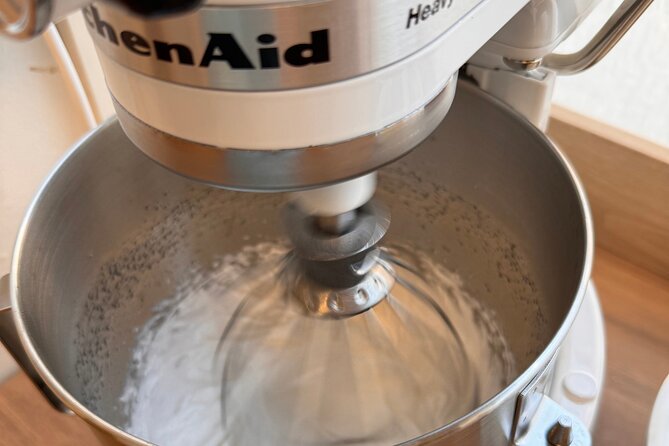
The strongest part of this experience is its focus on method. A printed recipe can tell you how much almond flour, sugar, egg white, or filling to use. It cannot easily show you when the batter has been folded enough, how to pipe evenly, or what a properly baked shell should feel like.
That is where a pastry chef adds real value. The class explains the precision behind French pastry without making the process feel intimidating. You learn how texture and appearance are connected, and you get immediate feedback instead of guessing at home.
The best practical lesson is likely macaronage. Under-mix the batter and the shells can remain too thick or uneven. Over-mix it and the mixture may lose the structure needed for a neat, rounded shell. The class gives you a chance to see the correct consistency before attempting the recipe on your own.
You also pick up small baking tips beyond the main recipe. Participants have described the instructions as clear and easy to follow, even for people who do not bake often. That makes this a better choice for a beginner than a class aimed at experienced pastry cooks.
Meeting the pastry chefs
The class is taught by different chefs, and the individual teaching style may vary. Names praised in the feedback include Vivian, Marie, Maria, and Leo.
Chef Vivian was singled out for making the technique memorable and helping participants produce almost two dozen macarons. Chef Marie was praised for making the class comfortable for a non-baker and for teaching a black currant and white chocolate version.
Chef Leo’s teaching style comes across as upbeat and patient. He gave individual attention and helped a parent and teenager feel at ease. Maria received similar praise for explaining the small tricks behind professional-looking macarons and making sure people understood each step.
The common thread is an approachable teaching style. You do not need to arrive with pastry skills, and you should feel comfortable asking for help. The class has also suited families, including a parent with a 9-year-old and another with a 14-year-old son.
One point is worth noting about the group format. Some sessions pair people together, especially when there is a single participant or an odd number in the class. That can be a pleasant way to meet someone, but it also means you may share parts of the process with another person rather than working entirely alone.
A small class with a social side
Ten people is a useful upper limit for this kind of activity. Macaron making involves mixing, piping, filling, and assembling, so the class would lose much of its value if you were standing at the back watching a demonstration.
The small format lets the chef move around the work area and offer individual guidance. It also creates a social atmosphere without turning the event into a large group party. Parents and children can work together, couples can share the task, and solo participants may be paired with another baker or the chef.
There is one social detail you should understand before booking. The class may encourage participants to exchange some macarons with one another. For many people, that is a fun way to compare colors and flavors. If you prefer to keep every pastry you made, make your preference clear at the start.
That matters for families and anyone with strong food or hygiene concerns. One participant objected to being expected to share half of the macarons, and the provider acknowledged that exchanges should feel optional. The class is best enjoyed when that arrangement is explained clearly and nobody feels pressured.
More Cooking Classes in Paris:
- Paris: Montmartre Cheese, Wine & Pastry Guided Walking Tour
★ 4.8 · 2,255 reviews - Paris: Macaron Class at Galeries Lafayette
★ 4.3 · 905 reviews - Paris: French Croissant Baking Class with a Chef
★ 4.9 · 712 reviews - Paris Cooking Class: Learn How to Make Macarons
★ 5.0 · 634 reviews
How much food do you take home?
This is not a class where you make two macarons, take a photograph, and leave. The amount to take away is one of the experience’s biggest strengths.
Depending on the session, people have left with around 15 to 22 macarons per person. That is enough to share with family, serve after dinner, or eat gradually during the rest of your stay. It is also a useful way to judge the $113.20 price, since you receive both a class and a substantial edible souvenir.
Do not assume the pastries will keep indefinitely, especially if you are flying home. One useful tip is to book the class early in your Paris visit. That gives you time to enjoy the macarons before packing for your flight, rather than carrying a full box around at the end of the trip.
The flavor choices add another nice touch. In one session, participants chose a color and flavor for each pair of bakers. The exact arrangement can change, so ask the chef how flavors are assigned when you arrive.
Is $113.20 a fair price?
At $113.20 per person, this is not a cheap pastry lesson. You are paying for a professional-led activity in Paris, all ingredients and utensils, drinks, instruction, a recipe, and a large quantity of macarons to take away.
The value depends on what you want from a food experience. If you simply want to eat macarons, Paris pastry shops offer a less expensive route. If you want a cooking activity with a real skill to take home, the price becomes easier to justify.
I would place the class in the worthwhile category for people who enjoy active experiences. You spend the time making something, not just consuming it, and the recipe gives the class a life beyond your holiday. A family can also get more value from the shared memory, especially if a parent and child bake together.
The class is less appealing if you are on a tight budget, dislike sweets, or would rather spend two and a half hours seeing more of Paris. It is also poor value if you miss the start, since the session has a strict beginning and late arrivals may not be admitted.
Getting to 85 Rue de Rome
The meeting point is 85 Rue de Rome, 75017 Paris. The area is near public transportation, but its position in the 17th arrondissement may not fit neatly into your sightseeing plans.
Some people find the location geographically inconvenient, so check the address before you leave. Use the exact street address from your confirmation rather than relying on a general map link or an automatically generated directions button.
This is especially important because the class is hands-on and begins at a set time. Arriving a few minutes late has sometimes been manageable when the chef could wait, but you should not count on that. A late arrival can mean missing the activity and losing the payment.
The ticket is mobile, and confirmation is provided when you book. Service animals are allowed. The activity returns to the same meeting point, so you do not need to arrange a separate end location.
Booking and cancellation advice
This class is usually reserved about 35 days ahead, which suggests that popular dates can fill well before a Paris trip. I would book early if you need a specific day, are traveling with family, or want the class near the beginning of your stay.
Free cancellation is available if you cancel at least 24 hours before the local start time. Cancellations or changes made inside that 24-hour window are not refunded or accepted.
The experience also requires a minimum number of participants. If the provider cancels because that minimum is not reached, you are offered another date or experience, or you receive a full refund.
For the smoothest experience, save the address offline, allow extra time for public transportation, and arrive early enough to wash up and get settled. The class itself is forgiving for beginners. The timetable is not.
Who will enjoy this macaron class?
I would recommend it most strongly to:
- First-time bakers who want clear guidance
- Families with children or teenagers
- Couples looking for a shared Paris activity
- Solo visitors who enjoy small-group classes
- Anyone curious about French culinary culture
- Macaron fans who want to learn the process behind the pastry
It is also a good fit for people who want a souvenir they can recreate at home. The recipe is useful, but the real souvenir is the technique. Once you understand batter consistency, piping, filling, and assembly, the class has given you something more lasting than a box of sweets.
I would be more cautious if you have limited time, a tight budget, or strong concerns about sharing food with other participants. In those cases, confirm the class format and flavor arrangements before you book.
Should you book the Paris macaron baking class?
Book it if you want a friendly, active food experience and like the idea of leaving Paris with both new skills and a large box of macarons. The small group, patient chefs, and step-by-step teaching are the main reasons this earns its very high 4.9 rating and 99 percent recommendation rate.
The location takes planning, and the $113.20 price is a serious outlay for a short class. Still, the combination of hands-on instruction, drinks, recipe, and roughly 15 to 22 pastries makes it a fair choice for a special Paris day.
My practical advice is simple: schedule it early in your trip, check 85 Rue de Rome carefully, arrive early, and ask how the group will handle flavor choices and sharing. If you do that, this can be one of the more memorable ways to taste French culture because you make the treat yourself.
FAQ
How long does the Paris macaron baking class last?
The class lasts approximately 2 hours and 30 minutes.
How many people can join the class?
The maximum group size is ten participants.
Where does the class meet?
The meeting point is 85 Rue de Rome, 75017 Paris, France. The activity ends at the same location.
Is the class offered in English?
Yes. The experience is offered in English.
Are ingredients and baking equipment included?
Yes. All baking ingredients and utensils are provided.
What else is included besides the baking lesson?
Coffee, tea, or soda is included, and you receive the chef’s recipe to use at home.
Can I cancel for a full refund?
Yes, if you cancel at least 24 hours before the experience start time. Cancellations or changes made less than 24 hours in advance are not refunded or accepted.
Recently added around Paris
- Private Half-Day Guided Tour of Paris★ 4.5 · 48 reviews
- 2 hour outdoor group activity in Paris: SAINT GERMAIN★ 5.0 · 48 reviews
- Paris Dinner Show Opera Bel Canto★ 4.5 · 48 reviews
- Paris Vintage Tour by Night on a Sidecar with Champagne★ 5.0 · 48 reviews
- Secrets & Scandals of the Louvre – Limited to 6 Guests★ 5.0 · 48 reviews
- Paris Photoshoot: Eiffel Tower Exclusive Private Experience★ 5.0 · 48 reviews
- From Paris: Versailles Full-Day Guided Tour with Lunch★ 4.9 · 48 reviews
- Paris: Louvre Mona Lisa Discovery Guided Tour with Ticket★ 4.9 · 48 reviews
Cooking Classes, compared.

Paris: Montmartre Cheese, Wine & Pastry Guided Walking Tour
Read our review →
Paris Cooking Class and Lunch with Wine plus Market Visit Option
Read our review →
Paris Croissant Small-Group Baking Class with a Chef
Read our review →
Paris: French Croissant Baking Class with a Chef
Read our review →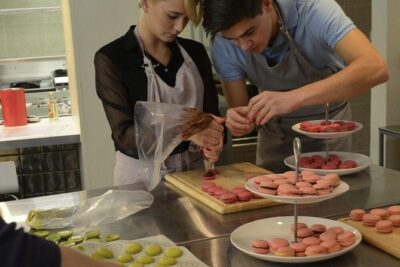
Paris Cooking Class: Learn How to Make Macarons
Read our review →
A Morning in Paris Food Tour: Croissants, Baguettes & Chocolate
Read our review →Browse the lists this tour appears in