
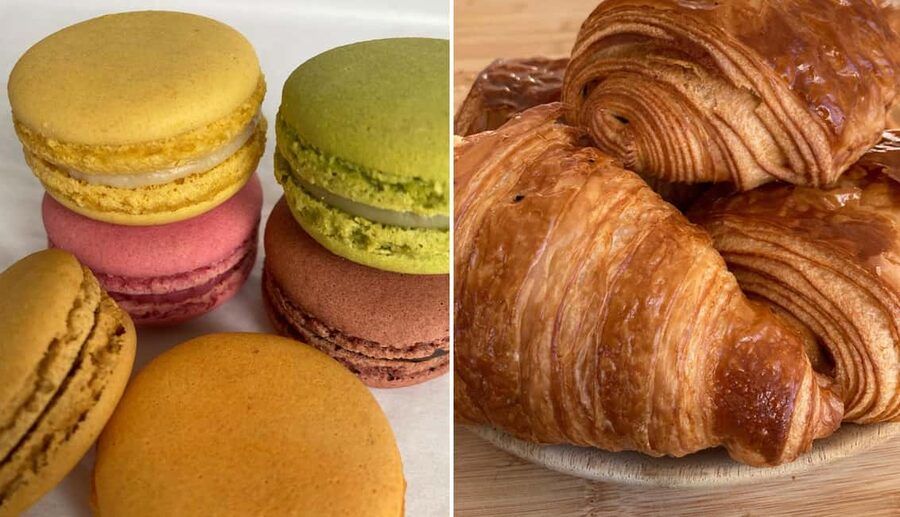
Reviewed · COOKING CLASSES
Paris: Macaron, Croissant or Pastry Class with a French Chef
Bake Paris into your afternoon. This hands-on class near Sacré-Cœur gives you a useful taste of French pastry, with a French chef guiding you through macarons, croissants, French tarts, or a champagne ganache variation. I like the small groups of up to six, which make it easier to get help at the oven, mixer, and piping station. I also like that you leave with both recipes and actual pastries, not just a few photos and a sugar rush.
The main consideration is that each option demands a different kind of patience. Croissants involve technical dough work and careful timing, while macarons look simple but depend on precise mixing and piping. The workshop is in a boutique on a quiet SoPi side street, so finding the correct door may take a moment. Give yourself extra time, especially if you are arriving by car.
In This Review
- Key points to know before booking
- A pastry class in SoPi, close to Sacré-Cœur
- Choosing between macarons, croissants, and tarts
- Macarons: precision in a small package
- Croissants: the most technical choice
- French tarts: a three-hour pastry lesson
- Luxury macarons with champagne ganache
- How the 150-minute to three-hour session works
- A warm teaching style with real attention
- Eating your work or taking it through Paris
- Is $112 a fair price?
- Who will enjoy this class most?
- Practical advice for making the most of it
- Should you book the Paris pastry class?
- FAQ
- Where is the pastry workshop located?
- Which metro stations are near the workshop?
- Are the classes taught in English?
- How many people can join each class?
- How long does the pastry class last?
- What pastry options can I choose from?
- Can I take my pastries home?
- Are tea or coffee included?
- Can children participate?
- What is included besides the class?
Key points to know before booking
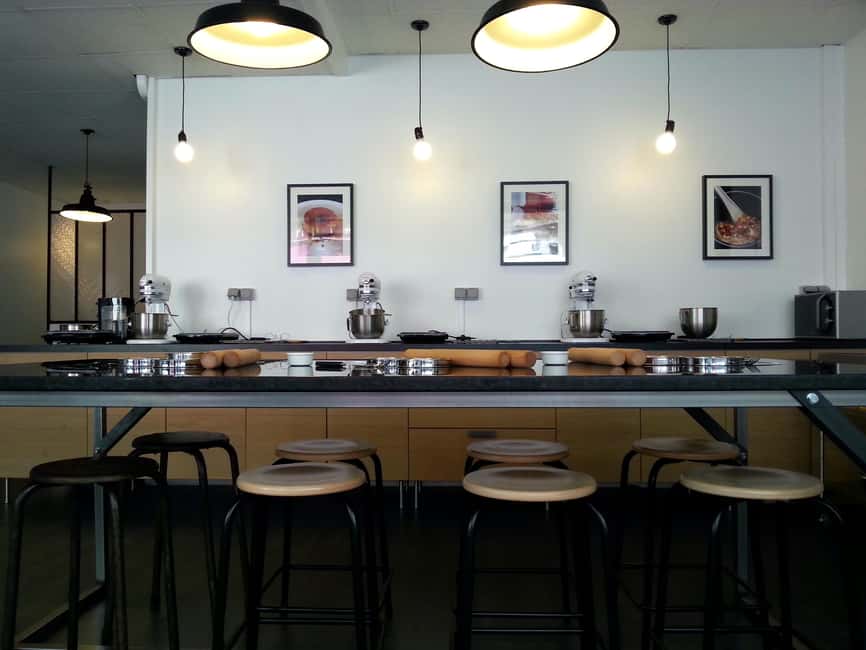
- Four pastry choices: Pick macarons, croissants, French tarts, or luxury macarons with champagne ganache.
- Six people maximum: The chef can give personal help instead of shouting instructions across a crowded kitchen.
- English-language teaching: You receive explanations and recipes in English.
- Take-home treats: Macaron portions have included about 15 pieces, while croissant portions have included eight.
- Near Montmartre: The workshop is close to Sacré-Cœur, Anvers, Gare du Nord, and several Line 7 stations.
- A serious but friendly lesson: The classes suit beginners, but pastry techniques still require care and practice at home.
A pastry class in SoPi, close to Sacré-Cœur
The workshop sits on a quiet side street in South Pigalle, often shortened to SoPi, just steps from Montmartre and the Sacré-Cœur basilica. It is a ground-floor boutique, rather than a grand cooking school hidden inside a large commercial building. That gives the class a personal, local feel, though the entrance is not always easy to spot.
The simplest metro arrival is Anvers on Line 2. Cadet and Poissonnière on Line 7 are also nearby, and Gare du Nord gives you access to both metro and train connections. If you are walking from Sacré-Cœur, allow a little extra time for the slopes and streets around Montmartre.
I would not drive to this class unless you have no other choice. One participant lost about 45 minutes looking for parking and missed the original start time. The staff allowed a later arrival in that case, but you should treat that as kindness, not a guarantee. Public transport is the sensible choice.
On arrival, you settle in, meet the other bakers, put on an apron, and get familiar with the equipment. The small format matters here. With six people at most, the chef can watch your technique, answer questions, and step in before a small mistake ruins an entire batch.
More Workshops in Paris
- Fragonard Paris: Mini Perfume Workshop
★ 4.5 · 1,924 reviews - Paris Cooking Class and Lunch with Wine plus Market Visit Option
★ 5.0 · 1,024 reviews - Paris Croissant Small-Group Baking Class with a Chef
★ 5.0 · 910 reviews
Choosing between macarons, croissants, and tarts
Your choice should depend on the sort of pastry challenge you want. The classes are not interchangeable, and each teaches a different part of French baking.
Macarons: precision in a small package
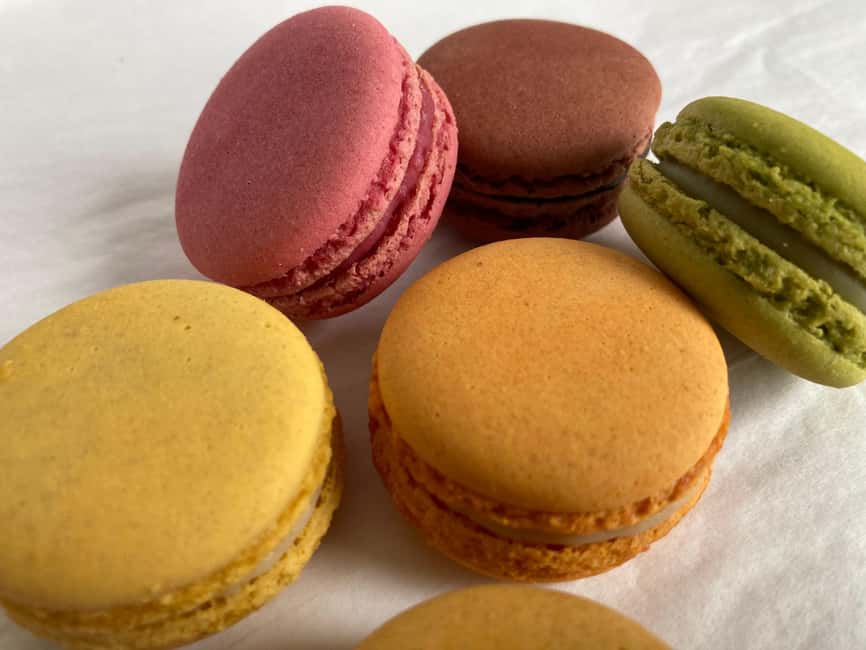
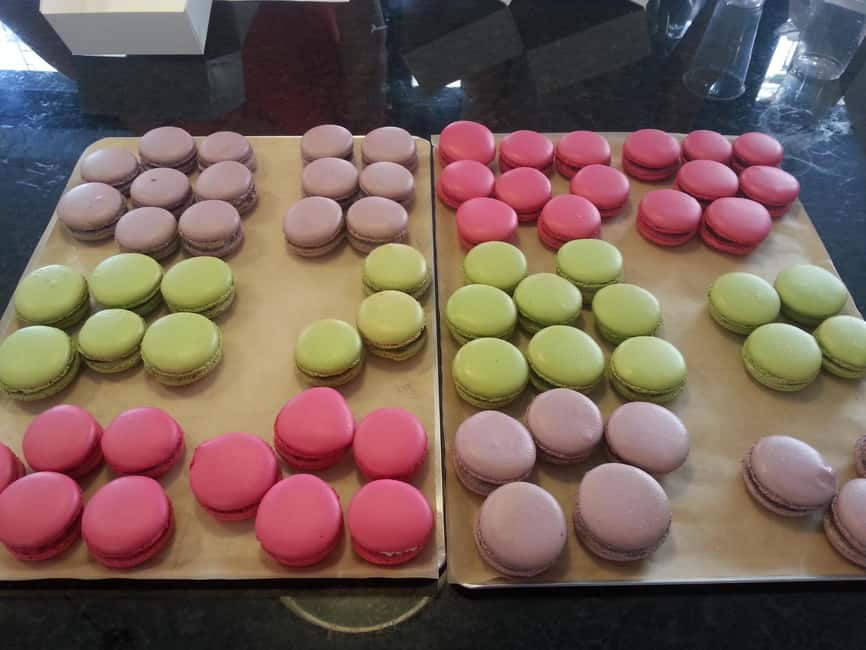
The macaron class focuses on the Italian meringue method. You learn how to make the shells, mix the batter to the right consistency, pipe evenly, and finish the filling. The chef explains the reasons behind each step, which is valuable because macarons can fail through small errors in temperature, texture, or timing.
This is a good option if you want a class with a clear visual result. Perfectly shaped macarons feel like a small victory, and the finished pieces are easy to pack in a box for later. Class portions have included around 15 macarons per person, giving you enough to eat during the session and share afterward.
Do not mistake the pretty colors for simplicity. The technique is more exact than many first-time bakers expect. One participant described the class as more technical than anticipated, but also found the fresh results worth the learning curve. That is a fair warning: you will get help, but you will still need practice at home.
The macaron class accepts children from age 12, but anyone aged 12 through 17 must attend with a participating adult. Children under 12 cannot join.
Croissants: the most technical choice
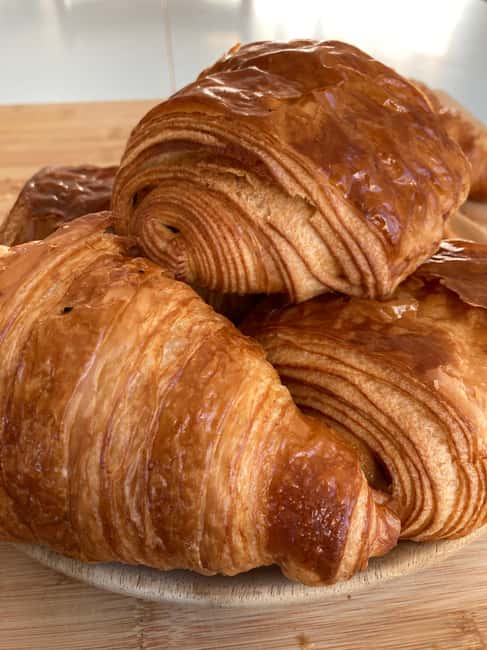
The croissant course is for anyone who wants to understand the work behind a light, crisp, buttery pastry. You practice the dough and pastry-making process, with attention to the structure needed for a good rise and flaky layers.
This class may be the best use of your time if croissants are your main reason for booking. It gives you more than a demonstration. You work with the dough and learn the stages that make a croissant crisp outside and soft inside.
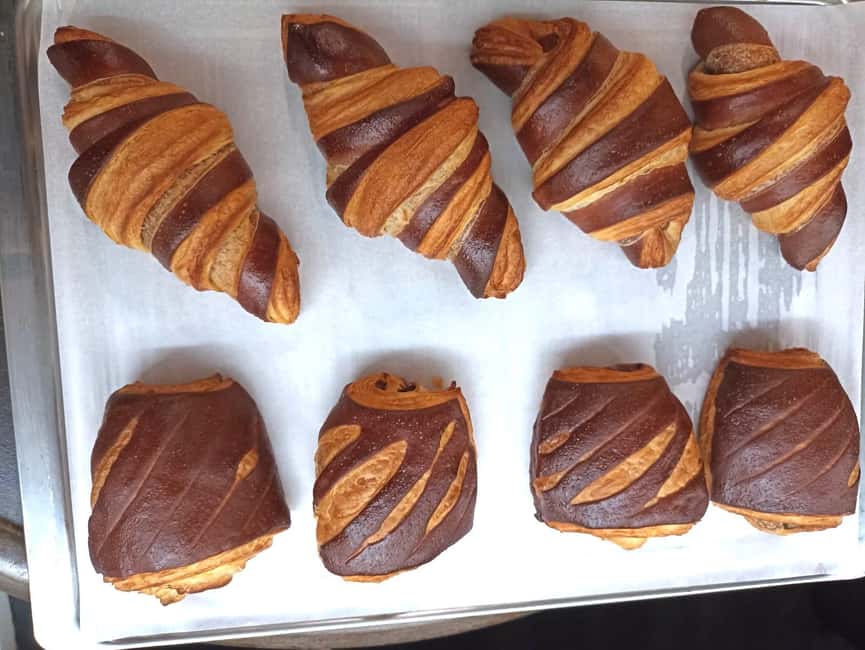
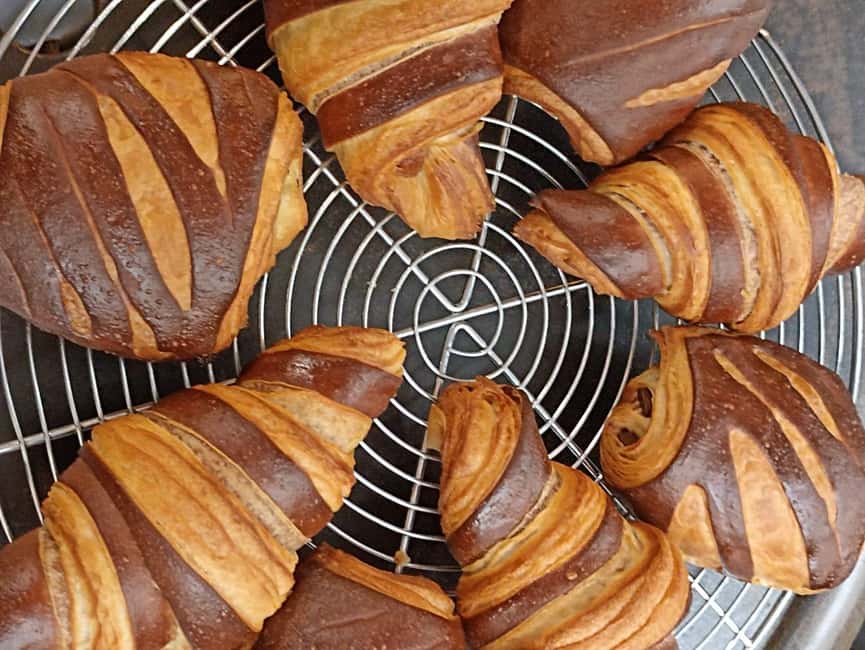
The tradeoff is time and difficulty. Croissant dough is less forgiving than many home baking projects, and the class may feel technical if you have never made laminated pastry. That is not a flaw, but you should arrive ready to concentrate. The reward is substantial: participants have made eight croissants each, with the extras packed to take home.
The croissant class is not open to children under 15. Teenagers aged 15 through 17 need a participating adult with them.
More Cooking Classes in Paris:
- Paris: Montmartre Cheese, Wine & Pastry Guided Walking Tour
★ 4.8 · 2,255 reviews - Paris: Macaron Class at Galeries Lafayette
★ 4.3 · 905 reviews - Paris: French Croissant Baking Class with a Chef
★ 4.9 · 712 reviews - Paris Cooking Class: Learn How to Make Macarons
★ 5.0 · 634 reviews
French tarts: a three-hour pastry lesson
The French tart option lasts three hours, making it the longest choice. It is suited to you if you want a broader pastry lesson rather than a quick project with one finished item.
The available description presents this as a full session on French tart-making, with guidance on the techniques that make a tart work from base to finish. You receive an English recipe copy, and the class aims to give you methods you can repeat at home.
The extra time is useful, but it also makes this the least casual option. Plan your day around it instead of trying to squeeze it between several timed attractions. Children under 15 cannot participate in the French tart class.
Luxury macarons with champagne ganache
This variation adds a chocolate ganache infused with champagne. You make the macarons, prepare the filling, and taste the finished pastries with a glass of bubbly.
It is the most celebratory choice and could work well for a birthday, anniversary, or special afternoon in Paris. The champagne element gives the class a more polished feel, though it may be less useful if your main goal is learning a basic macaron recipe for regular family baking.
The class remains chef-led and hands-on, so you still get instruction rather than simply assembling a pre-prepared dessert. Confirm the exact age requirements and class details when selecting this option, since the supplied information gives specific age limits for the standard macaron class and certain other pastry sessions.
How the 150-minute to three-hour session works
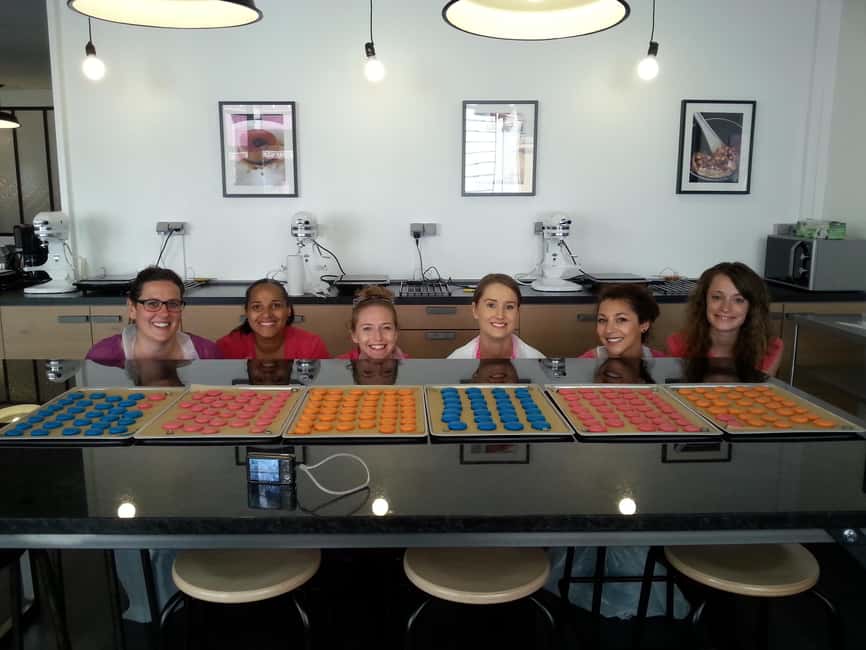
The class begins with a welcome and an introduction to French patisserie. The chef explains the pastry’s place in French baking and then moves into the practical work.
You should expect a clear sequence:
- Meet the chef and other participants.
- Put on an apron and use the provided equipment.
- Learn the method and the reasons behind each stage.
- Prepare the pastry under direct guidance.
- Shape, pipe, fold, or fill your creations.
- Bake or finish the pastries.
- Taste them with tea or coffee, then pack the remainder to take home.
The exact pace depends on your chosen class. Macaron sessions generally fit within the shorter 150-minute format, while the French tart lesson runs for three hours. The croissant class also requires enough time for careful preparation and instruction, so check the exact duration and starting time for your date.
The best part is the correction you receive along the way. Written recipes tell you quantities, but they do not always tell you what the batter should look like or how much pressure to use with a piping bag. The chef’s in-person tips fill that gap. One particularly useful point from the class feedback is that the extra advice given verbally can be more valuable than the recipe sheet itself.
A warm teaching style with real attention
The chef is the heart of this activity. The strongest pattern in the feedback is not just that the pastries tasted good. People repeatedly praised the patient, friendly, hands-on teaching.
Gaëlle and Gail are names associated with especially warm instruction, and participants have also praised Gaëlle for working patiently with both adults and younger bakers. That personal attention is important in a class built around small technical movements. A chef who watches your piping, mixing, or dough handling can help you understand what went wrong before you repeat it.
The tone sounds convivial rather than intimidating. Beginners are welcome, and experienced amateur bakers can still pick up useful corrections. You may find the work more technical than expected, but the chef keeps the lesson approachable.
The group size of six is one of the strongest features. A bigger class might offer the same recipe, but it would be harder to receive individual guidance. Here, the small kitchen format lets you ask questions without stopping the whole session.
Solo participants should feel comfortable booking. The class encourages conversation with other food lovers, and several people have enjoyed meeting fellow bakers while working together. Couples and families also fit well, though every participant must have a booking and only paying participants can enter the workshop.
Eating your work or taking it through Paris
At the end, you can taste your pastries in the workshop with tea or coffee. This is the right moment to appreciate the texture while everything is fresh.
You can also pack your creations in take-home bags. That changes the value of the class. You are not paying only for two or three hours of instruction. You are also leaving with a box of edible souvenirs, an English recipe copy, and an eBook titled Everyday Gourmet French Tarts.
The take-home option is particularly useful for macarons and croissants. Macarons travel well enough for the rest of your Paris stay if handled carefully, and the reported portion of about 15 pieces makes a generous souvenir. Croissants are best enjoyed fresh, but having eight made in class means you can eat some right away and save the rest.
The eBook is included as part of the workshop’s anniversary offer. It adds value for anyone who plans to continue baking after the holiday, though you should think of it as a bonus rather than the main reason to book.
Is $112 a fair price?
At $112 per person, this is not a bargain activity in the basic sightseeing sense. You can buy a croissant for a few euros, and Paris has no shortage of excellent pastry shops.
The value comes from the combination of instruction, equipment, ingredients, small-group access, recipes, drinks, and take-home pastries. A class of up to six gives you more contact with the chef than a large cooking demonstration. If you have tried and failed to make macarons or croissants at home, the direct correction may justify the price.
The class also offers something a bakery visit cannot. You learn the process, understand the technical choices, and leave with a skill you can attempt again. One participant who had repeatedly struggled with macarons felt the class finally moved the result in the right direction. That is the kind of value this activity provides.
Still, you should book it because you want to bake, not simply because you want a snack. If you dislike following precise instructions or would rather spend the afternoon sampling pastries around Paris, use the money at several bakeries instead.
Free cancellation is available up to 24 hours before the class, and you can reserve while paying later. Those terms help if your itinerary is still shifting, but the class itself requires you to arrive on time and ready to work.
Who will enjoy this class most?
I would recommend it most strongly to:
- First-time bakers who want patient, direct instruction.
- Experienced home bakers who want French pastry techniques.
- Couples looking for a shared activity beyond museums and monuments.
- Solo visitors who enjoy small-group food experiences.
- Families with children who meet the age rules.
- Anyone who wants a practical souvenir instead of another purchased trinket.
It is less suitable for very young children. The minimum age is 12 for the standard macaron class and 15 for croissant and French tart classes. Ages 12 through 17 require a participating adult, and unaccompanied minors are not allowed.
You should also consider the physical and mental pace. This is hands-on work, not a passive tasting. The kitchen may be friendly, but pastry still involves mixing, shaping, piping, and close attention to instructions.
Practical advice for making the most of it
Choose your pastry before booking and read the age rule for that exact option. If your priority is a beautiful box to take home, macarons are the obvious choice. If you want the biggest technical challenge, choose croissants. For a longer, broader lesson, choose French tarts.
Arrive early enough to locate the ground-floor boutique. The door may not be clearly marked, and the neighborhood has enough side streets to slow you down. Take the metro rather than trying to park nearby.
Wear something comfortable and come ready to participate. Aprons and equipment are provided, so you do not need to bring baking tools. You receive recipes in English, but listen closely to the spoken advice, since the chef’s small corrections are a major part of the lesson.
If you are planning another activity afterward, leave some breathing room. The shorter class lasts about 150 minutes, and the tart option lasts three hours. You will also want time to collect your pastries and perhaps walk toward Montmartre or Sacré-Cœur afterward.
Should you book the Paris pastry class?
Book it if you want more than a quick taste of French baking. The small group, English instruction, patient chefs, and take-home pastries make this a strong choice for a food-focused afternoon in Paris.
I would choose the macaron class for a first visit, especially if you want a generous edible souvenir. Pick croissants if technique matters most, and French tarts if you prefer the longest session. Skip it only if your schedule is too tight for a 150-minute to three-hour commitment or if you would rather eat pastry than make it.
For the right person, $112 buys a skill, a social experience, and something delicious to carry back through Paris.
FAQ
Where is the pastry workshop located?
The workshop is in a ground-floor boutique on a quiet side street in the SoPi neighborhood, close to Montmartre and the Sacré-Cœur basilica.
Which metro stations are near the workshop?
Anvers on Line 2 is the nearest listed metro station. Cadet and Poissonnière on Line 7 are also options, and Gare du Nord is nearby by metro and train connections.
Are the classes taught in English?
Yes. The classes are taught in English, and an English-language copy of the recipes is included.
How many people can join each class?
The class is limited to six participants, allowing the chef to provide personal guidance.
How long does the pastry class last?
The available sessions last from 150 minutes to three hours, depending on the option. The French tart class lasts three hours.
What pastry options can I choose from?
You can choose macarons, croissants, French tarts, or luxury macarons filled with champagne-infused chocolate ganache.
Can I take my pastries home?
Yes. Take-home bags are provided, and you can pack the pastries you make instead of eating everything at the workshop.
Are tea or coffee included?
Yes. You can taste your finished pastries at the workshop with tea or coffee.
Can children participate?
Children under 12 cannot participate in the macaron class or boutique-style pastry class. Children under 15 cannot participate in the croissant or French tart classes. Participants aged 12 through 17 must be accompanied by a participating adult.
What is included besides the class?
Aprons, cooking equipment, English recipes, take-home bags, and the Everyday Gourmet French Tarts eBook are included.
Recently added around Paris
- Private Half-Day Guided Tour of Paris★ 4.5 · 48 reviews
- 2 hour outdoor group activity in Paris: SAINT GERMAIN★ 5.0 · 48 reviews
- Paris Dinner Show Opera Bel Canto★ 4.5 · 48 reviews
- Paris Vintage Tour by Night on a Sidecar with Champagne★ 5.0 · 48 reviews
- Paris Photoshoot: Eiffel Tower Exclusive Private Experience★ 5.0 · 48 reviews
- Secrets & Scandals of the Louvre – Limited to 6 Guests★ 5.0 · 48 reviews
- From Paris: Versailles Full-Day Guided Tour with Lunch★ 4.9 · 48 reviews
- Paris: Louvre Mona Lisa Discovery Guided Tour with Ticket★ 4.9 · 48 reviews
Cooking Classes, compared.

Paris: Montmartre Cheese, Wine & Pastry Guided Walking Tour
Read our review →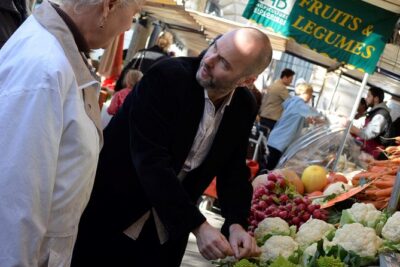
Paris Cooking Class and Lunch with Wine plus Market Visit Option
Read our review →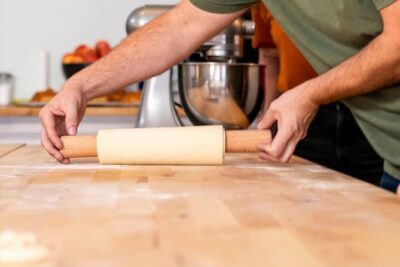
Paris Croissant Small-Group Baking Class with a Chef
Read our review →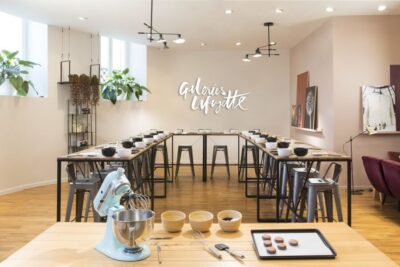
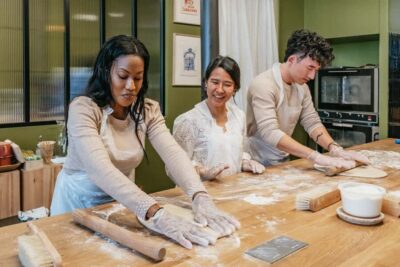
Paris: French Croissant Baking Class with a Chef
Read our review →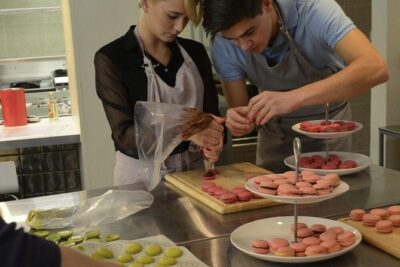
Paris Cooking Class: Learn How to Make Macarons
Read our review →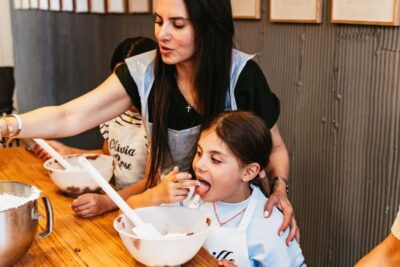
A Morning in Paris Food Tour: Croissants, Baguettes & Chocolate
Read our review →Browse the lists this tour appears in