
Reviewed · HISTORICAL TOURS
Strasbourg: Guided Historical Neighborhoods Walking Tour
Strasbourg’s story is written in its streets. This 150-minute walk links grand squares, imperial Neustadt, the old lanes of Petite France, and Notre Dame Cathedral while a local guide explains how the city changed from its earliest settlement through modern European conflict. I especially like the small groups of up to 10 people, which make it easier to hear, ask questions, and keep a comfortable pace. I also like the guide’s practical advice on restaurants, cafés, bars, and places to visit after the walk.
The main drawback is simple: this is a long outdoor walk, and Strasbourg weather can be tough. One morning group found the cold made long stops uncomfortable, while other outings needed breaks during hot weather. Cathedral entry is not included, so you will need separate time and money if you want to go inside.
In This Review
- Key points at a glance
- Why this Strasbourg walk is worth your morning
- Meeting at Place de la République
- Place Broglie and Strasbourg’s grand public spaces
- Place Kléber and the famous Christmas tree
- Grand’Rue and the shift into the old center
- Petite France, half-timbered houses, and a name with a story
- Notre Dame Cathedral and the tour’s final view
- The guide makes the difference
- Is $35 a fair price?
- Who should book this tour?
- Final verdict: book it early in your Strasbourg stay
- FAQ
- How long does the Strasbourg walking tour last?
- Where does the tour begin?
- Where does the tour finish?
- Is entrance to Strasbourg Cathedral included?
- What languages are available?
- How large is the group?
- Is the tour wheelchair accessible?
Key points at a glance
- A useful first look at Strasbourg: The route covers central squares, Neustadt, Grand’Rue, Petite France, and the cathedral in one well-packed outing.
- A lively history lesson: Guides such as Davide and David use humor, stories, and clear explanations rather than delivering a dry list of dates.
- Petite France in context: You learn how the quarter got its name and how its buildings and purpose changed over the centuries.
- Good local advice: Food, coffee, wine, bars, and follow-up sightseeing suggestions are a regular part of the guide’s help.
- A compact group: With no more than 10 participants, the walk feels more personal than a large city tour.
- Easy to plan: The tour costs $35 per person, lasts 150 minutes, accepts English and Italian speakers, and allows cancellation up to 24 hours before departure for a full refund.
Why this Strasbourg walk is worth your morning
I like this tour because it gives you a working map of Strasbourg, not just a collection of postcard views. You move from the broad, formal spaces of the newer city to the medieval-looking streets of the old center. By the end, you should understand how Strasbourg’s architecture reflects its position between French and German worlds.
That wider context is the real value. Strasbourg is often presented through its cathedral and timber-framed houses, but its past includes shifting borders, political changes, military conflict, and the growth of the Neustadt district. A good guide helps connect those pieces. The supplied information promises a journey from the founding of the city to contemporary wars, so expect history that reaches well beyond the usual medieval highlights.
The format also helps. You spend two and a half hours walking, listening, and stopping for explanations. The group limit of 10 is especially useful in narrow streets, where a large crowd can scatter or block foot traffic. It also gives you a better chance to ask about a building, a square, or a restaurant you noticed along the way.
More Walking Tours in Strasbourg
- Strasbourg: Walking Tour with a Local Guide
★ 4.3 · 607 reviews - Strasbourg: Walking Tour with Local Guide
★ 5.0 · 598 reviews - Strasbourg: Traditional Food Walking Tour with Tastings
★ 4.8 · 219 reviews
Meeting at Place de la République
The walk begins in the center of Place de la République, in front of the war memorial. Arrive with comfortable shoes and clothing suited to the forecast. The meeting point is central, but a busy square can still make it worth arriving a few minutes early so you can identify your guide.
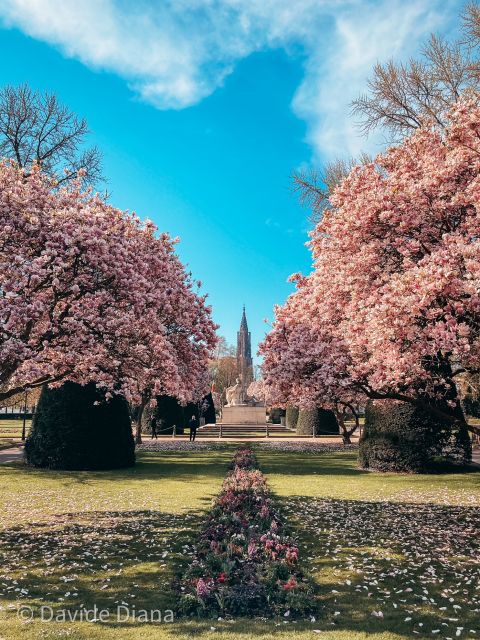
Place de la République is a strong starting point because it introduces Strasbourg’s political and architectural layers right away. From here, the guide explains the square’s past before leading you into Neustadt, the district created during the period of German rule. The area gives you a different visual impression from Petite France, with grander streets and monumental buildings.
The route includes about 30 minutes in Neustadt. That is enough time to hear the story behind the district and see its scale without turning the tour into a specialist architecture lecture. I would pay attention here to the contrast between formal planning and the more irregular old-town streets you see later.
This opening section may appeal most to people who want more than the usual historic-center stroll. If you only want pretty houses and quick photographs, Neustadt could feel less immediately charming. If you want to understand why Strasbourg looks the way it does, it is an important part of the walk.
Place Broglie and Strasbourg’s grand public spaces
The next stop is Place Broglie, listed as a 10-minute visit. This is another chance to see how Strasbourg’s public spaces shift in character from one district to the next. Your guide adds local stories and historical background, helping you notice the role these squares have played in city life.
The value of stops like this is often easy to miss when walking alone. You can cross a square, admire a façade, and move on without knowing why the space matters. A guide gives the place a timeline and points out details you might otherwise pass.
Expect some standing while the guide talks. That is fine in mild weather, but cold, rain, or strong sun can change how enjoyable the experience feels. The tour has received praise for maintaining a good pace, and that matters on a route with several stops. You are not parked in one place for the whole morning.
Place Kléber and the famous Christmas tree
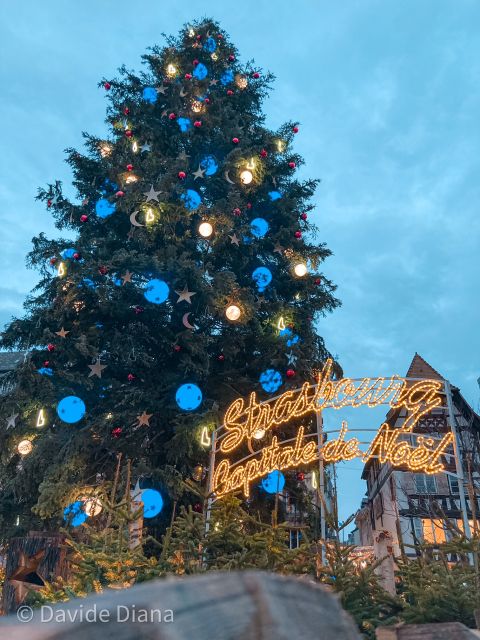
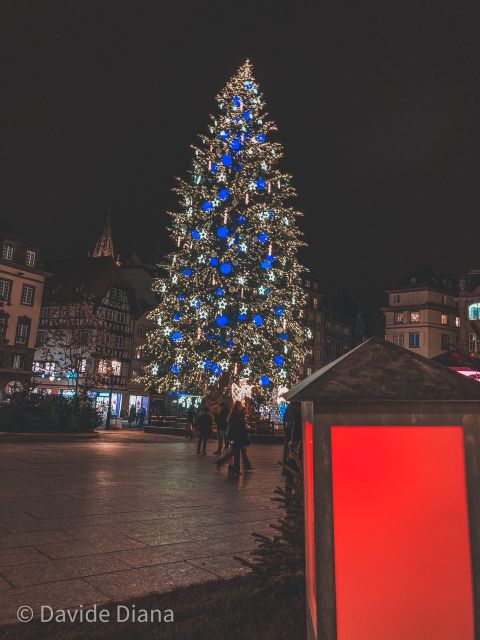
Place Kléber is Strasbourg’s major central square and receives about 20 minutes of guided attention. The guide explains its place in the city and discusses the tradition of the large Christmas tree and the winter market season, one of the best-known festive periods in France.
This part is useful even if you visit outside December. The Christmas tree is not just a seasonal decoration. It connects to Strasbourg’s public identity and helps explain why the city attracts so many visitors in winter. If you do visit during the Christmas season, the guide’s comments can help you see the market as part of local tradition rather than simply a shopping area.
Place Kléber also gives you a practical orientation point. From here, you can better understand how the central streets connect to the cathedral area and the old neighborhoods. Guides commonly use this moment to suggest other places to visit, along with restaurants and cafés.
That advice is one of the tour’s strongest extras. Several outings included useful food recommendations, and one guide even pointed people toward good coffee. Such suggestions can save you from eating at the first place with a convenient menu near the cathedral.
More Historical Tours in Strasbourg:
- From Strasbourg: Best Of Alsace Historical Day Trip
★ 4.7 · 633 reviews - Guided Walking Tour in Strasbourg between History and Curiosities
★ 5.0 · 137 reviews - Strasbourg: Private Walking Tour of the Historical Center
★ 4.2 · 107 reviews - Strasbourg: Historic Center Walking Tour
★ 4.7 · 88 reviews
Grand’Rue and the shift into the old center
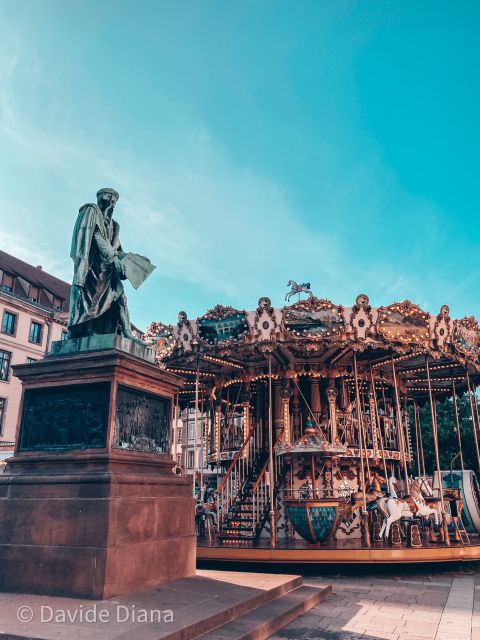
The walk continues along Grand’Rue, with around 10 minutes of guided commentary. This section helps bridge the formal squares and the older quarters. You are still in the center, but the feel becomes more intimate as the route moves toward Petite France.
Grand’Rue is a good place to keep your eyes up. A guide can explain the buildings and street pattern while you walk, rather than asking you to stop for a long lecture at every corner. The route is designed to keep moving, which several participants appreciated.
I would not expect a detailed tour of every shop, church, or side lane here. The purpose is to connect the larger historical story with the streets you are using. Make a mental note of places that interest you, then return later at your own pace.
Petite France, half-timbered houses, and a name with a story
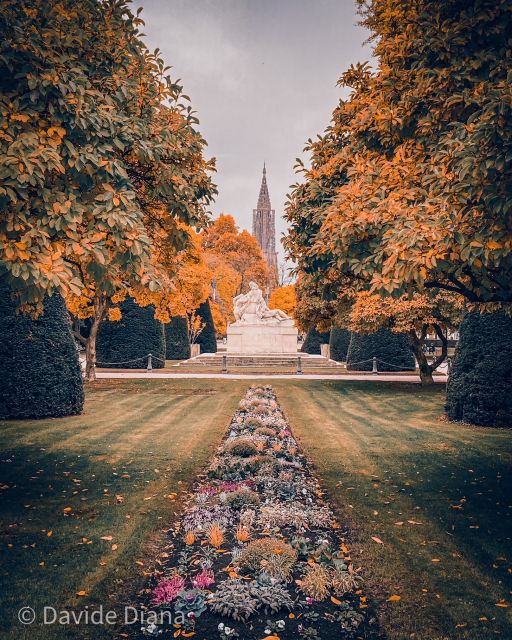
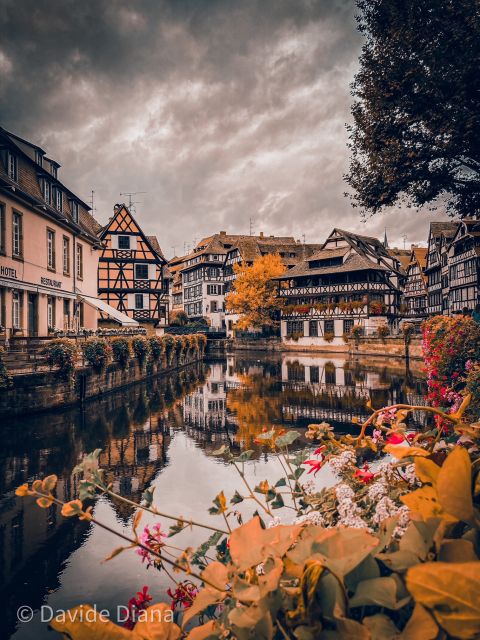
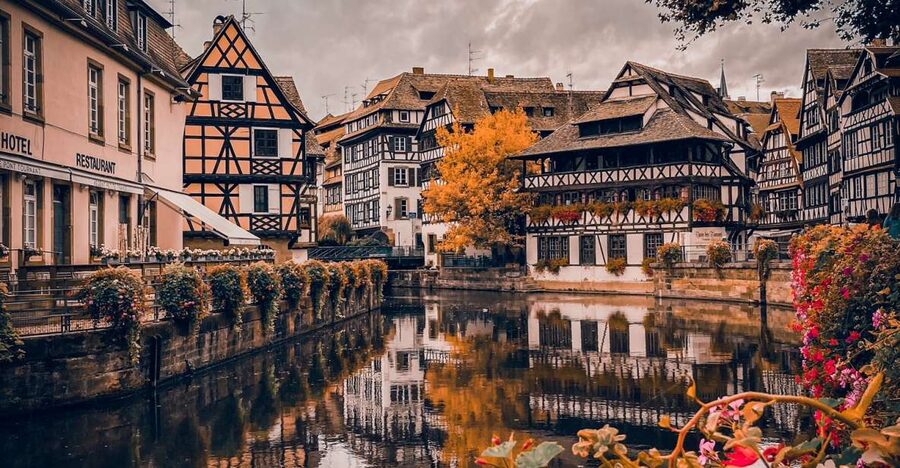
Petite France receives about 30 minutes, including a photo stop and guided sightseeing. For many people, this will be the visual highlight. The quarter is known for its original half-timbered homes, waterways, and narrow streets, and it is the part of Strasbourg most likely to appear in travel photographs.
The guide does more than point out attractive façades. You learn where the name Petite France came from and how the neighborhood changed over the centuries. That explanation gives the area some needed depth. Without it, the quarter can seem like a preserved stage set. With context, you begin to see it as a working part of the city with a long and sometimes difficult past.
This is also where the small group pays off. Narrow streets and popular viewpoints are easier to handle when you are not trying to keep track of 30 or 40 people. You should have time for photographs, but do not expect a leisurely photography session. The tour still has to reach the cathedral on schedule.
The half-timbered buildings are a major reason to book this route, but they are not the only reason. The guide’s explanation of change over time makes Petite France more interesting than a quick solo walk. I would still return later if you want quiet photographs, a slower look at details, or time by the canals.
Notre Dame Cathedral and the tour’s final view
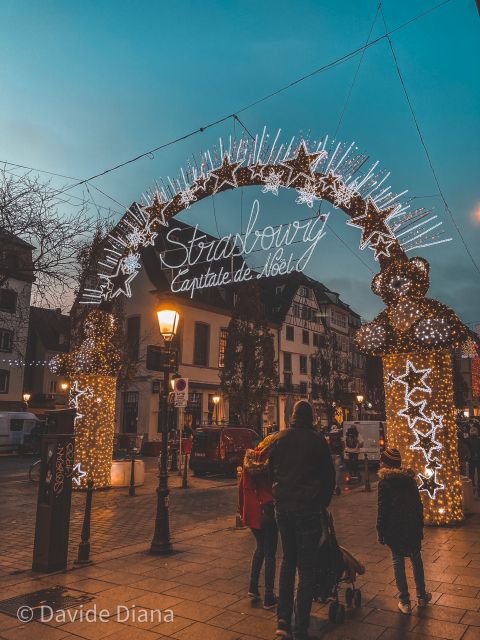
The walk ends at Notre Dame Cathedral, with about 20 minutes of guided attention and a photo stop at Place de la Cathédrale. The cathedral’s Rayonnant Gothic architecture provides a grand finale after the smaller lanes of Petite France.
The contrast is effective. You move from half-timbered houses and neighborhood streets to one of Strasbourg’s defining monuments. The guide tells stories about the building and its place in the city, giving you useful background before you decide how much more time to spend there.
Cathedral admission is not included. That is an important distinction. The tour brings you to the landmark and explains it from the outside, but you should plan separately if you want interior access. This arrangement keeps the $35 price reasonable, though visitors hoping for a full cathedral visit should not treat the walking tour as an admission ticket.
Ending at Place de la Cathédrale is convenient for continuing your day. You can stay in the area, enter the cathedral if open and available, or use the guide’s suggestions for food and other sights. The tour does not return you to Place de la République, so plan your next stop from the cathedral area.
The guide makes the difference
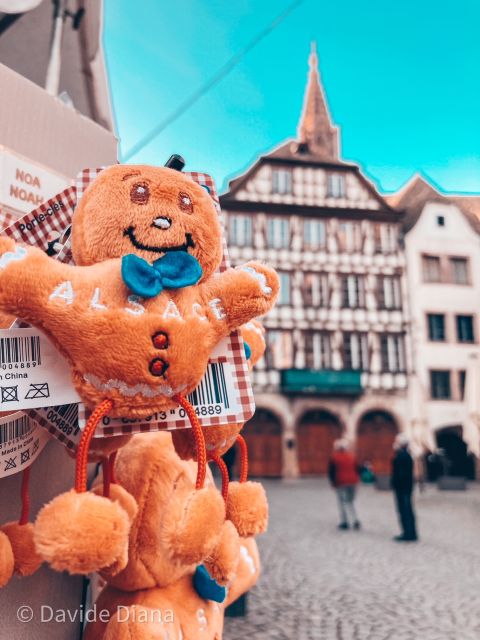
The strongest praise centers on the guides’ presentation. Davide, also called David in several comments, is described as energetic, funny, clear, and passionate about Strasbourg. Other participants refer to a lively Italian guide, and the listing names English and Italian as the available languages.
That personality matters because the subject can become heavy. Strasbourg’s past includes war, changing political control, and difficult periods. A guide who can add humor without making light of serious events makes the information easier to follow. The best comments describe history told in a logical order, with anecdotes that keep the group engaged.
I also like that the guide’s role extends beyond dates and monuments. Recommendations for restaurants, bars, coffee, and later activities appear again and again in the feedback. These tips are most useful when you take the tour near the start of your stay, since you still have time to use them.
Do keep expectations realistic. The guide may be excellent, but weather affects the experience. Some groups found the pace comfortable on hot days because breaks were included, while a cold morning would have benefited from more walking and less standing. Dress for the conditions rather than assuming the tour will feel comfortable in every season.
Is $35 a fair price?
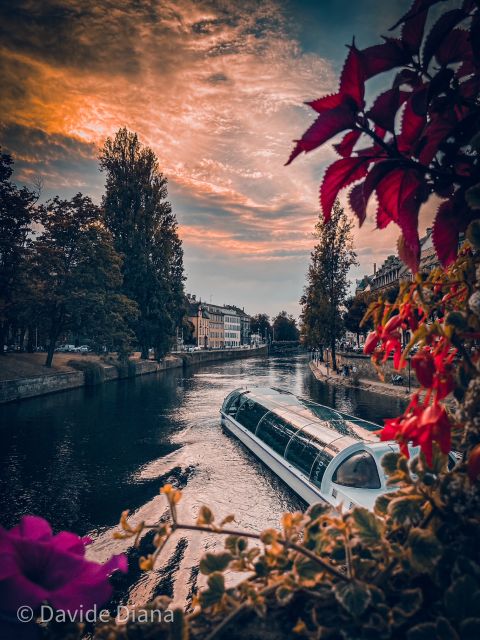
At $35 per person, the tour offers solid value if you want historical orientation and practical help during your first hours in Strasbourg. You receive 150 minutes with a live guide, a route through several major districts, and a group capped at 10 people. A private tour would normally cost much more, while a free walk may not offer the same small-group setting or sustained historical explanation.
The value is strongest for first-time visitors. In one outing, you see Place de la République, Neustadt, Place Broglie, Place Kléber, Grand’Rue, Petite France, and the cathedral. You also learn what deserves a return visit.
The value is lower if you dislike guided walks, already know Strasbourg well, or want extensive interior visits. Cathedral entry is extra, and the tour focuses on outside views and explanation. You are paying for interpretation, orientation, and local suggestions, not admission to several monuments.
Free cancellation up to 24 hours before departure and reserve-now, pay-later booking add useful flexibility. The tour is wheelchair accessible, although the supplied information does not explain the exact street conditions or route adaptations. Pregnant women are listed as not suitable for this activity, so anyone with mobility or health concerns should check the details before booking.
Who should book this tour?
I would recommend it to first-time visitors, history fans, couples, families with older children, and anyone who wants to get their bearings quickly. It is also a good choice if you appreciate a guide who tells stories with humor instead of reciting a textbook.
The tour suits people who can walk for two and a half hours and remain outdoors in changing conditions. Comfortable shoes are essential. Bring weather-appropriate clothing, and consider water or other personal necessities for the walk.
I would be more cautious about booking it for someone seeking a slow, quiet stroll with lots of time inside buildings. It is also not the best fit if you want to spend the entire outing at the cathedral or take posed photographs in Petite France. The route covers a lot, so its strength is breadth and context.
Final verdict: book it early in your Strasbourg stay
I would book this tour near the beginning of a Strasbourg visit. The route covers the city’s major visual highlights, but its real benefit is the explanation tying them together. You leave with a clearer sense of the city’s French and German influences, a better idea of where the main quarters sit, and a list of places to eat or explore afterward.
Book it if you want a lively guide, a small group, and a strong introduction for $35. Skip it only if you prefer to wander alone, need extensive indoor time, or expect cathedral admission to be included. For most first visits, the combination of Petite France, Neustadt, Place Kléber, and Notre Dame makes this a practical and enjoyable start.
FAQ
How long does the Strasbourg walking tour last?
The tour lasts 150 minutes, or two and a half hours.
Where does the tour begin?
It begins at Place de la République. You will find the guide in the center of the square, in front of the war memorial.
Where does the tour finish?
The tour finishes at Place de la Cathédrale, beside Notre Dame Cathedral.
Is entrance to Strasbourg Cathedral included?
No. Cathedral entrance fees are not included. The tour ends outside the cathedral after guided commentary and a photo stop.
What languages are available?
The live tour guide is available in English and Italian.
How large is the group?
The tour is limited to 10 participants.
Is the tour wheelchair accessible?
Yes, the activity is listed as wheelchair accessible. Pregnant women are listed as not suitable for the tour.
Recently added around Strasbourg
- From Strasbourg: Half-Day Tour of Alsace Villages★ 4.7 · 50 reviews
- Medieval Villages and Wine Tasting from Strasbourg★ 5.0 · 55 reviews
- Strasbourg City Center Guided Bike Tour w/ Local Guide★ 5.0 · 57 reviews
- Strasbourg Food Tour : Gourmet private Tour with tastings★ 4.7 · 58 reviews
- Private Tour: From Strasbourg to Colmar, Eguisheim, Riquewhir★ 4.5 · 58 reviews
- Capture the Magic of Strasbourg with an Exclusive Photoshoot★ 4.9 · 61 reviews
- FULL DAY ALSACE PRIVATE TOUR : Tailored by your Friendly Driver★ 5.0 · 76 reviews
- Explore Strasbourg in 60 minutes with a Local★ 5.0 · 82 reviews
Historical Tours, compared.
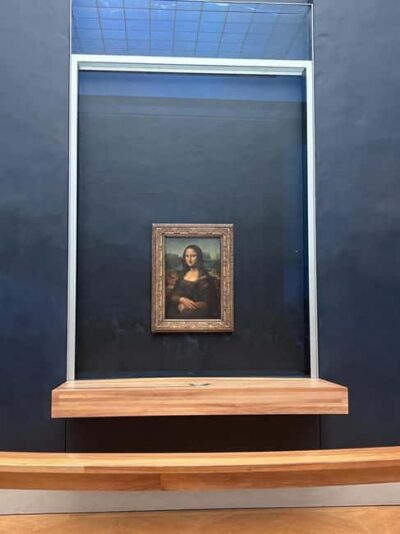
Paris: Louvre Museum Entry with History of Mona Lisa
Read our review →
Paris: Dark History and Ghostly Guided Walking Tour
Read our review →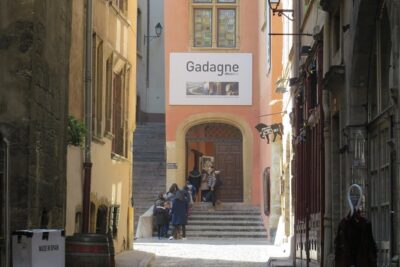
Vieux Lyon Cultural & Historical Walking Guided Tour (English)
Read our review →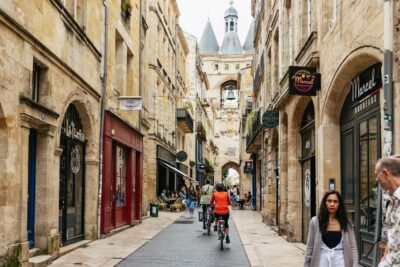
Bordeaux: Historic Center & Chartrons District Bike Tour
Read our review →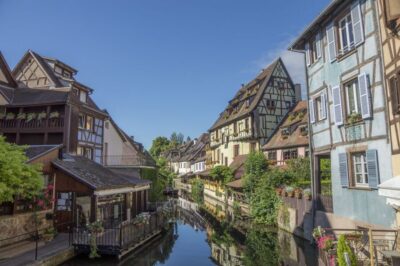
From Strasbourg: Best Of Alsace Historical Day Trip
Read our review →
Toulouse Food & History Tour with a Chef (in English)
Read our review →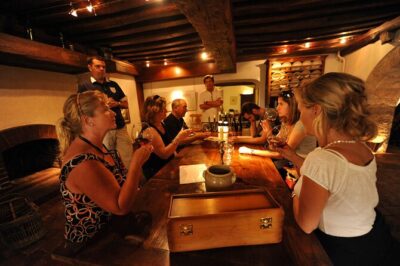
Small-Group Full-Day Tour of Côte de Nuits, Côte de Beaune Vineyards and Beaune Historical District
Read our review →
Browse the lists this tour appears in