
Reviewed · WALKING TOURS
Strasbourg: Walking Tour with Local Guide
Strasbourg rewards a slow walk. This two-hour tour packs the city’s major sights into a small-group outing led by Nicolas, a proud local who mixes Alsatian family stories with France’s complicated past. I especially like the six-person limit, which makes it easy to ask questions, and the practical restaurant, bakery, and market advice you receive at the end. The main tradeoff is that the pace is steady and fully on foot, so it is not a good fit for people with mobility impairments.
You’ll see far more than postcard Strasbourg. The route links the cathedral, Petite France, the Tonneliers district, and several squares while explaining how Strasbourg’s position between France and Germany shaped its buildings and culture. Just remember that cathedral entry is not included, and bad weather can make the cobbled streets less comfortable.
In This Review
- Key points about this Strasbourg walking tour
- Why this two-hour walk works so well
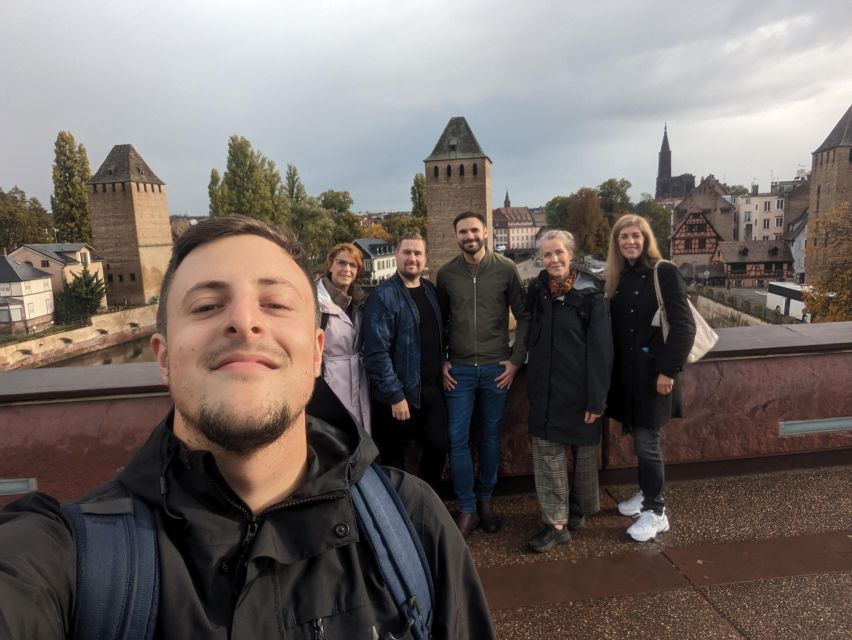
- Starting near Place d’Austerlitz and the covered bridges
- Petite France in about 20 minutes
- Saint-Thomas Church and the city’s religious story
- Strasbourg Cathedral and its legends
- Small streets, Place Kléber, and revolutionary-era Strasbourg
- Tonneliers district and everyday local life
- Place Saint-Étienne and Place de la République
- What Nicolas adds to the experience
- Weather, pace, and practical limits
- Who should book this Strasbourg walk
- Should you book the Strasbourg walking tour?
- FAQ
- How long does the Strasbourg walking tour last?
- What language is the tour offered in?
- How large is the tour group?
- Where does the tour start?
- Where does the tour finish?
- Is entry to Strasbourg Cathedral included?
- What should I bring?
- Can I cancel for a full refund?
Key points about this Strasbourg walking tour
- Nicolas brings local family history: He explains Strasbourg through personal Alsatian connections, not just dates and monuments.
- A true small-group experience: Groups are limited to six, and some departures have operated with only one or two people.
- The route covers the city’s essentials: You walk from the Grande Île area through Petite France, past the cathedral, and onward to Place de la République.
- The photography help is useful: Nicolas points out good angles and watches for small details, including changing bridge positions.
- Food advice is part of the value: Expect suggestions for restaurants, cafés, bakeries, markets, local products, and Alsatian dishes.
- It is a strong first-day activity: The walk gives you a map in your head before you explore Strasbourg on your own.
Why this two-hour walk works so well
At $41 per person, this is not the cheapest way to see Strasbourg. It is, however, a fair price for a small group capped at six, especially if you use the local advice afterward. A large city tour can give you facts, but a tiny group lets you stop, ask questions, and adjust the conversation to your interests.
The tour is also a smart use of your first morning or afternoon. Strasbourg’s old center is compact enough to explore by foot, yet its story is not simple. France, Germany, Alsace, religion, trade, and war all meet here. A guide can help you understand why a street, square, or building looks the way it does.
I particularly appreciate that Nicolas discusses present-day life as well as old events. You get context about Alsatian culture, local customs, food, and the way the city functions now. That makes the walk feel less like a string of monuments and more like an introduction to a place where people actually live.
The tour is offered in French and English. Several groups have included both languages, with the guide explaining the same material for everyone. Nicolas is also praised for clear communication before the meeting, including a description of what he will be wearing and a picture of the meeting place. That is a small touch, but it matters when you are standing in an unfamiliar square.
More Walking Tours in Strasbourg
- Strasbourg: Walking Tour with a Local Guide
★ 4.3 · 607 reviews - Strasbourg: Guided Historical Neighborhoods Walking Tour
★ 4.9 · 275 reviews - Strasbourg: Traditional Food Walking Tour with Tastings
★ 4.8 · 219 reviews
Starting near Place d’Austerlitz and the covered bridges
The exact meeting point can depend on the option you book, so check your confirmation carefully. Place d’Austerlitz is listed as a possible starting point. From there, the walk heads toward the historic center and the Ponts Couverts, a natural opening chapter for Strasbourg.
The covered bridges are not just a pretty photo stop. They introduce the old defensive side of the city and help you understand how water and fortifications shaped Strasbourg. The guided portion here is short, about 10 minutes, so expect a concise explanation rather than a long lecture.
This is one place where a good guide adds real value. On your own, you can admire the towers and bridges. With Nicolas, you get a reason to notice their position, purpose, and relationship to the surrounding waterways. He has also been willing to time parts of the route around local happenings, such as a river bridge turning, when conditions allow.
Bring shoes with a firm sole. Strasbourg’s historic center includes old paving and uneven walking surfaces, and the tour does not provide a vehicle or rest period. Comfortable footwear is more important than stylish footwear here.
Petite France in about 20 minutes
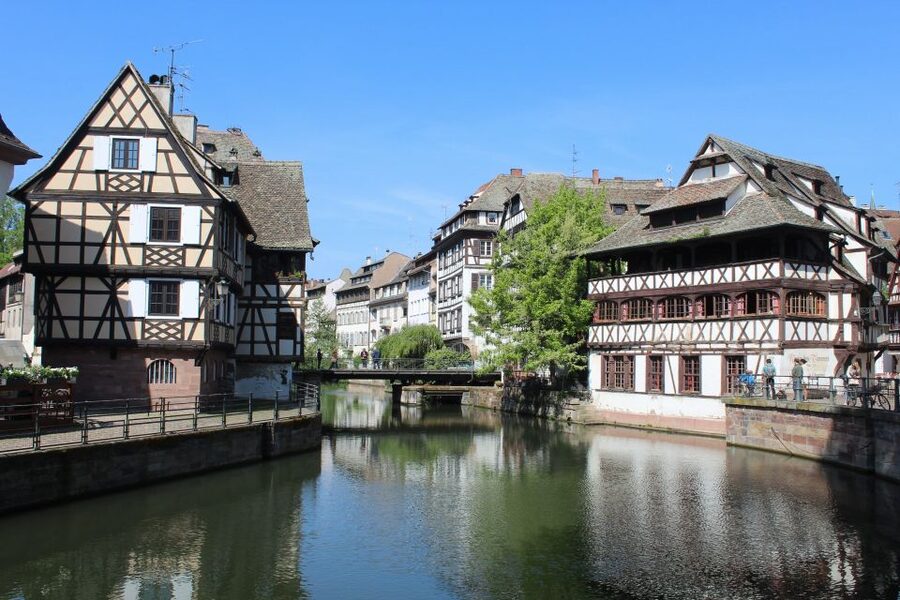
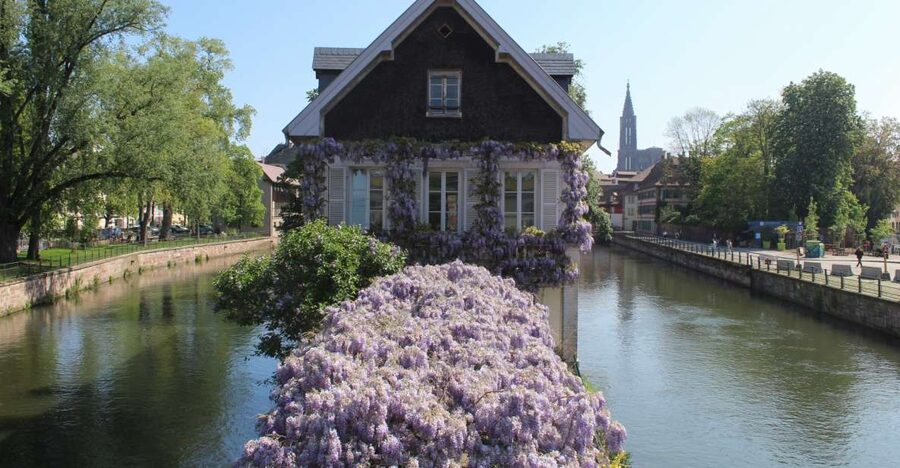
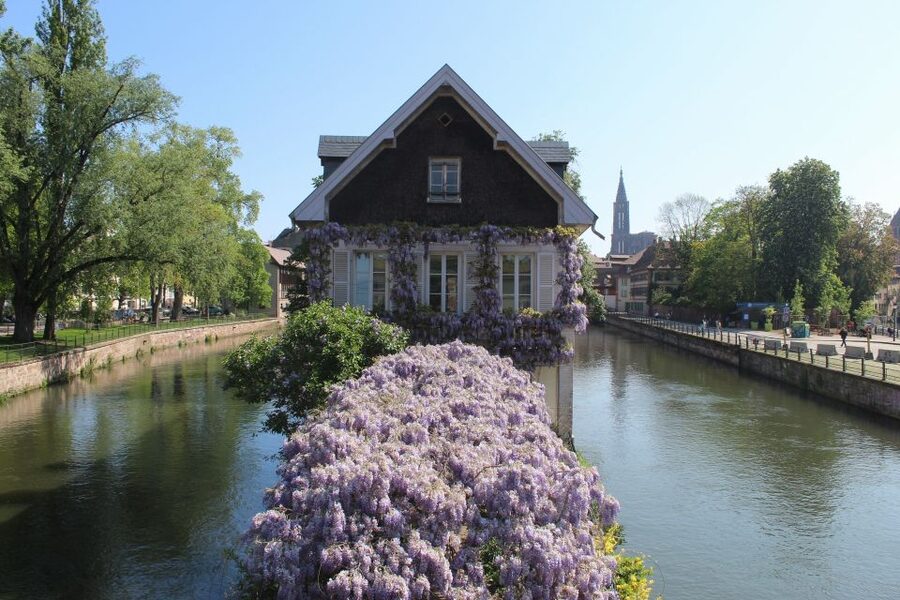
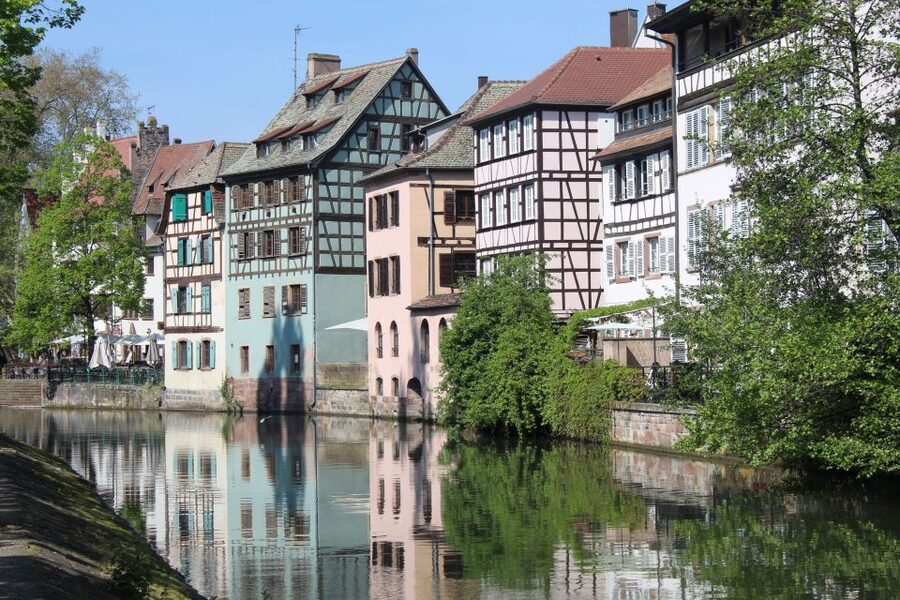
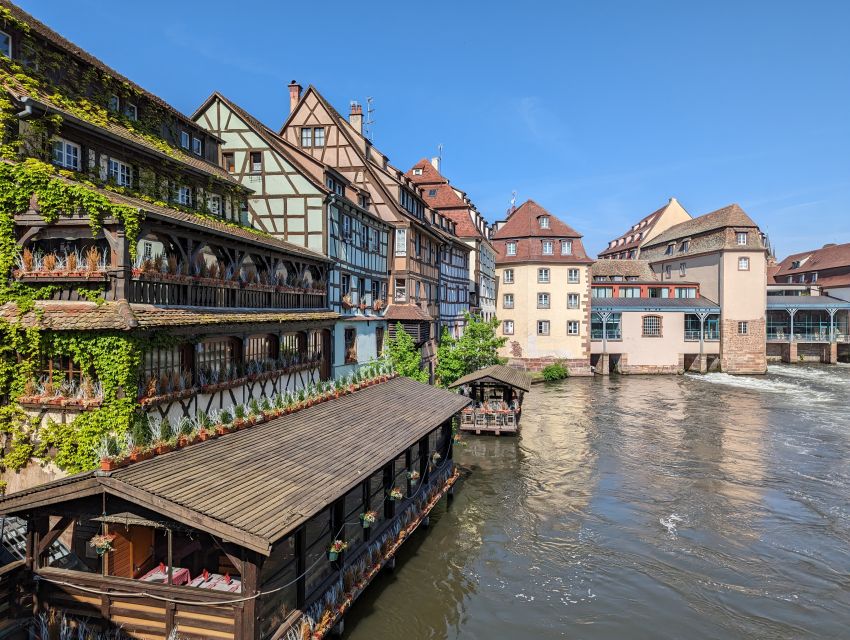
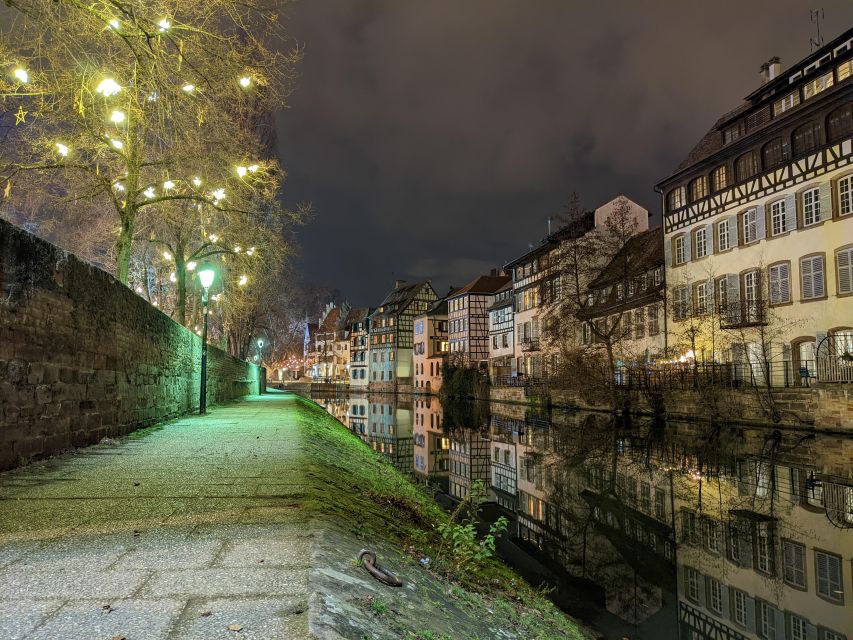
Petite France is one of Strasbourg’s most recognizable quarters, with narrow streets, waterways, and old buildings. The tour gives this area about 20 minutes, enough to get your bearings and hear the stories behind the setting without spending the whole morning in one district.
This is a good section for photographs. Water, bridges, rooflines, and close-set streets give you plenty to frame. Nicolas can suggest angles for more memorable pictures instead of the same front-facing snapshots everyone takes. If you care about photography, keep your phone or camera ready, but do not let it distract you from the explanations.
Petite France can also be the busiest part of a visit, particularly around popular photo spots. A small group helps here because you are less likely to lose the guide in a crowd. Still, do not expect a quiet private stroll at every moment. The area is a working part of the city as well as a historic quarter.
The route offers only a short look at Petite France, which is both a strength and a limitation. You see it early, then receive suggestions about what to revisit later. If you want detailed architectural study or plenty of free time for photos, plan to return after the tour.
Saint-Thomas Church and the city’s religious story
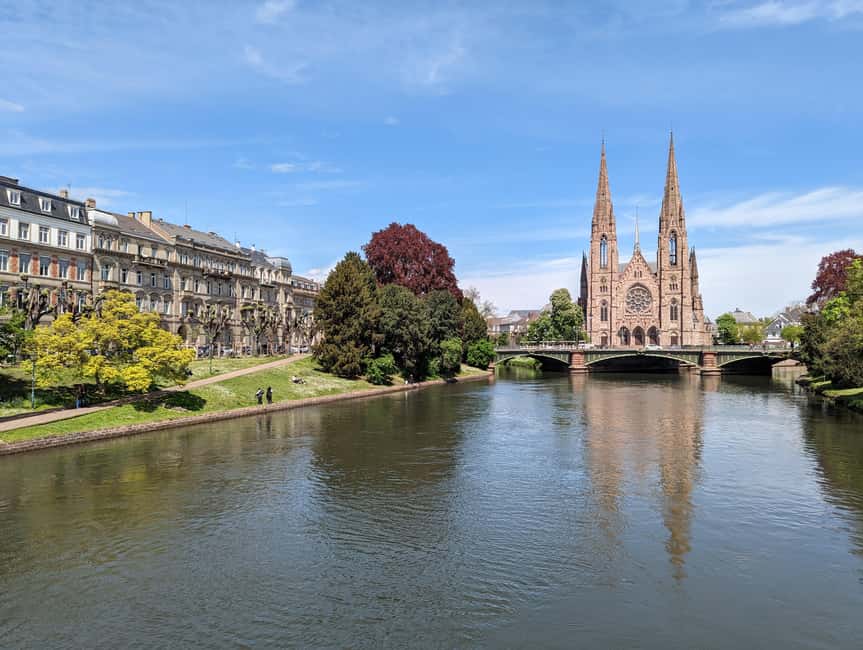
The walk continues to Église Saint-Thomas for roughly 10 minutes. This stop broadens the tour beyond the cathedral and gives you another place to consider Strasbourg’s religious and architectural history.
The value here is variety. You are not simply moving from one famous facade to the next. The guide connects the church to the wider story of the city, helping you see how faith, politics, and local identity have shaped Strasbourg.
Because the tour lasts only two hours, each stop is selective. You should expect an outdoor explanation rather than an extended interior visit. If entering churches is important to you, ask the guide what can be visited independently after the walk.
A completely different sort of day in Strasbourg:
- Strasbourg: Euro Guided Tour by Segway
★ 4.7 · 808 reviews - Colmar, Medieval Village & Castle Small Group from Strasbourg
★ 5.0 · 769 reviews - 2-Hour Strasbourg Euro Tour by Segway
★ 5.0 · 642 reviews - From Strasbourg: Best Of Alsace Historical Day Trip
★ 4.7 · 633 reviews
Strasbourg Cathedral and its legends
The cathedral receives about 15 minutes of guided attention, and this is likely the visual high point of the route. Its Romanesque and Rayonnant Gothic elements give Nicolas plenty to explain, while the legends surrounding the building add a lighter, more memorable side to the history.
Take your photographs here, but listen for the details that make the monument more than a giant stone backdrop. Nicolas has a reputation for remembering precise facts, including dates and measurements, while also explaining the cathedral in a way that is easy to follow.
The cathedral is part of Strasbourg’s UNESCO World Heritage setting, so this stop carries real significance. It is also the point where the tour’s limitation is clearest: admission is not included. You will view and discuss the cathedral from the outside during the walk. If you want to see the interior, plan that as a separate visit and allow extra time.
The square around the cathedral can be crowded, especially at popular times. A six-person group makes it easier to stay together, but you should still expect to pause at the edge of busy pedestrian flows. This is not a stop for elaborate tripod photography or a long uninterrupted look.
Small streets, Place Kléber, and revolutionary-era Strasbourg
The route then moves through downtown streets and toward the city’s larger public spaces. Place Kléber, Strasbourg’s biggest square, is linked to Jean-Baptiste Kléber, the French revolutionary general whose name it carries.
This section is where the tour connects a broad political story to the street under your feet. You learn about revolutionary wars and the way Strasbourg fit into France’s military past. Kléber’s own military and architectural background adds another layer to a square that might otherwise seem like a convenient open space for shopping and events.
The guide also uses smaller streets to explain how the city changed over time. That contrast matters. Grand squares show public power, while intimate lanes reveal daily movement and local life. You get both views during the same walk.
Nicolas’s approach seems particularly helpful for visitors who know a little about European history but are unsure how Strasbourg fits into it. The city’s position near the border has affected its language, government, architecture, and identity. A local guide can explain those shifts without reducing them to a simple France-versus-Germany story.
Tonneliers district and everyday local life
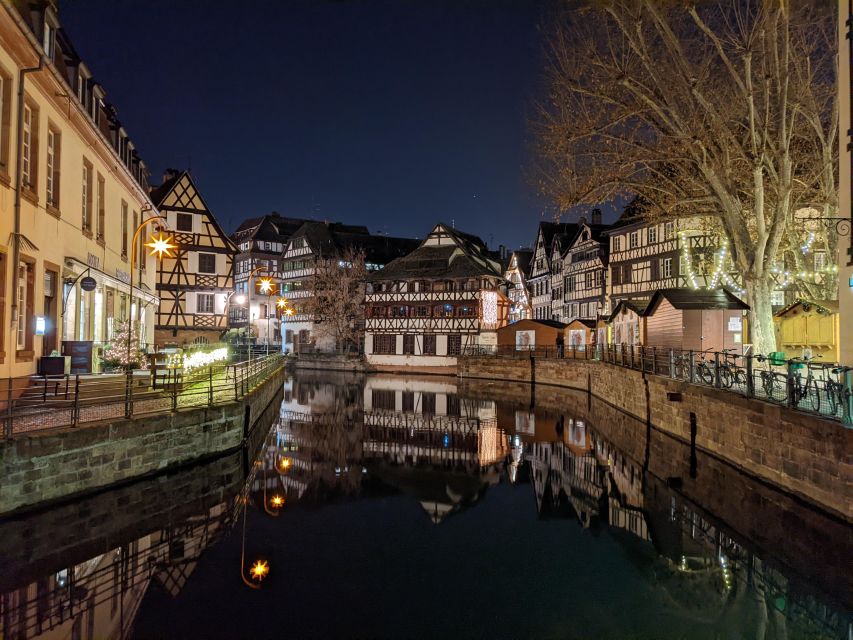
The Tonneliers district brings the tour closer to modern Strasbourg. Its bars and restaurants make it a useful place to see how people use the old center today, rather than treating it as an open-air museum.
This is also where the food advice becomes especially practical. Nicolas has supplied recommendations for local restaurants, cafés, bakeries, markets, and places selling regional products. You may want to write down the suggestions or save them immediately, since the list can help you avoid choosing a restaurant based only on its location near a famous monument.
Look for guidance on Alsatian specialties, including tarte flambée, which one participant specifically recommended. The tour does not include a tasting or meal, so the food value comes through advice you can use later.
The Tonneliers stop is a good reminder that the best part of a walking tour is often what happens after it. You see a neighborhood, learn what makes it appealing, then return at your own pace for lunch, an evening drink, or another walk.
Place Saint-Étienne and Place de la République
Place Saint-Étienne receives about 10 minutes of guided time. Like the other squares, it helps break up the route and gives you another angle on Strasbourg’s public spaces, architecture, and local history.
The walk finishes at Place de la République after a final guided section of about 15 minutes. Ending here is useful because you leave the oldest center with a sense of how the city extends beyond the cathedral quarter.
The finish also gives you a practical decision point. You can use Nicolas’s suggestions to choose what to do next, find a meal, or return to one of the areas that received only a brief introduction. The guide has also offered ideas for nearby towns and for trips into Germany, which can be useful if Strasbourg is part of a longer Alsace visit.
What Nicolas adds to the experience
The strongest feature is the guide himself. Nicolas is described as friendly, punctual, funny, and easy to talk with. More important, he explains Strasbourg with personal feeling. His family has several generations of connections to the city, and he uses those stories to give the past a human scale.
That personal angle does not replace historical facts. It makes them easier to remember. You hear about Alsatian people, local culture, geography, architecture, and family experience in the same conversation.
The small format supports this style. With no more than six people, you can ask about food, history, shopping, photography, or nearby destinations without waiting for a large crowd to finish. Families have also found that the storytelling can hold children’s attention, though the tour remains a two-hour walk rather than a child-specific activity.
There is also evidence that the tour can still run with a very small turnout. Some departures have become nearly private walks, including one in rainy weather and another with only one person booked. That can create a remarkably personal experience, but you should not assume every departure will be private.
Weather, pace, and practical limits
This is an outdoor walking tour, so weather matters. Rain and snow have not necessarily stopped the experience, but wet streets, cold temperatures, and wind can affect your comfort. Wear shoes suitable for old paving and bring weather protection appropriate to the season.
The activity is explicitly not suitable for people with mobility impairments. It has a fixed two-hour duration and covers several districts on foot. If you need frequent sitting breaks or have difficulty with uneven streets, this is probably not the right choice.
You should also keep your schedule flexible around the tour. Two hours is enough for a city overview, not enough for long cathedral time, shopping, or a relaxed meal. Treat the walk as an orientation, then leave room afterward to revisit your favorite areas.
Free cancellation is available up to 24 hours before the start for a full refund, and you can reserve while paying later. Those terms are useful if your plans are still changing, but the more important planning detail is the meeting point. It may vary by booking option, so do not rely only on a general map pin.
Who should book this Strasbourg walk
I would choose this tour if you are visiting Strasbourg for the first time, especially if you have only a day or two. It gives you the main visual landmarks, a useful historical framework, and a list of places to explore on your own.
It is also a good match for you if you prefer conversation over a formal lecture. Nicolas’s style includes facts, family stories, humor, and time for questions. The tiny group makes that approach work.
Photographers will appreciate the angle suggestions, while food-minded visitors will benefit from the restaurant, bakery, market, and local-product tips. Families can also consider it, provided everyone is comfortable walking for two hours.
I would skip it if you want extensive interior visits, a relaxed pace, or a tour focused only on architecture. The cathedral is viewed from outside, the stops are timed, and the route covers a lot of ground. You will need to explore the interiors and return to favorite neighborhoods separately.
Should you book the Strasbourg walking tour?
For $41, this is a solid introduction to Strasbourg, with the small group and local guidance doing most of the work. I like that the experience does not stop at the cathedral and Petite France. It explains revolutionary-era history, Alsatian identity, present-day neighborhoods, photography, and food.
Book it early in your stay if you want help planning the rest of your visit. Choose it only if you are ready for two hours on foot and understand that cathedral admission costs extra. If that suits your style, Nicolas’s personal connection to Strasbourg can turn a quick sightseeing walk into a useful, friendly start to the city.
FAQ
How long does the Strasbourg walking tour last?
The tour lasts two hours.
What language is the tour offered in?
The live guide speaks French and English.
How large is the tour group?
The group is limited to six participants.
Where does the tour start?
Place d’Austerlitz is listed as a starting location, but the meeting point may vary depending on the option booked. Check your booking details carefully.
Where does the tour finish?
The scheduled finish is Place de la République.
Is entry to Strasbourg Cathedral included?
No. The walking tour includes guided sightseeing outside the cathedral, but cathedral entry is not included.
What should I bring?
Bring comfortable shoes suitable for a two-hour walking tour.
Can I cancel for a full refund?
Yes. You can cancel up to 24 hours in advance for a full refund. You can also reserve now and pay later.
Recently added around Strasbourg
- From Strasbourg: Half-Day Tour of Alsace Villages★ 4.7 · 50 reviews
- Medieval Villages and Wine Tasting from Strasbourg★ 5.0 · 55 reviews
- Strasbourg City Center Guided Bike Tour w/ Local Guide★ 5.0 · 57 reviews
- Strasbourg Food Tour : Gourmet private Tour with tastings★ 4.7 · 58 reviews
- Private Tour: From Strasbourg to Colmar, Eguisheim, Riquewhir★ 4.5 · 58 reviews
- Capture the Magic of Strasbourg with an Exclusive Photoshoot★ 4.9 · 61 reviews
- FULL DAY ALSACE PRIVATE TOUR : Tailored by your Friendly Driver★ 5.0 · 76 reviews
- Explore Strasbourg in 60 minutes with a Local★ 5.0 · 82 reviews
Walking Tours, compared.
Paris Top Sights Half Day Walking Tour with a Fun Guide
Read our review →
Montmartre Hidden Gems and Scenic Highlights Walking Tour
Read our review →
Montmartre Hill French Gourmet Food and Wine Tasting Walking Tour
Read our review →
Paris Île de la Cité and Notre-Dame Walking Tour With Crypt
Read our review →
Paris: Montmartre Cheese, Wine & Pastry Guided Walking Tour
Read our review →
Paris in a Day: Louvre or Orsay, Eiffel Tower, City Walk & Cruise
Read our review →
Paris: Montmartre Highlights Walking Tour with a Local Guide
Read our review →
Browse the lists this tour appears in