
Reviewed · FOOD & DRINK
Strasbourg: Traditional Food Walking Tour with Tastings
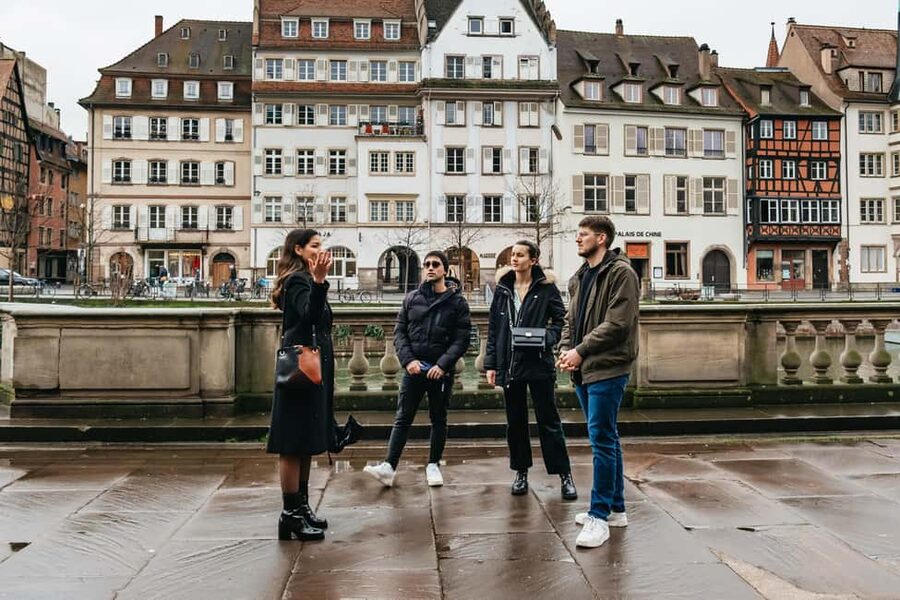
Come hungry, leave with a fuller picture of Alsace. This 210-minute walk pairs Strasbourg’s old streets with generous tastings at four local food stops, from soft bretzels and cured meats to choucroute garnie, cheese, wine, beer, and traditional sweets. I especially like the way food and city sightseeing share the stage, and I like that the route includes historic shops, a proper restaurant stop, and newer cafes rather than one narrow style of eating.
The main caution is the amount of food. Portions can be large enough to replace lunch, and sometimes the spread leans heavily toward meat, sauerkraut, pasta, or sweets. At $116 per person, this is not a cheap snack crawl, but the generous servings, included drink, four stops, and guide-led city walk can make it good value if you want a full introduction to Alsatian cooking. Bring comfortable shoes, and do not eat a big breakfast first.
In This Review
- Key points at a glance
- Why this food walk works in Strasbourg
- Starting at Place d’Austerlitz
- Bretzels, charcuterie, and cheese near the cathedral
- Rue des Grandes Arcades and Strasbourg’s food center
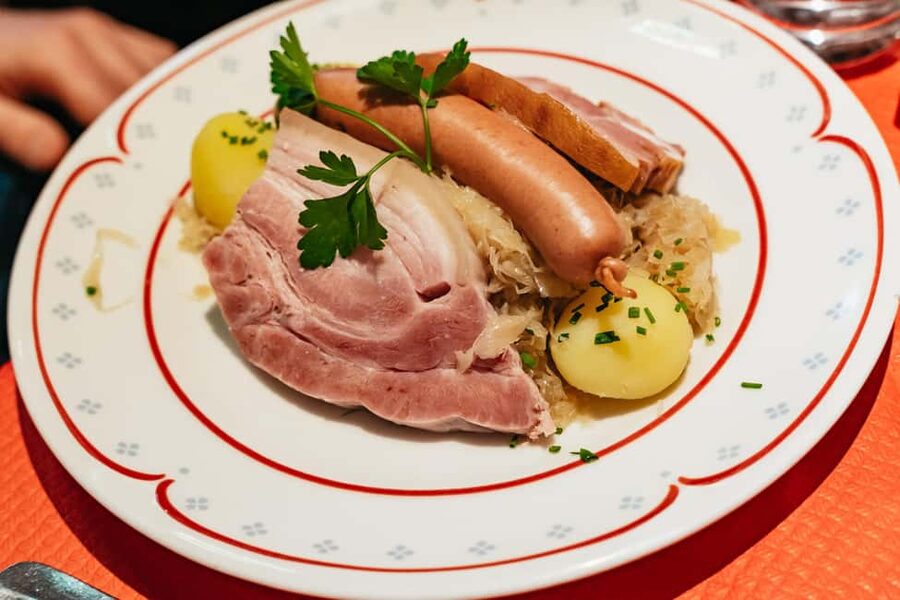
- Choucroute garnie: the serious meal stop
- Wine and beer with a local explanation
- Sweet stops: gingerbread, Kugelhopf, and more
- Petite-France provides the final setting
- The guides make the difference
- Is $116 a fair price?
- Who should book this tour?
- Should you book the Strasbourg food walk?
- FAQ
- How long does the Strasbourg food tour last?
- Where does the tour start?
- Where does the tour finish?
- How many food stops are included?
- What food might be served?
- Is a drink included?
- What languages are available?
- How large is the group?
- Is the tour suitable for people with mobility impairments?
Key points at a glance
- A four-stop meal, not just a few bites: Plan for substantial portions, including a full serving at every stop.
- Alsatian classics take center stage: Expect possible tastings of bretzels, charcuterie, local cheese, choucroute garnie, gingerbread, Kugelhopf, and Tarte Flambée.
- The route covers central Strasbourg: You start at Place d’Austerlitz, pass Fortwenger Strasbourg Cathedrale and Rue des Grandes Arcades, then finish in Petite-France.
- Guides add more than food facts: Raphael, JP, Loubna, Christine, Nahama, Sabria, and others have been praised for friendly explanations and local recommendations.
- Small groups keep it personal: The tour runs with at least two people and no more than 12.
- The pace is easy but not fully accessible: The route is largely flat, though the experience is not suitable for people with mobility impairments.
Why this food walk works in Strasbourg
Strasbourg is an excellent place for a food tour because its cuisine reflects its position in Alsace. French technique meets Germanic comfort food, and the result is hearty, salty, buttery, sweet, and very well suited to cool weather.
You get to taste that mix while moving through the city center. The food gives the walk a purpose, but the guide also points out important streets and photo spots. This is useful on a first visit, when Strasbourg’s central lanes can blur together into a pretty parade of half-timbered buildings and cafe tables.
I like that the experience is not limited to a single restaurant. You visit different types of places, including a cheese shop, bakery-style stop, established eateries, and modern food spots. That gives you a better sense of how Alsatian food is sold and enjoyed today.
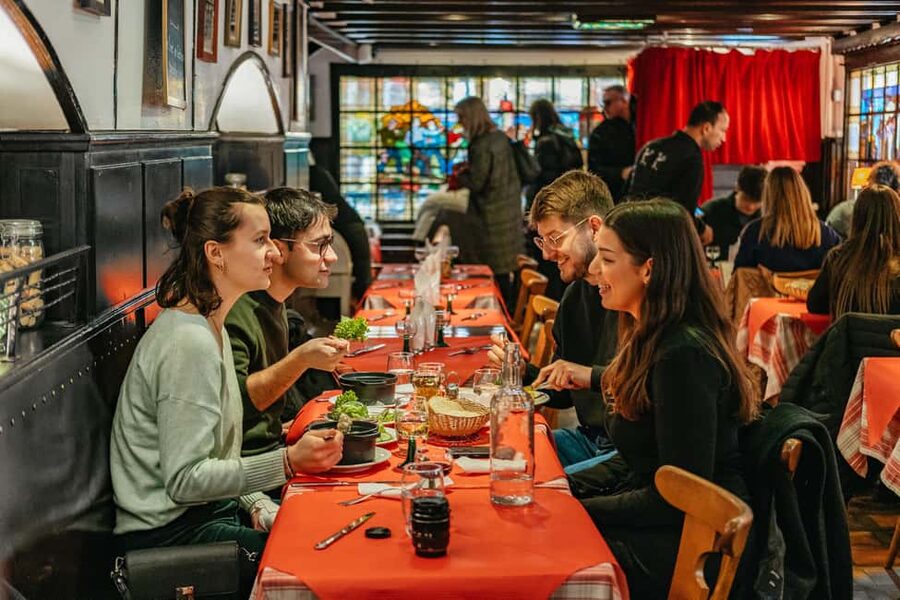
The format also encourages conversation. With a maximum of 12 people, the group should remain small enough for questions and personal recommendations. Several guides have been praised for their humor, warmth, and ability to make solo participants and families feel comfortable. The language may switch between English and French, so keep that in mind if you want every explanation in English.
More Food Tours in Strasbourg
- Strasbourg Food Tour – A Taste of Tradition by Do Eat Better
★ 5.0 · 614 reviews - From Strasbourg: Medieval Villages & Wine Tasting Day Trip
★ 4.8 · 329 reviews - Alsace Wine Route Small Group Half-Day Tour with Tasting from Strasbourg
★ 4.5 · 291 reviews
Starting at Place d’Austerlitz
The meeting point is Place d’Austerlitz, in front of the miniature of Strasbourg. This is an important detail because finding the exact spot may take a moment. The directions have caused confusion for some people, with map results leading to an unrelated address or failing to make the miniature easy to identify.
I would arrive early and look for the miniature rather than relying only on the street address. If you have trouble, contact the activity support number before the tour begins. Once you meet the guide, the route heads toward the central sights and food stops.
Place d’Austerlitz is a sensible launch point for a walking tour. It puts you within reach of the old center without requiring hotel pickup or public transport. Since pickup and drop-off are not included, plan your own way to the square and arrange your return from Petite-France at the end.
Bretzels, charcuterie, and cheese near the cathedral
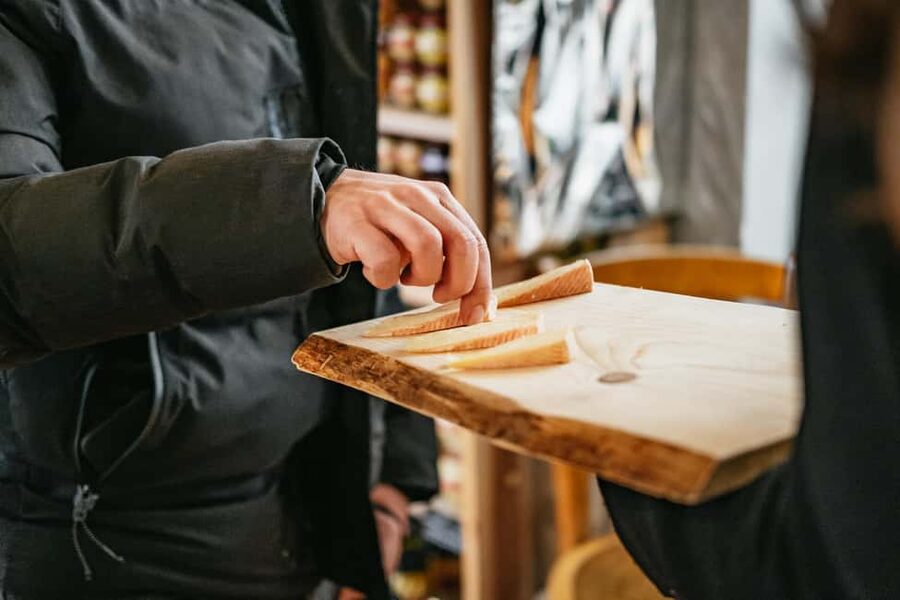
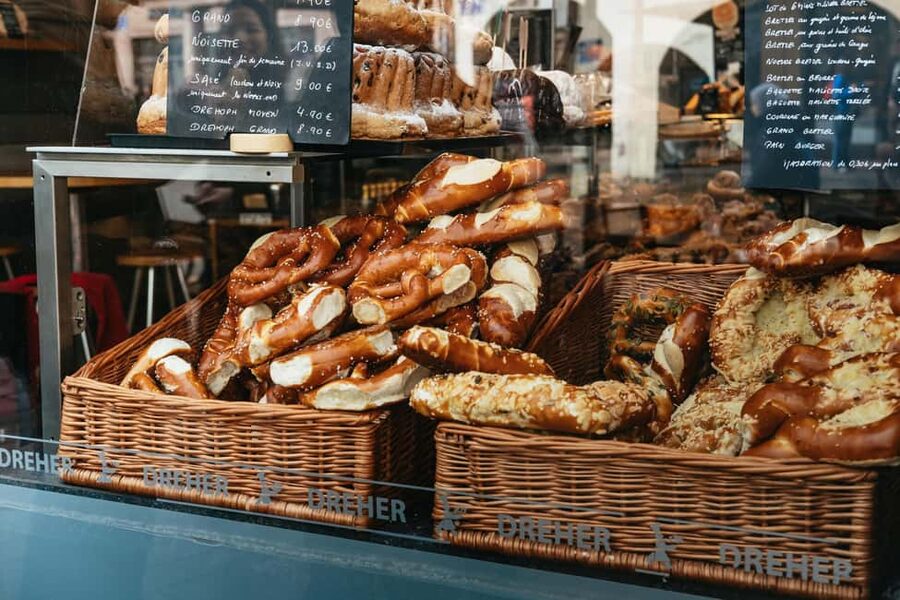
One of the early tastings can include soft bretzels, a selection of charcuterie, and local cheese. These are simple foods, but they explain a lot about Alsatian eating. The bretzel provides the chewy, lightly salty base, while the cured meats and cheese show the region’s fondness for substantial snacks and shared platters.
A possible stop is Fortwenger Strasbourg Cathedrale, where you may also encounter Alsatian sweet specialties. The exact food lineup changes with the season and the availability of partner businesses, so you should treat the published dishes as likely examples rather than a fixed menu.
This part of the walk can also include a drink. At least one alcoholic drink is included, and the tasting may involve Alsatian wine or beer. Water is included as well, which is welcome when the food begins arriving in earnest.
The charcuterie and cheese stop is a good chance to ask the guide what to buy for later. One useful feature of the tour is that you are not rushed through every shop. You may have time to decide if a particular cheese, sweet, or cured product is worth taking home.
Rue des Grandes Arcades and Strasbourg’s food center
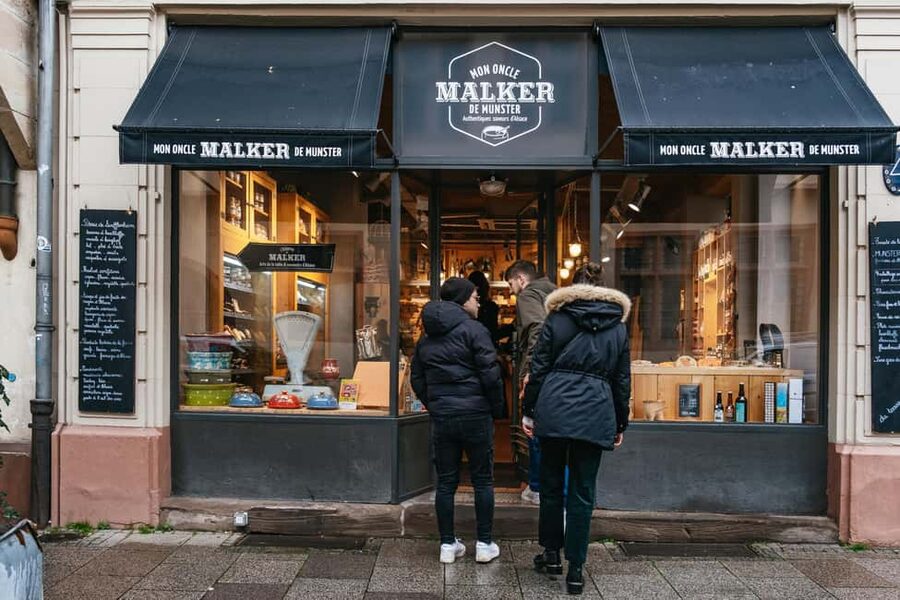
Rue des Grandes Arcades brings you into one of the central shopping streets. Here, the food stops are mixed with sightseeing, so you are not simply walking from one table to the next.
Your guide can explain how traditional dishes fit into local life and point out places you might otherwise pass without noticing. This is where the tour earns part of its price. You are paying for access to several tastings, but also for someone to connect the food with the streets around you.
The route is not described as a strenuous hike. Several people found the walking easy and largely flat, with stops spread through the old town. Still, you are on your feet for three and a half hours, often moving between food and drink stops. Comfortable shoes matter more than fashionable ones.
The central location is also practical for the rest of your visit. The tour can help you get your bearings early in a Strasbourg stay, then leave you with ideas for restaurants, bars, bakeries, and food shops to try later.
More Walking Tours in Strasbourg
- Strasbourg: Walking Tour with a Local Guide
★ 4.3 · 607 reviews - Strasbourg: Walking Tour with Local Guide
★ 5.0 · 598 reviews - Strasbourg: Guided Historical Neighborhoods Walking Tour
★ 4.9 · 275 reviews - Strasbourg Private Walking Tour with a Local
★ 4.5 · 156 reviews
Choucroute garnie: the serious meal stop
The most filling part is likely to be choucroute garnie, a regional favorite built around sauerkraut and smoked sausages. This is not a delicate tasting. It is a warm, hearty dish, and the portion may be closer to a full lunch than a sample.
That generosity is one of the tour’s strengths and one of its limits. If you enjoy sausage, sauerkraut, and traditional comfort food, you will get a proper taste of Alsace. If you prefer small portions or want to sample as many different dishes as possible, a large plate can feel like too much.
Some tours have also included a large bowl of pasta with a strong cheese sauce. The exact main course can vary, but the general lesson is clear: do not plan a big meal before or after the walk. Several people found the food plentiful enough that they could not finish every serving.
I would have preferred a tapas-style approach for maximum variety, especially on a food tour. Still, the full plate gives you a better idea of what these dishes are like as everyday meals, rather than reducing them to one forkful.
Wine and beer with a local explanation
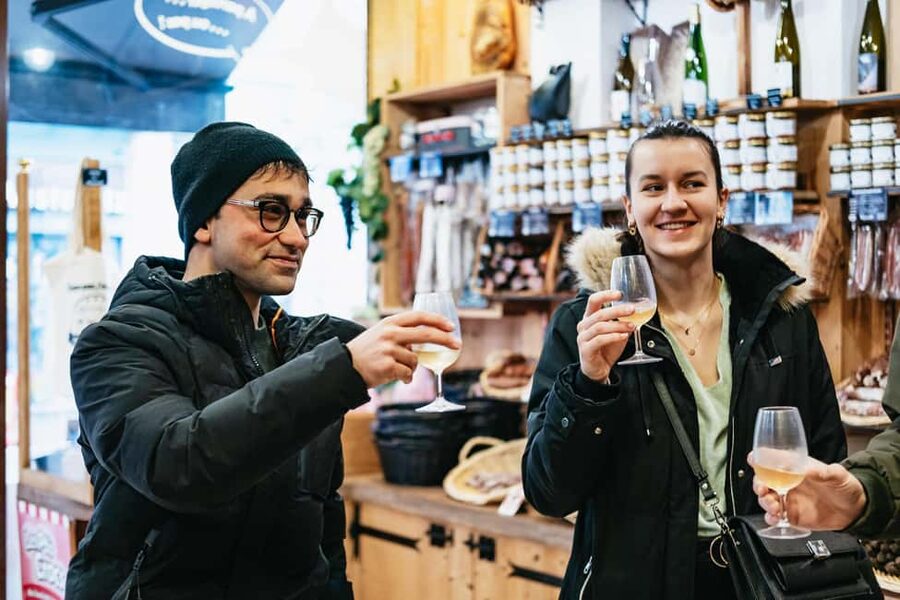
The included alcoholic drink helps make the food feel connected to the region. Alsace is known for vineyards, and the guide explains why local wine matters. Depending on the stop and the current selection, you may taste wine, beer, or both.
The drink is not the main event, and the exact wine may not suit everyone. One person found the wine less appealing than the beer, while also noting that the selection changes. That is a useful warning for wine enthusiasts who expect a formal tasting with several carefully matched pours.
Think of this as a local introduction rather than a wine seminar. You get a serving, some context, and a chance to ask which regional bottles or beer styles to look for elsewhere in Strasbourg. If you do not drink alcohol, the tour includes water, but the experience is clearly designed around Alsatian food and drinks.
Because the portions are generous, the alcohol can catch up with you. A small group can easily become cheerful by the final stop, so pace yourself and drink the water provided.
Sweet stops: gingerbread, Kugelhopf, and more
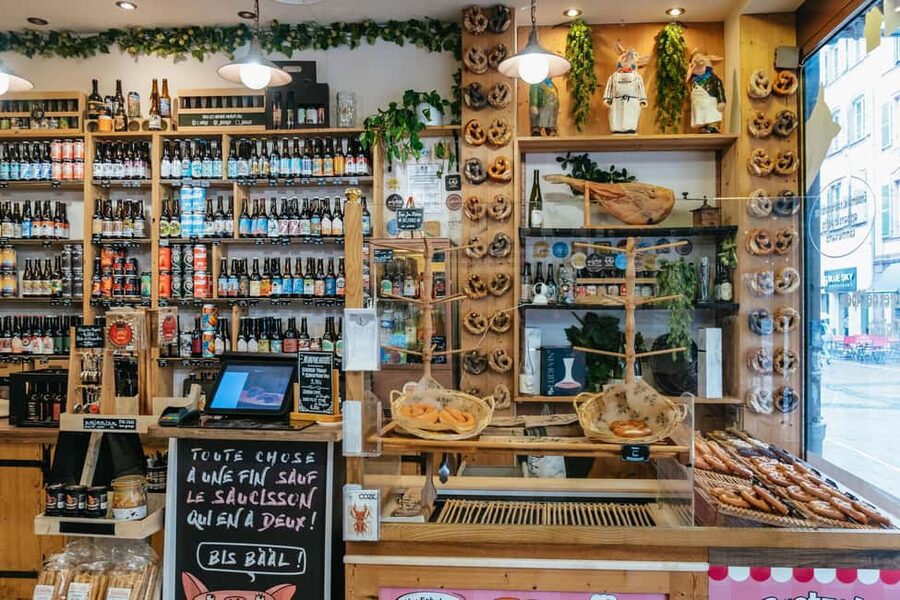
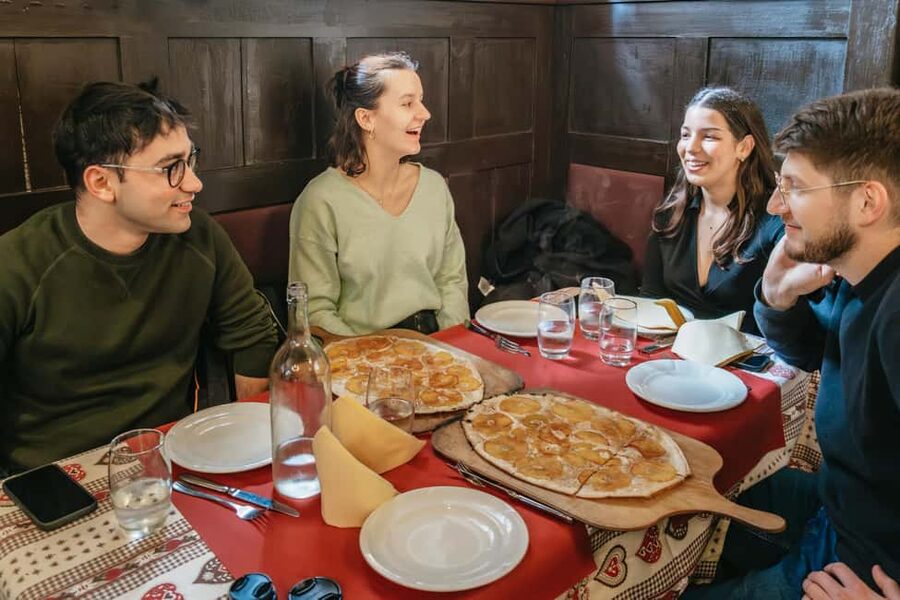
The tour usually finishes its food story with something sweet. Possible treats include Alsatian gingerbread, known as Pain d’épices, Kugelhopf, and other traditional desserts. Tarte Flambée may also appear in the tasting lineup, though it is normally a savory flatbread rather than a dessert, so do not expect every dish to follow a strict sweet course.
The gingerbread is especially useful for understanding Alsace’s baking traditions. It is spiced, fragrant, and easy to carry, making it one of the better candidates for a food souvenir. Kugelhopf offers another local baking style, with its distinctive shape and rich texture.
The sweet stops can vary in number. Some versions of the tour have included three savory tastings and two sweet ones, while another account found the tour weighted a little too much toward desserts. If you are mainly booking for savory food, it is worth knowing that the balance may change.
One bakery visit may involve collecting treats rather than watching a formal demonstration. If you want an extended baking lesson, this may feel brief. If you simply want to taste local sweets and decide what to buy, it does the job.
Petite-France provides the final setting
The walk finishes in Petite-France, one of Strasbourg’s most appealing areas. The ending works well because you finish among canals, old buildings, and some of the city’s most recognizable views rather than at an out-of-the-way transport stop.
Your route through central Strasbourg may include chances to pause for photographs. One guide made a point of taking the group to good positions for iconic city pictures, even though the main purpose was eating. That is a small but valuable touch on a first visit.
Finishing in Petite-France also gives you options. You can continue exploring, find your way to another restaurant or bar, or simply enjoy a slower walk after the meal. Since the tour does not include transport back to your hotel, check your own onward plans before booking.
The guides make the difference
A food tour lives or dies by its guide, and this one has a strong record in that area. Raphael has been praised for his humor, food advice, historical explanations, and practical restaurant recommendations. JP has been singled out for his enthusiasm and ability to mix local facts with a relaxed mood.
Loubna has received repeated praise for her warmth, clear explanations, and ability to make a day feel special. Christine has been described as funny, attentive, and good with families. Nahama and Sabria have also been praised for explaining both local culture and the food itself.
Guide quality can vary from date to date, of course. The pattern is encouraging: the guide is not merely leading you from one address to another. You should expect stories about Strasbourg, answers to questions, and advice about where to eat or drink afterward.
This is also a good choice if you are alone. The small group format makes it easy to join the conversation, and the food gives everyone something to discuss. Families have also had good experiences, though the long duration and amount of food may be tiring for younger children.
Is $116 a fair price?
At $116 per person, the tour costs more than buying a bretzel, a beer, and a restaurant meal on your own. The value depends on what you want from the afternoon.
You receive at least four food stops, one serving at each, water, and at least one alcoholic drink. You also receive three and a half hours of guiding, city orientation, historical context, and help choosing foods you may not recognize. If the portions replace lunch and dinner becomes lighter, the arithmetic looks better.
The strongest value comes from the variety and the guide. You can order choucroute garnie in Strasbourg without assistance, but it is harder to sample cheese, charcuterie, sweets, regional drinks, and several local businesses in one organized walk.
The weaker value is for light eaters. If you prefer tiny portions, avoid alcohol, or already know Strasbourg’s food scene, the price may feel high. The large servings can also reduce the number of different dishes you are able to try.
For a first visit, I think the price is defensible, especially if you treat the tour as both lunch and a city introduction. Book it early in your stay so you can use the guide’s recommendations afterward.
Who should book this tour?
I would choose this experience if you want a friendly introduction to Alsatian food without planning several restaurant stops yourself. It suits first-time visitors, curious eaters, solo participants, couples, and small groups who enjoy conversation along with their meal.
It is also a good fit if you want a low-pressure way to see central Strasbourg. The walking is generally easy and flat, but the tour lasts 210 minutes and requires standing and moving between stops. It is not suitable for people with mobility impairments.
You should think twice if you are a very light eater, have strict dietary needs that were not specified, or want a formal cooking demonstration. The food selection changes by season and availability, and at least one stop may be focused on collecting sweets rather than watching them being made.
The tour requires at least two people to operate and accepts no more than 12. If the minimum is not reached, the booking can be rescheduled. Free cancellation is available up to 24 hours before the start, and you can reserve now and pay later, which helps if your Strasbourg plans are still shifting.
Should you book the Strasbourg food walk?
Book it if you want a filling, social, guide-led taste of Alsace and you are happy to let the menu change with the season. The food is generous, the route covers useful central sights, and the guides have repeatedly earned praise for warmth, humor, and local advice.
Skip it if you want a short snack tour, a highly structured wine tasting, or a carefully controlled series of tiny portions. My best advice is simple: meet at Place d’Austerlitz early, wear good shoes, and arrive genuinely hungry. This is one of those food walks where breakfast can become a strategic error.
FAQ
How long does the Strasbourg food tour last?
The tour lasts 210 minutes, or three and a half hours.
Where does the tour start?
It starts at Place d’Austerlitz, in front of the miniature of Strasbourg.
Where does the tour finish?
The tour finishes in Petite-France, Strasbourg.
How many food stops are included?
At least four food stops are included, with at least one serving of food at each stop.
What food might be served?
Possible tastings include bretzels, charcuterie, local cheese, choucroute garnie, Alsatian gingerbread, Kugelhopf, and Tarte Flambée. The menu can change with the season and partner availability.
Is a drink included?
Yes. Water and at least one alcoholic drink are included. The drink may be wine or beer.
What languages are available?
The tour is offered in English and French. The guide may speak both languages during the experience.
How large is the group?
The tour requires a minimum of two people and has a maximum of 12 participants.
Is the tour suitable for people with mobility impairments?
No. The experience is listed as unsuitable for people with mobility impairments. Comfortable shoes are recommended.
Recently added around Strasbourg
- From Strasbourg: Half-Day Tour of Alsace Villages★ 4.7 · 50 reviews
- Medieval Villages and Wine Tasting from Strasbourg★ 5.0 · 55 reviews
- Strasbourg City Center Guided Bike Tour w/ Local Guide★ 5.0 · 57 reviews
- Strasbourg Food Tour : Gourmet private Tour with tastings★ 4.7 · 58 reviews
- Private Tour: From Strasbourg to Colmar, Eguisheim, Riquewhir★ 4.5 · 58 reviews
- Capture the Magic of Strasbourg with an Exclusive Photoshoot★ 4.9 · 61 reviews
- FULL DAY ALSACE PRIVATE TOUR : Tailored by your Friendly Driver★ 5.0 · 76 reviews
- Explore Strasbourg in 60 minutes with a Local★ 5.0 · 82 reviews
Food & Drink, compared.

Paris: Seine Cruise & Crepe Tasting near the Eiffel Tower
Read our review →
Authentic Parisian Gourmet Food Tour with 10 Local Dishes & Wines
Read our review →
Bordeaux: Cité du Vin Entry Ticket and Wine Tasting
Read our review →
Normandy D-Day Small-Group Day Trip with Omaha Beach, Cemetery & Cider Tasting
Read our review →
Paris: Illuminated Evening River Cruise & Waffle Tasting
Read our review →
Montmartre Hill French Gourmet Food and Wine Tasting Walking Tour
Read our review →
From Paris: Loire Valley Castles Day Trip With Wine Tasting
Read our review →Browse the lists this tour appears in