
Reviewed · MUSEUMS
Bordeaux: Museum of Illusions Entry Ticket
Reality gets slippery here. Bordeaux’s Museum of Illusions turns optical tricks into a playful, hands-on visit, with rooms built for strange photos, sensory surprises, holograms, and perspective puzzles. I like the mix of fun and explanation, and I like that you can move at your own pace instead of following a fixed tour.
I also like how well it suits families. Children aged 7 and 12 have enjoyed the puzzles, laughs, and photo opportunities, while adults can read about the science behind what their eyes are seeing. The main drawback is value: $22 for about one hour feels expensive if you move quickly or skip the interactive displays.
In This Review
- Key points to know before you go
- What the Bordeaux Museum of Illusions is really like
- The first rooms: training your eyes and brain
- Holograms, puzzles, and sensory surprises
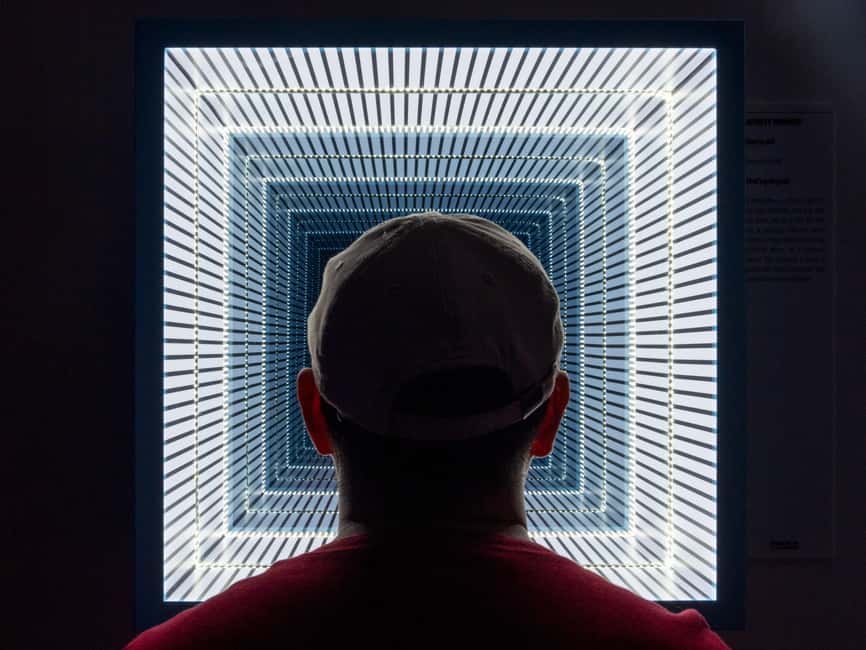
- The photo rooms and the mirror attraction
- How long the visit takes, and why that matters
- Who will enjoy it most
- Practical advice for making the most of your hour
- Booking flexibility and timing
- How the museum compares with other Bordeaux activities
- Should you book the Museum of Illusions Bordeaux?
- FAQ
- Where is the Museum of Illusions Bordeaux?
- How long does the visit last?
- How much does admission cost?
- Is the museum wheelchair accessible?
- Can I bring food or drinks inside?
- Can I cancel my booking?
Key points to know before you go
- Plan on roughly one hour: The museum is compact enough for a short visit, making it easy to fit between Bordeaux sightseeing stops.
- Bring a charged smartphone: Many rooms are designed for photos, including scenes where you appear upside down, tiny, or suspended in the air.
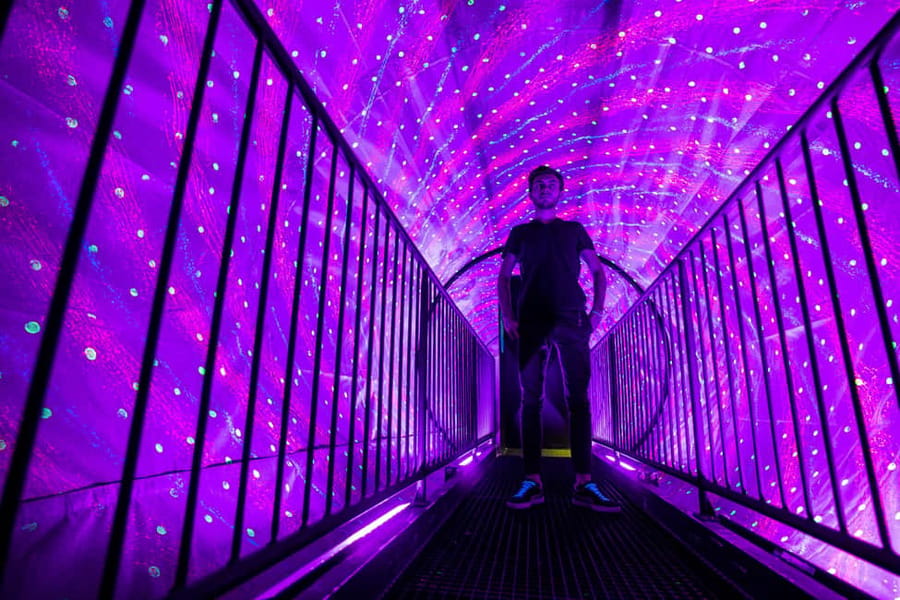
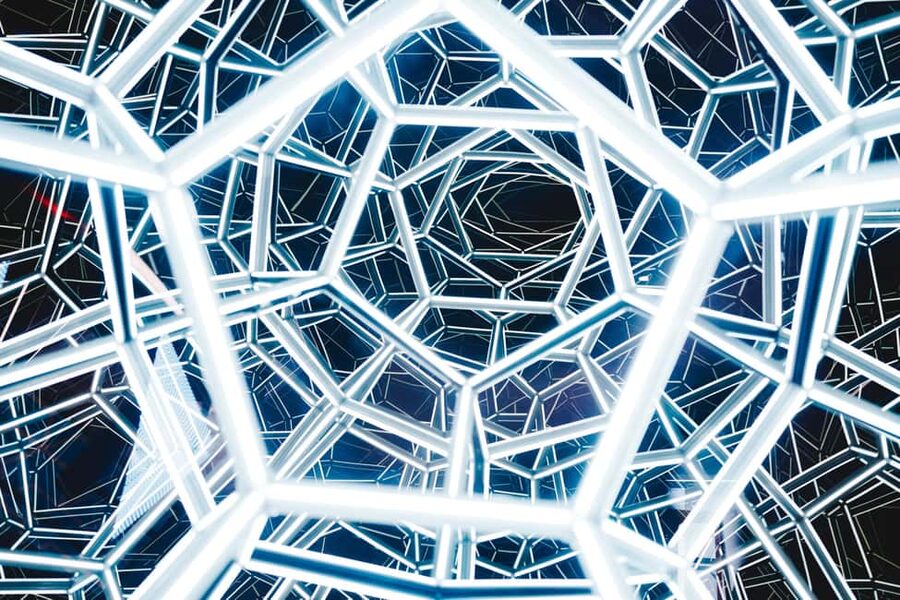
- Expect hands-on optical tricks: Holograms, sensory illusions, perspective puzzles, and visual displays make this more than a collection of framed pictures.
- The mirror room may involve a wait: It is popular, but one visitor found it smaller than expected compared with similar attractions.
- Families are the best match: Children and adults can enjoy the same displays, though younger children may need help understanding the explanations.
- Wheelchair access is available: Food, drinks, alcohol, and drugs are not allowed inside.
What the Bordeaux Museum of Illusions is really like
The Musée de l’Illusion Bordeaux is a short, playful attraction built around one simple idea: your eyes can be fooled, and your brain is happy to fill in the gaps.
You enter with a ticket and explore the displays at your own pace. There is no guide name or scheduled presentation to follow, so the visit feels casual. You stop at the installations that catch your attention, read the visual information, try the puzzles, and take photos when the setup calls for it.
That freedom works well for families and mixed-age groups. One person can test a display while another takes a picture. You do not need to keep pace with a group, and you can spend longer on a favorite trick if the museum is not crowded.
The museum is also a good choice when you want a break from traditional sightseeing. Bordeaux offers grand architecture, wine culture, and long walks, but not every member of your group will want another historical building. This place gives you something more active and lighthearted.
Still, keep your expectations sensible. This is not a large science center or a full-day museum. It is a compact attraction that packs visual tricks into a short visit.
More Museum Tours in Bordeaux:
- Bordeaux Wine and Trade Museum Admission Ticket with Wine Tasting
★ 4.5 · 599 reviews - Paris: Louvre Museum Timed-Entrance Ticket
★ 4.6 · 71,977 reviews - Louvre Museum Masterpieces Guided Tour with Access
★ 4.5 · 12,023 reviews
The first rooms: training your eyes and brain
The displays begin with the basic lesson behind the whole attraction: seeing is not always the same as understanding.
You may encounter visual information that explains how perspective, color, shape, light, and sensory clues affect what you think you see. The value here is not just the surprise. You get a simple explanation of why the trick works, which gives the visit an educational edge.
That educational side helps the museum avoid becoming nothing more than a photo stop. You can laugh at a strange image, then look again and notice how your brain made the wrong assumption. The displays are especially useful for children because the lesson arrives through play rather than a classroom lecture.
The museum uses several types of illusion. Some rely on a changing viewpoint. Others use mirrors, forced perspective, or visual patterns. Holograms add another layer, creating images that seem to shift or appear in three dimensions even though the physical setup is far simpler than your eyes suggest.
I would take time to read the explanations instead of rushing from one photo opportunity to the next. The text helps you understand what you are seeing, and it gives older children and adults a reason to stay interested after the first laugh.
Holograms, puzzles, and sensory surprises
The central part of the visit brings together visual and sensory displays. Holograms can make familiar forms appear unusual, while perspective-changing installations alter the apparent size or position of objects.
The puzzles are a good reason to visit with another person. You can compare what each of you sees, test different angles, and work out why a display changes when you move. That shared problem-solving creates more conversation than a standard museum object behind glass.
Some installations may feel immediately clear, while others take a few tries. That is part of the appeal. You are not simply looking at a trick. You are testing it with your own body and viewpoint.
The sensory displays also make this more than an Instagram stop. The museum asks you to notice how sight works with balance, space, and expectation. You might feel certain that a room is behaving one way until a change in position proves otherwise.
For younger children, these displays can be the most engaging part of the visit. Adults may appreciate the explanations more than the trick itself. If your group includes both, plan to pause and let everyone have a turn.
The photo rooms and the mirror attraction
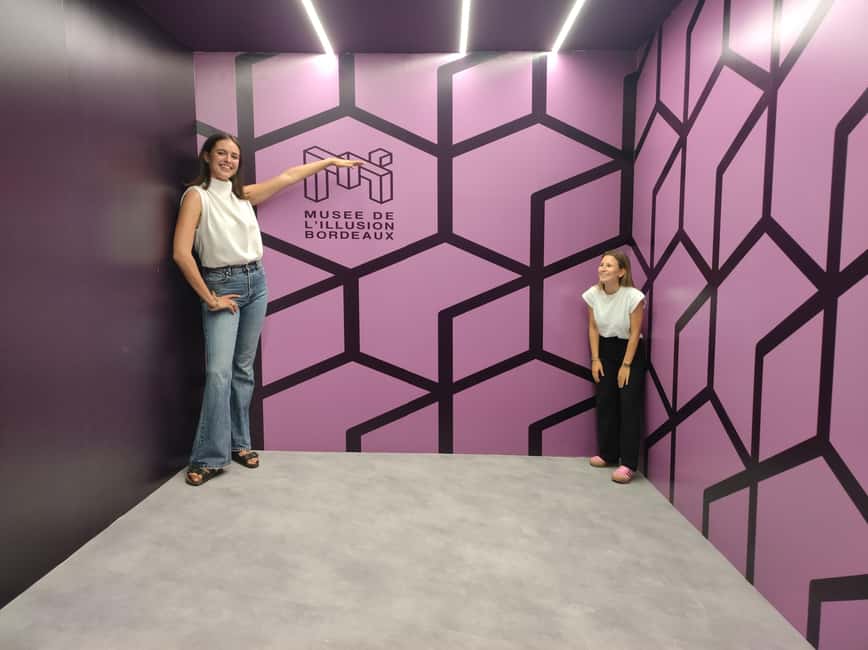
The photo areas are a major reason people choose this museum. You can pose so that you appear to float, stand upside down, shrink in size, or occupy a space that does not behave normally.
Good photos depend on cooperation. One person usually needs to take the picture while another poses, so families and couples should be ready to trade places. A charged phone matters because you will want to take several attempts. The first image may show the setup rather than the illusion, while a small change in position can make the effect much stronger.
I like this part because the museum gives you something to take away. The picture becomes a reminder of the visit, not just a record of a display. It also turns the attraction into a social activity. You can compare poses, experiment with framing, and laugh at the shots that fail.
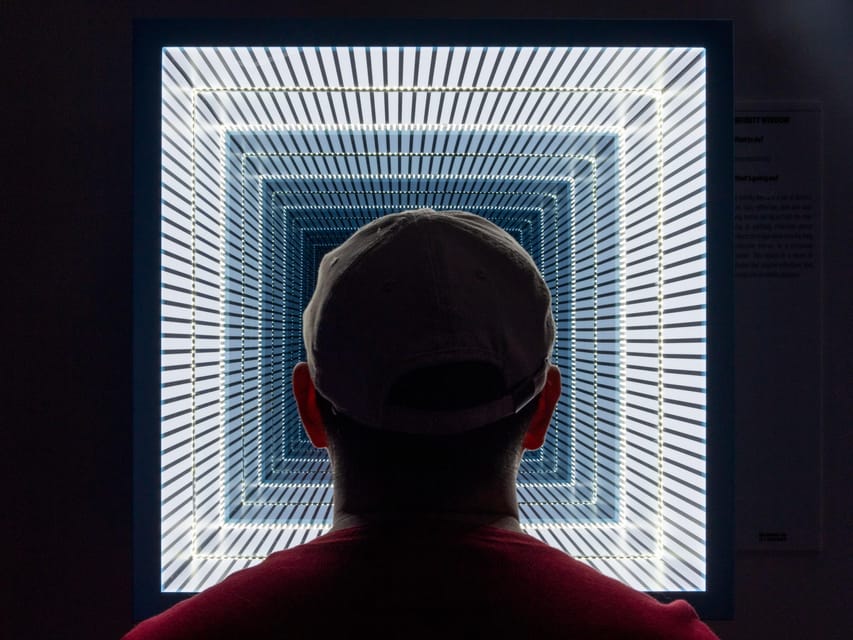
The mirror room is likely to attract special attention. It offers the kind of visual effect that feels tailor-made for photographs, but it may also be the place where you wait. One visitor found the line frustrating and expected a larger room, especially compared with similar attractions elsewhere.
That is a useful warning. Do not measure the entire museum by the mirror room. If there is a queue, use the waiting time to explore another display or decide which photo you want first. And if you have seen large mirror attractions before, keep your expectations modest. The room may be fun without being especially spacious.
A few more Bordeaux trips worth weighing up
- Bordeaux: Cité du Vin Entry Ticket and Wine Tasting
★ 4.6 · 3,885 reviews - Bordeaux: River Garonne Cruise with Glass of Wine and Canelé
★ 4.5 · 3,630 reviews - From Bordeaux: Afternoon Saint-Emilion Wine Tasting & snack
★ 4.8 · 1,581 reviews - Medoc or Saint Emilion Wine Tasting and Chateau from Bordeaux
★ 5.0 · 1,415 reviews
How long the visit takes, and why that matters
The stated duration is one hour, and that is a sensible planning figure. You can move faster if you mainly want photos, or take longer at the explanations and puzzles if you are visiting with children.
The one-hour format is useful in Bordeaux. You can place the museum between other plans without giving up half a day. It can work on a rainy afternoon, during a break from walking, or as a family activity when energy levels are dropping.
The short duration also creates the main value question. At $22 per person, the cost is reasonable if you use the displays, take photos, and enjoy the science explanations. It feels less convincing if you expect a large museum with many galleries or a long guided program.
I would think of the ticket as paying for an interactive activity rather than a conventional museum collection. The price includes entry only. Food and drinks are not included, though the visit is short enough that this should not create a major problem.
For two adults, the total cost adds up quickly. For a family, the price may still make sense if the children are excited by puzzles and unusual photos. The best way to get your money’s worth is to slow down, let each person try the displays, and avoid treating the museum as a ten-minute photo stop.
Who will enjoy it most
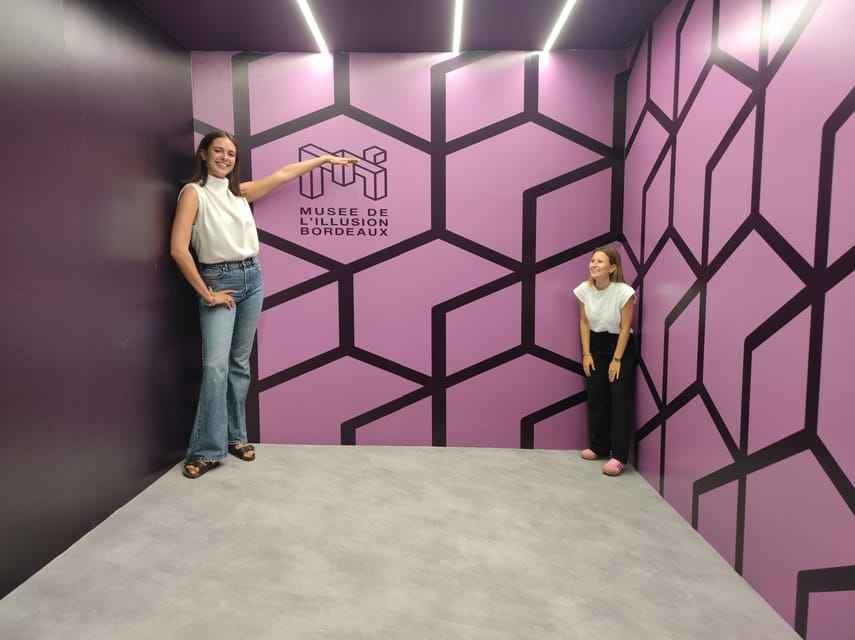
This is a strong fit for families with school-age children. The mix of physical interaction, humor, and clear visual explanations gives children something to do rather than simply something to look at. The positive reactions from visits with children aged 7 and 12 suggest that both younger and older children can find the displays rewarding.
Couples can enjoy it too, especially if they like taking playful photos together. It offers a break from more serious sightseeing and gives you a shared activity with plenty of chances to compare what each person sees.
Teenagers may appreciate the photo side most. A charged smartphone is essential if your group wants social-media-ready images. The displays work best when you are willing to pose and try again, so this is not ideal for anyone who dislikes interactive attractions.
Adults who enjoy visual science may also find more here than expected. The explanations provide context about perception, so you do not need to be a child to appreciate the visit. Still, the tone is light and playful rather than academic.
I would be less likely to recommend it to someone looking for a large art collection, a long cultural visit, or a quiet museum experience. The rooms are designed for participation, laughter, and movement.
Practical advice for making the most of your hour
Go in with your phone charged and enough storage for several pictures. The museum specifically suggests bringing a camera and charged smartphone, and that advice is worth following.
Wear something that lets you move comfortably around the installations. You may need to change position, stand in a marked spot, or try a display from different angles. The attraction is more rewarding when you take part rather than watch someone else do everything.
Read the explanations. They are not filler. They show how your perception is being guided and give the visit a useful learning component.
Give children turns with the interactive displays. It can be tempting for adults to take over when a puzzle seems difficult, but the fun comes from letting each person test the effect.
Allow extra patience for the mirror room. If there is a wait, remember that it may be one of the most popular spots. Take pictures at other installations first, then decide if the mirror room deserves your time.
The museum is wheelchair accessible, which makes it a practical option for visitors who need an accessible indoor activity. The available information does not give further details about individual installations, so if you need specific access arrangements, check with the museum before visiting.
Food and drinks are not allowed inside. Alcohol and drugs are also prohibited. Since the visit lasts about an hour, plan any snack or drink stop outside the museum.
Booking flexibility and timing
You can cancel up to 24 hours in advance for a full refund. That is useful if your Bordeaux schedule depends on weather, transport, or changing family plans.
The reserve-now-and-pay-later option also helps keep plans flexible. You can reserve a place without paying immediately, then confirm your plans closer to the visit.
The ticket has a one-hour duration, but starting times depend on availability. Check the available time before making other reservations around it. Arrive at Musée de l’Illusion Bordeaux, the stated meeting point, rather than expecting a separate departure location.
No food, drinks, or transport are included. This is a simple entry ticket, not a guided city tour or a package with refreshments.
How the museum compares with other Bordeaux activities
The museum works best as a supplement to Bordeaux rather than the main reason for a trip. You are not coming for local history, wine tasting, or city views. You are coming for a playful hour that changes the pace of your day.
That can be a real advantage. After several churches, squares, and formal interiors, a room where you appear to float may be exactly the reset your group needs. It is also a useful fallback if rain makes outdoor sightseeing unpleasant.
The tradeoff is authenticity. The museum presents a universal theme that could fit many cities. It gives you fun and visual surprises, but it does not explain Bordeaux or connect strongly to local culture.
For that reason, I would not make it your top priority on a first visit if your time in Bordeaux is extremely limited. If you have an open hour and enjoy interactive attractions, though, it can add variety without taking over your schedule.
Should you book the Museum of Illusions Bordeaux?
Book it if you want a short, family-friendly activity with hands-on puzzles, unusual photos, and simple explanations of visual tricks. It is particularly well suited to groups with children aged 7 and 12, couples who enjoy taking pictures, and anyone wanting an indoor break from city sightseeing.
Think twice if $22 feels high for a one-hour visit or if you expect a large attraction with spacious rooms. The mirror room may be smaller than expected, and waiting there can reduce the time you have for other displays.
My advice is to book when you value participation more than museum size. Use the full hour, read the science notes, and take several photographs. If you do that, the ticket offers a cheerful and memorable pause in Bordeaux. If you only want a quick look, the price may not feel justified.
FAQ
Where is the Museum of Illusions Bordeaux?
The meeting point is Musée de l’Illusion Bordeaux in Bordeaux, in the Nouvelle-Aquitaine region of France.
How long does the visit last?
The stated duration is one hour. You can explore the rooms at your own pace during the available starting time.
How much does admission cost?
The entry ticket costs $22 per person.
Is the museum wheelchair accessible?
Yes. The activity is listed as wheelchair accessible.
Can I bring food or drinks inside?
No. Food and drinks are not allowed inside. Alcohol and drugs are also prohibited.
Can I cancel my booking?
Yes. You can cancel up to 24 hours in advance for a full refund. A reserve-now-and-pay-later option is also available.
Recently added around Bordeaux
- The essential in Bordeaux, private tour with a local★ 4.9 · 48 reviews
- Sarlat Gourmet Tour and Market Visit★ 5.0 · 49 reviews
- Full Day Tour Saint Emilion with lunch two Chateaux and Village★ 5.0 · 49 reviews
- Bordeaux: Exclusive Private Guided Walking Tour★ 4.6 · 50 reviews
- Bordeaux:Wine Masterclass & Blending workshop with appetizer★ 4.8 · 54 reviews
- Full-day Saint-Emilion: Village, Undergrounds and Châteaux★ 4.5 · 55 reviews
- From Bordeaux: Essential Morning Tour with Wine Tasting★ 4.8 · 55 reviews
- Bordeaux Old Town & Market Local Food with Wine Tastings Tour★ 4.0 · 56 reviews
Museums, compared.
Louvre Museum Masterpieces Guided Tour with Access
Read our review →
Paris: Louvre Museum Entry Ticket With Host and River Cruise
Read our review →
Les Invalides: Napoleon’s Tomb & Army Museum Entry
Read our review →
Louvre Museum – Exclusive Guided Tour (Entry Included)
Read our review →
Paris: Louvre Museum Hosted Entry and Mona Lisa Audioguide
Read our review →
Paris: Louvre Museum Tour Mona Lisa & Iconic Masterpieces
Read our review →
Browse the lists this tour appears in