
Reviewed · WINE TOURS IN BORDEAUX
Bordeaux: Guided Bordeaux Wine Tasting Class with 6 Wines
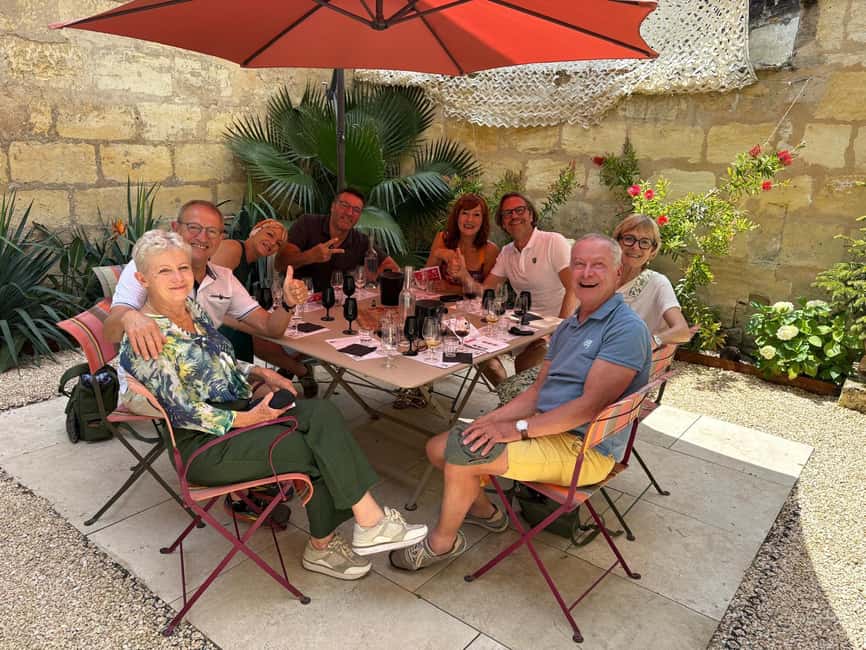
Wine makes more sense once someone explains it. This 90-minute Bordeaux tasting class gives you a clear introduction to the region’s appellations, grapes, blends, and aromas without sending you out to a distant château. I especially like the six carefully chosen wines and the small groups capped at six people, which leave room for questions. The class also includes food pairings, an aroma game, and a tasting booklet you can use later.
The strongest part is the teaching. Guides including Cécilia, Ilona, Camille, and Mathilde are warm, lively, and happy to adjust the session to your level. My one caution is practical: the tasting room is intentionally hard to spot from the street, and the activity is not suitable for people with mobility impairments.
In This Review
- Key points at a glance
- Why this class works for a first Bordeaux tasting
- Finding the discreet tasting room
- The opening lesson: how to taste wine properly
- Six wines that show Bordeaux’s range
- Food pairings that make the lesson practical
- The guides are the main reason to book
- What the 90-minute schedule feels like
- Is $51 a fair price?
- Who will enjoy this most?
- What to do with the tasting booklet
- Final verdict: should you book it?
- FAQ
- How long does the Bordeaux wine tasting class last?
- How many wines are included?
- Is food included with the wine tasting?
- What languages are available?
- Where does the class meet?
- Can I buy the wines after the class?
Key points at a glance
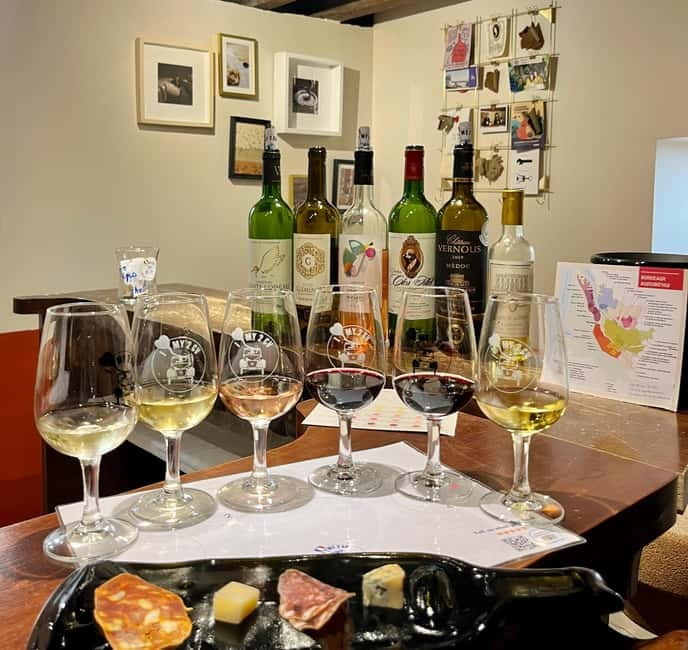
- Six Bordeaux wines in 90 minutes: A compact tasting that gives you several points of comparison rather than one isolated glass.
- A proper introduction to Bordeaux: Learn about appellations, soils, grape varieties, blends, classifications, and the famous Bordeaux Blend.
- Food pairing is part of the lesson: Small tasting combinations show how food can change the way wine tastes.
- Aroma game included: You use your nose as well as your palate, making the tasting more hands-on.
- Very small groups: With no more than six participants, you can ask detailed questions and get personal guidance.
- Convenient city experience: There is no hotel transfer, but the class ends where it begins, and the wines tasted are available for purchase afterward.
Why this class works for a first Bordeaux tasting
Bordeaux wine can be confusing at first. The labels often emphasize an appellation or château rather than the grape variety, and the region contains many separate wine areas with different soils, rules, and reputations.
This class gives you a map for making sense of that confusion. You learn how Bordeaux’s growing areas differ, how grape varieties work together, and why a blend can taste different from a single grape wine. That basic framework is useful far beyond this one tasting. It can help you choose a bottle at dinner, understand a wine list, or decide what to buy in a shop.
I like that the lesson is not limited to simply drinking six glasses. Your guide explains how to look at the wine, smell it, taste it, and compare it with the wines that came before. You are encouraged to use your senses rather than worry about having the right vocabulary.
The session is led by a professional wine taster trained at the Wine University. That does not mean you need previous experience. The class is designed to meet people at different levels, and Cécilia in particular is praised for asking about each person’s background before explaining the tasting method.
If you already know Bordeaux well, the class may feel introductory. For most visitors, though, that is its strength. You get useful information without committing to a full-day vineyard excursion.
More Food Tours in Bordeaux
- Bordeaux: Cité du Vin Entry Ticket and Wine Tasting
★ 4.6 · 3,885 reviews - From Bordeaux: Afternoon Saint-Emilion Wine Tasting & snack
★ 4.8 · 1,581 reviews - Medoc or Saint Emilion Wine Tasting and Chateau from Bordeaux
★ 5.0 · 1,415 reviews
Finding the discreet tasting room
The meeting point is one detail to take seriously. The tasting room cannot be seen from the street, so do not expect a large shopfront or an obvious wine-school sign.
You are told to go to number 25 on the street and look for a ring marked I love. Follow the meeting instructions closely, and allow a little extra time so you are not searching for the entrance while the class is starting.
This unusual arrival adds a private, local feel, but it can also cause a few minutes of uncertainty. There is no hotel pickup or drop-off. You make your own way to the meeting point, and the class returns there at the end.
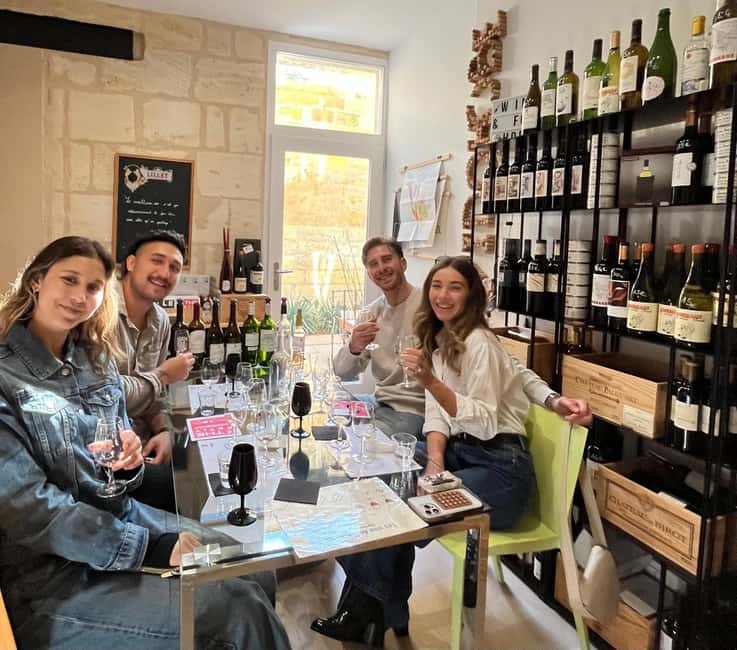
The setting has been described as a charming private space, with a converted cellar used as the tasting room. That setting suits the subject. It feels more personal than a large commercial tasting hall, and the limited group size makes it easier to talk with your guide.
The tradeoff is that a private cellar may not offer the same clear public access as a conventional venue. If you have mobility limitations, this activity is not considered suitable.
The opening lesson: how to taste wine properly
The class begins with the basic mechanics of tasting. You are guided through the usual stages of looking, smelling, and tasting, but the teaching stays practical rather than overly formal.
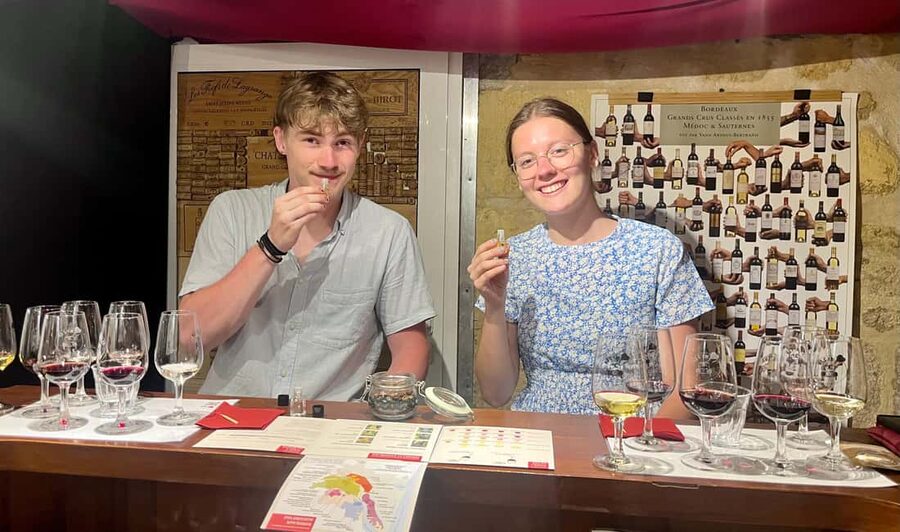
You will learn to pay attention to aromas before taking a sip. The aroma game helps with this. Instead of treating wine as a test of fancy language, the activity encourages you to identify familiar smells and connect them with what you find in the glass.
That is a useful approach for beginners. Many people can recognize a smell but hesitate because they think their answer must sound sophisticated. A relaxed aroma exercise helps you trust your own senses.
The guide also explains how to compare wines. You may look at differences in aroma, structure, texture, and finish, then consider how those traits relate to the place where the wine was made. The goal is not to memorize a list of tasting terms. It is to notice patterns.
Cécilia is especially praised for making this part interactive, using maps, guides, photos, and videos. Ilona has also been praised for patiently answering questions about tasting methods and Bordeaux wine types. With a group limit of six, you can ask a basic question without feeling you are holding up a crowd.
Six wines that show Bordeaux’s range
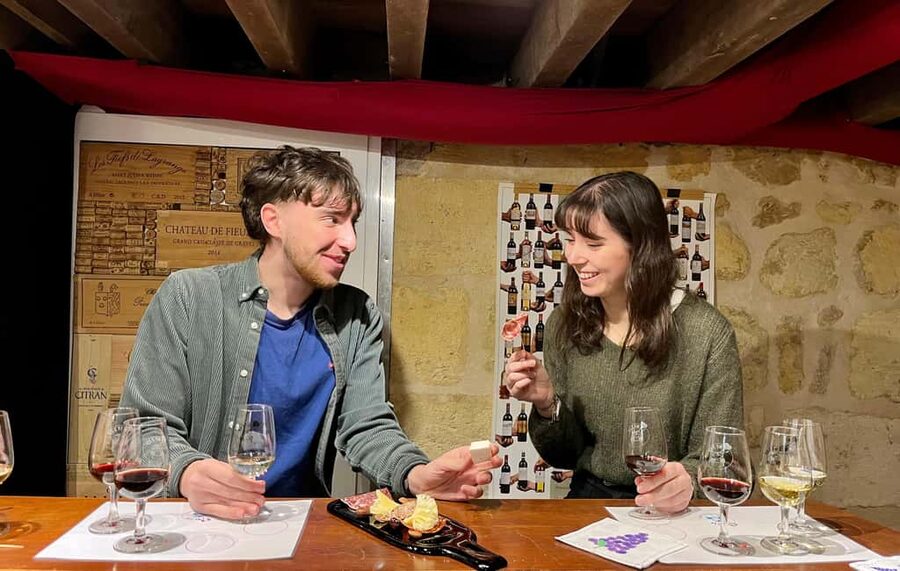
The heart of the session is a tasting of six Bordeaux wines. They are selected to show typical expressions of the areas and soils from which they come, with the selection shaped by contact with passionate winegrowers.
The exact bottles can vary, so you should not arrive expecting a fixed vintage or a particular château. That flexibility is sensible. Wine availability changes, and a good tasting should reflect what the host can present well at the time.
Six wines is a useful number for a 90-minute class. One or two glasses can give you a pleasant taste, but they do not show much range. Six allows you to compare different appellations, grape mixes, and styles while the information is still fresh.
You may learn why the Bordeaux Blend matters. Bordeaux wines are often built from several grape varieties, and the final character depends on how those varieties are combined. The class explains this in relation to aroma and taste, not just as a list of grapes to memorize.
You also explore the region’s appellations and soils. This helps explain why two wines from Bordeaux can taste quite different even when they share some grape varieties. The point is not to turn you into a wine professional in an hour and a half. It is to give you enough context to make future tastings more rewarding.
For a first visit to Bordeaux, this is a practical introduction. Several people have found that the class helped them make better sense of wine choices during the rest of their stay.
More Wine Tours in Bordeaux
- Bordeaux: River Garonne Cruise with Glass of Wine and Canelé
★ 4.5 · 3,630 reviews - Saint Emilion Day Trip with Sightseeing Tour & Wine Tastings from Bordeaux
★ 5.0 · 1,120 reviews - Saint-Émilion: Grand Cru Classé Winery Visit and Tasting
★ 4.6 · 1,118 reviews - Saint Emilion Half-Day Trip with Wine Tasting & Winery Visit from Bordeaux
★ 4.5 · 1,034 reviews
Food pairings that make the lesson practical
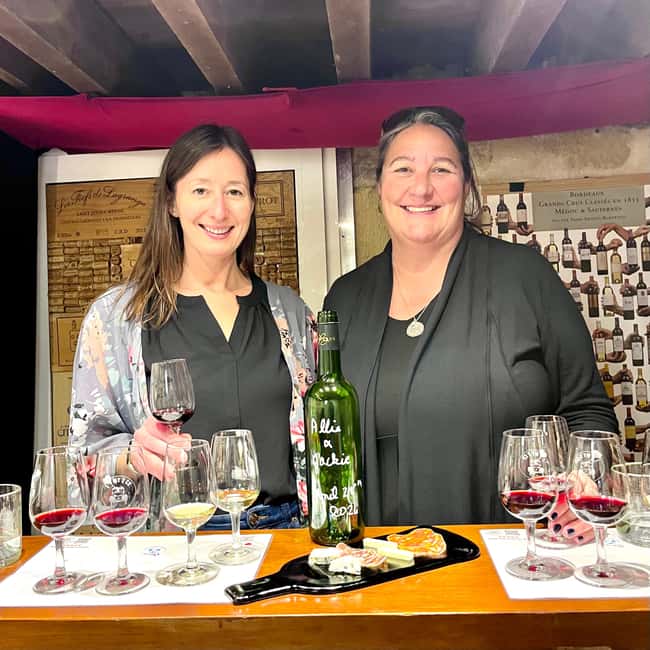
Food pairing is included, and it is more than a plate of snacks beside the wine. You get a small amount of experimentation, allowing you to see how a food can change the way a wine tastes.
This is one of the most valuable parts for ordinary wine drinkers. A wine that seems sharp or heavy on its own can work much better with food. Likewise, a rich dish can make a wine feel lighter, fruitier, or less balanced.
The pairing examples are not described as a full meal, so plan to eat elsewhere if you need lunch or dinner. Think of this as a teaching tool, not a substitute for a restaurant meal.
Camille is praised for offering useful pairing advice and for creating a welcoming atmosphere. That kind of practical guidance can be more helpful than a long lecture on tasting theory. You can ask what might work with a particular dish and take the idea home.
The pairing section also makes the class suitable for people who enjoy wine but do not want a heavily technical session. You are not only learning how to describe wine. You are learning how to use it at the table.
The guides are the main reason to book
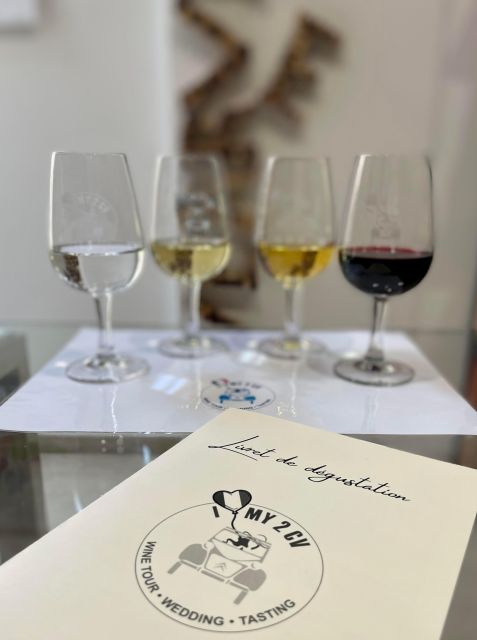
The quality of the guide matters greatly in a tasting, and this class receives especially strong praise for its hosts.
Cécilia is repeatedly described as warm, funny, patient, and very well informed. She adjusts the explanation to the group’s experience, answers detailed questions, and uses visual material to explain Bordeaux’s complex structure. Her private cellar and personal approach are part of the appeal.
Ilona is praised for being friendly and clear, especially with guests who had many questions about tasting technique and Bordeaux wine types. Mathilde is described as fun and well informed, bringing energy to the session. Camille receives praise for her welcoming manner, food pairing advice, and attractive setting.
The important point is not simply that the guides know wine. They make the subject approachable. That is the difference between a tasting where you quietly watch someone pour and a class where you take part.
There is also evidence of a broader interest in the people behind the wine, including support for women winemakers. If that subject interests you, ask your guide about it. The experience may offer more than a standard regional overview, depending on who leads your session.
What the 90-minute schedule feels like
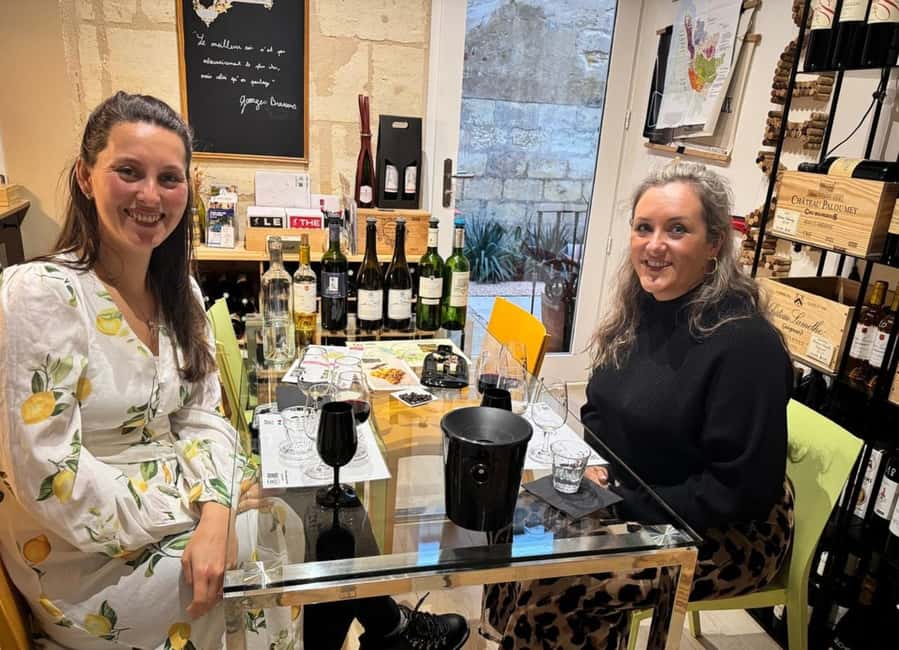
Ninety minutes is long enough for a meaningful lesson but short enough to fit into a busy Bordeaux day.
The session likely feels structured around several connected stages:
- You arrive, settle into the tasting room, and meet your guide.
- You receive an introduction to Bordeaux’s wine areas, soils, appellations, and grape varieties.
- You learn the basics of tasting and take part in the aroma game.
- You taste six wines selected to show different Bordeaux expressions.
- You test food pairings and discuss how the combinations affect the wine.
- You receive a personal tasting booklet for continued practice.
- You can purchase wines from the tasting in the cellar before returning to the meeting point.
The schedule is compact, so you should not expect a long discussion of every Bordeaux château or a detailed tour of the vineyards. The class offers a focused overview, not a replacement for a full vineyard visit.
That makes it especially useful near the start of your stay. Take the class before visiting wine shops, ordering Bordeaux at restaurants, or heading into the surrounding wine country. The new vocabulary and regional map will help you know what to look for.
It also works well near the end of a short visit. If you only have one night in Bordeaux, this gives you a local wine experience without spending half a day on transport.
Is $51 a fair price?
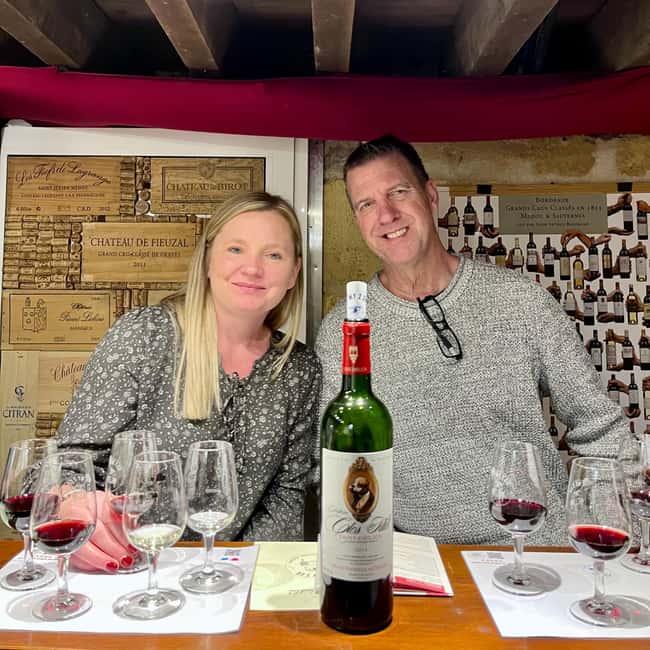
At $51 per person, the cost is reasonable for what is included. You receive six glasses of wine, a guided lesson, an aroma activity, food pairing, and a tasting booklet. The small group limit also matters. You are paying for attention and explanation, not only for the wine poured into the glass.
A six-wine tasting alone might be cheaper in some settings, but it may not include a structured lesson or personal questions. Here, the educational side is central, which gives the price more value for a newcomer.
The value is strongest if you are still trying to understand Bordeaux. You learn how to taste and gain a clearer sense of what distinguishes the region. If you already have strong knowledge of Bordeaux wines, you may find the class less useful unless you particularly want a relaxed tasting with a local guide.
Wine purchases are extra. The wines tasted are available in the cellar, which is convenient, but it can make the final bill larger than the $51 booking price. Set a budget before you arrive if you are easily tempted by a bottle you have just learned to appreciate.
There is also a flexible booking option that lets you reserve and pay later, plus free cancellation up to 24 hours before the activity. Those policies are useful when your Bordeaux plans are still shifting.
Who will enjoy this most?
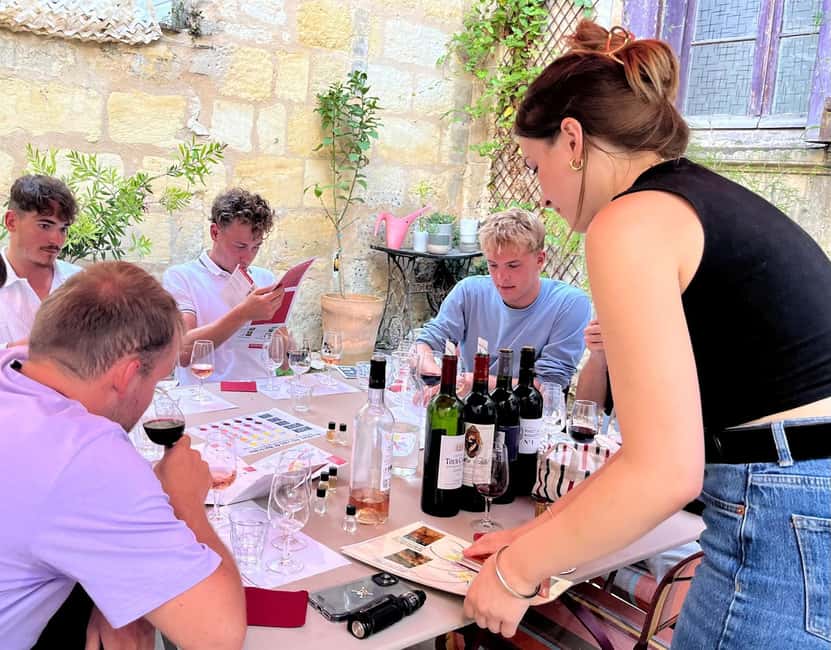
I would recommend this class to:
- First-time Bordeaux visitors who want a clear introduction to local wine.
- Couples or friends looking for a small, social activity.
- People who enjoy wine but feel unsure about tasting technique.
- Short-stay visitors who cannot fit in a full vineyard day.
- Anyone who wants food pairing advice they can use at home.
- Experienced drinkers who prefer questions and discussion over a large group presentation.
It may be less suitable for someone seeking a château visit, vineyard walk, or a full day in the wine country. It is also not suitable for people with mobility impairments, according to the activity information.
Language is another practical point. The live guide can lead the class in English, French, or Spanish. Confirm the available language when choosing your time if that matters to you.
What to do with the tasting booklet
The personal booklet is easy to overlook, but it may be the part you use longest. Wine tasting improves when you record what you actually noticed instead of relying on memory.
Use it to write down the wine’s name, area, grape blend, aromas, and your own reaction. You do not need polished tasting notes. A simple description such as fresh, smoky, soft, dry, or fruity is enough to build confidence.
The booklet also gives you a way to compare future bottles. After the class, try the same method at a restaurant or wine shop. You may find that your choices become more deliberate because you understand what the label and region are telling you.
Final verdict: should you book it?
Book this Bordeaux wine class if you want a personal introduction to the region, not just six quick pours. The strongest reasons are the tiny group size, the practical tasting instruction, the aroma game, and guides such as Cécilia and Ilona, who make room for questions.
The class is a particularly good choice for a short Bordeaux visit. You get local context, food pairing practice, and a useful booklet in 90 minutes, with no need to arrange transport outside the city.
Skip it if your priority is a vineyard tour, a château visit, or an advanced tasting focused on rare bottles and technical detail. Also think twice if the discreet meeting point or cellar setting may be difficult for you physically.
For most first-time visitors, $51 buys more than wine. It buys a working understanding of Bordeaux, and that can make every later glass taste more interesting.
FAQ
How long does the Bordeaux wine tasting class last?
The class lasts 1.5 hours, or 90 minutes. Starting times vary, so check availability when booking.
How many wines are included?
Six glasses of Bordeaux wine are included. The wines are selected to show different expressions of Bordeaux terroir, appellations, grape varieties, and blends.
Is food included with the wine tasting?
Yes. Wine and food pairing is included, with some experimentation to show how food affects the wine.
What languages are available?
The live guide can lead the experience in English, French, or Spanish.
Where does the class meet?
The tasting room is at number 25 on the street and is not visible from the street. Look for the ring marked I love. The activity ends at the same meeting point.
Can I buy the wines after the class?
Yes. The wines tasted during the session are available for purchase in the cellar at the end of the experience.
More Workshops in Bordeaux
- Bordeaux: Introduction to Bordeaux Wines Tasting Workshop
★ 4.8 · 196 reviews - Bordeaux Super Saver Wine Tasting class and St Emilion region
★ 5.0 · 184 reviews - Bordeaux Wine Masterclass: Blending workshop with appetizer
★ 5.0 · 113 reviews - Workshop Bordeaux wine tasting: 4 reds & charcuterie pairing
★ 5.0 · 72 reviews
Recently added around Bordeaux
- The essential in Bordeaux, private tour with a local★ 4.9 · 48 reviews
- Sarlat Gourmet Tour and Market Visit★ 5.0 · 49 reviews
- Full Day Tour Saint Emilion with lunch two Chateaux and Village★ 5.0 · 49 reviews
- Bordeaux: Exclusive Private Guided Walking Tour★ 4.6 · 50 reviews
- Bordeaux:Wine Masterclass & Blending workshop with appetizer★ 4.8 · 54 reviews
- Full-day Saint-Emilion: Village, Undergrounds and Châteaux★ 4.5 · 55 reviews
- From Bordeaux: Essential Morning Tour with Wine Tasting★ 4.8 · 55 reviews
- Bordeaux Old Town & Market Local Food with Wine Tastings Tour★ 4.0 · 56 reviews
Wine Tours in Bordeaux, compared.
Bordeaux: Cité du Vin Entry Ticket and Wine Tasting
Read our review →
Bordeaux: River Garonne Cruise with Glass of Wine and Canelé
Read our review →
From Bordeaux: Afternoon Saint-Emilion Wine Tasting & snack
Read our review →
Medoc or Saint Emilion Wine Tasting and Chateau from Bordeaux
Read our review →
Saint Emilion Day Trip with Sightseeing Tour & Wine Tastings from Bordeaux
Read our review →
Saint-Émilion: Grand Cru Classé Winery Visit and Tasting
Read our review →
Saint Emilion Half-Day Trip with Wine Tasting & Winery Visit from Bordeaux
Read our review →
From Bordeaux: St. Emilion Village Half-Day Wine Tour
Read our review →Browse the lists this tour appears in