
Reviewed · WINE TOURS IN BORDEAUX
Workshop Bordeaux wine tasting: 4 reds & charcuterie pairing
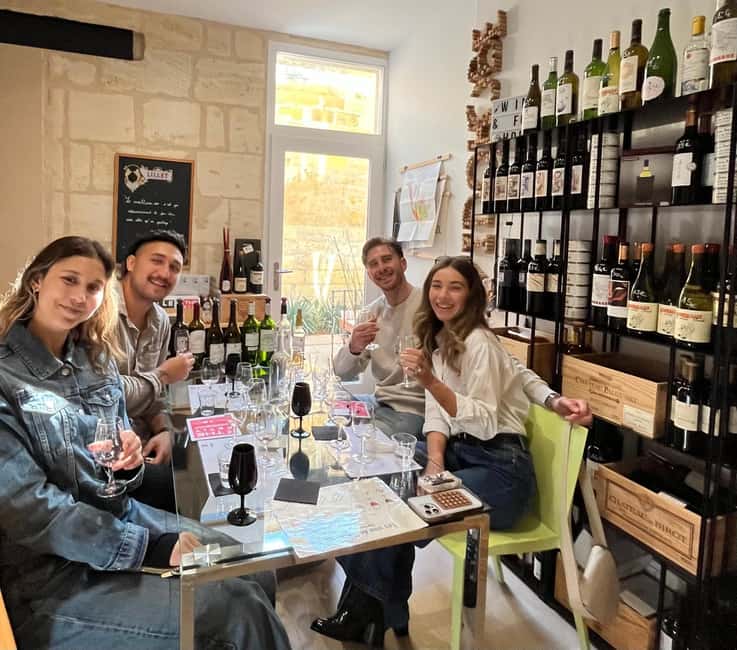
Bordeaux makes more sense after one good glass. This one-hour workshop gives you a friendly introduction to four Bordeaux red wines, with charcuterie, aroma games, and clear guidance from wine teachers Cécilia and Mathilde. Instead of treating wine as a school subject, the class turns it into a conversation you can enjoy.
I especially like the small limit of six people, which keeps the session personal, and the way the tasting compares Left Bank Cabernet Sauvignon with Right Bank Merlot. The main drawback is the short running time: one hour moves quickly, especially if you want detailed questions about individual estates or appellations.
- Compare Bordeaux’s two great styles: Learn how Left Bank Cabernet Sauvignon differs from Right Bank Merlot.
- Taste four red wines: The selection can include single-variety wines, blends, organic family estates, Grand Crus, and a mature bottle.
- Pair wine with charcuterie: Each sample comes with food chosen to show how flavor and texture change together.
- Use your nose: An aroma game helps you identify scents without turning the class into a lecture.
- Meet near tram A: The tasting room is at 25 Avenue Thiers, about 100 meters from the Stalingrad stop.
- Take home a booklet: Your tasting notes and method give you something useful for the rest of your Bordeaux trip.
In This Review
- Why This Bordeaux Class Is Worth Your Time
- Finding the Tasting Room at 25 Avenue Thiers
- What Happens During the One-Hour Session
- Left Bank, Right Bank, and the Logic of Bordeaux Blends
- Charcuterie Makes the Wine Lesson More Useful
- The Guides Make the Class Feel Human
- Is One Hour Long Enough?
- Price, Group Size, and Overall Value
- Who Should Book This Bordeaux Tasting?
- Booking Details You Should Know
- Should You Book It?
- FAQ
- Where does the Bordeaux wine tasting take place?
- How do I find the entrance?
- How long does the experience last?
- How many people can join?
- Which languages are available?
- How many Bordeaux wines will I taste?
- Is food included?
- Is a tasting booklet included?
- Can someone who prefers white wine join?
- Is hotel transportation included?
- Is the activity accessible for people with mobility impairments?
- Can I cancel if my plans change?
Why This Bordeaux Class Is Worth Your Time
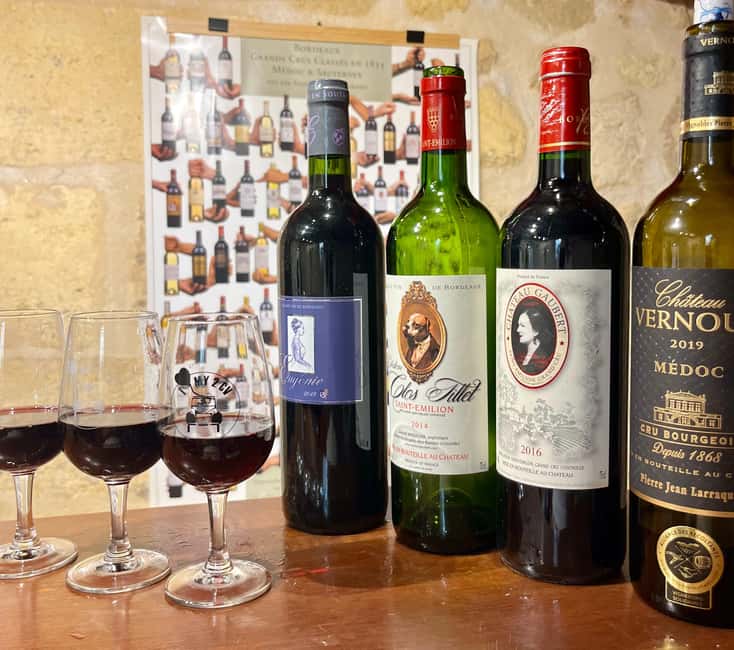
Bordeaux can be confusing at first. The region has famous names, unfamiliar appellations, several grape varieties, and wines made from blends rather than one dominant grape. A bottle label may tell you where the wine comes from, but not always what it will taste like in the glass.
This workshop gives you a working map. You learn that the Left Bank is commonly associated with Cabernet Sauvignon, firmer structure, and wines that can age well. The Right Bank is more closely tied to Merlot, often giving softer texture and more immediate fruit. These are useful guideposts, not rigid rules, and the class helps you notice the exceptions.
I like this approach because it gives you a way to taste rather than a list of facts to memorize. You can ask why one wine feels more tannic, why another seems rounder, and how blending changes the final result.
The instructors, Cécilia and Mathilde, are certified wine experts trained at the Université du Vin. Their role is not simply to pour glasses. They explain how grape variety, soil, winemaking choices, and aging affect aroma, texture, and the length of a wine’s life.
Past sessions have been praised for feeling relaxed and conversational. That matters in a small class. You should be able to admit that you smell something like cherry but not cedar, or that you prefer the softer wine, without feeling tested.
Finding the Tasting Room at 25 Avenue Thiers
The location is practical for a city stay. You go to 25 Avenue Thiers in Bordeaux, roughly 100 meters from tram A’s Stalingrad stop. The tasting room is behind a building, so do not expect a large street-facing wine shop.
Look for the Guy Hoquet panel. The gray door next to it is the entrance, and the bell is marked I ♥️ TASTING. That detail is worth saving on your phone before you leave your hotel. It removes the usual last-minute search around an unfamiliar address.
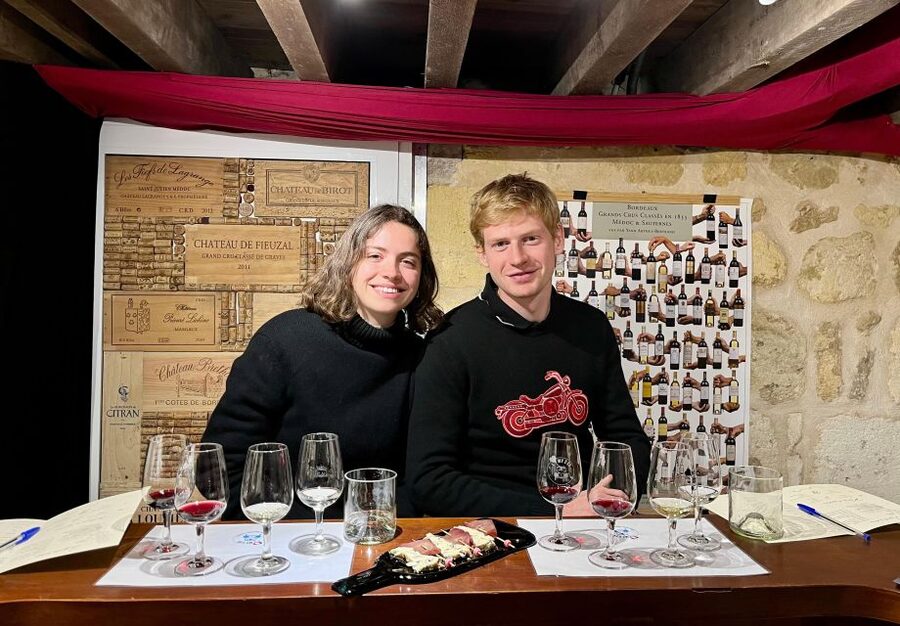
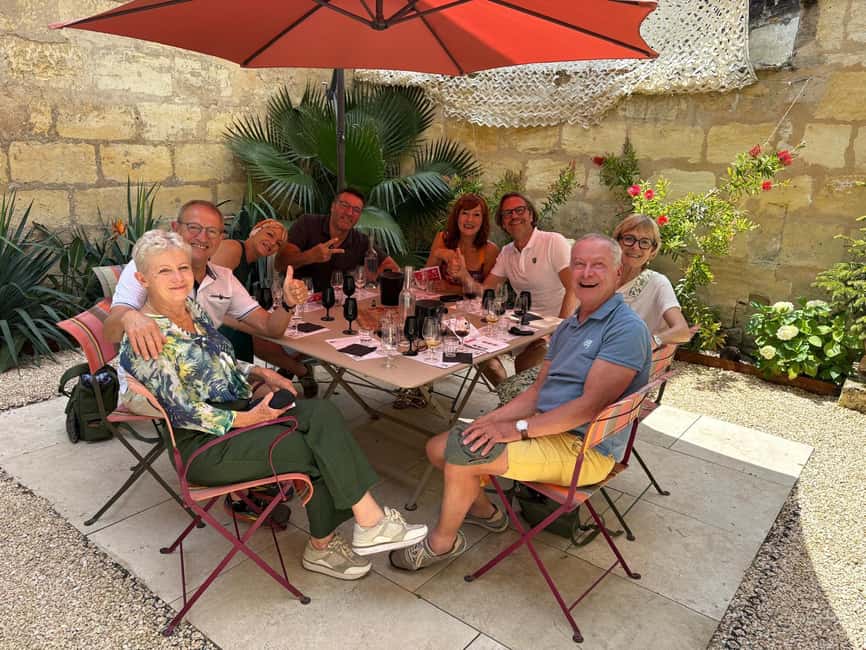
The room may change with the season. You could taste in a stone-built room, a private courtyard, or an underground cellar. The cellar setting has provided a particularly pleasant atmosphere for some sessions, while the courtyard should offer a lighter setting when conditions allow.
There is one practical limitation: the activity is not suitable for people with mobility impairments. The changing settings, including an underground cellar, may also make the exact room important to confirm in advance if stairs or uneven access are a concern.
More Food Tours in Bordeaux
- Bordeaux: Cité du Vin Entry Ticket and Wine Tasting
★ 4.6 · 3,885 reviews - From Bordeaux: Afternoon Saint-Emilion Wine Tasting & snack
★ 4.8 · 1,581 reviews - Medoc or Saint Emilion Wine Tasting and Chateau from Bordeaux
★ 5.0 · 1,415 reviews
What Happens During the One-Hour Session
The class begins with an introduction to tasting. You are not expected to arrive with technical knowledge. The booklet helps you follow the basic method, and the aroma game gives you a playful way to think about scent.
A good tasting is not only about swallowing wine. You first look at the color, then smell, then taste, and finally consider how the wine changes in your mouth. The instructors connect those observations to the grape, place, and production method.
You then work through four Bordeaux reds. The aim is variety, not four nearly identical examples. The selection is designed to show different faces of the region, including wines that highlight Merlot or Cabernet Sauvignon on their own, blends from family-run organic estates, prestigious Grand Crus, and at least one mature wine.
The exact bottles can change, so I would not book this expecting a particular château or vintage. That flexibility is also useful. It means the session can focus on contrast and teaching rather than on a fixed commercial lineup.
A mystery glass may also be used as part of the tasting experience. This gives you a chance to apply what you have just learned without being guided by the label. You may find the exercise humbling, but that is part of the fun. Wine tasting is a skill built through comparison, not a talent you either have or lack.
The included booklet gives you a record of the wines and the tasting method. Use it during the class, then keep it for future bottles. It can help you note aromas, acidity, tannin, body, and finish in a simple format.
Left Bank, Right Bank, and the Logic of Bordeaux Blends
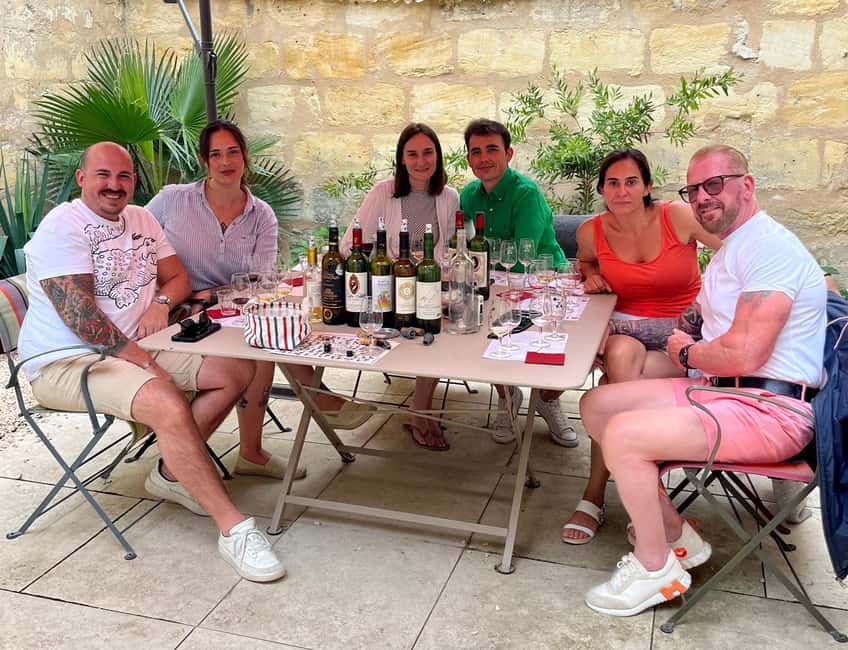
The most useful lesson here is that Bordeaux is a place of styles as much as famous names. The Left Bank and Right Bank comparison gives you a clear starting point.
Cabernet Sauvignon often brings firm tannin, dark fruit, structure, and the ability to develop with age. Médoc wines are a natural example for understanding that style. Merlot tends to give a softer mouthfeel and generous fruit, making Saint-Émilion a helpful comparison.
Bordeaux producers also blend grapes. This is not a flaw or a way to hide character. It is a central part of the region’s winemaking tradition. A blend can combine Cabernet Sauvignon’s structure with Merlot’s softness, while other grapes add supporting notes and balance.
I find this especially helpful for anyone who has been confused by Bordeaux labels. The bottle may be named for its appellation or estate rather than the grape variety, so learning the regional patterns helps you shop with more confidence.
The workshop also looks at terroir, vinification, and aging. You learn why two wines made from similar grapes can taste different, and why a mature Bordeaux may feel less driven by fresh fruit than a younger bottle.
Do not expect one hour to turn you into a Bordeaux expert. You will, however, leave with a better vocabulary and a clearer sense of what you like.
Charcuterie Makes the Wine Lesson More Useful
The food pairing is not just a snack placed beside the glasses. Artisanal charcuterie is selected to work with the wines and show how food affects your impression of them.
Salt, fat, seasoning, and texture can soften the sensation of tannin or change the way fruit comes across. A wine that feels firm by itself may seem more balanced with food. A fruit-forward wine may feel especially easy to drink beside savory charcuterie.
This is a valuable lesson for the rest of your trip. Bordeaux wine is often served with food, and you do not need to rely only on expensive restaurant advice. Pay attention to what happens when you taste the wine alone, then taste it with the food. That small comparison teaches more than a long speech about pairing rules.
The portions are intended as a pairing, not a full meal. If you arrive hungry, have something beforehand. The activity includes wine and charcuterie, but it does not include hotel pickup, drop-off, or any separate meal.
More Wine Tours in Bordeaux
- Bordeaux: River Garonne Cruise with Glass of Wine and Canelé
★ 4.5 · 3,630 reviews - Saint Emilion Day Trip with Sightseeing Tour & Wine Tastings from Bordeaux
★ 5.0 · 1,120 reviews - Saint-Émilion: Grand Cru Classé Winery Visit and Tasting
★ 4.6 · 1,118 reviews - Saint Emilion Half-Day Trip with Wine Tasting & Winery Visit from Bordeaux
★ 4.5 · 1,034 reviews
The Guides Make the Class Feel Human
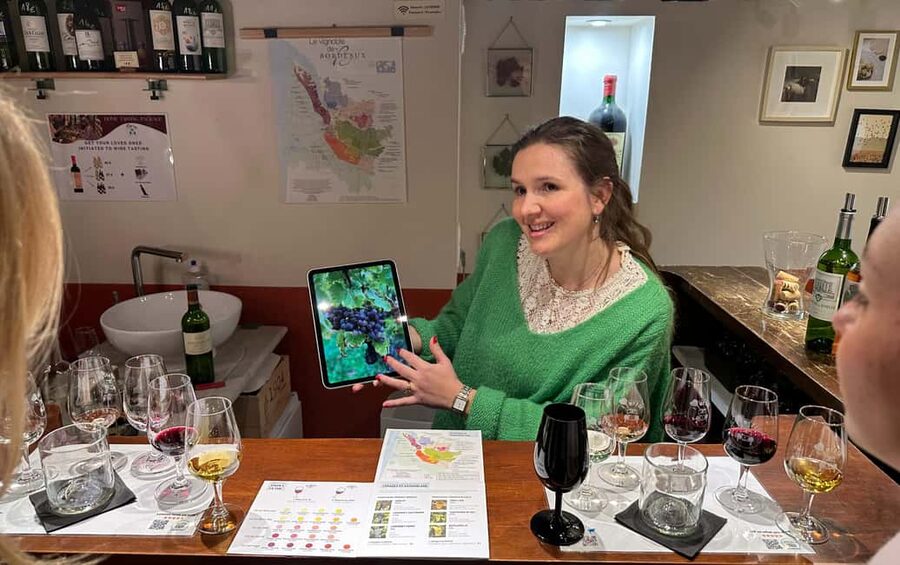
Cécilia and Mathilde bring different sessions to life with warmth and clear explanations. Cécilia has been praised for her friendly manner and strong grasp of Bordeaux wine and food pairing. Mathilde has been noted for making first-time tasters feel comfortable while still offering plenty of substance.
The aroma game is one of the class’s most memorable details. You smell the wines and try to identify familiar scents. This can sound intimidating, but the game keeps the mood light. You do not need to name an obscure flower or a specific spice to take part.
The best part of this teaching style is its lack of pressure. You are encouraged to describe what you notice in ordinary language. It smells fruity is a perfectly good beginning. The instructor can then help you move toward more precise descriptions.
The small group also gives you room to ask about the rest of your Bordeaux visit. One session included helpful suggestions for food and further wine experiences. Those personal tips can be as useful as the formal lesson, particularly if this is your first time in the region.
Is One Hour Long Enough?
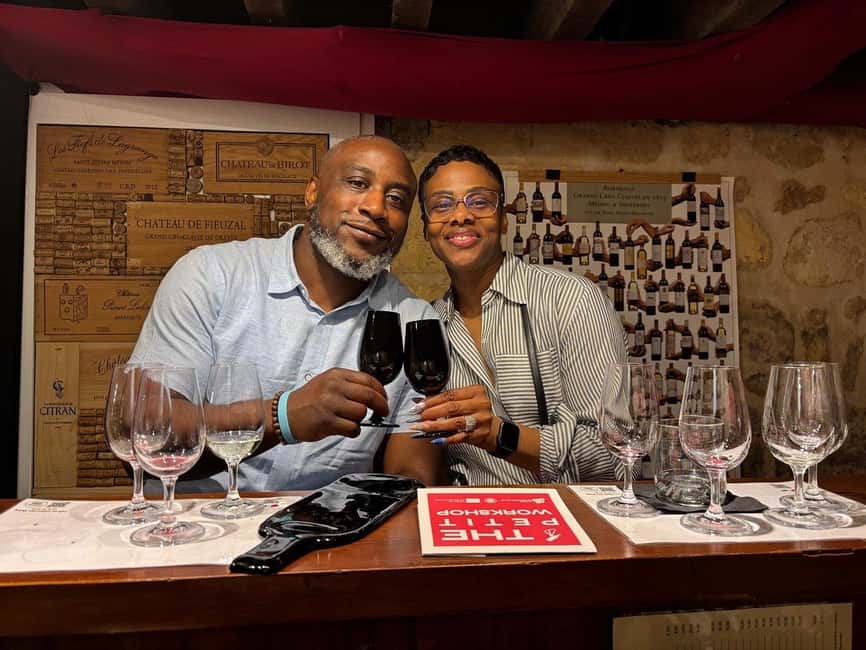
One hour is enough for an introduction, and the compact format works well between sightseeing plans. You can learn the basic method, compare four wines, try the food pairing, and ask questions without giving up half a day.
It is not enough for a full survey of Bordeaux. You will not visit vineyards, tour a château, or study several vintages in depth. This is an indoor class in Bordeaux, not a countryside excursion to Médoc or Saint-Émilion.
That difference matters when you plan your schedule. If you have already booked a half-day trip to the wine country, this class can prepare you for it or help you make sense of what you tasted afterward. If you have no time for a vineyard outing, it gives you a compact way to learn the region from the city.
I would choose this workshop for an arrival day or an evening when you want something structured but not exhausting. The one-hour length also limits the amount of alcohol involved compared with a longer tasting, though you should still plan your evening sensibly.
Price, Group Size, and Overall Value
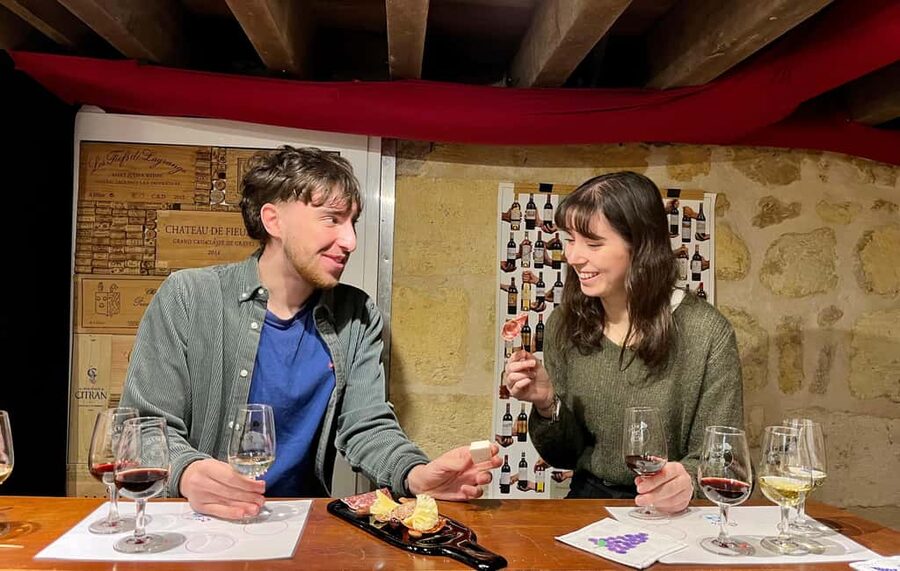
At $46 per person, the price is reasonable for a guided tasting that includes four Bordeaux reds, charcuterie, an aroma activity, and a personal booklet. You are paying for instruction and comparison, not simply for four pours.
The group limit of six is a major part of the value. A larger room can make it harder to ask questions or hear the explanation about each bottle. Here, the setting should feel more like a wine conversation than a formal presentation.
Wine is available for purchase on site. That is handy if one bottle fits your taste, though you should not feel obliged to buy. The class has already done its job if it helps you understand what you might want to seek out later.
The strongest value comes if you are new to Bordeaux or usually feel lost in a wine shop. The lesson gives you practical terms and regional comparisons that can help you spend money more wisely. If you already know Bordeaux well, the experience may be more useful as a social tasting than as a major source of new information.
Who Should Book This Bordeaux Tasting?
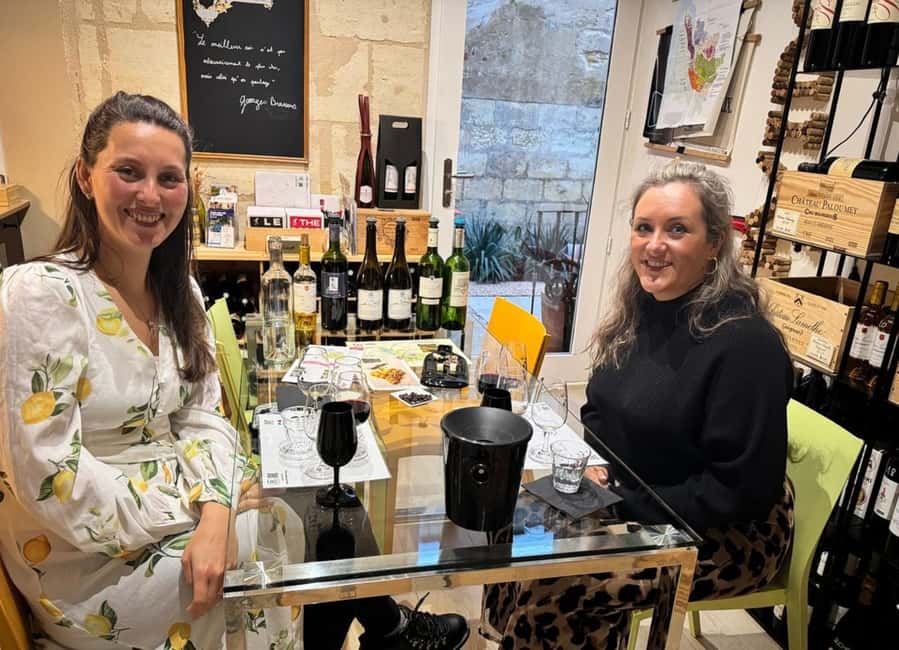
I would recommend it to curious beginners, couples, solo visitors who enjoy meeting a few people, and wine lovers who want more context before visiting the vineyards. It also suits anyone who likes learning through taste rather than sitting through a long lecture.
It is a good choice if you want a short activity close to central transport and prefer a small room to a large commercial tasting. The English, French, and Spanish language options make it easier to take part comfortably.
Families or groups with mixed wine preferences should contact the provider ahead of time. White wine tastings can be arranged for companions who do not prefer reds, but that request needs advance notice.
I would look elsewhere if your main goal is a château visit, vineyard scenery, a long meal, or a full-day tour. You should also think twice if mobility is limited, since the setting may involve access issues.
Booking Details You Should Know
You can cancel up to 24 hours before the activity for a full refund, and reserve now while paying later. Starting times vary, so check availability before you build the rest of your day around the class.
The meeting point is 25 Avenue Thiers, Bordeaux, near tram A at Stalingrad. Bring the address, the Guy Hoquet landmark, and the bell name with you. The entrance is tucked behind a building, and those details will save time.
The activity does not include hotel pickup or drop-off. It is a small-group class limited to six people, and larger parties should contact the provider before booking.
Should You Book It?
Book this tasting if you want Bordeaux to feel less mysterious. For $46, you get four contrasting reds, charcuterie, a practical tasting booklet, and a warm introduction led by Cécilia or Mathilde. The class is short, but it uses the hour well.
I would make it part of a first Bordeaux visit, especially if you plan to buy wine, eat at local restaurants, or visit Médoc or Saint-Émilion later. Skip it only if you want outdoor vineyard time or already have a strong command of Bordeaux styles.
FAQ
Where does the Bordeaux wine tasting take place?
It takes place at 25 Avenue Thiers, 33100 Bordeaux, about 100 meters from tram A’s Stalingrad stop.
How do I find the entrance?
The tasting room is behind a building. Look for the Guy Hoquet panel, then use the gray door beside it. The bell is marked I ♥️ TASTING.
How long does the experience last?
The tasting class lasts one hour.
How many people can join?
The group is limited to six participants.
Which languages are available?
The experience is offered in English, French, and Spanish.
How many Bordeaux wines will I taste?
The class includes four Bordeaux red wine glasses. The experience description also includes a mystery glass as part of the tasting activity.
Is food included?
Yes. The wine is paired with artisanal charcuterie.
Is a tasting booklet included?
Yes. You receive your own booklet covering Bordeaux wines and the tasting method.
Can someone who prefers white wine join?
Yes. A white Bordeaux tasting can be arranged for companions who prefer white wines, but you should contact the provider in advance.
Is hotel transportation included?
No. Hotel pickup and drop-off are not included.
Is the activity accessible for people with mobility impairments?
The activity is not suitable for people with mobility impairments.
Can I cancel if my plans change?
Yes. You can cancel up to 24 hours in advance for a full refund. Reserve now and pay later is also available.
More Workshops in Bordeaux
- Bordeaux: Introduction to Bordeaux Wines Tasting Workshop
★ 4.8 · 196 reviews - Bordeaux Super Saver Wine Tasting class and St Emilion region
★ 5.0 · 184 reviews - Bordeaux Wine Masterclass: Blending workshop with appetizer
★ 5.0 · 113 reviews - Bordeaux: Guided Bordeaux Wine Tasting Class with 6 Wines
★ 4.9 · 75 reviews
Recently added around Bordeaux
- The essential in Bordeaux, private tour with a local★ 4.9 · 48 reviews
- Sarlat Gourmet Tour and Market Visit★ 5.0 · 49 reviews
- Full Day Tour Saint Emilion with lunch two Chateaux and Village★ 5.0 · 49 reviews
- Bordeaux: Exclusive Private Guided Walking Tour★ 4.6 · 50 reviews
- Bordeaux:Wine Masterclass & Blending workshop with appetizer★ 4.8 · 54 reviews
- Full-day Saint-Emilion: Village, Undergrounds and Châteaux★ 4.5 · 55 reviews
- From Bordeaux: Essential Morning Tour with Wine Tasting★ 4.8 · 55 reviews
- Bordeaux Old Town & Market Local Food with Wine Tastings Tour★ 4.0 · 56 reviews
Wine Tours in Bordeaux, compared.
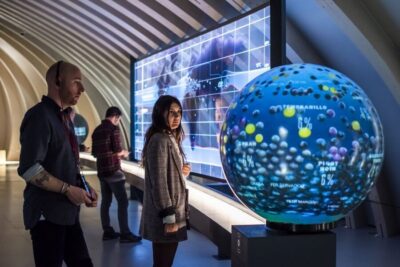
Bordeaux: Cité du Vin Entry Ticket and Wine Tasting
Read our review →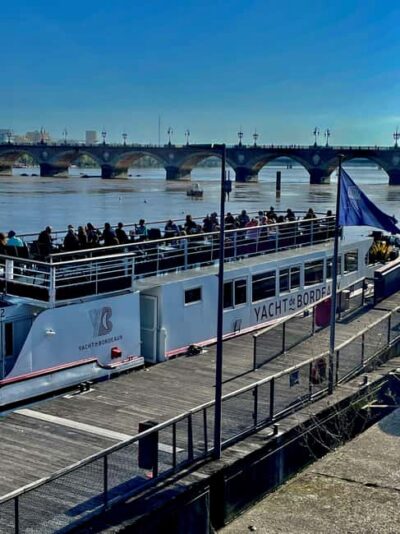
Bordeaux: River Garonne Cruise with Glass of Wine and Canelé
Read our review →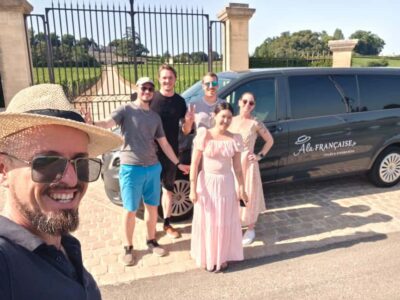
From Bordeaux: Afternoon Saint-Emilion Wine Tasting & snack
Read our review →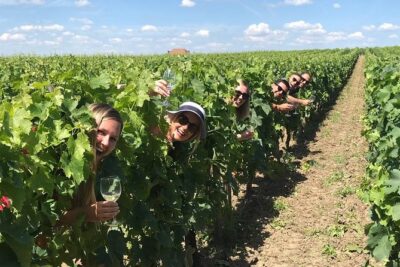
Medoc or Saint Emilion Wine Tasting and Chateau from Bordeaux
Read our review →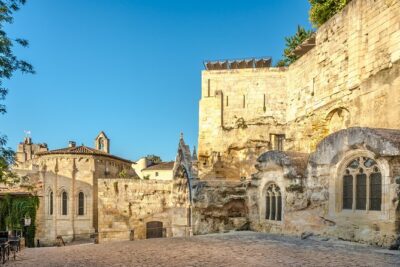
Saint Emilion Day Trip with Sightseeing Tour & Wine Tastings from Bordeaux
Read our review →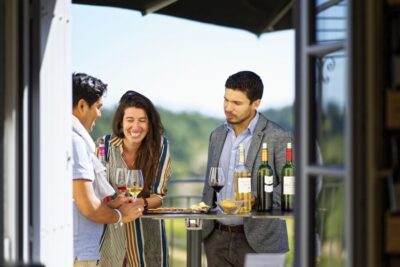
Saint-Émilion: Grand Cru Classé Winery Visit and Tasting
Read our review →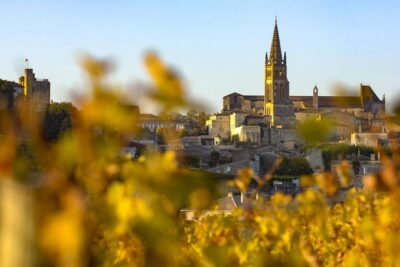
Saint Emilion Half-Day Trip with Wine Tasting & Winery Visit from Bordeaux
Read our review →
From Bordeaux: St. Emilion Village Half-Day Wine Tour
Read our review →Browse the lists this tour appears in