
Reviewed · WINE TOURS IN BORDEAUX
Bordeaux: Introduction to Bordeaux Wines Tasting Workshop
Wine makes more sense once you know what to taste. In central Bordeaux, this one-hour workshop gives you a friendly introduction to the region’s wines, with a white, two reds, local cheese, and charcuterie. I like the small-group setting and the way the session turns tricky ideas such as terroir and blending into practical tasting lessons. The location, just steps from the Grand Theatre, also makes this an easy addition to a day in the city.
I especially like that you do not simply sip three glasses and hear a sales pitch. You learn how to look at wine, smell it, taste it, and connect its flavor to soil, climate, grape variety, and food. The main limitation is time: one hour goes quickly, and one participant felt the instruction could have moved faster into the tasting itself.
In This Review
- Key Points Before You Book
- What This Bordeaux Workshop Is Really About
- Arriving Near the Grand Theatre
- The Opening Lesson: Bordeaux in Plain English
- Learning How to Taste, Not Just How to Drink
- The Three-Wine Tasting
- Cheese, Charcuterie, and the Better Bite
- How Much Do You Get for $34?
- Who Will Enjoy This Most?
- Practical Details for Fitting It Into Your Day
- Should You Book the Bordeaux Wine Workshop?
- FAQ
- How long does the Bordeaux wine tasting workshop last?
- How many wines are included?
- What food is served with the wine?
- Is the workshop held in English?
- Is this a small-group activity?
- Can children attend?
- Can I cancel for a refund?
Key Points Before You Book
- Three Bordeaux wines in one hour: You taste one white and two reds, including a Grand Cru red.
- Terroir made practical: Soil, climate, grape variety, appellation, and blending are explained in plain terms.
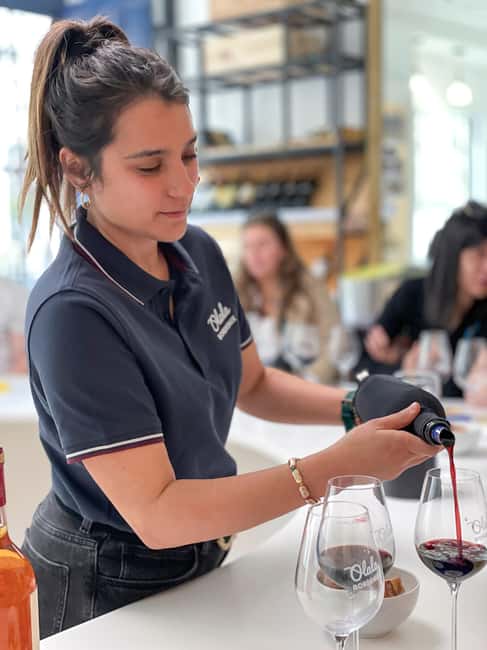
- Local food pairing: The wines come with a board of regional cheeses and charcuterie, plus baguette and water.
- Hands-on instruction: Expect tasting steps, aroma identification, and possibly a blind tasting or scent exercise.
- A useful city-center stop: The workshop takes place near Bordeaux’s Grand Theatre, with the exact meeting point depending on the option booked.
- Good value at $34: The price covers the guide, three wines, food, water, and printed information in a relaxed setting.
What This Bordeaux Workshop Is Really About
Bordeaux can be a puzzling wine region for beginners. Bottles often emphasize the appellation or château rather than making the grape variety easy to spot. Terms such as Saint-Émilion, Médoc, Graves, and Grand Cru can sound like a private code if you have not studied them before.
This workshop gives you a way into that code without requiring previous wine experience. You learn how terroir, the combination of soil, climate, and place, affects the character of a wine. You also hear why Bordeaux producers blend different grape varieties instead of relying on one grape alone.
That matters after the workshop. You may not remember every appellation, but you should leave with better questions to ask in a wine shop or restaurant. You will also have a clearer idea of why two Bordeaux reds can taste different even when they come from the same broad region.
The tone is meant to be relaxed and social. You can ask about your own preferences, compare impressions with the group, and learn without feeling that you need to use expert vocabulary. Guides have included Antoine, Anna, Noe, Pierre, Enzo, Olivier, Juliette, and others, with sessions described as warm, interactive, and easy to follow.
More Food Tours in Bordeaux
- Bordeaux: Cité du Vin Entry Ticket and Wine Tasting
★ 4.6 · 3,885 reviews - From Bordeaux: Afternoon Saint-Emilion Wine Tasting & snack
★ 4.8 · 1,581 reviews - Medoc or Saint Emilion Wine Tasting and Chateau from Bordeaux
★ 5.0 · 1,415 reviews
Arriving Near the Grand Theatre
The workshop takes place in the heart of Bordeaux, a short walk from the Grand Theatre. That central position is a real advantage. You can fit the tasting between sightseeing stops, use it as a break from museums, or schedule it before dinner.
You should check the exact meeting point for the option you book, since it can vary. The supplied information does not promise one fixed entrance or address for every session, so allow a little time to locate the room.
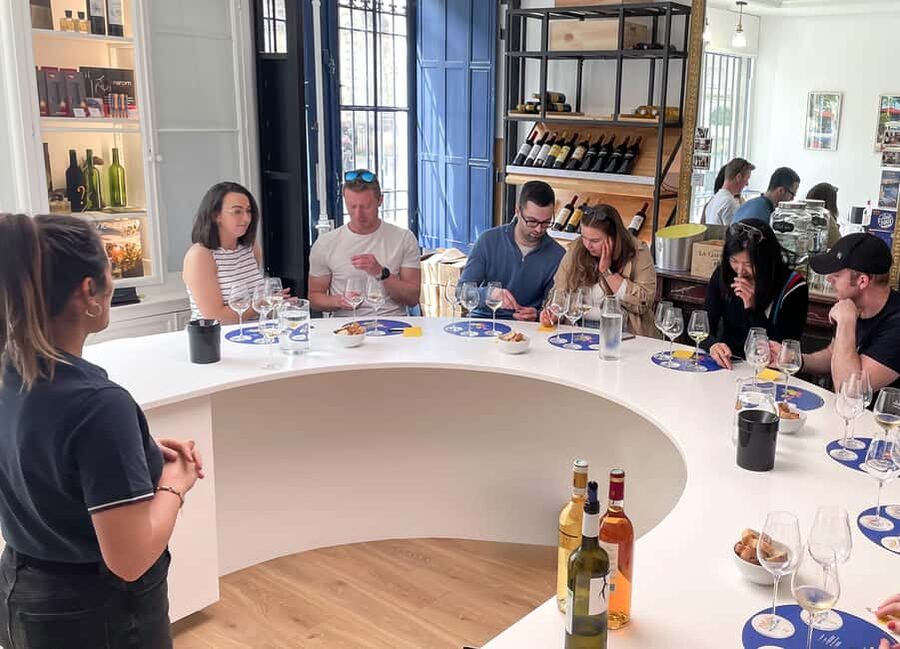
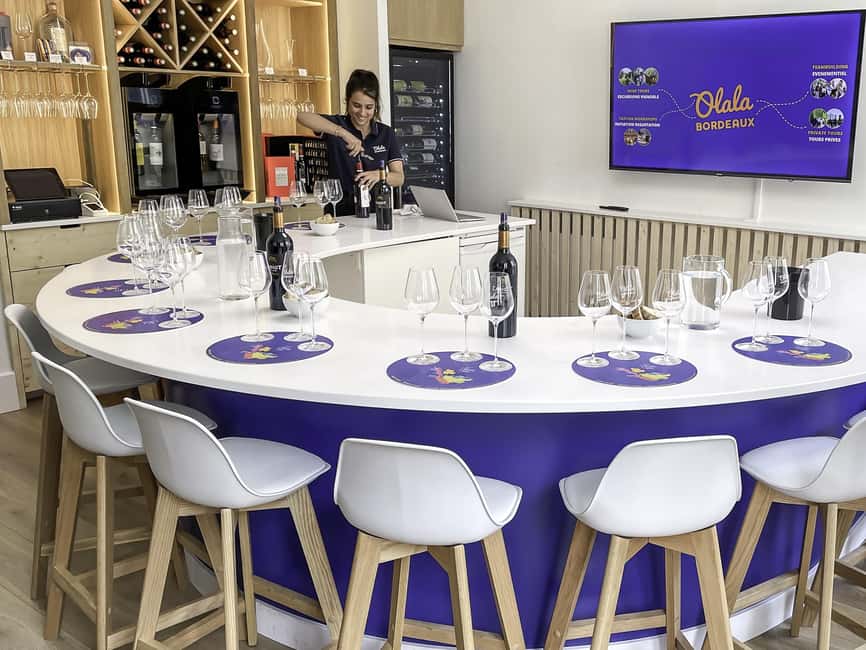
The setting is more dedicated than a casual table in the back of a restaurant. One detailed account described a small, bright space with white tables. That may sound minor, but white surfaces help you inspect wine color and clarity. A dedicated room also keeps the focus on the lesson rather than on restaurant noise or passing diners.
The group may be small, which suits this kind of activity. You are close enough to hear the guide and ask questions without having to speak to a large room. Solo visitors should feel comfortable booking, too. The atmosphere can include people attending as couples, friends, or on their own.
The Opening Lesson: Bordeaux in Plain English
The session begins with the basic building blocks of Bordeaux wine. Your guide explains the region’s wine traditions, the meaning of appellation, and the role played by grape variety.
You will hear about how natural conditions affect wine. Soil can influence drainage and the way vines develop. Climate affects ripeness and balance. The point is not to memorize a geology lesson. It is to understand why a bottle from one part of Bordeaux may show different fruit, structure, or freshness from a bottle made elsewhere.
The lesson also covers blending. Bordeaux is famous for combining varieties to create a finished wine with a particular balance of fruit, acidity, tannin, body, and aging potential. This is one of the most useful topics for first-time visitors because it explains why Bordeaux labels can seem less direct than labels from regions that put the grape name front and center.
Guides use handouts and visual material in some sessions. One participant praised the presentation for making the subject easier to follow, while another found the explanation of Bordeaux regions especially useful before a full-day wine outing. If you already visited La Cité du Vin, the workshop can still add something new because the guide can focus on tasting practice and specific wines rather than repeating a broad museum-style overview.
Learning How to Taste, Not Just How to Drink
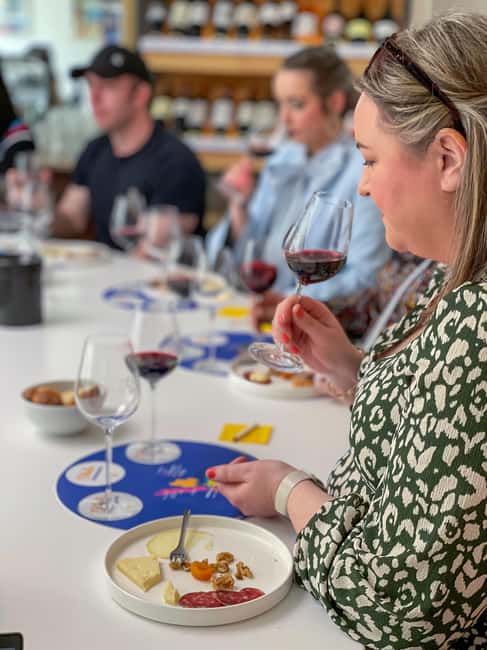
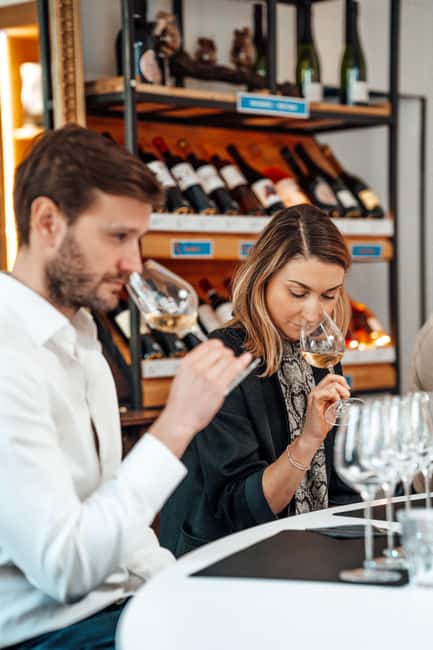
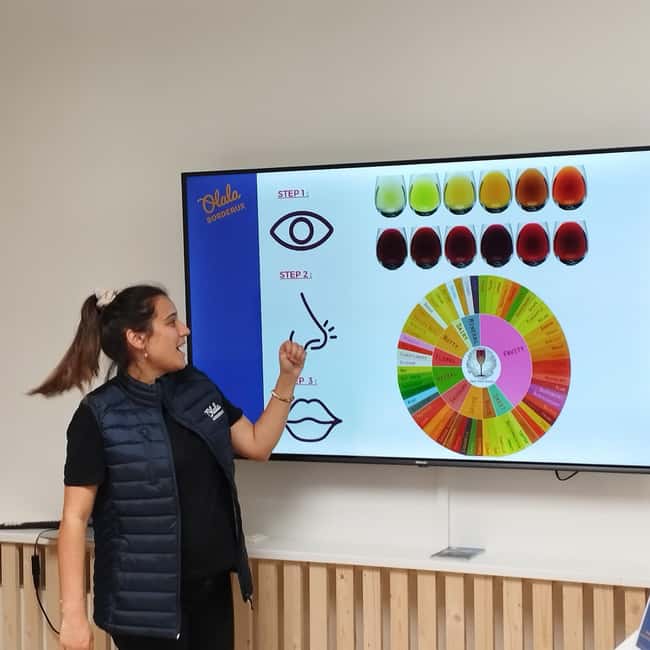
The practical tasting section is where this activity earns its price. You are shown the basic sequence: observe the wine, smell it, taste it, and think about its structure and finish.
For many people, the aroma work is the most useful part. You may be asked to consider familiar scents and then try to identify similar notes in the wine. An aroma kit or smell exercise has been part of some sessions, giving you a concrete way to practice instead of simply being told that a wine has hints of fruit, flowers, spice, or wood.
That distinction is important. Wine descriptions can sound fanciful when you are new to them. A scent exercise helps you understand that tasting notes are comparisons, not a claim that someone poured cherries, herbs, or vanilla into the glass.
Some sessions also include a blind tasting. This can be a fun reset because you judge the wine by its color, aroma, and flavor before seeing the label. It also shows how much expectation can affect your opinion. A familiar name or impressive classification can change how you think a wine tastes, so tasting without that information is a useful lesson.
The class remains accessible. You do not need to know how to swirl a glass perfectly or name every aroma. The guides are there to answer questions, explain terms, and help you notice what is already in the glass.
More Wine Tours in Bordeaux
- Bordeaux: River Garonne Cruise with Glass of Wine and Canelé
★ 4.5 · 3,630 reviews - Saint Emilion Day Trip with Sightseeing Tour & Wine Tastings from Bordeaux
★ 5.0 · 1,120 reviews - Saint-Émilion: Grand Cru Classé Winery Visit and Tasting
★ 4.6 · 1,118 reviews - Saint Emilion Half-Day Trip with Wine Tasting & Winery Visit from Bordeaux
★ 4.5 · 1,034 reviews
The Three-Wine Tasting
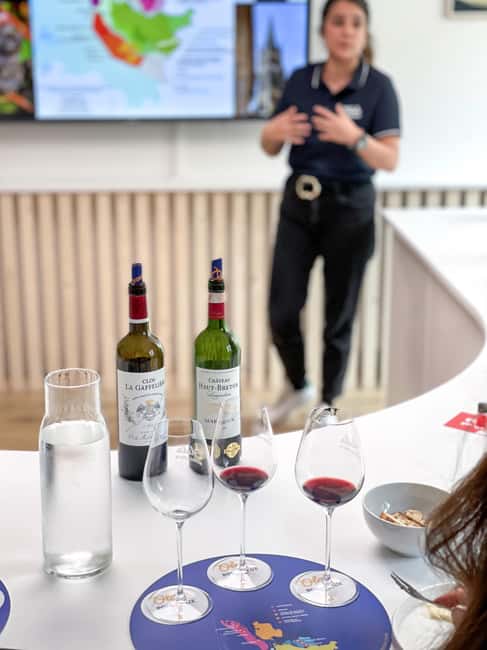
The tasting includes a glass of white Bordeaux and two red Bordeaux wines. One of the reds is a Grand Cru, giving you a chance to compare wines at different levels of classification and style.
Three wines is a sensible amount for a one-hour introduction. You get enough variety to compare color, aroma, acidity, body, tannin, and finish without turning the session into a long drinking event. The quantity also leaves room for instruction and discussion.
The white wine helps show that Bordeaux is not only about full-bodied red bottles. It gives the tasting contrast from the start and lets you consider freshness, texture, and food pairing in a different way.
The two reds provide the main regional lesson. Your guide connects what you taste to Bordeaux’s growing areas, production methods, and blending traditions. The exact bottles can vary, so you should not book this expecting a particular château or vintage. The value is in the comparison and the explanation rather than in collecting named wines.
A Grand Cru may sound like the star of the tasting, but try not to treat it as an automatic winner. The lesson is more useful when you compare the wines on their own terms. You may prefer the brighter white, the simpler red, or the more structured Grand Cru. That is part of the point: good tasting is not a contest in which the most expensive label must win.
One small drawback is the pace. The class can include regional background, production methods, tasting technique, aroma work, and food pairing in only 60 minutes. If your guide spends a long time on the introduction, you may feel that there is not enough time to test every idea with the wines. A participant specifically wished the group had been brought into the tasting sooner.
Still, the timing seems to work for most people. The session is reported to feel complete rather than rushed, though you should think of it as a first lesson, not a full sommelier course.
Cheese, Charcuterie, and the Better Bite
The food board is more than a snack. You receive local cheeses, charcuterie, and baguette from local producers, along with water.
Food pairing is part of the teaching. A salty cured meat can make a wine seem softer or more pronounced. Cheese can change the way you notice acidity, fruit, and tannin. Trying the wine alone and then with food gives you a quick demonstration of why the same bottle can taste different at the table.
The board also makes the hour feel generous for the price. At $34 per person, you are paying for a guide, three wines, a lesson, and a local tasting plate. You should not expect a full meal, but the food is substantial enough to make this more than three small pours.
I like this feature for another reason: it connects the wine to everyday French eating. You are not only studying Bordeaux as a product. You are seeing how the region’s wines can fit into a meal with bread, cheese, and cured meats.
If you have strong dietary restrictions, the supplied information does not specify substitutions. You would need to ask the provider before booking rather than assume the board can be changed.
How Much Do You Get for $34?
The $34 price is strong for a central Bordeaux activity. You receive three wines, a food board, instruction, water, and information brochures. Comparable wine lessons can cost much more when they include several premium pours, but this workshop keeps its focus on the fundamentals.
The real value depends on how you use the lesson afterward. If you simply want a quick drink near the Grand Theatre, there are easier ways to do that. If you want to understand what you are drinking and feel more comfortable ordering Bordeaux wine, the workshop gives you useful skills at a modest cost.
It is especially good preparation for a winery visit. A full-day trip to Saint-Émilion or another Bordeaux wine area can bring a lot of new terms and bottles at once. Learning the basics first helps you pay attention to the wines instead of trying to catch up with the vocabulary.
The information brochures are worth keeping. You can use them later when looking at a restaurant list or deciding what to buy. Do not expect them to replace a wine book, but they give you a reference for the main points covered in the room.
Who Will Enjoy This Most?
I would recommend this workshop to first-time Bordeaux visitors, curious wine drinkers, and anyone who wants a short indoor activity in central Bordeaux. You do not need a trained palate. The explanations are aimed at beginners, and the interactive elements keep the class from becoming a lecture.
It also works well for people who already know a little about wine but want a clearer understanding of Bordeaux. The region’s appellations and blends can confuse even confident drinkers, and the tasting gives you a chance to ask focused questions.
Solo visitors can book without worry. The format is social but not dependent on arriving with a group. Couples and friends will have plenty to discuss, but you do not need a companion to take part.
The workshop is not suitable for children under 16, and unaccompanied minors are not allowed. Pets are not permitted. The teaching languages are English and French, so choose a session that matches the language you can follow comfortably.
Practical Details for Fitting It Into Your Day
The activity lasts one hour, with starting times based on availability. That makes it easy to place before lunch, between city sights, or ahead of an evening meal.
You should arrive with enough time to find the meeting point, especially since the exact location can vary by booking option. The activity is near the Grand Theatre, but do not rely on a general map pin without checking your confirmation.
The provider offers free cancellation up to 24 hours before the start for a full refund. You can also reserve now and pay later, which helps if your Bordeaux schedule is still changing. These policies are useful, but the central question is still whether the subject fits your day.
Do not schedule it as a substitute for a full vineyard excursion. You will not spend the day visiting estates or touring cellars. This is a compact city workshop that gives you the vocabulary and tasting habits to get more from those longer outings.
Should You Book the Bordeaux Wine Workshop?
Book it if you want a friendly, well-priced introduction to Bordeaux wine without leaving the city. The strongest reasons are the central location, three-wine comparison, local food board, aroma practice, and guides who make room for questions.
I would be more cautious if you already have extensive wine training or want rare bottles and a long estate visit. The one-hour format cannot cover every Bordeaux appellation, and the opening explanation may feel long if you are eager to start drinking.
For most visitors, though, $34 buys more than a tasting. You leave better prepared to read a Bordeaux label, notice the effect of food, and ask smarter questions at your next winery or wine shop. That is a useful souvenir, and it takes up no space in your suitcase.
FAQ
How long does the Bordeaux wine tasting workshop last?
The workshop lasts one hour. Starting times depend on availability when you book.
How many wines are included?
You taste one white Bordeaux wine and two red Bordeaux wines. One of the red wines is a Grand Cru.
What food is served with the wine?
The tasting includes local cheeses, charcuterie, baguette, and water.
Is the workshop held in English?
The instructor can teach in English or French. Check the language option when booking.
Is this a small-group activity?
A small-group option is available. The workshop takes place in a dedicated city-center space near the Grand Theatre.
Can children attend?
The activity is not suitable for children under 16. Unaccompanied minors are not allowed.
Can I cancel for a refund?
You can cancel up to 24 hours in advance for a full refund. A reserve-now, pay-later option is also available.
More Workshops in Bordeaux
- Bordeaux Super Saver Wine Tasting class and St Emilion region
★ 5.0 · 184 reviews - Bordeaux Wine Masterclass: Blending workshop with appetizer
★ 5.0 · 113 reviews - Bordeaux: Guided Bordeaux Wine Tasting Class with 6 Wines
★ 4.9 · 75 reviews - Workshop Bordeaux wine tasting: 4 reds & charcuterie pairing
★ 5.0 · 72 reviews
Recently added around Bordeaux
- The essential in Bordeaux, private tour with a local★ 4.9 · 48 reviews
- Sarlat Gourmet Tour and Market Visit★ 5.0 · 49 reviews
- Full Day Tour Saint Emilion with lunch two Chateaux and Village★ 5.0 · 49 reviews
- Bordeaux: Exclusive Private Guided Walking Tour★ 4.6 · 50 reviews
- Bordeaux:Wine Masterclass & Blending workshop with appetizer★ 4.8 · 54 reviews
- Full-day Saint-Emilion: Village, Undergrounds and Châteaux★ 4.5 · 55 reviews
- From Bordeaux: Essential Morning Tour with Wine Tasting★ 4.8 · 55 reviews
- Bordeaux Old Town & Market Local Food with Wine Tastings Tour★ 4.0 · 56 reviews
Wine Tours in Bordeaux, compared.
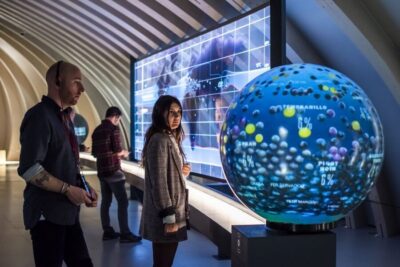
Bordeaux: Cité du Vin Entry Ticket and Wine Tasting
Read our review →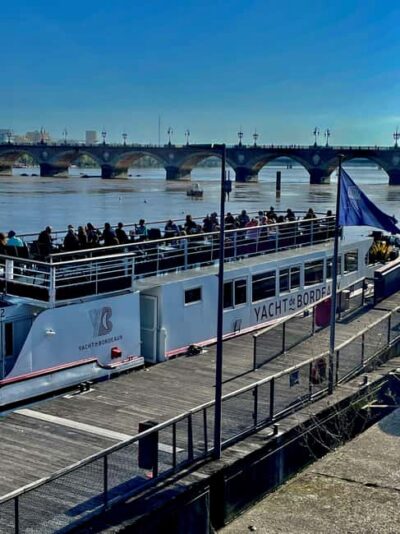
Bordeaux: River Garonne Cruise with Glass of Wine and Canelé
Read our review →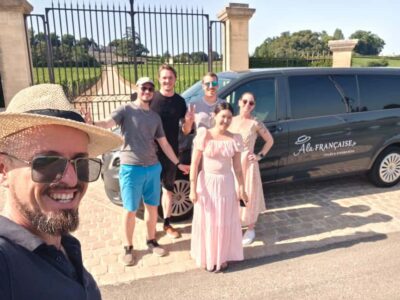
From Bordeaux: Afternoon Saint-Emilion Wine Tasting & snack
Read our review →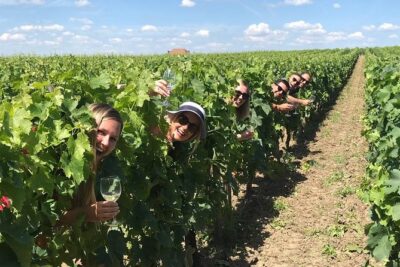
Medoc or Saint Emilion Wine Tasting and Chateau from Bordeaux
Read our review →
Saint Emilion Day Trip with Sightseeing Tour & Wine Tastings from Bordeaux
Read our review →
Saint-Émilion: Grand Cru Classé Winery Visit and Tasting
Read our review →
Saint Emilion Half-Day Trip with Wine Tasting & Winery Visit from Bordeaux
Read our review →
From Bordeaux: St. Emilion Village Half-Day Wine Tour
Read our review →Browse the lists this tour appears in